Consent to Revocation of Trust by Beneficiary
What is this form?
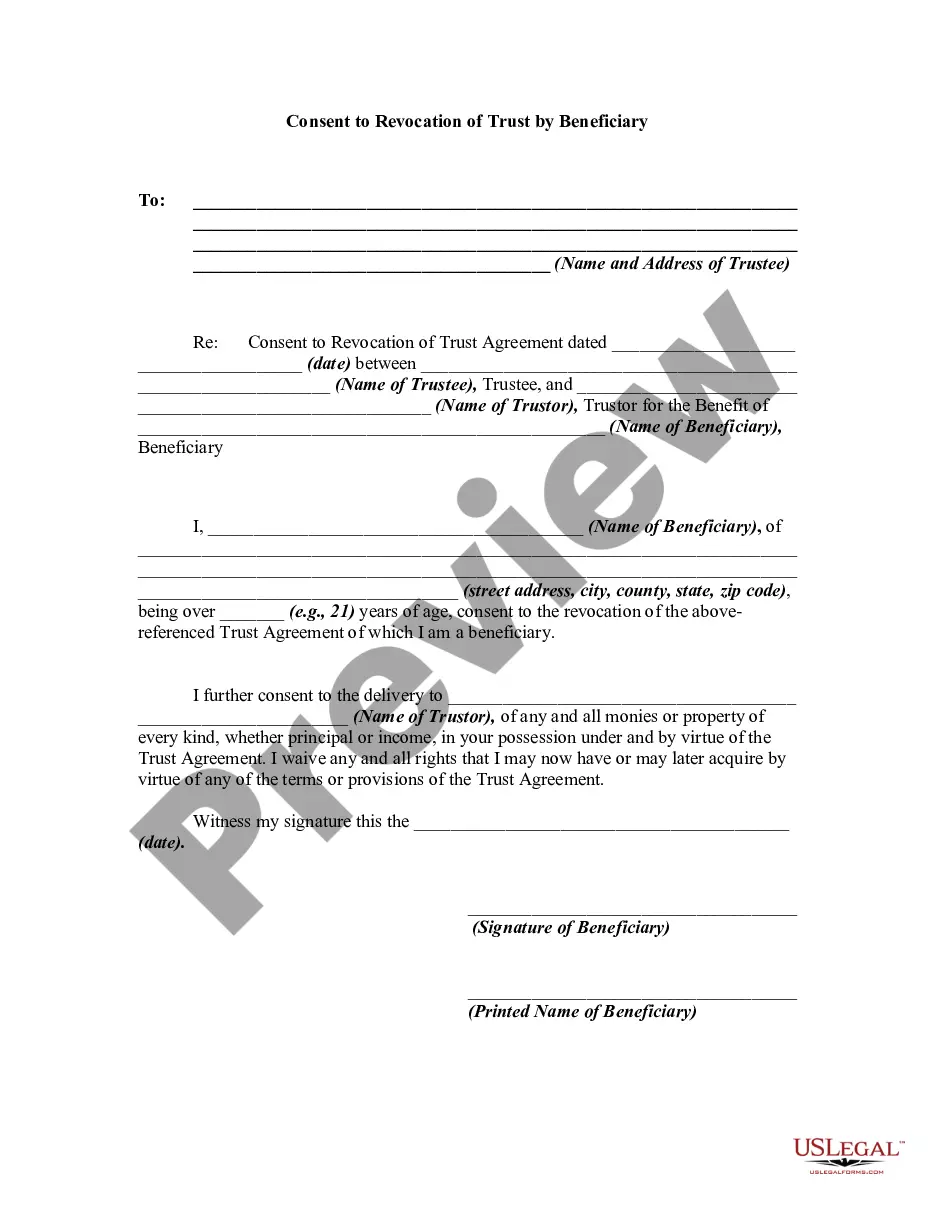
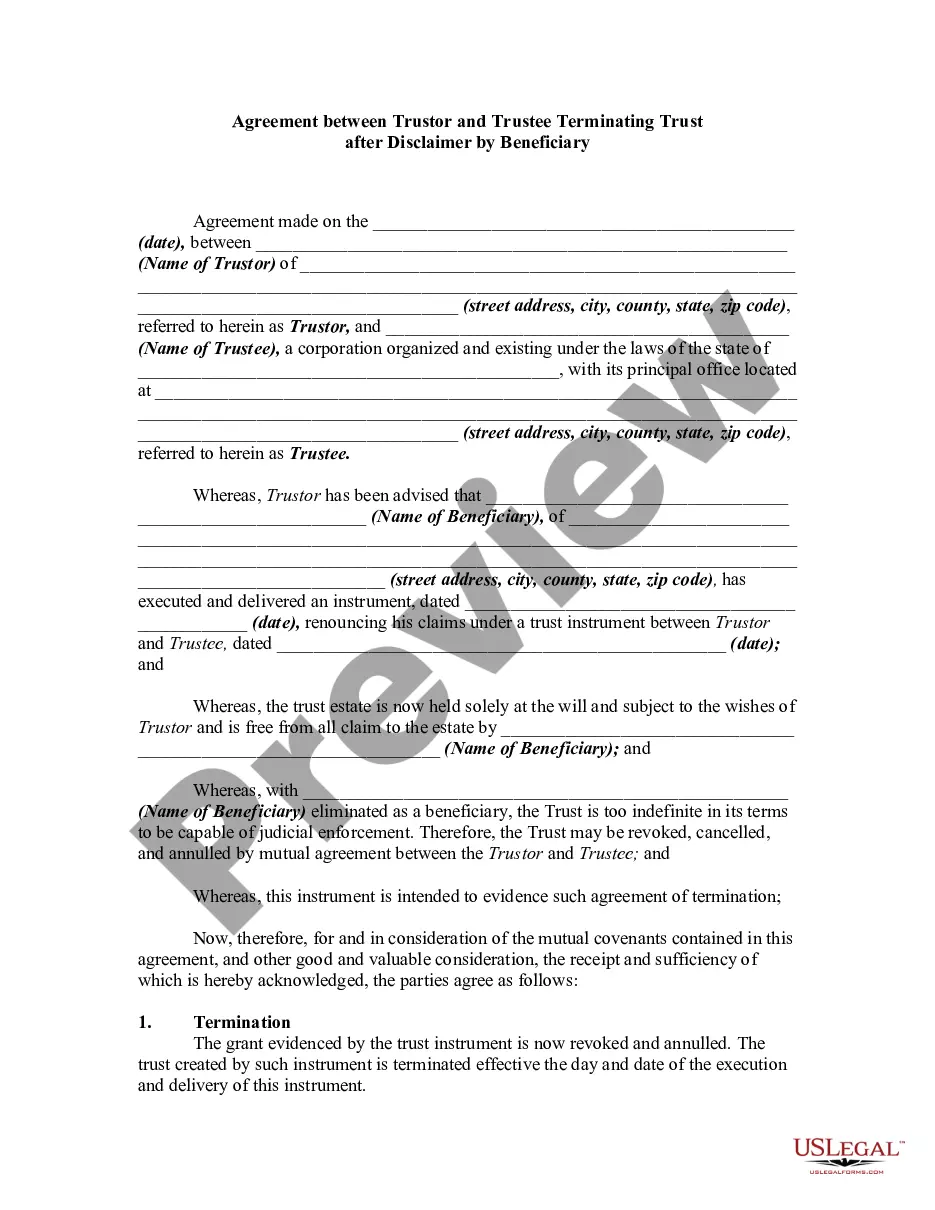
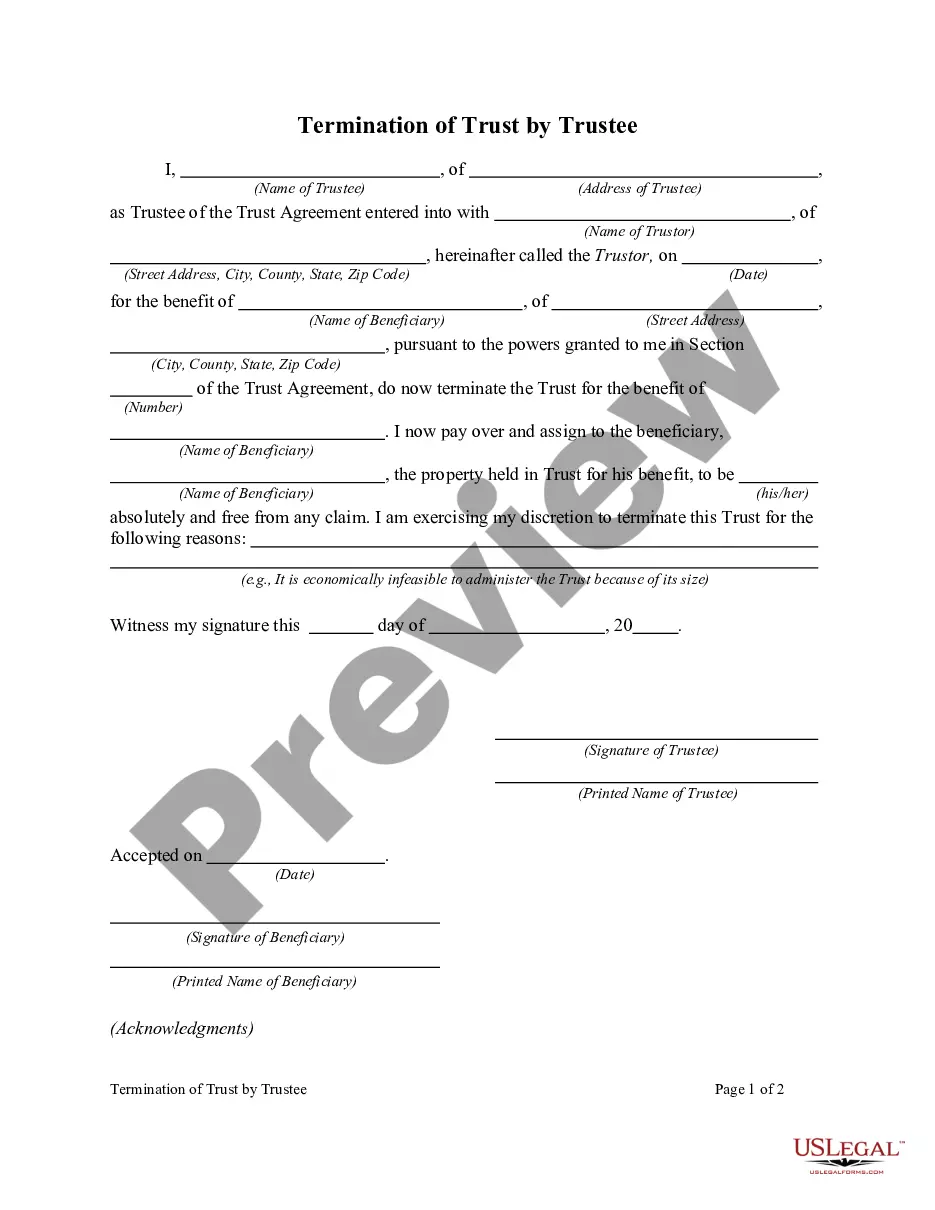
The Consent to Revocation of Trust by Beneficiary is a legal document where a beneficiary agrees to revoke a trust they are associated with. This form allows the trustee to transfer any remaining assets or income from the trust back to the trustor. Unlike other trust-related forms, this one specifically focuses on the beneficiary's consent, making it distinct in its purpose and use.
Main sections of this form
- Name and address of the trustee
- Details of the trust agreement, including the date and parties involved
- Beneficiary's consent for the revocation of the trust
- Agreement to transfer assets back to the trustor
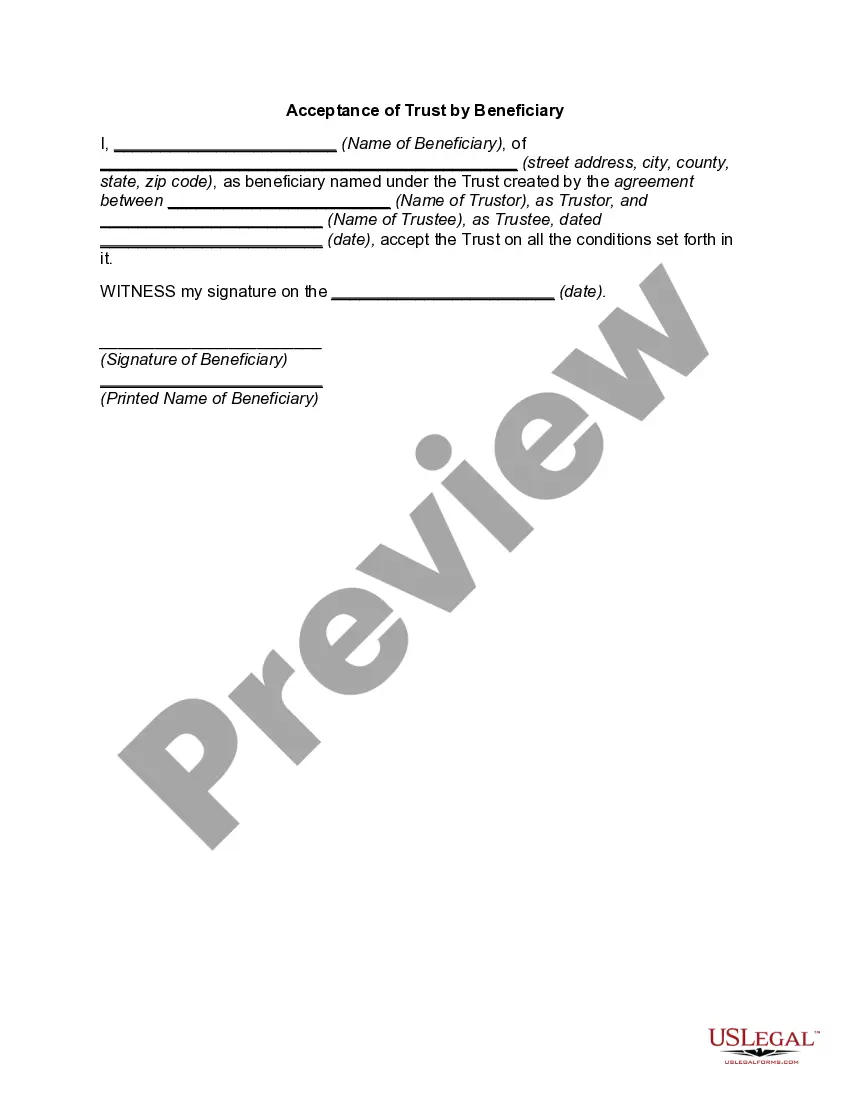
- Beneficiary's signature and printed name
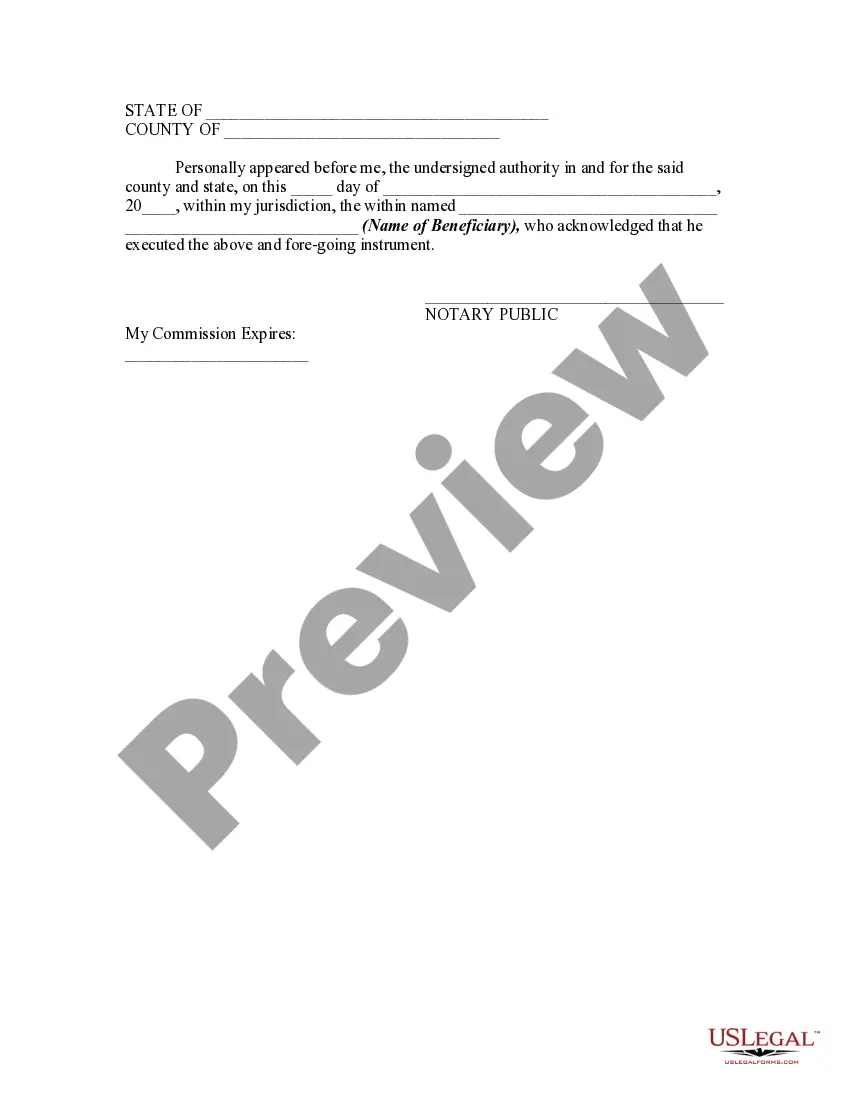
- Notarization section for official validation
When this form is needed
This form is required when a beneficiary of a trust wishes to formally consent to the revocation of that trust. It may be necessary in situations where a trust no longer serves its intended purpose, or when the trustor decides to terminate the trust arrangement altogether.
Who this form is for
- Beneficiaries of a trust who agree to revocation
- Trustees who need to legally document the beneficiary's consent
- Trustors wishing to terminate their trust arrangements
Instructions for completing this form
- Identify and fill in the name and address of the trustee.
- Include the date of the trust agreement and the names of involved parties.
- The beneficiary should provide their name and address, confirming their age.
- Sign and date the form to indicate consent for the trust's revocation.
- If required, have the form notarized to ensure legal validity.
Does this document require notarization?
Yes, this form must be notarized to be legally valid. Notarization verifies the identities of the signer and ensures the document's integrity. US Legal Forms offers integrated online notarization services available 24/7, providing a secure and convenient way to complete your document without travel.
Get your form ready online
Our built-in tools help you complete, sign, share, and store your documents in one place.
Make edits, fill in missing information, and update formatting in US Legal Forms—just like you would in MS Word.
Download a copy, print it, send it by email, or mail it via USPS—whatever works best for your next step.
Sign and collect signatures with our SignNow integration. Send to multiple recipients, set reminders, and more. Go Premium to unlock E-Sign.
If this form requires notarization, complete it online through a secure video call—no need to meet a notary in person or wait for an appointment.
We protect your documents and personal data by following strict security and privacy standards.
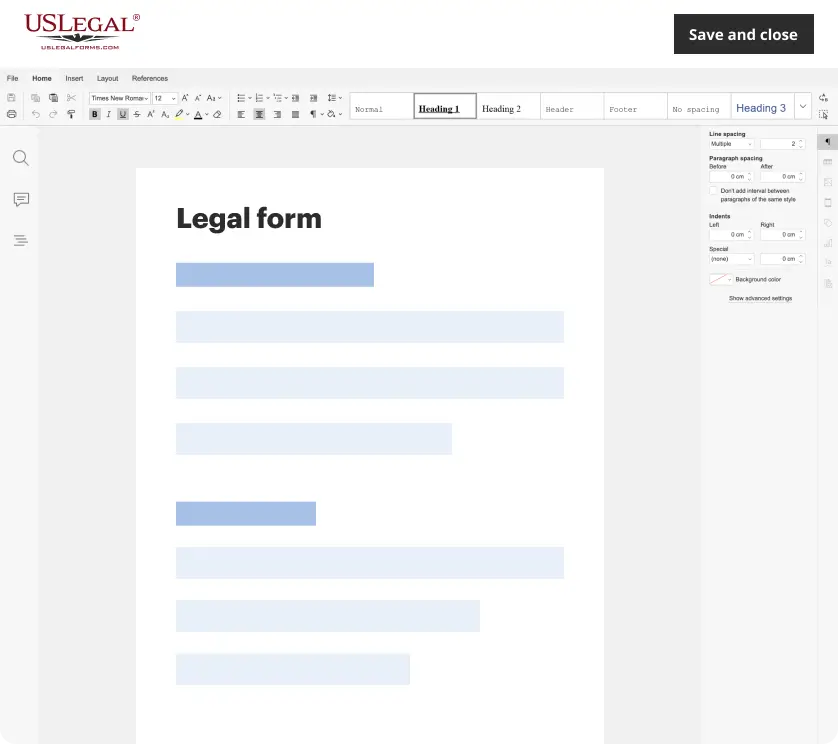
Make edits, fill in missing information, and update formatting in US Legal Forms—just like you would in MS Word.
Download a copy, print it, send it by email, or mail it via USPS—whatever works best for your next step.
Sign and collect signatures with our SignNow integration. Send to multiple recipients, set reminders, and more. Go Premium to unlock E-Sign.

If this form requires notarization, complete it online through a secure video call—no need to meet a notary in person or wait for an appointment.
We protect your documents and personal data by following strict security and privacy standards.
Avoid these common issues
- Failing to clearly identify all parties involved.
- Not including the trust agreement's date, leading to confusion.
- Neglecting to notarize the document when required.
- Leaving out the beneficiary's signature or necessary details.
Benefits of using this form online
- Convenient access to download and complete the form anytime.
- Edit and customize the form easily to fit specific needs.
- Reliable templates drafted by licensed attorneys.
Legal use & context
- This document serves as proof of the beneficiary's agreement to revoke the trust, which is important for the trustee and trustor.
- It helps avoid potential disputes over the trust's assets after the revocation.
Summary of main points
- The Consent to Revocation of Trust by Beneficiary allows a beneficiary to agree to revoke a trust.
- Proper completion and notarization of the form are critical for legal validity.
- Consult local laws to ensure this form meets all jurisdictional requirements.
Looking for another form?


Form popularity
FAQ
The Consent to Revocation of Trust by Beneficiary is a standard multi-state form used when a beneficiary agrees to terminate a trust. It documents the beneficiary’s consent and directs any remaining assets or income to be transferred back to the trustor. The form typically includes the trustee’s name and address, details of the trust, the beneficiary’s consent, an asset-transfer agreement to the trustor, the beneficiary’s signature, and a notary section.
Yes. This form is used when a beneficiary consents to revoke the trust, documenting that consent and including an agreement to transfer any remaining assets back to the trustor. It requires the beneficiary’s signature and a notarization section, and it is specifically designed for beneficiaries who agree to revocation, not for unilateral trustee action.
Execution centers on the beneficiary’s consent and the identification of the trustee. The form requires the trustee’s name and address, the beneficiary’s signature, and a notarization section. It documents the beneficiary’s consent to revocation and the transfer arrangement back to the trustor, under the trust terms and through the trustee’s administration.
When a revocable trust is revoked using this form, the beneficiary’s consent is formalized and there is an agreement to transfer remaining assets back to the trustor. The notarization section validates the document, and the trustee administers the revocation in accordance with the trust terms.
Reasons include that the trust no longer serves its intended purpose or the trustor wishes to terminate the trust. This form provides a formal way for a beneficiary to consent to revocation and helps document the transition of assets back to the trustor.
This form differs from a general trustee-initiated revocation because it centers on the beneficiary’s explicit consent and includes a specific asset-transfer back to the trustor, with a notarization step. A trustee-led revocation may not require beneficiary consent or the same transfer language.