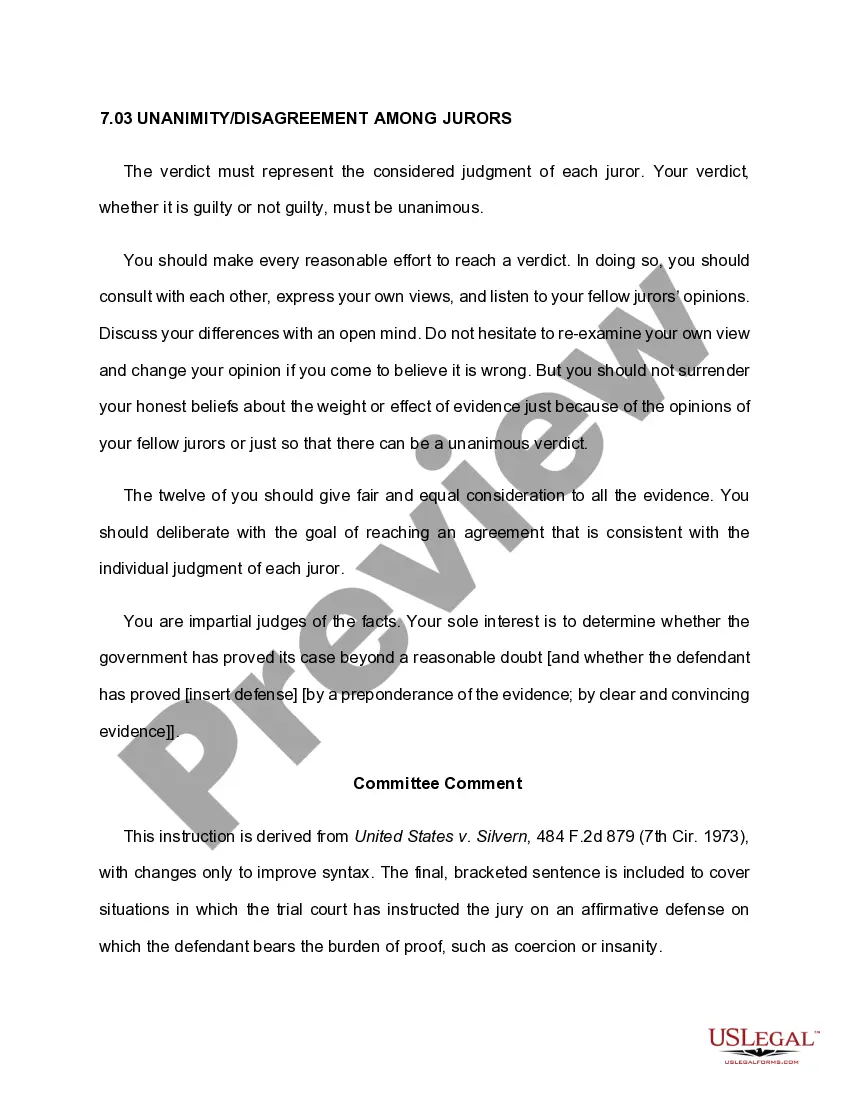
Authority to Release of Deed of Trust
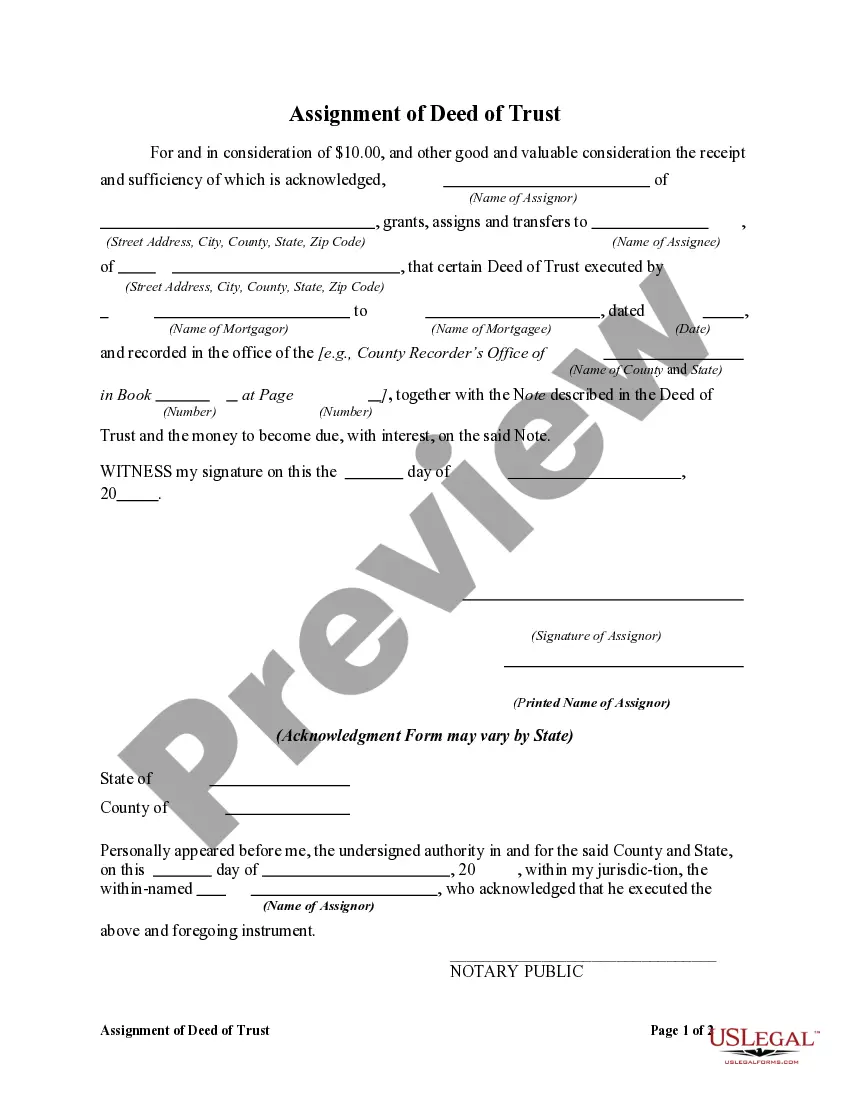
What is this form?
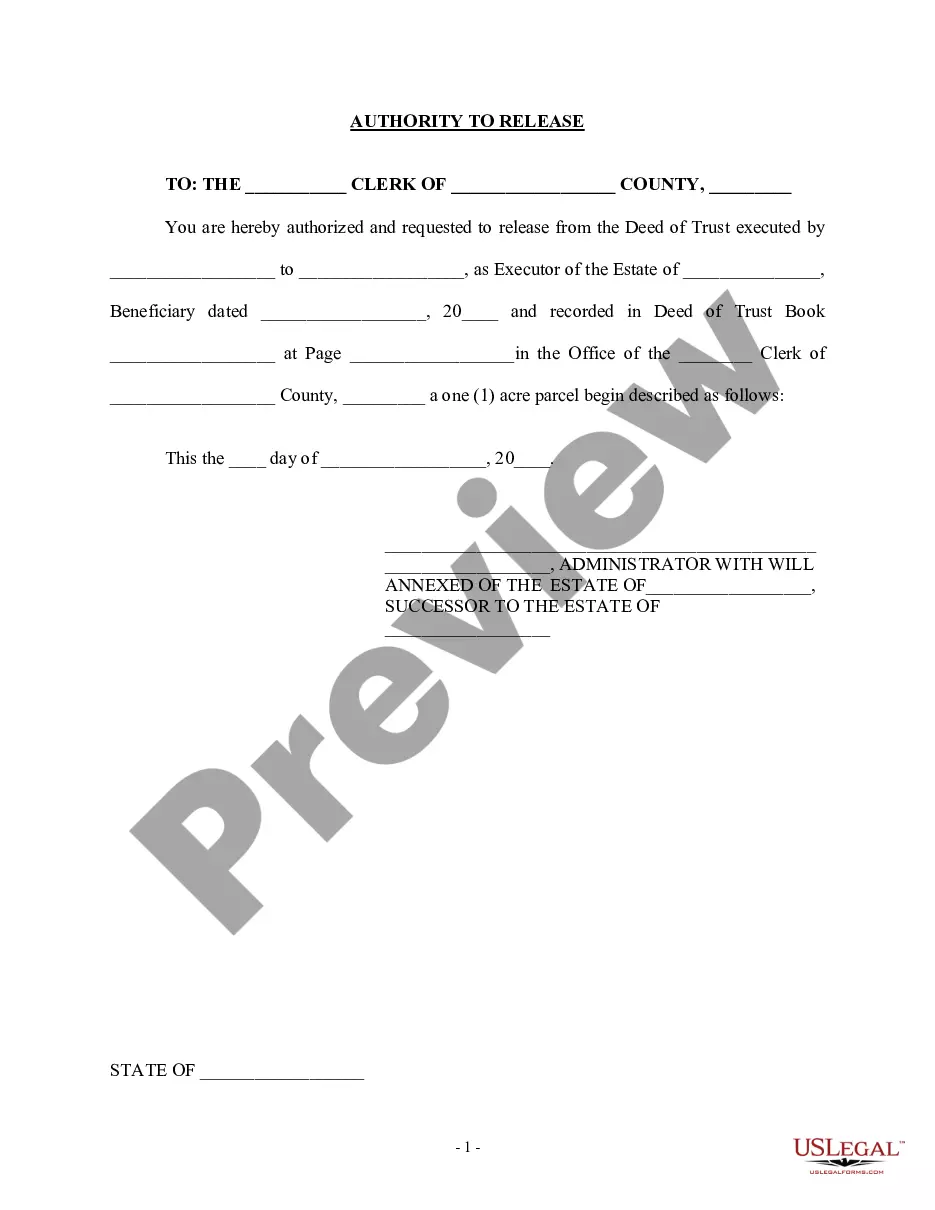
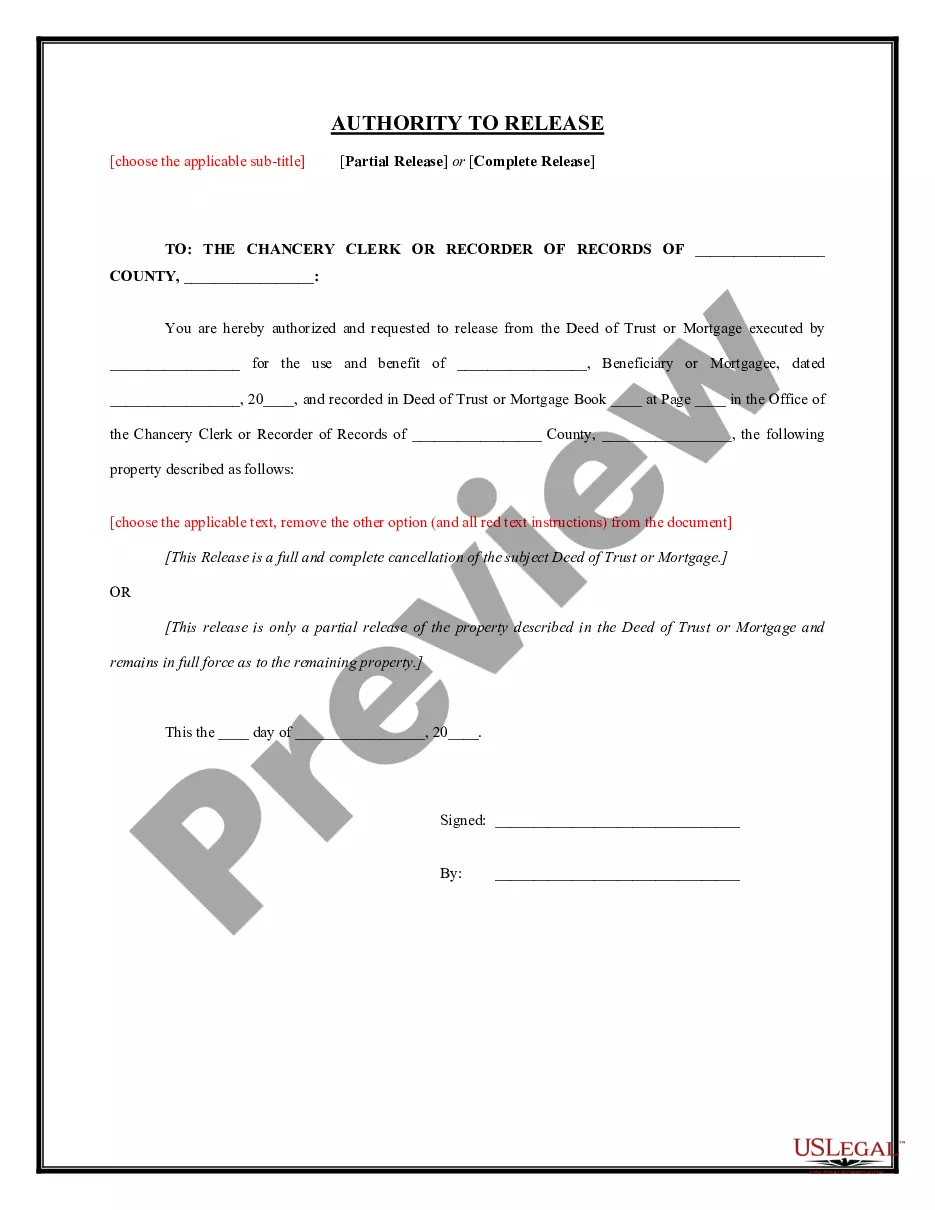
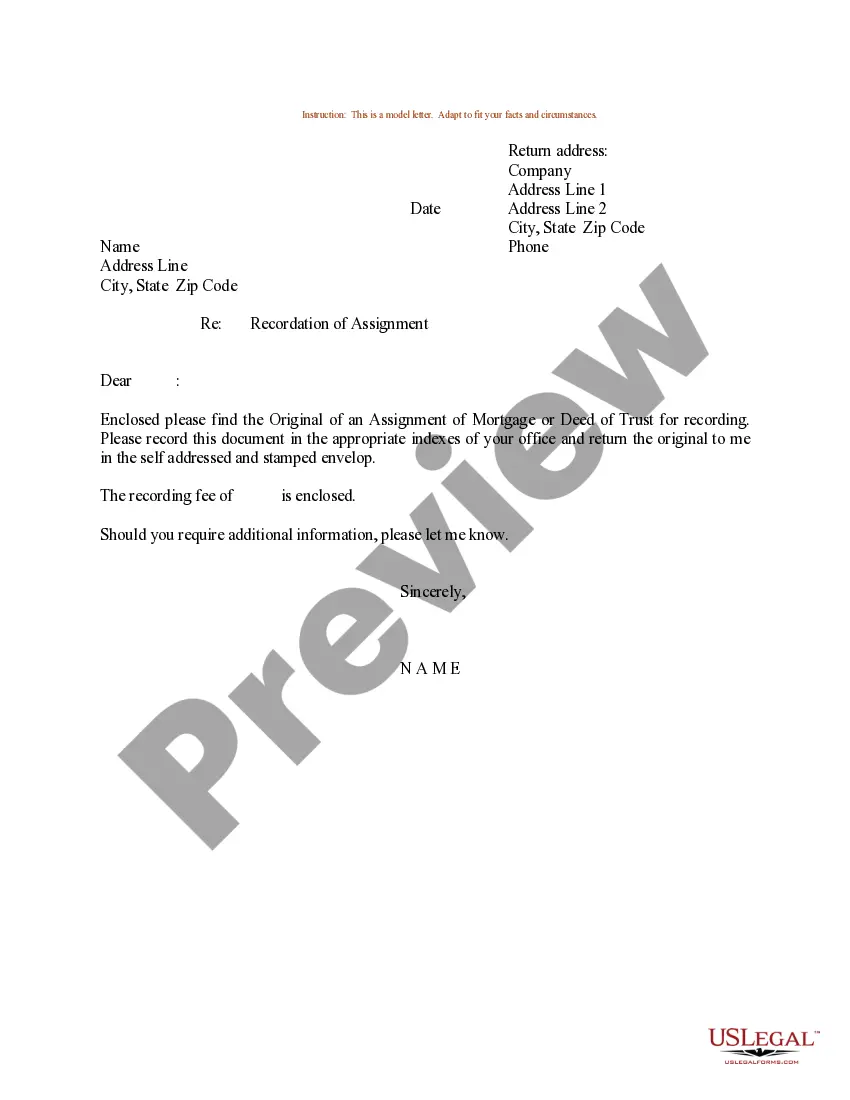
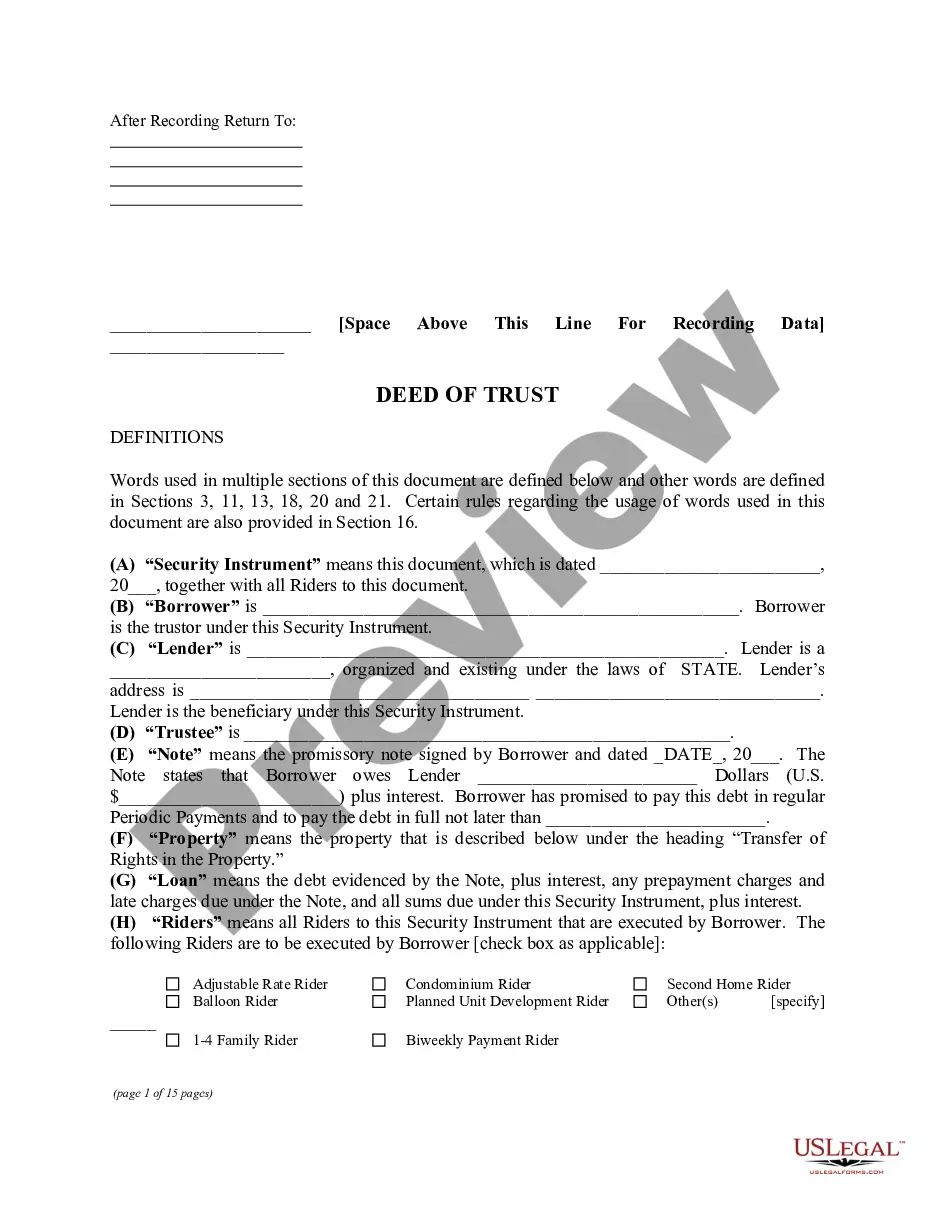
The Authority to Release of Deed of Trust is a legal document used to authorize the release of a deed of trust concerning a property. This form is specifically intended for situations where the executor of an estate needs to formally request that a county clerk release a parcel of land from a recorded deed of trust. It differs from other forms of release by focusing specifically on the release by an executor acting on behalf of the estate, ensuring that all formalities are observed in compliance with local regulations.
Main sections of this form
- Identification of the county clerk and county where the release is to be filed.
- Details of the deed of trust including the names of the original parties and the date of execution.
- Specific description of the property, including its size and boundaries.
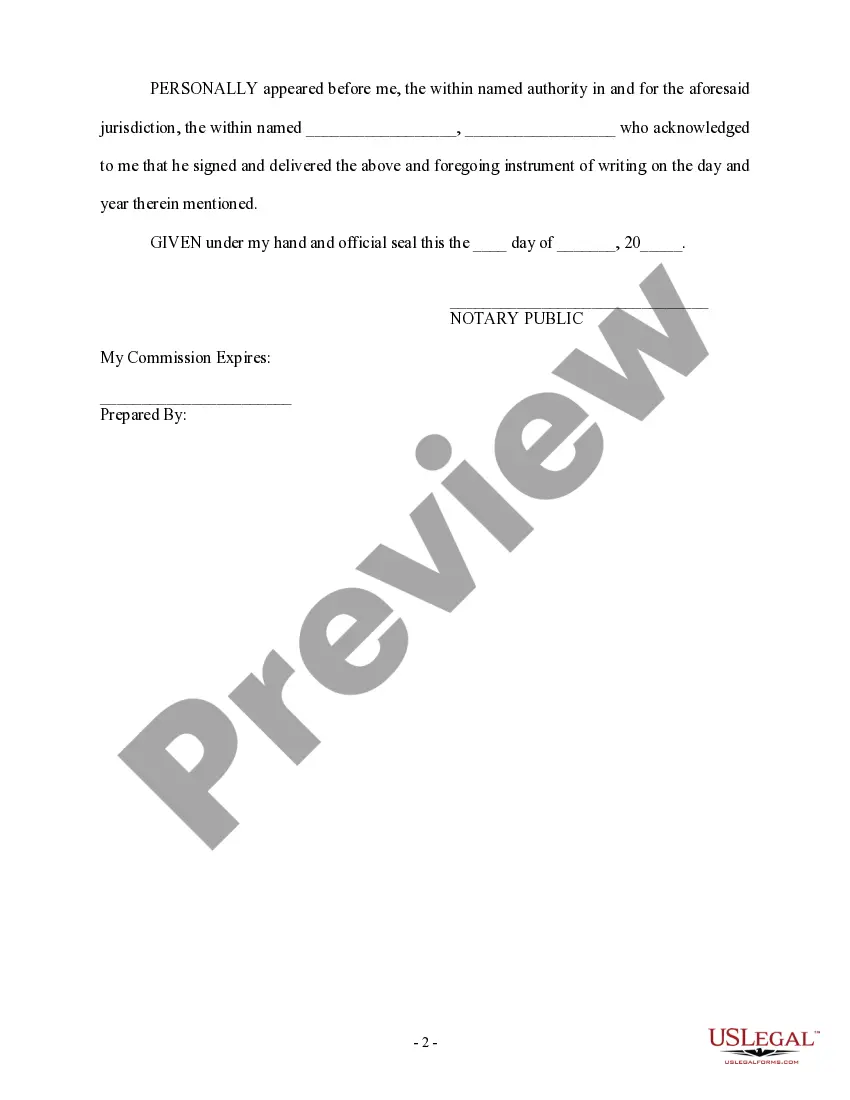
- Signature lines for the executor and acknowledgment by a notary public.
- Space for the notary to provide details of their commission and seal.

Common use cases
You should use the Authority to Release of Deed of Trust when you, as the executor of an estate, need to request that a deed of trust be released from a specific parcel of land. This typically occurs when the estate has been settled, and the associated debts have been paid, allowing the executor to free the property from any encumbrances listed under the deed of trust for future transactions or distribution to beneficiaries.
Who should use this form
- Executors or administrators of an estate who are tasked with managing property under a deed of trust.
- Individuals involved in the settlement of an estate where real property is tied to outstanding obligations.
- Legal professionals assisting clients with estate planning or probate matters.
How to prepare this document
- Identify the county clerk and county where the form will be submitted.
- Enter the details of the original deed of trust, including names of the parties and the date it was executed.
- Specify the property being released, including a clear description of its boundaries.
- Sign the form in the presence of a notary public, ensuring proper acknowledgment of your signature.
- Have the notary complete their section, providing their seal and commission expiration date.
Does this form need to be notarized?
Notarization is required for this form to take effect. Our online notarization service, powered by Notarize, lets you verify and sign documents remotely through an encrypted video session, available 24/7.
Get your form ready online
Our built-in tools help you complete, sign, share, and store your documents in one place.
Make edits, fill in missing information, and update formatting in US Legal Forms—just like you would in MS Word.
Download a copy, print it, send it by email, or mail it via USPS—whatever works best for your next step.
Sign and collect signatures with our SignNow integration. Send to multiple recipients, set reminders, and more. Go Premium to unlock E-Sign.
If this form requires notarization, complete it online through a secure video call—no need to meet a notary in person or wait for an appointment.
We protect your documents and personal data by following strict security and privacy standards.

Make edits, fill in missing information, and update formatting in US Legal Forms—just like you would in MS Word.

Download a copy, print it, send it by email, or mail it via USPS—whatever works best for your next step.

Sign and collect signatures with our SignNow integration. Send to multiple recipients, set reminders, and more. Go Premium to unlock E-Sign.

If this form requires notarization, complete it online through a secure video call—no need to meet a notary in person or wait for an appointment.

We protect your documents and personal data by following strict security and privacy standards.
Common mistakes
- Failing to accurately describe the deed of trust or property involved.
- Not obtaining the necessary notarization before submission.
- Leaving out required signatures or dates, which may delay the process.
Advantages of online completion
- Immediate access to a legally vetted template prepared by licensed attorneys.
- Convenient download options that allow for easy completion at your own pace.
- Reliability in terms of legal compliance, ensuring your form meets state requirements.
Summary of main points
- The Authority to Release of Deed of Trust is essential for executors managing estate properties.
- Accuracy and notarization are critical for this form's validity.
- Using this form online provides convenience and ensures legal compliance.
Looking for another form?


Form popularity
FAQ
A Release of Deed of Trust is a document signed and executed by the current beneficiary of a Deed of Trust. The release form is submitted to the Public Trustee's Office in the county in which the property is located.
A Deed of Release is a legal document, also known as a deed of settlement, used to formalise an agreement between two or more parties involved in a dispute. In an employment setting, a Deed of Release is often used to resolve a dispute between an employer and employee or ex-employee.
The deed can be re-written to reflect changes, but it needs the consent of both parties. If you want to make substantial changes to the deed, it's typically best to get a new one written. If changes are only minor, you can enter a deed of variation.
In order to clear the Deed of Trust from the title to the property, a Deed of Reconveyance must be recorded with the Country Recorder or Recorder of Deeds. If the Trustee/Beneficiary fails to record a satisfaction within the set time limits, the Trustee/Beneficiary may be responsible for damages as set out by statute.
Deeds of release are also particularly common in the context of employment. It is common for employers to require an employee to sign a deed of release upon exiting the business. The deed will ensure that the person is not able to make any employment claims against your business after they have ceased their employment.
In real estate parlance, the party conveying property is called the grantor. The party receiving the property is the grantee. Either party can be an individual, a business entity, or a partnership. The contract between the grantor and grantee establishes the terms of transfer between the parties.
Only until the debt is paid off by the borrower can a deed of reconveyance then be used to clear the deed of trust from the title to the property. The document is signed by the trustee, whose signature must be notarized.
A deed of release literally releases the parties to a deal from previous obligations, such as payments under the term of a mortgage because the loan has been paid off. The lender holds the title to real property until the mortgage's terms have been satisfied when a deed of release is commonly entered into.