Deed of Trust - Release
What this document covers
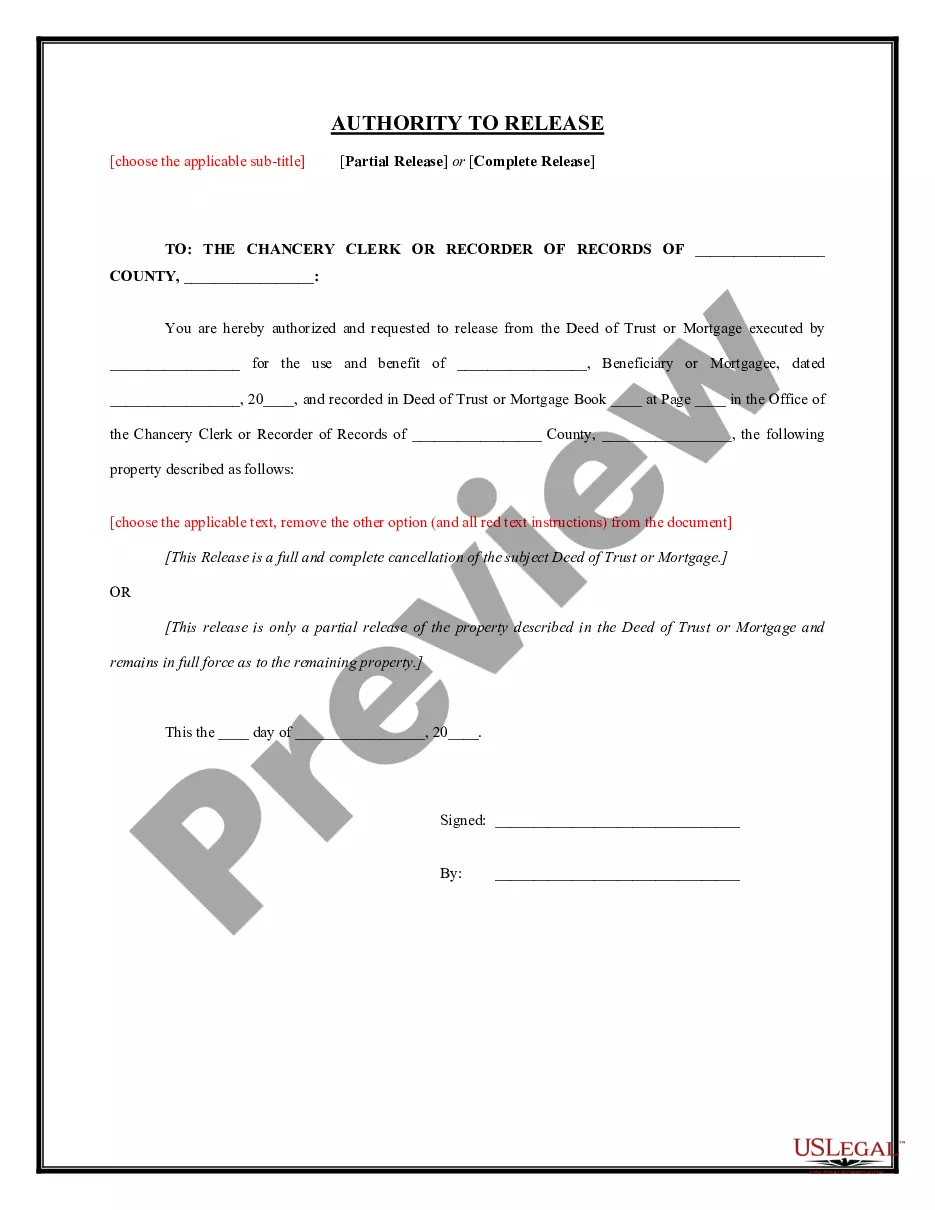
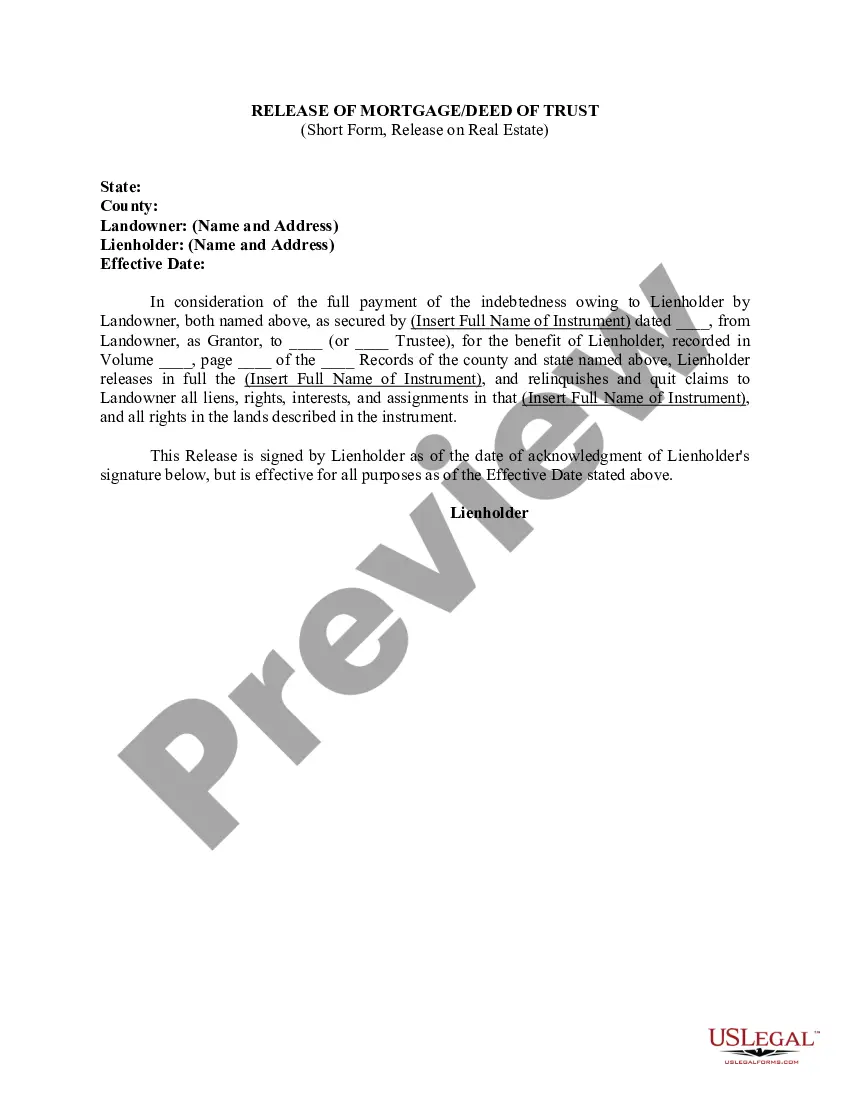
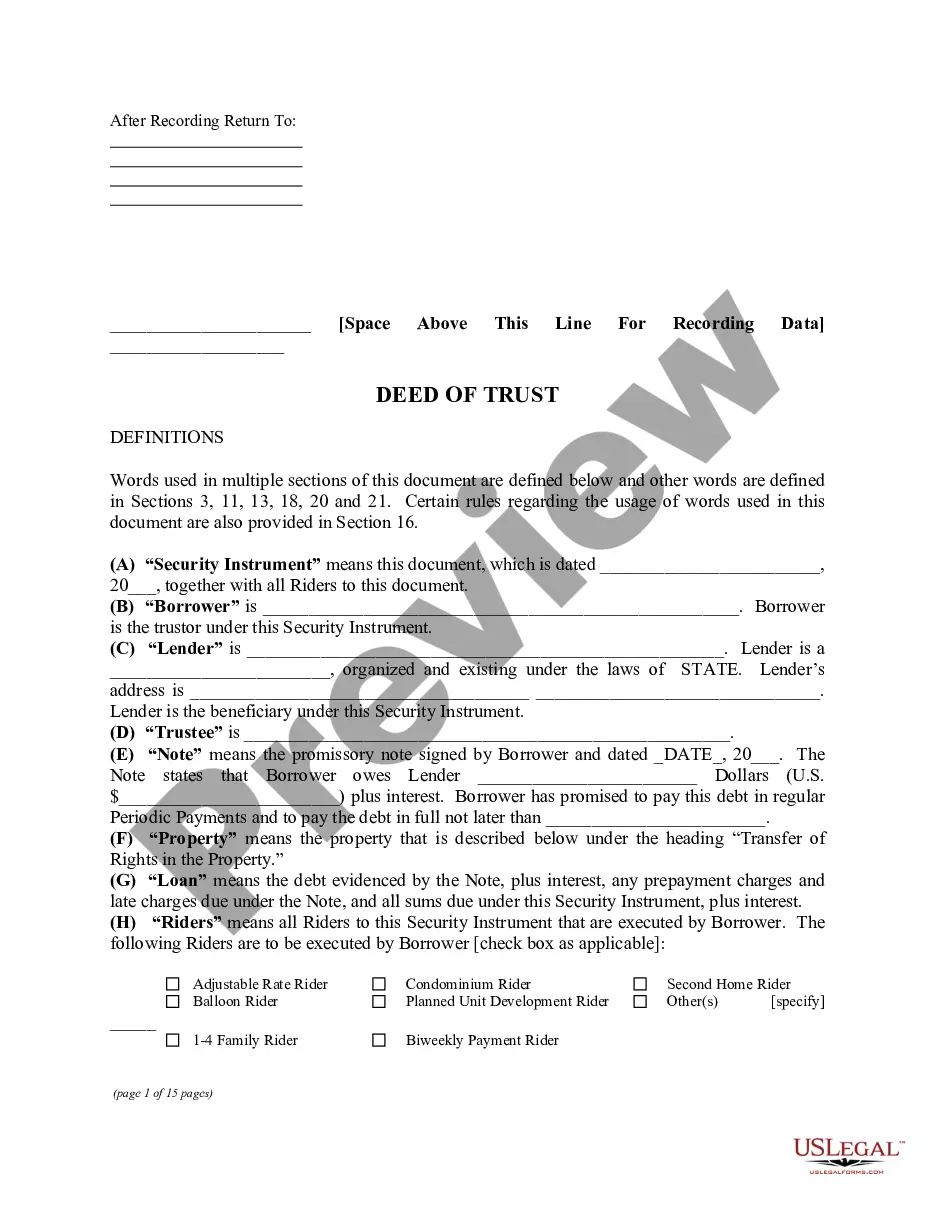
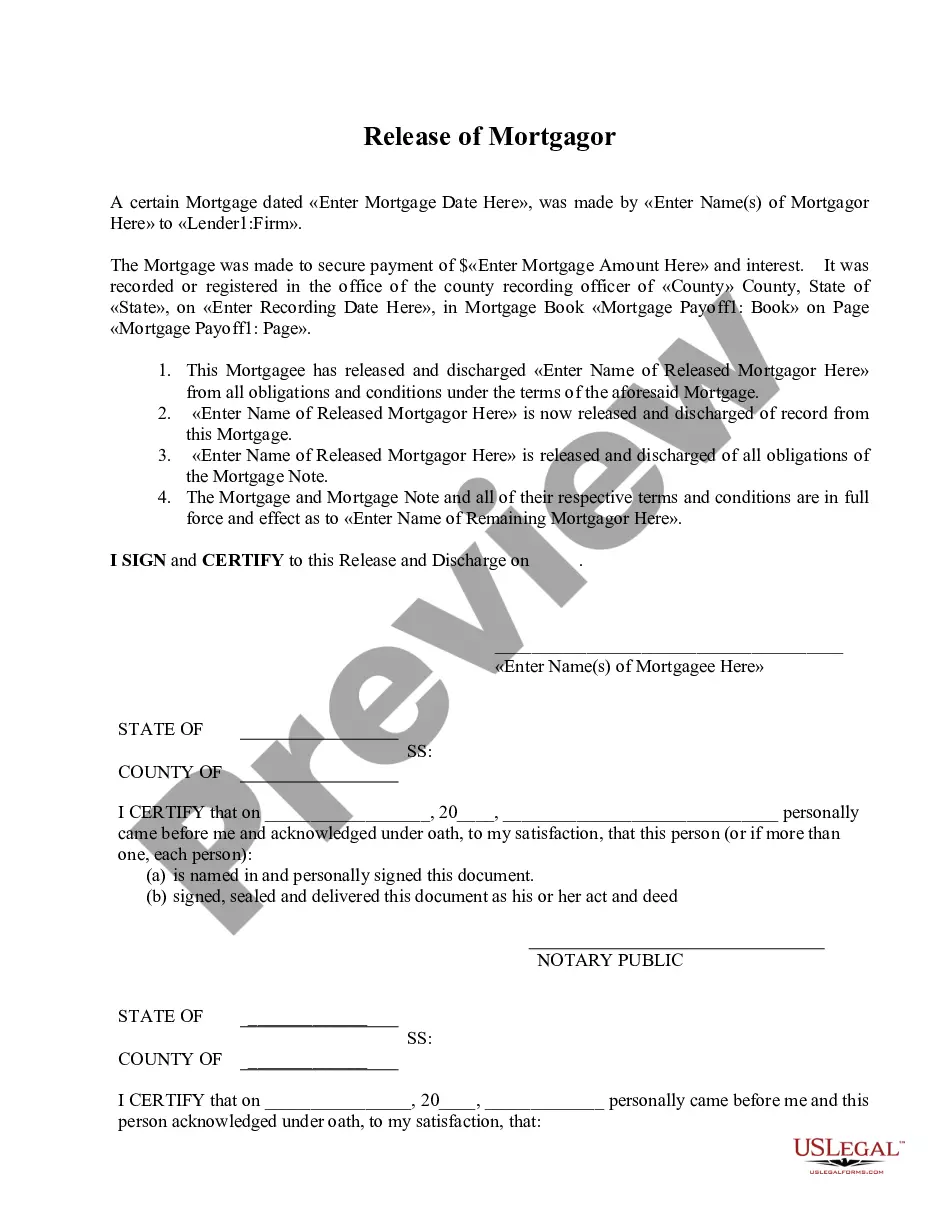
The Deed of Trust - Release is a legal document that allows the chancery clerk or the recorder of deeds to officially release a property from a deed of trust or mortgage. This form differs from similar documents by specifically addressing the release of a property, whether it is a complete or partial release, ensuring that the remaining properties under the original deed are still encumbered if applicable.
Form components explained
- Heading indicating authorization to the clerk or recorder.
- Identifying the property and the parties involved in the mortgage or trust.
- Choice between a full or partial release of the deed of trust or mortgage.
- Date of the release and signatures of the authorized parties.
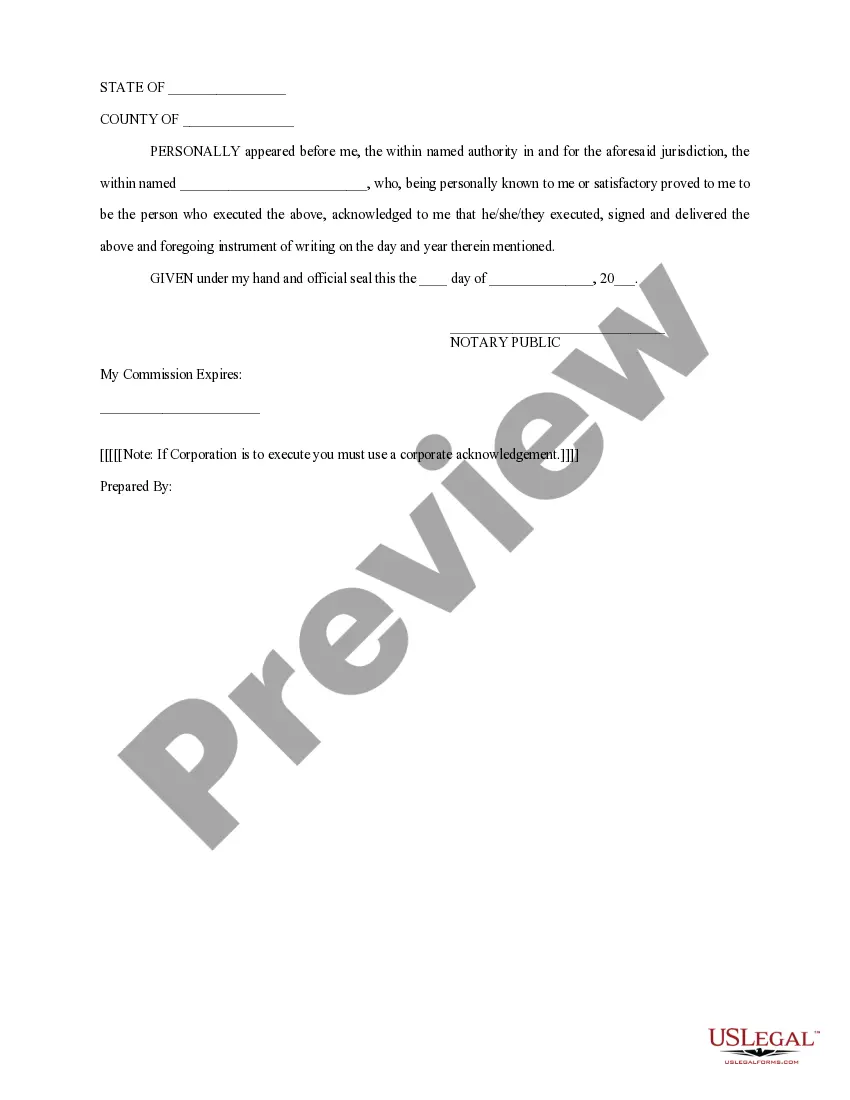
- Notary public acknowledgment section for validation.


When to use this document
This form is typically used when a borrower has paid off their mortgage or has had the loan modified, and the lender agrees to release the property from the deed of trust. It can also be used to release only part of the collateral property if the loan covers multiple properties.
Who needs this form
- Homeowners who have completed repayment of their mortgage.
- Lenders who wish to formally release property from a deed of trust.
- Real estate professionals involved in property transactions.
Completing this form step by step
- Identify the applicable sub-title: choose either Partial Release or Complete Release.
- State the county and names of the clerks and parties involved.
- Provide details of the original deed of trust or mortgage including the recording date and book/page number.
- Choose the correct text to indicate whether this is a complete or partial release of the property.
- Sign and date the document, ensuring a notary public is present for acknowledgment.
Notarization guidance
Yes, this form must be notarized to be legally valid. US Legal Forms offers integrated online notarization, providing a secure video call service available twenty-four-seven for your convenience.
Get your form ready online
Our built-in tools help you complete, sign, share, and store your documents in one place.
Make edits, fill in missing information, and update formatting in US Legal Forms—just like you would in MS Word.
Download a copy, print it, send it by email, or mail it via USPS—whatever works best for your next step.
Sign and collect signatures with our SignNow integration. Send to multiple recipients, set reminders, and more. Go Premium to unlock E-Sign.
If this form requires notarization, complete it online through a secure video call—no need to meet a notary in person or wait for an appointment.
We protect your documents and personal data by following strict security and privacy standards.

Make edits, fill in missing information, and update formatting in US Legal Forms—just like you would in MS Word.

Download a copy, print it, send it by email, or mail it via USPS—whatever works best for your next step.

Sign and collect signatures with our SignNow integration. Send to multiple recipients, set reminders, and more. Go Premium to unlock E-Sign.

If this form requires notarization, complete it online through a secure video call—no need to meet a notary in person or wait for an appointment.

We protect your documents and personal data by following strict security and privacy standards.
Common mistakes to avoid
- Failing to select the correct type of release (partial or complete).
- Omitting necessary identifying information about the property or parties.
- Not obtaining notarization when required.
Benefits of completing this form online
- Convenient download and immediate access to necessary legal documents.
- Editable templates that allow for customization to fit individual circumstances.
- Reliability as forms are drafted by licensed attorneys, ensuring legal validity.
Looking for another form?
Form popularity
FAQ
With a deed of trust, you temporarily give control of the title to your property to the lender for security purposes. Once you pay off the debt, the lender conveys that temporary control back to you.
In order to clear the Deed of Trust from the title to the property, a Deed of Reconveyance must be recorded with the Country Recorder or Recorder of Deeds. If the Trustee/Beneficiary fails to record a satisfaction within the set time limits, the Trustee/Beneficiary may be responsible for damages as set out by statute.
Yes, you can challenge the release deed/ relinquishment deed after the death of the person. but to challenge it you need to have solid grounds and proof stating that the deed was made fraudulently. if you dont have any proof then their is no point challenging it as the case may not sustain merit in the court.
A release clause is a term that refers to a provision within a mortgage contract. The release clause allows for the freeing of all or part of a property from a claim by the creditor after a proportional amount of the mortgage has been paid.
A Deed of Release is a legal document, also known as a deed of settlement, used to formalise an agreement between two or more parties involved in a dispute. In an employment setting, a Deed of Release is often used to resolve a dispute between an employer and employee or ex-employee.
Parties need a deed of release to bring a dispute or agreement to an end.Alternatively, if you are an employer, you may want a departing employee to sign a deed of release to agree that they won't make any employment claims against you once they have gone.
The property's title remains in the trust until the loan is paid off, or satisfied, then it is released from the trust. To complete the release, the lender prepares a deed of reconveyance. This document states that the conditions of the loan have been met and you have no further financial obligations to the lender.
When you pay off your loan and you have a mortgage, the lender will send you or the local recorder of deeds or office that handles the filing of real estate documents a release of mortgage.On the other hand, when you have a trust deed or deed of trust, the lender files a release deed.