South Dakota Letter from Tenant to Landlord containing Notice of wrongful deductions from security deposit and demand for return
What is this form?
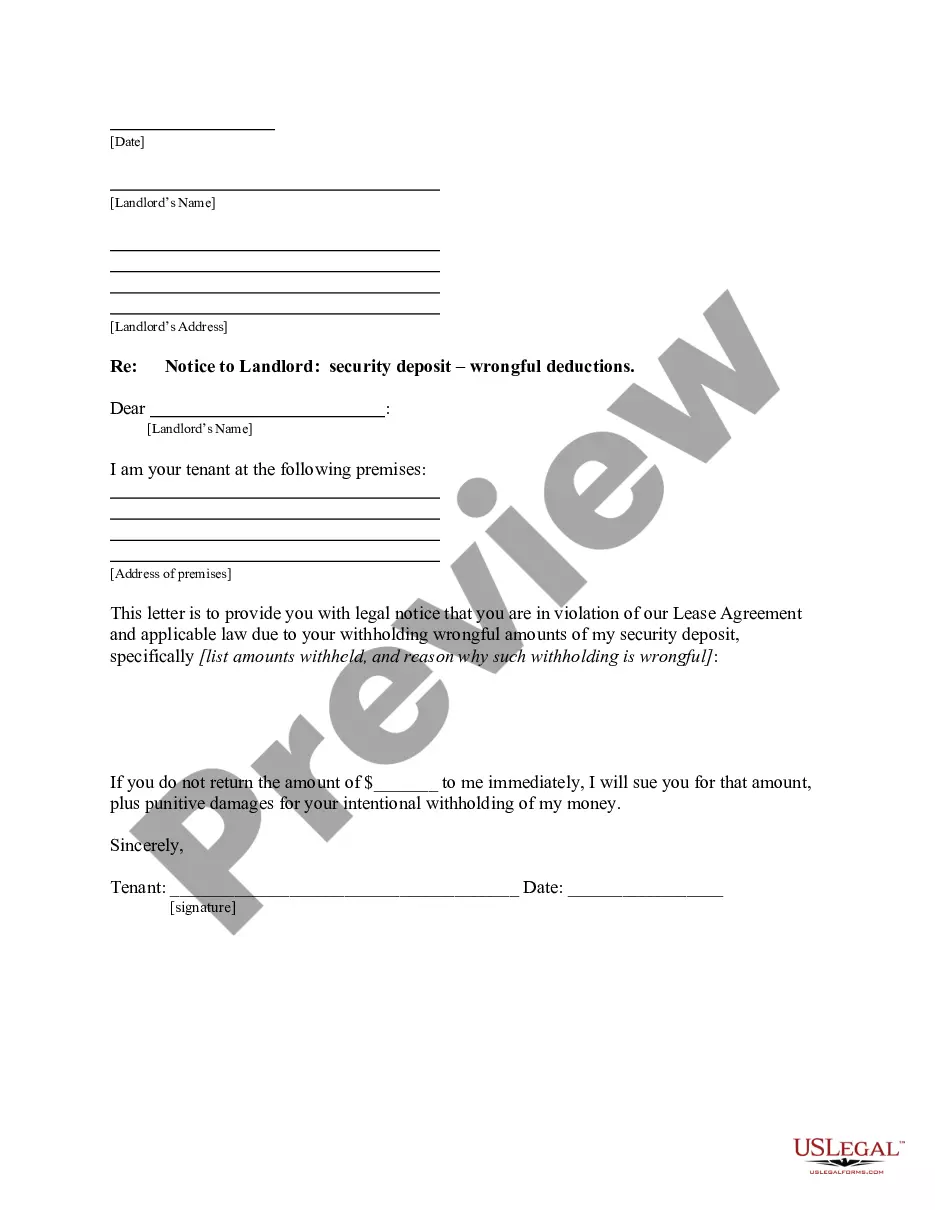
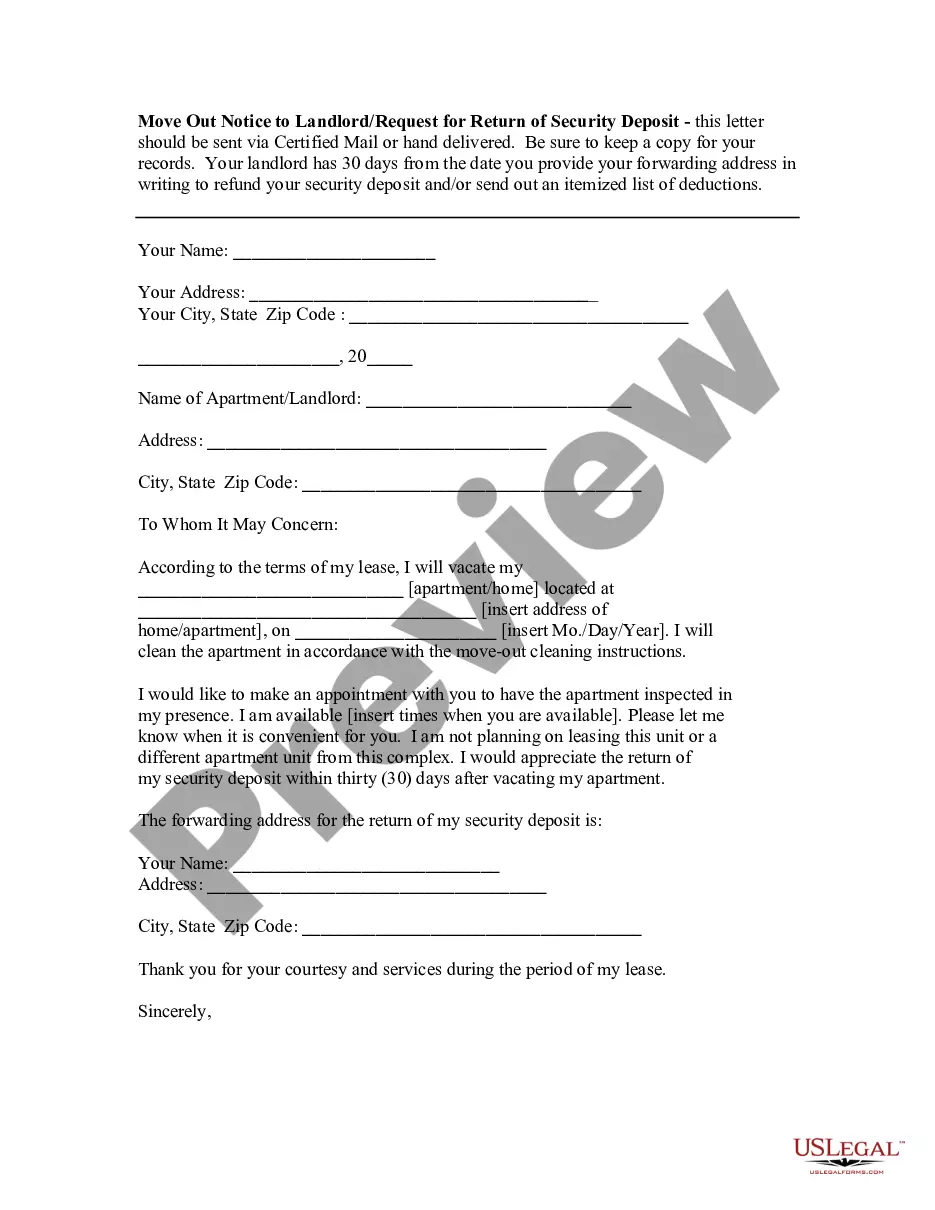
This form is a Letter from Tenant to Landlord containing notice of wrongful deductions from the security deposit and a demand for return. It allows tenants to formally communicate issues regarding deductions they believe are unjustified. This form is specifically tailored to comply with state statutory law, ensuring that tenants can effectively assert their rights regarding security deposit disputes. Unlike generic communication templates, this form provides a legal framework for addressing specific grievances.
Key parts of this document
- Tenant's contact information
- Landlord's contact information
- Details of the wrongful deductions
- Demand for the return of the security deposit
- Date of statement and signature of the tenant
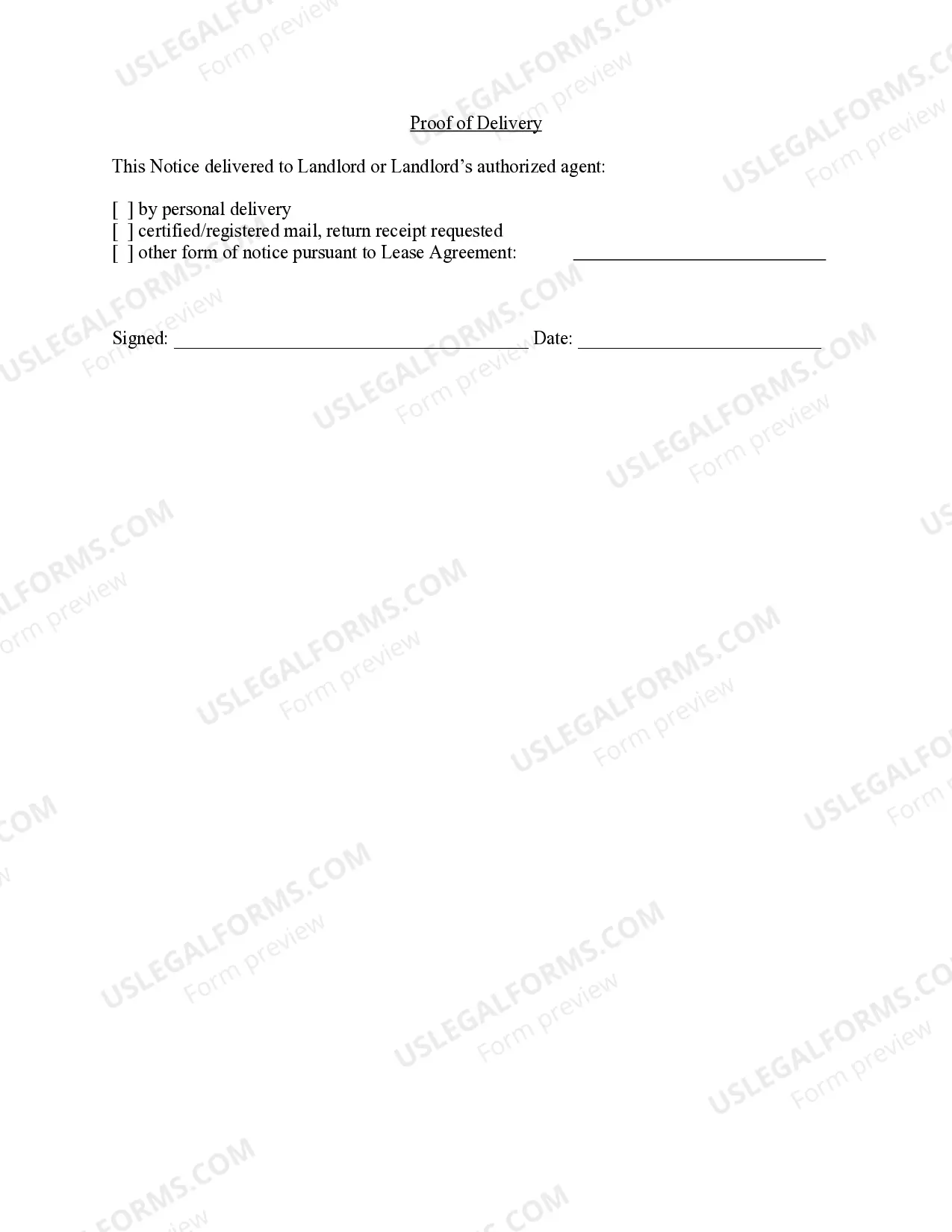
- Proof of delivery options



Situations where this form applies
This form should be used when a tenant believes that their landlord has made wrongful deductions from their security deposit. Situations may include disagreements over property damages, cleaning fees, or other claims made by the landlord that the tenant feels are unfair or unsupported. Utilizing this form can help ensure that such concerns are formally addressed and documented.
Who needs this form
- Tenants who are reclaiming their security deposit
- Individuals who have received unjustified deductions from their security deposit
- Any tenant in disputes relating to lease agreements or property condition
Steps to complete this form
- Identify and enter your contact information as the tenant.
- Provide the landlord's contact details accurately.
- Detail the deductions you believe are wrongful, including amounts and reasons.
- Clearly state your demand for the return of the security deposit.
- Sign and date the letter to confirm your intent.
- Choose a method for proof of delivery and ensure it is executed properly.
Is notarization required?
This form does not typically require notarization unless specified by local law. It is important to check your stateâs regulations regarding security deposit disputes to ensure compliance.
Get your form ready online
Our built-in tools help you complete, sign, share, and store your documents in one place.
Make edits, fill in missing information, and update formatting in US Legal Forms—just like you would in MS Word.
Download a copy, print it, send it by email, or mail it via USPS—whatever works best for your next step.
Sign and collect signatures with our SignNow integration. Send to multiple recipients, set reminders, and more. Go Premium to unlock E-Sign.
If this form requires notarization, complete it online through a secure video call—no need to meet a notary in person or wait for an appointment.
We protect your documents and personal data by following strict security and privacy standards.

Make edits, fill in missing information, and update formatting in US Legal Forms—just like you would in MS Word.

Download a copy, print it, send it by email, or mail it via USPS—whatever works best for your next step.

Sign and collect signatures with our SignNow integration. Send to multiple recipients, set reminders, and more. Go Premium to unlock E-Sign.

If this form requires notarization, complete it online through a secure video call—no need to meet a notary in person or wait for an appointment.

We protect your documents and personal data by following strict security and privacy standards.
Typical mistakes to avoid
- Failing to provide specific details about the deductions.
- Not signing or dating the letter before sending.
- Choosing an improper delivery method for proof of receipt.
Benefits of using this form online
- Convenience of immediate access to a legally compliant letter.
- Editable content to personalize your situation.
- Reliable format drafted by licensed attorneys to protect your rights.
Looking for another form?

Form popularity
FAQ
The landlord verification form is a document used by a landlord when verifying the previous rental information of an applicant for tenancy. The requesting landlord must send the form to the applicant's current or past landlord in order to obtain all details related to the tenancy of the individual.
The date of the letter and the landlord's full name and address. The address of the residence you rented and the date you moved in. A statement that you've been paying your rent timely and that you are current with your payments.
The property has been damaged. the rent hasn't been paid. items are missing. the property needs to be cleaned. you left before the end of your tenancy.
State who you are and why you need a rental. Mention where you found their ad and how you can afford the rental. Offer to provide references (work/volunteer/housing office) Include some highlighting feature from the original ad so that when you receive a response you can remember which rental you are talking about (ex.
Mail your landlord a letter requesting that she return your deposit. Be polite and simply inform the landlord that you have vacated the property and would appreciate the return of your deposit once she has had a chance to complete any checks and paperwork.
Tenant's name and new address, or address he gave for return of the security deposit. Commencement date of the lease and date it ended. Amount of the security deposit when the tenant moved in. Amount of interest accrued.
5 Times a Landlord Does Not Have to Return a Tenant's Security Deposit. Breaking or Terminating a Lease Early. Nonpayment of Rent. Damage to the Property. Cleaning Costs. Unpaid Utilities.
Tenant's name and new address, or address he gave for return of the security deposit. Commencement date of the lease and date it ended. Amount of the security deposit when the tenant moved in. Amount of interest accrued.
Type your letter. Concisely review the main facts. Be polite. Write with your goal in mind. Ask for exactly what you want. Set a deadline. End the letter by stating you will promptly pursue legal remedies if the other party does not meet your demand. Make and keep copies.