Patent Assignment
What is this form?
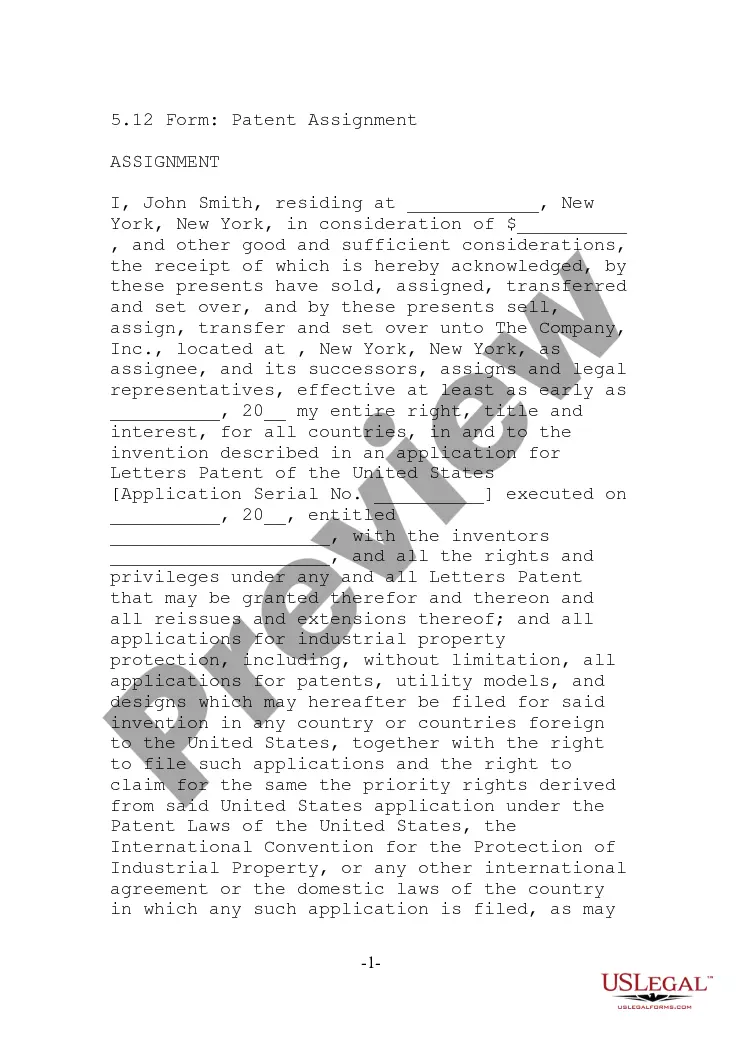
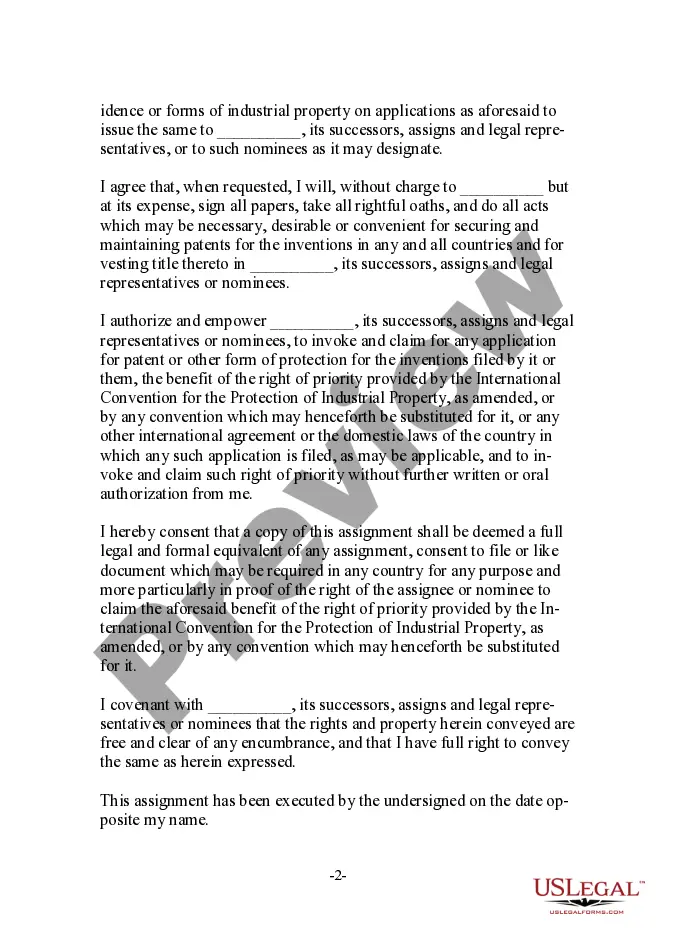
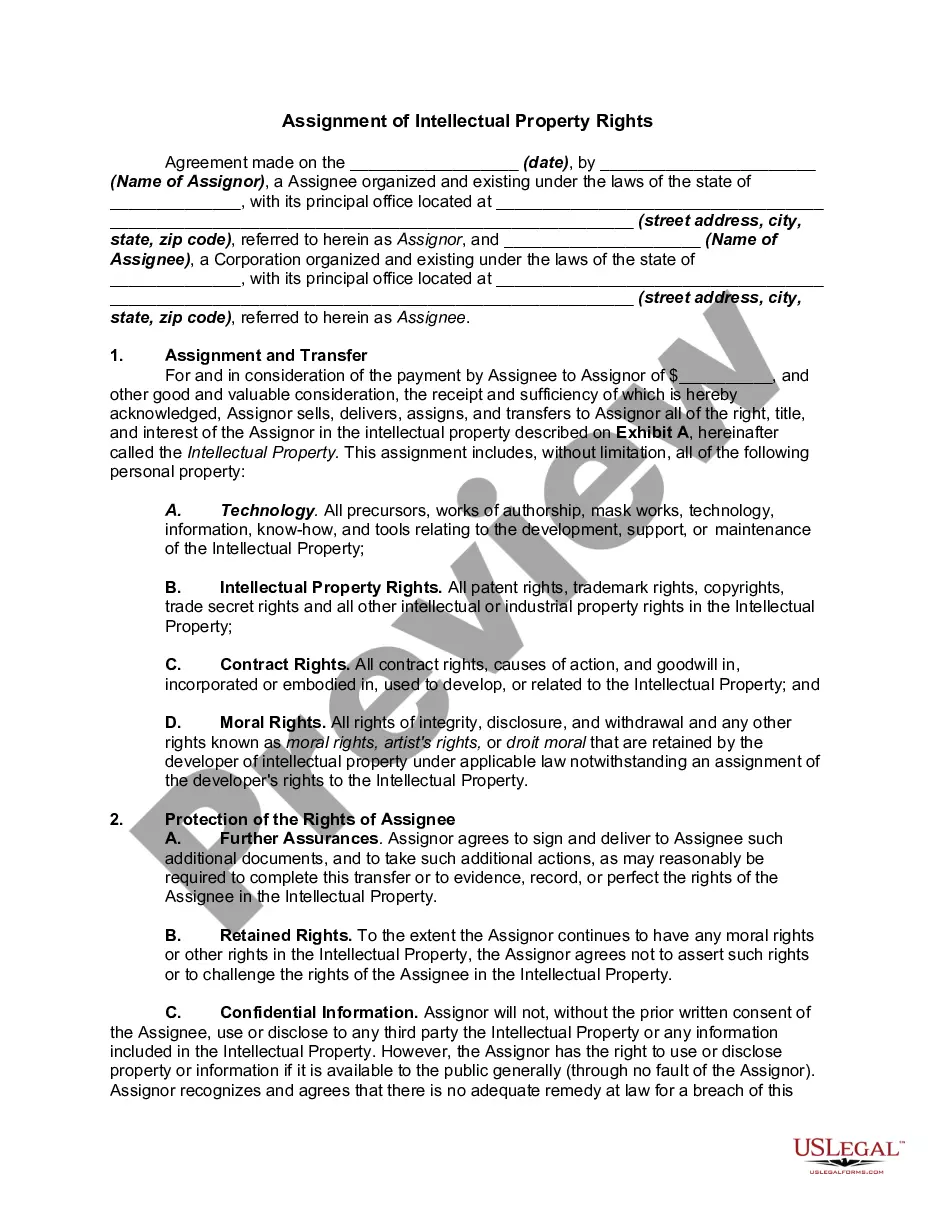
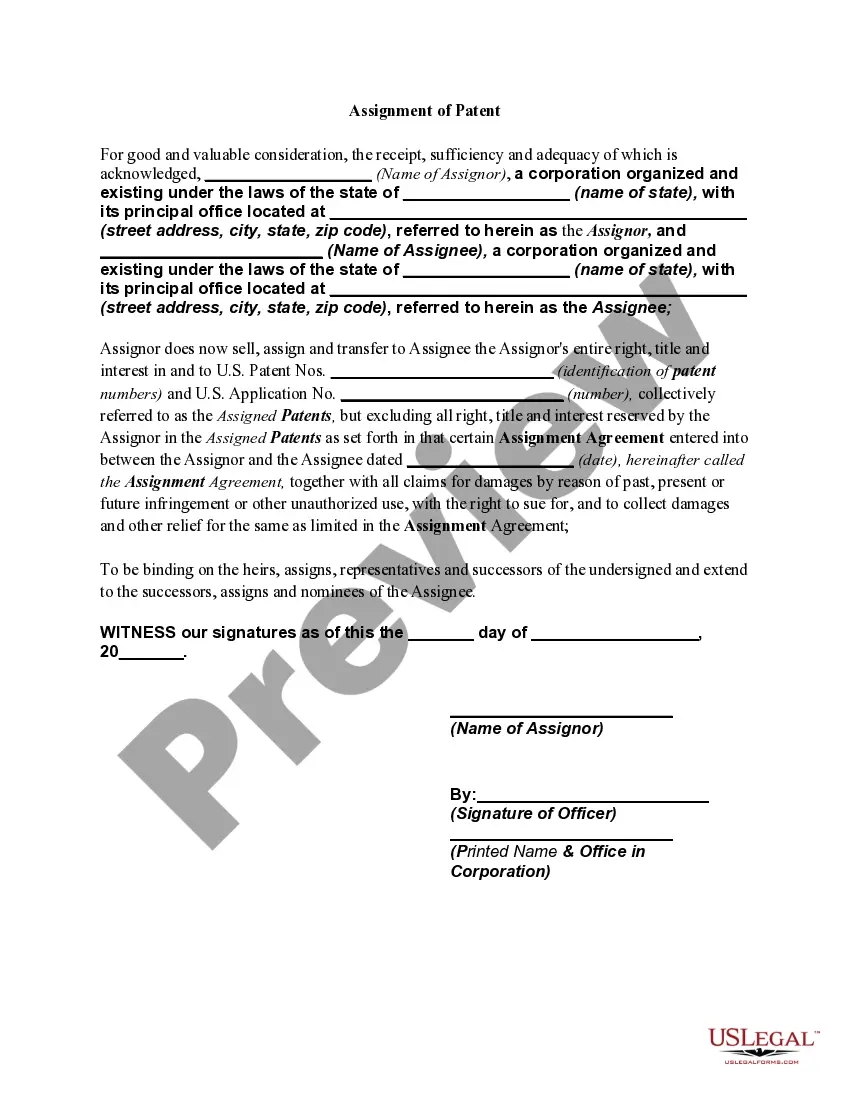
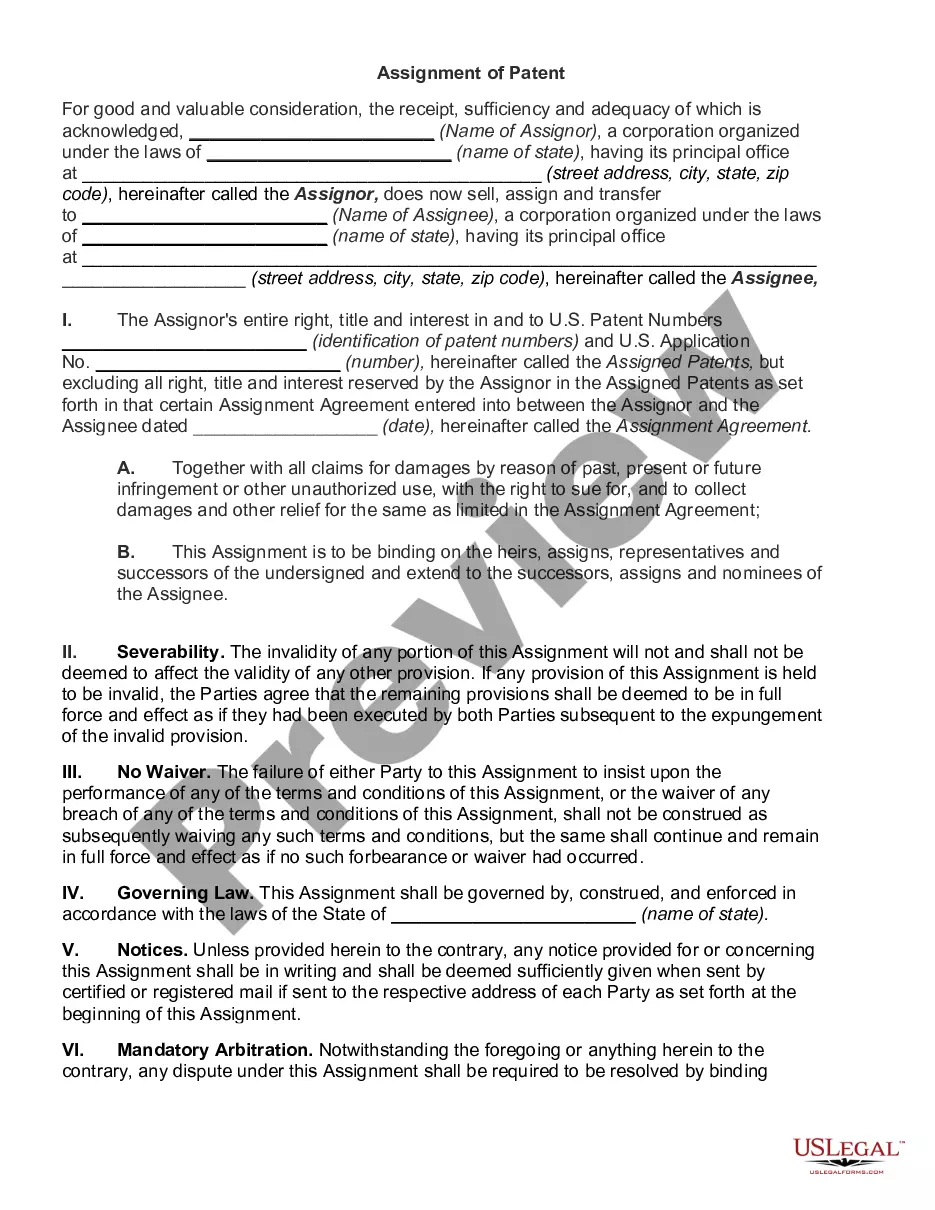
The Patent Assignment form is a legal document used to transfer ownership rights of a patent from one party to another. This form is crucial for inventors or businesses looking to assign their patent rights for an invention to a different entity, such as a company. Its primary function is to ensure that the assignee has full legal rights to the patent, which differs from mere licensing agreements where rights may remain with the original inventor.
What’s included in this form
- Name and address of the assignor (the person transferring the patent)
- Name and address of the assignee (the person or entity receiving the patent)
- Description of the invention and patent application details
- Effective date of the assignment
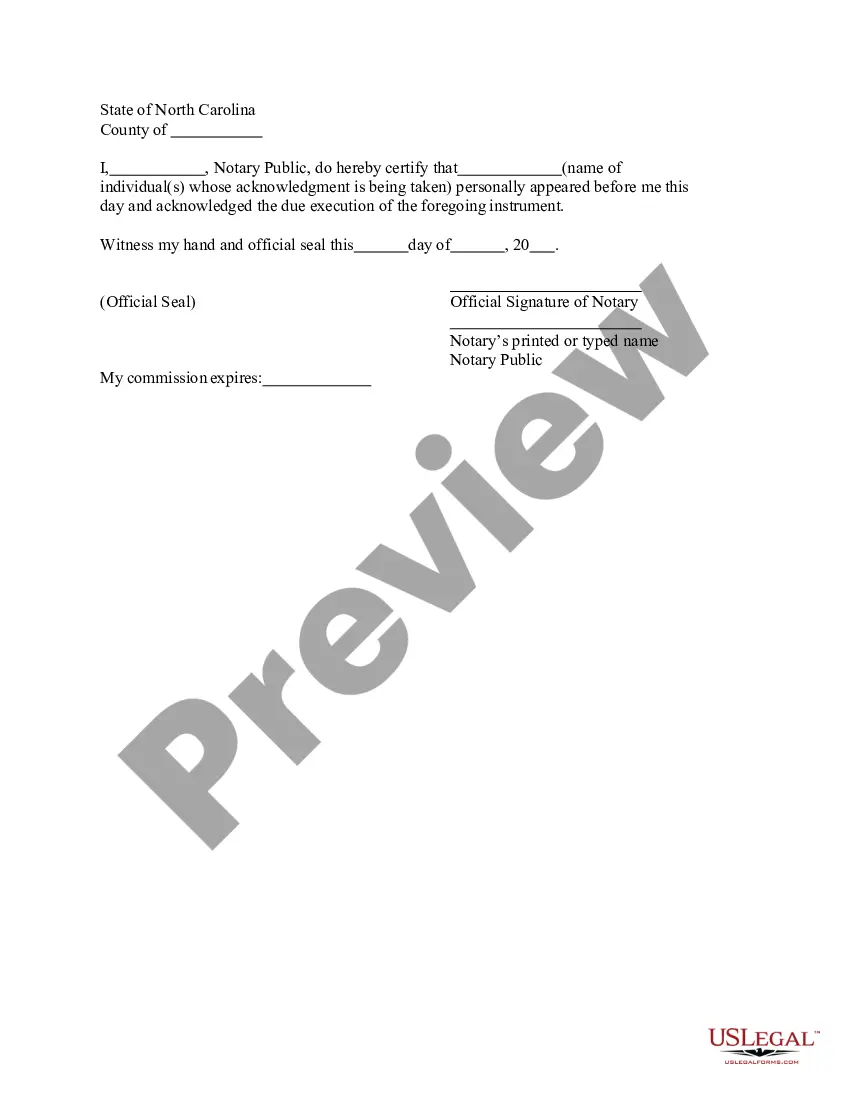
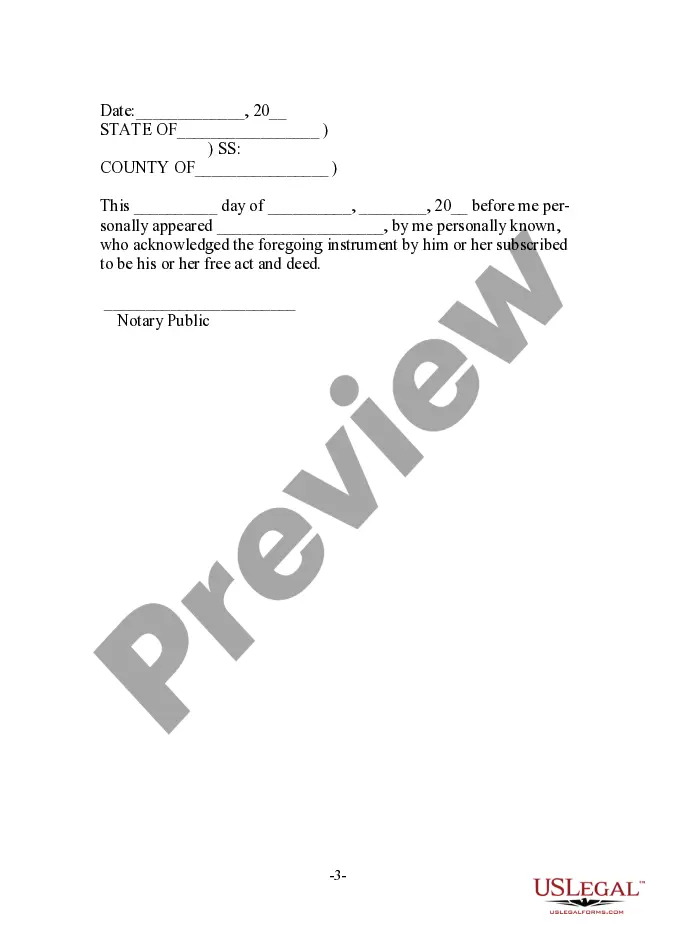
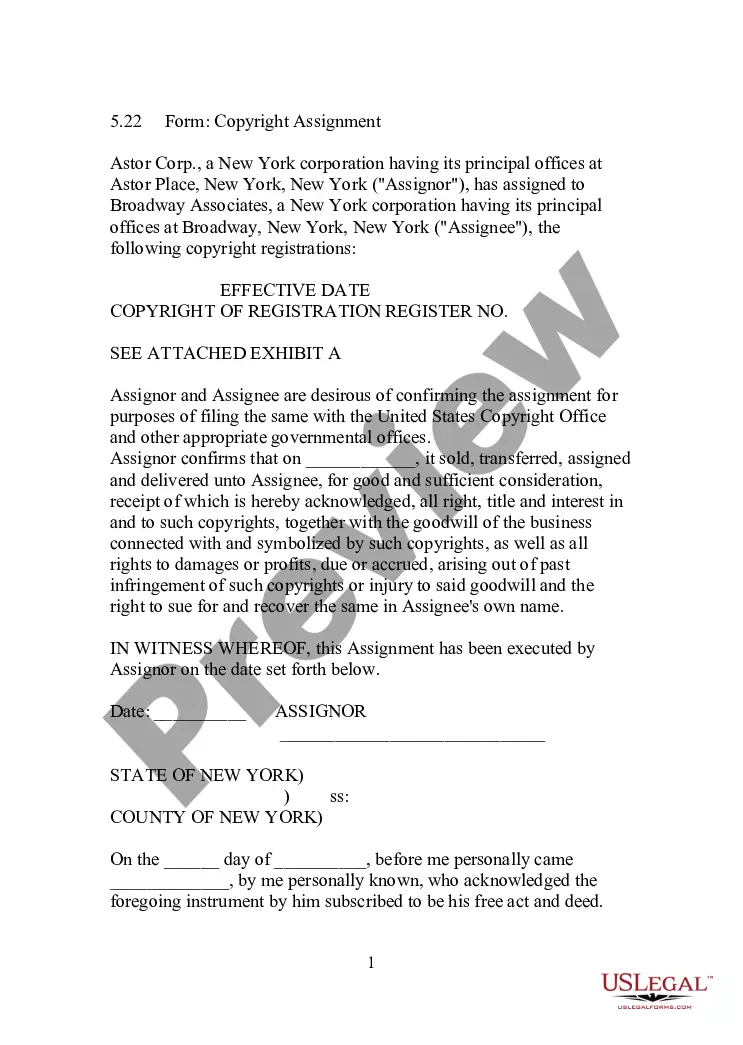
- Signatures of both parties and notary acknowledgment

When this form is needed
This form should be used when an inventor or existing patent holder decides to sell or assign their patent rights to another party. Scenarios include selling a patent to a company for commercial development, transferring rights after collaboration agreements, or when an inventor wishes to ensure their intellectual property is securely held by a business.
Who can use this document
This form is suitable for:
- Inventors looking to assign patent rights to a business
- Companies acquiring patents from individual inventors or other businesses
- Contractors or freelancers involved in the development of patented inventions
Instructions for completing this form
- Identify and fill in the names and addresses of both the assignor and assignee.
- Provide details about the patent, including the application number and description of the invention.
- Specify the effective date for the assignment of rights.
- Sign the document in the presence of a notary public, if required.
- Ensure all parties receive a copy of the signed form for their records.
Does this document require notarization?
Notarization is required for this form to take effect. Our online notarization service, powered by Notarize, lets you verify and sign documents remotely through an encrypted video session, available 24/7.
Get your form ready online
Our built-in tools help you complete, sign, share, and store your documents in one place.
Make edits, fill in missing information, and update formatting in US Legal Forms—just like you would in MS Word.
Download a copy, print it, send it by email, or mail it via USPS—whatever works best for your next step.
Sign and collect signatures with our SignNow integration. Send to multiple recipients, set reminders, and more. Go Premium to unlock E-Sign.
If this form requires notarization, complete it online through a secure video call—no need to meet a notary in person or wait for an appointment.
We protect your documents and personal data by following strict security and privacy standards.

Make edits, fill in missing information, and update formatting in US Legal Forms—just like you would in MS Word.

Download a copy, print it, send it by email, or mail it via USPS—whatever works best for your next step.

Sign and collect signatures with our SignNow integration. Send to multiple recipients, set reminders, and more. Go Premium to unlock E-Sign.

If this form requires notarization, complete it online through a secure video call—no need to meet a notary in person or wait for an appointment.

We protect your documents and personal data by following strict security and privacy standards.
Typical mistakes to avoid
- Not providing accurate patent application numbers or details about the invention.
- Failing to include the date of the assignment.
- Leaving out signatures or not obtaining notary acknowledgment where necessary.
Benefits of completing this form online
- Convenience of downloading and filling out the form at your own pace.
- Editability allows you to customize the document to fit your specific situation.
- Access to professionally drafted templates ensures legal compliance.
What to keep in mind
- The Patent Assignment form is essential for transferring patent rights legally.
- Accuracy in details is critical to avoid legal complications.
- Notarization is necessary to validate the assignment.
Looking for another form?

Form popularity
FAQ
Recordation of the assignment provides legal notice to the public of the assignment.For a patent to issue to an assignee, the assignment must have been recorded or filed for recordation in accordance with 37 CFR 3.11. See 37 CFR 3.81(a).
The innovation is patentable subject matter. Patentable. The innovation is new (called 'novelty') The innovation is inventive. The innovation is useful (called 'utility') The innovation must not have prior use.
In 37 CFR 3.1, assignment of patent rights is defined as "a transfer by a party of all or part of its right, title and interest in a patent or patent application...." An assignment of a patent, or patent application, is the transfer to another of a party's entire ownership interest or a percentage of that party's
Title. Technical area. Background details and previous artwork. A description of the problem your invention solves. A list of included drawings. Your in-depth description of the invention. An example of invention use.
A patent assignment is an agreement where one entity (the assignor) transfers all or part of their right, title and interest in a patent or application to another entity (the assignee).
A Patent Number is assigned by the USPTO. A patent number may include up to eight characters and is formatted as follows: Utility : Patent numbers consist of six, seven or eight digits.H Documents : (e.g., Hnnnnnnn , H0000001) must enter leading zeroes between "H" and number to create 7 digits.
A patent application and any resulting patent is owned by the inventor(s) of the claimed invention, unless a written assignment is made or the inventors are under an obligation to assign the invention, such as an employment contract.
Understand Your Invention. The first step in how to get a patent is to understand your invention. Research Your Invention. Choose the Type of Protection. Draft Your Patent Application. Wait for a Formal Response.
Assigning your patent rights to your company helps to build the asset valuation of your company, which will be important to any investors or lenders you may seek. Investors and lenders will often require you to assign patent rights to your company before they will complete a transaction with your company.