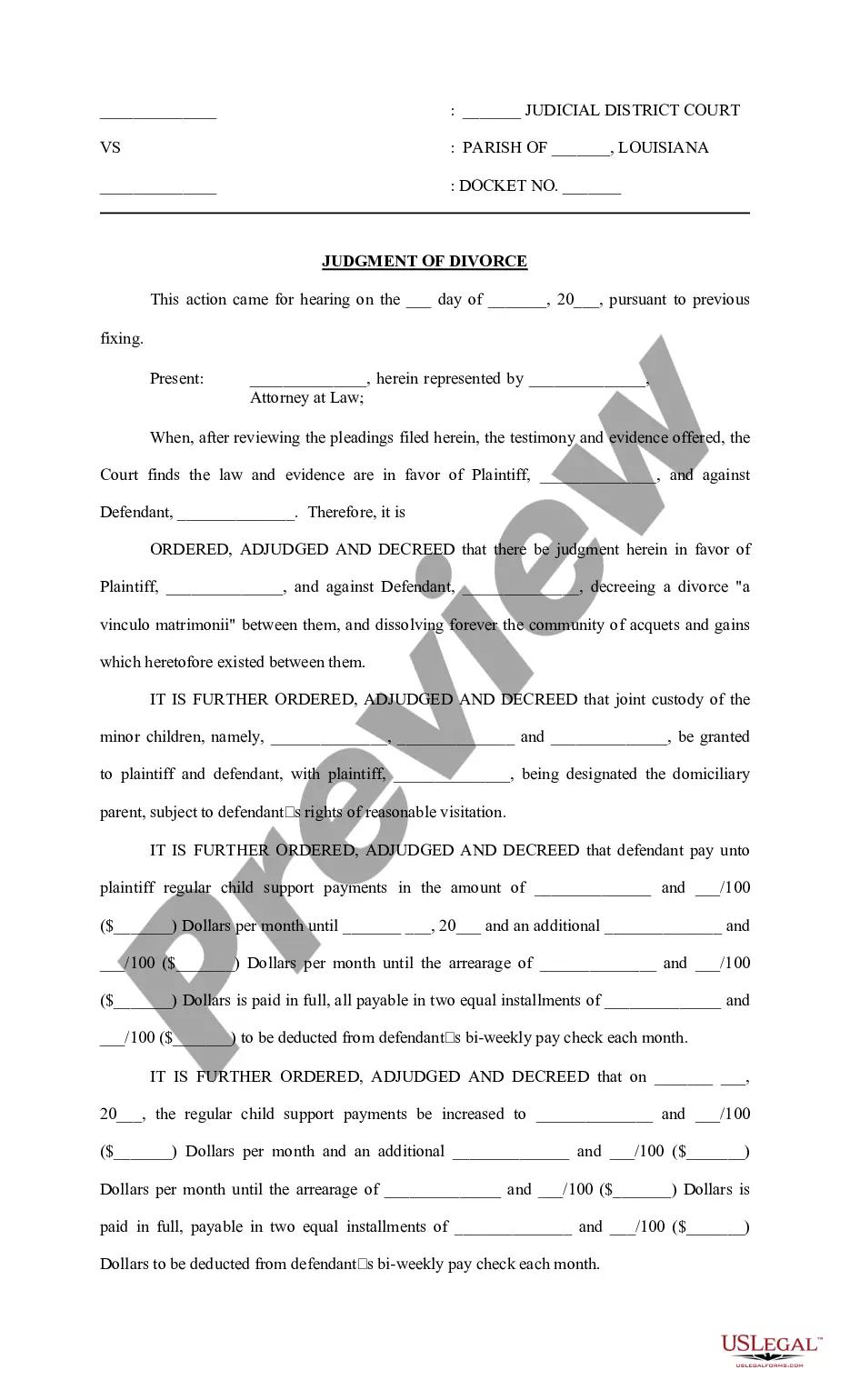
Assignment of Patent
About this form
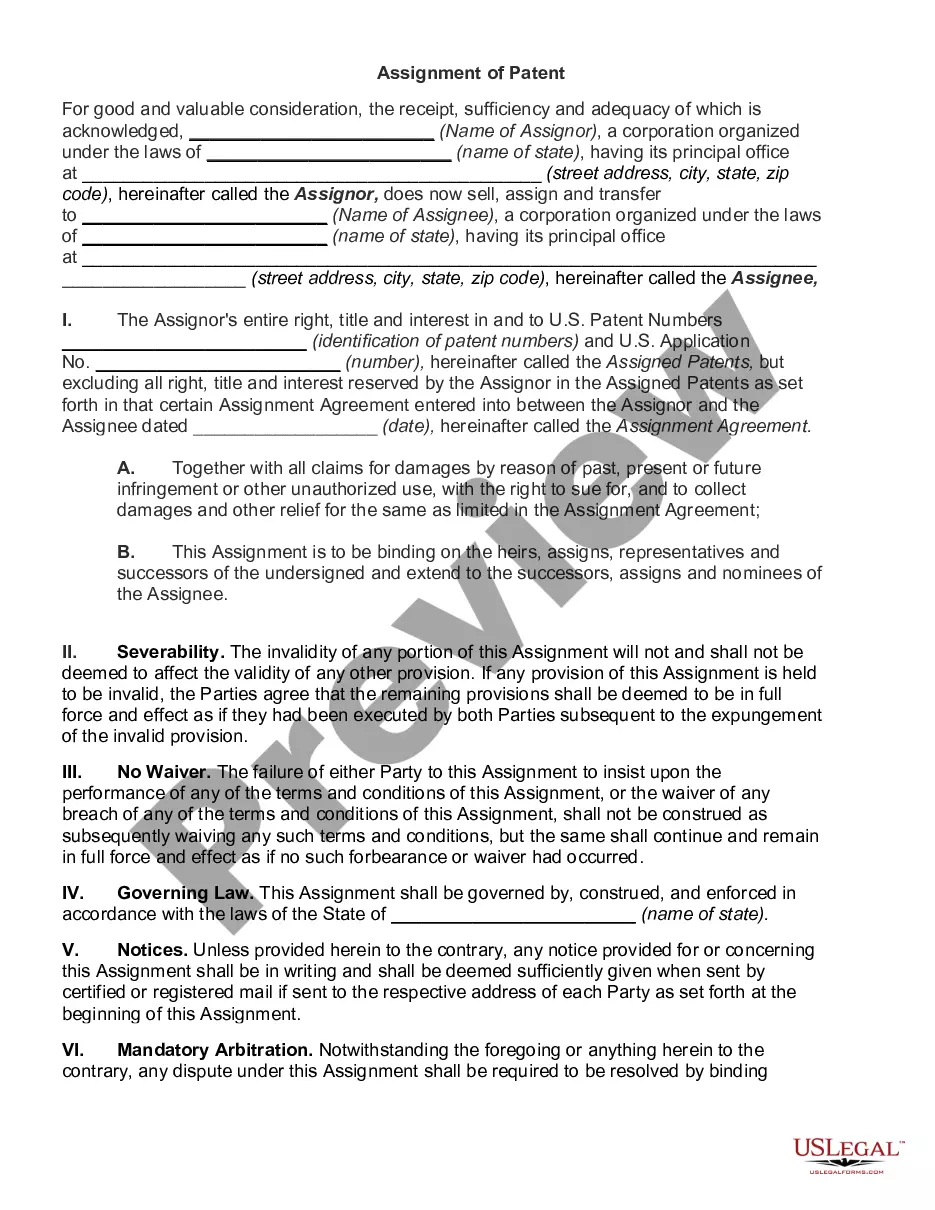
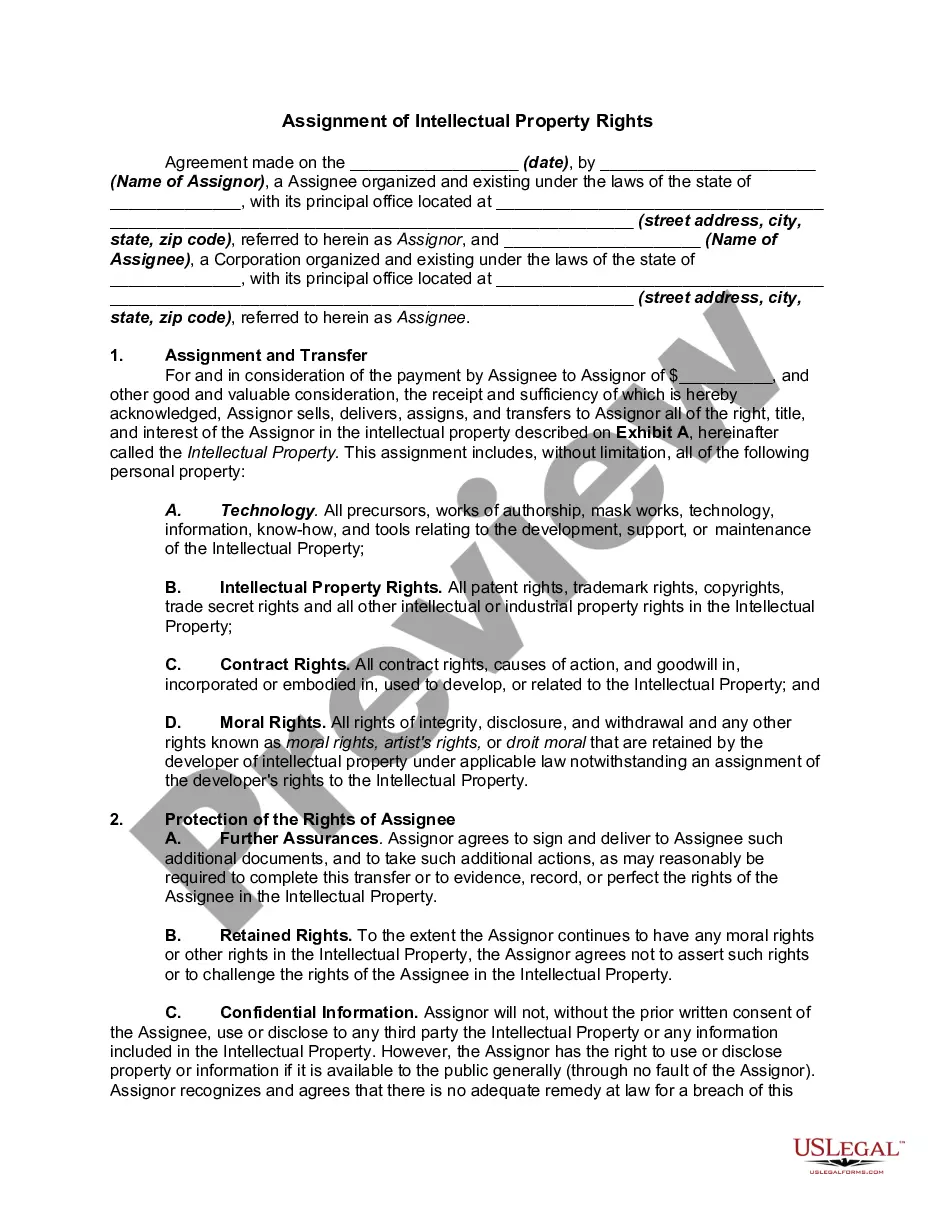
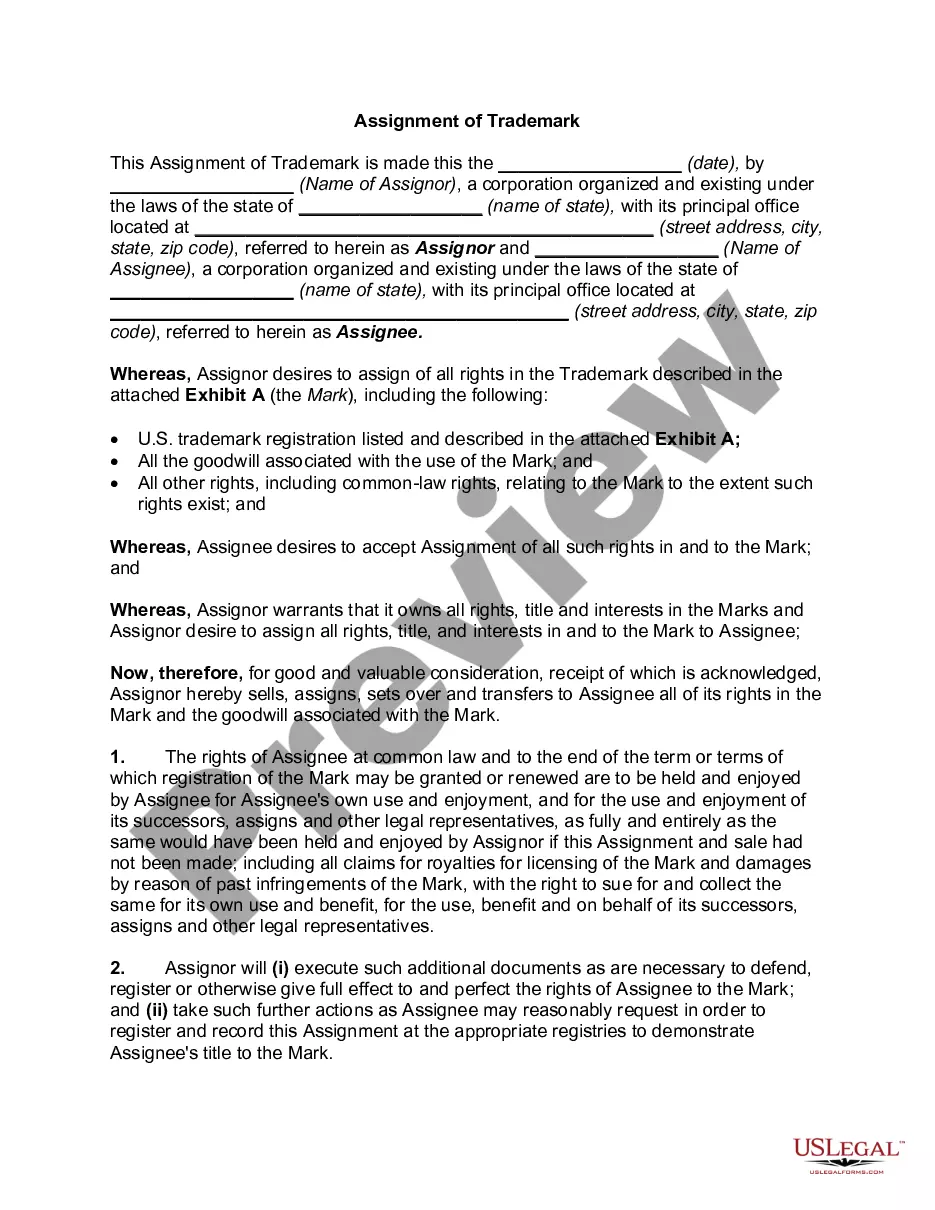
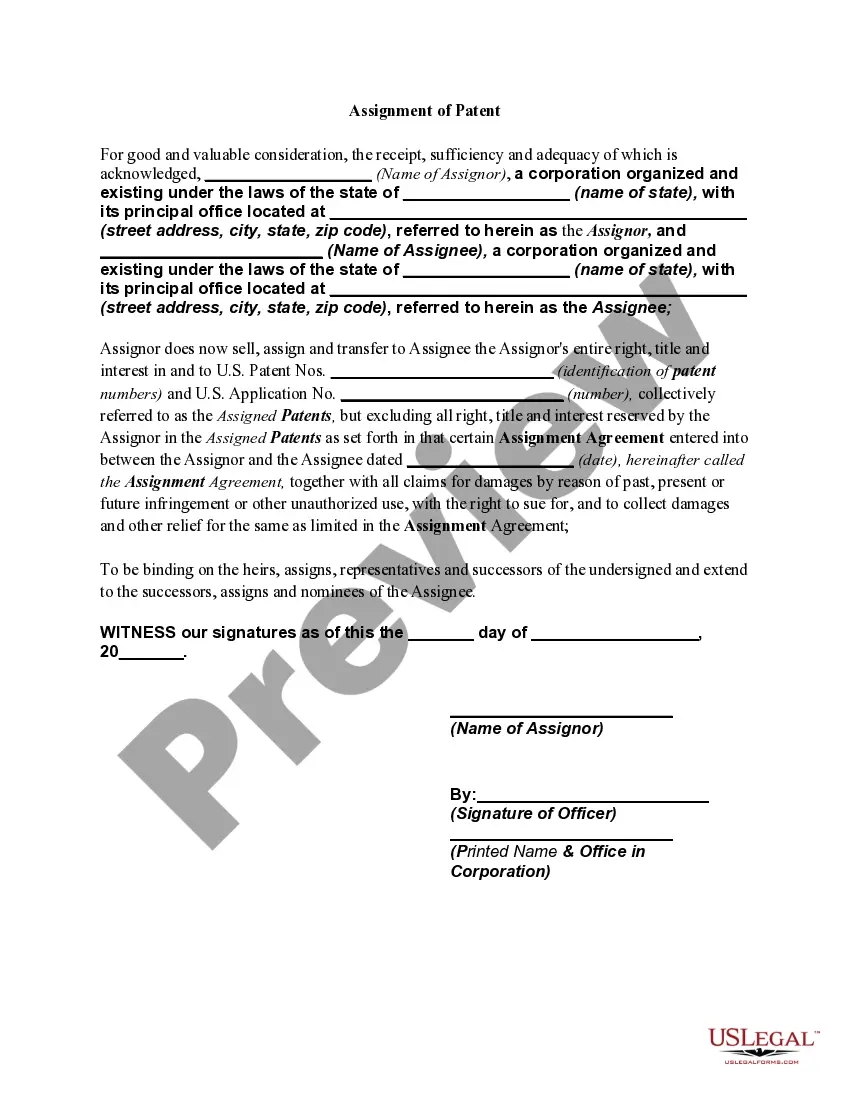
The Assignment of Patent is a legal document that allows a patent holder, known as the Assignor, to transfer their rights to a patent or patent application to another party, known as the Assignee. This form is essential for formalizing the transfer of ownership of intellectual property rights, ensuring that the Assignee has the legal authority to exploit the patented invention. Unlike similar forms, this assignment specifically deals with patents and is crucial for protecting the interests of both parties involved in the transfer.
Form components explained
- Names and addresses of both the Assignor and Assignee.
- Details of the patent or patent application being assigned, including patent numbers.
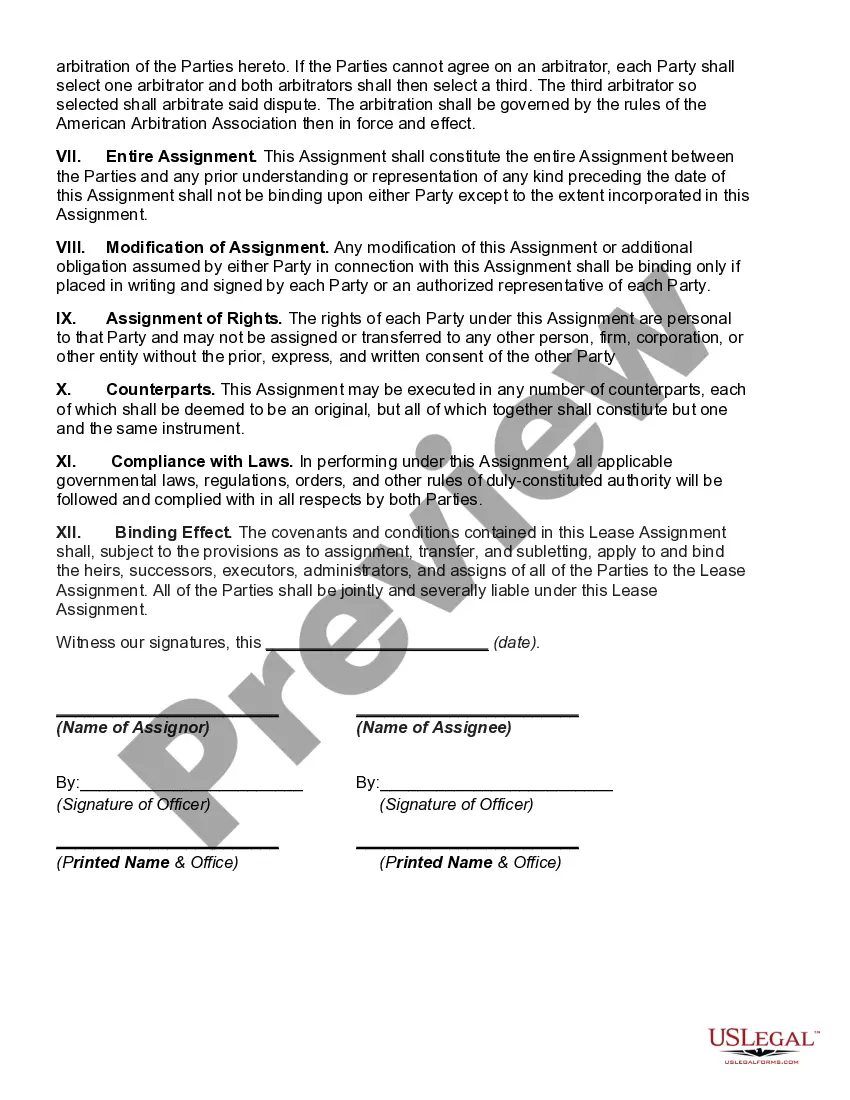
- Clauses addressing the binding nature of the agreement and severability of provisions.
- Governing law under which the agreement is interpreted.
- Arbitration clause for resolving potential disputes.
- Signature lines for both parties and their authorized representatives.

Common use cases
This form should be used when it is necessary to transfer ownership of a patent from one entity to another. This can occur in various situations, such as when a business sells its intellectual property rights, when inventors partner with investors or other businesses, or when companies merge and need to consolidate their patent portfolios. It is critical to ensure that the rights to the patent are legally transferred to avoid complications in enforcing those rights in the future.
Who can use this document
- Businesses and individuals looking to sell or assign their patent rights.
- Inventors or creators who have developed a patentable invention.
- Companies that are merging or acquiring other firms and need to transfer patent ownership.
- Legal representatives or attorneys involved in patent transactions.
Instructions for completing this form
- Identify and fill in the names and addresses of both the Assignor and Assignee.
- Specify the patent numbers and application numbers being assigned.
- Include the date of the Assignment Agreement referenced in the document.
- Both parties must sign and print their names, including their titles or positions.
- Ensure the form is properly executed based on local laws, including following any requirements for notarization.
Is notarization required?
This form does not typically require notarization unless specified by local law. However, having a notarized signature can provide an additional level of authenticity and may be beneficial in some transactions.
Get your form ready online
Our built-in tools help you complete, sign, share, and store your documents in one place.
Make edits, fill in missing information, and update formatting in US Legal Forms—just like you would in MS Word.
Download a copy, print it, send it by email, or mail it via USPS—whatever works best for your next step.
Sign and collect signatures with our SignNow integration. Send to multiple recipients, set reminders, and more. Go Premium to unlock E-Sign.
If this form requires notarization, complete it online through a secure video call—no need to meet a notary in person or wait for an appointment.
We protect your documents and personal data by following strict security and privacy standards.

Make edits, fill in missing information, and update formatting in US Legal Forms—just like you would in MS Word.

Download a copy, print it, send it by email, or mail it via USPS—whatever works best for your next step.

Sign and collect signatures with our SignNow integration. Send to multiple recipients, set reminders, and more. Go Premium to unlock E-Sign.

If this form requires notarization, complete it online through a secure video call—no need to meet a notary in person or wait for an appointment.

We protect your documents and personal data by following strict security and privacy standards.
Avoid these common issues
- Failing to accurately identify the patent numbers or application numbers.
- Not including all necessary signatures or printed names of parties.
- Overlooking the date of the Assignment Agreement.
- Neglecting to check local laws for specific signing or notarization requirements.
Benefits of completing this form online
- Convenient access to legal forms anytime and anywhere.
- Editability allows for easy customization to fit specific circumstances.
- Reliable templates drafted by licensed attorneys ensure legal compliance.
- Quick download and printing for immediate use.
Looking for another form?

Form popularity
FAQ
No Corporation Patent Inventors A corporation cannot conceive of an invention because a corporation has no collective consciousness to perform a mental act. Giving patent rights to human inventors provides incentives for human ingenuity in exchange for monetary benefits.
A patent or patent application is assignable by an instrument in writing, and the assignment of the patent, or patent application, transfers to the assignee(s) an alienable (transferable) ownership interest in the patent or application.
By assigning your patent to your company, including a company you form yourself, you limit any potential personal liability that may arise related to the patent. This means your personal assets are not on the line should issues arise down the line and litigation ensue related to your patent.
Clearly identify the patent being assigned: State the patent or patent application number, title, inventors, and filing date. Be signed by the assignors. Be notarized: If notarization isn't possible, have one or two witnesses attest to the signatures.
Patent assignment transfers your ownership rights in your patent from yourself to your company. This means that once you assign the patent, you transfer all ownership and control of that patent and its intellectual property rights as the patent inventor to another entity/company, known as an ?assignee?.
To transfer patent ownership to a company or another entity, each inventor must sign a document called a patent assignment which should then be recorded with the USPTO. First-time patent clients sometimes hesitate to identify inventors, especially when the principals of the company are not the inventors.
Assignee: Organization(s) and individual(s) that have an ownership interest in the legal rights a patent offers. There may or may not be an assignee. An assignee is often the organization employing the inventor of the technology. An assignee can also change at a later date.
Advantages of a Patent Assignment Assignees don't create a unique invention or design. They also don't go through the lengthy patent process. They simply assume exclusive rights to intellectual property. Many patents cover intellectual property that can earn the owner money.