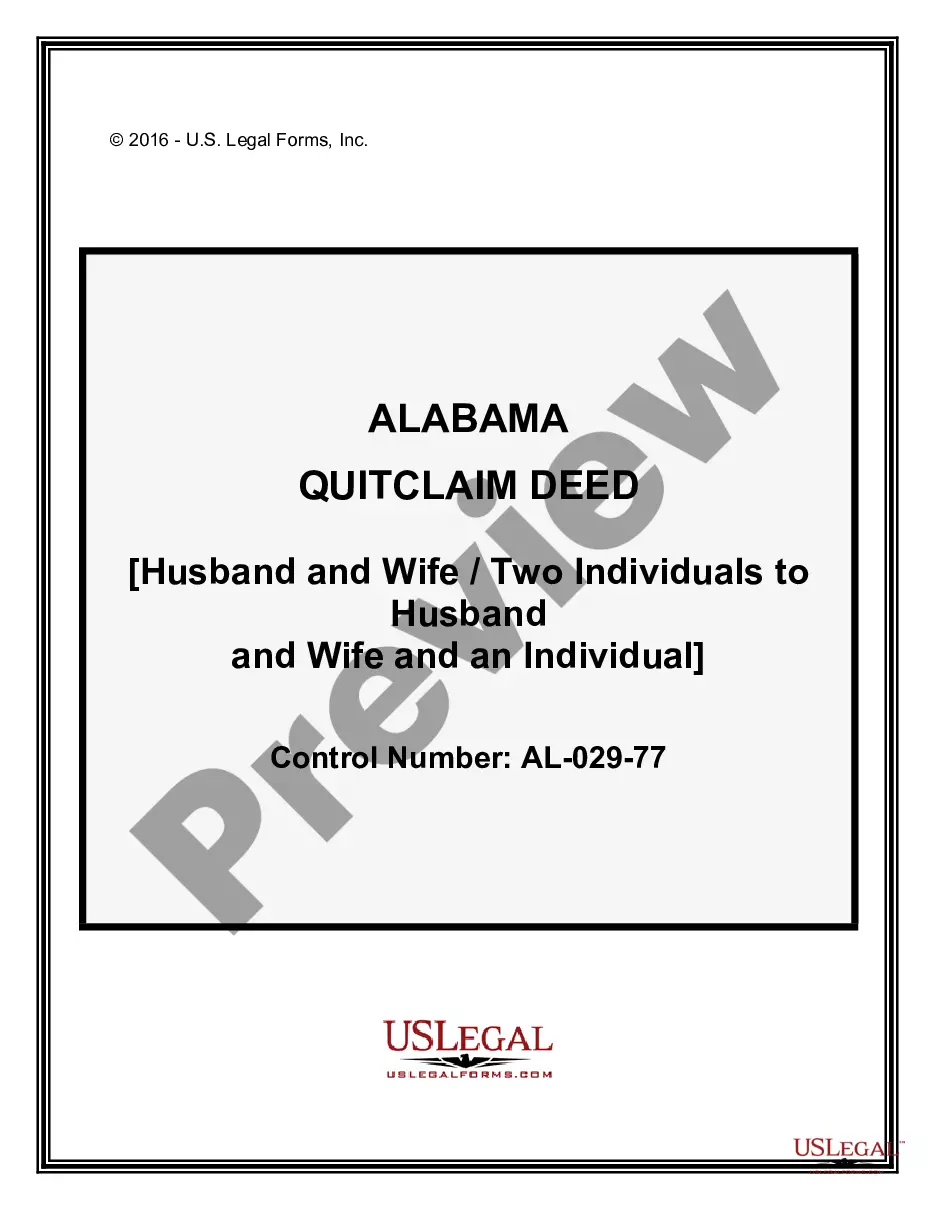
Assignment of Copyright
What this document covers
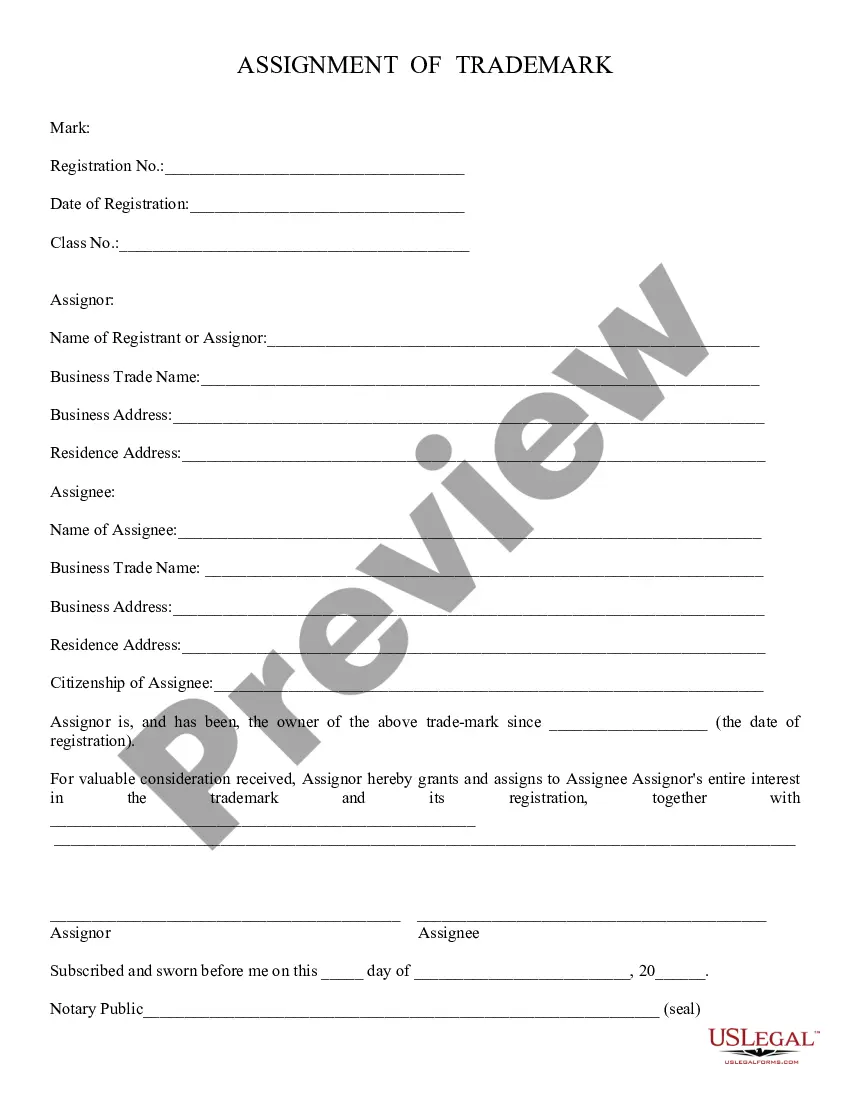
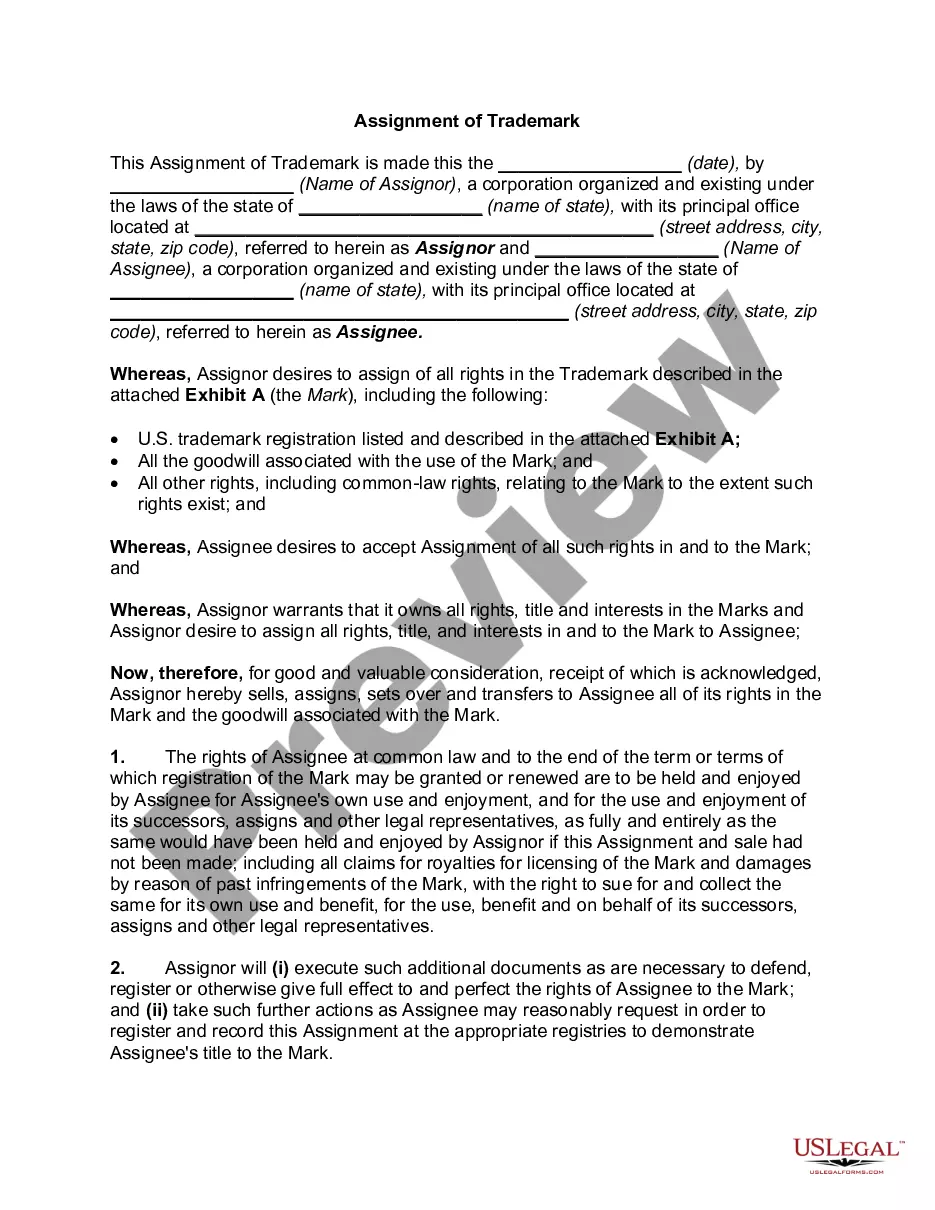
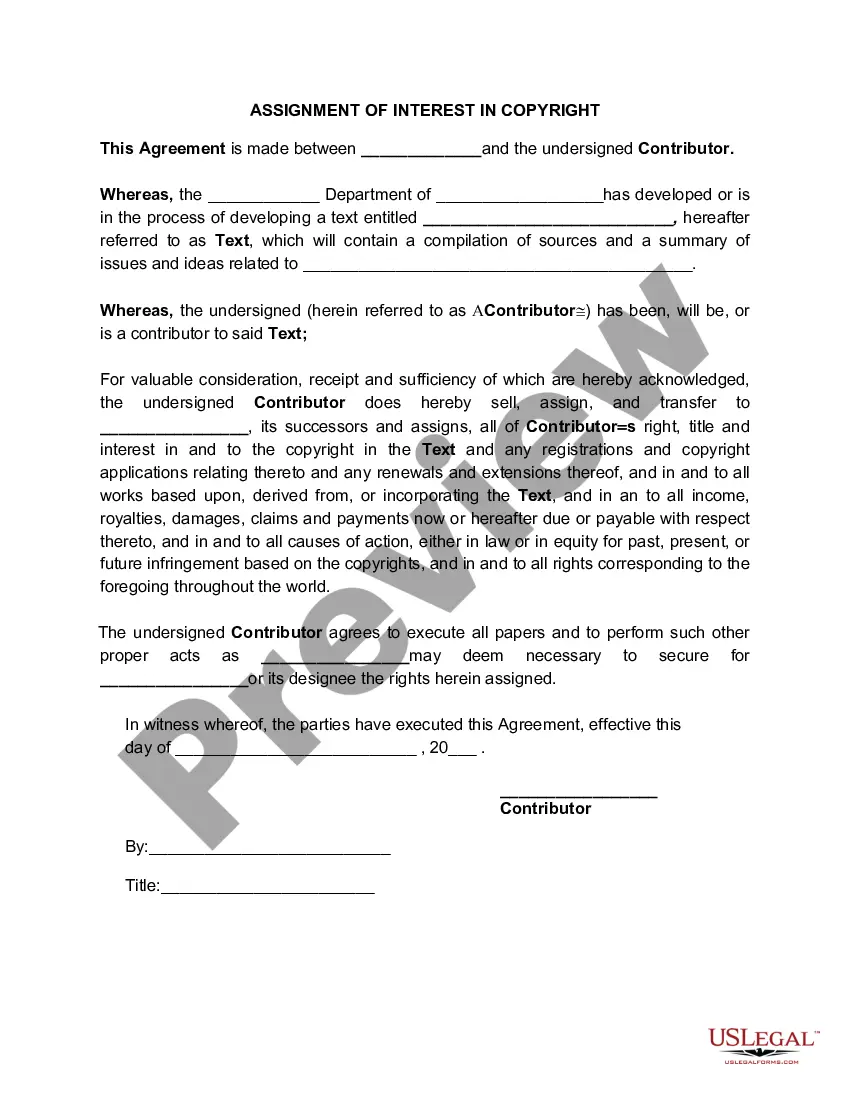
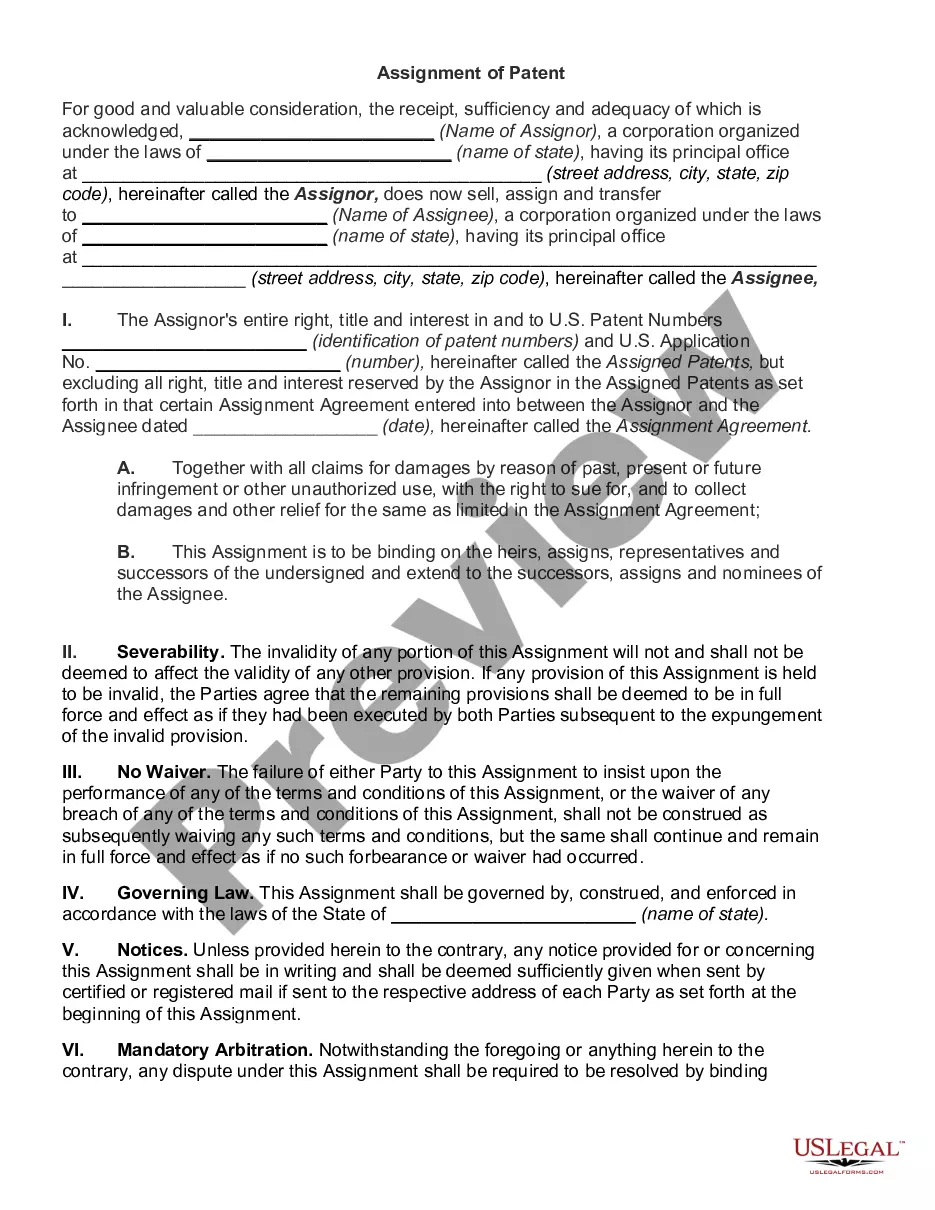
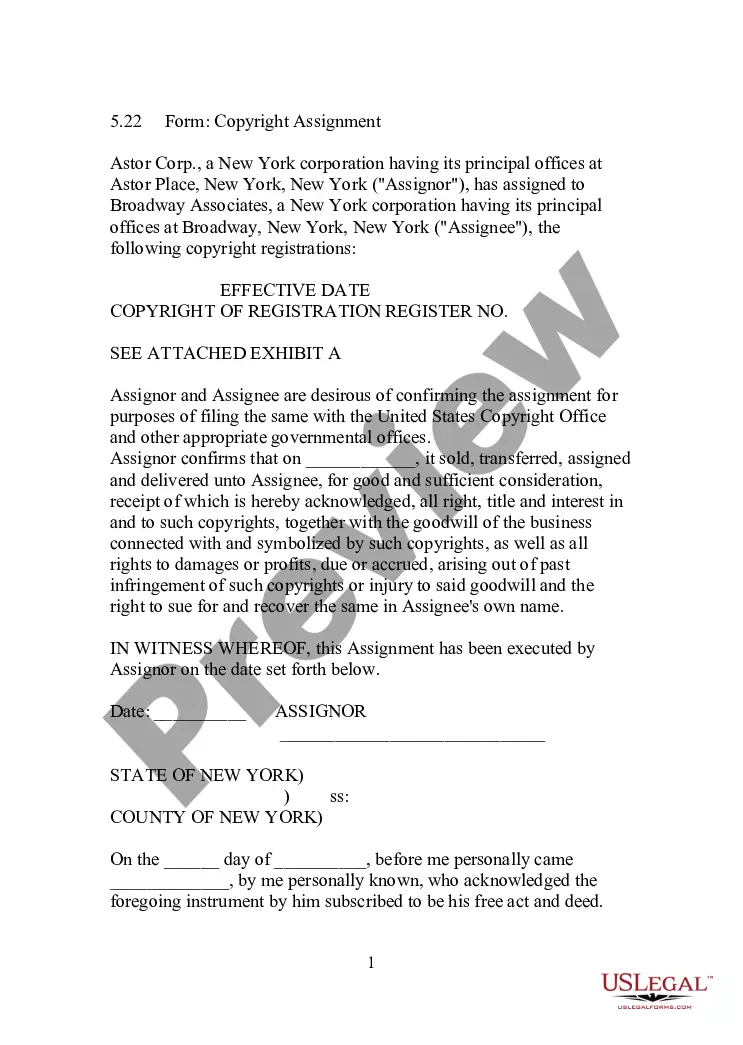
The Assignment of Copyright is a legal document that allows the assignor to transfer their copyright ownership to the assignee. This form grants all rights, title, and interest in the original work described within, distinguishing it from other forms that may address licensing or temporary permissions. It is essential for anyone transferring ownership of creative works, ensuring that the assignee can fully exercise the copyright privileges.
Key components of this form
- Date of agreement
- Name and address of the Assignor
- Name and address of the Assignee
- Consideration amount for the transfer
- Title and description of the original work
- Signed declaration by the Assignor
- Notary acknowledgment for legal verification
Common use cases
This form is used when an author or copyright holder wishes to transfer their copyright to another party. It is particularly relevant in various scenarios, such as selling artistic works, assigning publishing rights, or when multiple creators collaborate and designate one as the primary copyright owner. This formal transfer helps avoid future disputes regarding ownership and usage of the original work.
Intended users of this form
Individuals or entities who may benefit from this form include:
- Authors looking to sell or assign their copyright to a publisher or producer
- Artists transferring ownership of their creative works to businesses or collaborators
- Business owners acquiring copyrights for the work of contractors or employees
- Developers or creators in media, literature, or art fields who need to assign copyright rights
Steps to complete this form
- Enter the date of the agreement at the top of the form.
- Fill in the legal names and addresses of both the Assignor and the Assignee.
- Specify the consideration amount being exchanged for the copyright.
- Provide the title and a brief description of the original work being assigned.
- Have the Assignor sign the form to validate the transfer.
- Ensure a notary public witnesses the signing and completes the notary section.
Notarization requirements for this form
Notarization is required for this form to take effect. Our online notarization service, powered by Notarize, lets you verify and sign documents remotely through an encrypted video session, available 24/7.
Get your form ready online
Our built-in tools help you complete, sign, share, and store your documents in one place.
Make edits, fill in missing information, and update formatting in US Legal Forms—just like you would in MS Word.
Download a copy, print it, send it by email, or mail it via USPS—whatever works best for your next step.
Sign and collect signatures with our SignNow integration. Send to multiple recipients, set reminders, and more. Go Premium to unlock E-Sign.
If this form requires notarization, complete it online through a secure video call—no need to meet a notary in person or wait for an appointment.
We protect your documents and personal data by following strict security and privacy standards.

Make edits, fill in missing information, and update formatting in US Legal Forms—just like you would in MS Word.

Download a copy, print it, send it by email, or mail it via USPS—whatever works best for your next step.

Sign and collect signatures with our SignNow integration. Send to multiple recipients, set reminders, and more. Go Premium to unlock E-Sign.

If this form requires notarization, complete it online through a secure video call—no need to meet a notary in person or wait for an appointment.

We protect your documents and personal data by following strict security and privacy standards.
Common mistakes to avoid
- Failing to include the date of the assignment.
- Not specifying the title and description of the original work.
- Leaving the consideration amount blank, which can question the validity of the transfer.
- Not having the document notarized when required.
Why use this form online
- Convenience of downloading and completing the form at your own pace.
- Easily editable fields to customize the form according to your needs.
- Reliable templates prepared by licensed attorneys, ensuring legal accuracy.
Main things to remember
- The Assignment of Copyright form is crucial for transferring ownership of copyright from one party to another.
- Ensure all details regarding the parties and original work are complete to avoid misunderstandings.
- Notarization is required for the document to be legally enforceable.
Looking for another form?

Form popularity
FAQ
(1) The ownership of a copyright may be transferred in whole or in part by any means of conveyance or by operation of law, and may be bequeathed by will or pass as personal property by the applicable laws of intestate succession.
Assignment of Copyright The rights of a copyright owner can be assigned by him to any other person by way of an assignment.According to the Indian Copyright Act, 1957 a prospective owner of the copyright of the future work may also assign his rights partially or wholly.
In the US, there is no requirement that an assignment be notarized.Note, however, that in many foreign countries, an assignment must be notarized to be valid.
A copyright owner's exclusive rights (either in whole or in part) can be transferred to another party, but it must be in writing and signed by the copyright owner to be considered valid. An authorized agent of the copyright owner (such as an attorney or business associate) can also sign the writing.
Are copyrights transferable? Yes. Like any other property, all or part of the rights in a work may be transferred by the owner to another.
(1) The ownership of a copyright may be transferred in whole or in part by any means of conveyance or by operation of law, and may be bequeathed by will or pass as personal property by the applicable laws of intestate succession.
A copyright assignment agreement must be in writing but need not be witnessed by a notary public.
Subject to the provisions of this Act, the author of a work shall be the owner of copyright therein. Section 17 statutorily recognizes the author of the work to be the first owner of the copyright. The author is defined under the Act for various works, which come under the law of copyright.