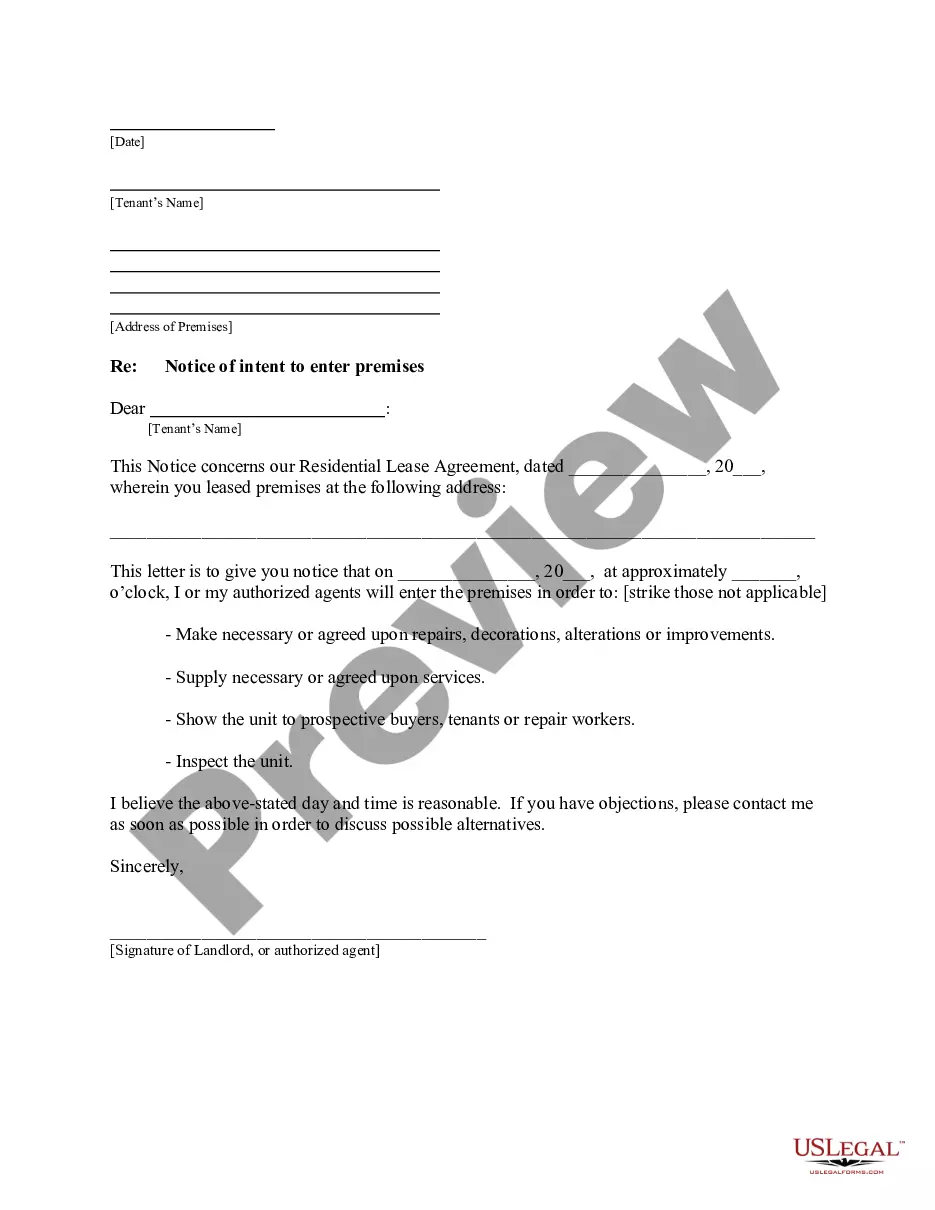
Louisiana Letter from Landlord to Tenant about time of intent to enter premises
Description
How to fill out Louisiana Letter From Landlord To Tenant About Time Of Intent To Enter Premises?
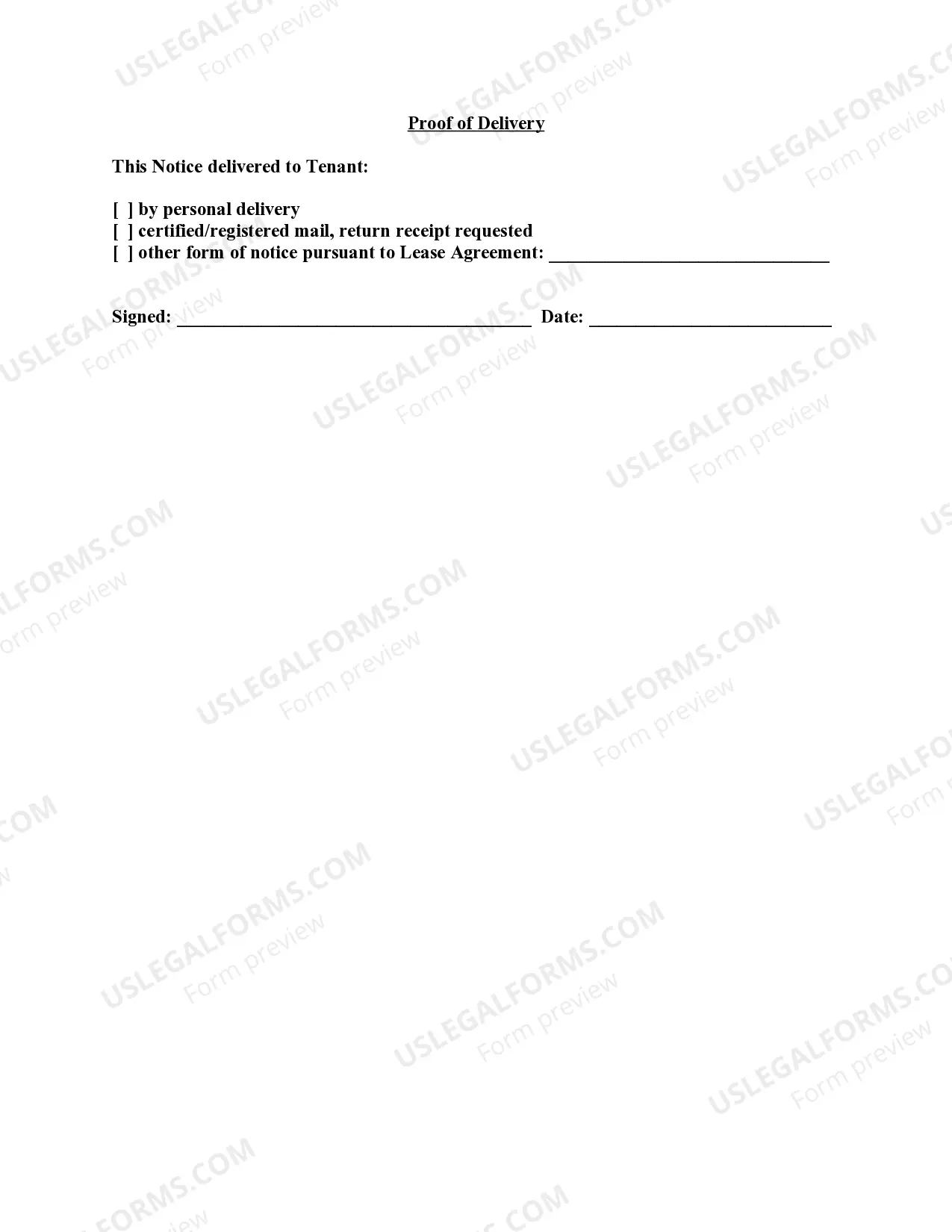
Looking for Louisiana Letter from Landlord to Tenant about time of intent to enter premises templates and completing them can be a challenge. To save lots of time, costs and effort, use US Legal Forms and find the appropriate template specially for your state in just a few clicks. Our legal professionals draw up every document, so you simply need to fill them out. It truly is so simple.
Log in to your account and come back to the form's web page and download the document. Your downloaded templates are saved in My Forms and are available at all times for further use later. If you haven’t subscribed yet, you need to sign up.
Check out our thorough recommendations regarding how to get the Louisiana Letter from Landlord to Tenant about time of intent to enter premises template in a few minutes:
- To get an qualified example, check out its applicability for your state.
- Look at the form utilizing the Preview function (if it’s available).
- If there's a description, read through it to learn the details.
- Click Buy Now if you identified what you're looking for.
- Choose your plan on the pricing page and make your account.
- Select you would like to pay out with a credit card or by PayPal.
- Save the sample in the preferred format.
Now you can print out the Louisiana Letter from Landlord to Tenant about time of intent to enter premises form or fill it out utilizing any online editor. No need to worry about making typos because your form can be utilized and sent, and printed as often as you would like. Try out US Legal Forms and get access to around 85,000 state-specific legal and tax documents.
Form popularity
FAQ
Be in writing, Say the full name of the tenant or tenants, Have the address the notice is about, Say everything that the tenant did to break the lease or deserve a 3 day notice to leave, and include details and dates, Say clearly that the tenant has to move out as soon as the 3 days are up, and.
A landlord cannot generally enter your apartment without advance notice or your consent. The same limits apply to third parties entering on behalf of the landlord. This is part of your right to peaceful possession of your home under Louisiana law.
In all states, a landlord can enter the property in an emergency without notice or permission.Even if your landlord gives you notice, he or she must have a good reason to enter the property. In most cases, your landlord can enter your home: In an emergency.
Dear (Name of landlord or manager), This letter constitutes my written (number of days' notice that you need to give based on your lease agreement)-day notice that I will be moving out of my apartment on (date), the end of my current lease. I am leaving because (new job, rent increase, etc.)
Let's be clear, other than in emergency it's illegal for a landlord or agent to enter a property without agreement from the tenant. The golden rule to abide by is always to provide your tenants with written notice at least 24 hours before any planned visits.
Step 1: Mention the Reason for Giving a Notice. Step 2: Use Formal Language. Step 3: Mention the Date for Vacating. Step 4: Address the Formalities to Be Taken Care Of. Step 5: Proofread the Letter.
When you rent a property from a landlord it becomes your home. They should only enter the property without you being present, if you have given permission for them to do so, or in a genuine emergency.
Sue the landlord and whoever for up to $10,000 in small claims court for trespassing, breach of contract, invasion of privacy, and breach of quiet enjoyment; if you are two or more tenants, each can separately sue them for up to $10,000, and a joint action is not required.
The big take-away is that in most circumstances a landlord cannot enter a property without agreement from the tenant. And If the landlord ignores the law and enters the property without permission, the tenant may be able to claim damages or gain an injunction to prevent the landlord doing it again.