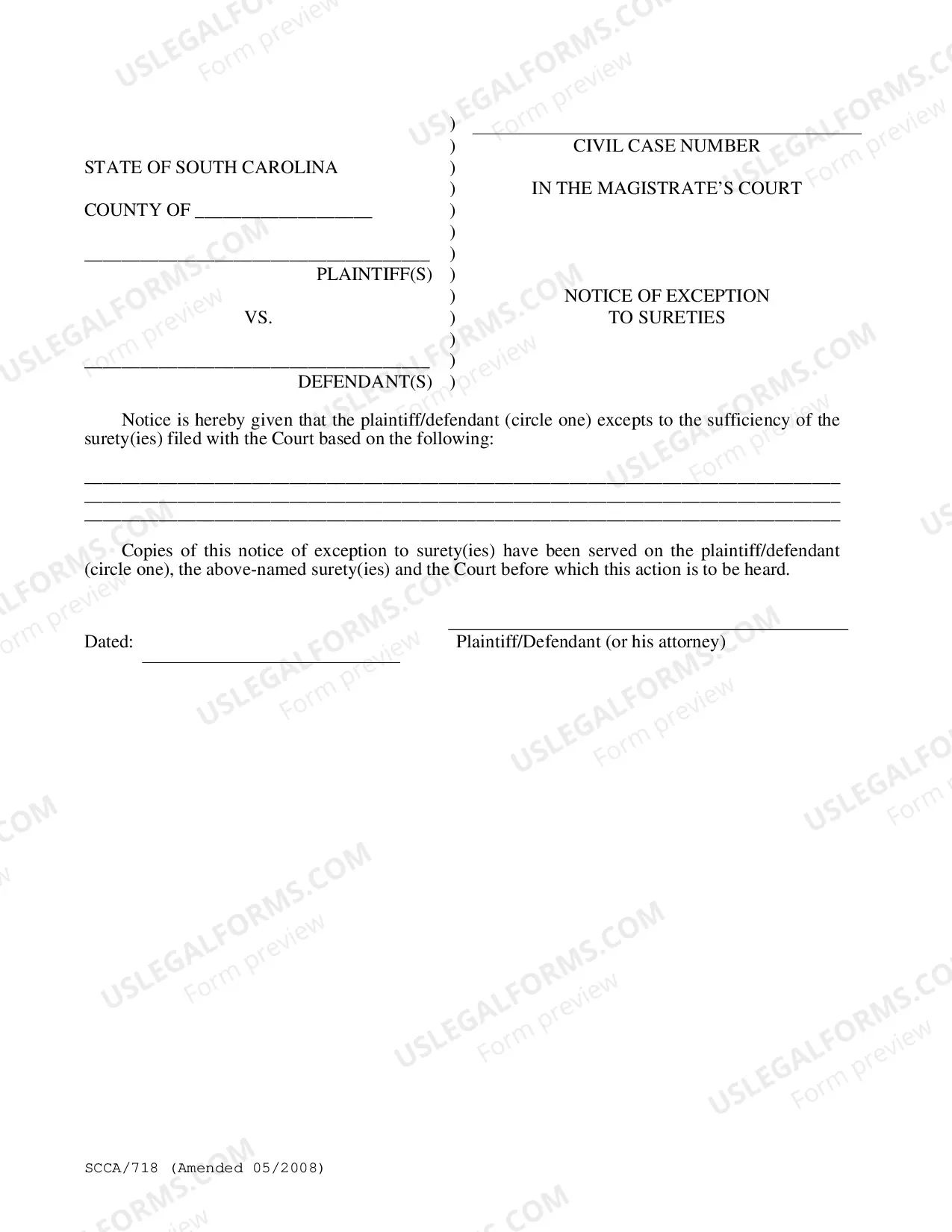
Michigan Insulation Contract for Contractor
Understanding this form
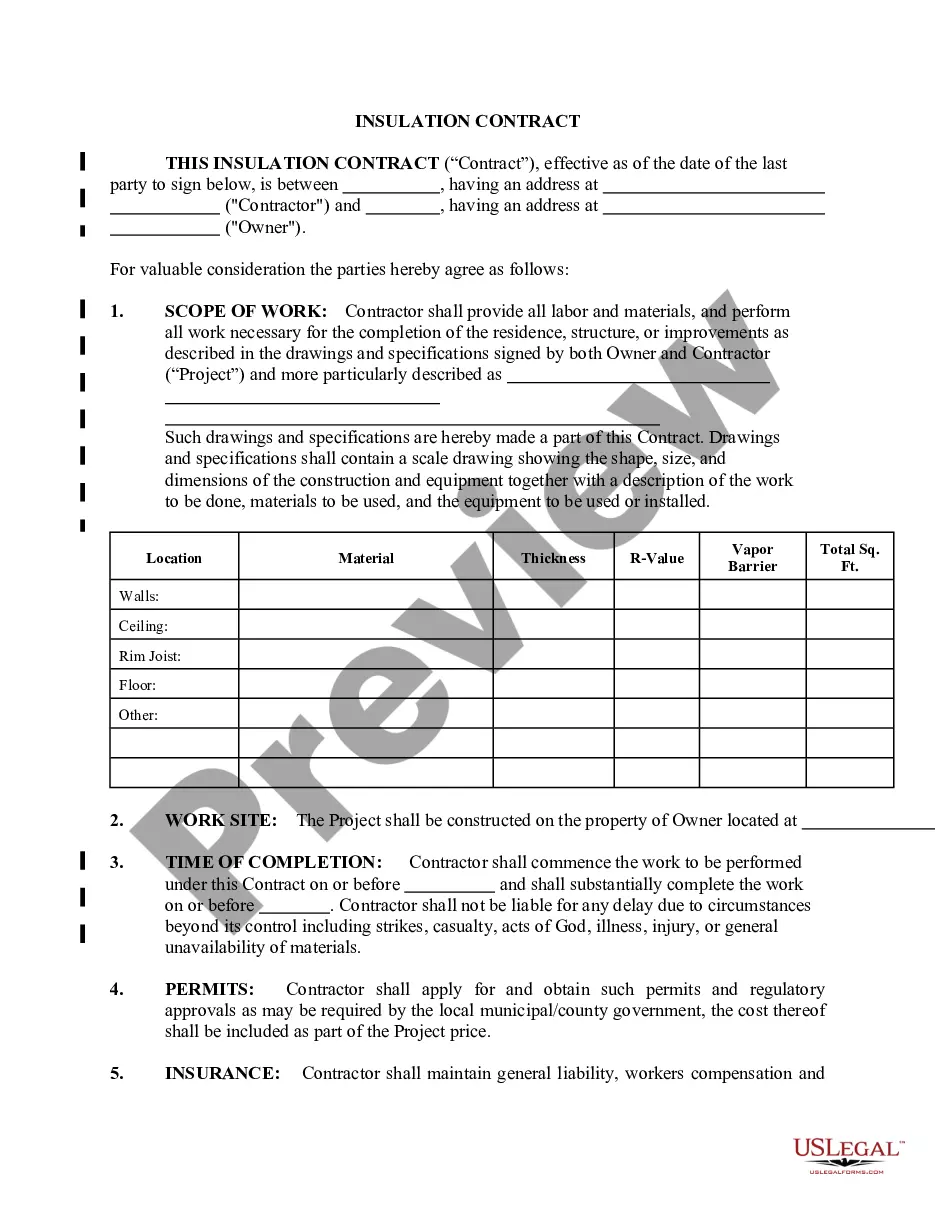
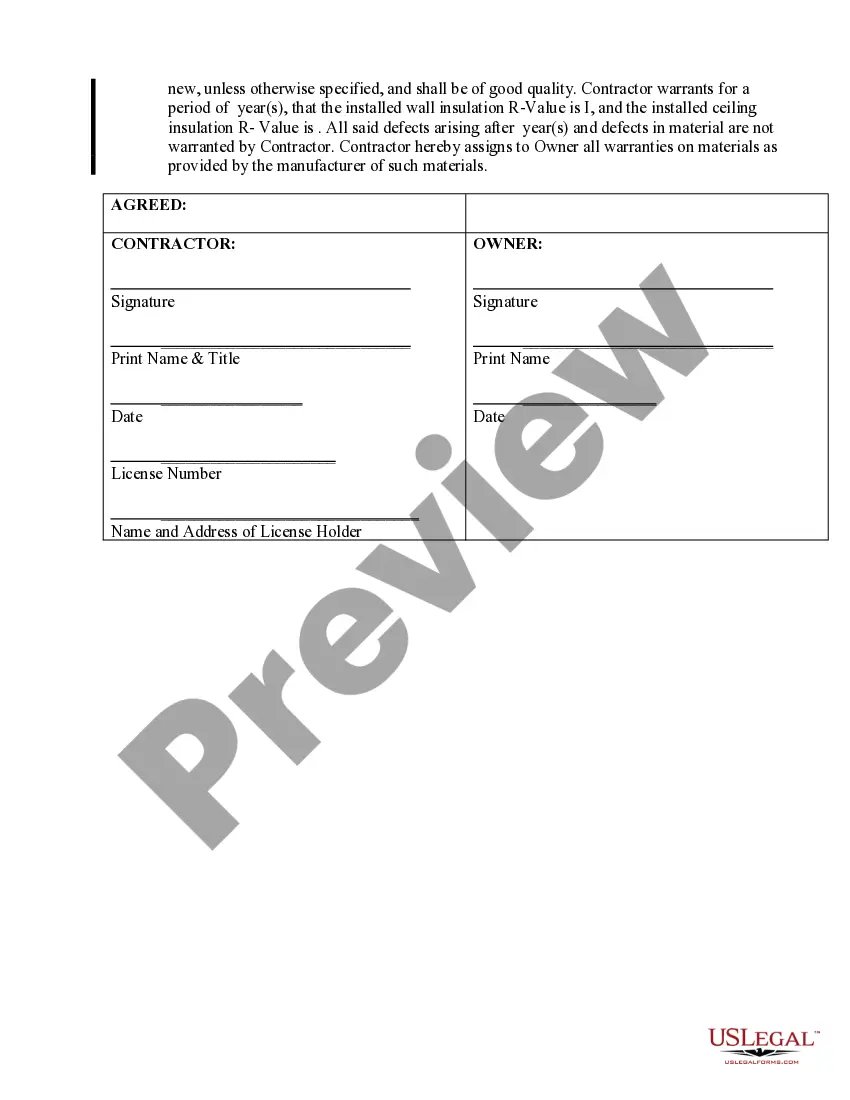
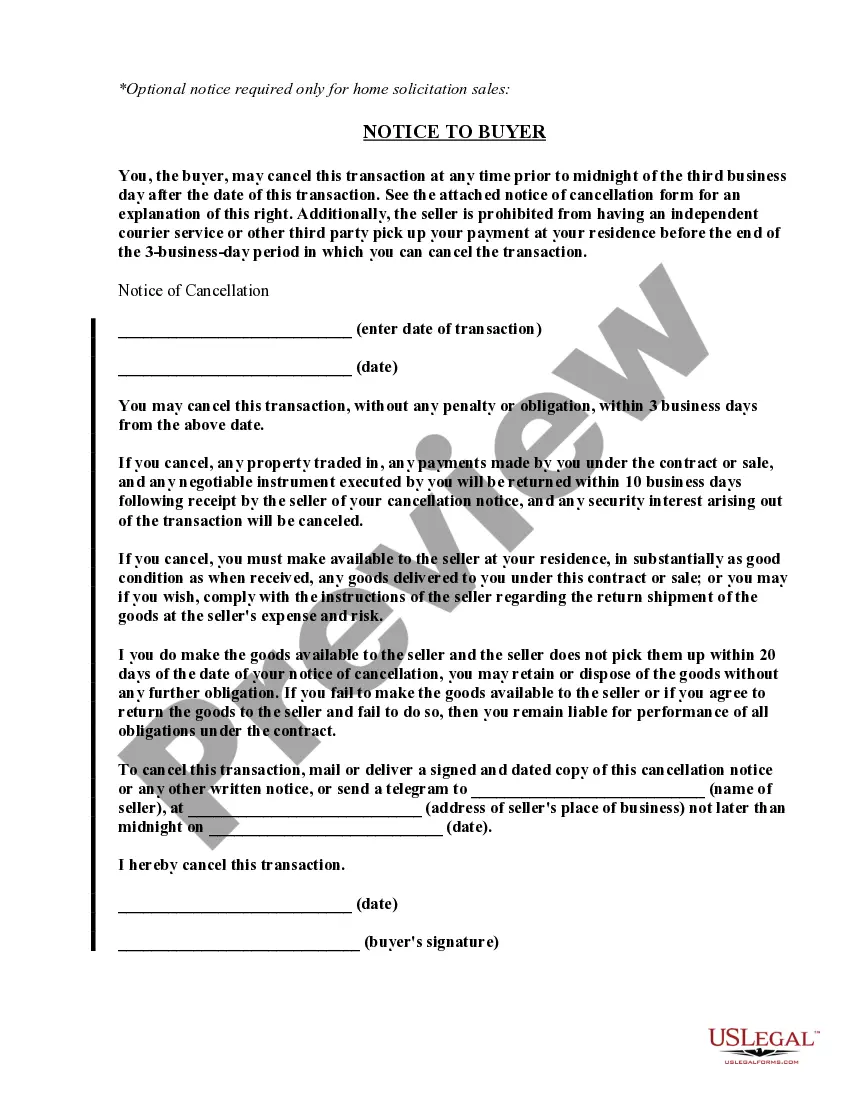
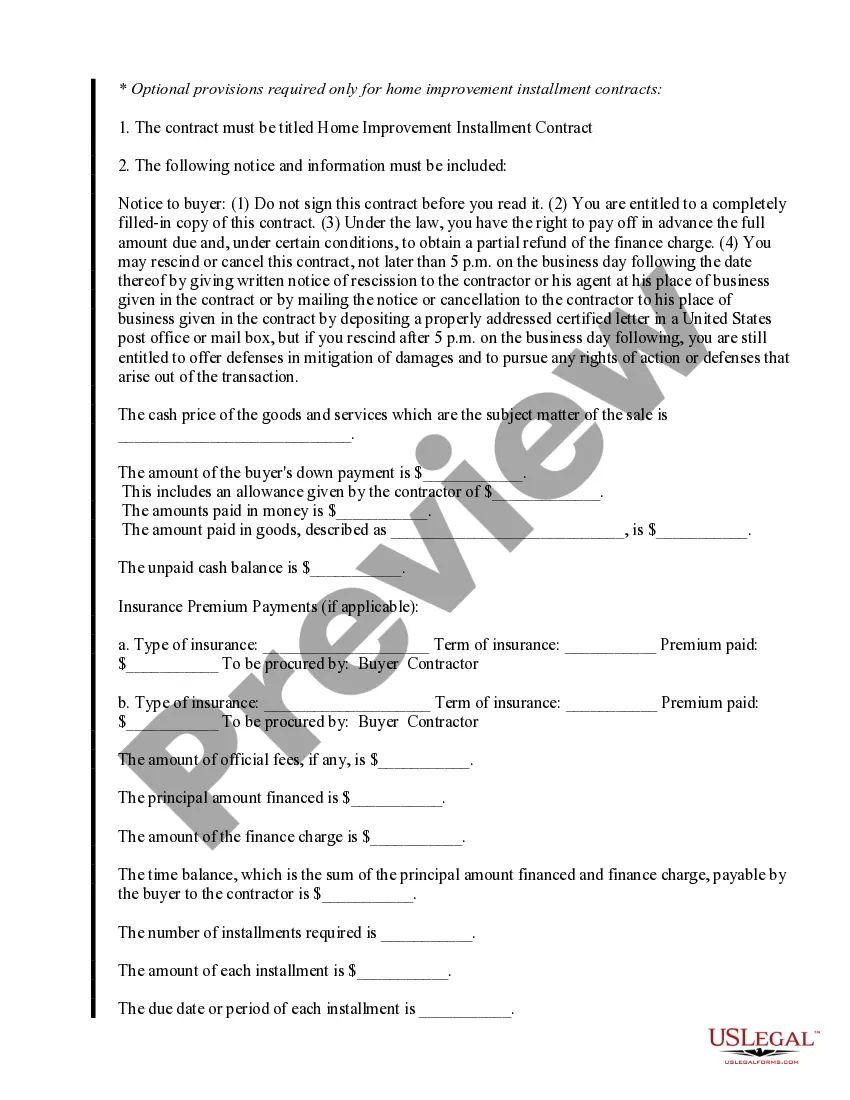
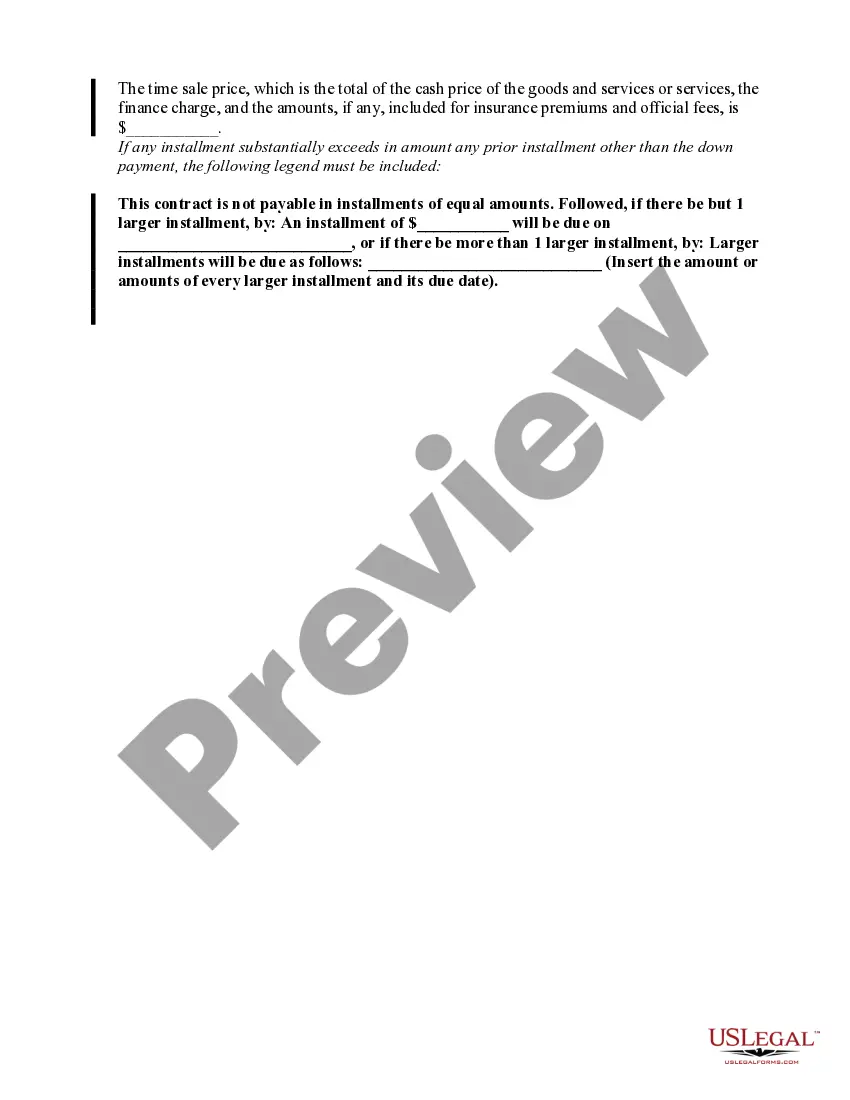
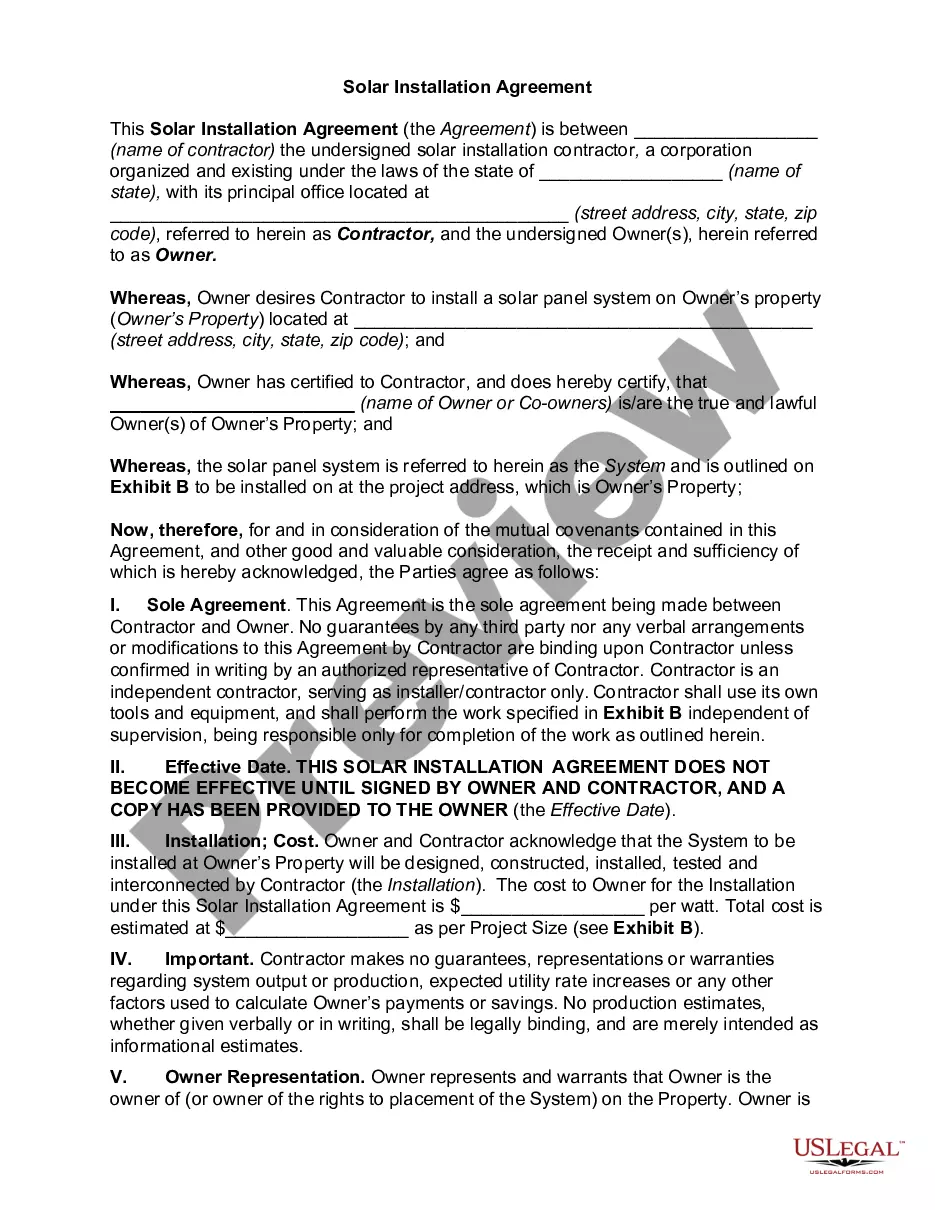
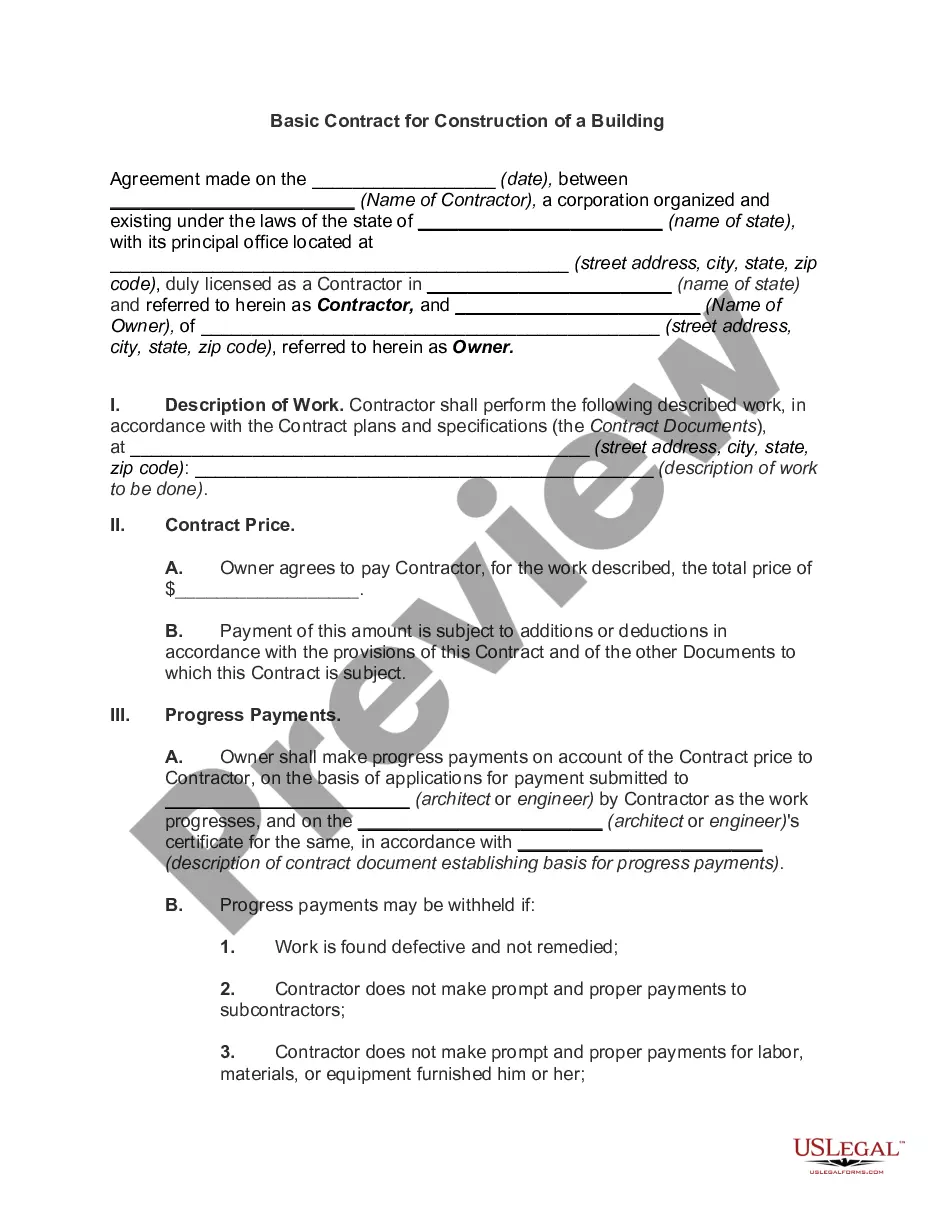
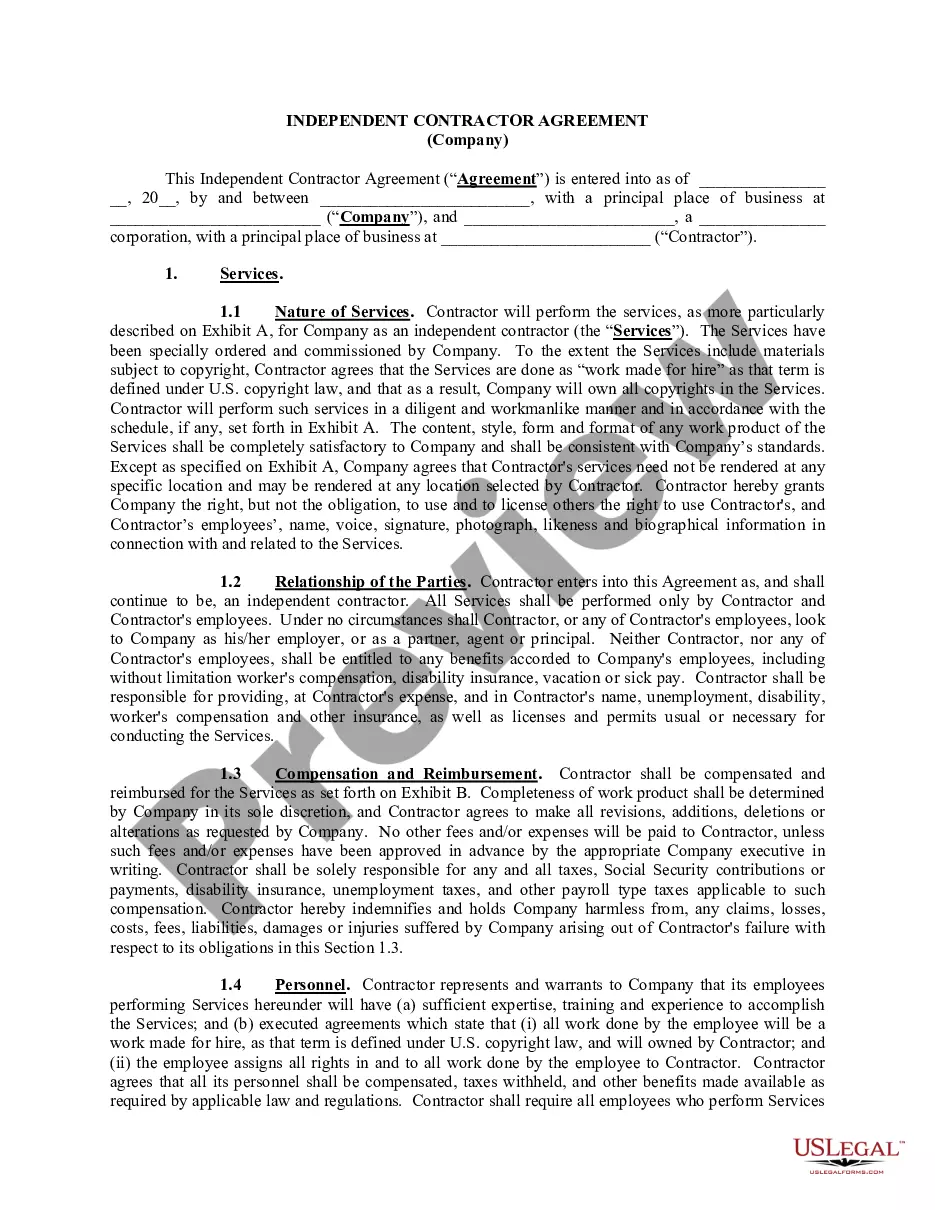
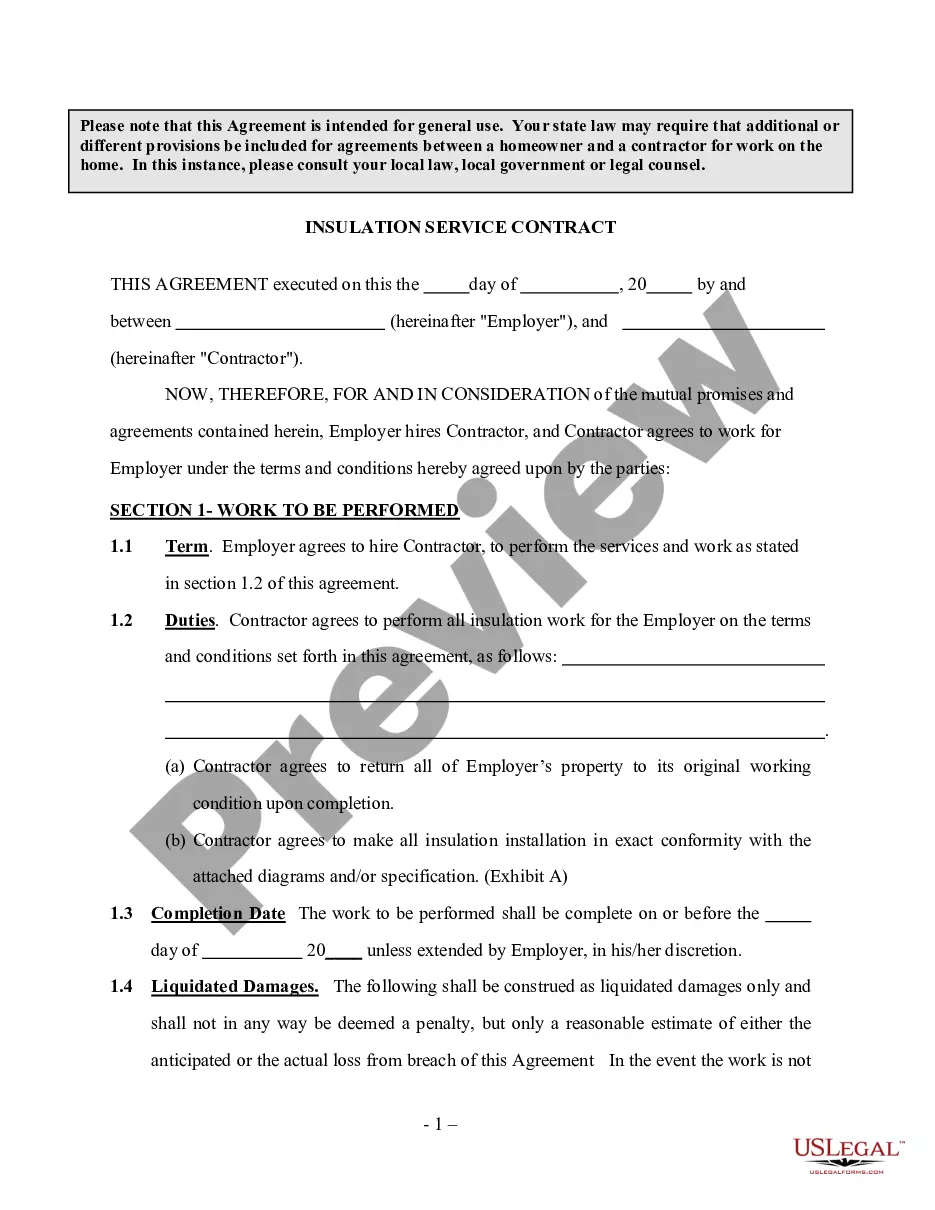
The insulation contract for contractor is a legal document that outlines the terms and conditions between insulation contractors and property owners. It is specifically designed for projects that may involve either a cost-plus or fixed fee payment arrangement. This contract ensures that both parties understand their rights and responsibilities, as well as important clauses related to permits, insurance, and changes to the project scope. Unlike general construction contracts, this form addresses specifics related to insulation work and is tailored to comply with Michigan laws.
Key components of this form
- Location details for insulation work
- Specifications regarding materials, thickness, and R-value
- Provisions for permits and regulatory approvals
- Insurance requirements, including general liability and workers' compensation
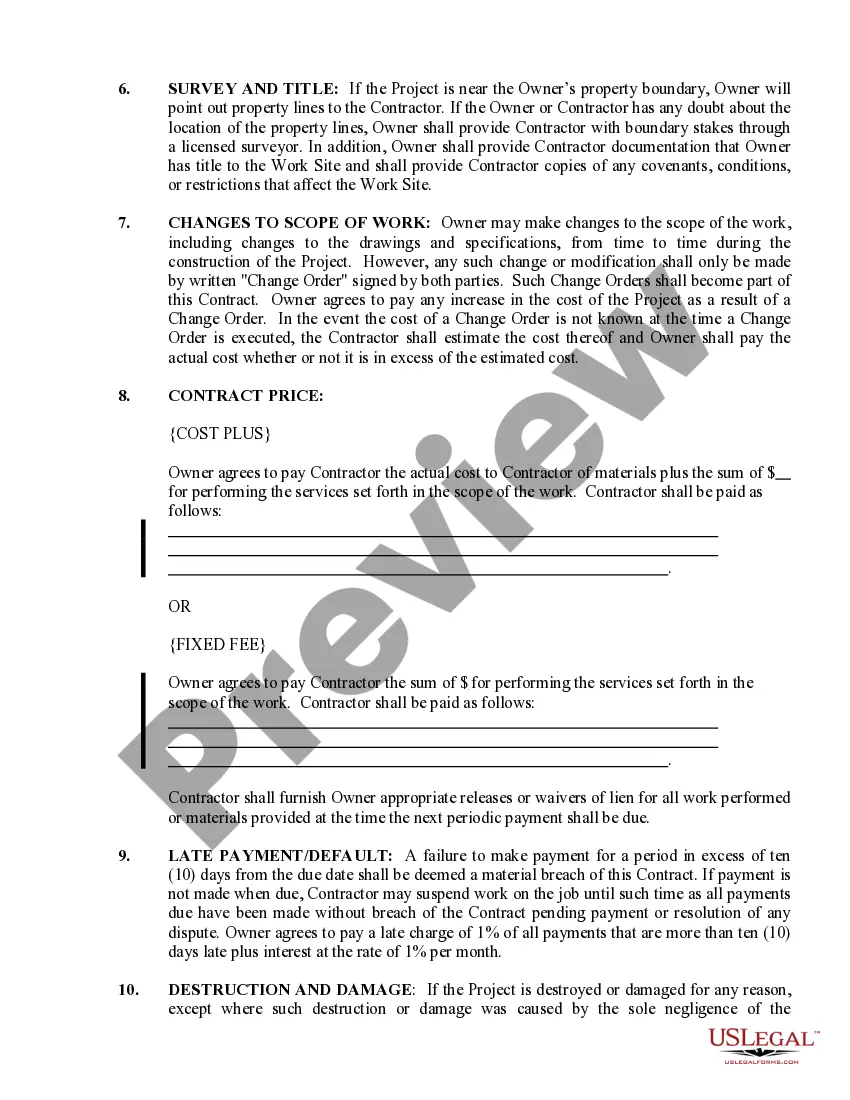
- Procedures for making changes to the scope of work with written change orders
- Terms regarding destruction or damage to the project during construction
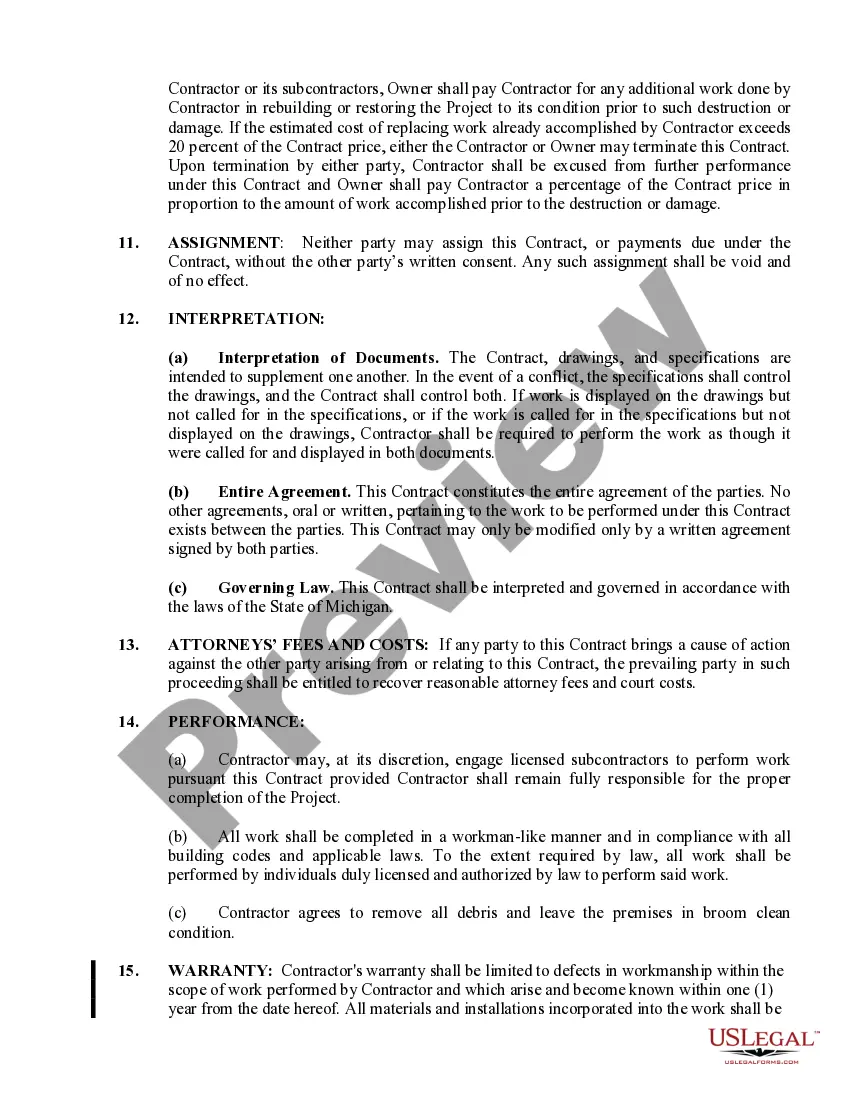
- Governing law and entire agreement clauses
When this form is needed
This form should be used when an insulation contractor and a property owner have agreed to undertake insulation work on a property. It is particularly useful in situations where the project may require flexibility in scope, such as changes to the physical plans or specifications. Additionally, it provides legal protection and clearly defines the roles and obligations of each party, making it essential for ensuring a smooth project execution.
Who this form is for
- Insulation contractors who are entering into an agreement with property owners
- Property owners looking to hire insulation professionals for their projects
- Parties involved in insulation work who want to formalize the terms of their agreement
Instructions for completing this form
- Identify the parties involved: enter the names and addresses of the insulation contractor and property owner.
- Specify the project location: provide the address where the insulation work will occur.
- Detail the materials and specifications: fill in information regarding the insulation materials, their thickness, and the expected R-value.
- Outline payment terms: choose between a cost-plus arrangement or a fixed fee structure, and specify any advance payments or deposits.
- Include necessary permits: ensure the contractor applies for any required local permits as part of the project.
- Sign and date the contract: both parties must sign and date the agreement to make it legally binding.
Does this document require notarization?
In most cases, this form does not require notarization. However, some jurisdictions or signing circumstances might. US Legal Forms offers online notarization powered by Notarize, accessible 24/7 for a quick, remote process.
Get your form ready online
Our built-in tools help you complete, sign, share, and store your documents in one place.
Make edits, fill in missing information, and update formatting in US Legal Forms—just like you would in MS Word.
Download a copy, print it, send it by email, or mail it via USPS—whatever works best for your next step.
Sign and collect signatures with our SignNow integration. Send to multiple recipients, set reminders, and more. Go Premium to unlock E-Sign.
If this form requires notarization, complete it online through a secure video call—no need to meet a notary in person or wait for an appointment.
We protect your documents and personal data by following strict security and privacy standards.

Make edits, fill in missing information, and update formatting in US Legal Forms—just like you would in MS Word.

Download a copy, print it, send it by email, or mail it via USPS—whatever works best for your next step.

Sign and collect signatures with our SignNow integration. Send to multiple recipients, set reminders, and more. Go Premium to unlock E-Sign.

If this form requires notarization, complete it online through a secure video call—no need to meet a notary in person or wait for an appointment.

We protect your documents and personal data by following strict security and privacy standards.
Typical mistakes to avoid
- Failing to clearly specify the project details, including materials and specifications.
- Not addressing potential changes in project scope and how they will be managed.
- Neglecting to include insurance requirements, exposing parties to unnecessary risk.
- Omitting necessary signatures or dates, which can nullify the contract.
Why complete this form online
- Convenient: Downloadable and ready to use, eliminating the need for printing or manual drafting.
- Editability: Easily customizable to fit the specific needs of the project and parties involved.
- Reliable: Created by licensed attorneys, ensuring that the contract is legally sound and compliant with Michigan laws.
Legal use & context
- Enforceable in a court of law when executed properly by both parties.
- Addresses specific obligations and rights related to insulation work.
- Customizable to reflect individual project needs while maintaining legal integrity.
Key takeaways
- This form is essential for clearly outlining the roles and responsibilities of insulation contractors and property owners.
- It is specifically designed for use in Michigan, ensuring compliance with state laws.
- Properly completing this contract helps avoid misunderstandings and disputes during the project.
Looking for another form?
Form popularity
FAQ
Michigan. A handyman in Michigan does not need a specific handyman's license to work in the state. However, there are many jobs that a handyman may do that could require a license, including carpentry, laying concrete, painting and tiling. These all require a Maintenance and Alteration Contractor License.
In California, contractors are required to provide warranties on work done for home and business owners for between one and 10 years. The warranties California law provides are a minimum, and longer warranties can be agreed to between the parties.
One of the most important reasons to only hire a licensed and insured handyman company is to protect yourself from liability. If a handyman gets injured while working on a project at your home or business and does not have insurance, they can sue you for any damages.
A residential builders or maintenance and alteration contractors license is required when contracting to construct, repair, alter, add to, or improve a residential or combination residential and commercial structure.
You should be aware that all contractors offering to do work which totals $600 or more in labor and materials must be licensed by the Department of Licensing and Regulatory Affairs.
Most contractors do offer some kind of guarantee on their work, because doing so protects their interests as well as your own. While a contractor's warranty can protect you, the homeowner, from having to live with shoddy work, it also protects the contractor from having to return to fix things over and over again.
The current limit is $600. Michigan licenses many different types of contractors that other states do not. The proposed law would allow people the ability to choose from a larger pool of contractors, while the burdens on people trying to work would be lessened.
Concrete Work: Professionals working with concrete must be licensed by the Department of Licensing and Regulatory Affairs.
A handyman, also known as a fixer, handyperson or handyworker, is a person skilled at a wide range of repairs, typically around the home. These tasks include trade skills, repair work, maintenance work, are both interior and exterior, and are sometimes described as "side work", "odd jobs" or "fix-up tasks".