South Carolina Construction or Mechanics Lien Package - Corporation or LLC

What is this form package?
The South Carolina Construction or Mechanics Lien Package for Corporations and LLCs is specifically designed to help businesses recover money owed for labor, materials, or services related to improving real property. This form package differs from others by focusing solely on corporate entities or limited liability companies (LLCs), providing tailored documents and guidelines relevant to the construction lien process in South Carolina.
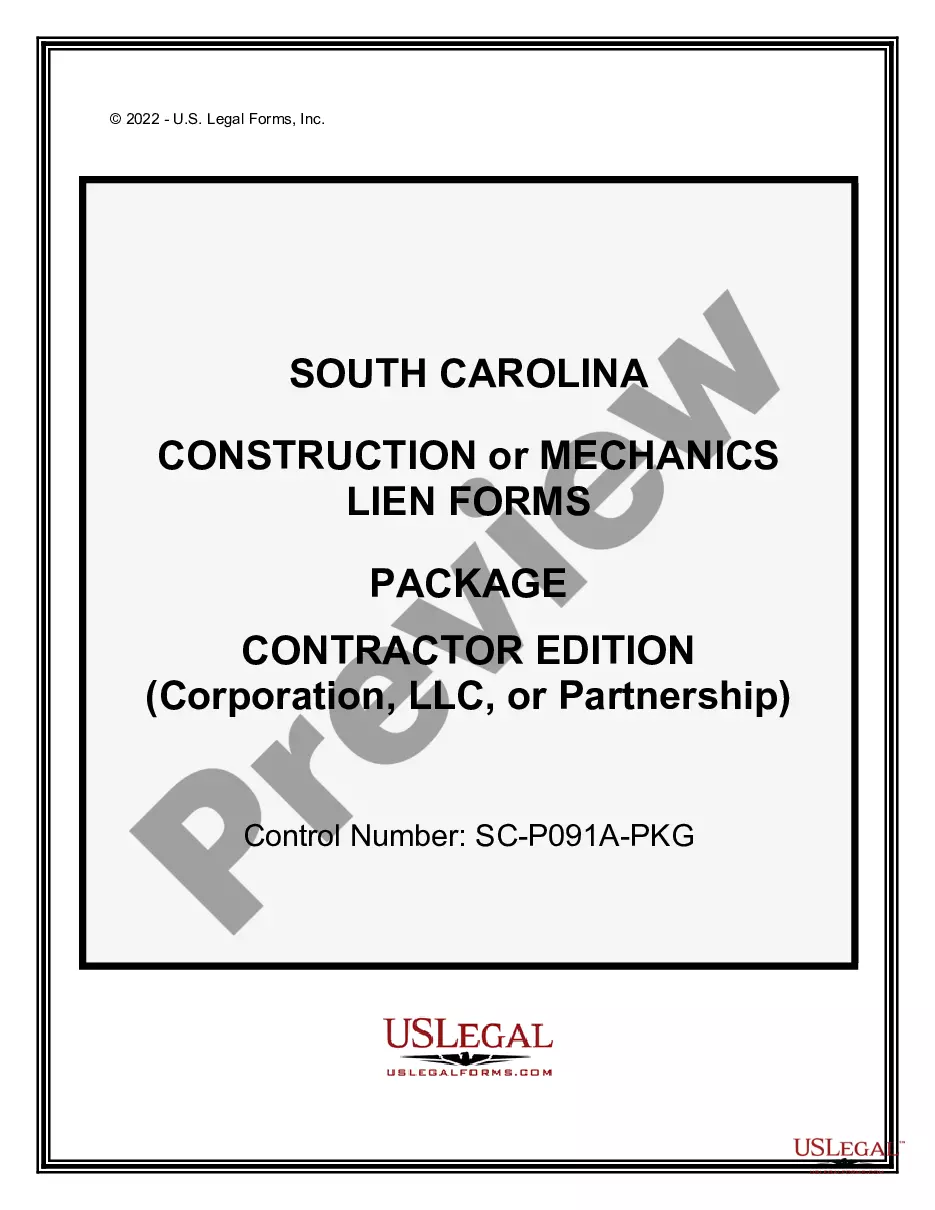
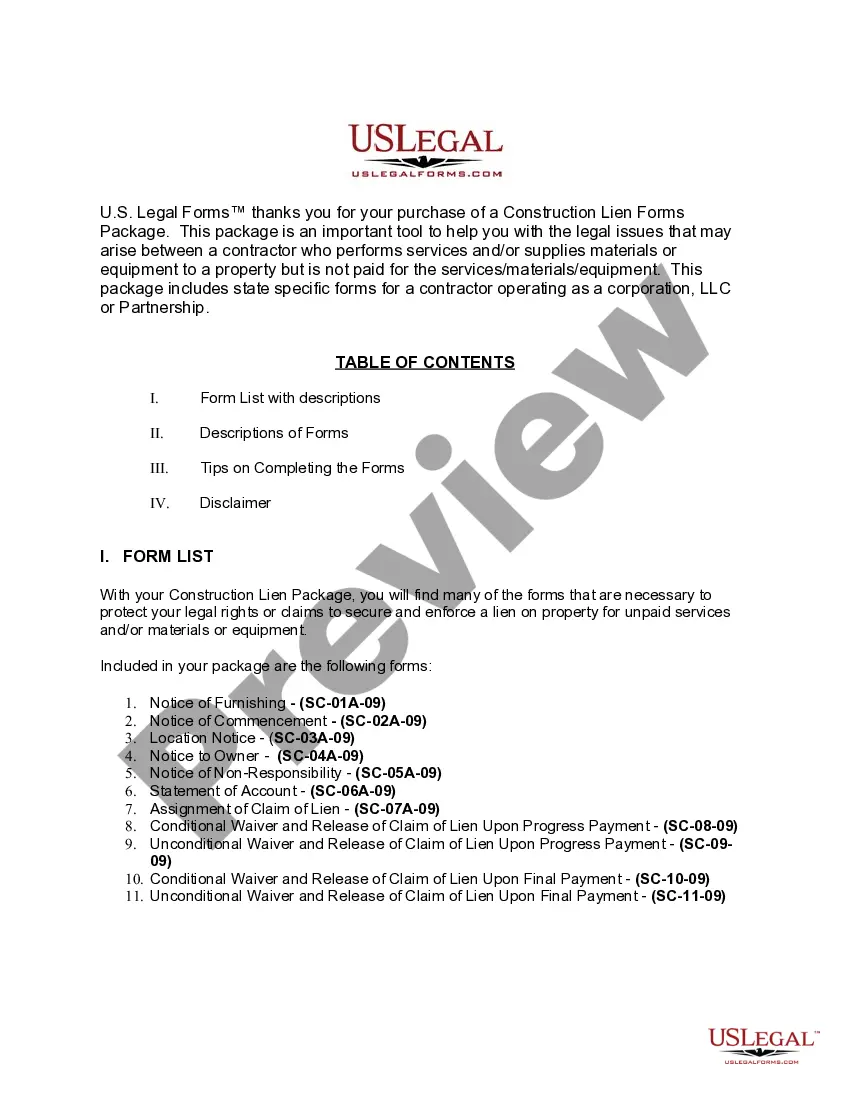
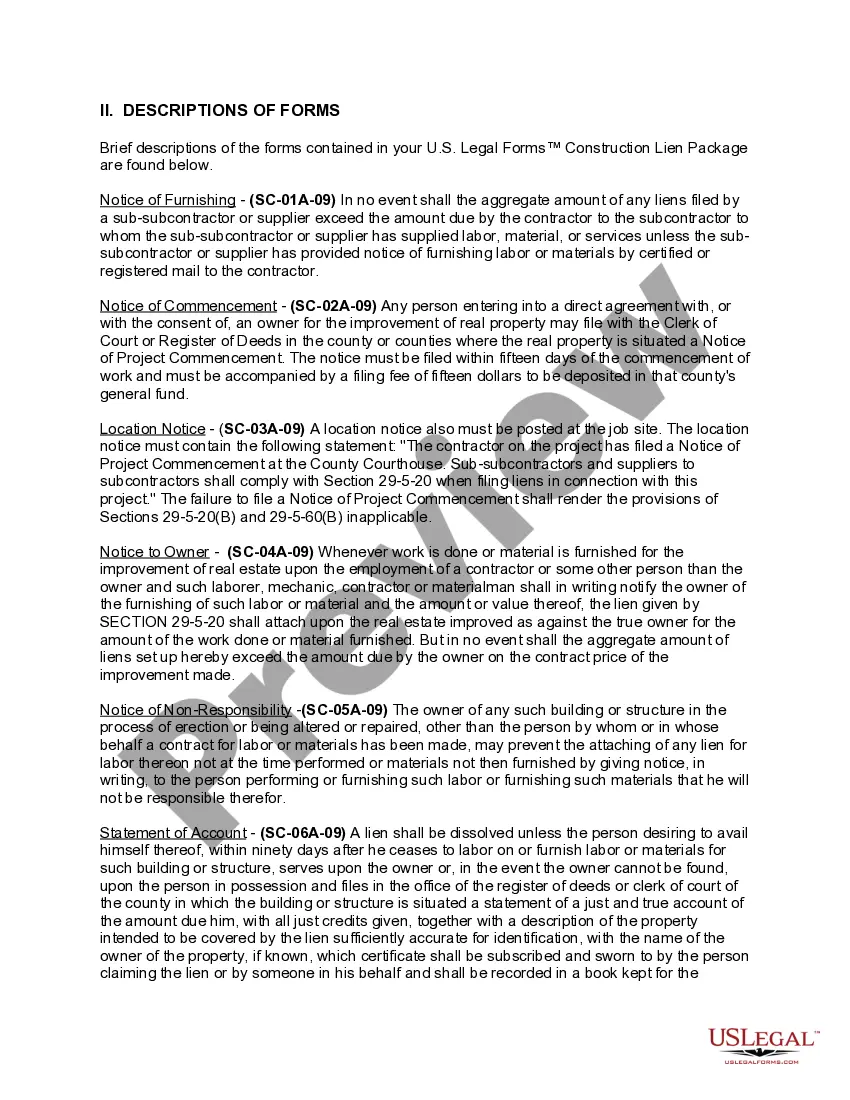
What’s included in this form package
- Notice of Furnishing by Corporation
- Notice of Commencement - Corporation
- Location Notice by Corporation
- Notice to Owner by Corporation
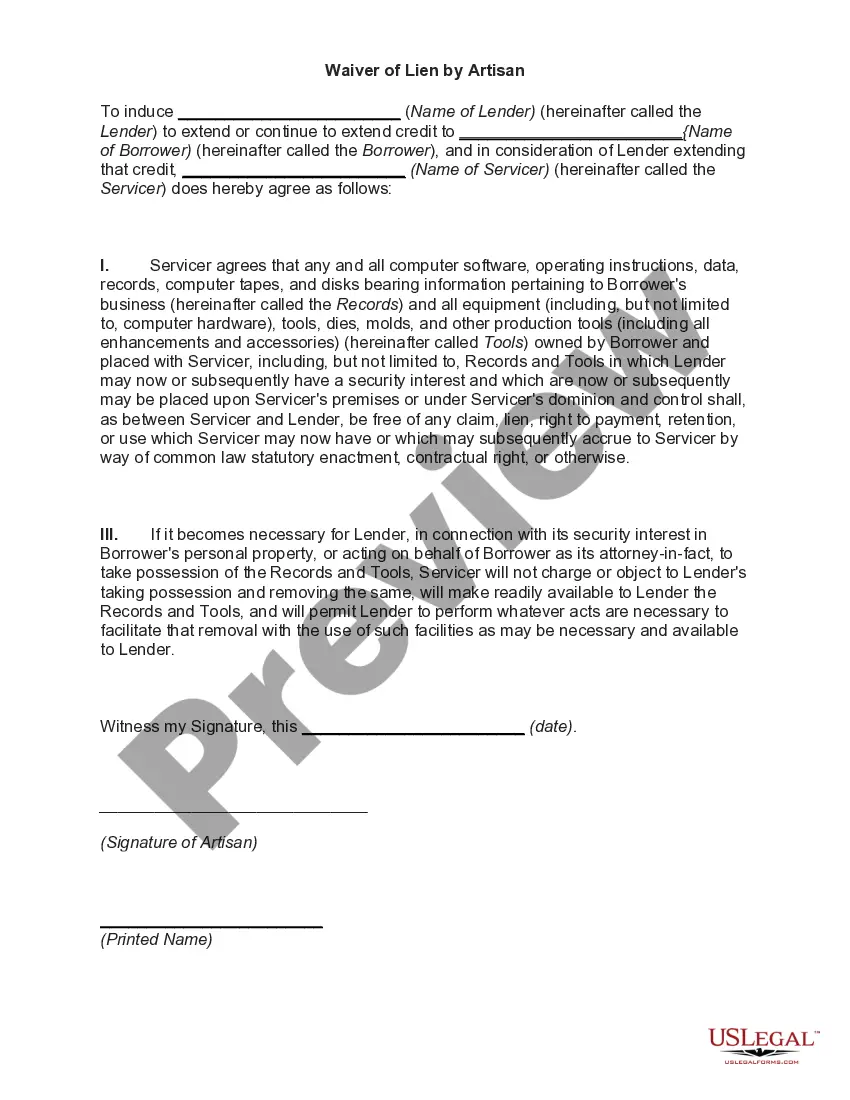
- Notice of Non-Responsibility by Corporation
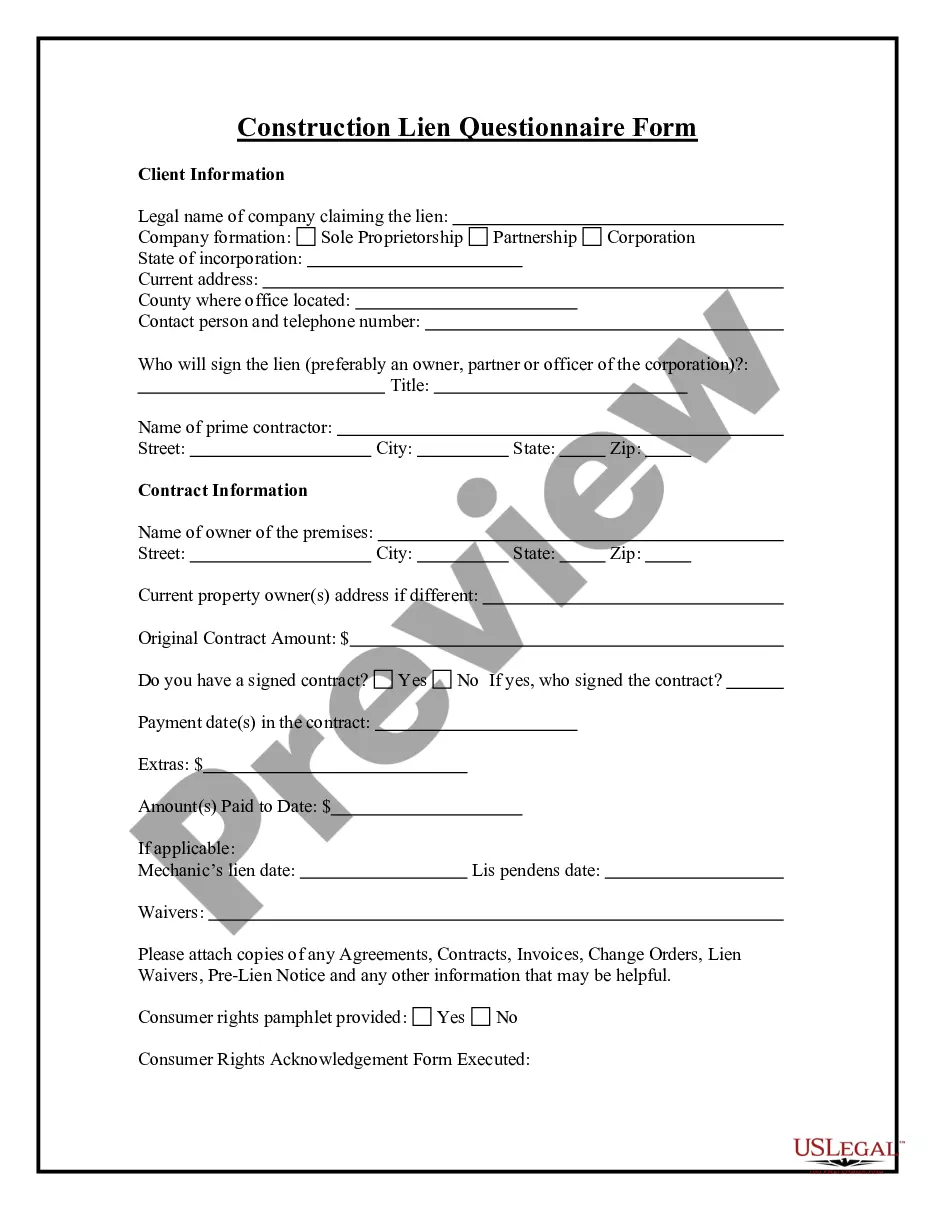
- Statement of Account by Corporation
- Assignment of Claim of Lien - Corporation
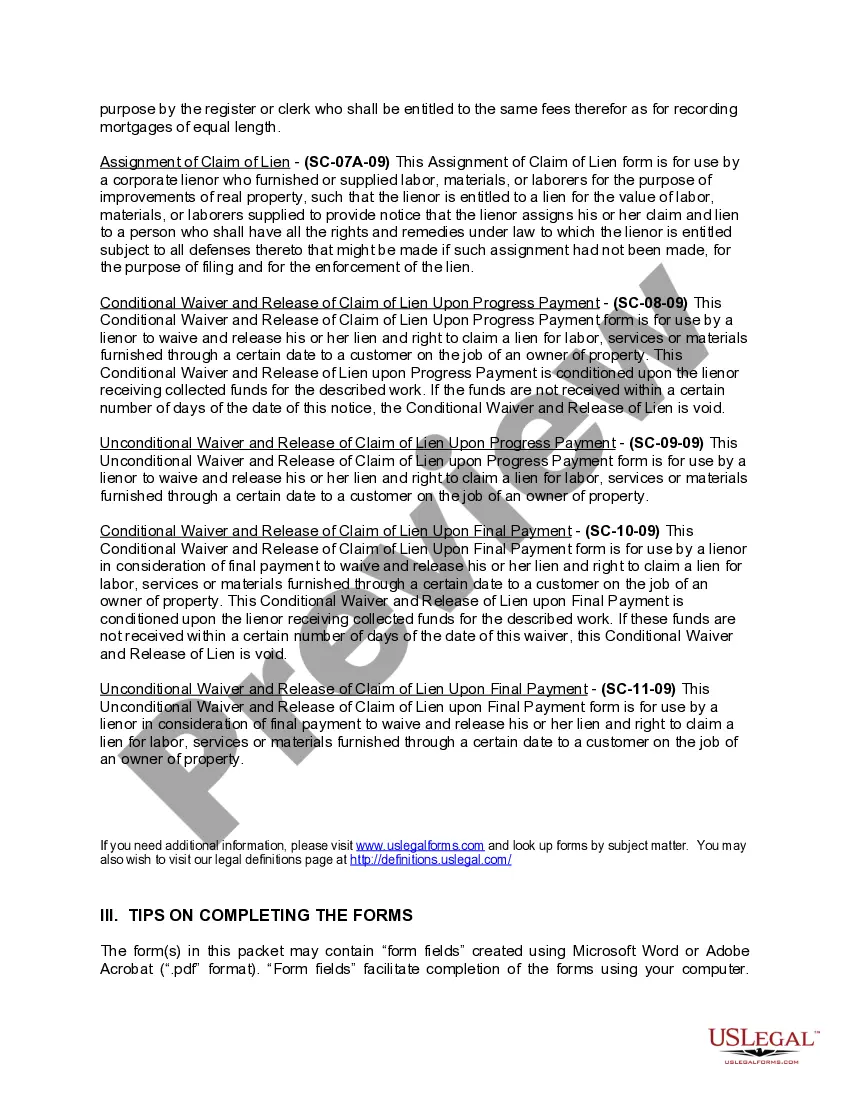
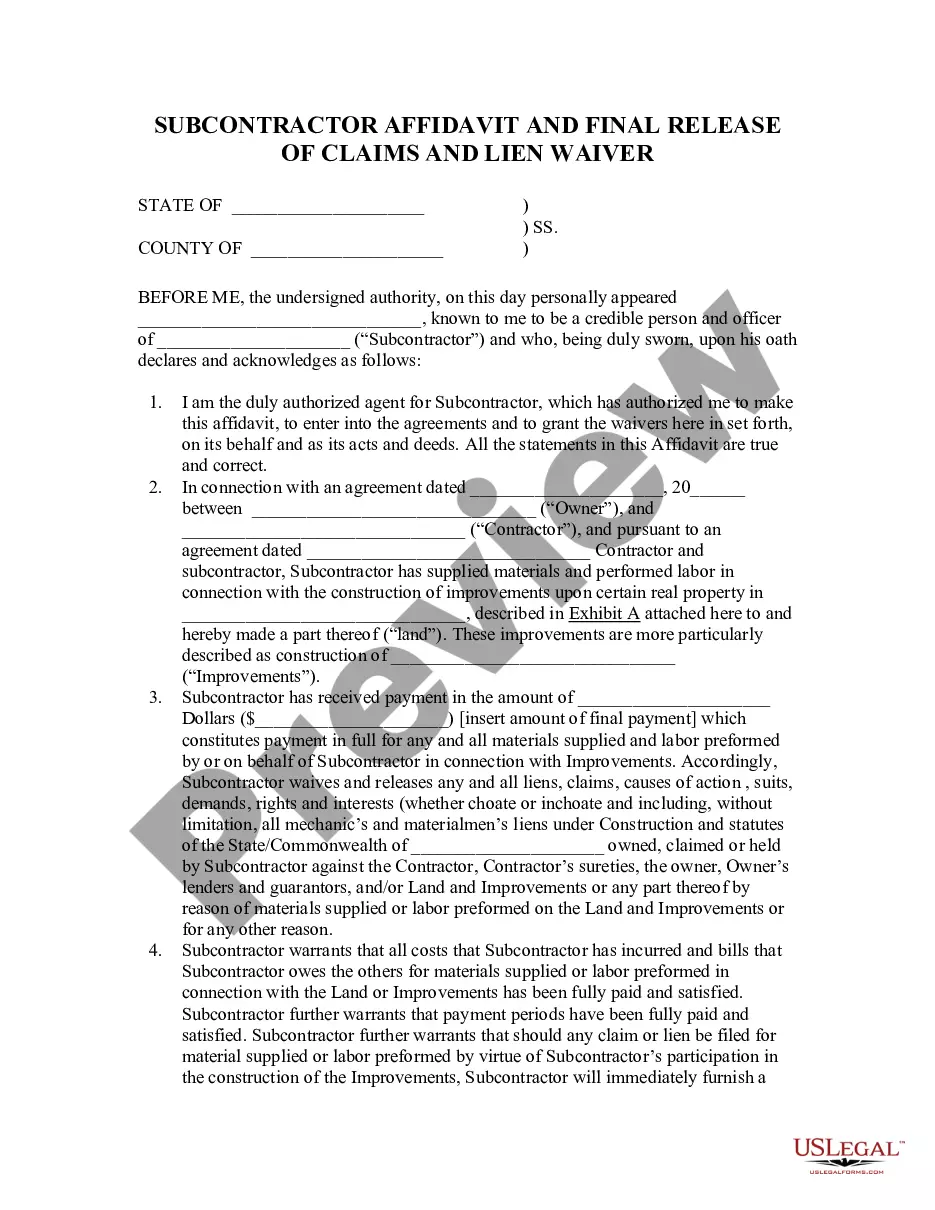
- Conditional Waiver and Release of Claim of Lien Upon Progress Payment
- Unconditional Waiver and Release of Claim of Lien Upon Progress Payment
- Conditional Waiver and Release of Claim of Lien Upon Final Payment
- Unconditional Waiver and Release of Claim of Lien Upon Final Payment

When to use this document
This form package is essential in situations where a corporation or LLC has provided labor or materials for a construction project and has not been compensated. It is used to file construction or mechanics liens to secure payment, particularly when further legal action may be necessary to recover outstanding debts.
Who can use this document
- Corporations engaged in construction or related services
- Limited liability companies (LLCs) providing labor or materials for real property improvements
- Businesses involved in the construction supply chain.
Completing these forms step by step
- Review the included forms and their descriptions carefully.
- Determine the relevant parties involved in the construction project.
- Complete all required fields in each form, ensuring accuracy of information.
- File the necessary notices with the Clerk of Court or Register of Deeds as outlined in the instructions.
- Maintain copies of all submitted forms for your records.
Do forms in this package need to be notarized?
Some forms in this package need notarization to be legally binding. Our online notarization service, powered by Notarize, lets you verify and sign documents remotely through an encrypted video session, available 24/7.
Get your form ready online
Our built-in tools help you complete, sign, share, and store your documents in one place.
Make edits, fill in missing information, and update formatting in US Legal Forms—just like you would in MS Word.
Download a copy, print it, send it by email, or mail it via USPS—whatever works best for your next step.
Sign and collect signatures with our SignNow integration. Send to multiple recipients, set reminders, and more. Go Premium to unlock E-Sign.
If this form requires notarization, complete it online through a secure video call—no need to meet a notary in person or wait for an appointment.
We protect your documents and personal data by following strict security and privacy standards.

Make edits, fill in missing information, and update formatting in US Legal Forms—just like you would in MS Word.

Download a copy, print it, send it by email, or mail it via USPS—whatever works best for your next step.

Sign and collect signatures with our SignNow integration. Send to multiple recipients, set reminders, and more. Go Premium to unlock E-Sign.

If this form requires notarization, complete it online through a secure video call—no need to meet a notary in person or wait for an appointment.

We protect your documents and personal data by following strict security and privacy standards.
Common mistakes
- Failing to file the Notice of Project Commencement within the required time frame.
- Not providing complete or accurate information on forms, leading to potential legal issues.
- Neglecting to keep copies of filed forms for future reference.
Benefits of using this package online
- Convenient access to all forms from any location with internet access.
- Editability allows for quick adjustments and customization to meet specific needs.
- Reliable resources crafted by licensed attorneys to ensure compliance with state laws.
Legal use & context
- Using a mechanics lien ensures you can secure payment for services rendered.
- Timely filing of the lien can protect your rights under South Carolina law.
- Understanding your obligations under the lien process can prevent legal issues down the line.
Looking for another form?
Form popularity
FAQ
In South Carolina, a claimant who has filed a mechanics lien will have 6 months from the last day on which the claimant furnished labor and/or materials to the project to enforce their lien.
Be sure to include the following pieces of information in your lien: The name, company name and address (including county) of the property owner against whom your lien is filed; the same information about the delinquent client, if different; the beginning and ending dates of the unpaid service; the due date for payment
A mechanic's lien is a guarantee of payment to builders, contractors, and construction firms that build or repair structures. Mechanic's liens also extend to suppliers of materials and subcontractors and cover building repairs as well.
To perfect a mechanic's lien, the contractor, subcontractor, or supplier must file a notice of mechanic's lien with the Register of Deeds or Clerk of Court of the county where the real property is located and serve the property owner with notice and a copy of the lien within 90 days of the completion of the work. S.C.
Who you are. The services or materials you provided. The last date you provided the services or materials. How much payment should be. The date on which you will file a lien if you do not receive payment. How the debtor should pay.
A construction lien is a claim made against a property by a contractor or subcontractor who has not been paid for work done on that property. Construction liens are designed to protect professionals from the risk of not being paid for services rendered.
Get free mechanics lien form A construction mechanics lien is claimed against real estate property, and the lien must be filed in the appropriate office in order to be valid.Additionally, construction liens have strict timing and notice requirements. Machinery mechanics liens are possessory liens.
Who you are. The services or materials you provided. The last date you provided the services or materials. How much payment should be. The date on which you will file a lien if you do not receive payment. How the debtor should pay.
While they don't require lien filings to be notarized, they do require a lien filer to jump through various other hoops that, if not done properly, might cause your filing to be rejected or invalidated: Delaware.