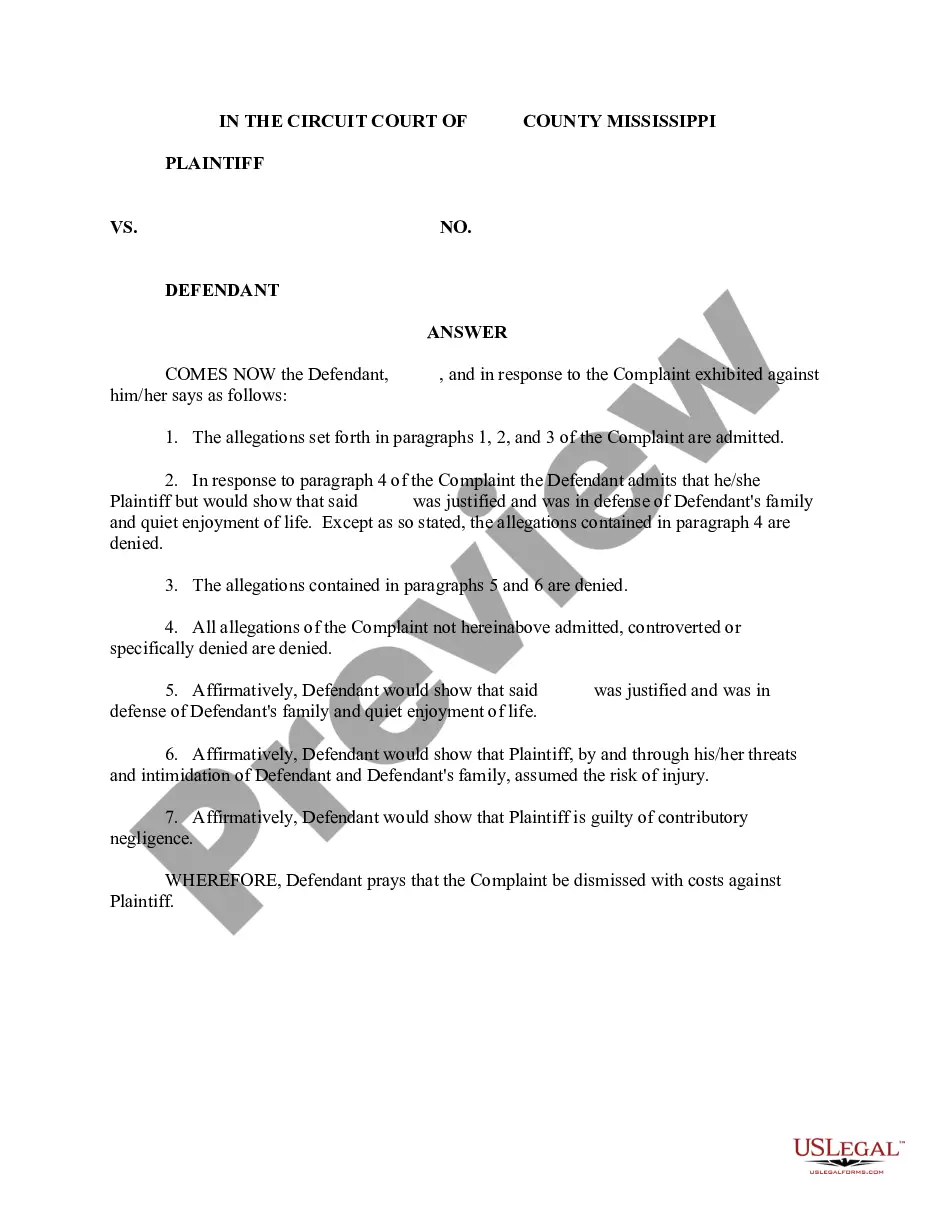
Rhode Island Seller's Disclosure of Financing Terms for Residential Property in connection with Contract or Agreement for Deed a/k/a Land Contract
Overview of this form
The Seller's Disclosure of Financing Terms for Residential Property serves as a formal notice to the Purchaser regarding the purchase price and payment structure for a property being sold under a contract for deed. This document outlines essential details such as payment amounts, interest rates, and late payment charges. It is distinct from other real estate forms by focusing specifically on the financing aspects related to land contracts.
Key components of this form
- Purchase price: Specifies the total price of the property.
- Payment terms: Details the payment schedule, including amounts and frequencies.
- Interest rate: States the applicable interest rate on the financing.
- Late charges: Outlines any penalties for late payments.
- Seller's obligations: A section for the Seller to confirm and disclose the financing terms.
Situations where this form applies
This form is needed when a seller and purchaser agree to finance the sale of a residential property through a contract for deed, often referred to as a land contract. It is important to provide this disclosure before or at the time of signing the agreement to ensure both parties understand the financing terms associated with the transaction.
Who this form is for
This form is intended for:
- Homeowners selling their property through a contract for deed.
- Purchasers looking for clarity on financing terms before finalizing the sale.
- Real estate agents assisting buyers and sellers in such transactions.
Completing this form step by step
- Identify the parties involved in the transaction (Seller and Purchaser).
- Specify the property being sold and its purchase price.
- Detail the financing terms, including payment amounts, interest rates, and due dates.
- Include any late charges or penalties for missed payments.
- Have the Seller sign and date the form to confirm accuracy.
Is notarization required?
Notarization is required for this form to take effect. Our online notarization service, powered by Notarize, lets you verify and sign documents remotely through an encrypted video session, available 24/7.
Get your form ready online
Our built-in tools help you complete, sign, share, and store your documents in one place.
Make edits, fill in missing information, and update formatting in US Legal Forms—just like you would in MS Word.
Download a copy, print it, send it by email, or mail it via USPS—whatever works best for your next step.
Sign and collect signatures with our SignNow integration. Send to multiple recipients, set reminders, and more. Go Premium to unlock E-Sign.
If this form requires notarization, complete it online through a secure video call—no need to meet a notary in person or wait for an appointment.
We protect your documents and personal data by following strict security and privacy standards.

Make edits, fill in missing information, and update formatting in US Legal Forms—just like you would in MS Word.

Download a copy, print it, send it by email, or mail it via USPS—whatever works best for your next step.

Sign and collect signatures with our SignNow integration. Send to multiple recipients, set reminders, and more. Go Premium to unlock E-Sign.

If this form requires notarization, complete it online through a secure video call—no need to meet a notary in person or wait for an appointment.

We protect your documents and personal data by following strict security and privacy standards.
Avoid these common issues
- Failing to provide the form before signing the contract.
- Omitting crucial financing details, like interest rates or payment amounts.
- Not having both parties sign the disclosure.
Advantages of online completion
- Quick access to a legally vetted document that meets your needs.
- Easy to edit and customize according to specific terms and agreements.
- Downloadable format allows for immediate use and sharing.
Legal use & context
- Ensures transparency in financing arrangements between buyers and sellers.
- Helps prevent disputes over payment terms and responsibilities.
- Establishes a legal framework for enforcing contractual obligations.
What to keep in mind
- This form is essential for outlining financing terms in a contract for deed.
- It is crucial for protecting both seller and purchaser interests.
- Attention to detail is vital to avoid common mistakes.
Looking for another form?

Form popularity
FAQ
If a seller fails to disclose, or actively conceals, problems that affect the value of the property; they are violating the law, and may be subject to a lawsuit for recovery of damages based on claims of fraud and deceit, misrepresentation and/or breach of contract.
A seller disclosure statement is a form where the seller and real estate agent disclose any issues they are aware of that could negatively affect the value of the home. Signing this statement is part of the escrow process.
What is a Seller Disclosure Statement? A seller disclosure statement is a form where the seller and real estate agent disclose any issues they are aware of that could negatively affect the value of the home. Signing this statement is part of the escrow process.
A real estate disclosure statement is a legally binding document in which the seller comes clean about any potential flaws and issues the buyer needs to know about.But it's also legally binding and thus a powerful document in court if major undisclosed issues are discovered post-sale.
Buyers must sign off on all disclosures and reports. So it's important to review them carefully and ask questions if you need to. Full disclosure upfront is the way to go. Providing full disclosure can help a seller.
Seller's Disclosure Notices are required in most Texas residential transactions. Many sellers mistakenly assume that if they never occupy the property, they are exempt from the disclosure requirement. Make sure your seller is truly exempt before deciding to omit the disclosure.
Disclosure Laws in Texas for Home SalesSeller disclosures in Texas are governed by Texas Property Code Section § 5.008.Given all of the stresses involved in selling your home, you do not want to create this additional layer of uncertainty.
Death in the Home. Neighborhood Nuisances. Hazards. HOA Information. Repairs. Water Damage. Missing Items. Other Possible Disclosures.
Who Must Make These Seller Disclosures in California. As a broad rule, all sellers of residential real estate property containing one to four units in California must complete and provide written disclosures to the buyer.