Documents by Seller Clauses: Contract for Real Property
What is this form?
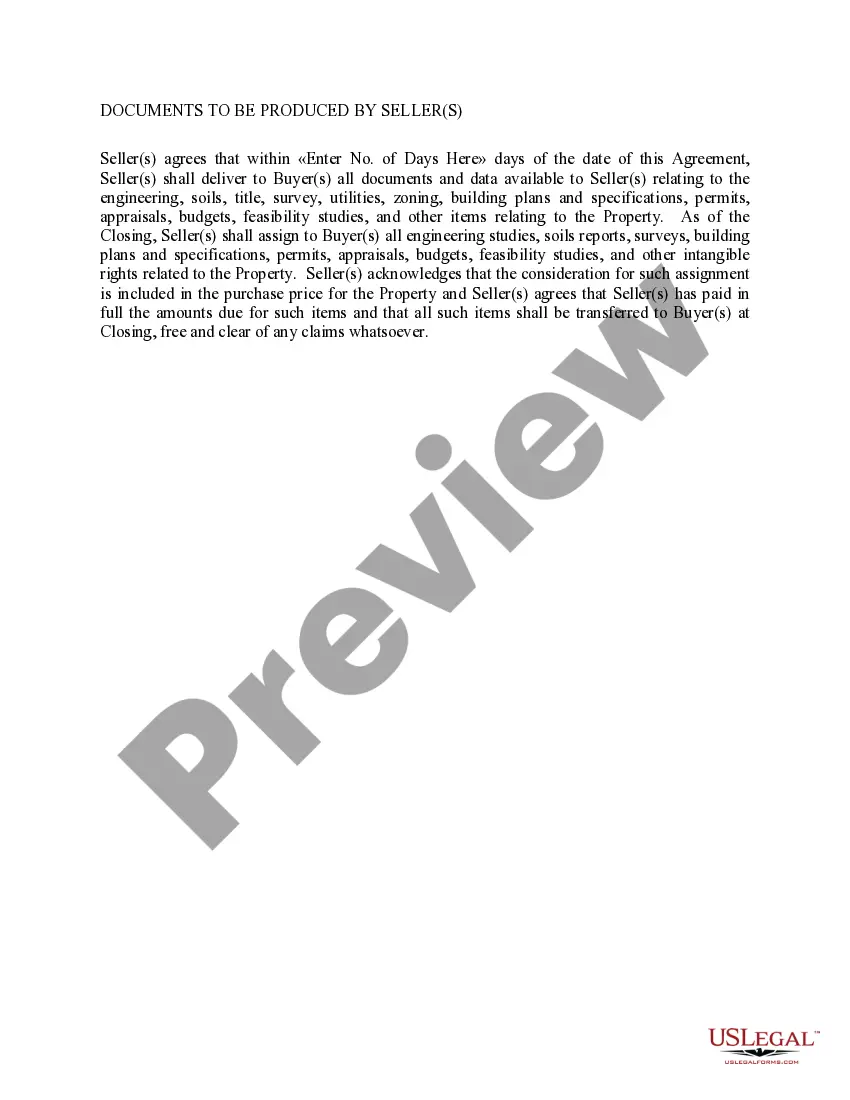
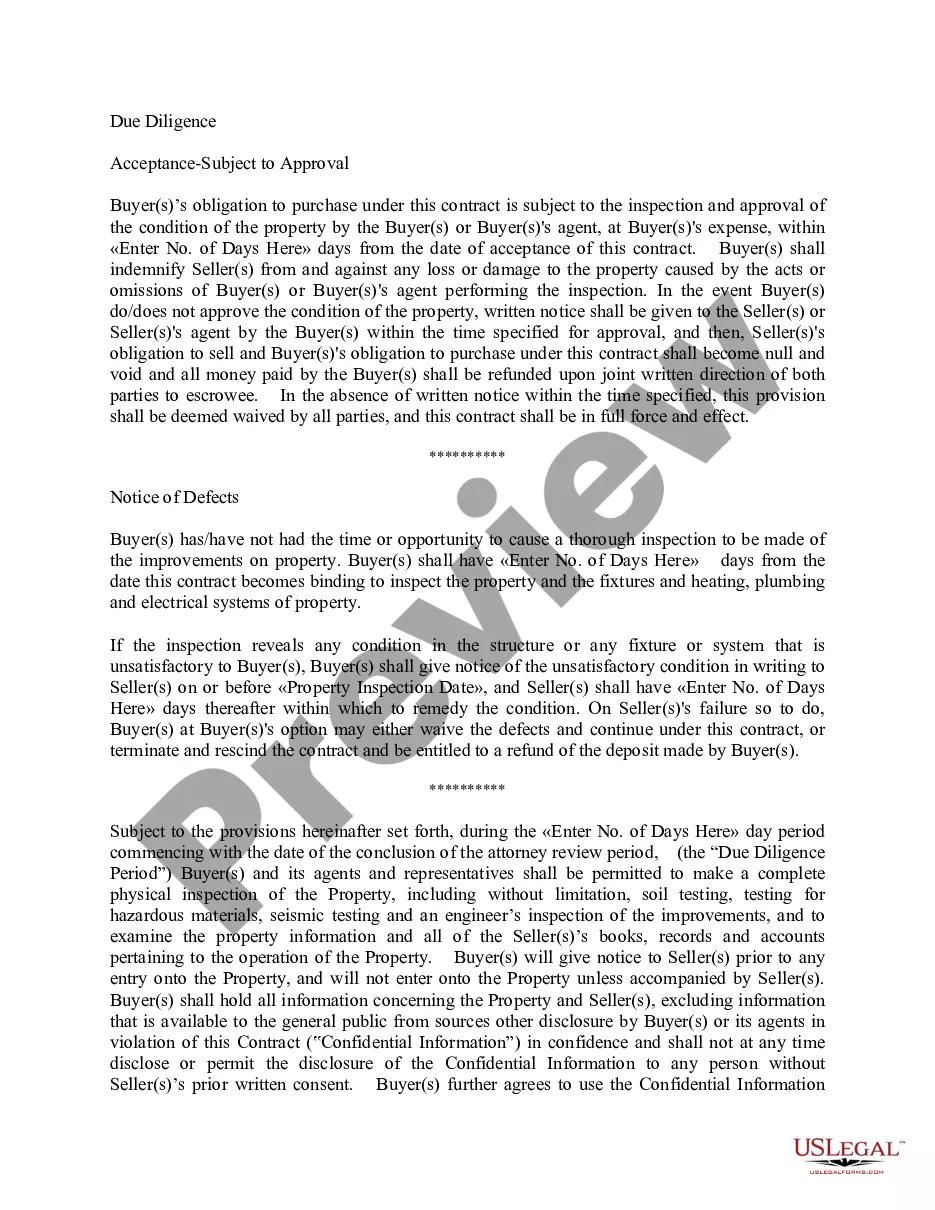
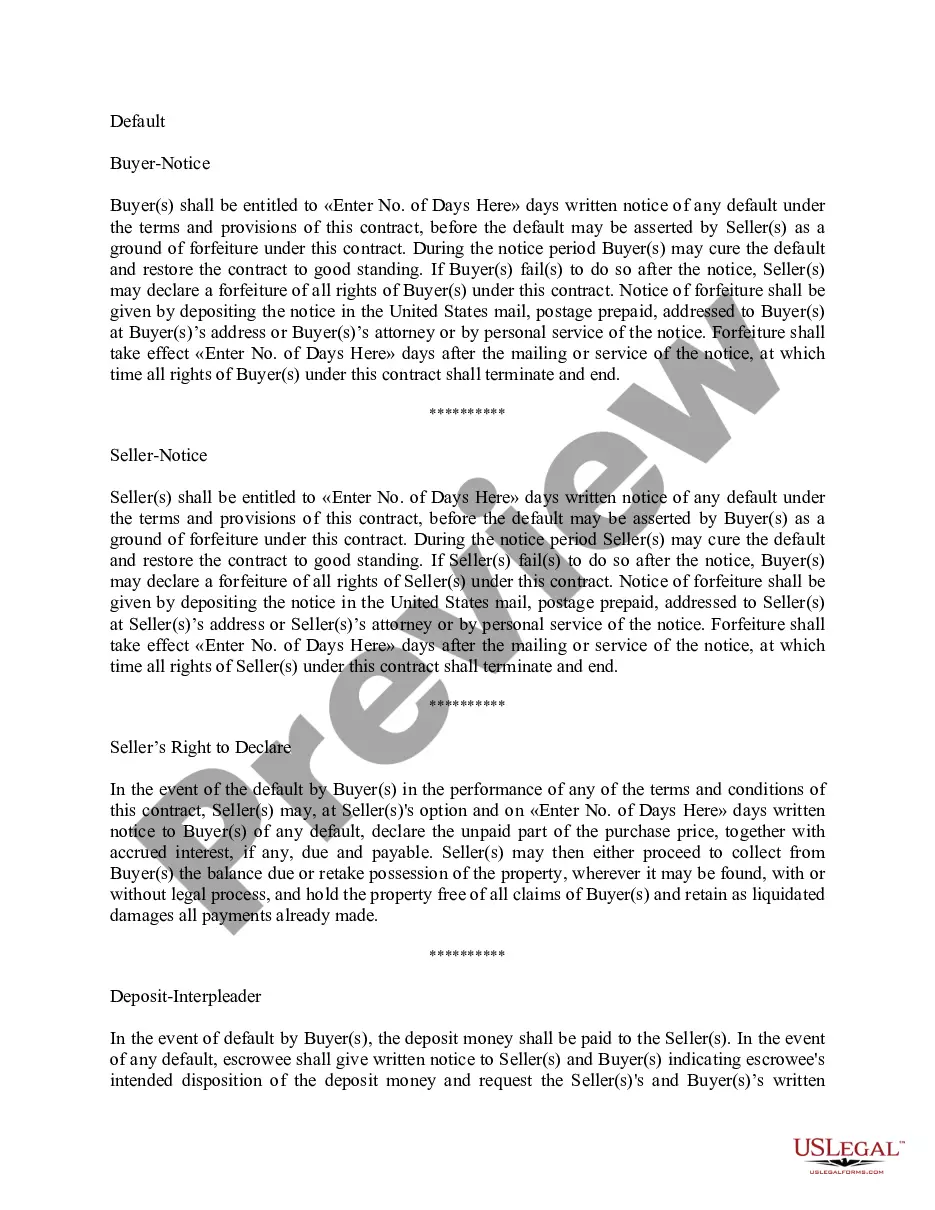
The Documents by Seller Clauses form for real property outlines the conditions required for a seller to provide necessary documentation to the buyer. This form is crucial in real estate transactions, ensuring that all relevant documents such as engineering studies, permits, and appraisals are shared, making the contract legally enforceable. It differs from other contracts by explicitly detailing the obligations related to document delivery between the seller and buyer.
Key parts of this document
- Timeframe for document delivery specified in days.
- List of required documents related to the property, including engineering studies, titles, and permits.
- Clauses for transferring rights and intangible assets related to the property at closing.
- Agreement on consideration included in the purchase price.
When to use this form
This form should be used during a real estate transaction when a seller agrees to provide specific documents to the buyer. It is particularly important when the buyer requires assurance that all documentation related to the property is complete and complies with legal standards before closing the sale. Use this form to clarify seller obligations and protect the buyerâs interests in the purchase agreement.
Who needs this form
- Real estate sellers who are finalizing a property sale.
- Buyers purchasing real estate who need access to essential property documents.
- Real estate agents facilitating the sale of property on behalf of clients.
How to prepare this document
- Identify the parties involved in the transaction: buyer and seller.
- Specify the number of days the seller has to provide documents.
- List all required documents related to the property.
- Ensure that all rights and studies related to the property are assigned to the buyer at closing.
- Include signatures from both parties to finalize the agreement.
Is notarization required?
This form does not typically require notarization unless specified by local law. However, please check your state regulations to confirm any additional requirements for real estate transactions.
Get your form ready online
Our built-in tools help you complete, sign, share, and store your documents in one place.
Make edits, fill in missing information, and update formatting in US Legal Forms—just like you would in MS Word.
Download a copy, print it, send it by email, or mail it via USPS—whatever works best for your next step.
Sign and collect signatures with our SignNow integration. Send to multiple recipients, set reminders, and more. Go Premium to unlock E-Sign.
If this form requires notarization, complete it online through a secure video call—no need to meet a notary in person or wait for an appointment.
We protect your documents and personal data by following strict security and privacy standards.

Make edits, fill in missing information, and update formatting in US Legal Forms—just like you would in MS Word.

Download a copy, print it, send it by email, or mail it via USPS—whatever works best for your next step.

Sign and collect signatures with our SignNow integration. Send to multiple recipients, set reminders, and more. Go Premium to unlock E-Sign.

If this form requires notarization, complete it online through a secure video call—no need to meet a notary in person or wait for an appointment.

We protect your documents and personal data by following strict security and privacy standards.
Common mistakes
- Failing to specify the timeframe for document delivery.
- Not listing all relevant documents required by the buyer.
- Overlooking the assignment of rights related to the property.
Why complete this form online
- Convenient access to a legally drafted template that saves time.
- Editability allows for customization to fit specific transaction needs.
- Reliability of attorney-reviewed content reduces legal risk.
Looking for another form?

Form popularity
FAQ
A Seller's Disclosure is a legal document that requires sellers to provide previously undisclosed details about the property's condition that prospective buyers may find unfavorable. This document is also known as a property disclosure, and it's important for both those buying a house and for those selling a house.
The document provided by the seller that described the condition of the property is known as the Transfer Disclosure Statement.
In real estate contracts, there are contract clauses that outline the terms of the agreement and responsibilities of each party. The contract clauses address all aspects of the sale terms and are legally binding once both parties sign the document.
The (TDS) describes the condition of a property and, in the case of a sale, must be given to a prospective buyer as soon as practicable and before transfer of title.
As-Is clauses provide the ability to sell a property while only revealing 'known' defects. The clauses can protect the seller from lawsuits, so long as they fulfilled their own duties. The seller must reveal all known defects, and cannot hide or lie about any other defects.
When you make an offer on a home, one of the first pieces of paperwork you'll get is a seller's property disclosure. Also known as a ?property disclosure statement,? ?home disclosure? and ?real estate disclosure form,? this document contains a list of known problems with the home.
Here are eight common real estate seller disclosures to be aware of, whether you're on the buyer's side or the seller's side. Death in the Home.Neighborhood Nuisances.Hazards.Homeowners' Association Information.Repairs.Water Damage.Missing Items.Other Possible Disclosures.
Contingencies can include details such as the time frame (for example, ?the buyer has 14 days to inspect the property?) and specific terms (such as, ?the buyer has 21 days to secure a 30-year conventional loan for 80% of the purchase price at an interest rate no higher than 4.5%?).