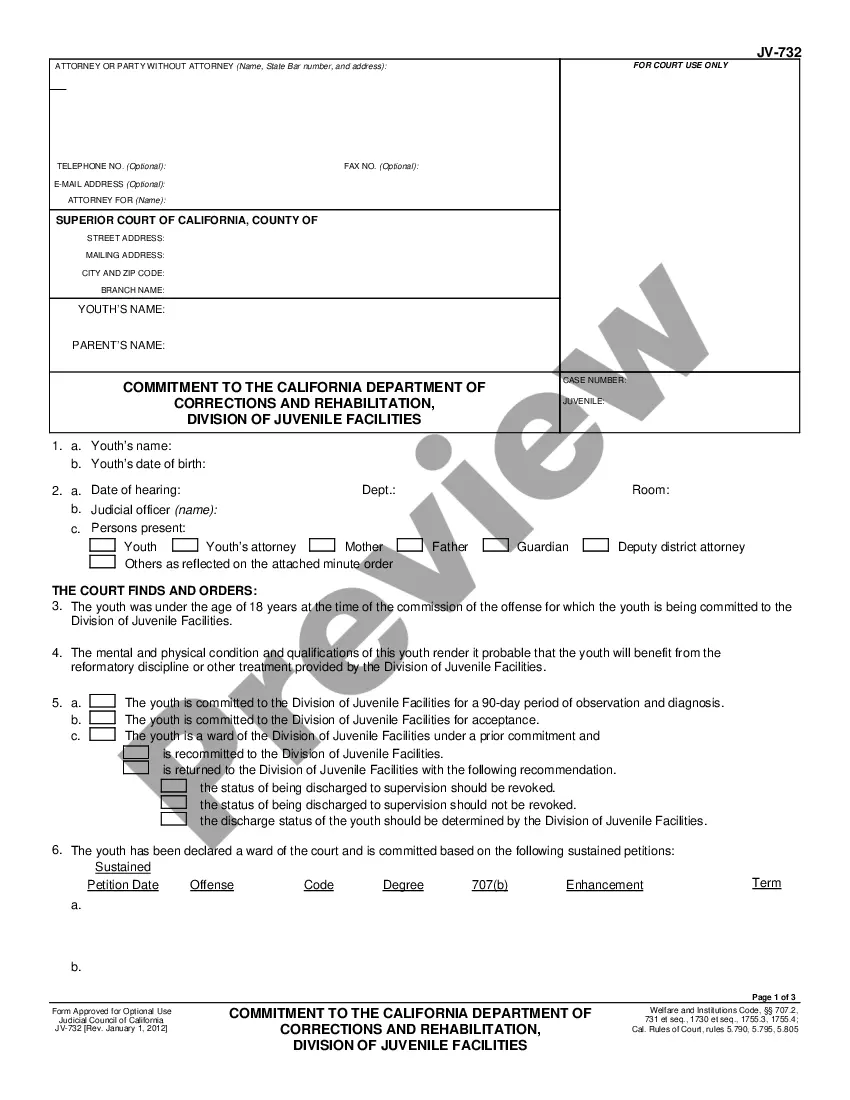
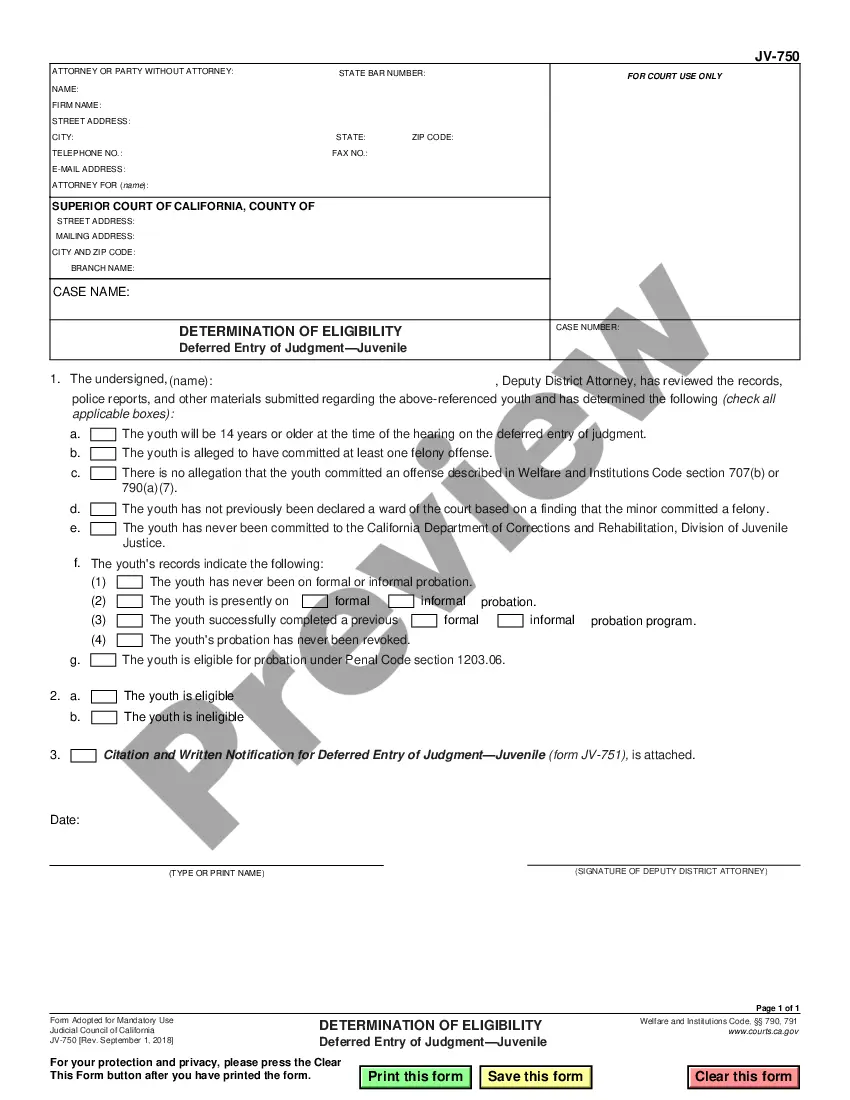
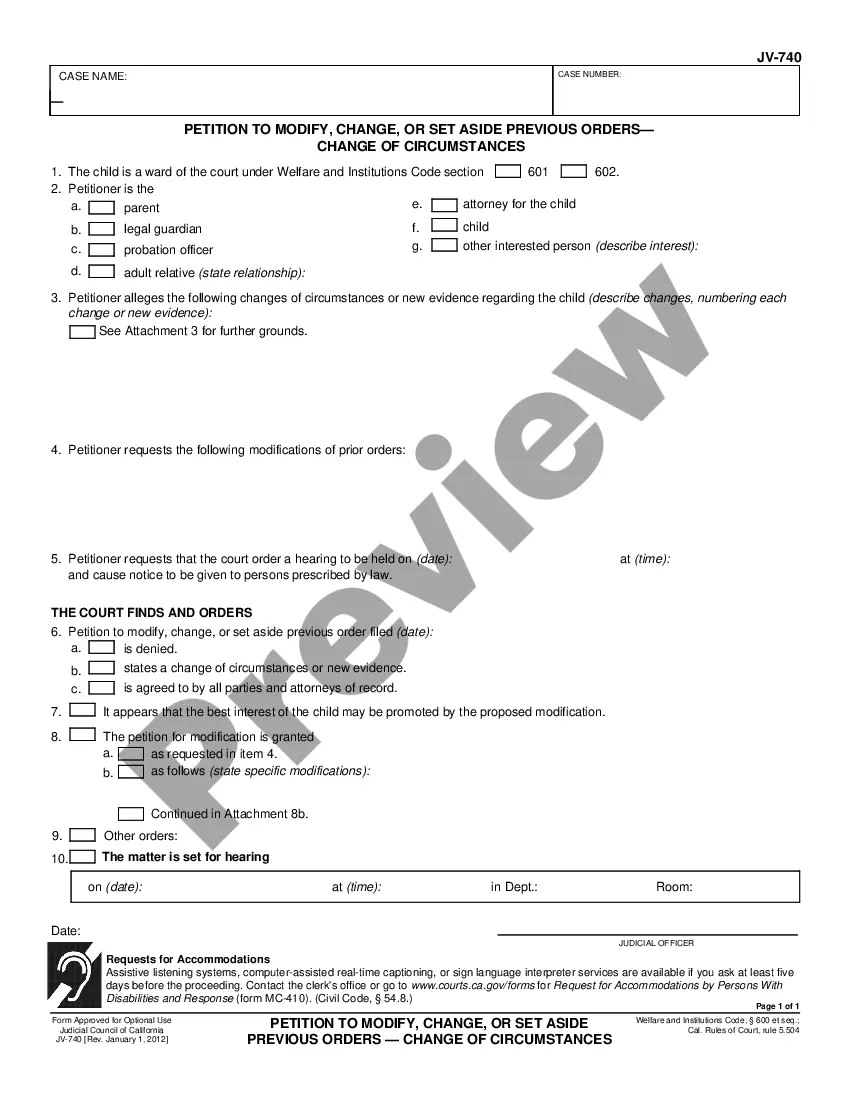
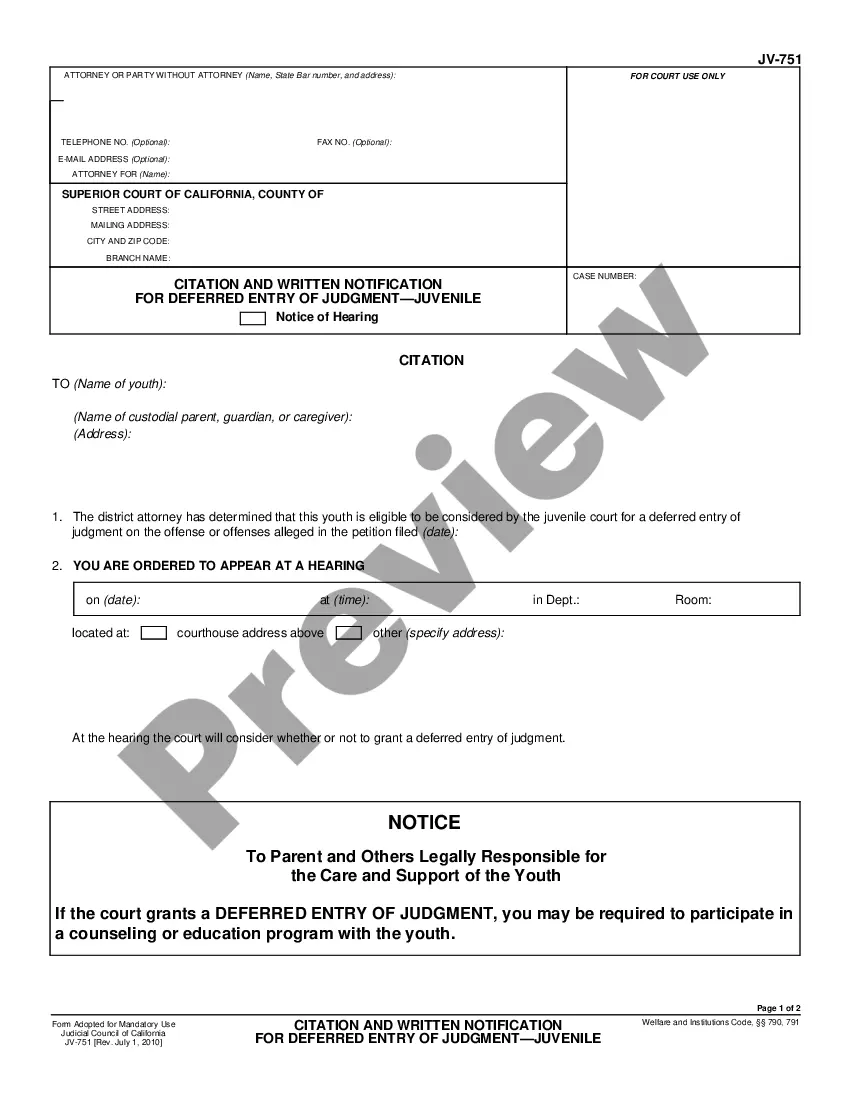
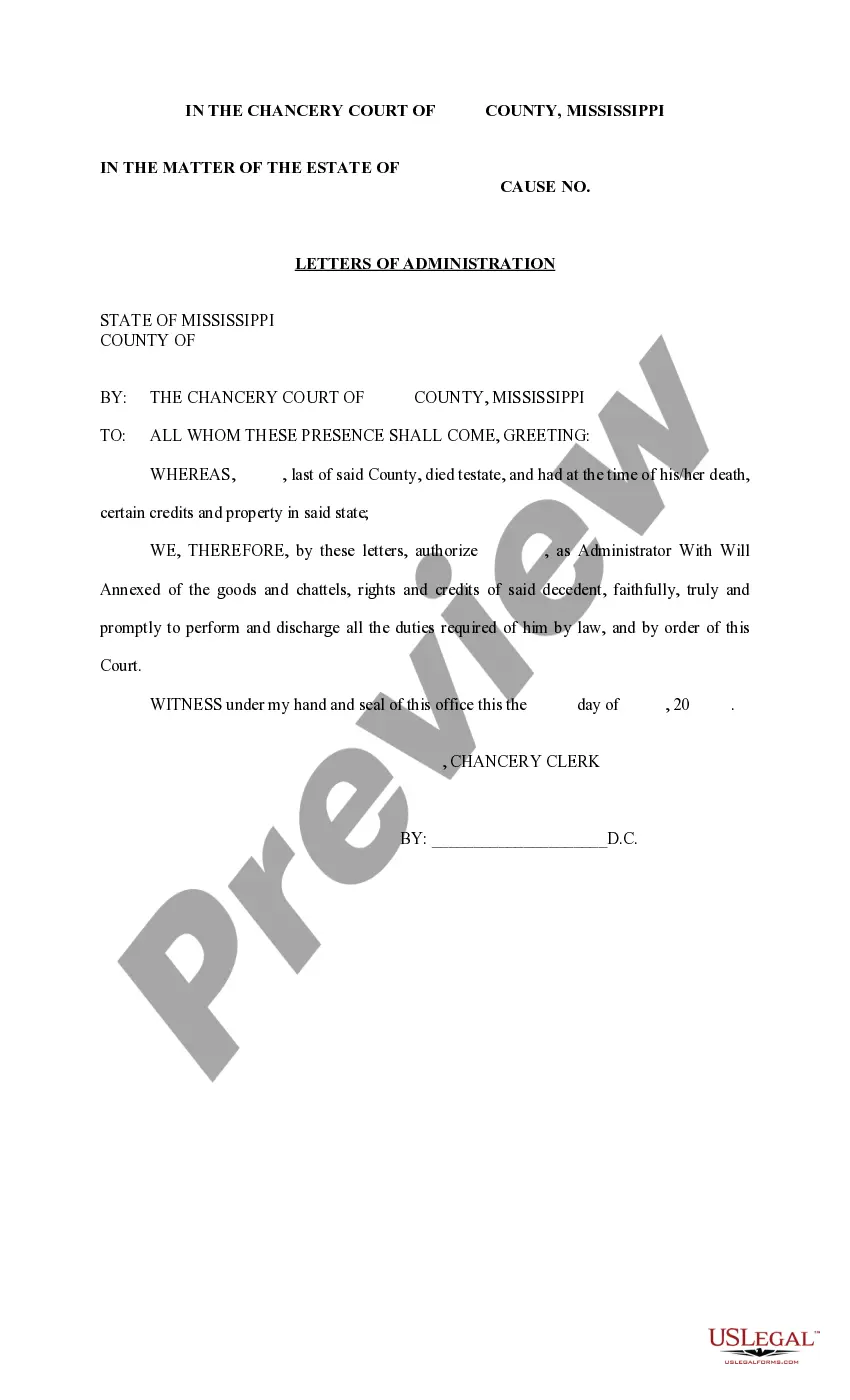
Mississippi Letters of Administration
Overview of this form
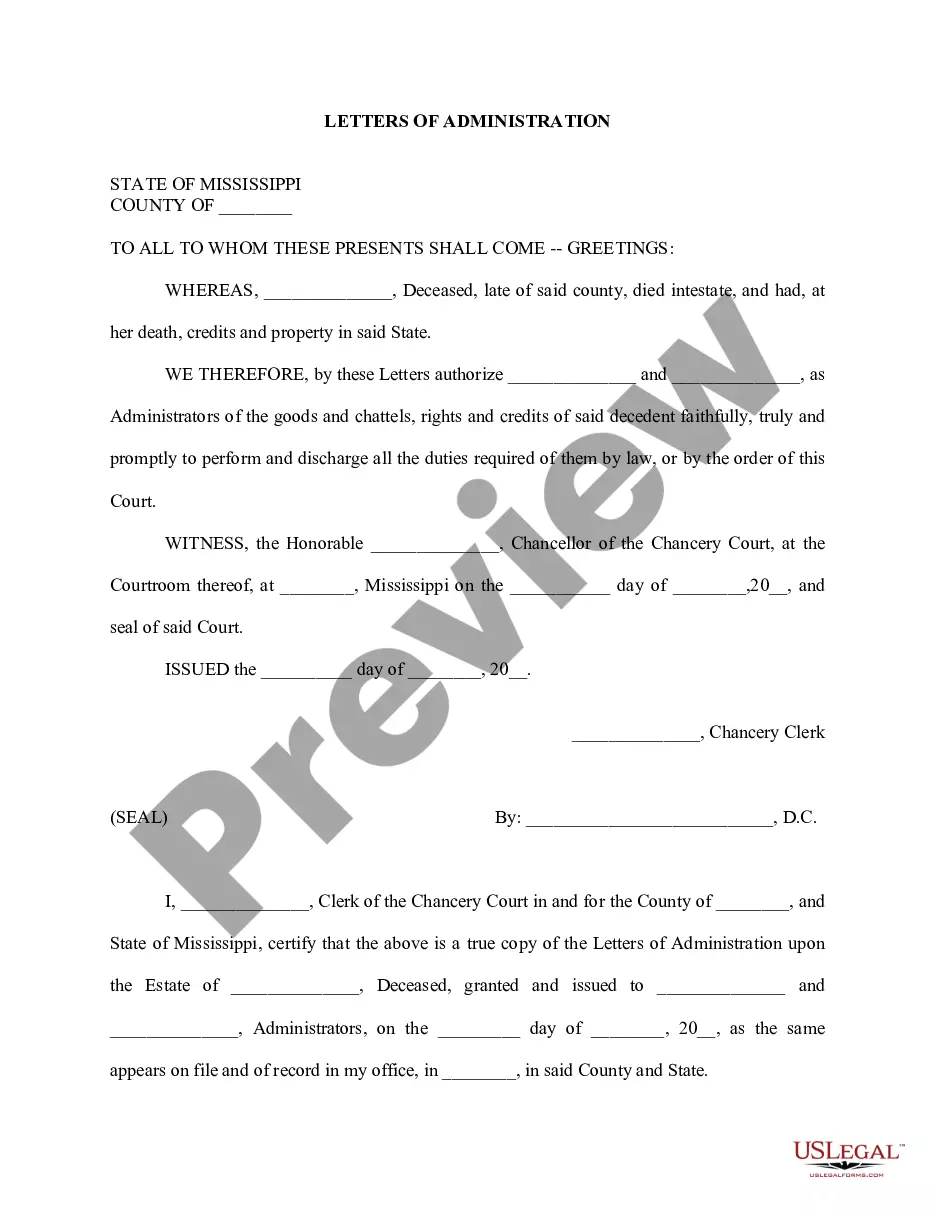
Letters of Administration are legal documents that appoint an administrator for an estate when someone passes away without a valid will. Unlike other estate documents, this form specifically grants authority to manage and distribute the deceased's assets in accordance with Mississippi laws. US Legal Forms provides a compliant template to help streamline this process, ensuring all legal requirements are met.
Key components of this form
- Header section with the court name and case number.
- Identification of the administrator appointed to manage the estate.
- Statements regarding the decedent's information and the administrator's duties.
- Signature line for the court clerk and administrator.
- Consideration of statutory requirements regarding notice to creditors.
Situations where this form applies
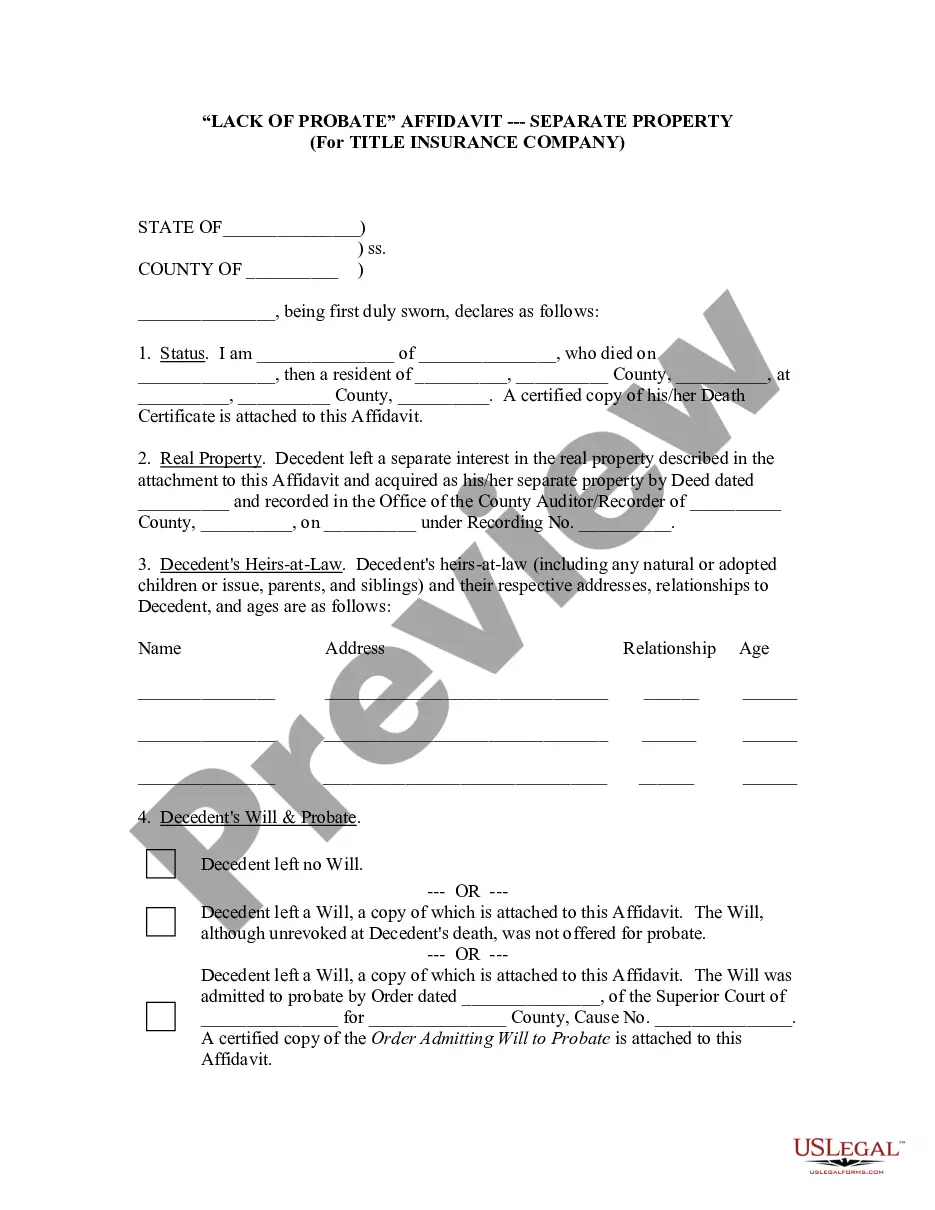
This form is needed in situations where a person has died without a will, and someone needs to be appointed to handle the deceased's estate. It is essential for initiating the probate process, allowing the appointed administrator to manage debts, gather assets, and distribute property according to Mississippi laws.
Who this form is for
The following individuals should consider using this form:
- Family members or close friends of the deceased who are willing to take on the role of administrator.
- Any individual legally recognized by the court as an appropriate candidate for estate administration.
- Those needing to settle the affairs of a deceased person who died intestate (without a will).
Completing this form step by step
- Provide the name of the court where the petition for Letters of Administration is being filed.
- Enter the necessary details about the deceased, including full name and date of death.
- Specify the name of the person being appointed as administrator.
- Sign and date the form in accordance with local requirements.
- Submit the completed form to the appropriate probate court and follow any additional procedural steps required.
Notarization requirements for this form
This form does not typically require notarization unless specified by local law. However, it is important to check with the court to confirm if notarization is needed for submission to avoid any delays in the probate process.
Get your form ready online
Our built-in tools help you complete, sign, share, and store your documents in one place.
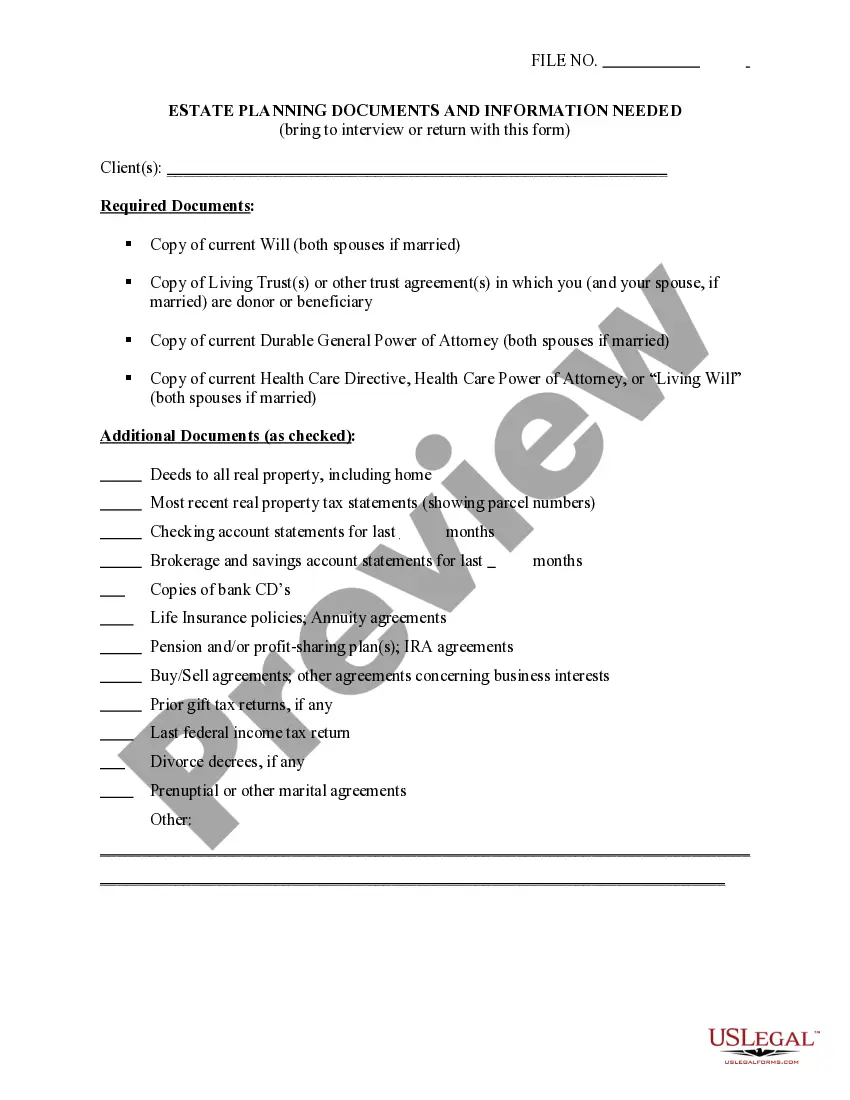
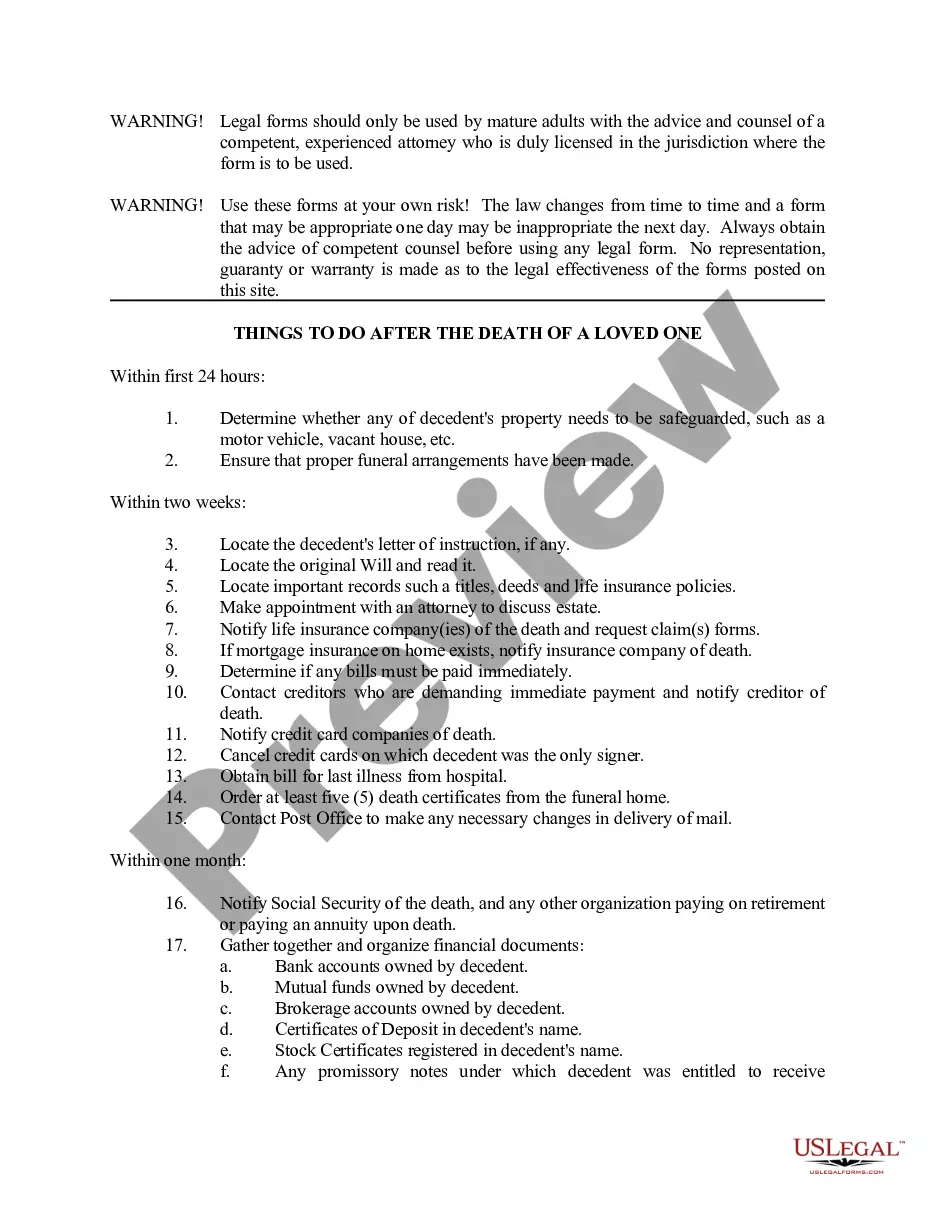
Make edits, fill in missing information, and update formatting in US Legal Forms—just like you would in MS Word.
Download a copy, print it, send it by email, or mail it via USPS—whatever works best for your next step.
Sign and collect signatures with our SignNow integration. Send to multiple recipients, set reminders, and more. Go Premium to unlock E-Sign.
If this form requires notarization, complete it online through a secure video call—no need to meet a notary in person or wait for an appointment.
We protect your documents and personal data by following strict security and privacy standards.

Make edits, fill in missing information, and update formatting in US Legal Forms—just like you would in MS Word.

Download a copy, print it, send it by email, or mail it via USPS—whatever works best for your next step.

Sign and collect signatures with our SignNow integration. Send to multiple recipients, set reminders, and more. Go Premium to unlock E-Sign.

If this form requires notarization, complete it online through a secure video call—no need to meet a notary in person or wait for an appointment.

We protect your documents and personal data by following strict security and privacy standards.
Mistakes to watch out for
- Failing to provide accurate information about the decedent or the administrator.
- Not signing the form or omitting necessary signatures.
- Submitting the form without verifying compliance with local court rules.
- Overlooking notice requirements to creditors or interested parties.
Why use this form online
- Convenient access: Download the form anytime and anywhere.
- Editability: Fill out the form easily with online tools available at US Legal Forms.
- Reliability: Ensure that you have the most current and legally compliant template available.
Quick recap
- Letters of Administration appoint an administrator for an estate without a will.
- This form is necessary for initiating probate in Mississippi.
- Ensure all details are accurately completed to avoid common mistakes.
- Consider using the online form for convenience and reliability.
Looking for another form?


Form popularity
FAQ
Letters of Administration are granted by a Surrogate Court or probate registry to appoint appropriate people to deal with a deceased person's estate where property will pass under Intestacy Rules or where there are no executors living (and willing and able to act) having been validly appointed under the deceased's will
Before applying for a grant you must publish an online notice of your intention to apply for Letters of Administration on the NSW Online Registry.
Letters of Administration are granted by a Surrogate Court or probate registry to appoint appropriate people to deal with a deceased person's estate where property will pass under Intestacy Rules or where there are no executors living (and willing and able to act) having been validly appointed under the deceased's will
Probate or letters of administration will be needed so the personal representative can pass it whoever will inherit the share of the property, according to the will or the rules of intestacy. The property might have a mortgage. Example: Ayodele and Olujimi are not married. They have one grown-up daughter called Ife.
Speak to a probate specialist over the phone to discuss the value and details of your loved one's estate. Your probate application and tax forms are then prepared and sent to you to be signed. The application is then submitted to the probate registry for approval.
Speak to a probate specialist over the phone to discuss the value and details of your loved one's estate. Your probate application and tax forms are then prepared and sent to you to be signed. The application is then submitted to the probate registry for approval.
At PKWA Law, our legal fees for applying a Grant of Letters of Administration are $1,500 (without GST and disbursements). How much are the court fees and disbursements? The court fees range from about $300 to about $600.
Clear any funeral expenses. If there were any outstanding funeral fees, then this is the time to clear them. Pay up any taxes that are due. Pay off any creditors. Distribute the estate among the beneficiaries.