Pennsylvania Written Revocation of Will
What this document covers
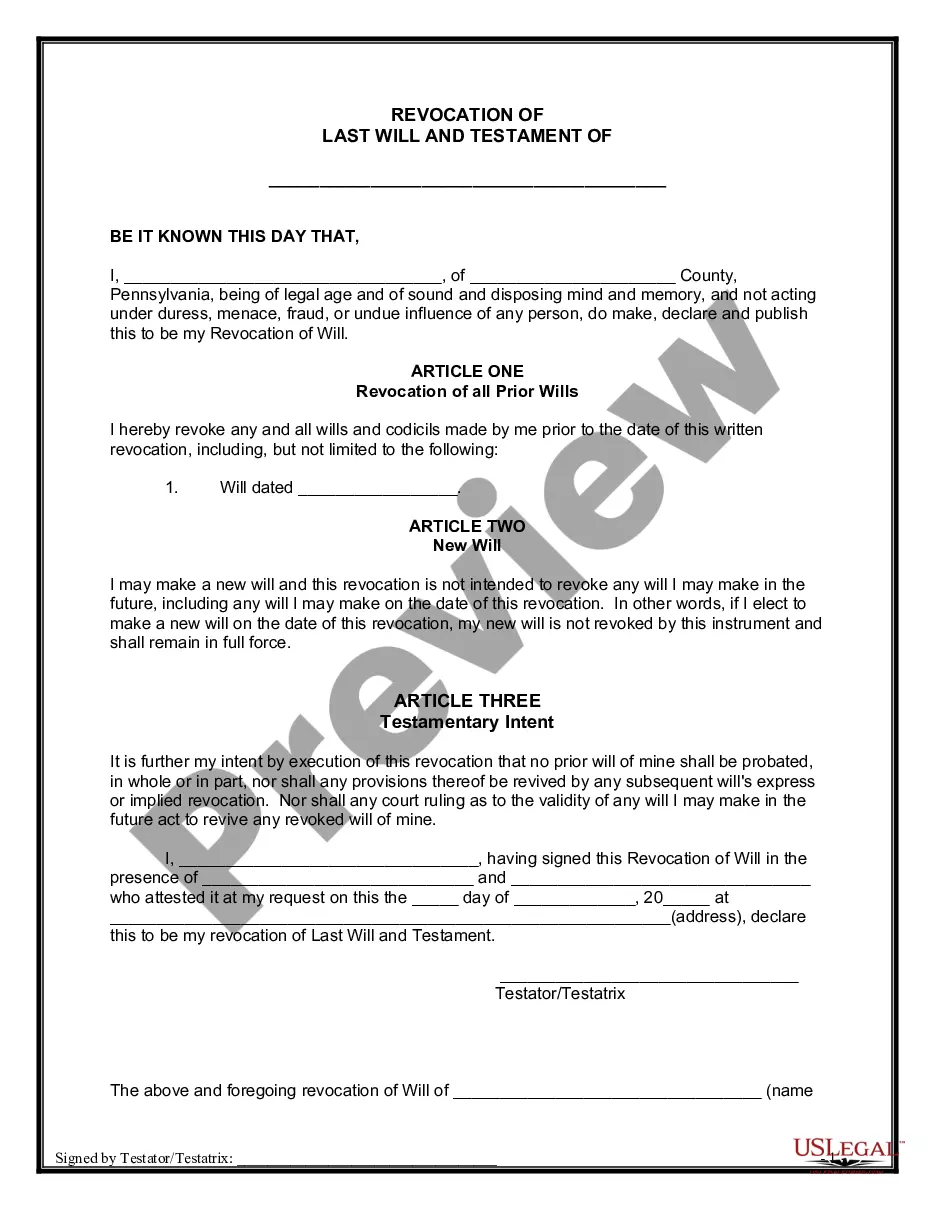
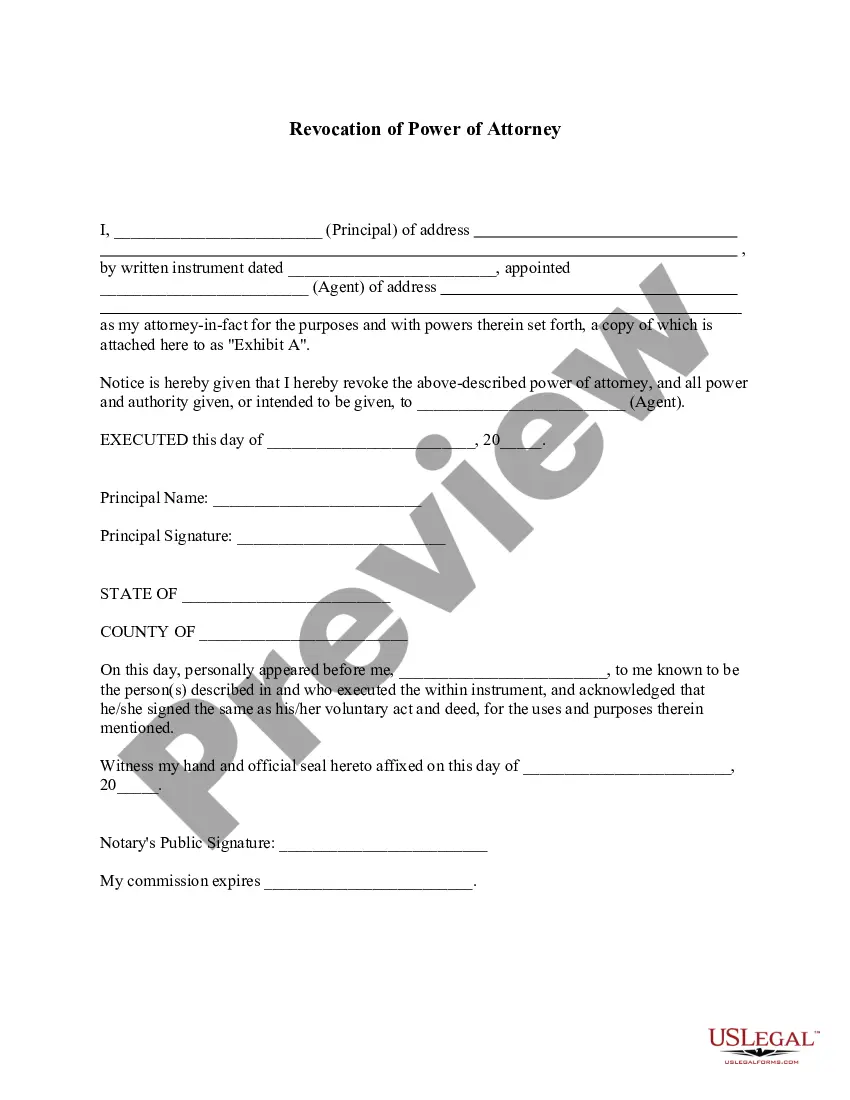
The Written Revocation of Will is a legal document used to formally revoke any previous wills or codicils you may have created. This document serves to negate prior wills, ensuring that they cannot be probated after your death. Unlike a new will that may include a revocation clause, this specific form clearly states your intent to eliminate all prior wills, providing protection against any preferred versions being considered by your heirs.
Key components of this form
- Identification of the testator/testatrix and residence information.
- Explicit revocation of all prior wills and codicils, with dates of those documents.
- Clarification that this revocation does not apply to any future wills made.
- Testamentary intent stating that prior wills should not be probated.
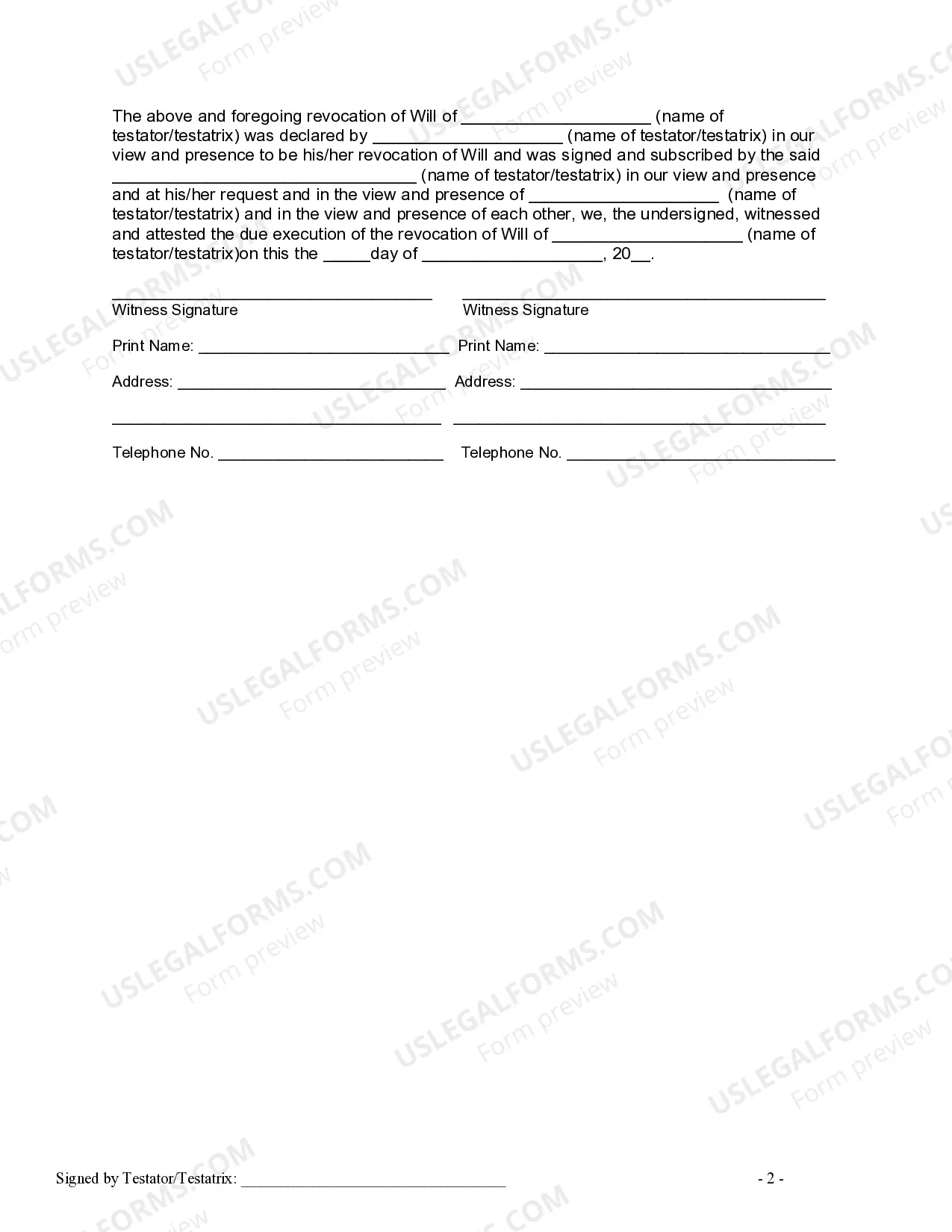
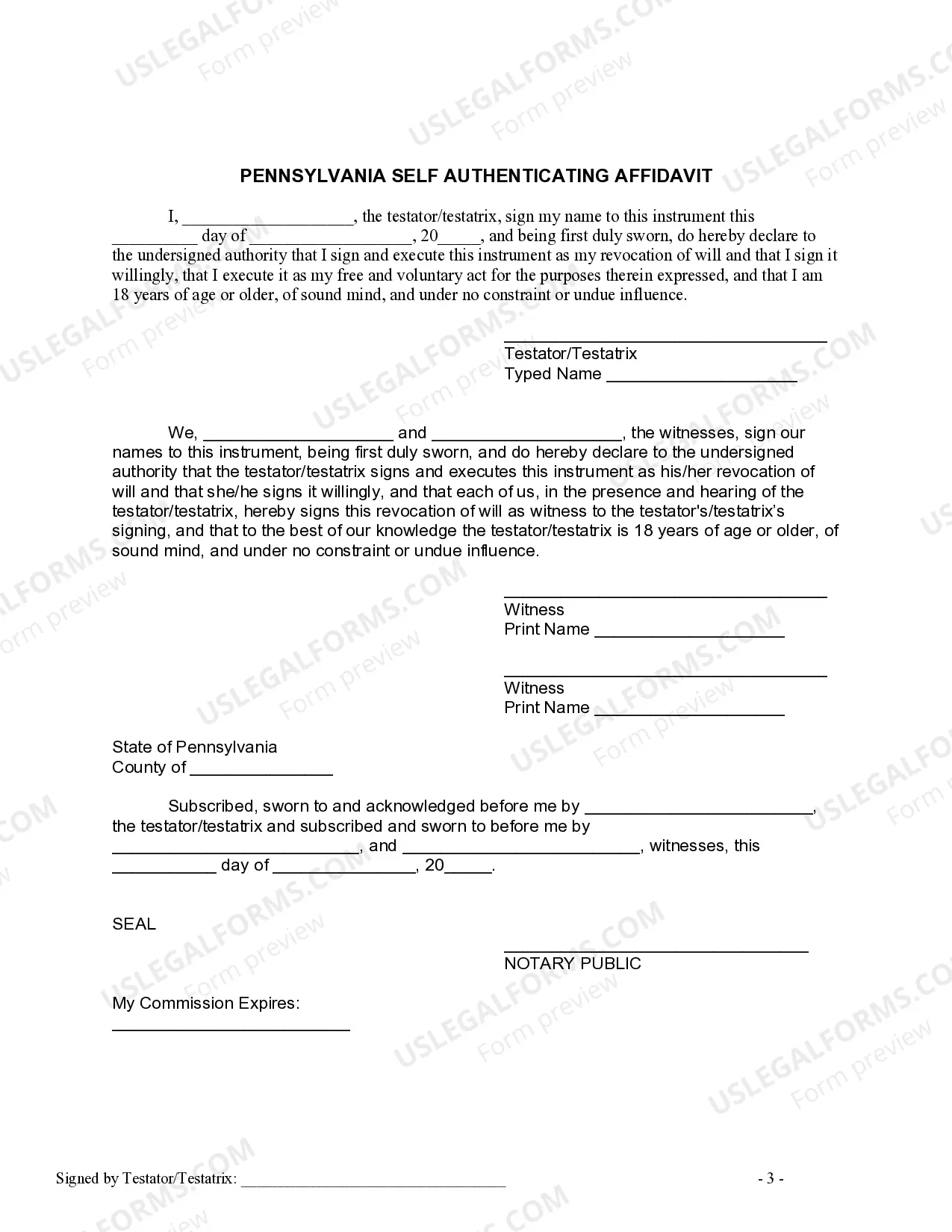
- Signature lines for the testator/testatrix and witnesses, including notarization if required.

Situations where this form applies
This form should be used when you have previously created a will that you no longer wish to be valid. It is particularly helpful in situations where there may be conflicting documents, or when you want to ensure that a preferred version of your will is enacted. This is ideal if you have made significant life changes, such as marriage, divorce, or changes in your beneficiaries.
Who this form is for
This form is suitable for:
- Individuals needing to revoke an existing Last Will and Testament.
- People wishing to clarify their estate planning intentions.
- Any testator/testatrix residing in Pennsylvania who wants to eliminate previous wills from consideration.
How to complete this form
- Enter your name and county of residence at the top of the form.
- Clearly list all previous wills and codicils you wish to revoke, including their dates.
- Sign the document in front of at least two witnesses who must also sign.
- If applicable, have the document notarized to confirm authenticity.
- Provide your contact information within the document for record-keeping purposes.
Does this document require notarization?
Yes, this form must be notarized to be legally valid in Pennsylvania. Notarization ensures the authenticity of the document and the testator/testatrix's intentions. US Legal Forms offers integrated online notarization services for your convenience, allowing you to complete the process securely via video call.
Get your form ready online
Our built-in tools help you complete, sign, share, and store your documents in one place.
Make edits, fill in missing information, and update formatting in US Legal Forms—just like you would in MS Word.
Download a copy, print it, send it by email, or mail it via USPS—whatever works best for your next step.
Sign and collect signatures with our SignNow integration. Send to multiple recipients, set reminders, and more. Go Premium to unlock E-Sign.
If this form requires notarization, complete it online through a secure video call—no need to meet a notary in person or wait for an appointment.
We protect your documents and personal data by following strict security and privacy standards.

Make edits, fill in missing information, and update formatting in US Legal Forms—just like you would in MS Word.

Download a copy, print it, send it by email, or mail it via USPS—whatever works best for your next step.

Sign and collect signatures with our SignNow integration. Send to multiple recipients, set reminders, and more. Go Premium to unlock E-Sign.

If this form requires notarization, complete it online through a secure video call—no need to meet a notary in person or wait for an appointment.

We protect your documents and personal data by following strict security and privacy standards.
Avoid these common issues
- Failing to sign the document in the presence of witnesses.
- Not specifying all previous wills in the revocation.
- Overlooking the notarization requirement if mandated by local law.
- Using outdated forms that do not comply with current state law.
Why use this form online
- Convenience of downloading and completing the form at your own pace.
- Editability to fill in your specific details accurately.
- Access to forms created and reviewed by licensed attorneys.
- Instant availability and updates to align with changing laws.
What to keep in mind
- The Written Revocation of Will effectively cancels any previous wills, providing clarity for your beneficiaries.
- It's essential to follow proper procedures, including signatures and notarization, to ensure legality.
- Using this form can help prevent disputes among heirs regarding which will to follow.
Looking for another form?


Form popularity
FAQ
When a person (the 'Testator') makes a valid Will, section 20 of the Wills Act 1837 states that it can only be revoked in three ways: by the Testator making another Will or codicil; by them signing a revocation provision (a professionally drafted Will will always include this provision) or by destruction.
A handwritten will may be legal in Pennsylvania depending on the individual circumstances. Under Pennsylvania state code, wills must be in writing and signed by the person making the will, known as the testator.The state of Pennsylvania therefore makes no legal distinction between a handwritten and typed will.
The testator can cancel his will at any time during his life time registered or non registered . It does not require stamp duty. If you want to cancel then make another will the fist one is automatic cancel.
Generally, you can revoke a will by (1) destroying the old will, (2) creating a new will or (3) making changes to an existing will. In some circumstances, simply giving away all or your property and assets before you die can have the effect of revoking a will (subject to estate tax penalties).
Fraud or Undue Influence A nonfamily caregiver forcing the testator to leave them an inheritance. A family member getting the testator to sign a will by pretending it is just a general legal document that needs a signature.
A will can be revoked by physical actby being burnt, torn, canceled, obliterated, or destroyed with the intention of revocation. The act must be done by the testator himself or by another person in his presence and by his express direction.
Revoke a Will In Pennsylvania By Physical Act By being burnt, torn, canceled, obliterated, or destroyed, with the intent and for the purpose of revocation, by the testator himself or by another person in his presence and by his express direction.