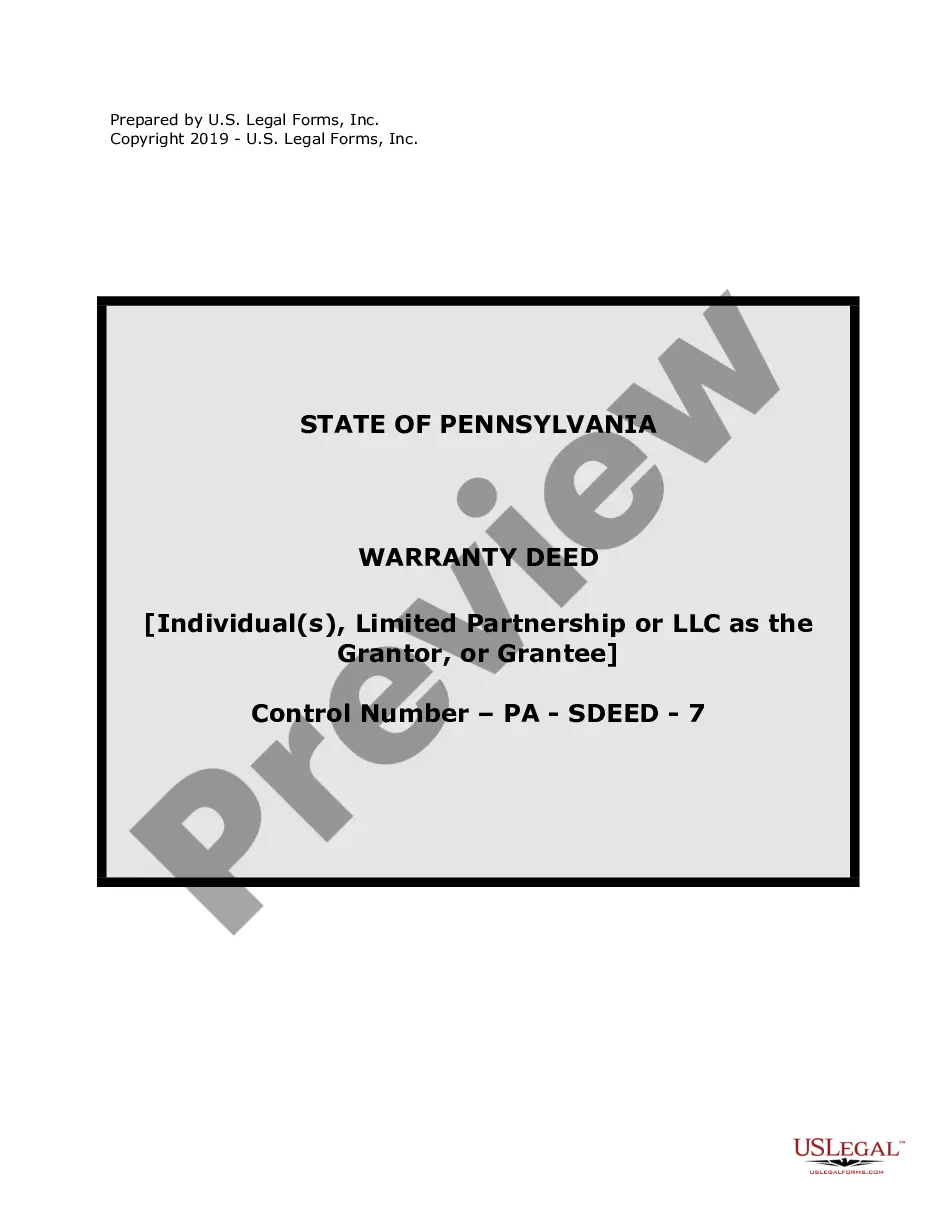
Pennsylvania Warranty Deed from Limited Partnership or LLC is the Grantor, or Grantee
What is this form?
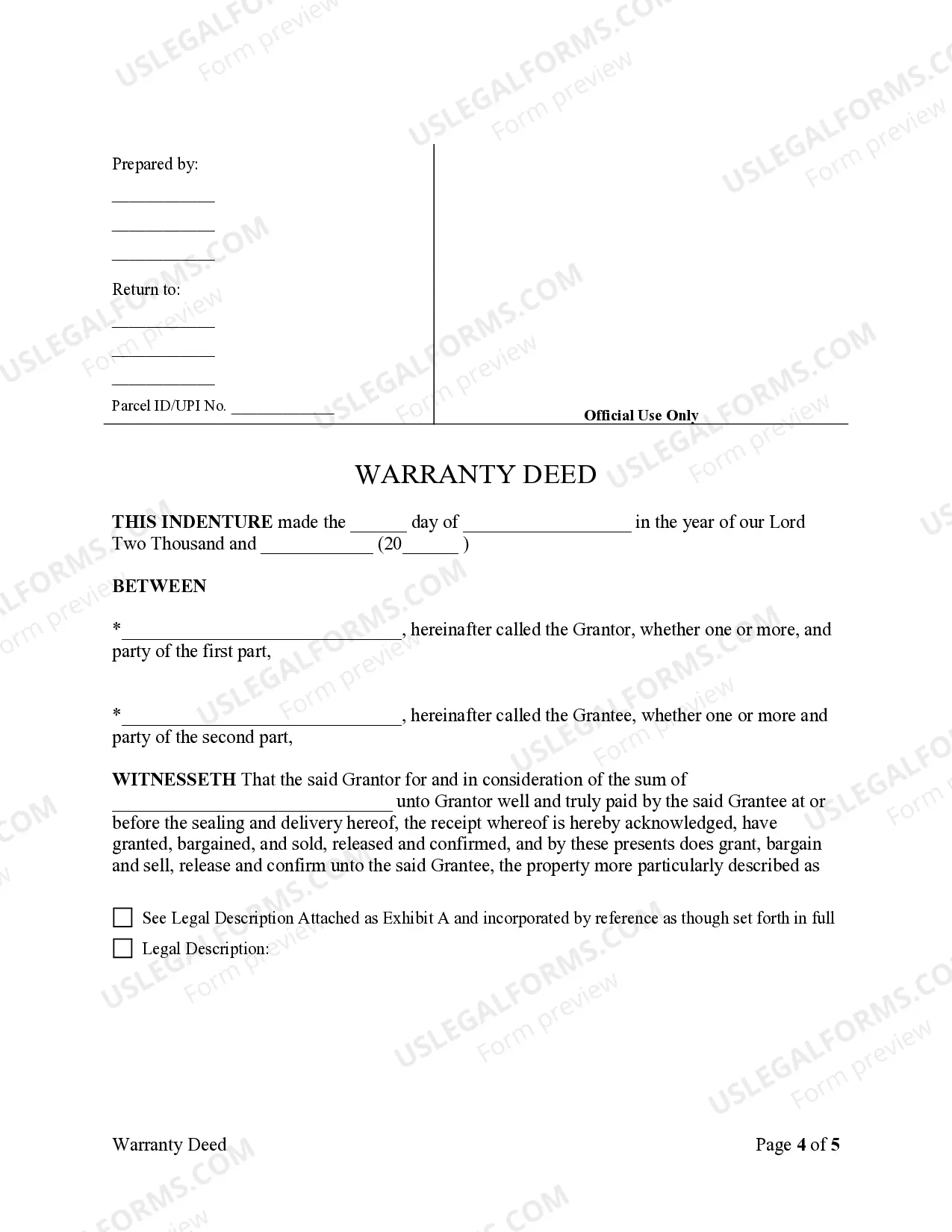
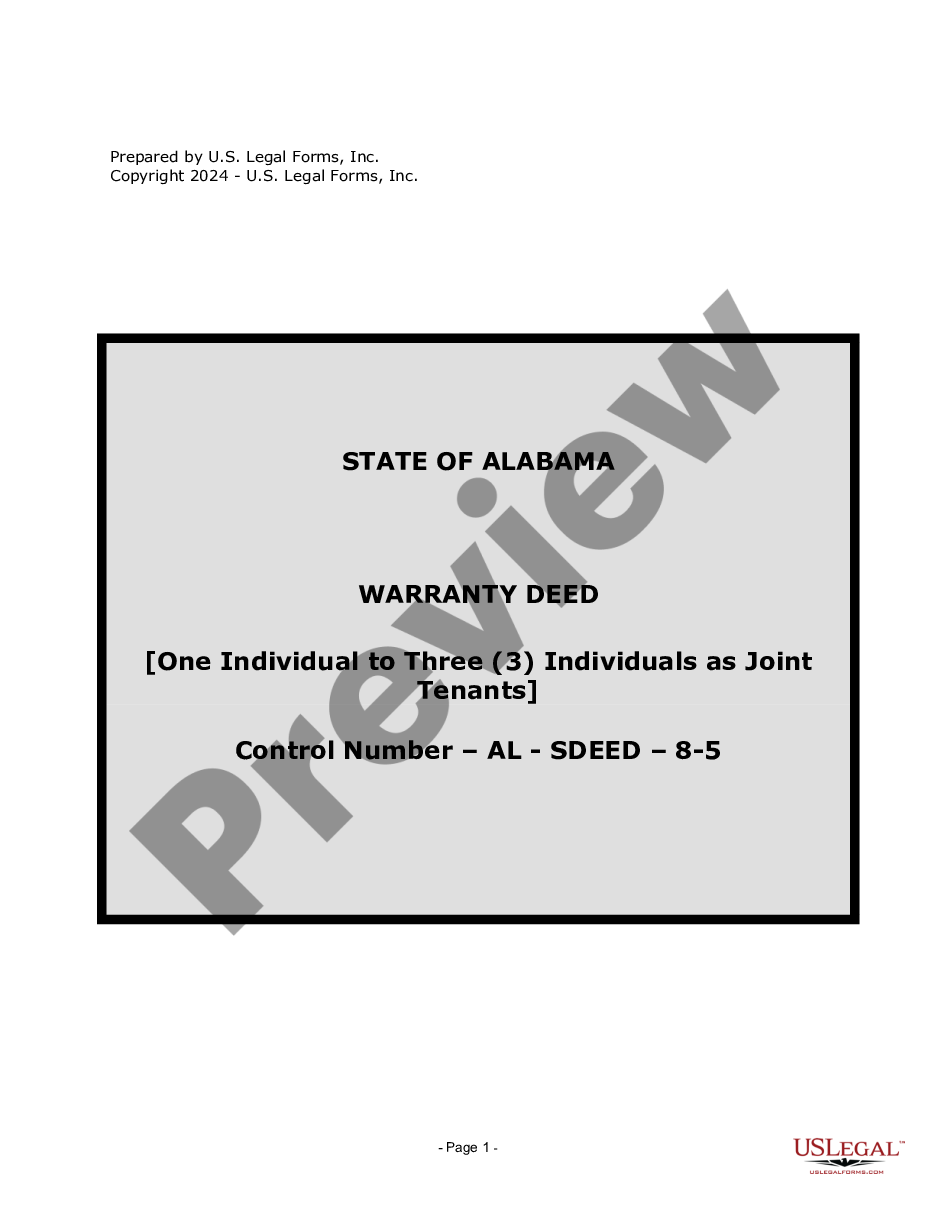
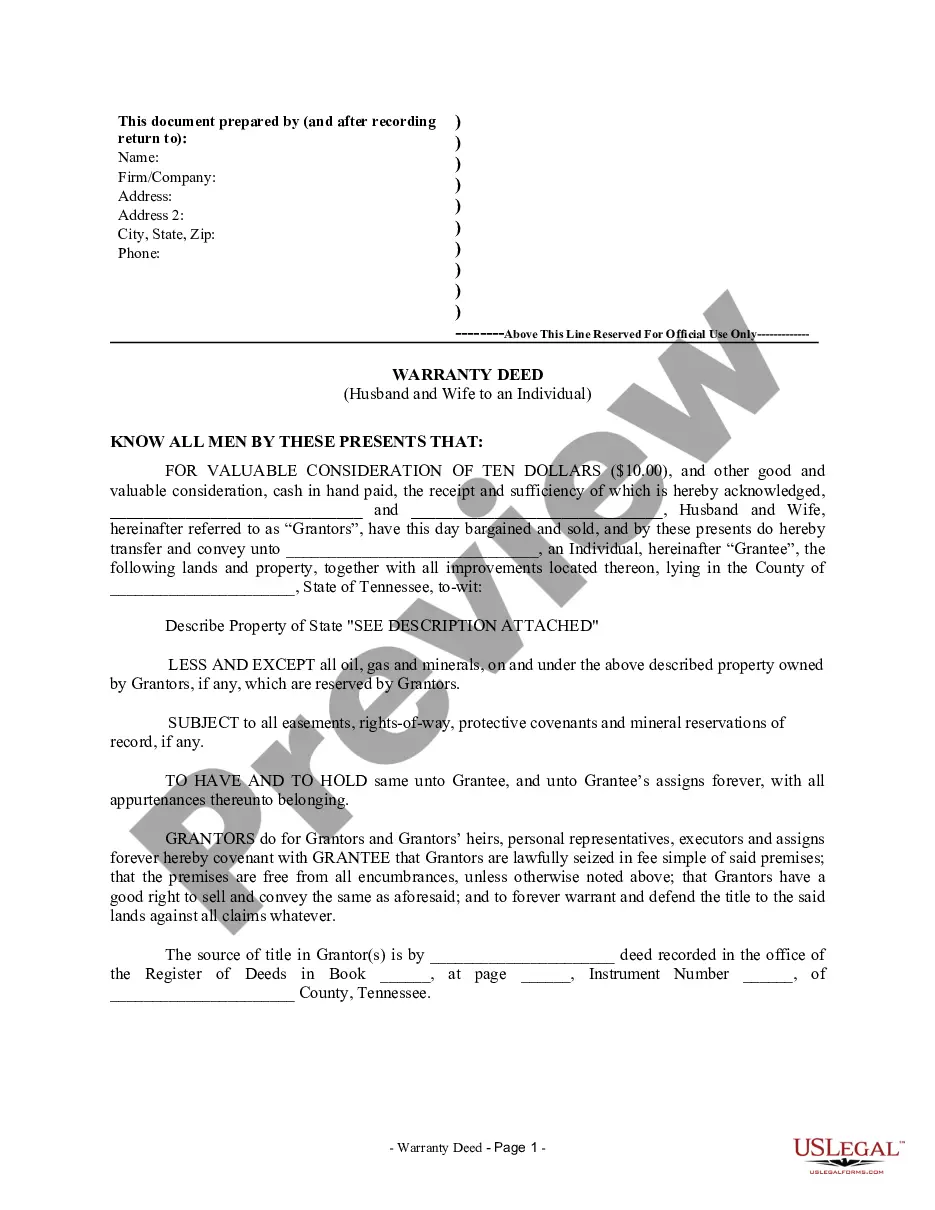
The Warranty Deed from Limited Partnership or LLC is a legal document used to transfer property ownership where either the grantor or grantee is a limited partnership or limited liability company (LLC). This form ensures the title is conveyed without any claims against the property, providing a guarantee of ownership that differentiates it from other types of deeds, such as quitclaim deeds or special warranty deeds.
Form components explained
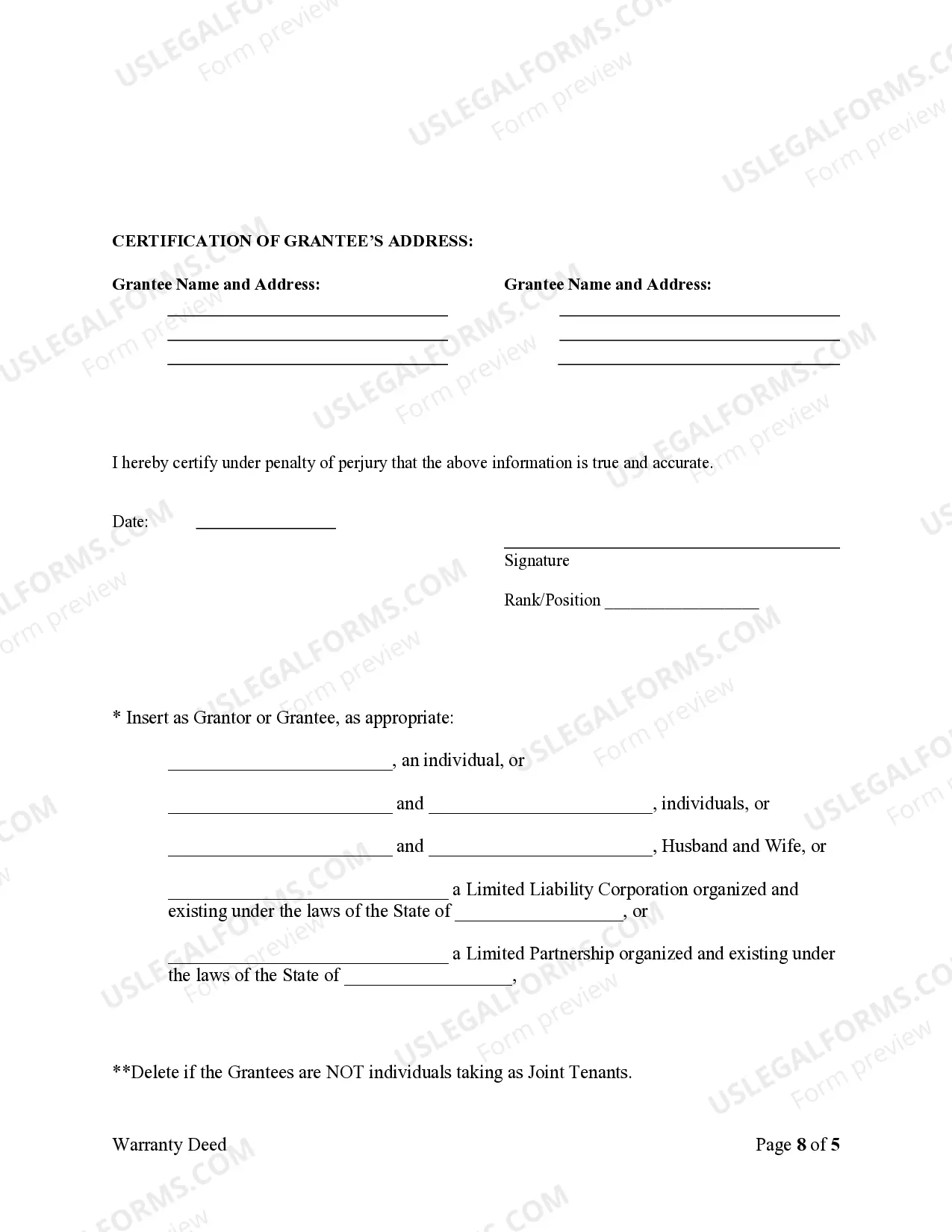
- Identification of the grantor(s) and grantee(s), specifying if they are individuals, limited partnerships, or LLCs.
- Description of the property being transferred, including a legal description that is often attached as an exhibit.
- Consideration amount, which is the price paid for the property.
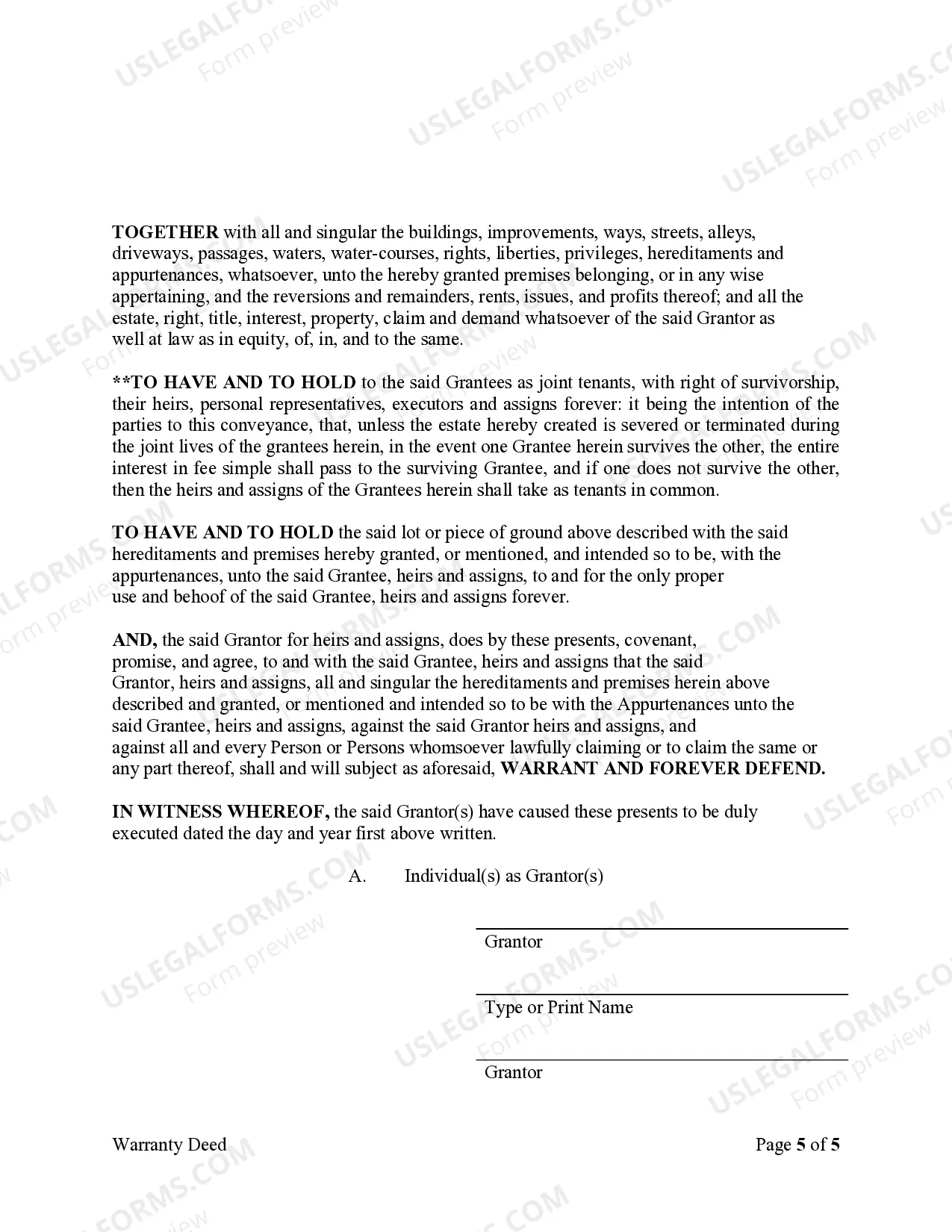
- Covenant of warranty, assuring that the grantor will defend the title against all claims.
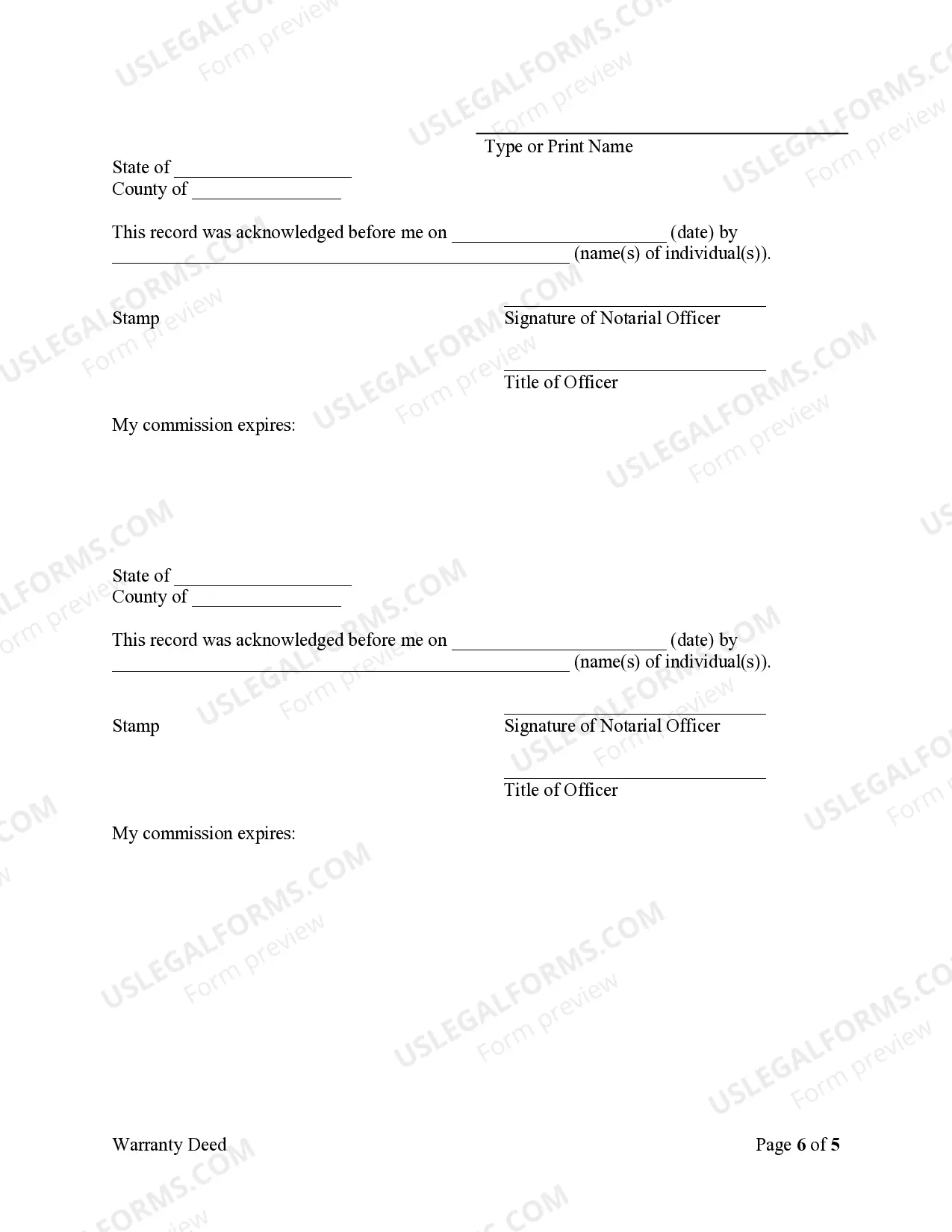
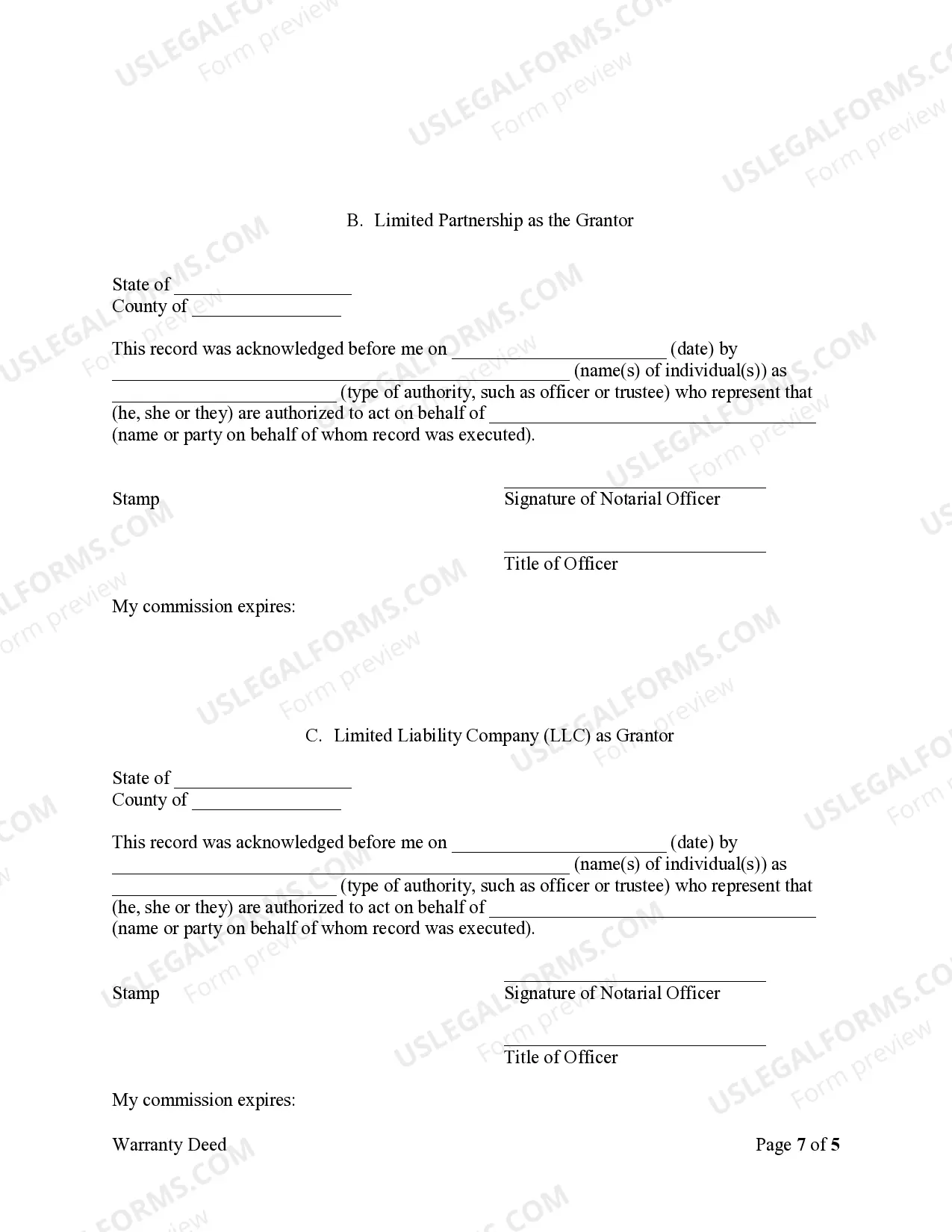
- Notary acknowledgment to ensure the documentâs legality.





When to use this form
This form is used when a limited partnership or LLC is involved in the sale, transfer, or gift of real estate. It is suitable for situations where property ownership must be formally documented and guaranteed, providing legal protection for the new owner against potential future claims on the property.
Intended users of this form
- Individuals or entities selling property held by a limited partnership or LLC.
- Buyers of property from limited partnerships or LLCs who require a clear and guaranteed ownership transfer.
- Real estate professionals assisting clients in property transactions involving partnerships or LLCs.
Steps to complete this form
- Identify all parties involved by entering the names of the grantor(s) and grantee(s).
- Specify the legal description of the property being transferred; this may require an attached exhibit.
- Enter the consideration amount, which is the price paid for the property.
- Ensure that the grantor's warranty of clear title is included in the agreement.
- Have the document notarized for it to be legally effective.
Does this form need to be notarized?
Yes, this form must be notarized to be legally valid. Notarization verifies the identities of the parties involved and their consent to the transaction. US Legal Forms provides integrated online notarization services, available 24/7, ensuring a secure and convenient experience.
Get your form ready online
Our built-in tools help you complete, sign, share, and store your documents in one place.
Make edits, fill in missing information, and update formatting in US Legal Forms—just like you would in MS Word.
Download a copy, print it, send it by email, or mail it via USPS—whatever works best for your next step.
Sign and collect signatures with our SignNow integration. Send to multiple recipients, set reminders, and more. Go Premium to unlock E-Sign.
If this form requires notarization, complete it online through a secure video call—no need to meet a notary in person or wait for an appointment.
We protect your documents and personal data by following strict security and privacy standards.

Make edits, fill in missing information, and update formatting in US Legal Forms—just like you would in MS Word.

Download a copy, print it, send it by email, or mail it via USPS—whatever works best for your next step.

Sign and collect signatures with our SignNow integration. Send to multiple recipients, set reminders, and more. Go Premium to unlock E-Sign.

If this form requires notarization, complete it online through a secure video call—no need to meet a notary in person or wait for an appointment.

We protect your documents and personal data by following strict security and privacy standards.
Typical mistakes to avoid
- Failing to include a complete legal description of the property.
- Not obtaining the necessary notarization, rendering the deed invalid.
- Omitting the consideration amount or incorrectly stating it.
- Incorrectly identifying the grantor or grantee, particularly in the context of LLCs or limited partnerships.
Benefits of using this form online
- Convenience of downloading and completing the form at your own pace.
- Editability allows you to easily make necessary changes before finalizing.
- Reliability of using a form prepared by licensed attorneys, ensuring compliance with state laws.
What to keep in mind
- The Warranty Deed serves to legally transfer property ownership from a limited partnership or LLC.
- Clear identification and proper completion of the form are essential for valid property transfers.
- Notarization is a crucial step in finalizing the deed to ensure its enforceability.
Looking for another form?



Form popularity
FAQ
In general, a grantor is someone who transfers a property right to a grantee. In a real estate transaction, the grantor is the current holder of the property right, or in other words, the seller. The deed, which transfers ownership, is the grant.
The Grantee in a Quitclaim Deed is the person who is being given interest in a property from the Grantor. It is possible for someone to be both a Grantor and a Grantee in a Quitclaim Deed.Most real estate deeds are notarized by attorneys.
A grantee is the recipient of something, such as a college grant or real estate property. A grantor is a person or entity that transfers to another person or entity the interest or ownership rights to an asset. Legal documents, such as deeds, detail the transfer of assets between grantors and grantees.
The Grantor is the seller (on deeds), or borrower (on mortgages). The Grantor is usually the one who signed the document.
The deed must be signed by all grantors, in front of a qualified notary, and notarized by the notary to be complete. Contact the local county recorder's office to find out what type of notaries are allowed to notarize deeds and where the notaries are located.
The grantor is the owner, and the grantee is the buyer who is acquiring an equitable interest but not bare legal interest in a property. It's essential that a deed clearly states the grantee, grantor, and a description of the property involved in the transaction.
In a Warranty Deed, the grantee is the person who the interest in a property is being transferred to. For example, if you are buying a property from someone else, you are the grantee, and the person selling it is the grantor.
To make the form legally binding, you must sign it in front of a notary public. You must then file your signed and notarized deed with the county office that's in charge of recording property documents. Once the grantee signs the warranty deed, he/she legally has ownership and claim to the property.
No, California does not require that the Grantee sign a warranty deed. However, some states and counties require that the deed be signed by the Grantee in addition to the Grantor.