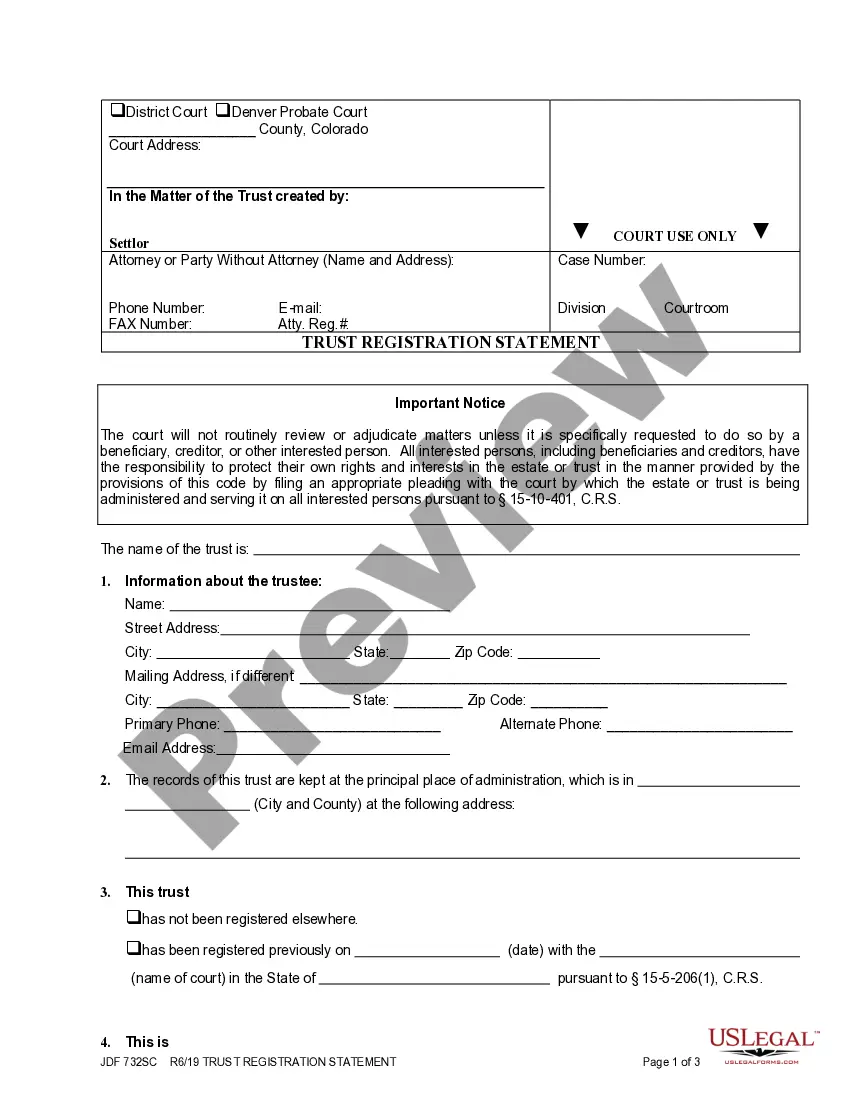
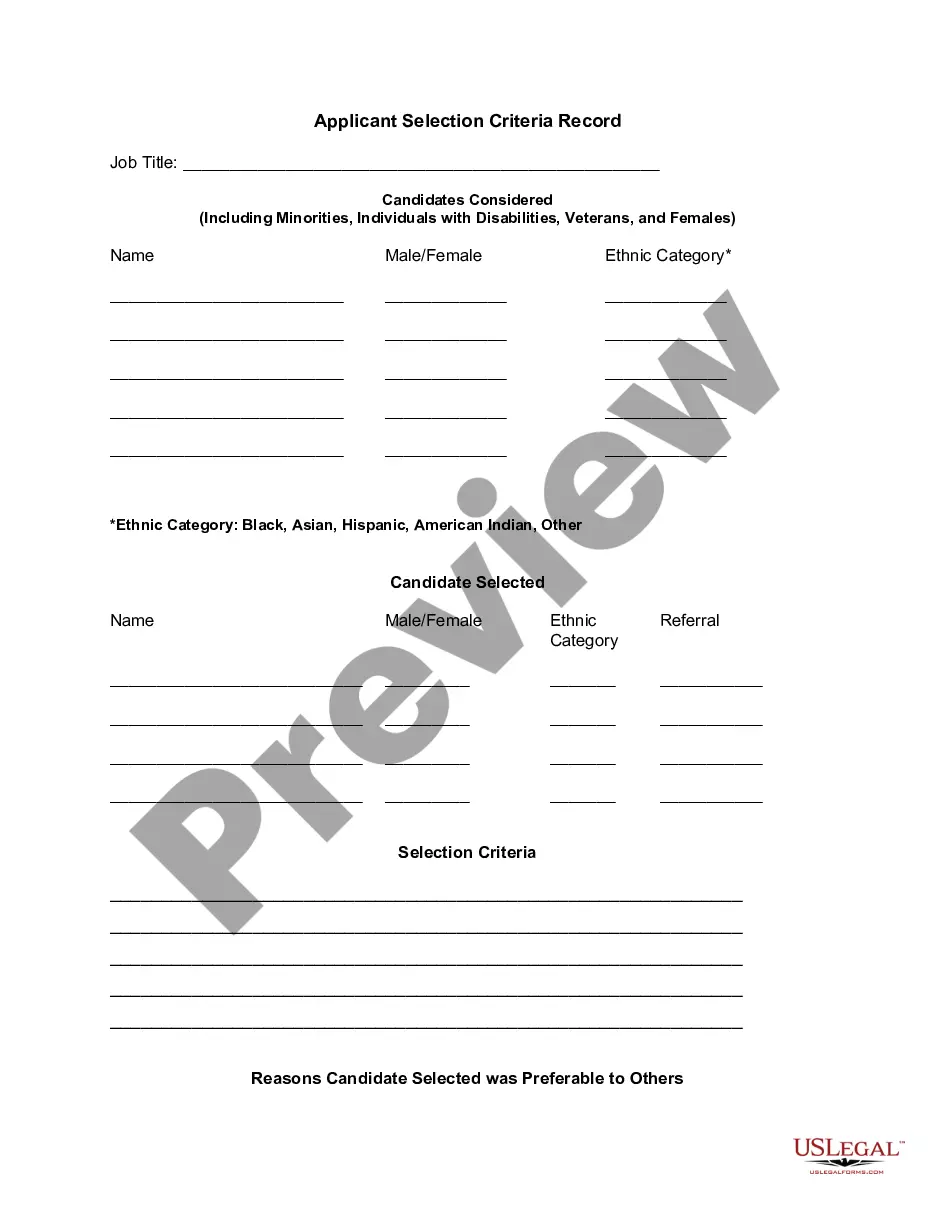
Applicant Selection Criteria Record
What this document covers
The Applicant Selection Criteria Record is a legal form designed to assist employers in documenting their hiring process. This form helps ensure compliance with Title VII of the Civil Rights Act of 1964, which prohibits employment discrimination based on race, color, religion, sex, or national origin. By using this form, employers can clearly record the selection criteria and demographic information of candidates considered for a job, supporting fair hiring practices and record-keeping requirements.
Key components of this form
- Job Title: space to specify the title of the position.
- Candidates Considered: area to list names, genders, and ethnic categories of applicants.
- Selected Candidate: fields to enter the name, gender, and ethnic category of the chosen applicant.
- Selection Criteria: section for documenting the criteria used to select candidates.
- Reasons for Selection: space to explain why the selected candidate was preferred.
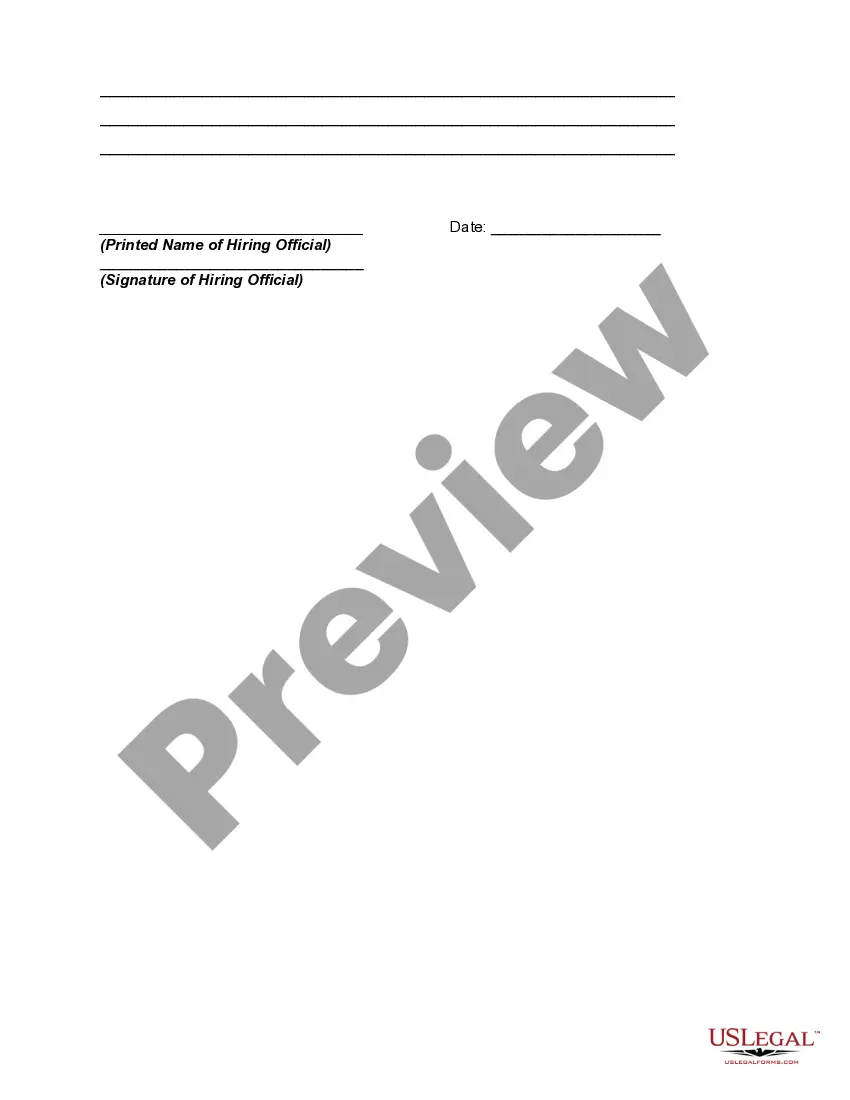
- Hiring Official's Information: includes printed name, signature, and date for record verification.

When to use this form
This form should be used during the hiring process for any position where you need to document candidate selection criteria and maintain compliance with anti-discrimination laws. It is particularly useful when an employer is seeking to maintain transparency and ensure equal opportunity in their hiring practices, especially when dealing with a diverse applicant pool.
Who this form is for
- Employers looking to maintain records for hiring processes.
- Human Resource professionals responsible for ensuring compliance with federal employment laws.
- Hiring managers who need to document their selection criteria and decision-making process.
- Organizations committed to transparency and fairness in their recruitment efforts.
Completing this form step by step
- Enter the job title for the position being filled at the top of the form.
- List the names of all candidates considered, including their gender and ethnic category.
- In the section for the selected candidate, fill out their name, gender, and ethnic category.
- Document the selection criteria used to choose the candidate in the provided area.
- Explain the reasons the selected candidate was preferred over others.
- Have the hiring official print their name, sign, and date the form to certify the information.
Does this form need to be notarized?
Notarization is not commonly needed for this form. However, certain documents or local rules may make it necessary. Our notarization service, powered by Notarize, allows you to finalize it securely online anytime, day or night.
Get your form ready online
Our built-in tools help you complete, sign, share, and store your documents in one place.
Make edits, fill in missing information, and update formatting in US Legal Forms—just like you would in MS Word.
Download a copy, print it, send it by email, or mail it via USPS—whatever works best for your next step.
Sign and collect signatures with our SignNow integration. Send to multiple recipients, set reminders, and more. Go Premium to unlock E-Sign.
If this form requires notarization, complete it online through a secure video call—no need to meet a notary in person or wait for an appointment.
We protect your documents and personal data by following strict security and privacy standards.

Make edits, fill in missing information, and update formatting in US Legal Forms—just like you would in MS Word.

Download a copy, print it, send it by email, or mail it via USPS—whatever works best for your next step.

Sign and collect signatures with our SignNow integration. Send to multiple recipients, set reminders, and more. Go Premium to unlock E-Sign.

If this form requires notarization, complete it online through a secure video call—no need to meet a notary in person or wait for an appointment.

We protect your documents and personal data by following strict security and privacy standards.
Mistakes to watch out for
- Failing to document all candidates considered, which can lead to incomplete records.
- Not including sufficient detail in the selection criteria or reasons for selection.
- Overlooking the need for the hiring official's signature and date, which is critical for validation.
- Using inconsistent terminology for ethnic categories that may confuse recordkeeping.
Benefits of using this form online
- Convenient access to a downloadable format for easy printing and completion.
- Editable fields allow employers to tailor the form to their specific hiring needs.
- Reliable templates drafted by licensed attorneys ensure compliance with current laws.
Legal use & context
- Helps demonstrate compliance with federal and state employment laws.
- Provides a defense against claims of discrimination by documenting the hiring process.
- Ensures that hiring practices promote diversity and fair treatment of all applicants.
What to keep in mind
- The Applicant Selection Criteria Record is crucial for documenting fair hiring practices.
- Completing the form accurately supports compliance with anti-discrimination laws.
- This form is beneficial for all employers aiming to enhance their hiring transparency.
Looking for another form?
Form popularity
FAQ
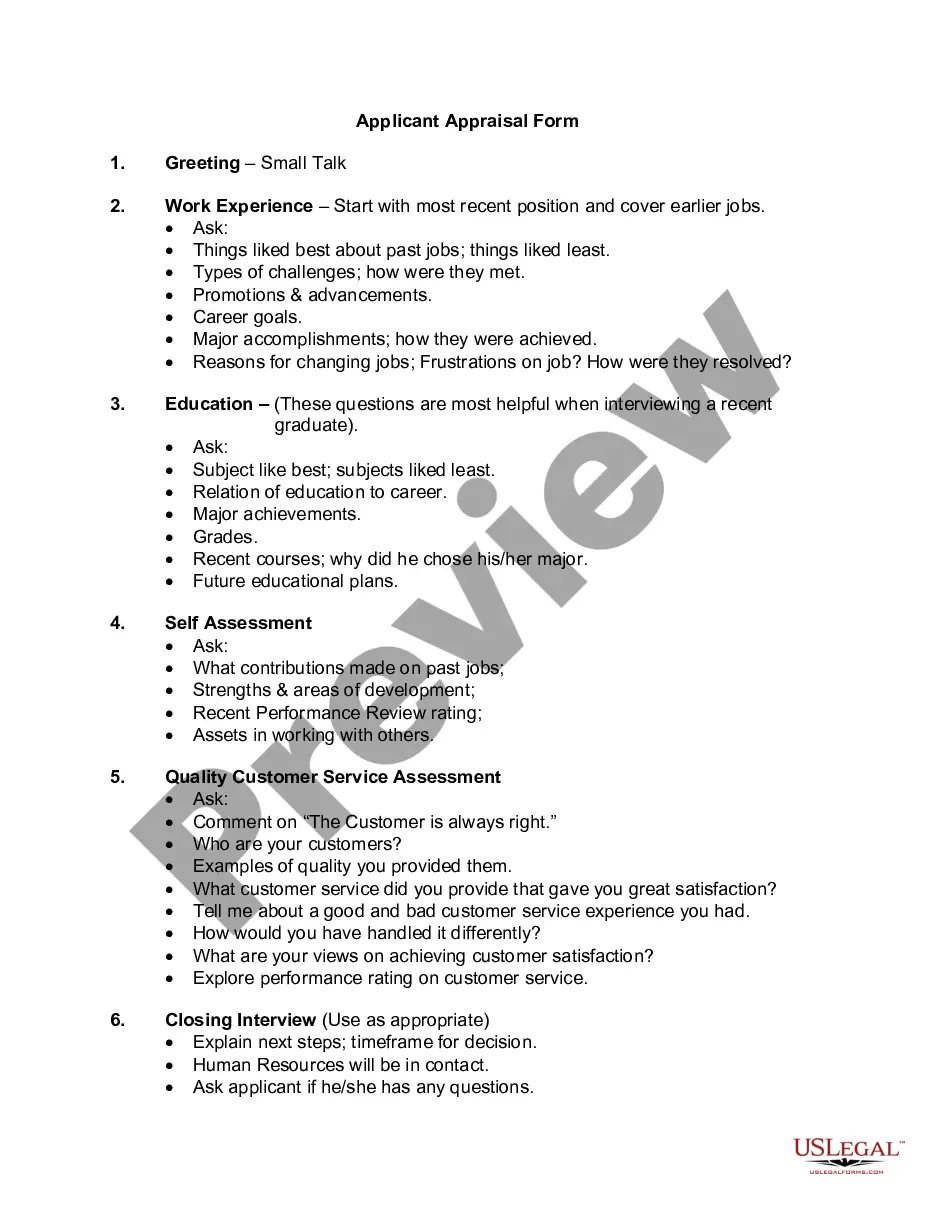
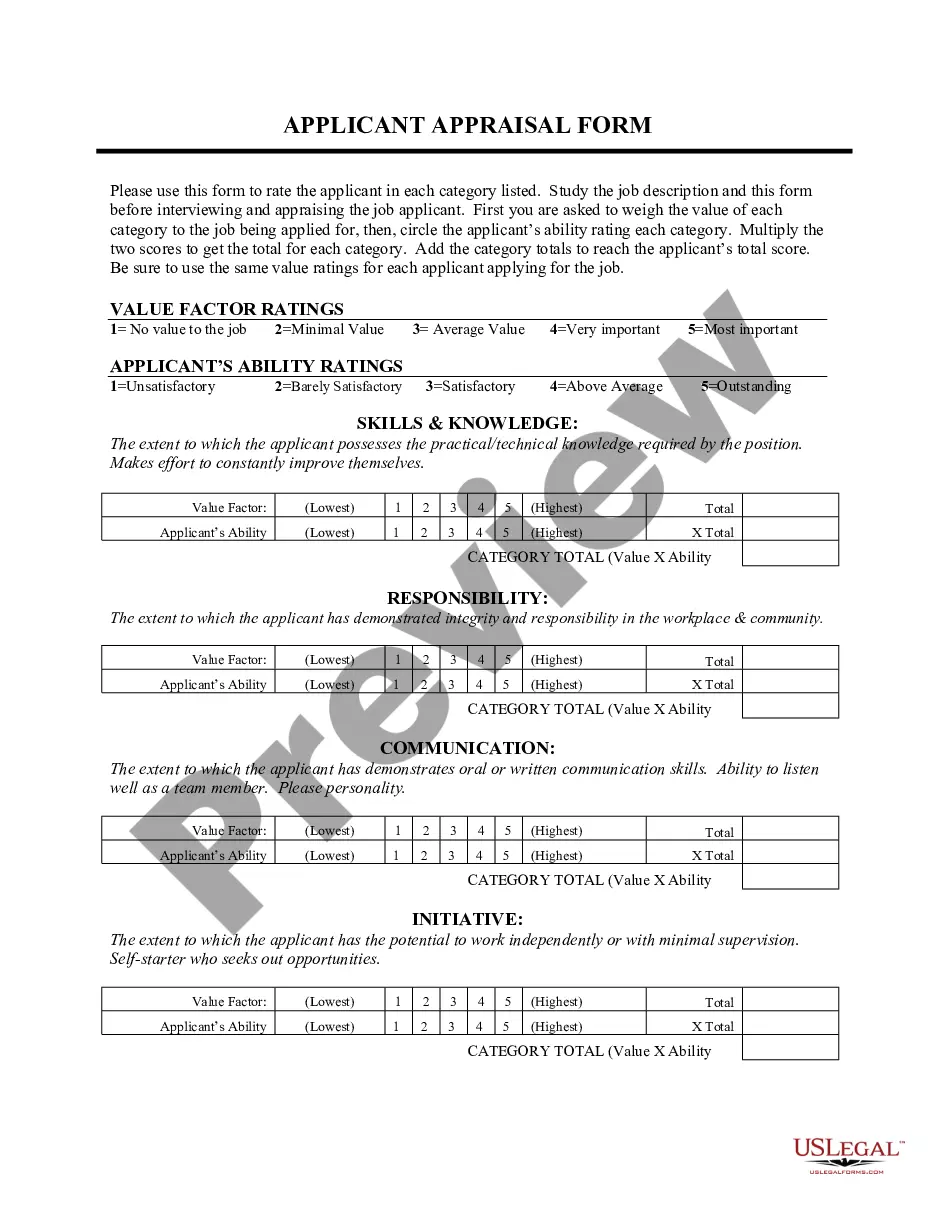
Selection Criteria 2: Previous Work Experience: Amount, relevancy and quality; organizational skills including the ability to work in a diverse environment, multitask and work under pressure; reliability including good attendance and punctuality. Selection Criteria 3: Communication: Written, oral and interpersonal.
Key selection criteria are the skills, attributes, knowledge and qualifications that the employer has defined as being essential for satisfying the requirements of the job and can be found in every Position Description.
Step 1: brainstorm key words and ideas. Copy and paste the criteria from the position description into a new document. Step 2: write a statement using the SAO approach. Write a statement under each criterion of 60 to 120 words using the SAO approach: Step 3: proofread your statements.
Create a new document. Read the Selection Criteria carefully. Address each Selection Criteria individually. Break the Key Selection Criteria into key points. Support your claims with evidence. Use active verbs. Use good English. Ask yourself the 'so what?' question.
Step One: Understanding and dissecting the selection criteria. Step Two: The opening statement. Step Three: Think about ideas for each selection criterion. Step Four: Go into further detail and support your claims with 'the how'
Prioritize Relevant Experience. Consider Growth Potential. Skills and Keyword Matching. Think about Availability. Pre-Screening Test Scores. Reference Recommendations. Salary Requirements.
Selection criteria inform potential applicants about the yardstick by which they will be measured and are usually summarized in the following categories: education, experience, and personal attributes, such as strong communication skills, the ability to work collegially with others, the ability to be innovative and
Write a brief introductory statement outlining how/why you meet the criterion. Highlight your relevant skills and experience by describing your major responsibilities in current or previous employment (this may include relevant non-paid work).