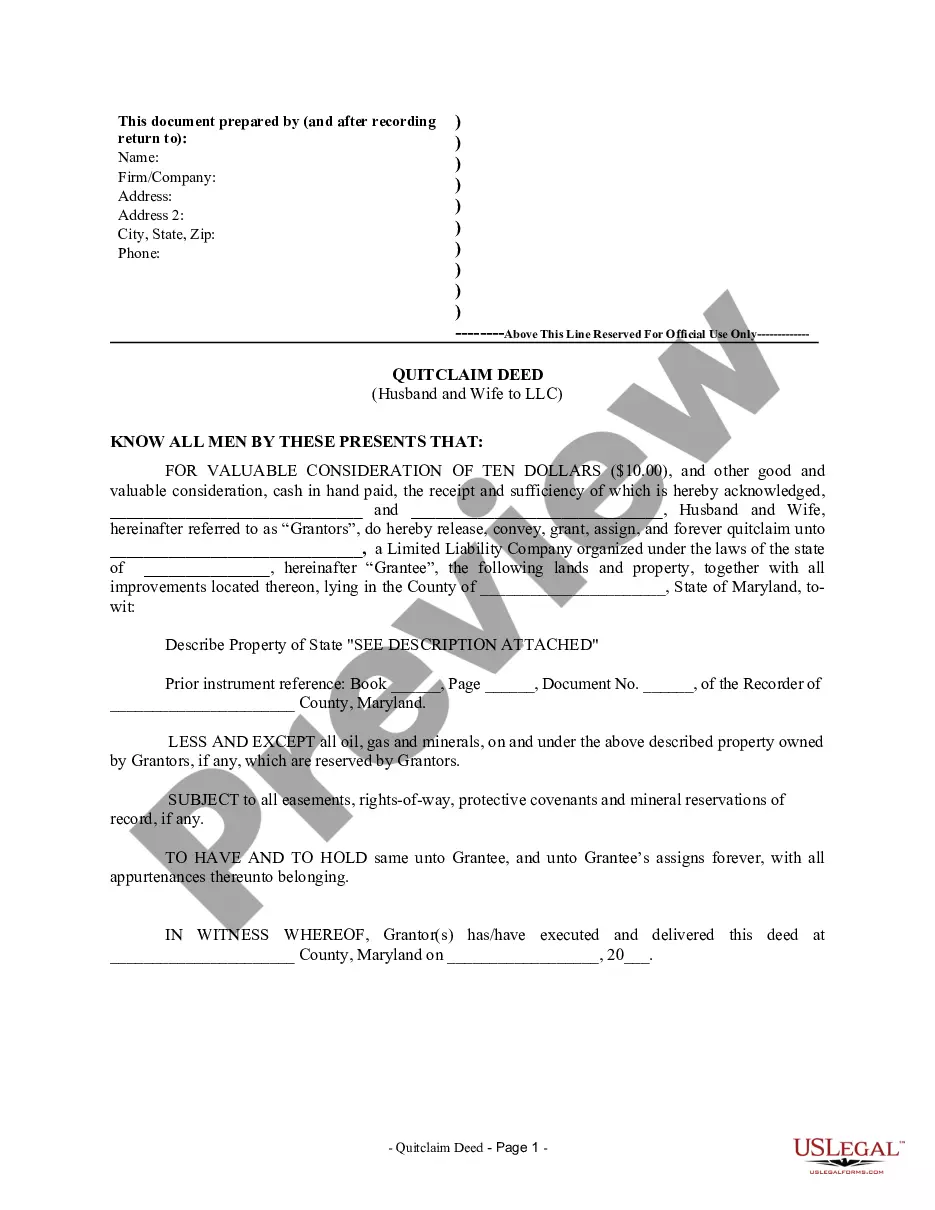
Pennsylvania Quitclaim Deed from Individual to LLC
Understanding this form
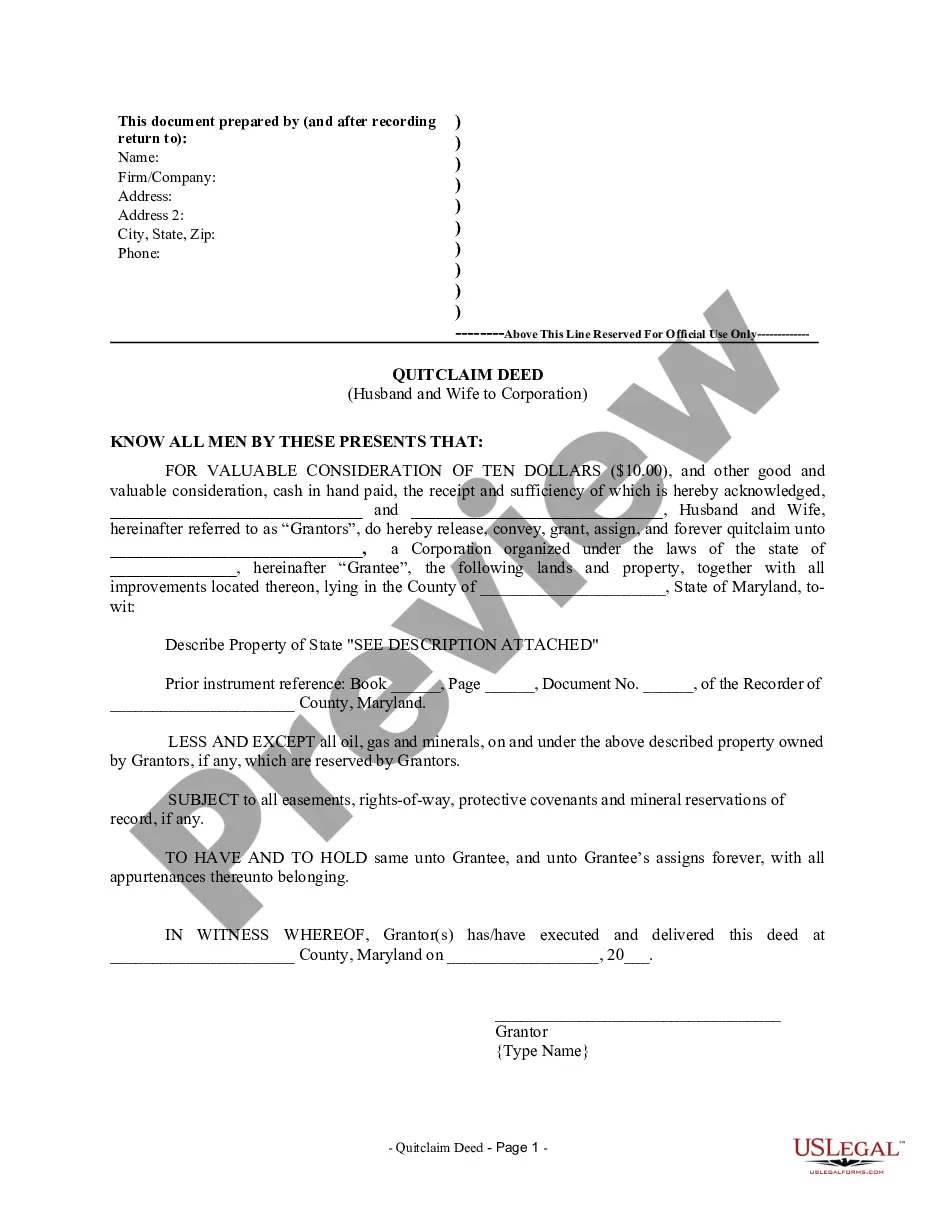
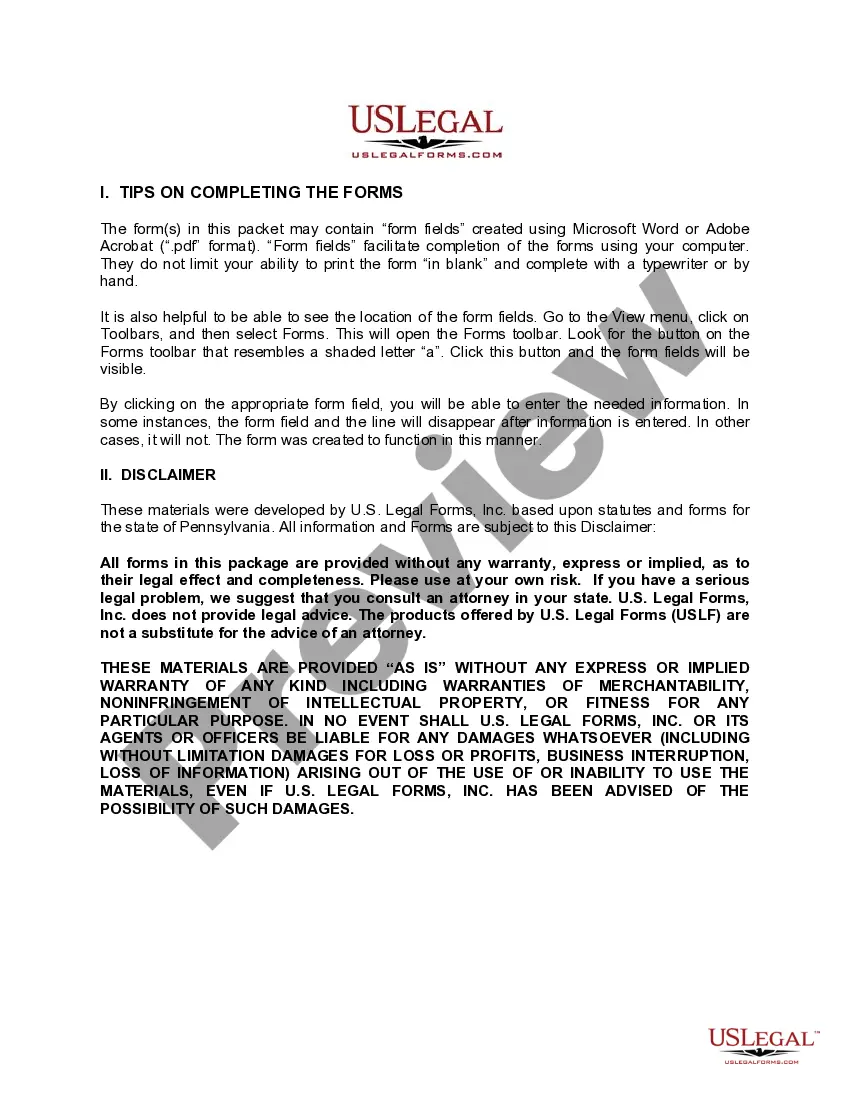
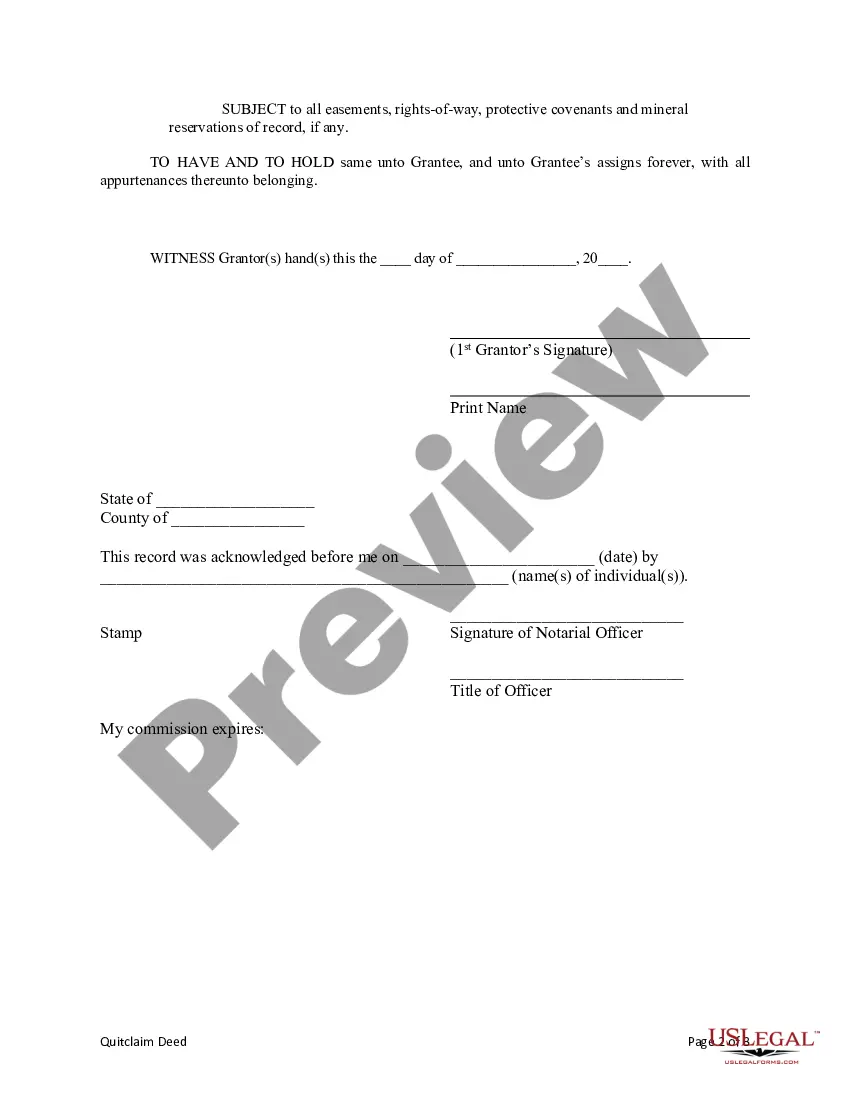
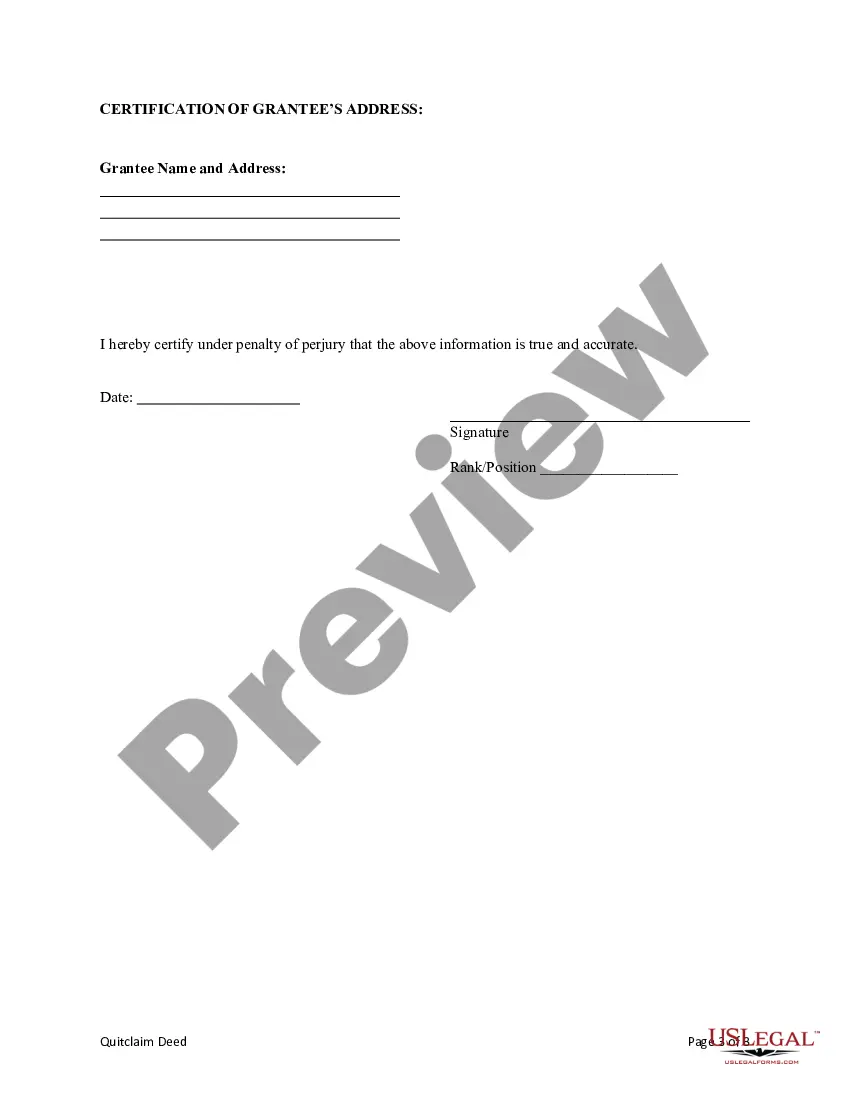
The Quitclaim Deed from Individual to LLC is a legal document used to transfer property ownership from an individual (the grantor) to a limited liability company (the grantee). Unlike a warranty deed, a quitclaim deed does not guarantee that the property is free of claims or liens. This form is specifically designed for situations where an individual wants to convey property rights to an LLC, making it distinct from other property transfer documents.
Key components of this form
- Grantor Information: Details about the individual transferring the property.
- Grantee Information: Information about the limited liability company receiving the property.
- Property Description: A detailed description of the property being transferred.
- Reservation Clause: States that oil, gas, and minerals under the property are not included in the transfer.
- Easements and Rights-of-Way: Mention of existing easements or rights affecting the property.
- Signatures: Areas for the grantor's signature and date to finalize the deed.





When to use this document
This form is useful in various scenarios, such as when an individual is transferring ownership of real estate to their LLC for business purposes, tax benefits, or asset protection. It is also applicable when an individual wants to simplify the management of a property by placing it under an LLC's name, reducing personal liability associated with real estate ownership.
Intended users of this form
This form is intended for:
- Individuals who own real estate and want to transfer the title to their LLC.
- Members or managers of LLCs facilitating property ownership transfers.
- Real estate investors seeking to streamline their asset management through an LLC.
How to prepare this document
- Identify the parties involved: Enter the full name and address of the grantor and grantee.
- Specify the property: Provide a clear and precise description of the property being transferred, including any relevant identifiers.
- Complete the reservation clause: Indicate any minerals, gas, or oil ownership rights being reserved by the grantor.
- Review existing easements: Ensure any recorded easements or rights-of-way are acknowledged and included if applicable.
- Sign and date the form: The grantor must sign the deed and date it to make the transfer official.
Notarization guidance
Notarization is required for this form to take effect. Our online notarization service, powered by Notarize, lets you verify and sign documents remotely through an encrypted video session, available 24/7.
Get your form ready online
Our built-in tools help you complete, sign, share, and store your documents in one place.
Make edits, fill in missing information, and update formatting in US Legal Forms—just like you would in MS Word.
Download a copy, print it, send it by email, or mail it via USPS—whatever works best for your next step.
Sign and collect signatures with our SignNow integration. Send to multiple recipients, set reminders, and more. Go Premium to unlock E-Sign.
If this form requires notarization, complete it online through a secure video call—no need to meet a notary in person or wait for an appointment.
We protect your documents and personal data by following strict security and privacy standards.

Make edits, fill in missing information, and update formatting in US Legal Forms—just like you would in MS Word.

Download a copy, print it, send it by email, or mail it via USPS—whatever works best for your next step.

Sign and collect signatures with our SignNow integration. Send to multiple recipients, set reminders, and more. Go Premium to unlock E-Sign.

If this form requires notarization, complete it online through a secure video call—no need to meet a notary in person or wait for an appointment.

We protect your documents and personal data by following strict security and privacy standards.
Avoid these common issues
- Failing to provide a complete property description.
- Omitting the reservation of rights clause when applicable.
- Not signing or dating the deed, which can invalidate the transfer.
- Using outdated or incorrect forms that do not match state requirements.
Why use this form online
- Convenient access to templates that can be filled out digitally or printed.
- Editability allows users to customize the form to fit their specific needs.
- Reliable drafting based on statutes and legal standards to ensure compliance.
Legal use & context
- The quitclaim deed transfers ownership without conveying title guarantees.
- It is primarily used for informal property transfers but may not be suitable for significant real estate transactions.
- Review relevant state laws and requirements to ensure proper usage.
Key takeaways
- The Quitclaim Deed from Individual to LLC is essential for transferring property to an LLC.
- Ensure all required information is accurately included to avoid legal complications.
- Consider notarization to enhance the document's legal standing, even if not required by law.
Looking for another form?






Form popularity
FAQ
Fill in the deed form. Print it out. Have the grantor(s) and grantee(s) sign and get the signature(s) notarized. Fill out a Statement of Value form, if necessary. Get the Uniform Parcel Number (UPI) on the deed certified, if required by your county.
You'll need to pay a fee, which varies from county to county. For example, in Montgomery County, near Philadelphia, the fee for recording a deed is $86.75 for up to four pages and up to four names, and $1 per additional name and $4 per additional page.
Quitclaim deeds are most often used to transfer property between family members. Examples include when an owner gets married and wants to add a spouse's name to the title or deed, or when the owners get divorced and one spouse's name is removed from the title or deed.
Fill in the deed form. Print it out. Have the grantor(s) and grantee(s) sign and get the signature(s) notarized. Fill out a Statement of Value form, if necessary. Get the Uniform Parcel Number (UPI) on the deed certified, if required by your county.
But you might be wondering if an owner can transfer a deed to another person without a real estate lawyer. The answer is yes. Parties to a transaction are always free to prepare their own deeds.A quitclaim deed, for example, is far simpler than a warranty deed.