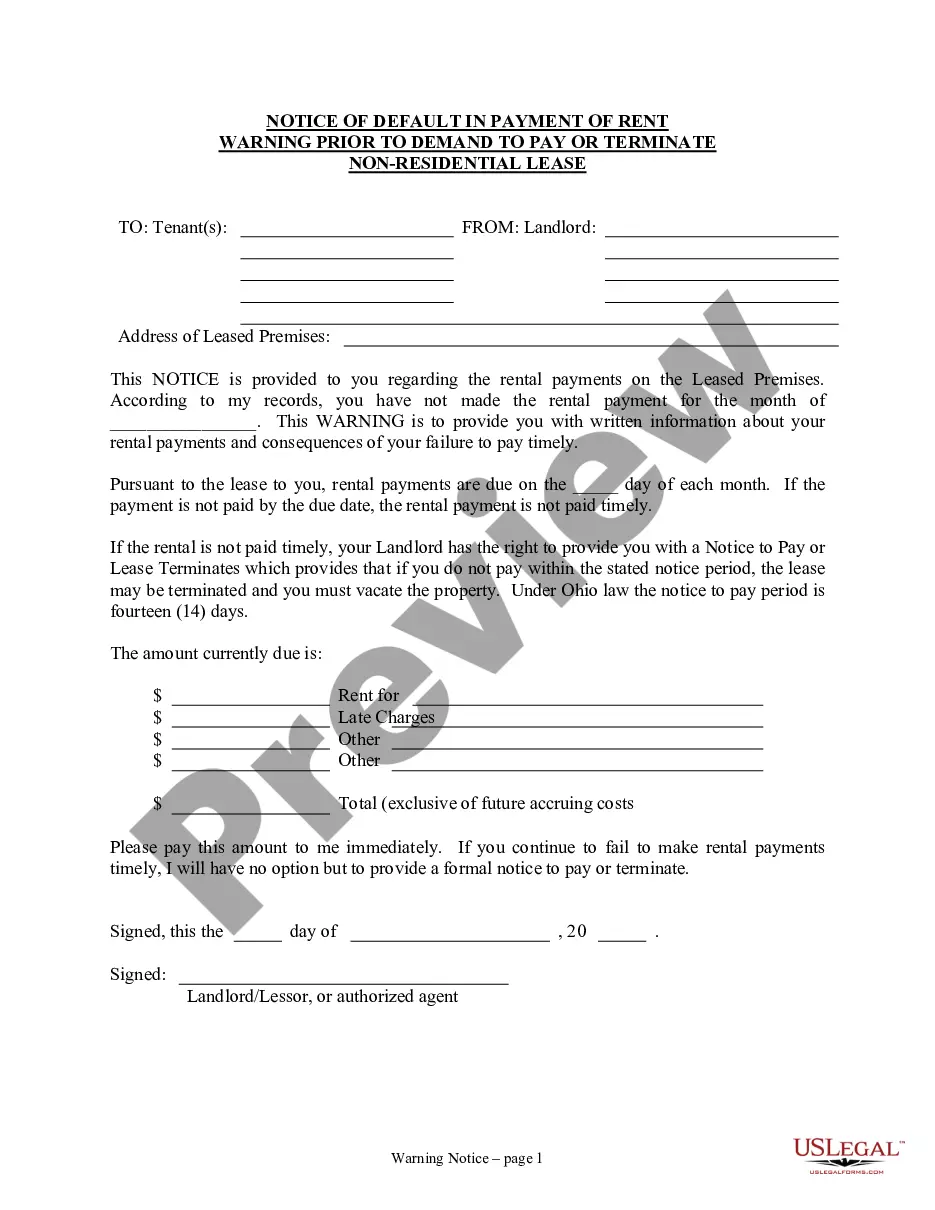
Ohio Notice of Default in Payment of Rent as Warning Prior to Demand to Pay or Terminate for Nonresidential or Commercial Property
What is this form?
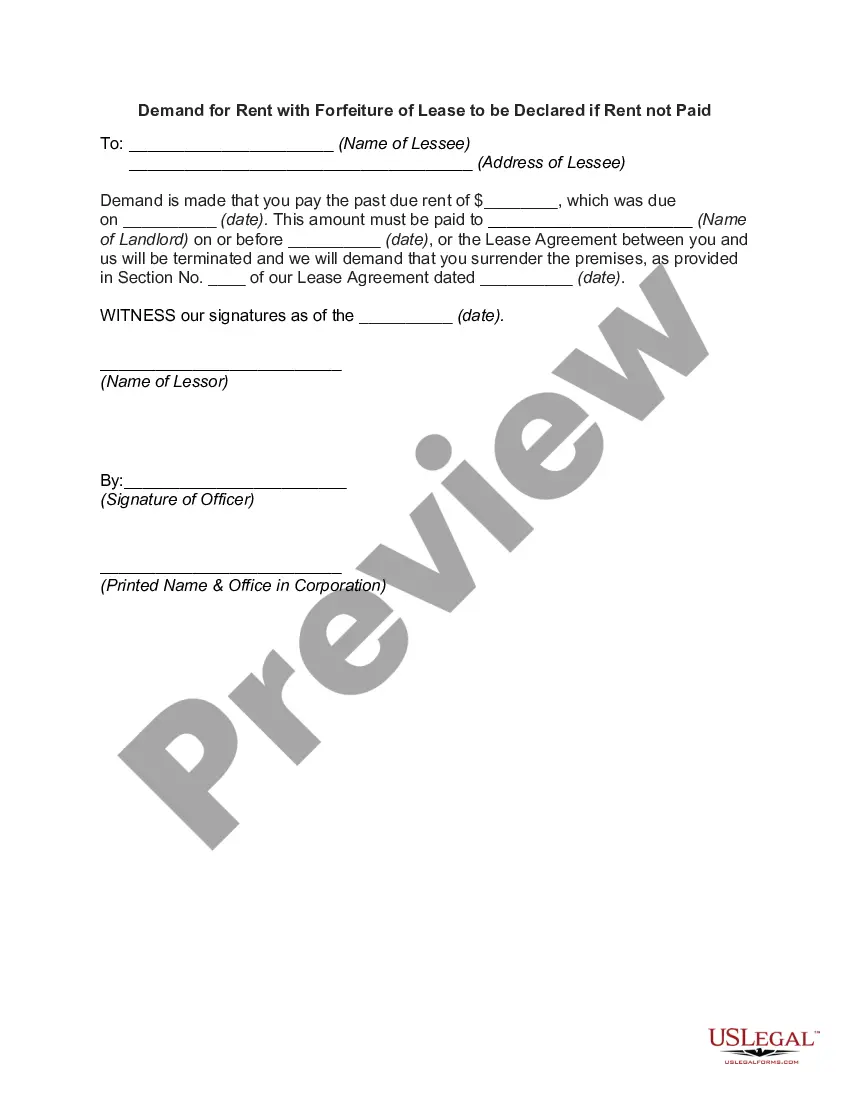
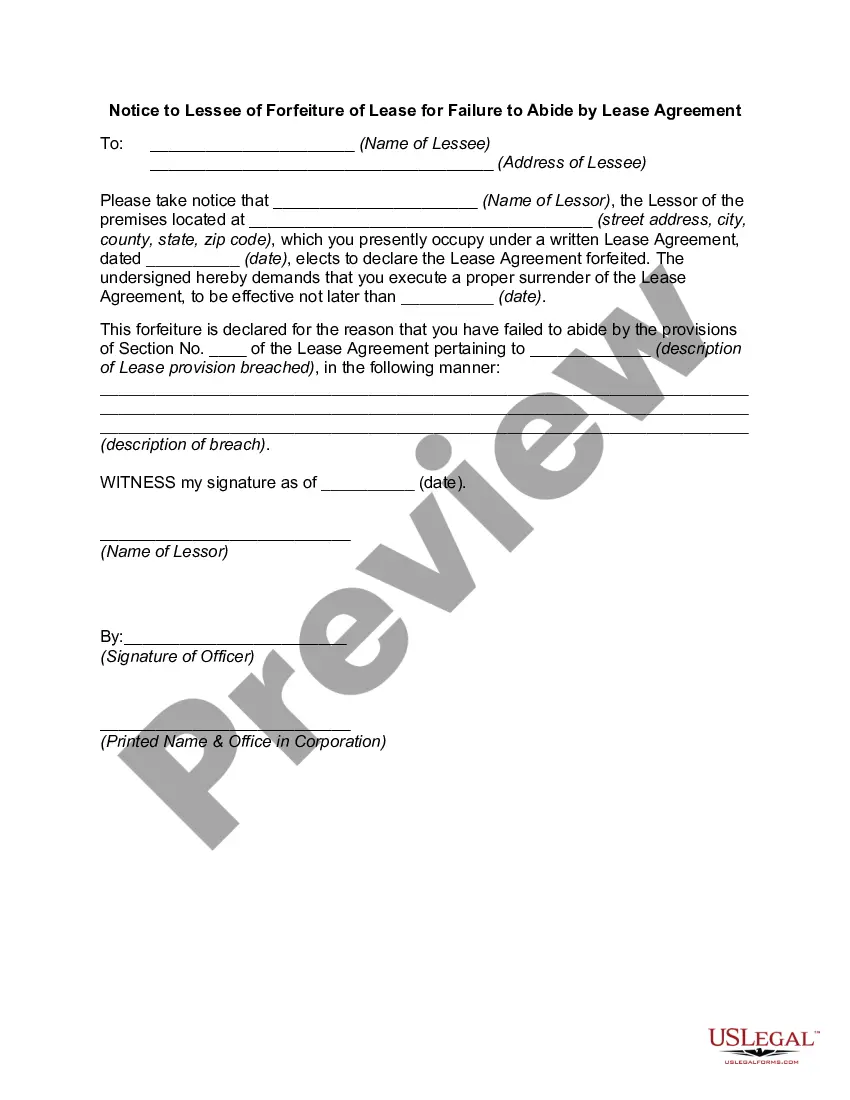
The Notice of Default in Payment of Rent as Warning Prior to Demand to Pay or Terminate for Nonresidential or Commercial Property is a legal document used by landlords to formally notify tenants of their failure to pay rent. This notice serves as a preliminary warning, outlining the due date for rent and the potential consequences of continued late payments. Unlike an official eviction notice, this form aims to remind tenants of their obligations and the landlord's rights under the lease agreement.
Key parts of this document
- Landlord and tenant contact information
- Address of the leased premises
- The specific month rent is unpaid
- The established due date for rent payments
- Details of any late charges and total amount due
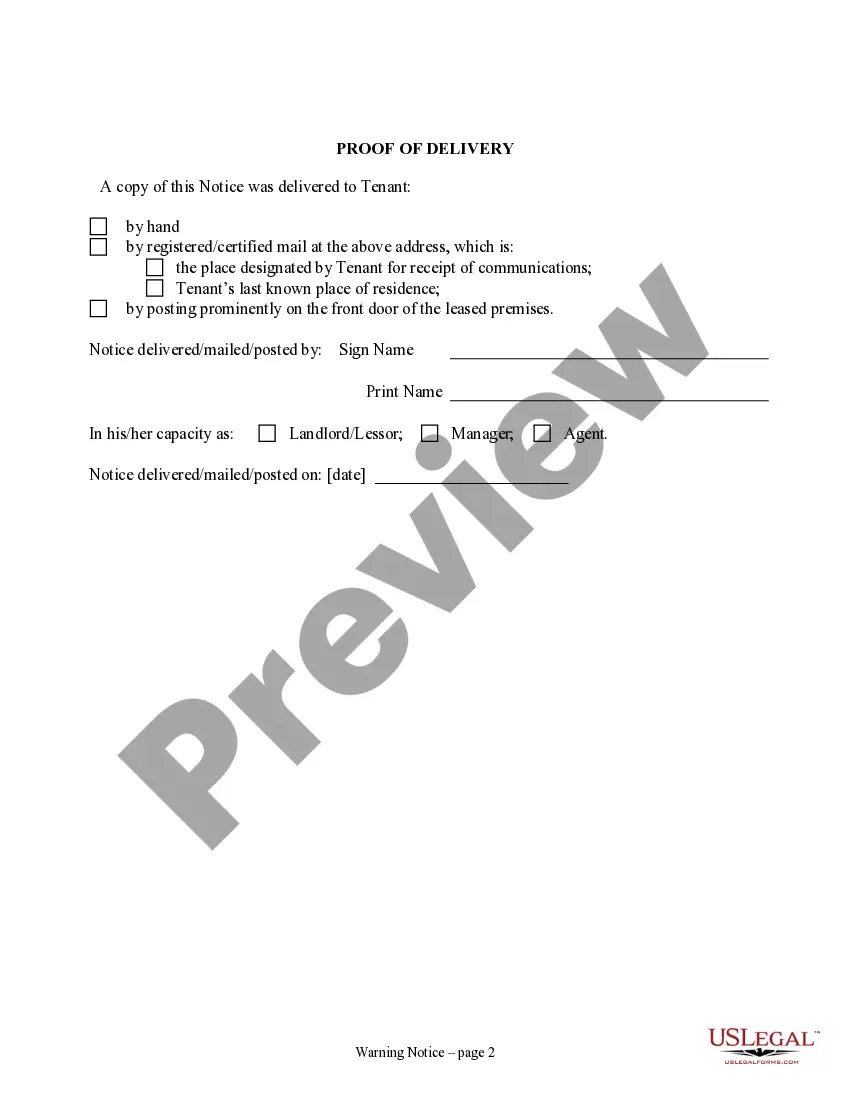
- Proof of delivery section for documentation purposes

When this form is needed
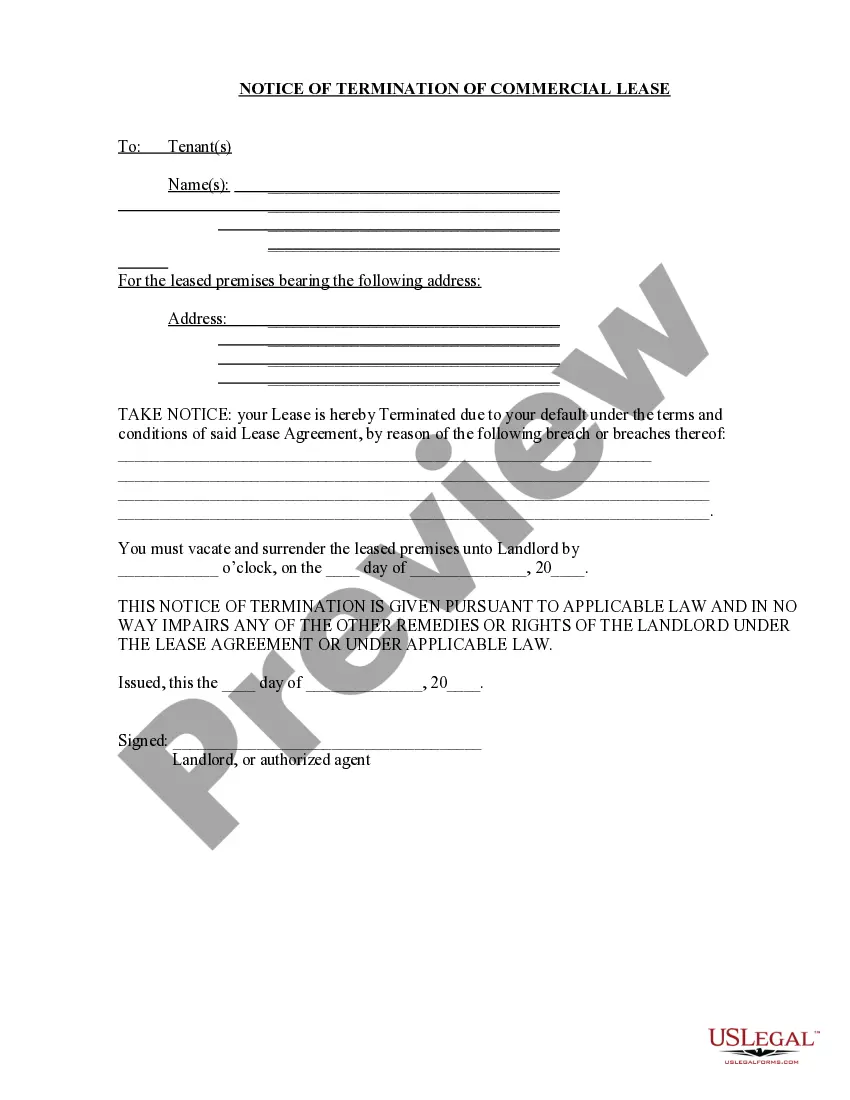
This notice should be issued when a tenant fails to make their rent payment on time for nonresidential or commercial properties. It is commonly used by landlords to give tenants a formal warning about their late payment before issuing a notice that could lead to lease termination. If you want to remind a tenant of their payment obligations and the potential consequences of not paying, this is an appropriate form to use.
Intended users of this form
- Commercial property landlords
- Landlords looking to notify tenants of late rent payments
- Property management companies managing nonresidential leases
- Legal professionals assisting landlords with lease enforcement
Steps to complete this form
- Identify the landlord and tenant by filling in their names and addresses.
- Specify the address of the leased premises.
- Enter the month for which rent is unpaid and the due date of the payment.
- List the total amount due, including any late charges.
- Provide your signature, date, and any relevant delivery method for proof of delivery.
Does this document require notarization?
This form does not typically require notarization to be legally valid. However, some jurisdictions or document types may still require it. US Legal Forms provides secure online notarization powered by Notarize, available 24/7 for added convenience.
Get your form ready online
Our built-in tools help you complete, sign, share, and store your documents in one place.
Make edits, fill in missing information, and update formatting in US Legal Forms—just like you would in MS Word.
Download a copy, print it, send it by email, or mail it via USPS—whatever works best for your next step.
Sign and collect signatures with our SignNow integration. Send to multiple recipients, set reminders, and more. Go Premium to unlock E-Sign.
If this form requires notarization, complete it online through a secure video call—no need to meet a notary in person or wait for an appointment.
We protect your documents and personal data by following strict security and privacy standards.

Make edits, fill in missing information, and update formatting in US Legal Forms—just like you would in MS Word.

Download a copy, print it, send it by email, or mail it via USPS—whatever works best for your next step.

Sign and collect signatures with our SignNow integration. Send to multiple recipients, set reminders, and more. Go Premium to unlock E-Sign.

If this form requires notarization, complete it online through a secure video call—no need to meet a notary in person or wait for an appointment.

We protect your documents and personal data by following strict security and privacy standards.
Common mistakes
- Failing to include all relevant contact information for both parties.
- Not specifying the correct month for unpaid rent.
- Neglecting to sign the notice before sending it.
- Not documenting how the notice was delivered to the tenant.
Benefits of using this form online
- Easy to customize for your specific situation.
- Instant download allows for quick access and immediate use.
- Forms are drafted by licensed attorneys for reliability.
- No need for in-person appointments, saving time and effort.
Legal use & context
- This notice provides legal grounds for the landlord to begin lease termination proceedings if the tenant fails to pay rent.
- Documenting delivery of this notice can provide proof in potential future legal disputes.
- Timely issuance of this notice can help landlords maintain compliance with local landlord-tenant laws.
Summary of main points
- The notice serves as a critical step before legal action can be taken against a tenant for non-payment.
- Landlords should ensure all details are complete and accurate to uphold the document's validity.
- Understanding state laws related to tenant communications is essential for effective property management.
Looking for another form?




Form popularity
FAQ
To end a month-to-month tenancy, a landlord must give a tenant at least a 30-day written notice to move. The notice must state the date by which the tenant needs to be out of the rental unit.
Ohio's Three-Day Notice After a tenant fails to pay rent, the first step in the Ohio eviction process is for a landlord to give the tenant a three-day notice, informing the tenant that he or she has three days to move out of the rental unit.
Without a written lease, the landlord or the tenant may end a week-to-week tenancy by giving the other party at least seven days' notice before the termination date.Ohio law prohibits a landlord from shifting certain responsibilities or liabilities to a tenant.
Notice Requirements for Ohio Landlords A landlord can simply give you a written notice to move, allowing you 30 days as required by Ohio law and specifying the date on which your tenancy will end.
Yes. You can kick that person out. (Unless you've been directed by a court to provide housing for the person.)
Tenants in the state of Ohio are granted certain rights by the state's landlord-tenant code, including the right to fair housing, the right to a return of the security deposit, and the right to notice before landlord entry.
The typical Ohio eviction process takes about five weeks. The eviction process starts with the posting of a three day notice. In certain cases, a longer notice is necessary but generally a three day notice covers most of the eviction issues that a landlord can encounter.
The typical Ohio eviction process takes about five weeks. The eviction process starts with the posting of a three day notice. In certain cases, a longer notice is necessary but generally a three day notice covers most of the eviction issues that a landlord can encounter.
The date you're submitting your notice. The date you're moving. Information on your current home the address and the landlord's name. A statement declaring that you intend to leave the home. A straightforward statement that you're providing this letter, 30 days out, per your lease agreement.