New York Warranty Deed to Separate Property of One Spouse to Both Spouses as Joint Tenants
What this document covers
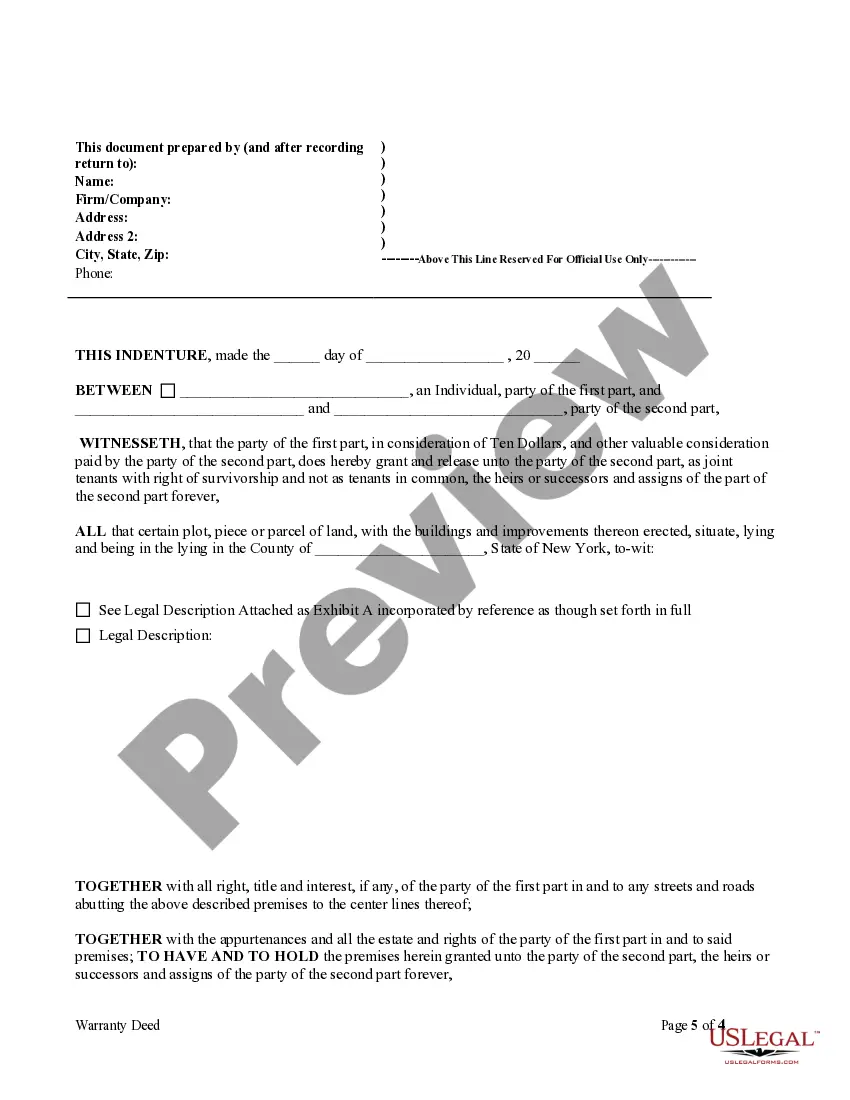
This form is a Warranty Deed to Separate Property of One Spouse to Both Spouses as Joint Tenants. It allows a wife to transfer ownership of property she solely owns to herself and her husband, establishing them as joint tenants with right of survivorship. This form is essential for couples who want to ensure that both spouses have equal ownership rights to the property, facilitating smoother transfer of ownership upon the death of one spouse, unlike other forms that only designate one party.
Form components explained
- Identification of the parties involved in the transfer.
- Legal description of the property being transferred.
- Statement regarding the nature of the joint tenancy.
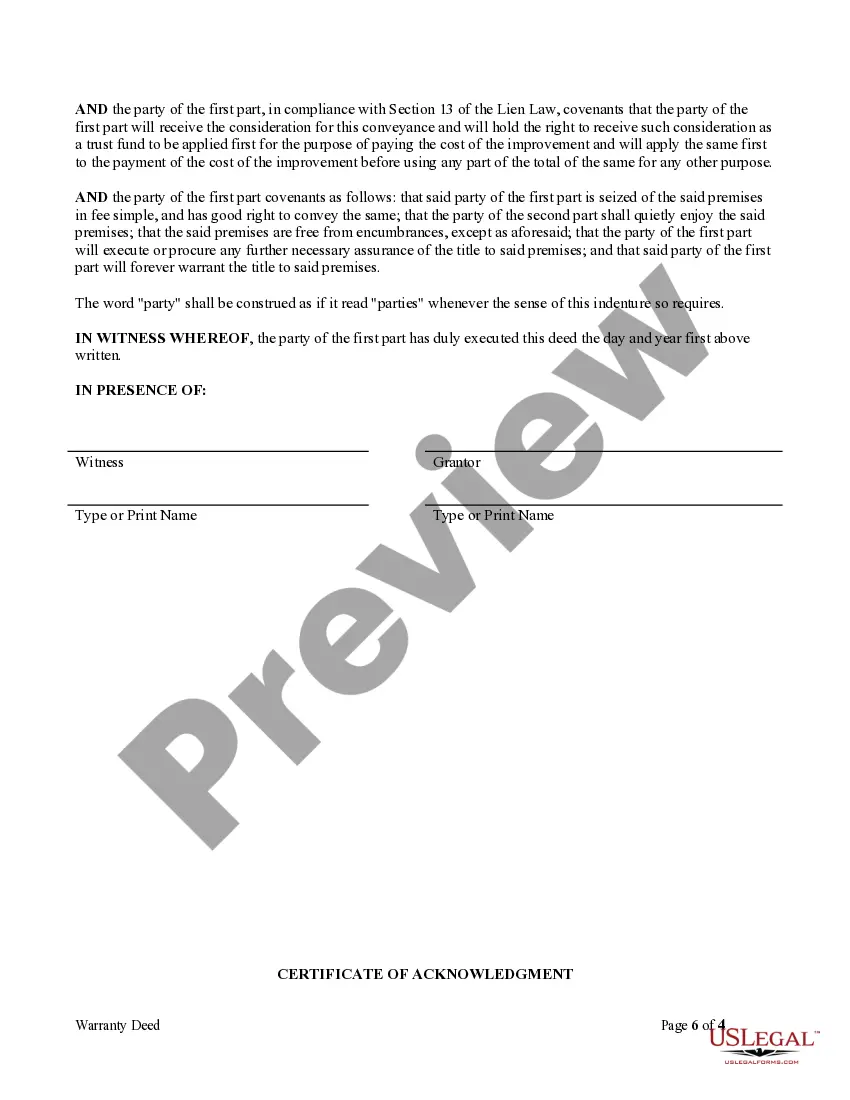
- Covenants ensuring the title is free from encumbrances.
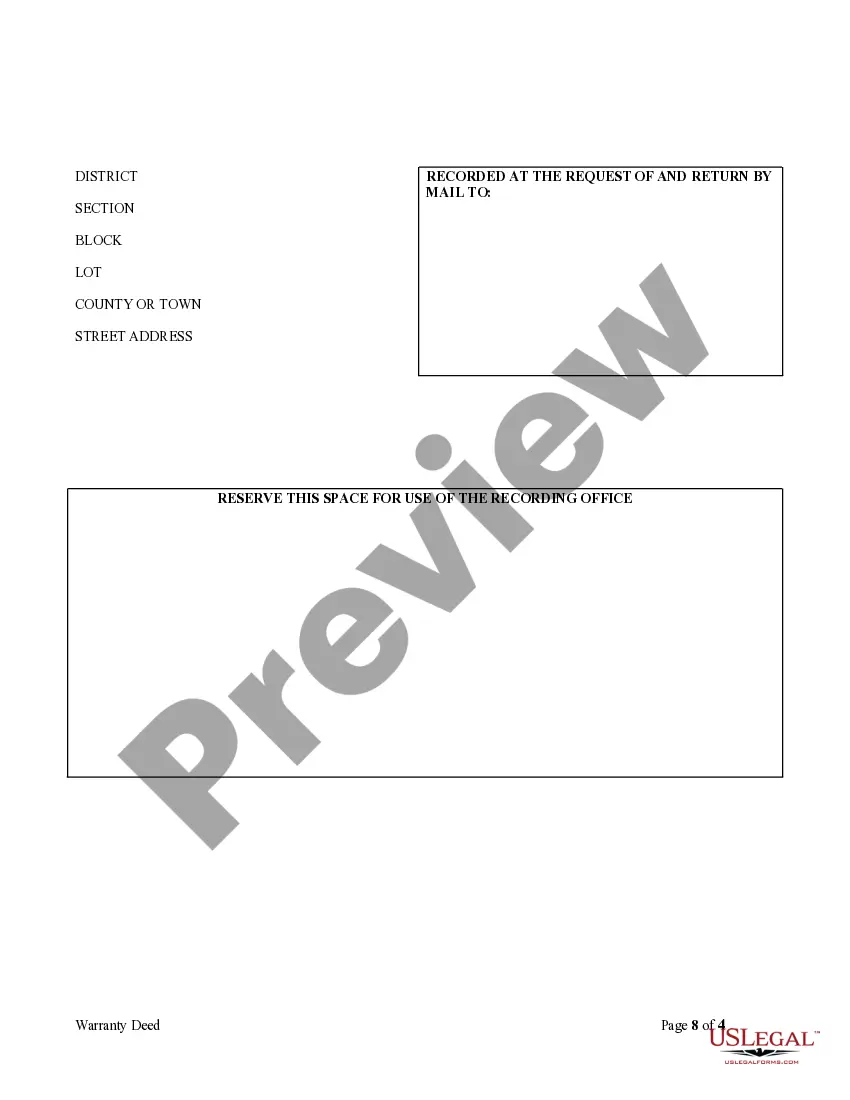
- Signatures of the parties and witnesses, if required.




When to use this document
Use this form when a spouse wishes to transfer property that is considered their separate property into joint ownership with their partner. This may be relevant during marriage to consolidate ownership, estate planning, or when considering the implications of property ownership in the event of death or separation.
Who should use this form
- Couples who are married and want to establish joint ownership of property.
- Individuals who own property separately and wish to include their spouse as a co-owner.
- Homeowners looking to enhance estate planning by ensuring seamless transfer of property rights.
Instructions for completing this form
- Begin by identifying the transferor (the wife) and the transferee (both spouses).
- Provide a detailed legal description of the property in the designated section.
- Clearly state the intent to transfer ownership as joint tenants.
- Sign the deed in the presence of a notary or witness if required.
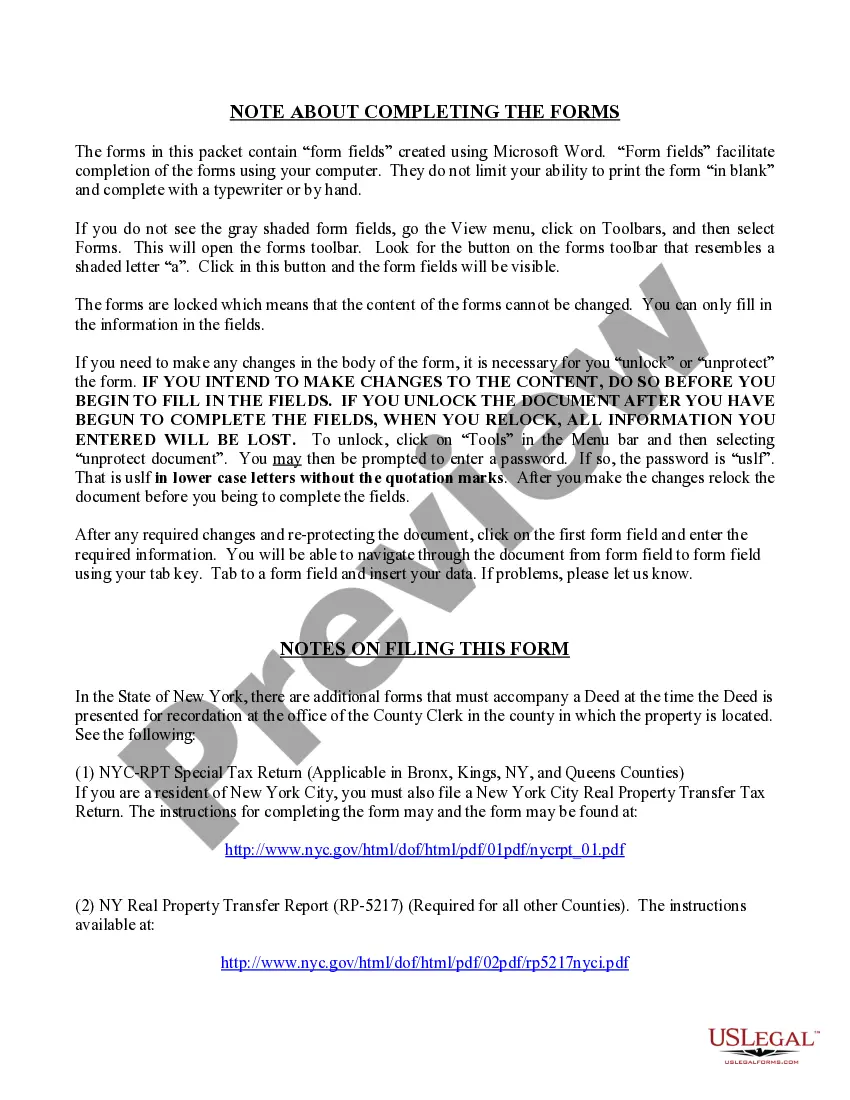
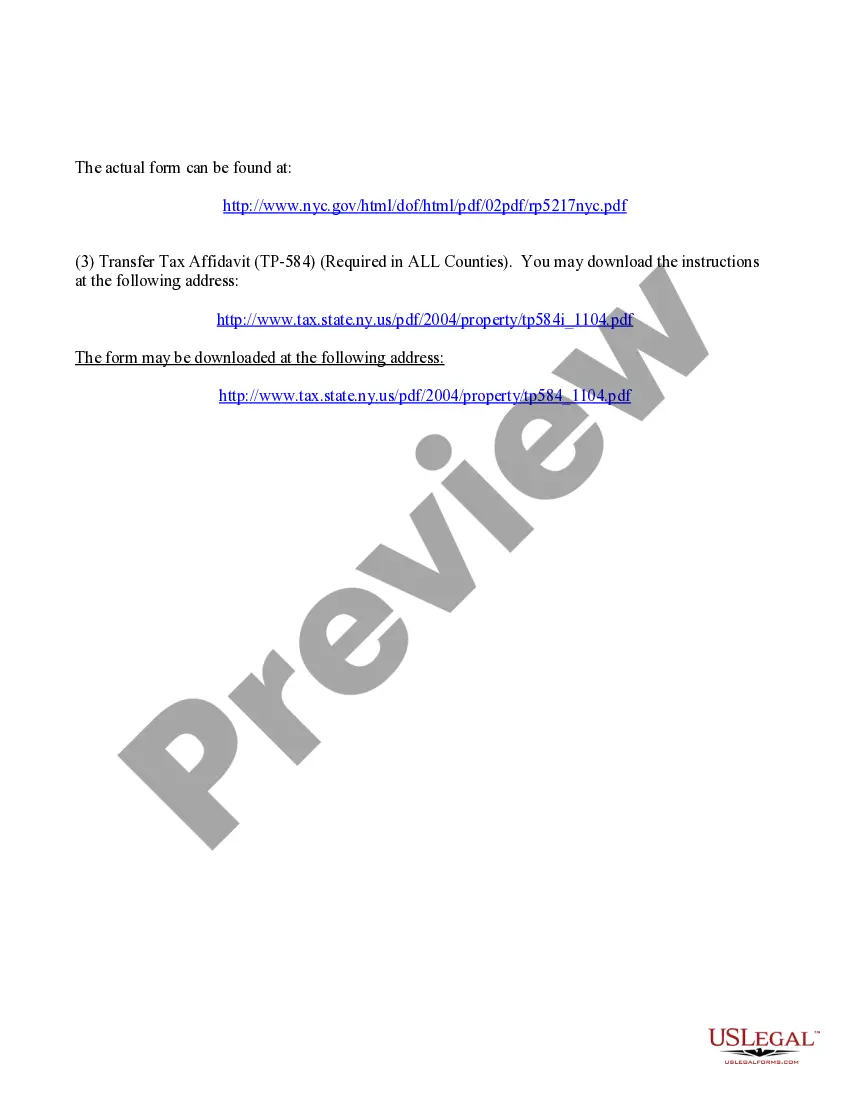
- Complete any additional forms required for recordation in your county.
Does this form need to be notarized?
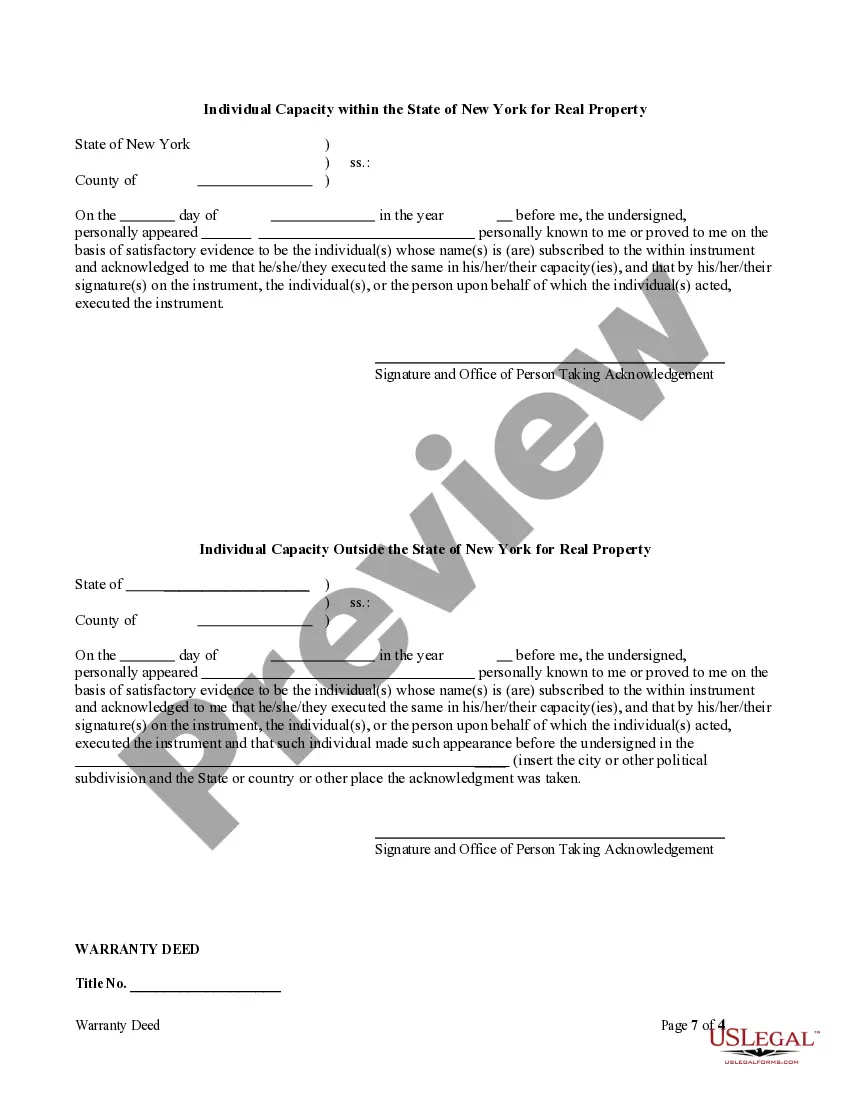
Yes, this form must be notarized to be legally valid. Notarization ensures that the signatures on the deed are authentic and protects against fraud. U.S. Legal Forms offers integrated online notarization services, available 24/7, allowing for secure video calls without the need to travel.
Get your form ready online
Our built-in tools help you complete, sign, share, and store your documents in one place.
Make edits, fill in missing information, and update formatting in US Legal Forms—just like you would in MS Word.
Download a copy, print it, send it by email, or mail it via USPS—whatever works best for your next step.
Sign and collect signatures with our SignNow integration. Send to multiple recipients, set reminders, and more. Go Premium to unlock E-Sign.
If this form requires notarization, complete it online through a secure video call—no need to meet a notary in person or wait for an appointment.
We protect your documents and personal data by following strict security and privacy standards.

Make edits, fill in missing information, and update formatting in US Legal Forms—just like you would in MS Word.

Download a copy, print it, send it by email, or mail it via USPS—whatever works best for your next step.

Sign and collect signatures with our SignNow integration. Send to multiple recipients, set reminders, and more. Go Premium to unlock E-Sign.

If this form requires notarization, complete it online through a secure video call—no need to meet a notary in person or wait for an appointment.

We protect your documents and personal data by following strict security and privacy standards.
Mistakes to watch out for
- Failing to include a complete and accurate legal description of the property.
- Not obtaining the necessary signatures or notarization if required.
- Neglecting to file accompanying tax forms for property transfer.
- Confusing joint tenancy with tenants in common, leading to unclear ownership intentions.
Why complete this form online
- Convenient access to the form anytime, reducing the need for in-person visits to legal offices.
- Editability allows users to easily fill in information and save changes.
- Confidence in document reliability, as forms are drafted by licensed attorneys.
Summary of main points
- This Warranty Deed facilitates the transfer of property from one spouse to both spouses.
- It establishes joint tenancy with rights of survivorship, protecting the surviving spouseâs ownership.
- Proper completion and notarization are necessary for legal validity.
- Understand local requirements before filing, especially in New York, to avoid penalties.
Looking for another form?
Form popularity
FAQ
In California, all property bought during the marriage with income that was earned during the marriage is deemed "community property." The law implies that both spouses own this property equally, regardless of which name is on the title deed.
California married couples generally have three options to take title to their community (vs separate) property real estate: community property, joint tenancy or Community Property with Right of Survivorship. The latter coming into play in California July of 2001.
The dangers of joint tenancy include the following: Danger #1: Only delays probate. When either joint tenant dies, the survivor usually a spouse or child immediately becomes the owner of the entire property. But when the survivor dies, the property still must go through probate.
In cases where a couple shares a home but only one spouse's name is on it, the home will not automatically pass to the surviving pass, if his or her name is not on the title.
Separate property can become marital property if it is mixed with marital property. For example, if one of the spouses uses money they had before the marriage to buy a house for the couple, that money might become marital property.
In California, most married couples hold real property (such as land and buildings) as joint tenants with right of survivorship.For instance, many married couples share real property as joint tenants. This way, upon the death of a spouse, the surviving spouse will own 100% share of the property.
The names on the mortgage show who's responsible for paying back the loan, while the title shows who owns the property. You can put your spouse on the title without putting them on the mortgage; this would mean that they share ownership of the home but aren't legally responsible for making mortgage payments.
Each party has a full ownership interest in the property. The property will pass instantly to the survivor upon the death of the other without probate. Conveyance by one party without the other breaks the joint tenancy. Seller warrants that he/she has good title and will warrant and defend title.
It's often easier to qualify for a joint mortgage, because both spouses can contribute income and assets to the application. However, if one spouse can qualify for a mortgage based on his own income and credit, the mortgage does not need to be in both spouses' names unless you live in a community property state.