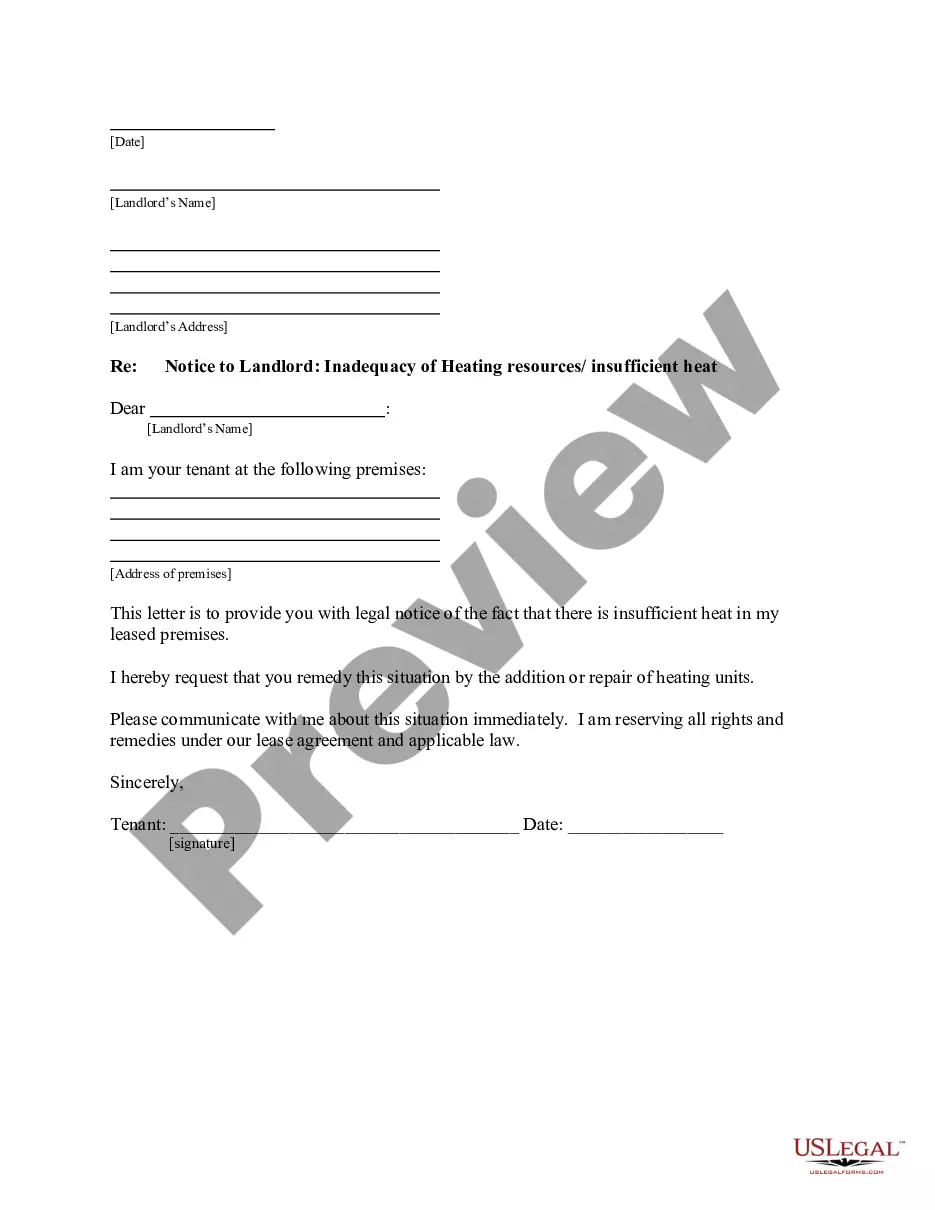
New Jersey Letter from Tenant to Landlord about Illegal entry by landlord
What this document covers
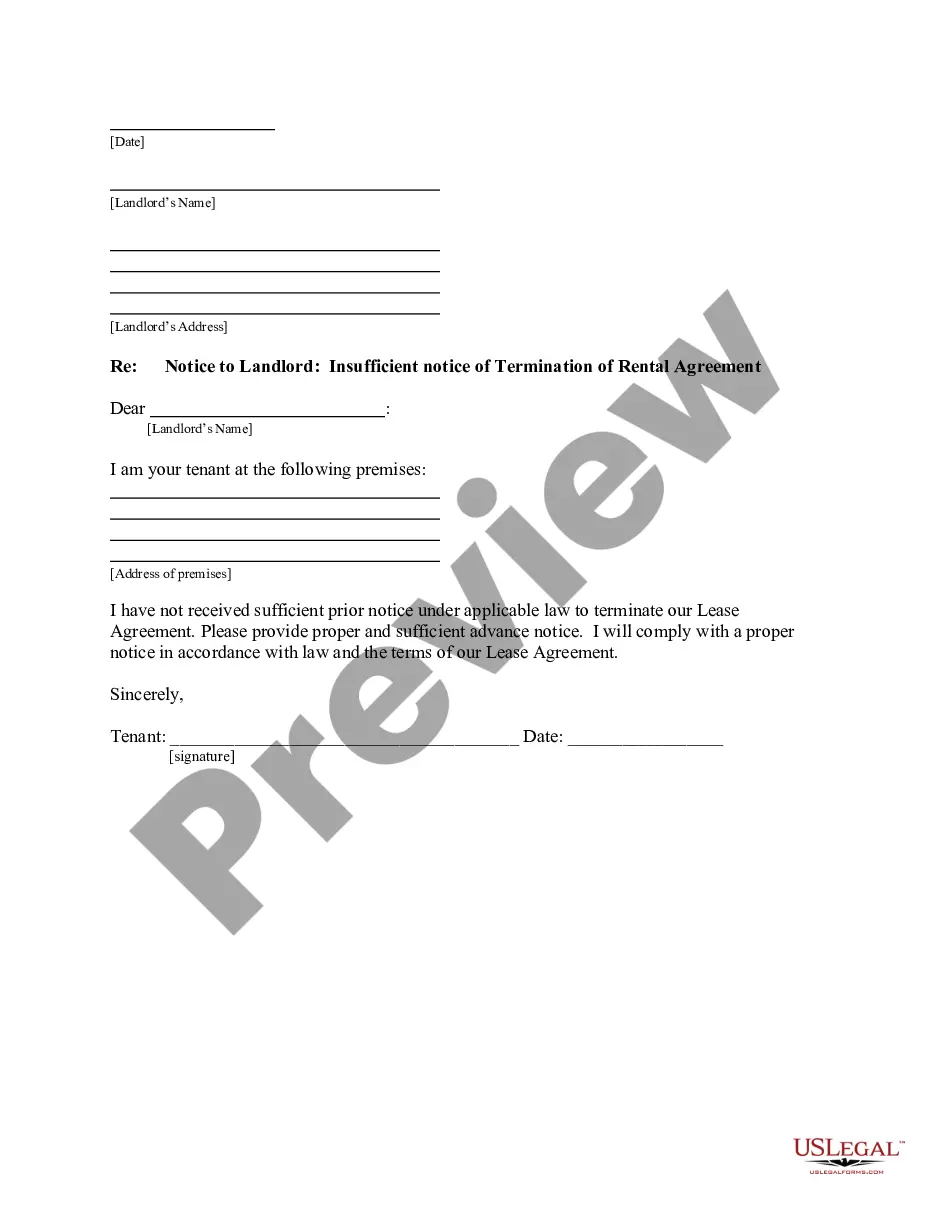
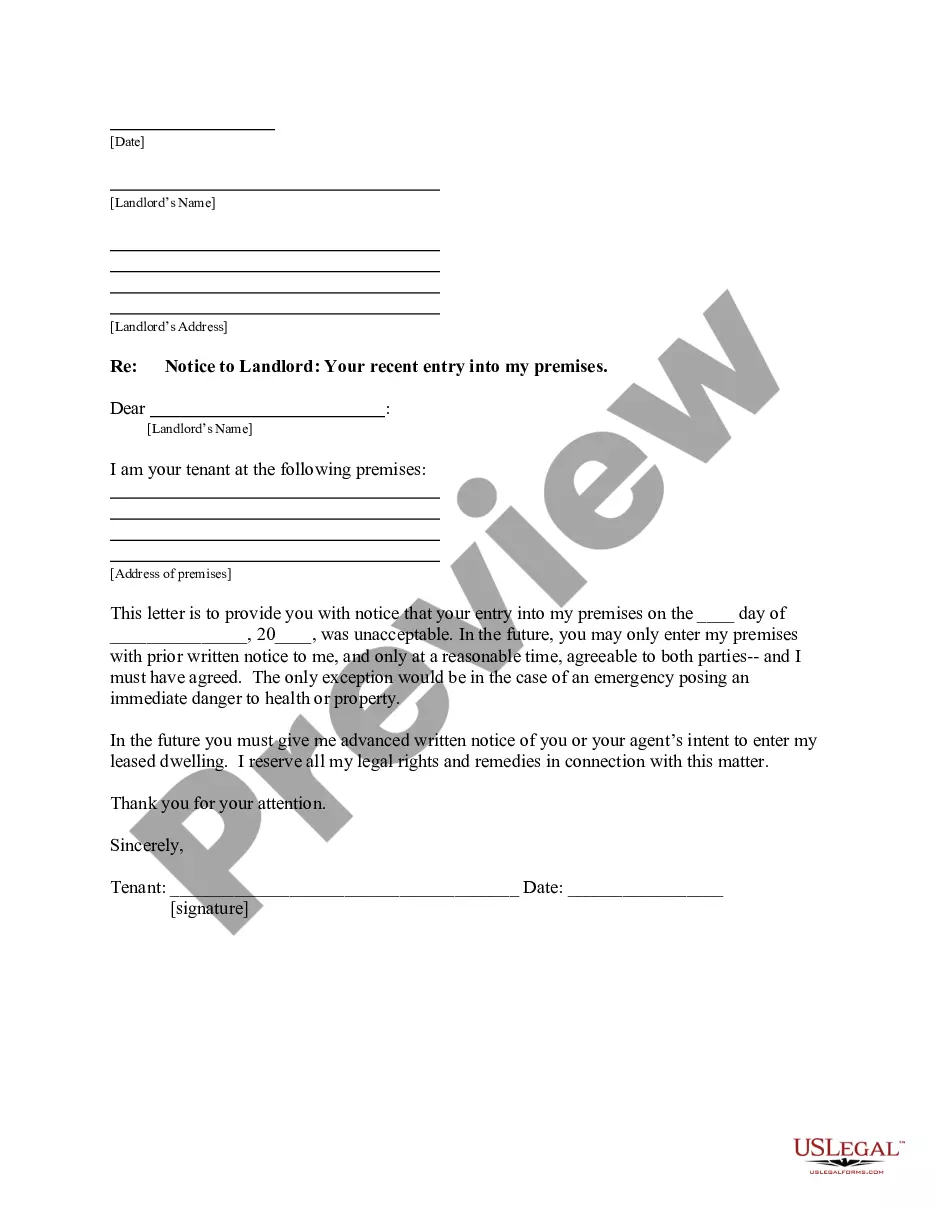
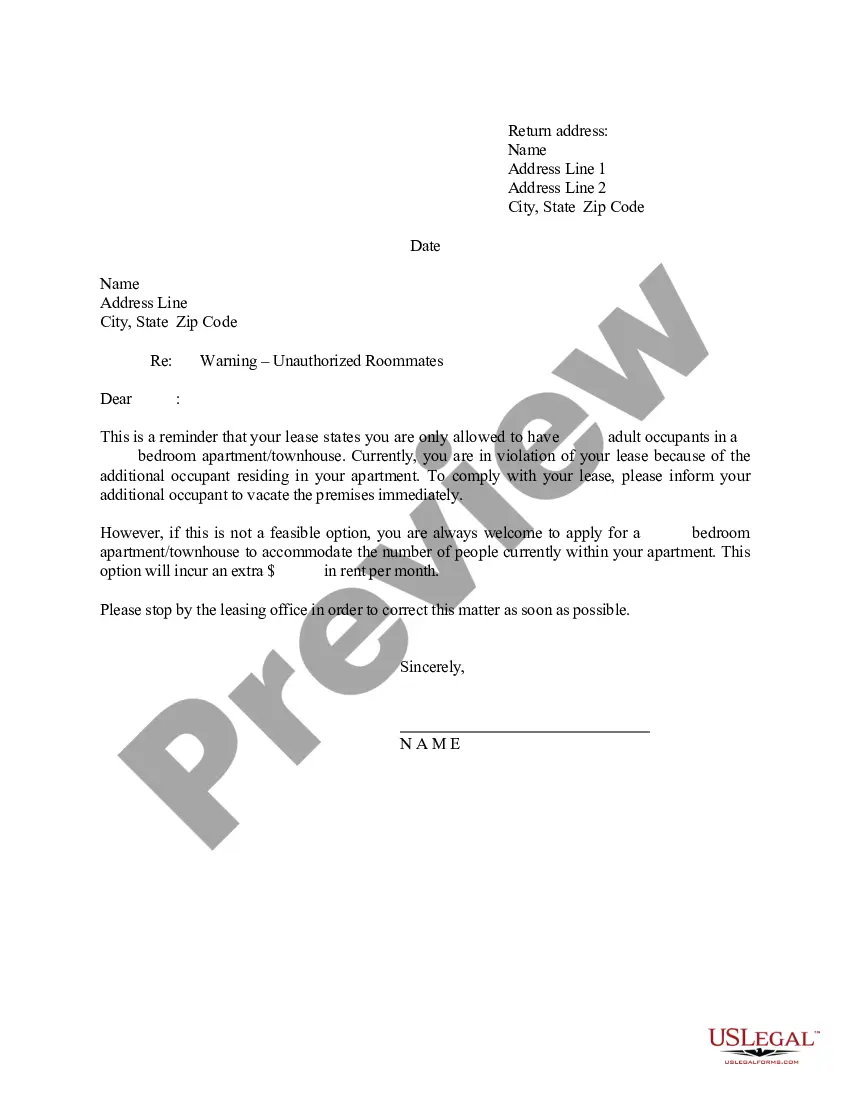
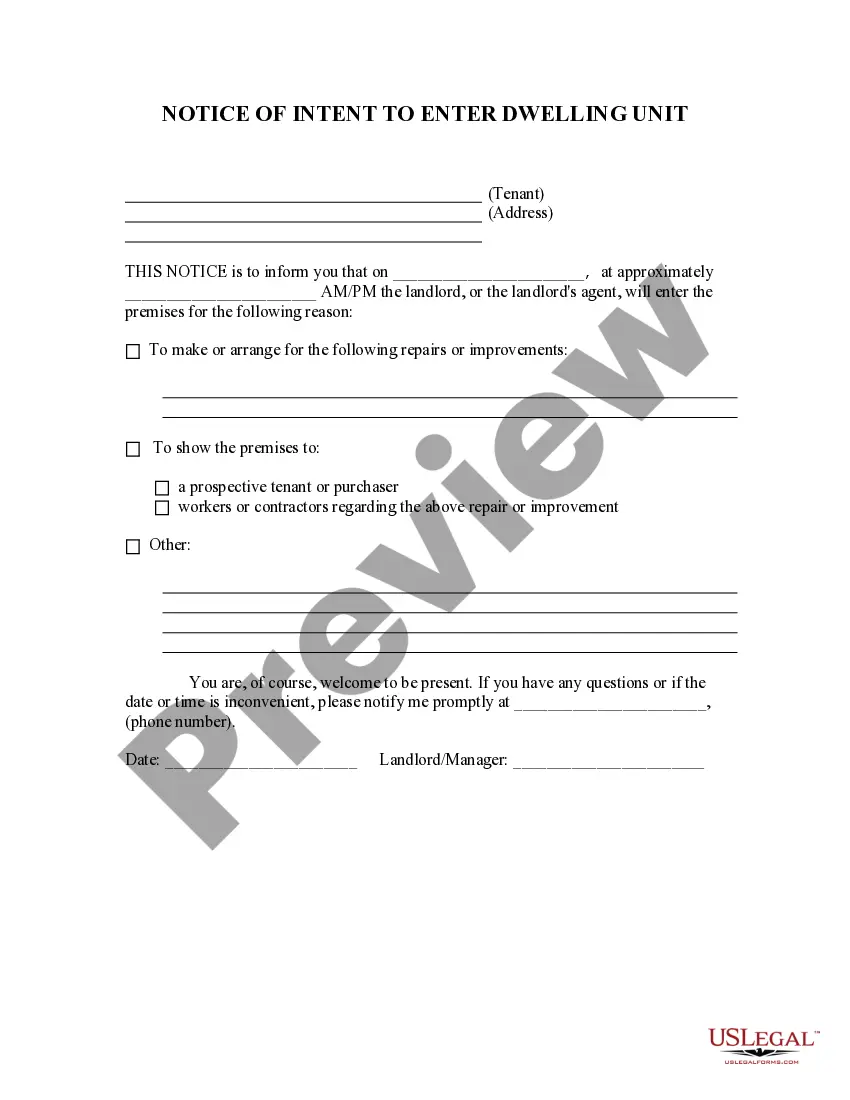
This form is a Letter from Tenant to Landlord about Illegal Entry by Landlord. Its purpose is to formally request that the landlord provides advanced written notice before entering the tenant's rented premises, except in emergencies. This form is crucial for tenants who wish to establish their right to privacy and notice regarding property access, differentiating it from other types of tenant-landlord communication forms.
Main sections of this form
- Tenant's request: A clear statement requiring advanced written notice for future entries.
- Legal rights reservation: A clause reserving all legal rights and remedies related to the matter.
- Signature line: Space for the tenant's signature and date.
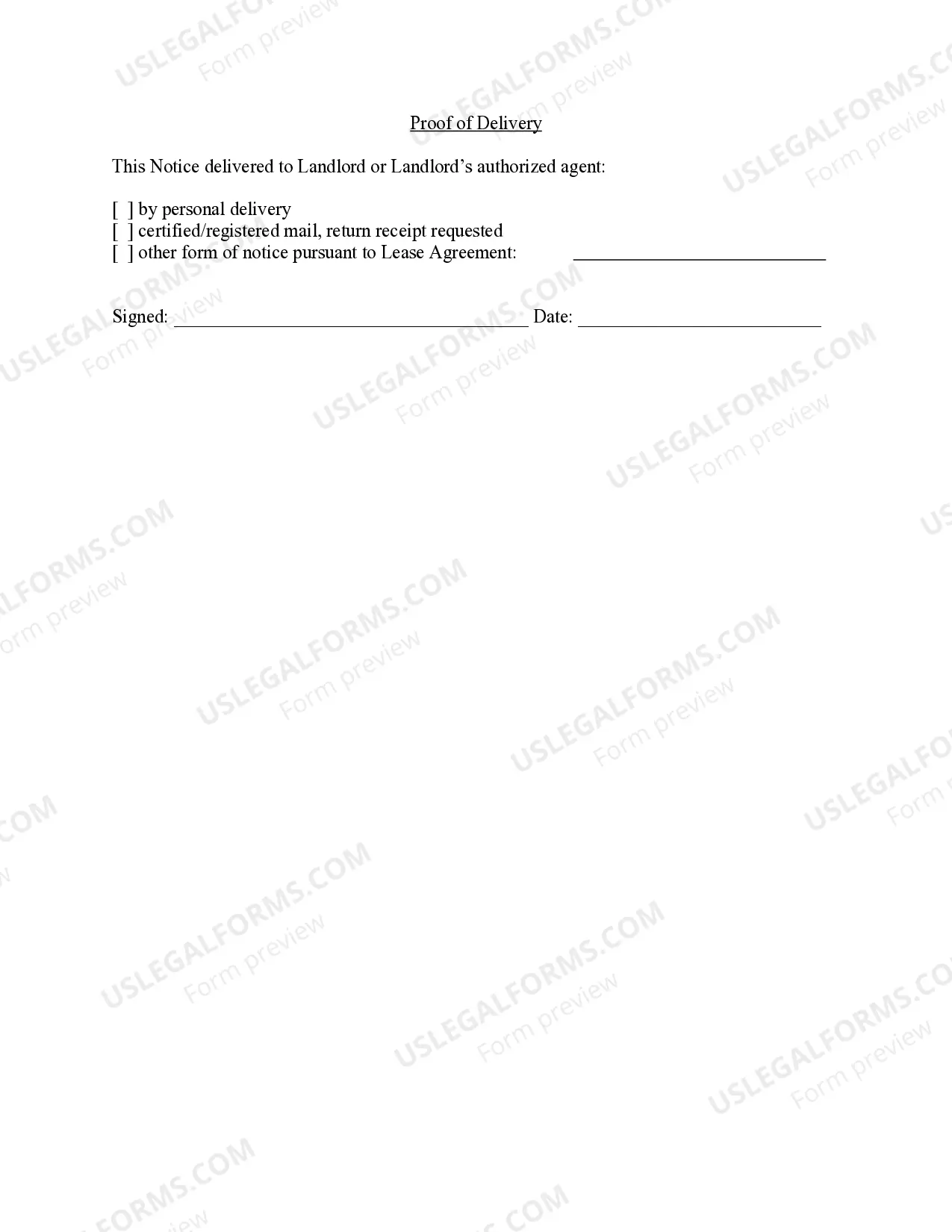
- Proof of delivery options: Instructions for delivering the notice to the landlord or their agent.

Common use cases
This letter should be used when a tenant believes that a landlord or their agents have entered their property without proper notice. It is appropriate in scenarios where the tenant wants to assert their right to privacy and establish clear communication protocols moving forward. This form helps prevent future unauthorized entries and reinforces the tenant's legal protections.
Who can use this document
- Tenants who have experienced unauthorized entry by their landlord.
- Individuals renting residential properties who seek to clarify privacy rights.
- People who want to formally communicate with their landlord about access issues.
How to complete this form
- Identify the parties: Enter your name as the tenant and your landlord's name.
- Specify the property: Clearly indicate the address of the rented dwelling.
- Enter the date: Write the date you are sending the letter.
- Provide your signature: Sign the letter to validate your request.
- Choose delivery method: Select between personal delivery or certified mail for proof of delivery.
Is notarization required?
In most cases, this form does not require notarization. However, some jurisdictions or signing circumstances might. US Legal Forms offers online notarization powered by Notarize, accessible 24/7 for a quick, remote process.
Get your form ready online
Our built-in tools help you complete, sign, share, and store your documents in one place.
Make edits, fill in missing information, and update formatting in US Legal Forms—just like you would in MS Word.
Download a copy, print it, send it by email, or mail it via USPS—whatever works best for your next step.
Sign and collect signatures with our SignNow integration. Send to multiple recipients, set reminders, and more. Go Premium to unlock E-Sign.
If this form requires notarization, complete it online through a secure video call—no need to meet a notary in person or wait for an appointment.
We protect your documents and personal data by following strict security and privacy standards.

Make edits, fill in missing information, and update formatting in US Legal Forms—just like you would in MS Word.

Download a copy, print it, send it by email, or mail it via USPS—whatever works best for your next step.

Sign and collect signatures with our SignNow integration. Send to multiple recipients, set reminders, and more. Go Premium to unlock E-Sign.

If this form requires notarization, complete it online through a secure video call—no need to meet a notary in person or wait for an appointment.

We protect your documents and personal data by following strict security and privacy standards.
Mistakes to watch out for
- Failing to specify the property address clearly.
- Not including a date on the letter.
- Omitting the signature, which is essential for it to be considered valid.
- Choosing an improper delivery method for documentation purposes.
Why use this form online
- Convenient access to the form from anywhere at any time.
- Easy to edit and customize to suit specific needs.
- Reliable templates drafted by licensed attorneys, ensuring legal compliance.
Legal use & context
- This form serves to protect tenant rights regarding privacy and property access.
- It can be used as evidence in disputes over illegal entries.
- Failure to use this form may weaken a tenant's position in potential legal proceedings.
Key takeaways
- The form helps tenants formally request notice of landlord entries.
- It reinforces a tenant's legal rights concerning privacy.
- Proper completion and delivery are crucial for legal standing.
Looking for another form?
Form popularity
FAQ
The rental property address, including unit number (if applicable) The names of all tenants on the lease agreement. The date the lease violation notice was written. The specific reason for the notice. The time and date the violation occurred (if applicable)
In general a landlord does not have the right to enter the residential rental premises without consent of the tenant or a judgment from the Superior Court of New Jersey. Even if given legal authority to enter the rental premises, the landlord may only enter in a peaceable manner.
Sue the landlord and whoever for up to $10,000 in small claims court for trespassing, breach of contract, invasion of privacy, and breach of quiet enjoyment; if you are two or more tenants, each can separately sue them for up to $10,000, and a joint action is not required.
Apply to the Tribunal for orders: to stop the landlord/agent entering the premises. (Apply within 3 months after you become aware of the landlord's/agent's breach.) report trespass to the police. complain to NSW Fair Trading.
ENTRY WITHOUT NOTICE The landlord may enter the residential premises without permission and without giving the tenant any notice for two reasons: If the landlord believes there is an emergency; 2022 If the landlord believes the tenant has abandoned the residential premises.
The big take-away is that in most circumstances a landlord cannot enter a property without agreement from the tenant. And If the landlord ignores the law and enters the property without permission, the tenant may be able to claim damages or gain an injunction to prevent the landlord doing it again.
In all states, a landlord can enter the property in an emergency without notice or permission.Even if your landlord gives you notice, he or she must have a good reason to enter the property. In most cases, your landlord can enter your home: In an emergency.