Nebraska Employment Employee Personnel File Package
About this form package
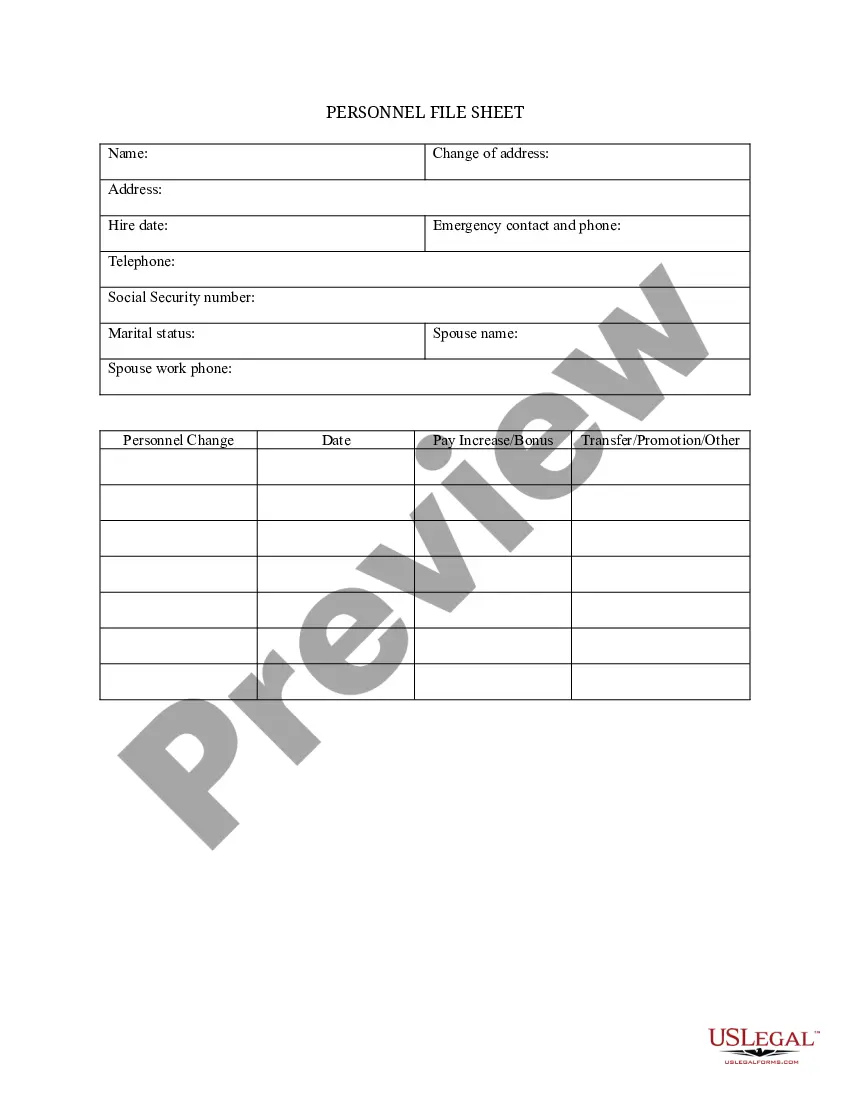
The Nebraska Employment Employee Personnel File Package is designed to provide employers with essential forms for maintaining accurate personnel records. This package differs from similar offerings as it includes state-specific forms and templates that help ensure compliance with federal regulations and protect businesses from costly mistakes. By utilizing this package, employers can effectively manage their employee documentation and streamline their human resource processes.
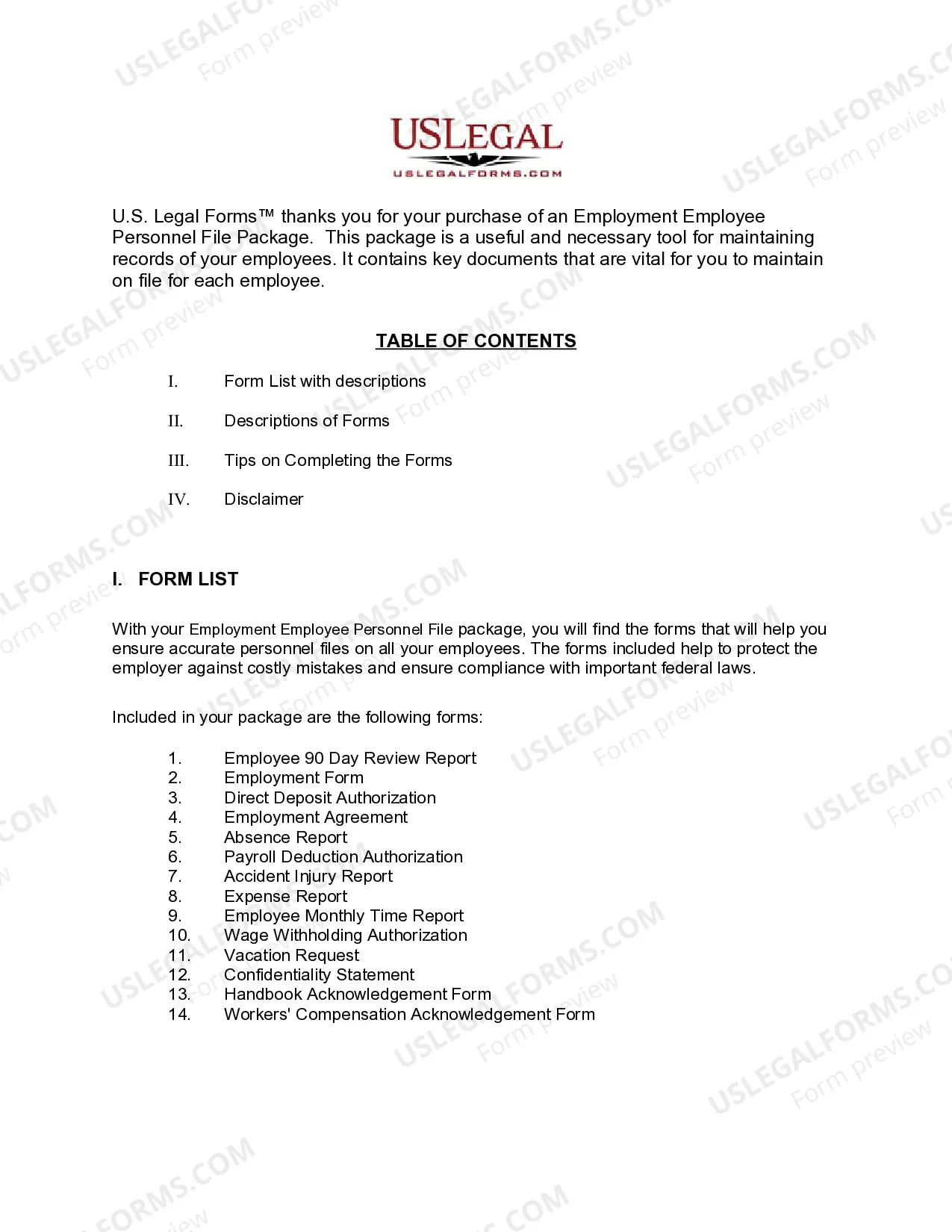
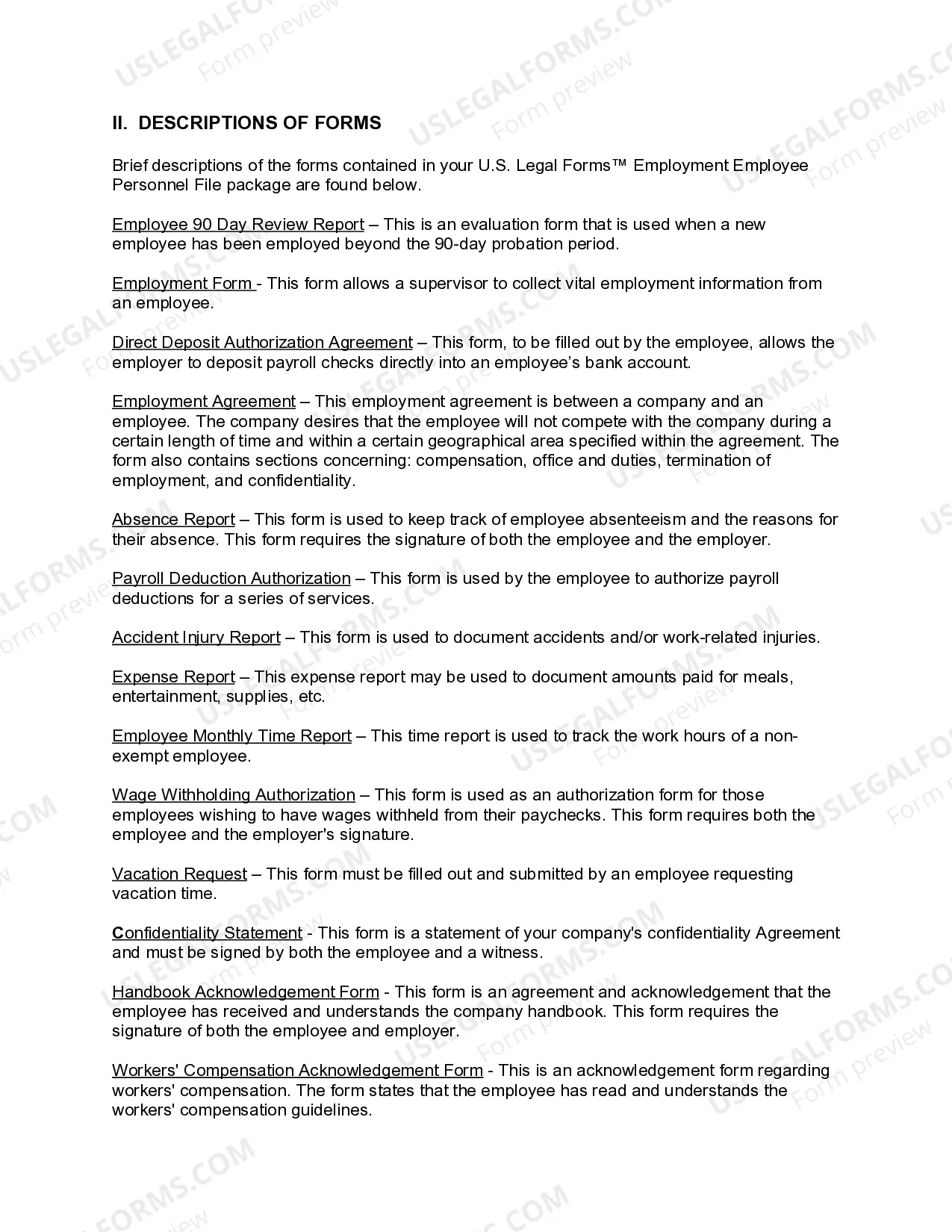
Forms included in this package
- Employment Agreement between a company and an employee
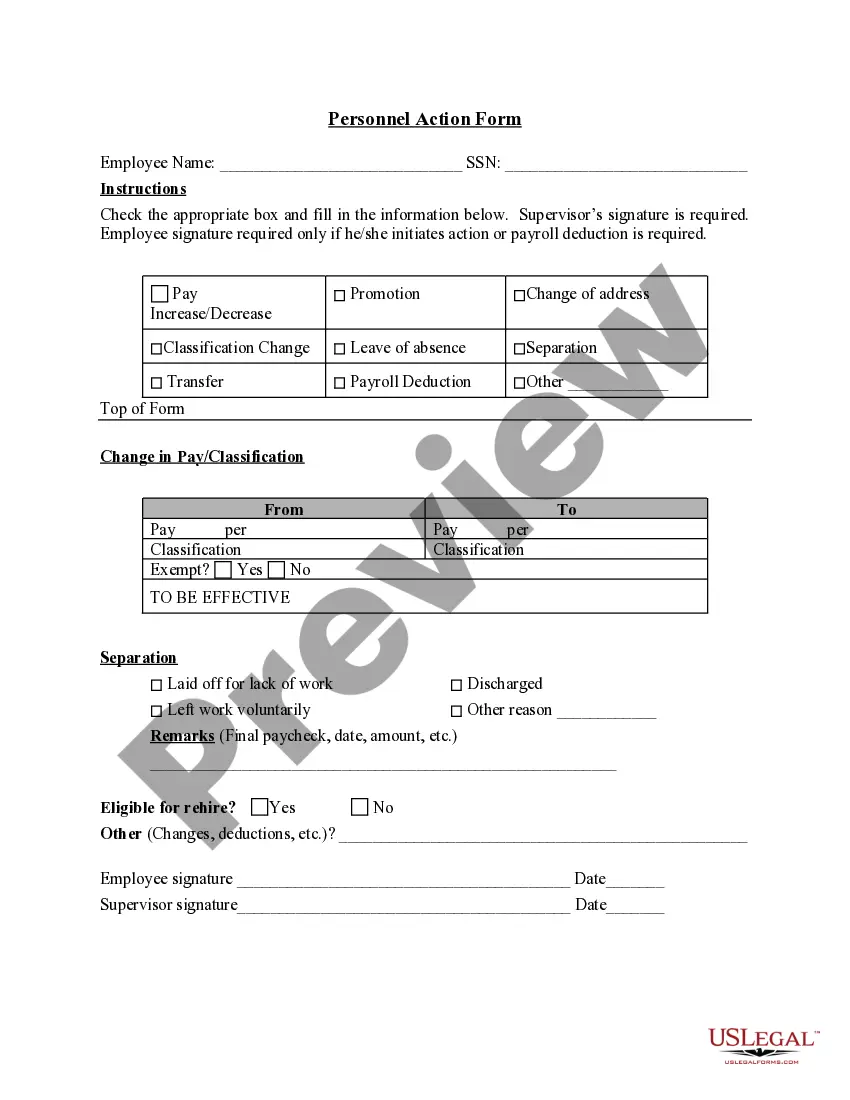
- Absence Report
- Payroll Deduction Authorization Form
- Accident - Injury Report
- Direct Deposit Authorization
- Nonexempt Employee Time Report
- Employee 90 day Review Report
- Wage Withholding Authorization
- Confidentiality Statement and Agreement for an Employee
- Employee Agreement and Handbook Acknowledgment Form
- Workers' Compensation Acknowledgment Form
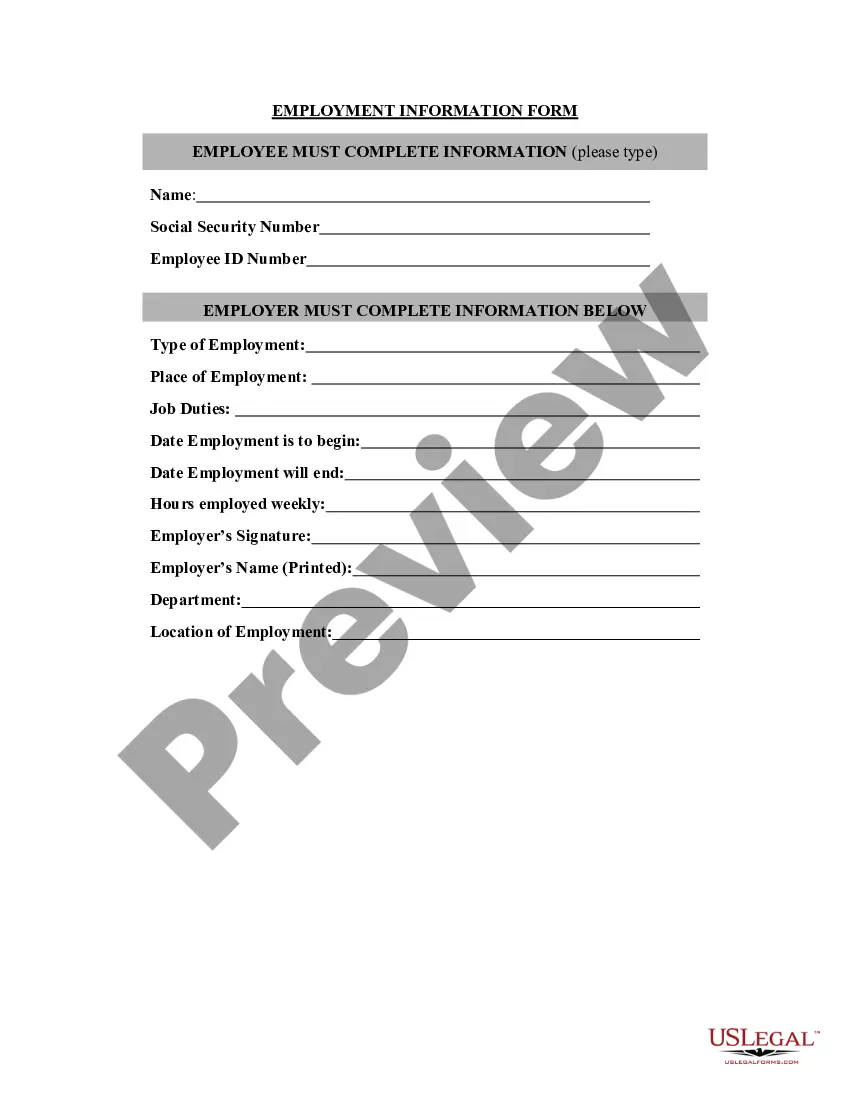
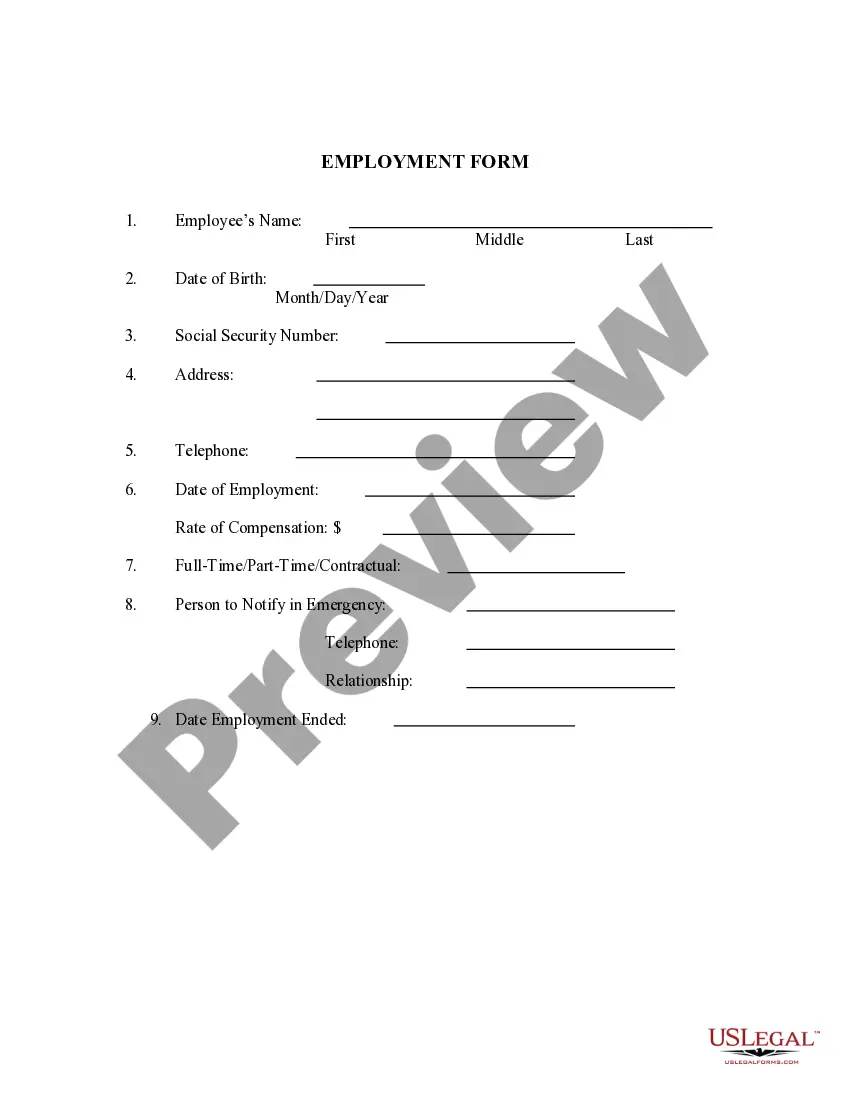
- Employment Form
- Vacation Request Form
When to use this form package
This form package is ideal for use when:
- Onboarding new employees and collecting necessary employment information.
- Conducting performance reviews, such as the 90-day review.
- Tracking employee attendance and managing absences.
- Processing payroll and managing employee compensation details.
- Documenting accidents or injuries that occur in the workplace.
- Managing employee requests for vacation and other absences.
Who this form package is for
- Small business owners looking to establish formal employee documentation practices.
- Human resource professionals tasked with maintaining personnel files.
- Employers seeking to ensure compliance with federal labor laws.
- Managers responsible for employee performance reviews and evaluations.
Instructions for completing these forms
- Review the included forms to become familiar with their purposes and requirements.
- Gather necessary information from employees for forms such as the Employment Form and Direct Deposit Authorization.
- Ensure all forms are properly filled out, signed, and dated by both the employee and employer.
- Keep completed forms organized in personnel files for easy access and compliance verification.
- Regularly update records as needed, particularly for employee reviews and absences.
Do documents in this package require notarization?
Forms in this package typically do not require notarization. However, certain states or document types may still need it. US Legal Forms provides online notarization powered by Notarize, available 24/7 for your convenience.
Get your form ready online
Our built-in tools help you complete, sign, share, and store your documents in one place.
Make edits, fill in missing information, and update formatting in US Legal Forms—just like you would in MS Word.
Download a copy, print it, send it by email, or mail it via USPS—whatever works best for your next step.
Sign and collect signatures with our SignNow integration. Send to multiple recipients, set reminders, and more. Go Premium to unlock E-Sign.
If this form requires notarization, complete it online through a secure video call—no need to meet a notary in person or wait for an appointment.
We protect your documents and personal data by following strict security and privacy standards.

Make edits, fill in missing information, and update formatting in US Legal Forms—just like you would in MS Word.

Download a copy, print it, send it by email, or mail it via USPS—whatever works best for your next step.

Sign and collect signatures with our SignNow integration. Send to multiple recipients, set reminders, and more. Go Premium to unlock E-Sign.

If this form requires notarization, complete it online through a secure video call—no need to meet a notary in person or wait for an appointment.

We protect your documents and personal data by following strict security and privacy standards.
Common mistakes to avoid
- Failing to collect all necessary signatures on forms.
- Not keeping copies of completed forms in employee files.
- Neglecting to update forms periodically, especially after significant employee changes.
- Using outdated forms that do not reflect current legal requirements.
Advantages of online completion
- Convenience of downloading and accessing forms at any time.
- Editability of forms allows customization for specific employee needs.
- Reliable and compliant documents prepared by licensed attorneys.
- Streamlined organization of personnel documents for easy management.
Legal use & context
- Each form has been designed to meet legal standards and facilitate lawful employment practices.
- Accurate completion of these forms protects both employers and employees under applicable labor laws.
- Failure to use proper documentation can lead to legal issues and financial penalties.
What to keep in mind
- The Nebraska Employment Employee Personnel File Package helps employers maintain compliance and organization.
- The forms included cover various aspects of employee management from hiring to payroll and performance reviews.
- Proper completion and storage of these forms are essential for legal protection and efficient HR practices.
Looking for another form?



Form popularity
FAQ
Staff records you should keep training and development. appraisals. employment history - date employment began, promotions, job title(s) absence - records of lateness, sickness, and any other authorised or unauthorised absences.
Pre-employment records (with the exception of the application and resume) Monthly attendance transaction documents. Whistleblower complaints, notes generated from informal discrimination complaint investigations, Ombuds, or Campus Climate.
Take an inventory. First, you will need to take an inventory of what you already have for each employee. Figure out what you are missing and from whom. Hold a meeting. Give each employee a personal list of documents you need from them. Follow up and secure files within one week.
Employers should keep all job-related documentation such as hiring records, performance reviews, disciplinary actions and job descriptions in an employee's general personnel file. Consider whether the document would be relevant to a supervisor who may review this file when making employment decisions.
Current and former employees have a right to their personnel records under Labor Code section 1198.5. Under California Labor Code section 1198.5(a) provides that every current and former employee, or their representative, has the right to inspect and receive a copy of their personnel records.
As an employee, do I have a right to see my personnel files? The short answer is 'yes'. You have a right to make a SAR to your employer, asking to see your personnel files, at any time. Your employer has the right to ask why you want to see your files, but must then provide all your records to you.
Employees personal file is a file which contain documents throughout from Joining till Exit and have lifecycle documents right from his Resume, Employment documents, Transfer Letter, Appraisal/Increment Letter, Promotion Letter, other documentation related to employment along with Employees Personal Identity Proof,
Use a chronological organization system. To organize your personnel files chronologically, you'll create a separate file for each employee. Within that employee file, you will include all of the pertinent documents in chronological order.
The personnel file is the employees and the employers complete record of their relationship together. It contains a history from job application right the way through to the exit interview, termination of employment or even retirement. Needless to say, the personnel file is highly confidential.