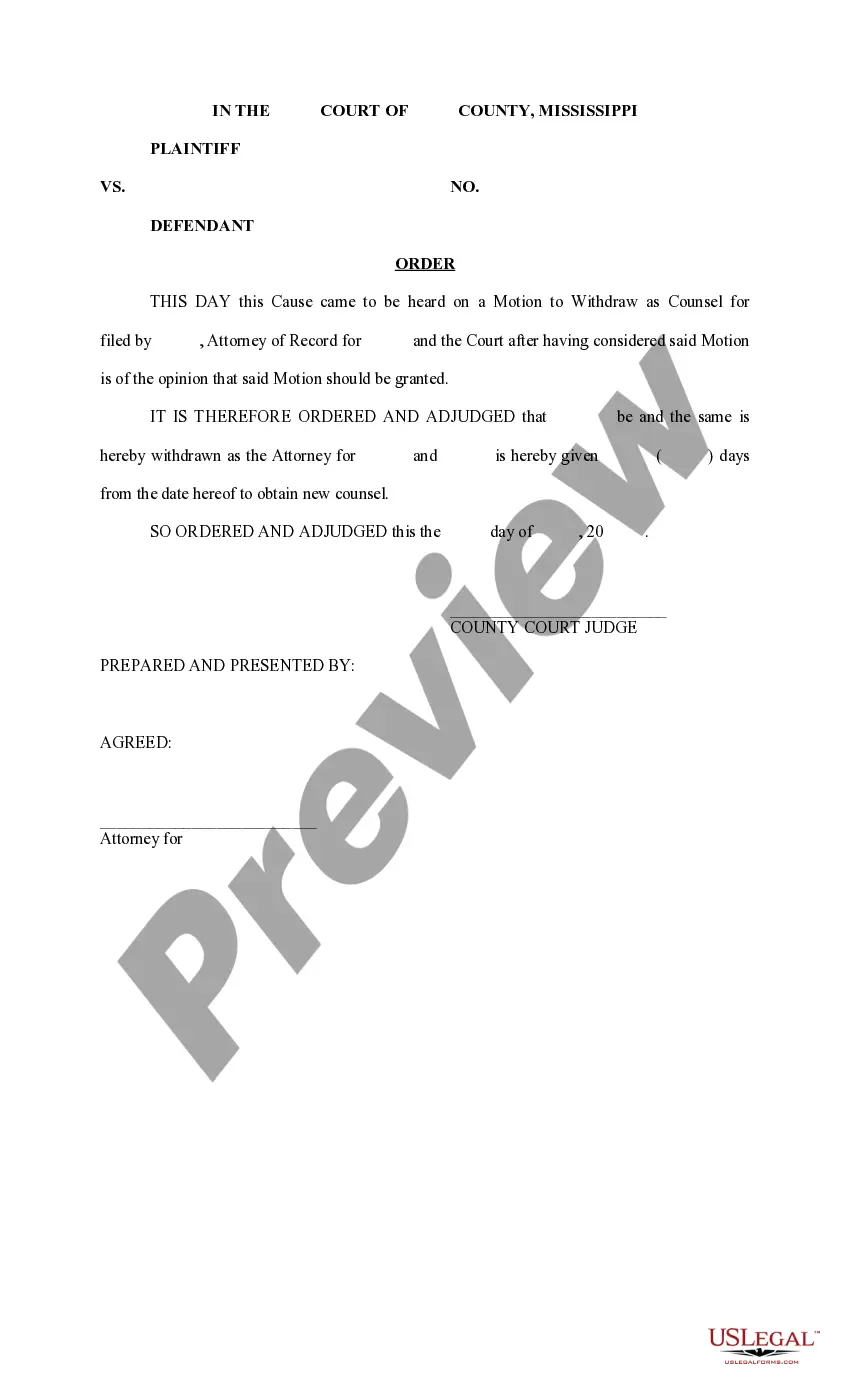
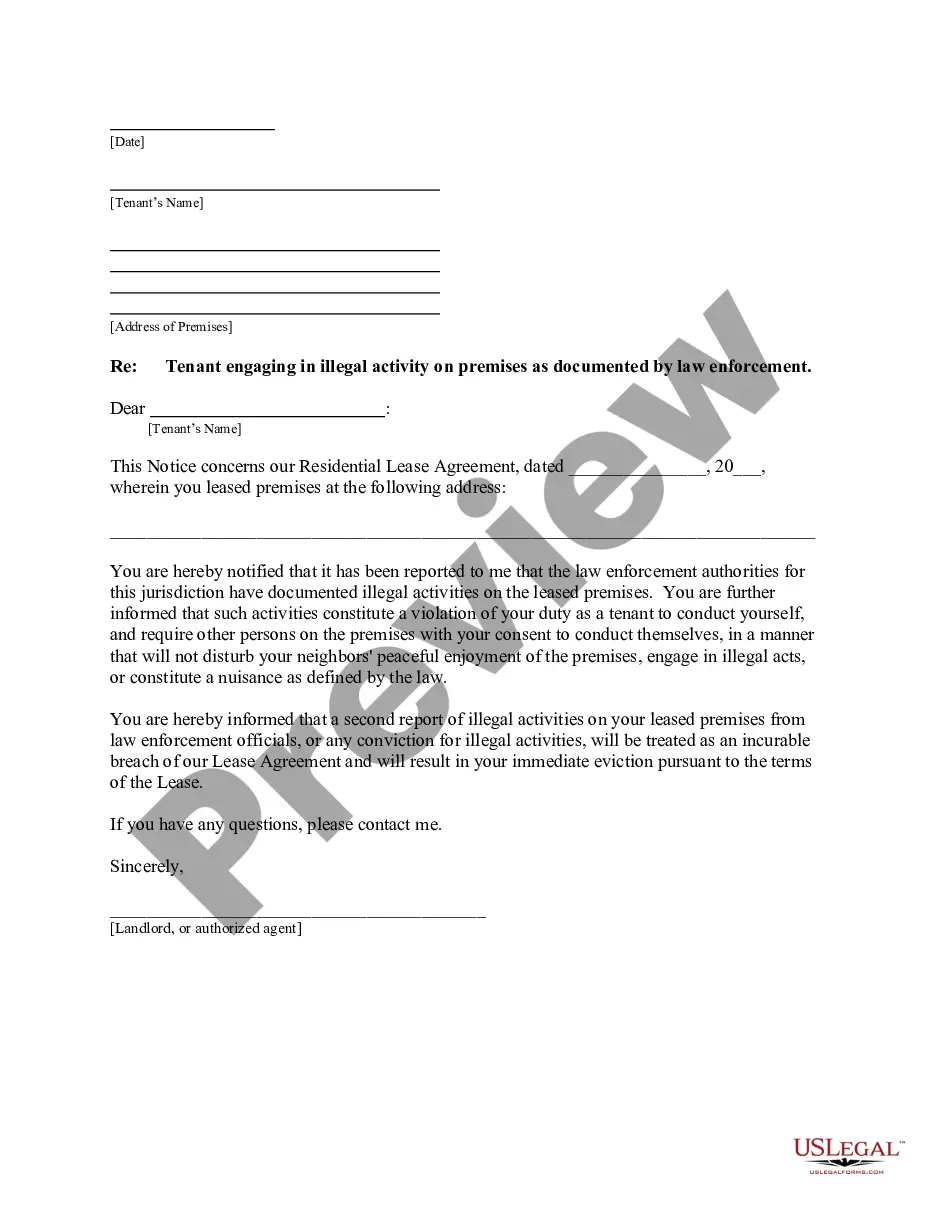
North Dakota Letter from Landlord to Tenant about Tenant engaging in illegal activity in premises as documented by law enforcement and if repeated, lease terminates
About this form
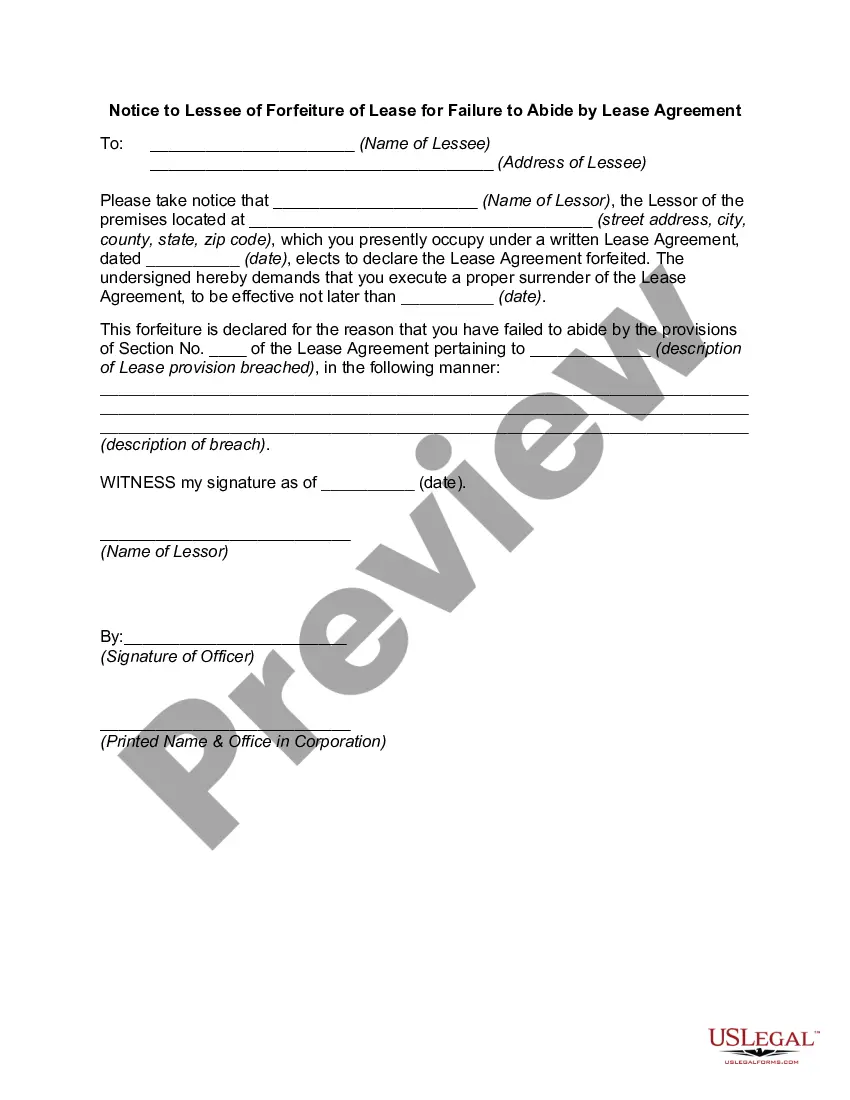
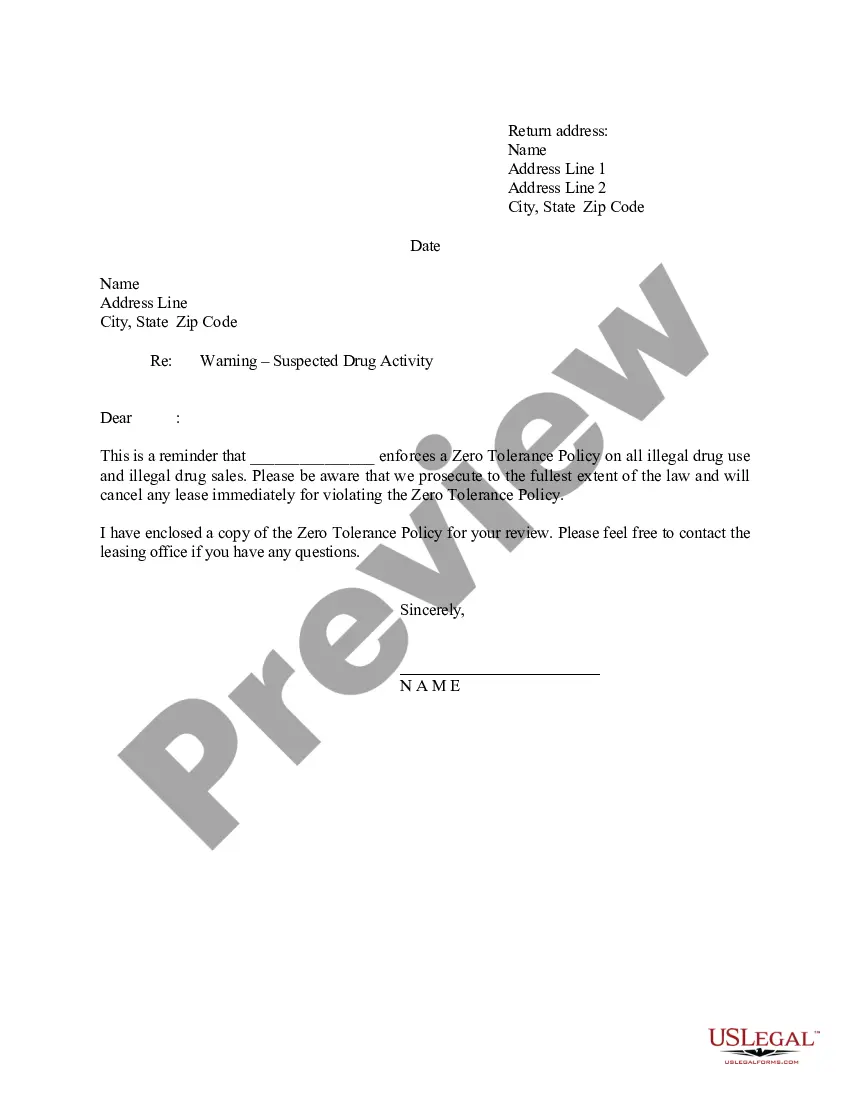
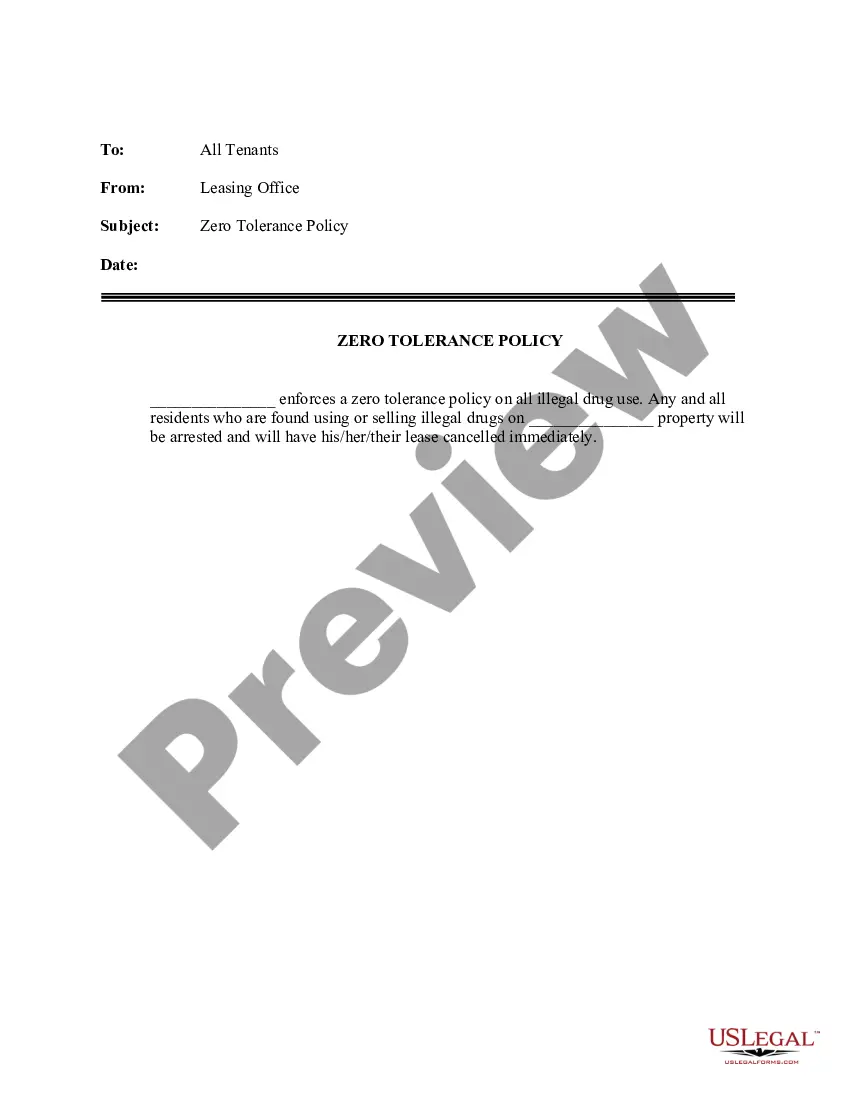
This form is a letter from a landlord to a tenant addressing reports of illegal activity occurring in the leased premises, as documented by law enforcement. It serves to formally notify the tenant that such activities violate the lease agreement and may lead to eviction if repeated. This letter is essential for establishing a clear record of communication and compliance with legal obligations, differentiating it from other landlord-tenant notices by its specific focus on illegal activities and their implications on the lease.
What’s included in this form
- Notification of illegal activity reported by law enforcement.
- Explanation of the tenant's obligation to maintain peace and avoid illegal acts.
- Warning about potential eviction after a second report or conviction.
- Landlord's contact information for further questions.

When to use this document
This form should be used when a landlord becomes aware of illegal activities occurring on the rented property, as confirmed by law enforcement. Scenarios for its use include situations where neighbors have reported disturbances, or law enforcement has provided documentation of criminal behavior involving the tenant. Using this formal letter ensures the tenant is properly notified of the consequences of their actions and the necessary steps to avoid eviction.
Who should use this form
This letter should be used by:
- Landlords who have confirmed reports of illegal activity in their rental properties.
- Property managers acting on behalf of landlords to enforce lease agreements.
- Tenants who wish to understand their rights and responsibilities regarding illegal activities occurring in their leased units.
How to complete this form
- Identify the landlord's name and contact details at the top of the letter.
- Clearly state the tenant's name and the address of the leased premises.
- Specify the nature of the illegal activities as reported by law enforcement.
- Include a statement outlining the consequences of repeated violations, including potential eviction.
- Sign and date the letter before sending it to the tenant.
Does this form need to be notarized?
This form usually doesn’t need to be notarized. However, local laws or specific transactions may require it. Our online notarization service, powered by Notarize, lets you complete it remotely through a secure video session, available 24/7.
Get your form ready online
Our built-in tools help you complete, sign, share, and store your documents in one place.
Make edits, fill in missing information, and update formatting in US Legal Forms—just like you would in MS Word.
Download a copy, print it, send it by email, or mail it via USPS—whatever works best for your next step.
Sign and collect signatures with our SignNow integration. Send to multiple recipients, set reminders, and more. Go Premium to unlock E-Sign.
If this form requires notarization, complete it online through a secure video call—no need to meet a notary in person or wait for an appointment.
We protect your documents and personal data by following strict security and privacy standards.

Make edits, fill in missing information, and update formatting in US Legal Forms—just like you would in MS Word.

Download a copy, print it, send it by email, or mail it via USPS—whatever works best for your next step.

Sign and collect signatures with our SignNow integration. Send to multiple recipients, set reminders, and more. Go Premium to unlock E-Sign.

If this form requires notarization, complete it online through a secure video call—no need to meet a notary in person or wait for an appointment.

We protect your documents and personal data by following strict security and privacy standards.
Mistakes to watch out for
- Failing to accurately document the reported illegal activities.
- Not providing clear consequences for continued violations.
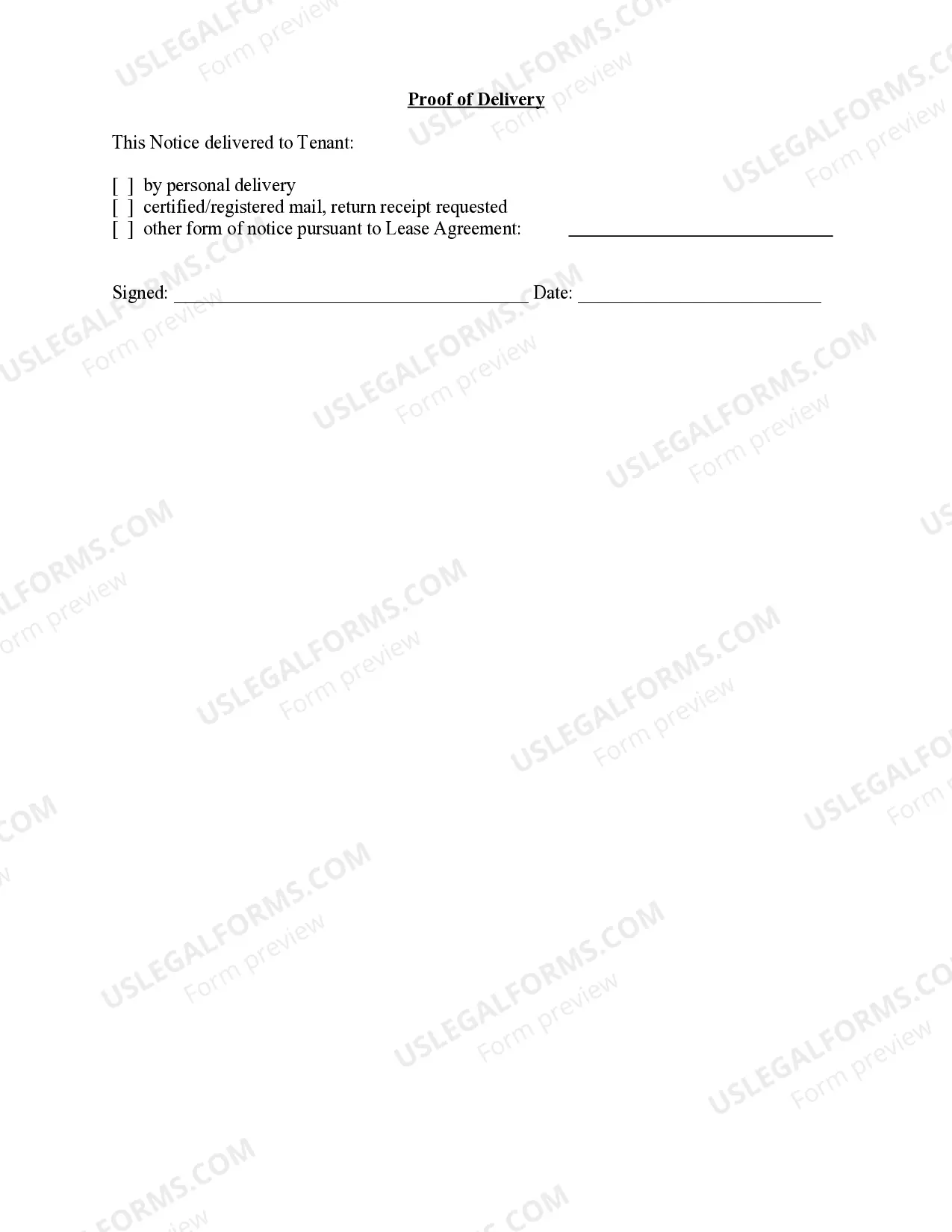
- Neglecting to send the letter via a verifiable method (e.g., certified mail).
- Using overly technical language that the tenant may not understand.
Benefits of completing this form online
- Convenient online access allows for quick drafting and customization.
- Editable templates ensure that specific details can be easily adjusted.
- Reliable legal language reduces the risk of miscommunication with tenants.
- Instant download options enable immediate use of the form.
Looking for another form?

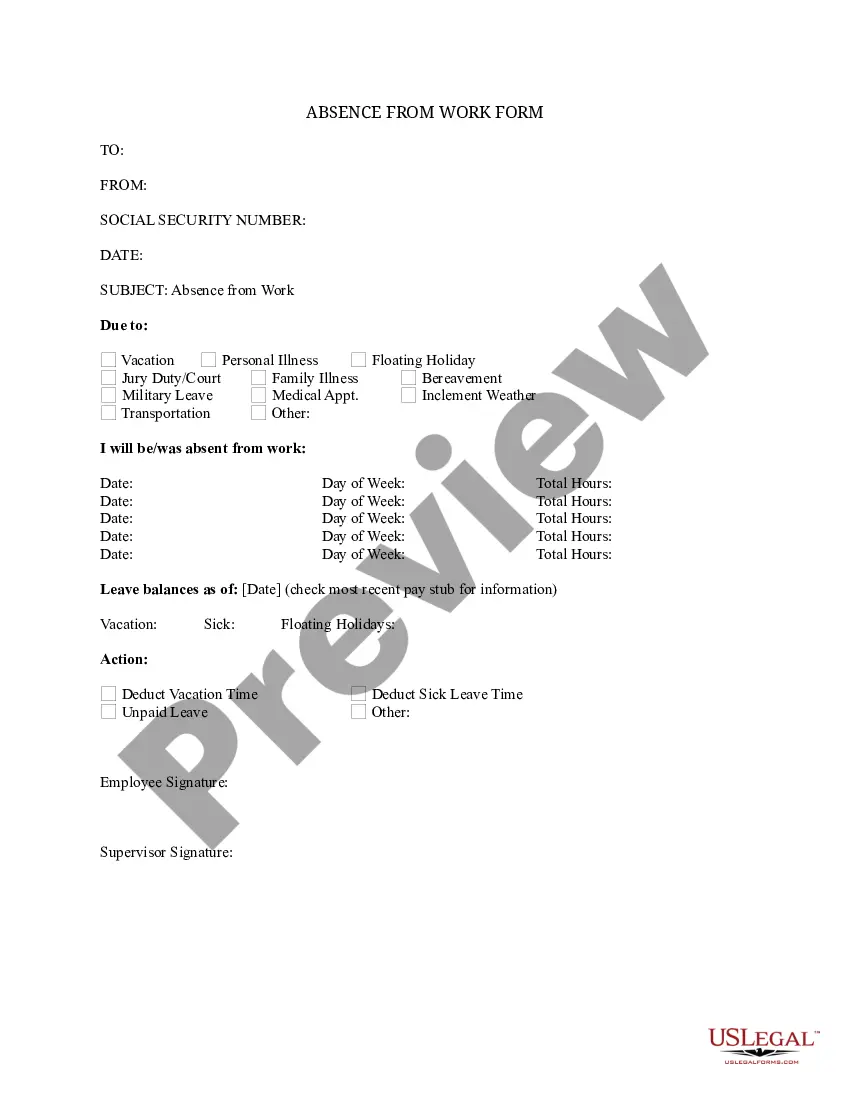

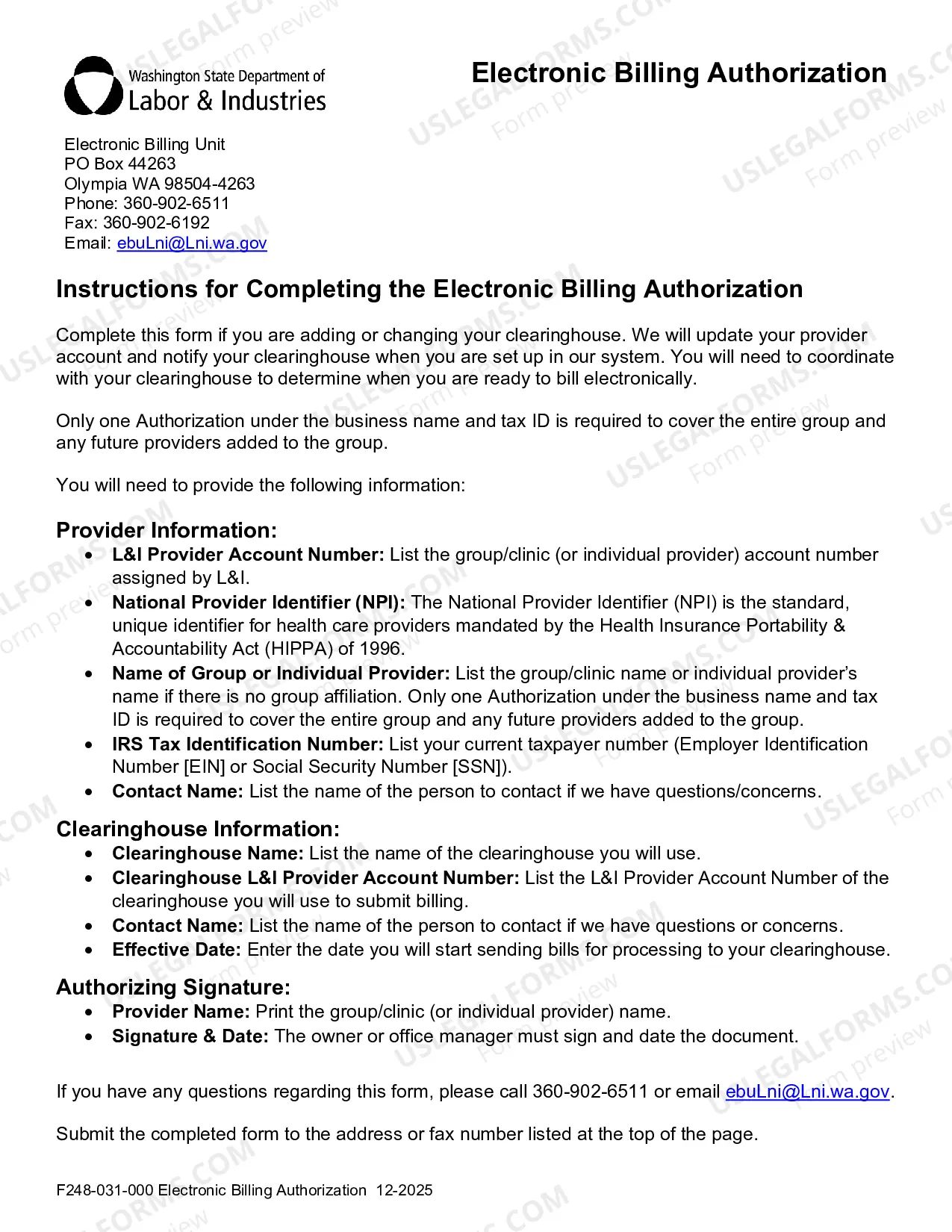
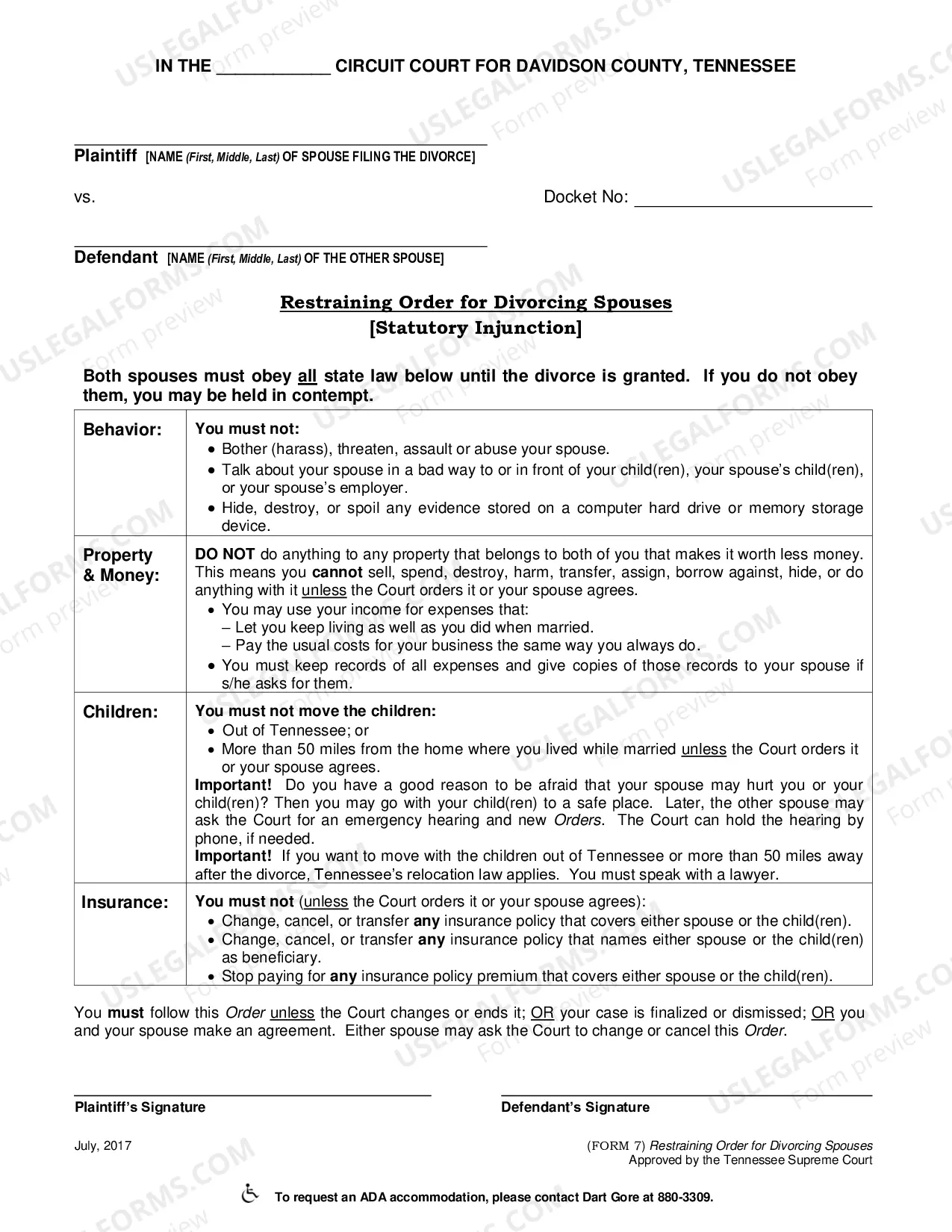
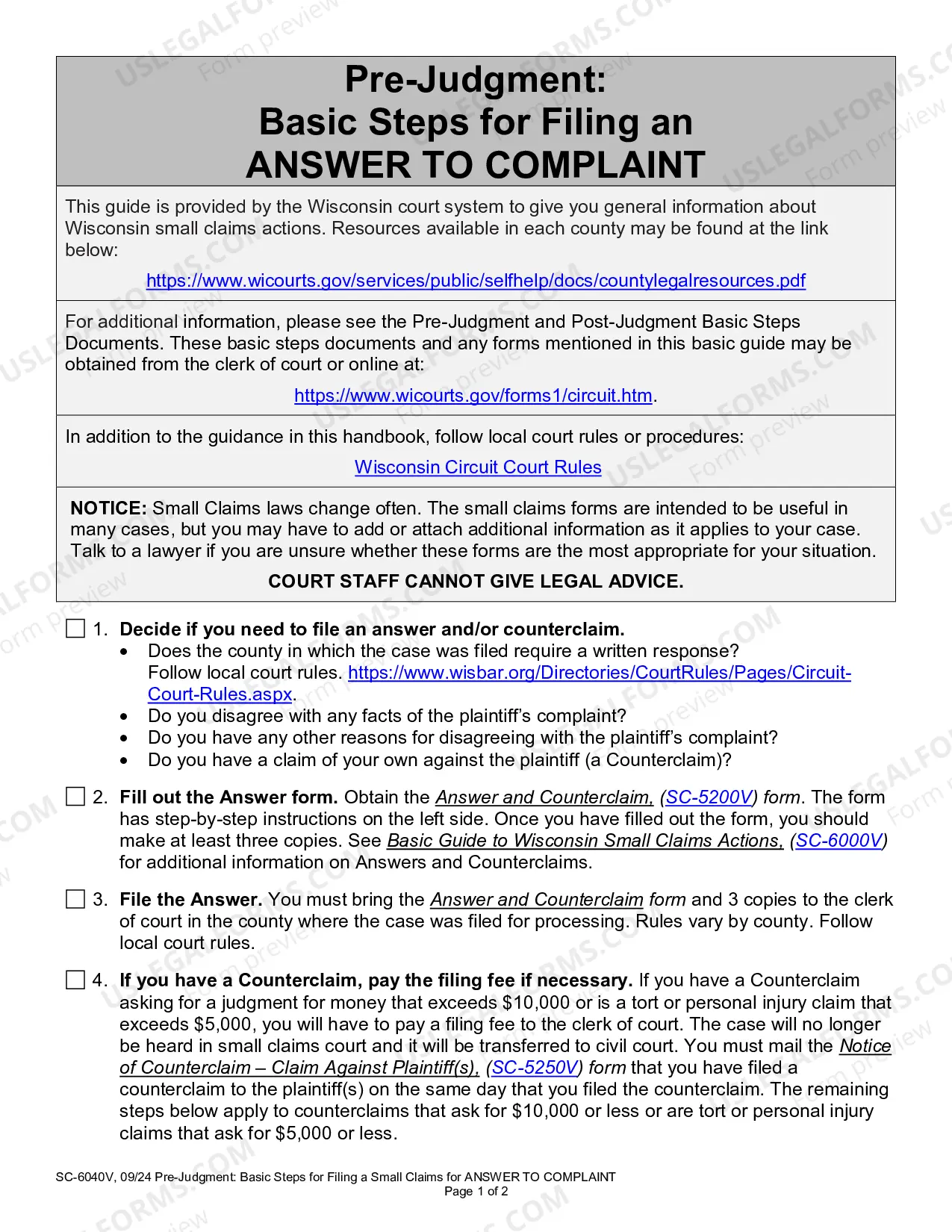
Form popularity
FAQ
Capital: Bismarck. Population: 755,000. Nickname: The Peace Garden State. Key Cities: Fargo, Bismarck, Grand Forks, Minot. Postal Abbreviation: ND. Major Industries: Agriculture, manufacturing, oil, tourism, coal gasification, renewable energy. Related: North Dakota State History. Size: 71,432 sq. miles.
North Dakota consistently ranks among the top states for livability and happiness and the statistics certainly don't lie. If you are looking for a more quiet life or a place to set some roots, the Peace Garden State might be perfect for you.
The World's Largest Buffalo monument is located at Frontier Village in Jamestown. The structure is 26 feet high, 46 feet long, and weighs 60 ton. North Dakota grows more sunflowers than any other state. Chartered in 1884 Jamestown College is the oldest independent college in the state.
Known as the birthplace of Blues music and the namesake of the Mississippi River, Mississippi has been ranked as the poorest state in America. With a total poverty rate of 19.6%, Mississippi's rate is far above the national average rate of 10.5%.
North Dakota amazes with these agriculture, geography and attraction fun facts. North Dakota leads the nation in production of spring wheat, durum wheat, dry edible peas, dry edible beans, honey, flaxseed and canola. North Dakota is the No. 1 producer of honey in the nation.
North Dakota's poverty rate was estimated to be 11.6 percent of the population according to 2013 U.S. Census Bureau's Small Area Income and Poverty Estimates (SAIPE) data. Nationally, that average was at 15.8 percent. Only eight states had a rate lower than North Dakota's.
The oil-rich Bakken shale formation has made North Dakota the second-largest crude-producing state behind only Texas. The U.S. hit a milestone this year, producing more crude oil than any other country, and North Dakota is a big reason for that.
North Dakota is the forty-second richest state in the United States of America, with a per capita income of $17,769 (2000).
North Dakota Motor vehicle sales are prohibited on Sundays.The law changed once more in 1991 to allow businesses to open at noon on Sunday. On March 19, 2019 the state Legislature passed a law abolishing the blue law in the state.