North Carolina Apartment Rules and Regulations
Understanding this form
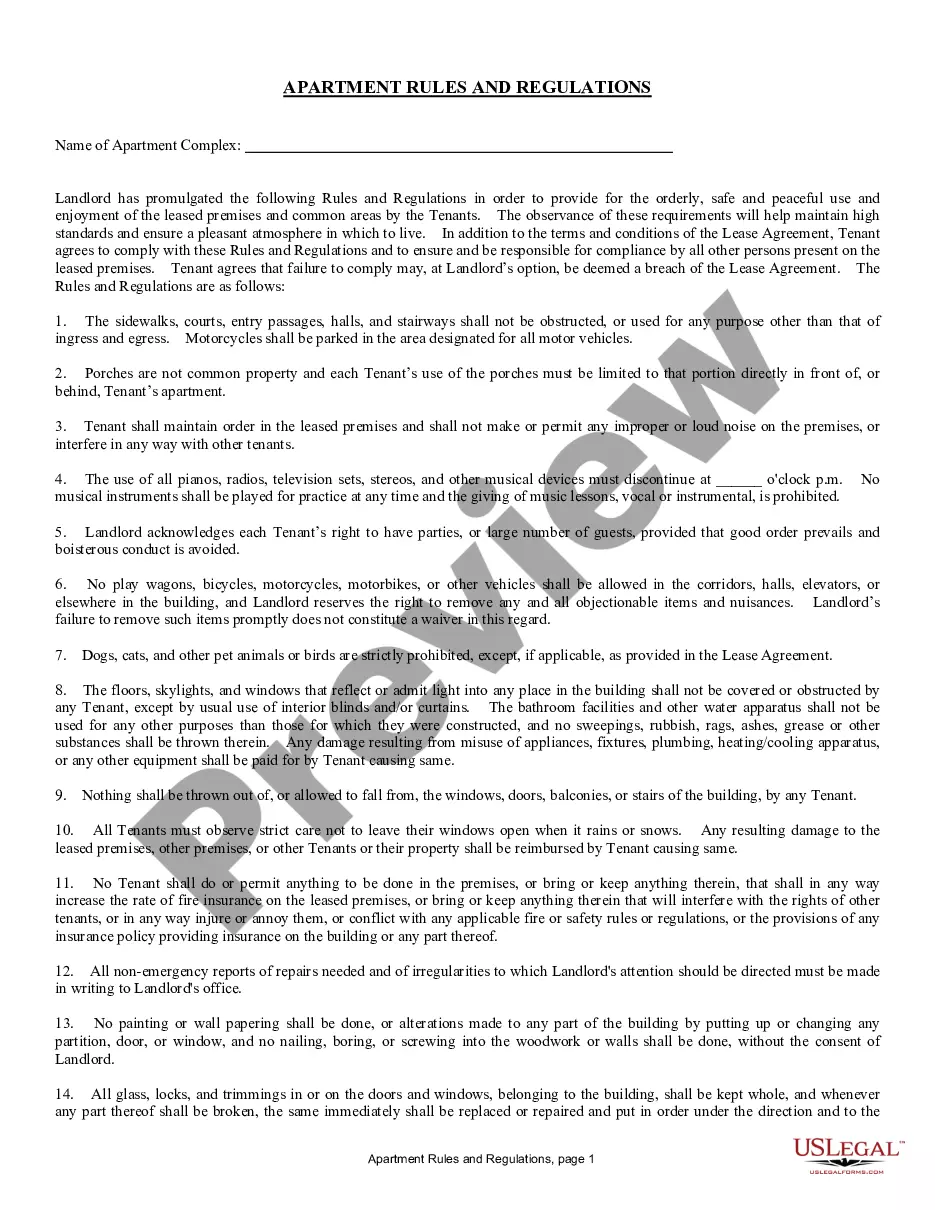
The Apartment Rules and Regulations form outlines the essential guidelines and rules that tenants must agree to follow in an apartment setting. This form is designed to supplement an Apartment Lease Agreement and ensures a harmonious and orderly living environment by detailing behaviors and responsibilities concerning shared areas and interactions among tenants.
Form components explained
- Identification of the apartment complex and landlord
- Rules regarding noise levels and disturbances
- Guidelines for use and maintenance of common areas
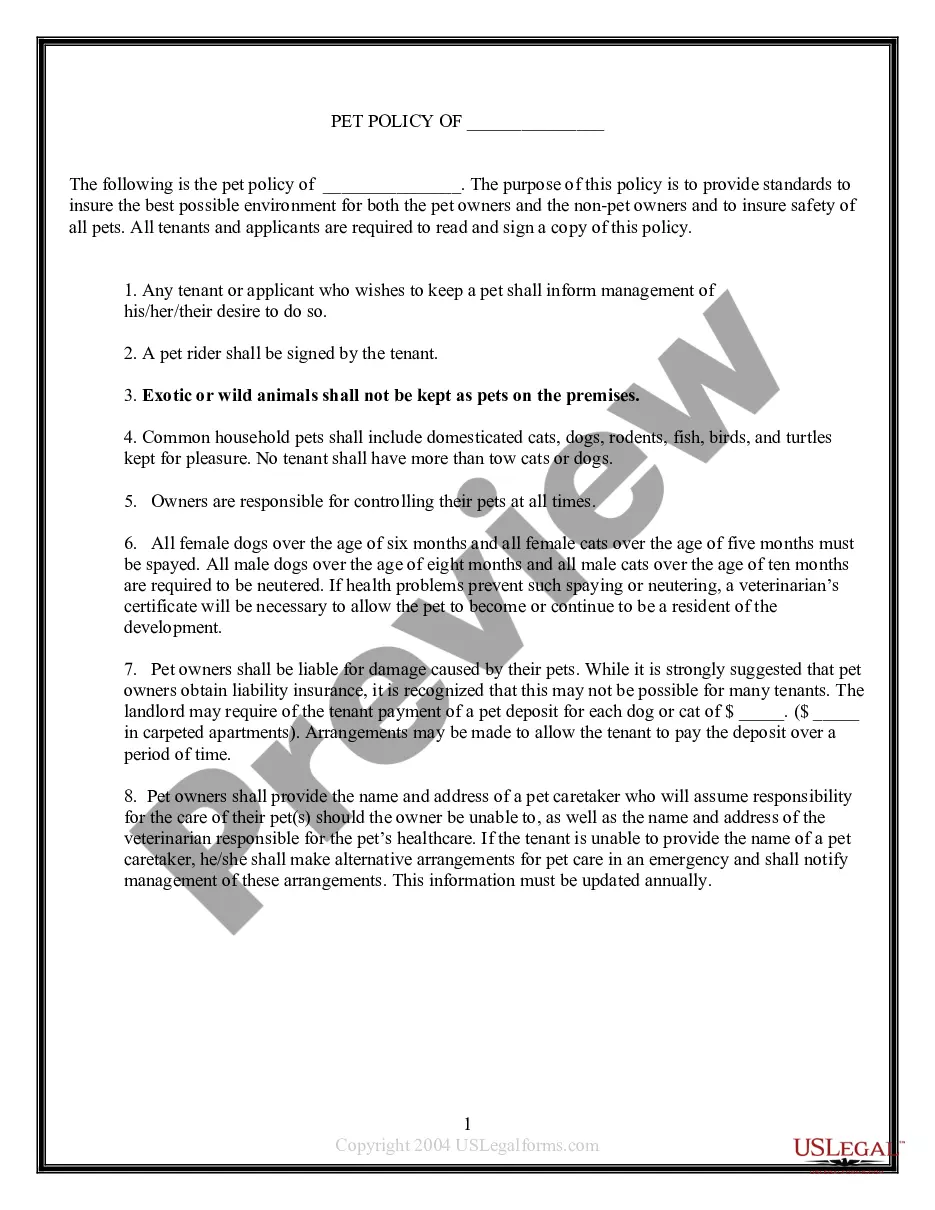
- Prohibitions on pets and flammable materials
- Procedures for reporting repairs and making alterations
- Consequences for non-compliance with the rules

When this form is needed
This form should be used when entering into a lease agreement for an apartment. It is necessary when landlords want to establish clear expectations and rules for tenants, covering aspects that may not be included in the primary lease document. This helps prevent disputes and fosters a respectful living environment among all residents.
Who this form is for
- Landlords who manage rental properties
- Tenants who are signing a lease for an apartment
- Property management companies overseeing rental agreements
Completing this form step by step
- Enter the name of the apartment complex at the top of the form.
- Review and understand each rule and regulation listed.
- Fill in the time by which noise must cease.
- Specify the deposit amount for keys, if applicable.
- Have all tenants sign and date the document to acknowledge their agreement.
Is notarization required?
Notarization is not commonly needed for this form. However, certain documents or local rules may make it necessary. Our notarization service, powered by Notarize, allows you to finalize it securely online anytime, day or night.
Get your form ready online
Our built-in tools help you complete, sign, share, and store your documents in one place.
Make edits, fill in missing information, and update formatting in US Legal Forms—just like you would in MS Word.
Download a copy, print it, send it by email, or mail it via USPS—whatever works best for your next step.
Sign and collect signatures with our SignNow integration. Send to multiple recipients, set reminders, and more. Go Premium to unlock E-Sign.
If this form requires notarization, complete it online through a secure video call—no need to meet a notary in person or wait for an appointment.
We protect your documents and personal data by following strict security and privacy standards.

Make edits, fill in missing information, and update formatting in US Legal Forms—just like you would in MS Word.

Download a copy, print it, send it by email, or mail it via USPS—whatever works best for your next step.

Sign and collect signatures with our SignNow integration. Send to multiple recipients, set reminders, and more. Go Premium to unlock E-Sign.

If this form requires notarization, complete it online through a secure video call—no need to meet a notary in person or wait for an appointment.

We protect your documents and personal data by following strict security and privacy standards.
Common mistakes to avoid
- Not having all tenants sign the document.
- Failing to explain the rules clearly to new tenants.
- Leaving out relevant local regulations that may impact the rules.
Benefits of completing this form online
- Instant accessibility to download and print.
- Editable format allowing customization for specific needs.
- Guidance from licensed attorneys ensures compliance with legal standards.
Legal use & context
- This form reinforces regulations agreed upon in the lease agreement, making it enforceable in court.
- Clear rules help mitigate conflicts between tenants and management, fostering a better living environment.
Looking for another form?

Form popularity
FAQ
If you're seeking damages for emotional distress caused by a landlord's discrimination, or punitive damages for especially blatant and intentional discrimination, a lawsuit may well be your best bet. Understand what's involved in suing your landlord. You may file a lawsuit in either federal or state court.
Tenant Rights to Withhold Rent in North Carolina Tenants may withhold rent or exercise the right to repair and deduct if a landlord fails to take care of important repairs, such as a broken heater.
North Carolina law says that your landlord must keep your housing fit and safe. It also says that you, the tenant, must pay your rent, keep your home clean, and not damage your home. To make the law work, both the tenant and the landlord must do their part.
In California, a prospective landlord cannot ask about race, color, religion, sex, gender, gender identity, gender expression, sexual orientation, marital status, national origin, ancestry, familial status, disability, or genetic information.
If you think your landlord is violating the Fair Housing Act, you can get that landlord in trouble by filing a complaint at HUD.gov. Your remedy for breach of quiet enjoyment is to terminate the lease and move or sue in small claims court.
North Carolina law says that your landlord must keep your housing fit and safe. It also says that you, the tenant, must pay your rent, keep your home clean, and not damage your home. To make the law work, both the tenant and the landlord must do their part.
Yes, a landlord can tell tenants how clean to keep the house. Most times, there's a clause on the tenancy or lease agreement about cleanliness. Always ensure you read and understand the agreement before signing to avoid any disagreement during your stay at the apartment.
Notice Requirements for North Carolina Landlords A landlord can simply give you a written notice to move, allowing you seven days as required by North Carolina law and specifying the date on which your tenancy will end.
A landlord cannot evict a tenant without an adequately obtained eviction notice and sufficient time. A landlord cannot retaliate against a tenant for a complaint. A landlord cannot forego completing necessary repairs or force a tenant to do their own repairs.A landlord cannot remove a tenant's personal belongings.