Mississippi Warning Notice Due to Complaint from Neighbors
Understanding this form
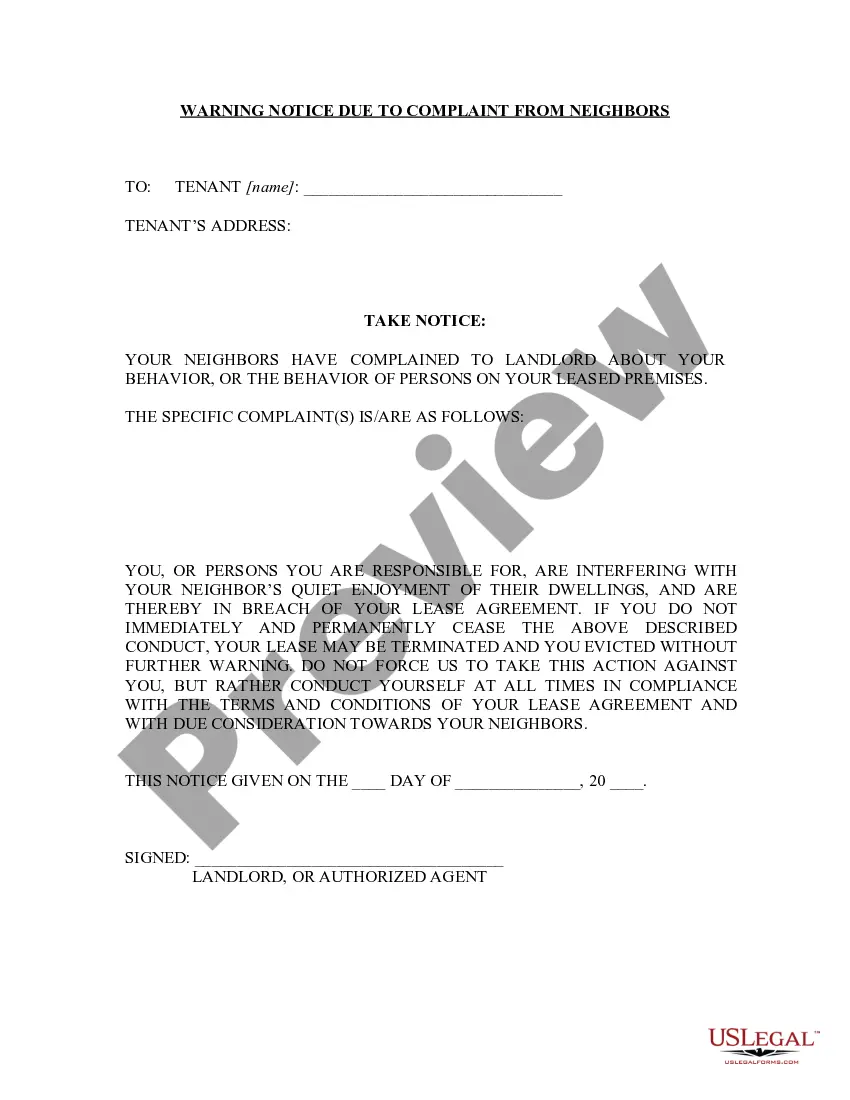
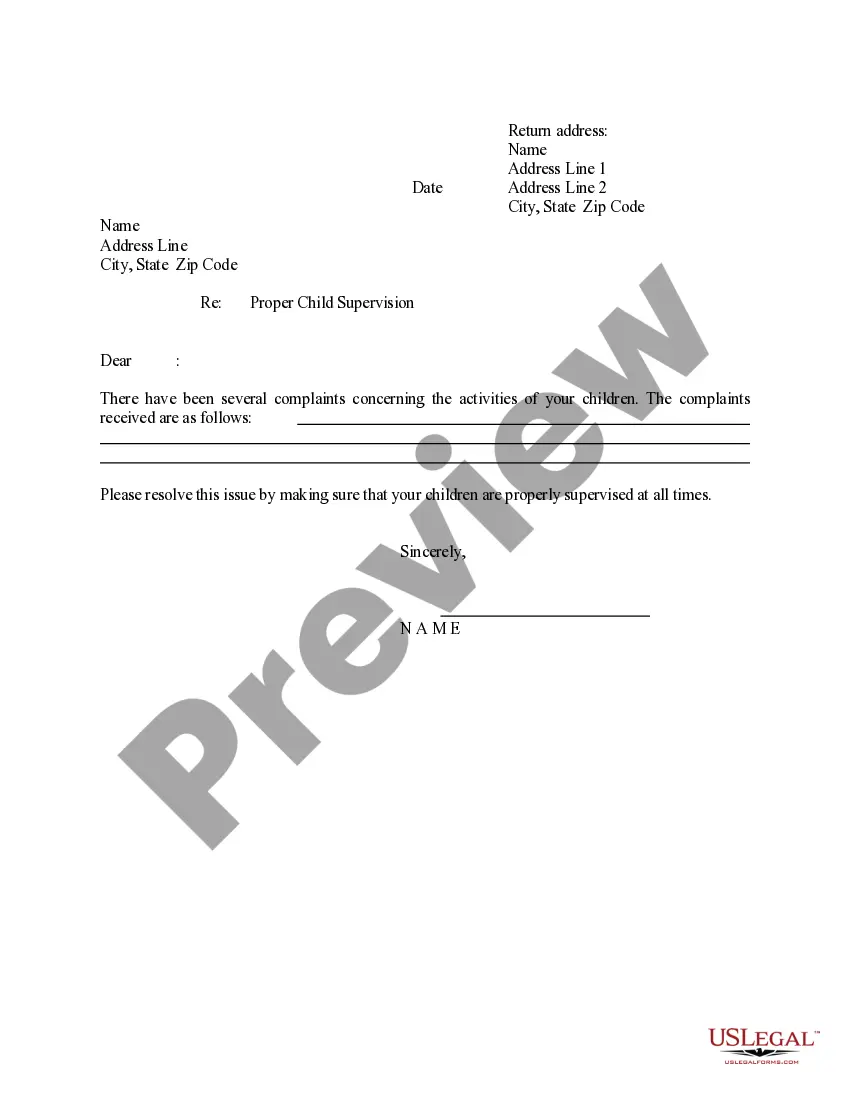
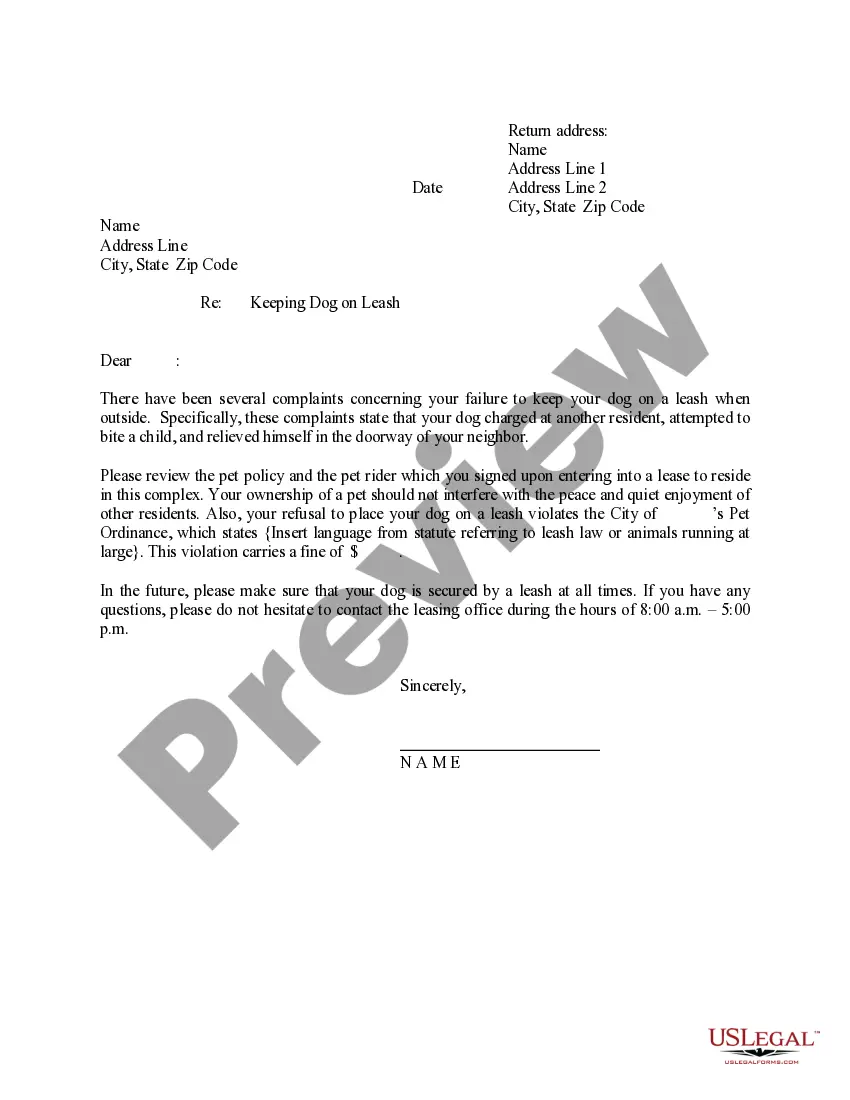
A Warning Notice Due to Complaint from Neighbors is a legal document that informs a tenant about complaints from neighbors regarding disruptive behavior. This notice encourages the tenant to stop the bothersome conduct that is affecting the peaceful enjoyment of others' homes. It serves as a formal warning and outlines potential consequences, including eviction, if the behavior continues. This form differs from eviction notices by focusing first on the tenant's behavior before legal action is pursued.
What’s included in this form
- Date of notice issuance.
- Signature of the landlord or authorized agent.
- Statement of the complaints received from neighbors.
- Instructions for the tenant to cease the bothersome conduct.
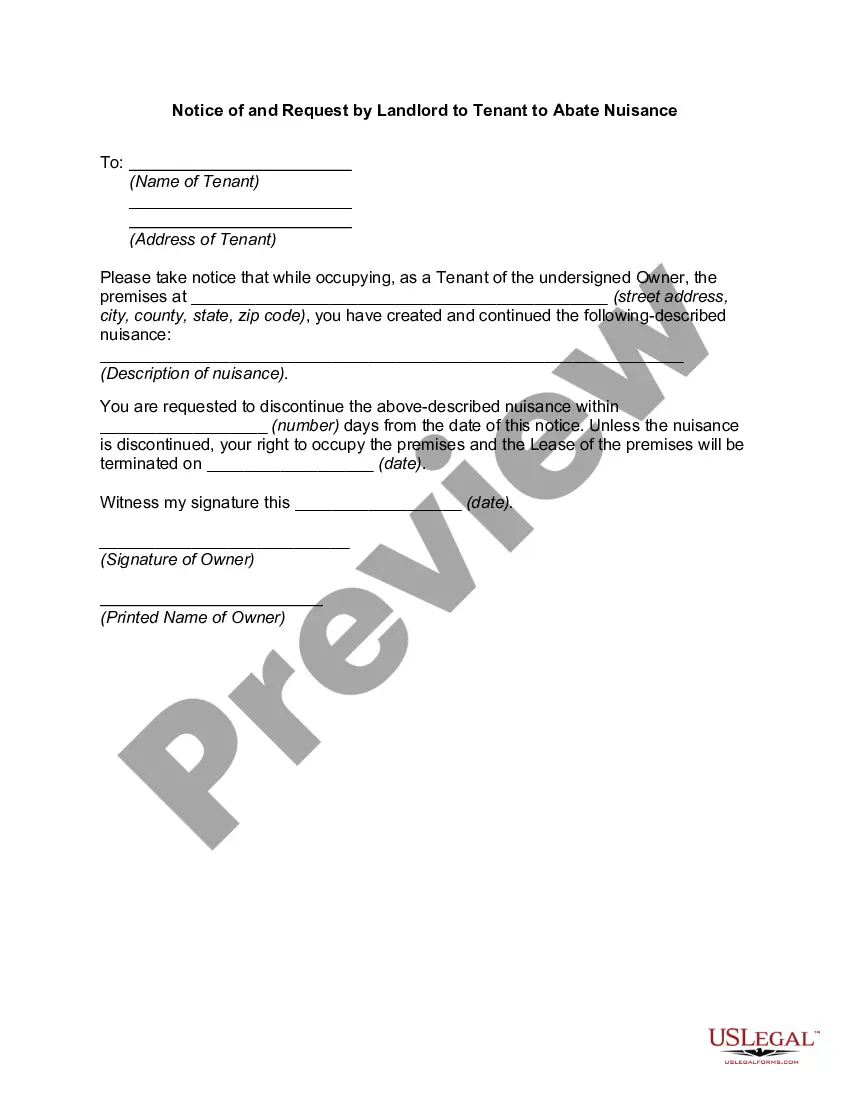
- Notice of potential eviction if issues persist.
When to use this document
This form is used when a landlord receives complaints from neighbors about a tenant's disruptive behavior, such as excessive noise, unsightly property conditions, or illegal activities. It is applicable in situations where the landlord wishes to formally address these issues with the tenant before considering eviction or other legal actions.
Who can use this document
- Landlords managing residential properties.
- Property managers acting on behalf of landlords.
- Tenants receiving complaints from neighbors.
How to prepare this document
- Enter the date on which the notice is issued.
- Clearly state the nature of the complaints received from neighbors.
- Include a description of the expected behavior from the tenant.
- Sign the form as the landlord or authorized agent.
- Provide a copy to the tenant, ensuring they understand the details of the complaint and the consequences of not complying.
Does this form need to be notarized?
In most cases, this form does not require notarization. However, some jurisdictions or signing circumstances might. US Legal Forms offers online notarization powered by Notarize, accessible 24/7 for a quick, remote process.
Get your form ready online
Our built-in tools help you complete, sign, share, and store your documents in one place.
Make edits, fill in missing information, and update formatting in US Legal Forms—just like you would in MS Word.
Download a copy, print it, send it by email, or mail it via USPS—whatever works best for your next step.
Sign and collect signatures with our SignNow integration. Send to multiple recipients, set reminders, and more. Go Premium to unlock E-Sign.
If this form requires notarization, complete it online through a secure video call—no need to meet a notary in person or wait for an appointment.
We protect your documents and personal data by following strict security and privacy standards.

Make edits, fill in missing information, and update formatting in US Legal Forms—just like you would in MS Word.

Download a copy, print it, send it by email, or mail it via USPS—whatever works best for your next step.

Sign and collect signatures with our SignNow integration. Send to multiple recipients, set reminders, and more. Go Premium to unlock E-Sign.

If this form requires notarization, complete it online through a secure video call—no need to meet a notary in person or wait for an appointment.

We protect your documents and personal data by following strict security and privacy standards.
Avoid these common issues
- Failing to provide specific details about the complaints.
- Neglecting to keep a copy of the notice for records.
- Not signing the notice, making it less authoritative.
- Inadequate delivery to the tenant, leading to disputes over notification.
Why use this form online
- Convenience of downloading the form anytime, anywhere.
- Editable templates allow for customization to fit individual situations.
- Access to legally vetted forms drafted by licensed attorneys.
- Immediate availability, eliminating delays associated with traditional notarization processes.
Summary of main points
- A Warning Notice informs tenants of complaints from neighbors.
- It provides a chance for tenants to correct their behavior before eviction is pursued.
- Using this form online streamlines the process and ensures legal compliance.
Looking for another form?







Form popularity
FAQ
Only in an emergency can a landlord enter the residence without consent. Consent to enter may be granted within the terms of the lease.The landlord has 45 days to return the deposit but may deduct rent owed or reasonable costs for cleaning the unit or repairing damage caused by the tenant.
If your neighbor keeps disturbing you, you can sue, and ask the court for money damages or to order the neighbor to stop the noise ("abate the nuisance," in legal terms).The person you're suing is either creating the noise or is the landlord and therefore responsible. Your enjoyment of your home is affected.
Keep records. Talking to your neighbour. Getting help from a mediator. If you think it's anti social behaviour. Report the anti social behaviour. If you're unhappy with the council or landlord's response. If you still need help.
Explain that you are making a complaint. Relate what the complaint is actually about and make sure to include the specific details about the complaint, especially an account of the event. Inform the management of what you wish to be done regarding the complaint that you are making. End on a positive tone.
Be professional. Use professional letterhead and be sure to sign in ink. Express your dissatisfaction clearly, with facts, dates, and details (including copies of receipts and so on) to help substantiate your claim. Be sincere. Be prompt. Don't expect compensation every time.
Write the letter in a polite manner. Always introduce yourself first at the left of the letter. Never forget to mention the date of writing the letter. The letter of receiver or recipient should be properly mentioned along with Pincode. Mention the purpose of writing a letter in the subject line.
Neighbor harassment can take many forms, including: Derogatory or offensive comments about sexual orientation, your nation of origin, or other discriminatory factors. Calling law enforcement on you repeatedly or for small things. Repeatedly playing loud music during city "quiet hours" or after you have asked them to
Keep a record of what you say and how they reply. Get proof the best option is to take a photo or video of the object of complaint in case they claim something else happened. You can always try to reach a compromise.
Get to know each other. Head off problems before they're problems. Document the problem. Talk it out. Look for advice or solace online. Check with other neighbors. See if anyone else will side with you. Talk to a lawyer.