Minnesota Last Will and Testament for Divorced person not Remarried with Adult Children
What this document covers
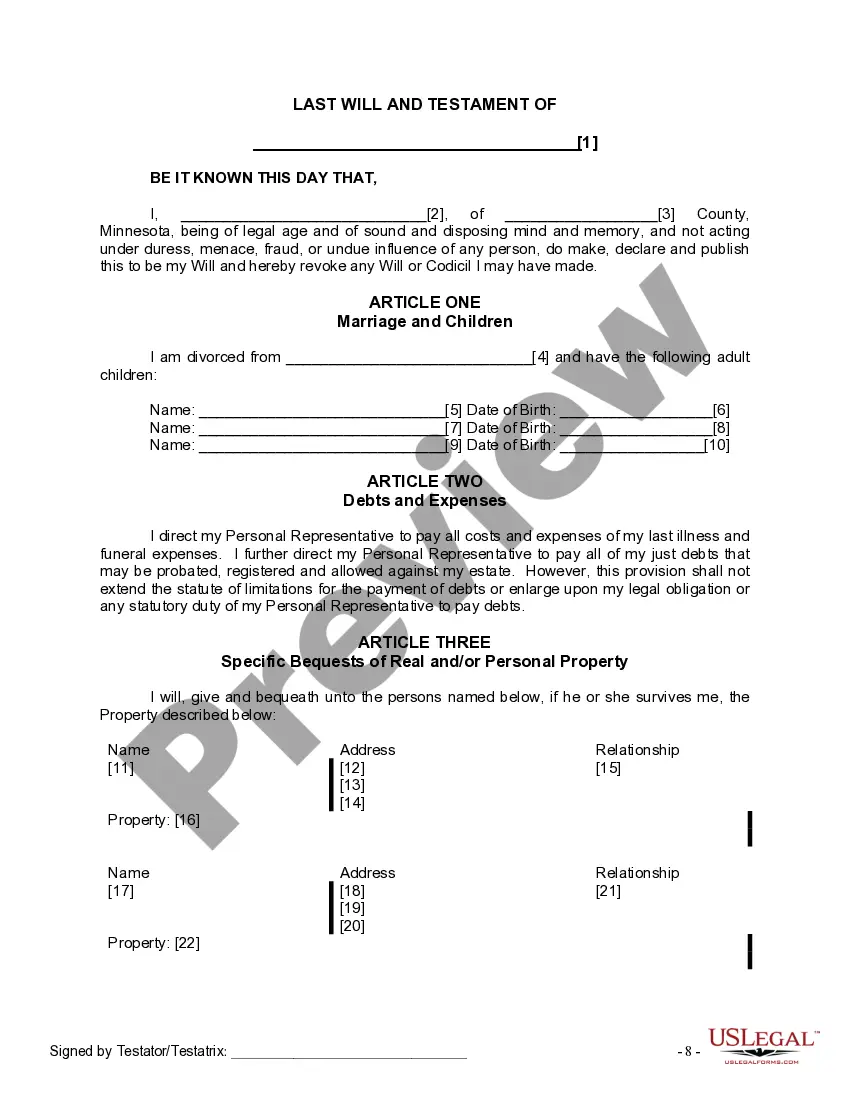
This form is a Last Will and Testament specifically designed for a divorced person who has not remarried and has adult children. It outlines the distribution of property, the appointment of a personal representative or executor, and other important provisions crucial for estate planning. Unlike a standard will, this version accommodates the unique circumstances of individuals who are divorced and ensures that their adult children are duly considered in the estate plan.
Main sections of this form
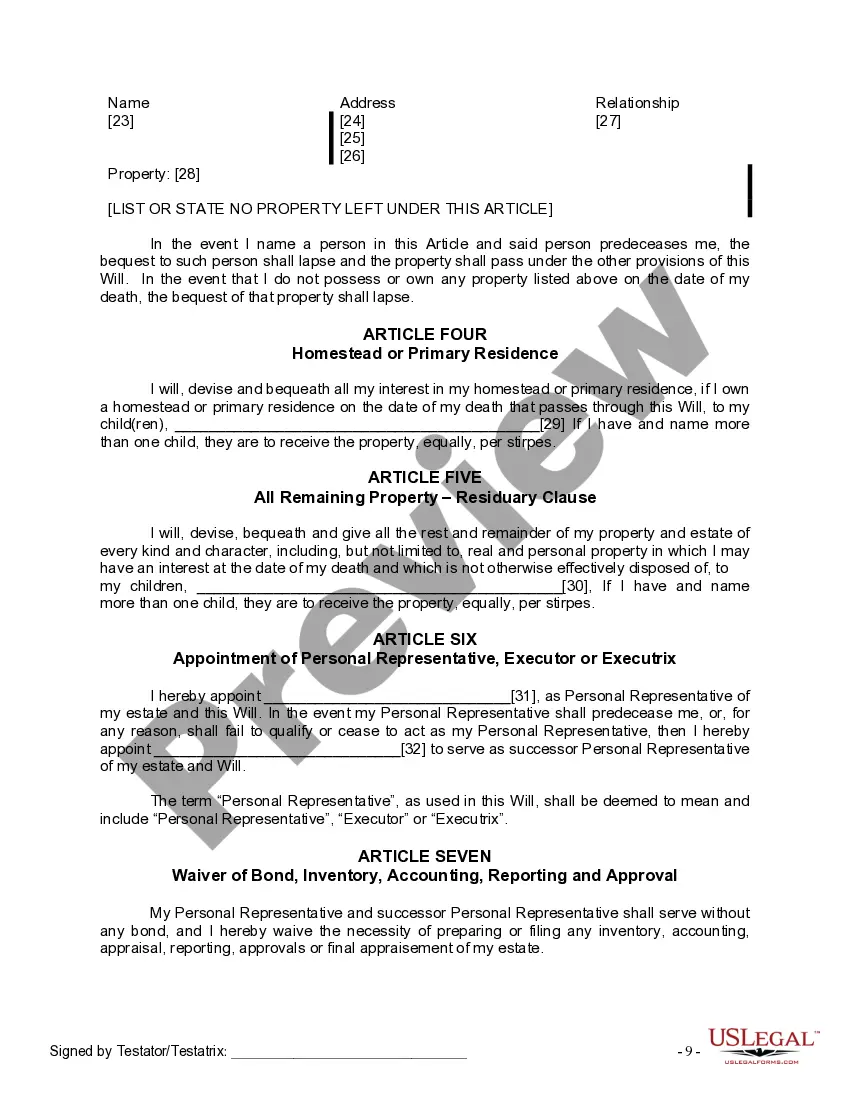
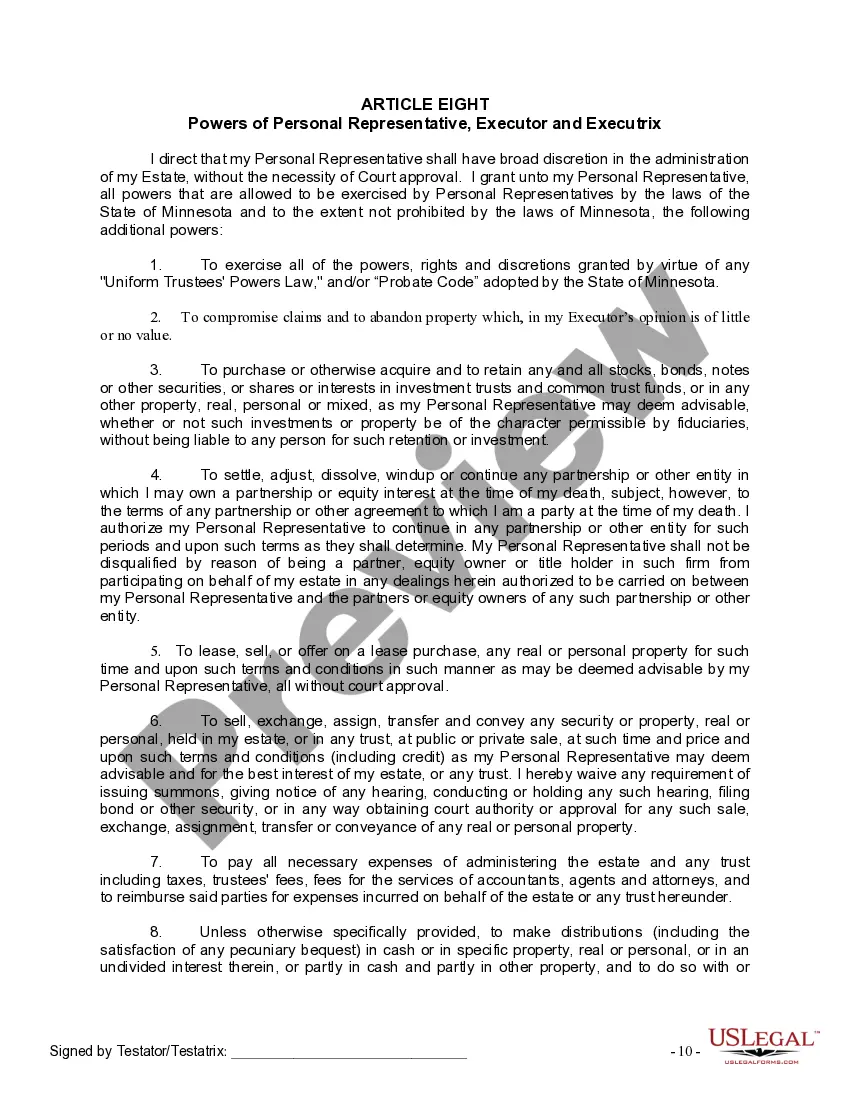
- Appointment of a personal representative to handle estate matters.
- Specific bequests for particular properties to named individuals.
- Provision for the distribution of the homestead or primary residence.
- Instructions for the allocation of the remaining property (residuary clause).
- Legal declarations regarding debts and expenses to be paid by the estate.
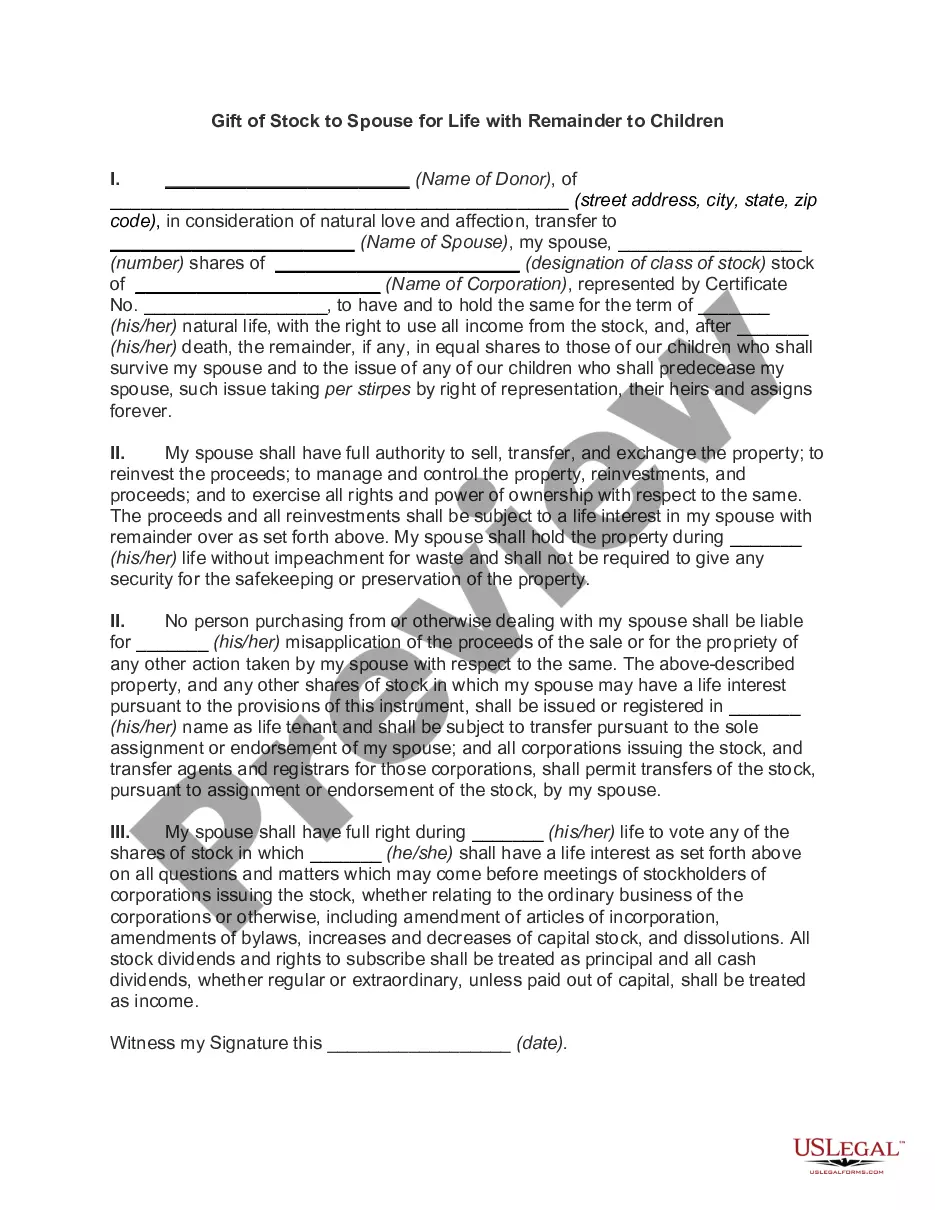
- Options for additional provisions such as burial instructions.





Situations where this form applies
This Last Will and Testament should be used when a divorced person without remarriage needs to establish their final wishes regarding property distribution, allocate responsibilities for estate administration, and ensure that their adult children are recognized in the will. It is particularly important if the individual has specific property to bequeath, such as family heirlooms, and wishes to avoid potential disputes among heirs.
Who needs this form
- Individuals who are divorced and not remarried.
- Parents with adult children looking to establish clear inheritance plans.
- Anyone who desires to outline their last wishes for their estate.
- Those who have specific property bequests and want to avoid intestacy issues.
Completing this form step by step
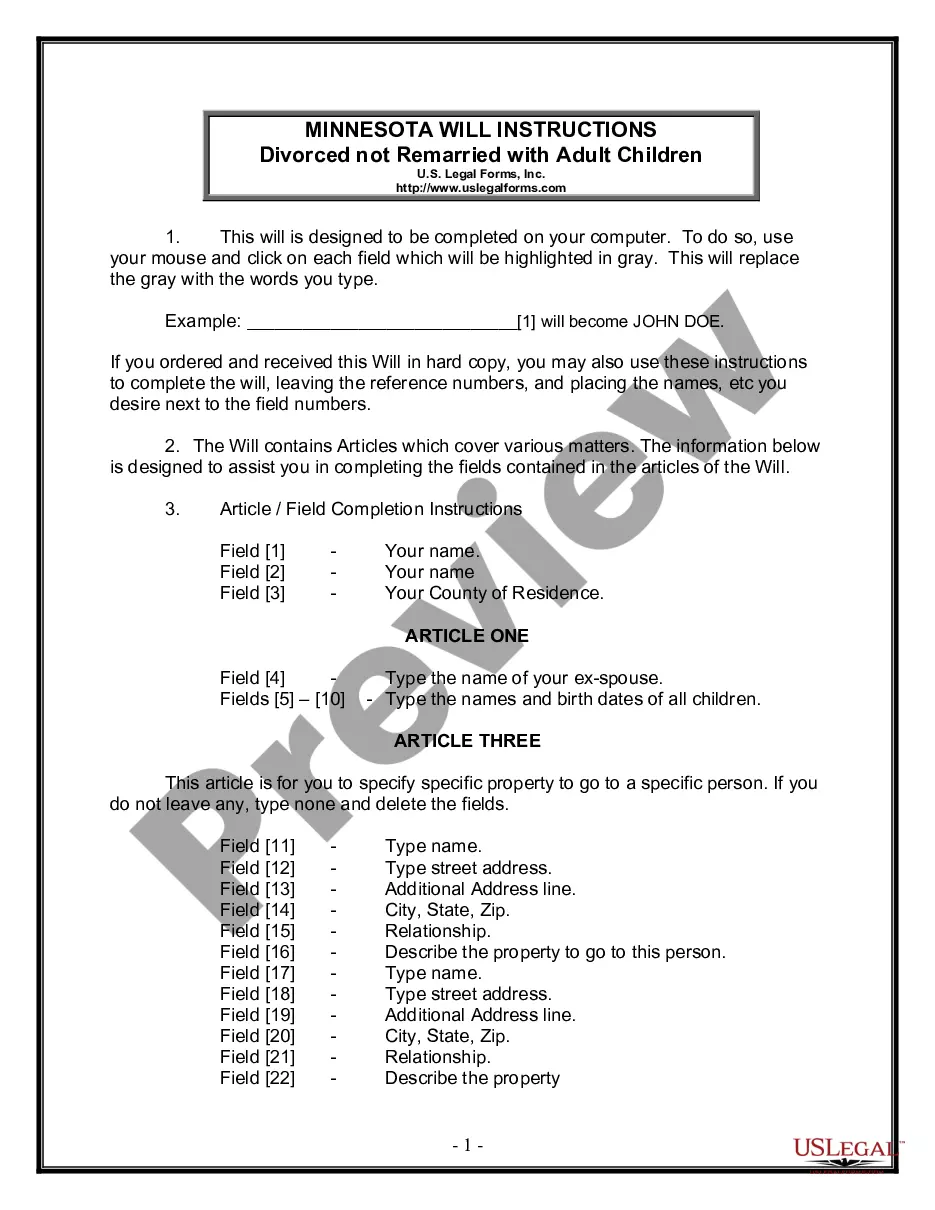
- Start by entering your full name and county of residence.
- Specify the name of your ex-spouse and the details of your children.
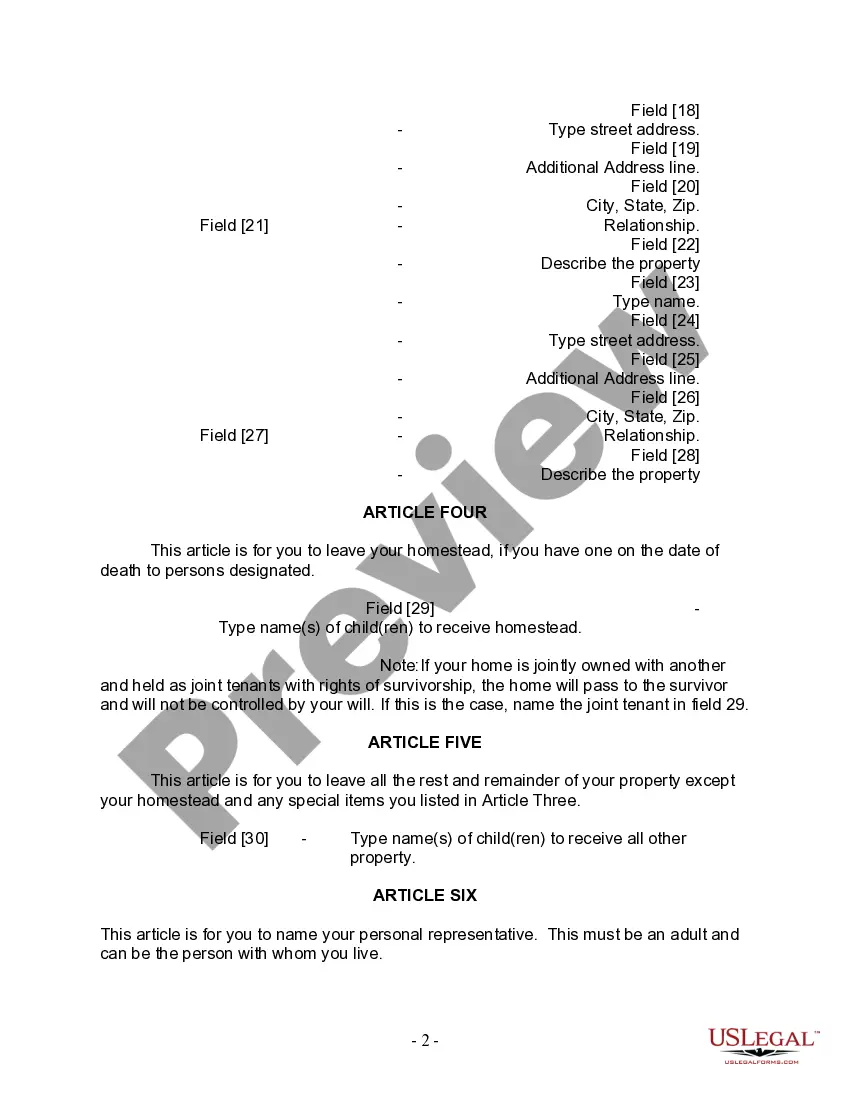
- Designate specific property bequests, including names and relationships of beneficiaries.
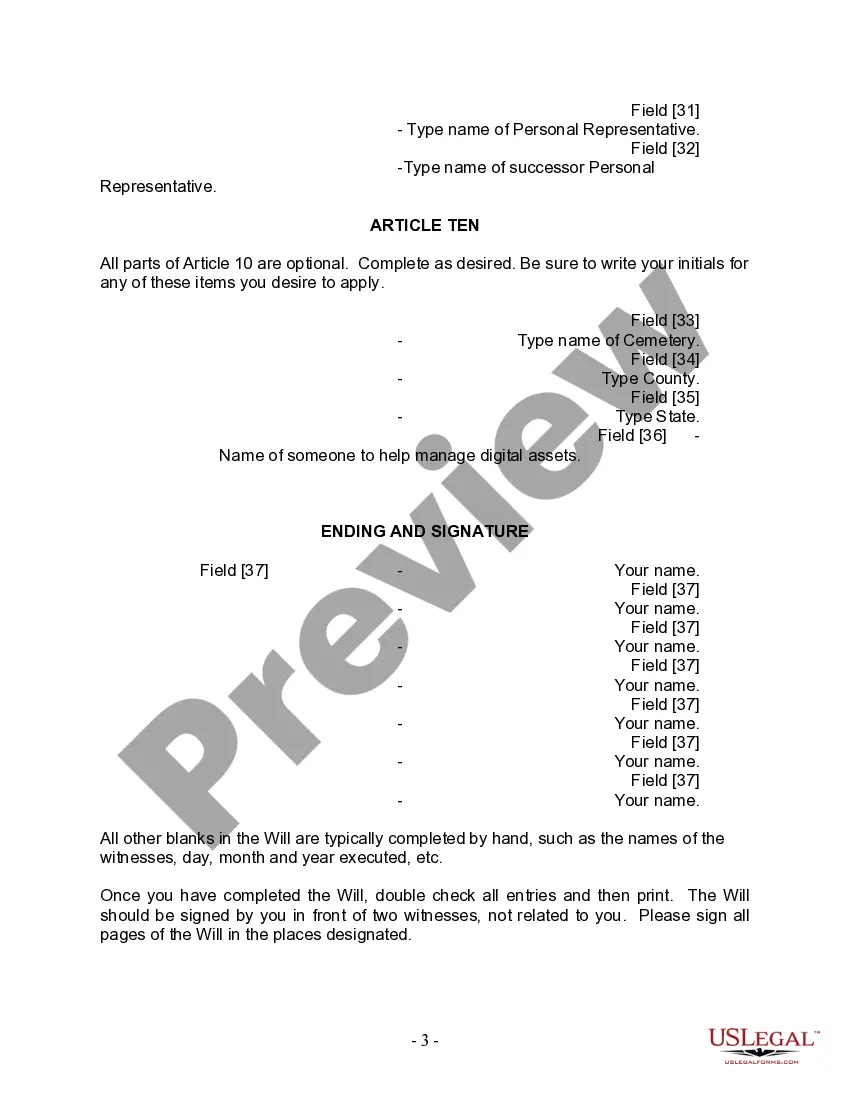
- Identify your personal representative who will administer the estate.
- Ensure the document is signed in front of two non-related witnesses.
- For added validity, consider having the document notarized.
Notarization guidance
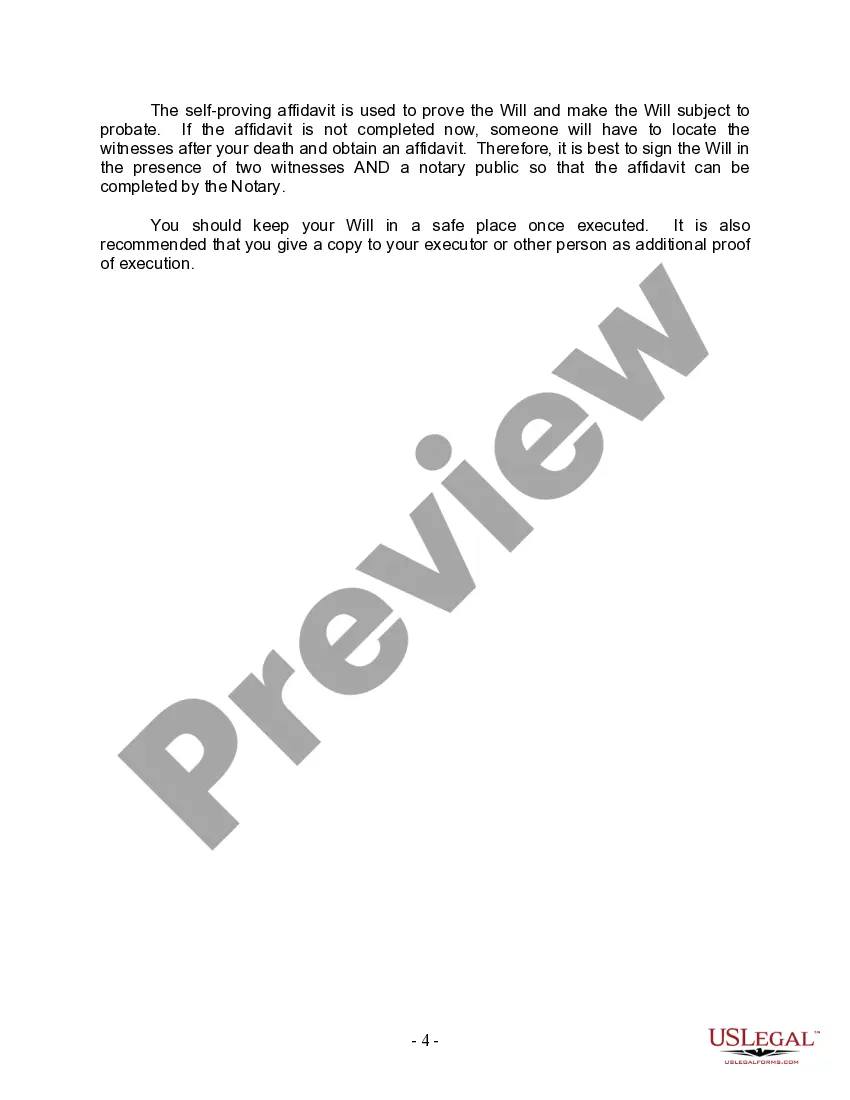
Yes, this form must be notarized to be legally valid. A notary public is required to sign the will, especially if it includes a self-proving affidavit to facilitate future probate proceedings.
Get your form ready online
Our built-in tools help you complete, sign, share, and store your documents in one place.
Make edits, fill in missing information, and update formatting in US Legal Forms—just like you would in MS Word.
Download a copy, print it, send it by email, or mail it via USPS—whatever works best for your next step.
Sign and collect signatures with our SignNow integration. Send to multiple recipients, set reminders, and more. Go Premium to unlock E-Sign.
If this form requires notarization, complete it online through a secure video call—no need to meet a notary in person or wait for an appointment.
We protect your documents and personal data by following strict security and privacy standards.

Make edits, fill in missing information, and update formatting in US Legal Forms—just like you would in MS Word.

Download a copy, print it, send it by email, or mail it via USPS—whatever works best for your next step.

Sign and collect signatures with our SignNow integration. Send to multiple recipients, set reminders, and more. Go Premium to unlock E-Sign.

If this form requires notarization, complete it online through a secure video call—no need to meet a notary in person or wait for an appointment.

We protect your documents and personal data by following strict security and privacy standards.
Common mistakes to avoid
- Failing to properly sign the will in front of witnesses.
- Leaving out important details about property distributions.
- Not designating an alternative personal representative.
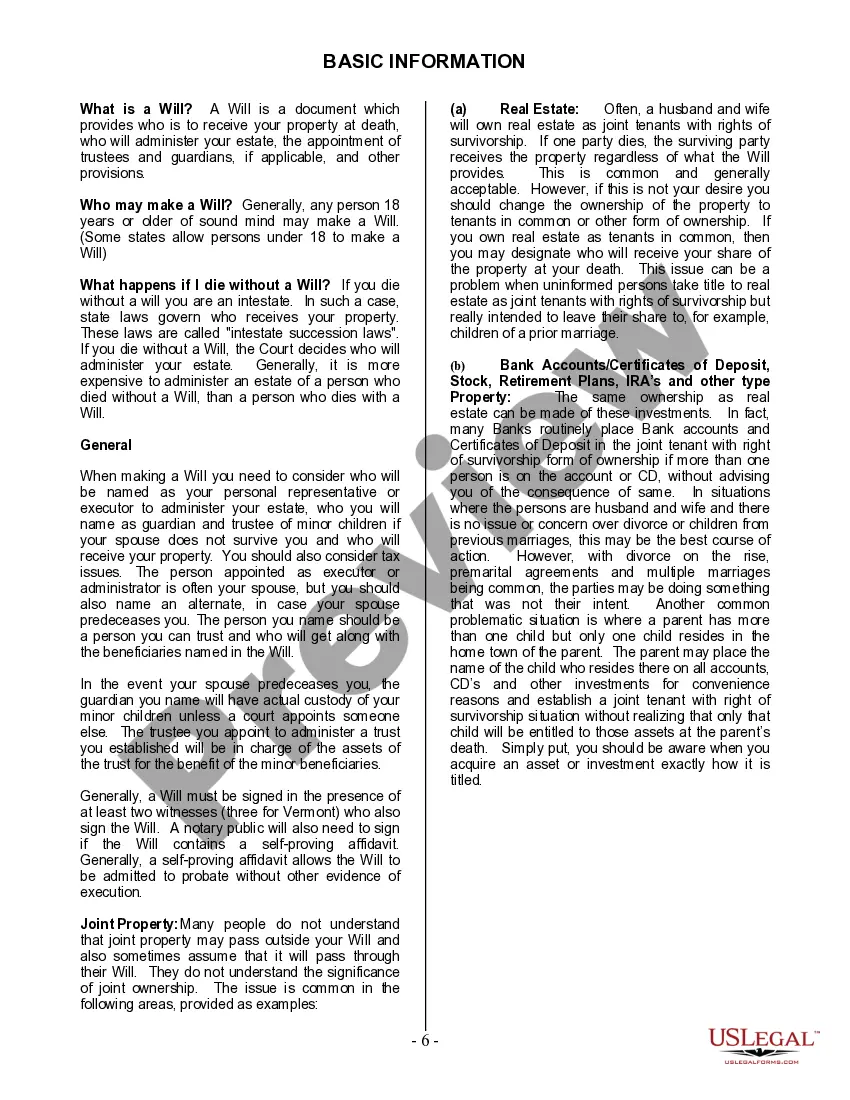
- Assuming that joint property will be distributed according to the will.
Advantages of online completion
- Convenience of filling out the form from home.
- Editability to customize content before finalizing.
- Access to attorney-drafted templates ensuring legal compliance.
- Instant download for immediate use.
Quick recap
- This Last Will and Testament is tailored for divorced individuals with adult children.
- Itâs crucial to follow state laws regarding signing and notarizing your will.
- Complete all sections thoroughly to ensure your wishes are accurately documented.
Key terms explained
- Testator: The person who creates the will.
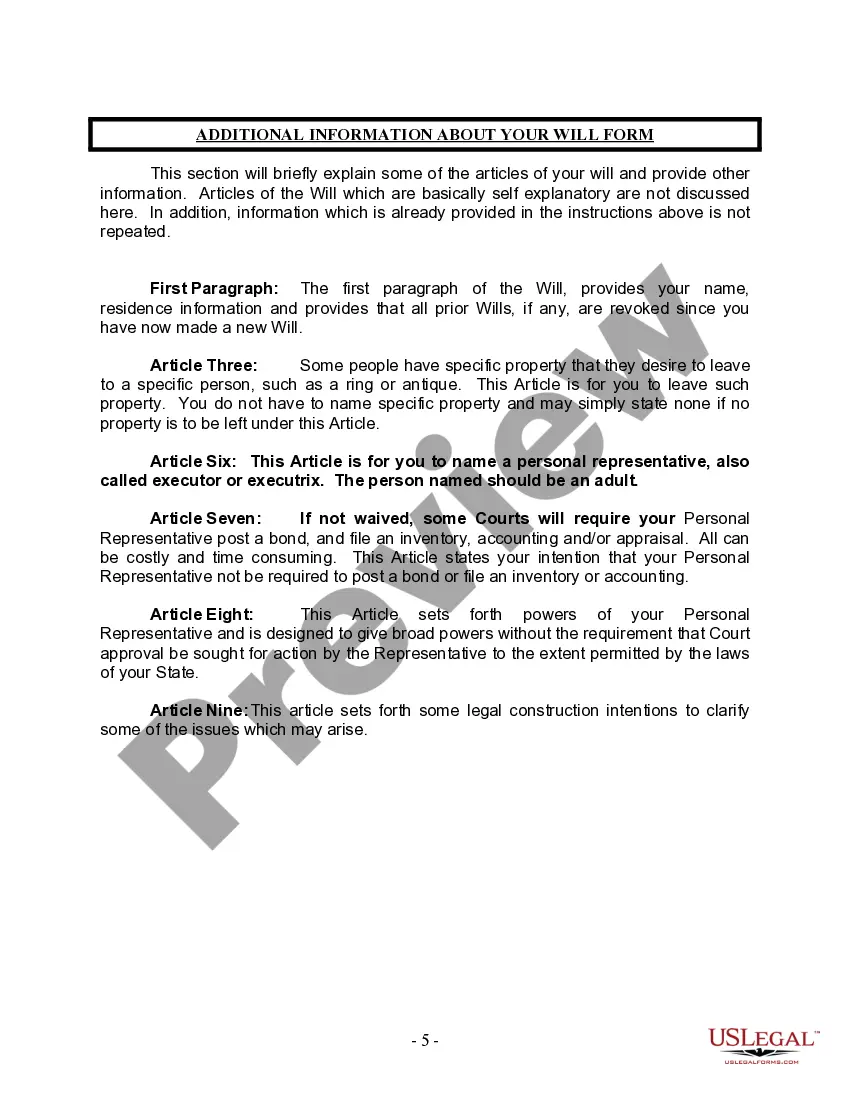
- Personal Representative: The individual appointed to administer the estate and ensure the will is executed as intended.
- Self-Proving Affidavit: A legal document that allows the will to be accepted by a court without needing witness testimony at probate.
Looking for another form?
Form popularity
FAQ
To create a valid will in Minnesota, you must be at least 18 years old, of sound mind, and sign the will in the presence of two witnesses. These witnesses must also sign the document to validate it. If you are a divorced person not remarried with adult children, having a Minnesota Last Will and Testament is crucial to ensure your assets are distributed according to your wishes.
Yes, in Minnesota, you need to provide a divorce decree as proof that your previous marriage has ended before you can remarry. This document ensures that there are no legal impediments to your new marriage. If you have a Minnesota Last Will and Testament for a divorced person not remarried with adult children, it is essential to review it during this transition.
In Minnesota, not all wills must go through probate, but most do. If the estate's value exceeds a certain amount, probate is typically required. If you have a Minnesota Last Will and Testament for a divorced person not remarried with adult children, understanding the probate process can help you plan effectively for your estate.
To get remarried after a divorce, start by applying for a marriage license in your county. Gather necessary documents like your ID and divorce decree. Additionally, if you have a Minnesota Last Will and Testament for a divorced person not remarried with adult children, ensure it is updated to represent your new situation and wishes.
The procedure to remarry after divorce involves obtaining a marriage license from your local county office. You must present your identification and divorce decree during this process. If you have a Minnesota Last Will and Testament for a divorced person not remarried with adult children, updating it is advisable to reflect your new life circumstances.
To get remarried in Minnesota, you must obtain a marriage license, which requires identification and proof of the dissolution of your previous marriage. Your divorce decree serves as proof of your single status. It is also a good time to review your Minnesota Last Will and Testament for a divorced person not remarried with adult children to ensure it aligns with your intentions.
To remarry after a divorce in Minnesota, you typically need to provide a valid photo ID and your divorce decree. This document confirms that your previous marriage has legally ended. If you have created a Minnesota Last Will and Testament for a divorced person not remarried with adult children, consider updating it to reflect your new marital status.
In Minnesota, you may remarry immediately after your divorce is finalized. However, it is wise to wait until you feel emotionally ready. Remember, if you have a Minnesota Last Will and Testament for a divorced person not remarried with adult children, it is essential to review it after divorce to ensure it reflects your current wishes.
Writing a simple will in Minnesota involves several key steps to ensure it meets legal standards. Begin by clearly stating your wishes regarding the distribution of your assets, particularly for your adult children. You can use platforms like US Legal Forms to access templates that guide you through the process. Finally, remember to sign the will in front of two witnesses to validate your Minnesota Last Will and Testament for a divorced person not remarried with adult children.
To create a valid Minnesota Last Will and Testament for a divorced person not remarried with adult children, you must meet three essential requirements. First, you need to be of sound mind, meaning you understand the consequences of your decisions. Second, the document must be in writing, either typed or handwritten. Finally, you must sign the will in front of two witnesses who also sign it, confirming your intent.