Florida Home Improvement Contract - Self-Employed
About this form
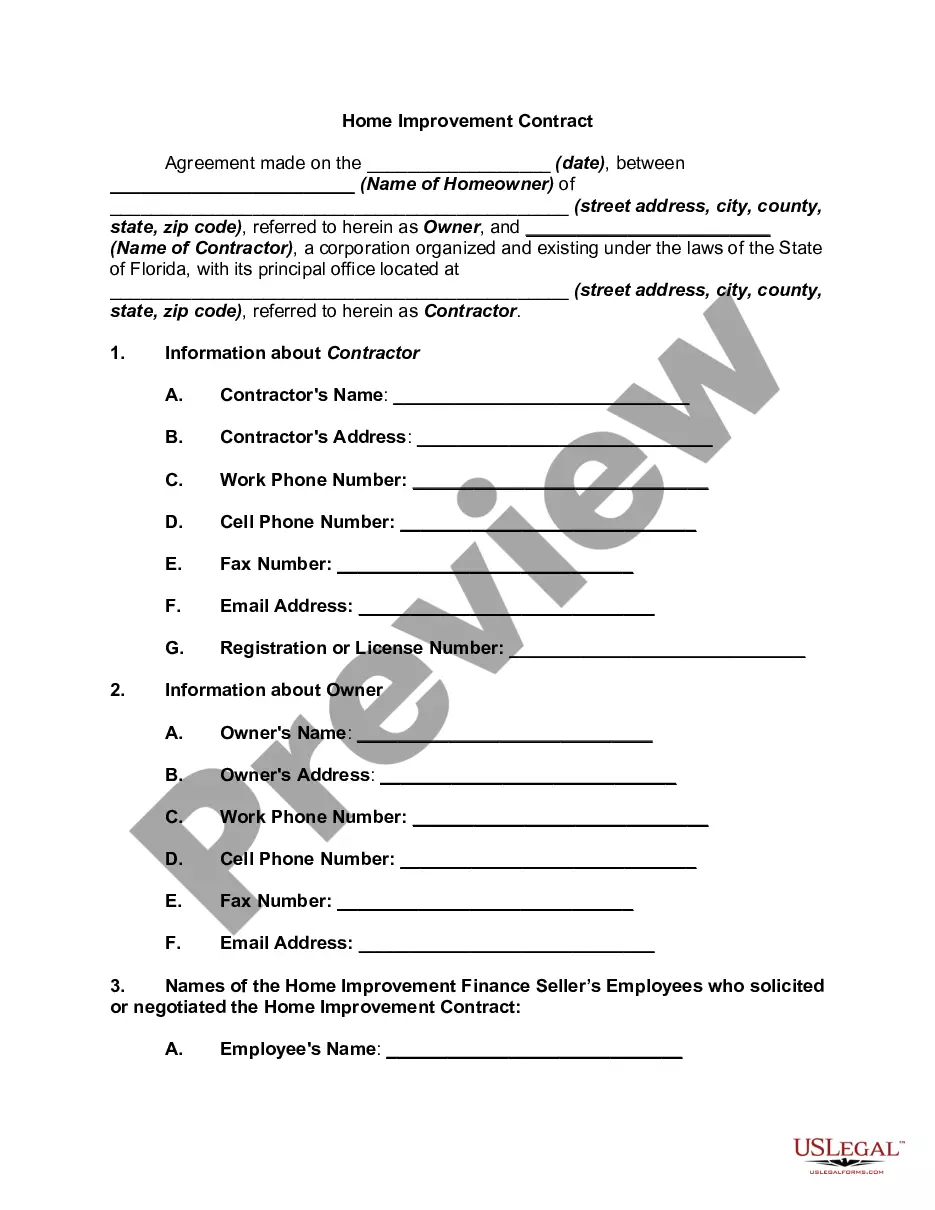
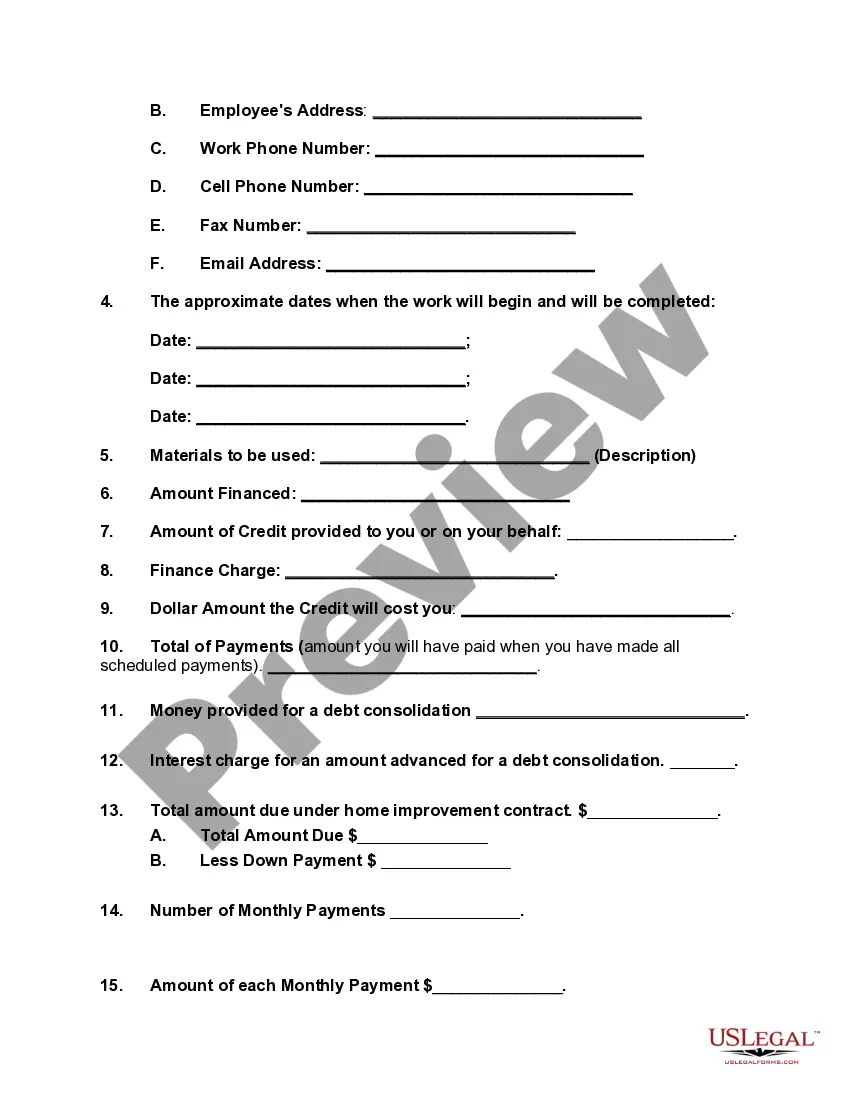
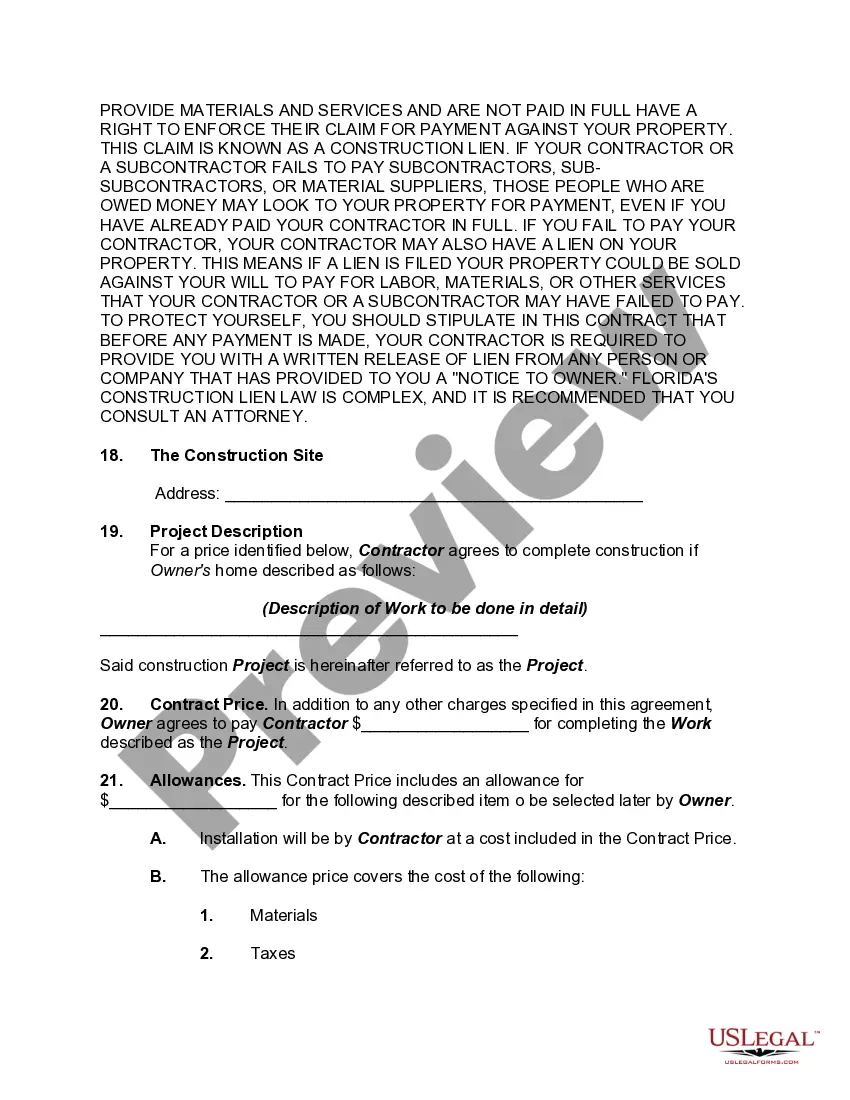
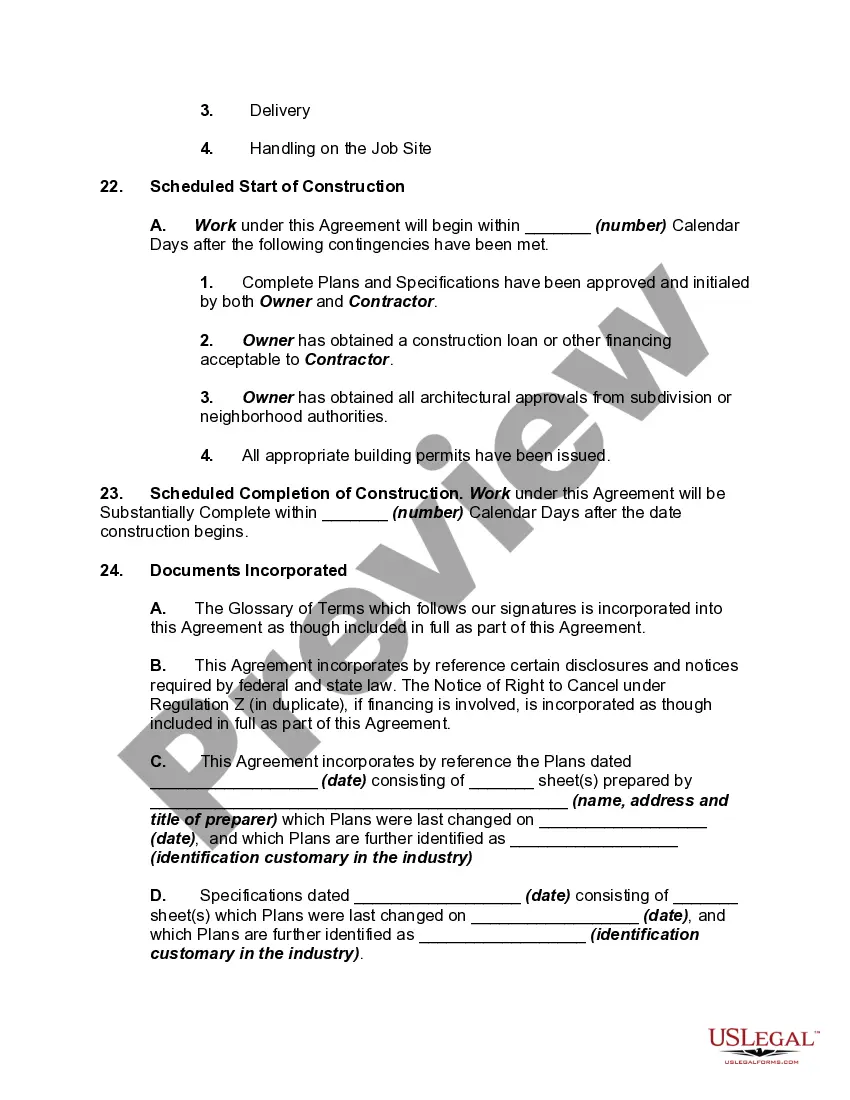
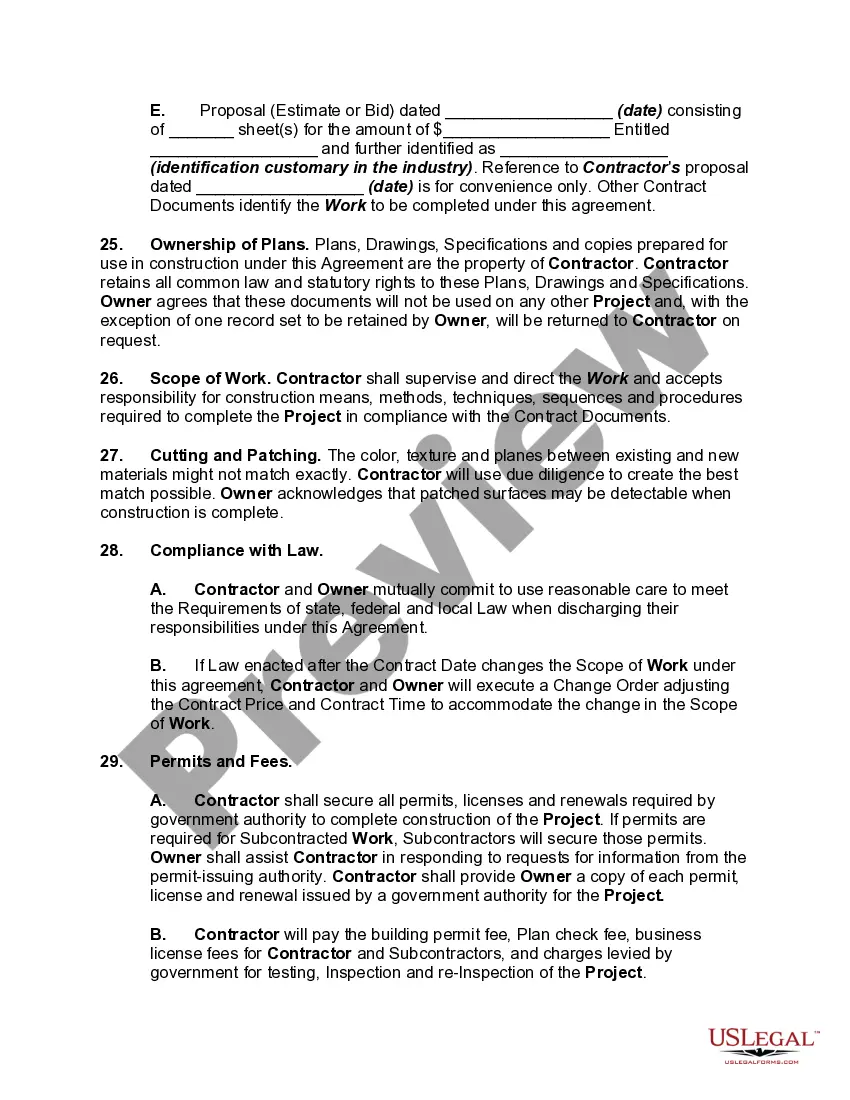
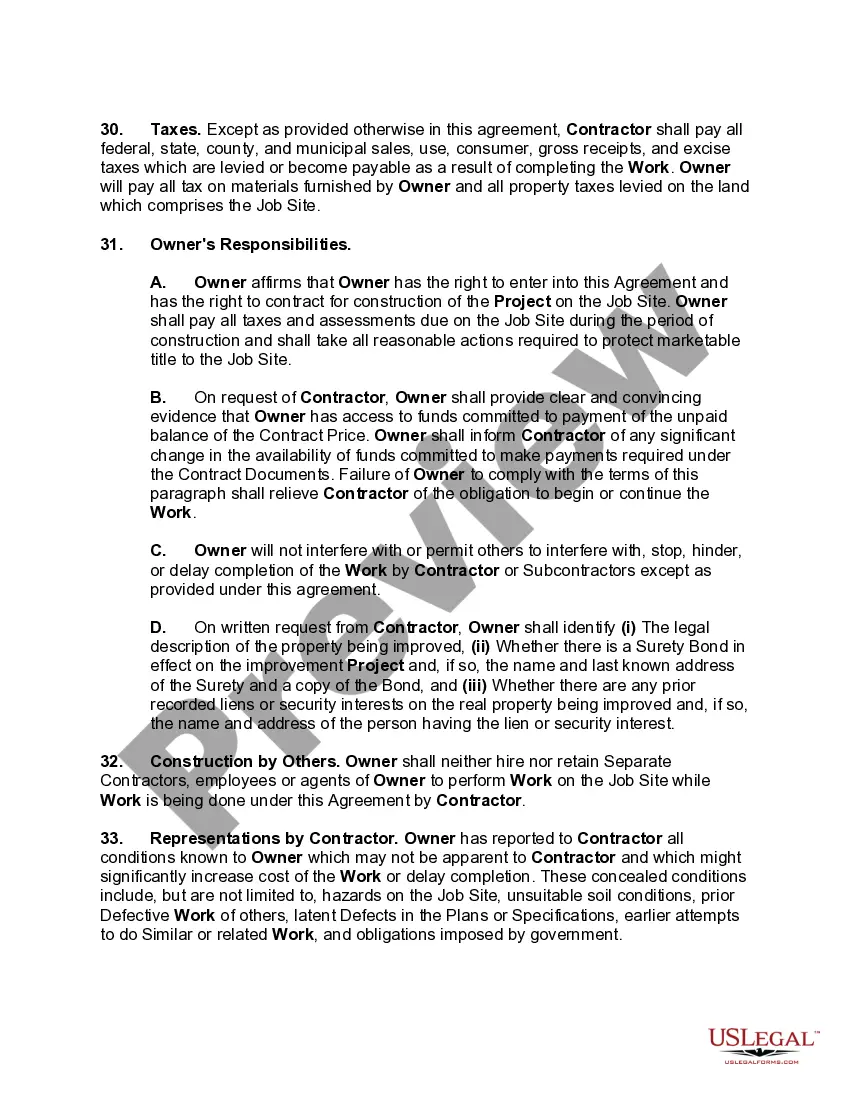
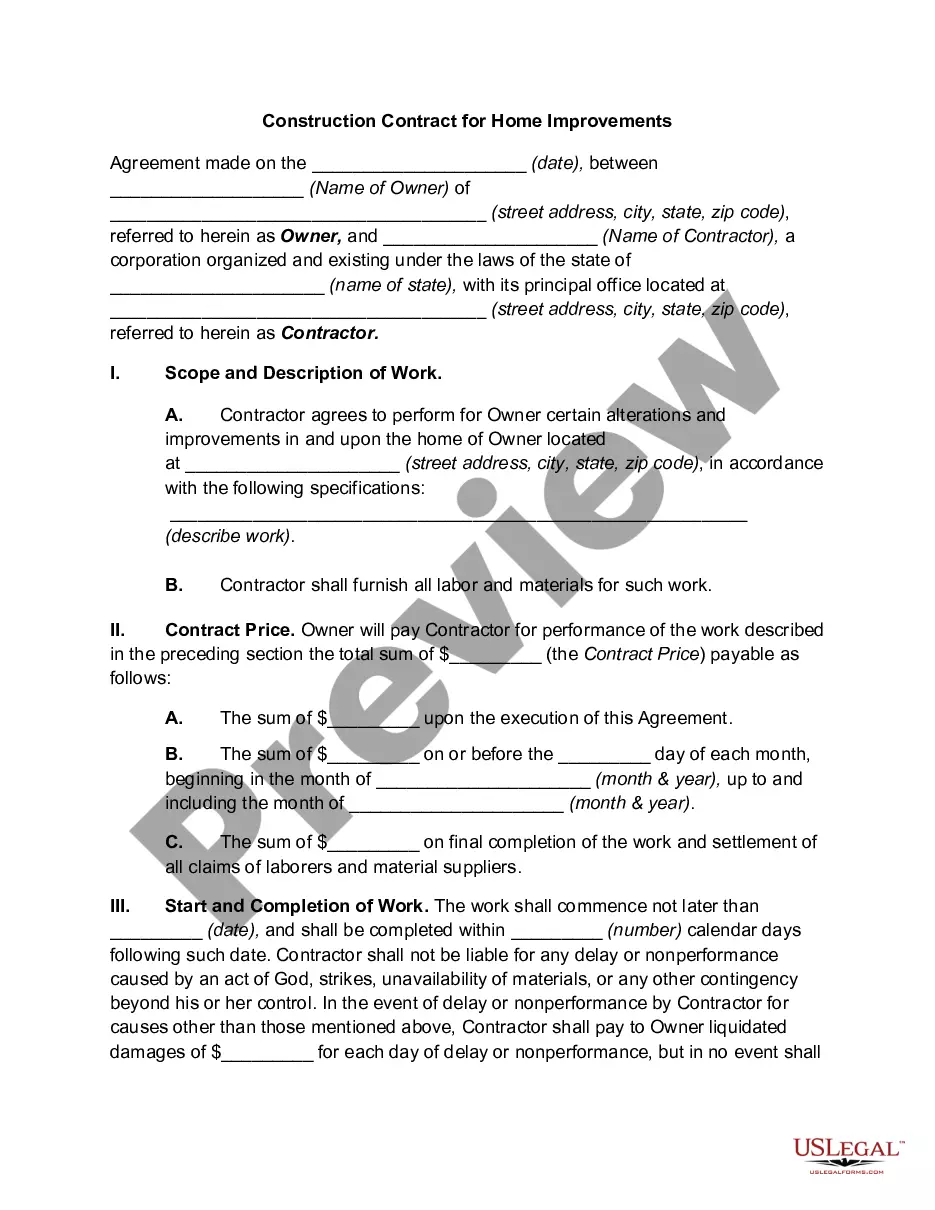
The Home Improvement Contract for Self-Employed contractors is a legal document used to establish a binding agreement between a homeowner and a contractor for renovation or improvement work on a residential property. Unlike generic contracts, this specialized form adheres to Florida's specific statutory requirements, ensuring necessary disclosures and protections for both parties. It details the scope of work, pricing, and various obligations involved in the home improvement project.
Main sections of this form
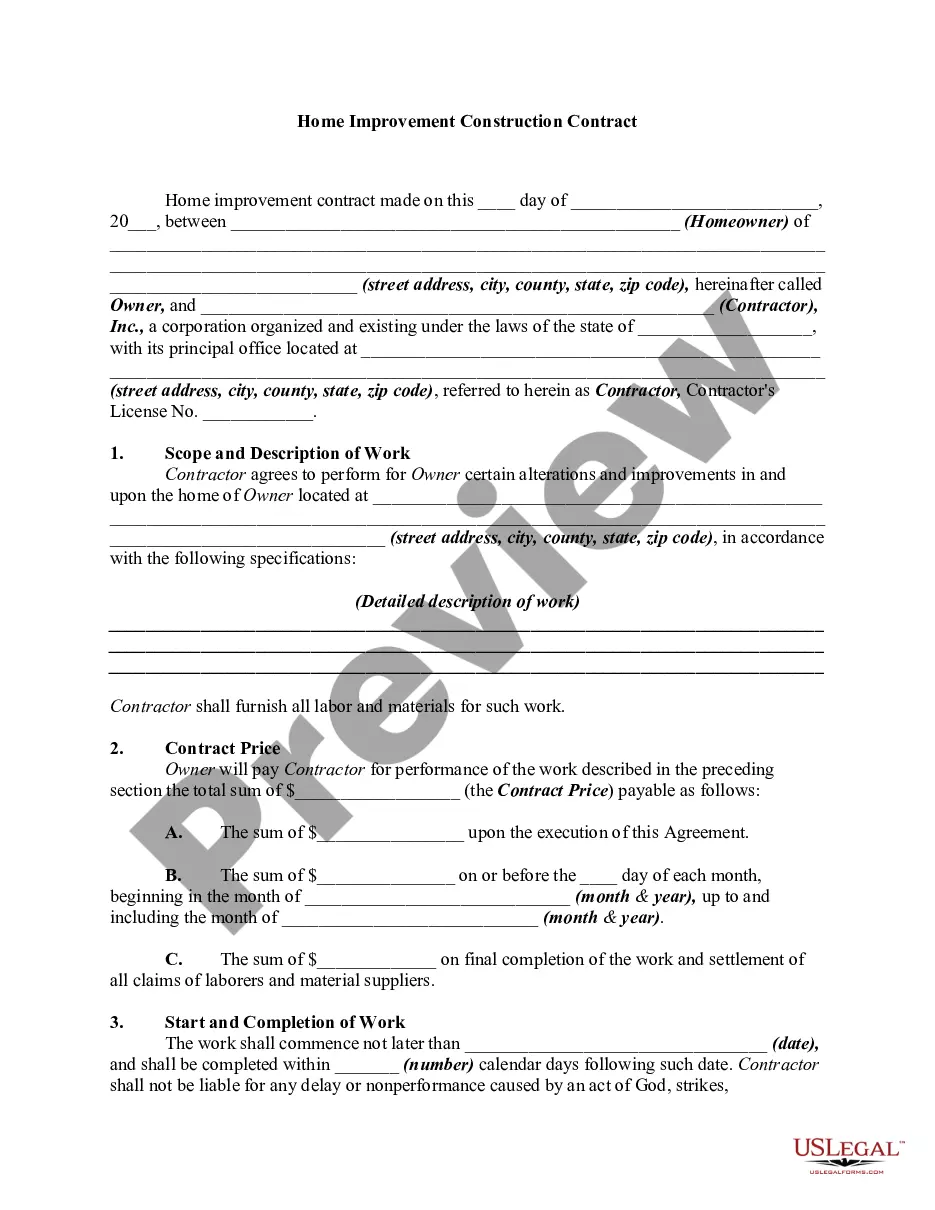
- Information about the homeowner and contractor, including names, addresses, and contact details.
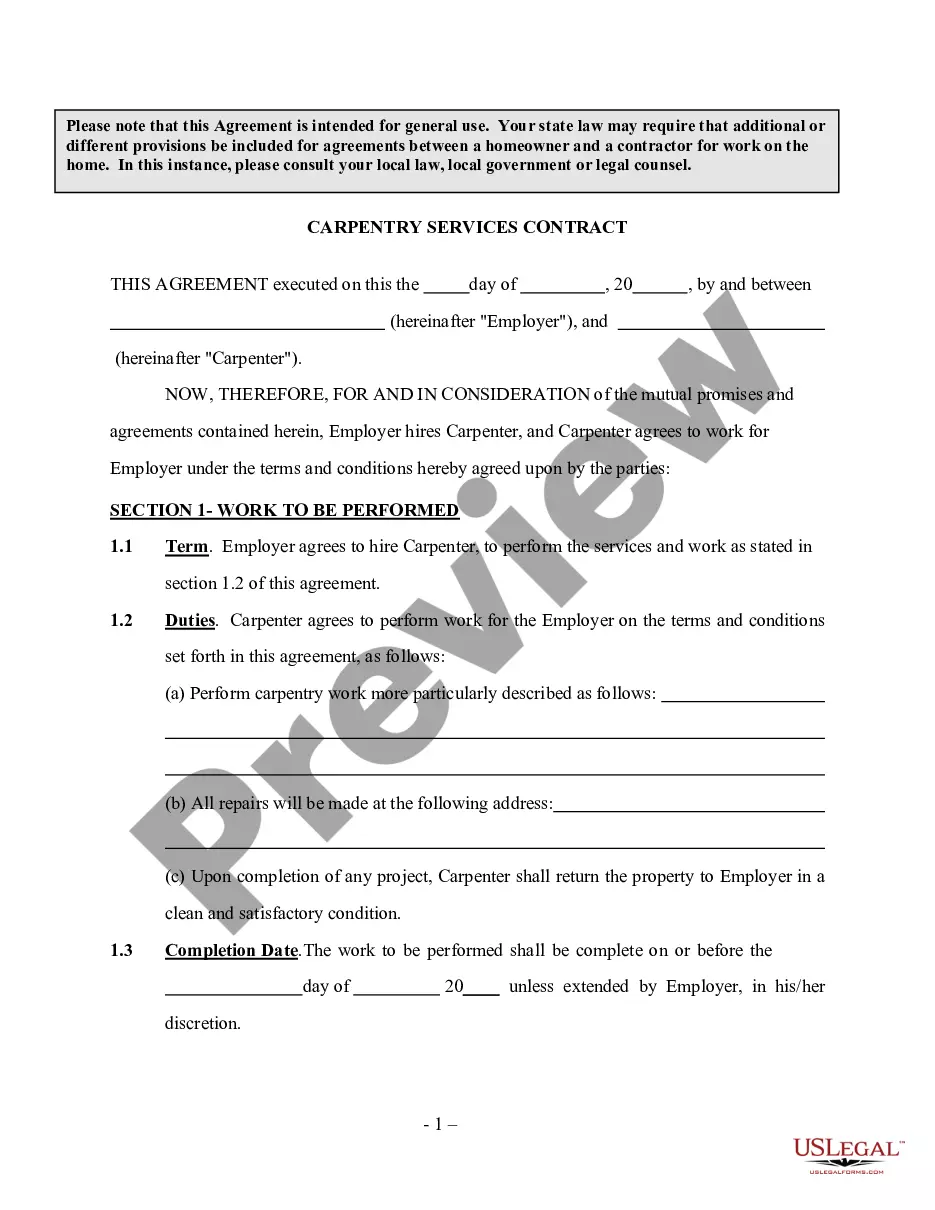
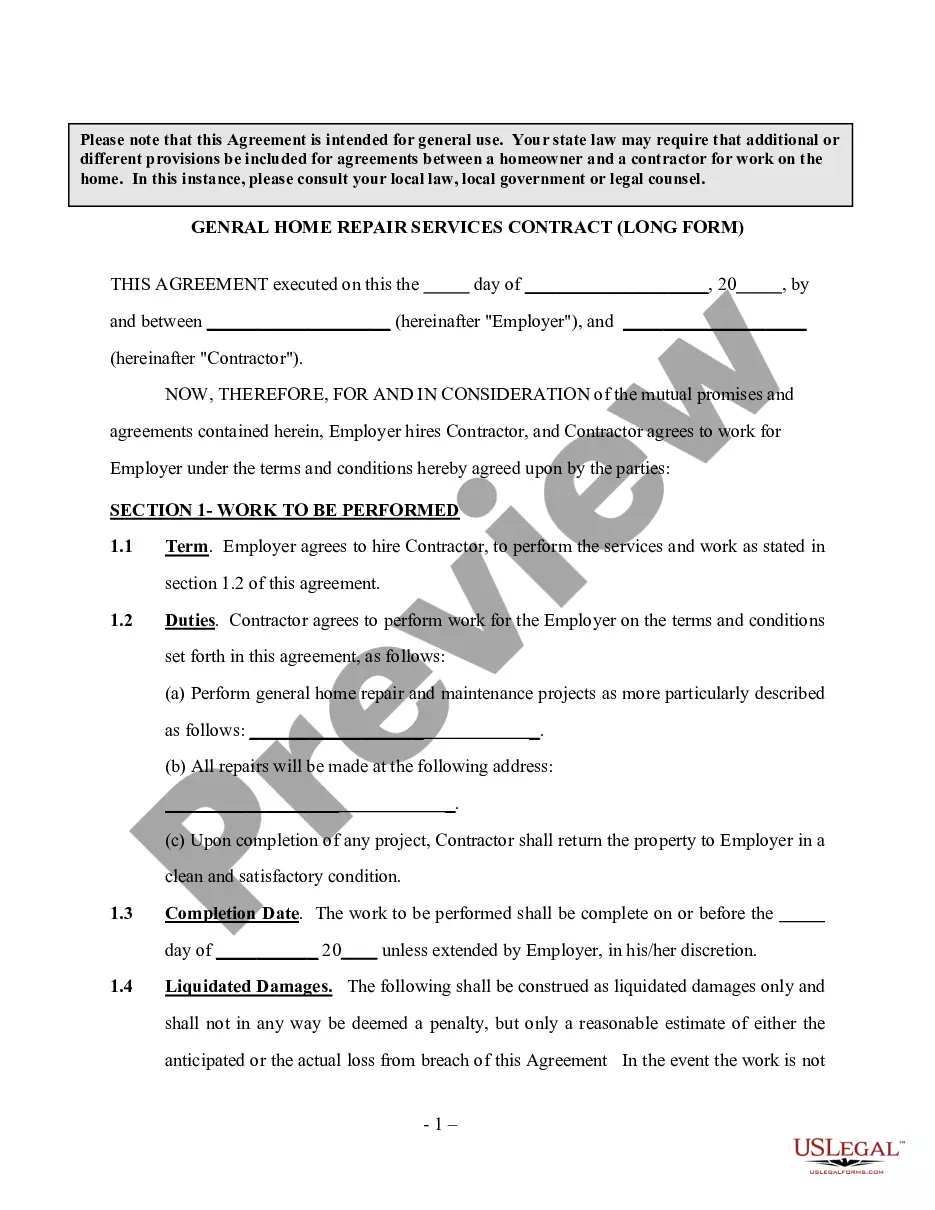
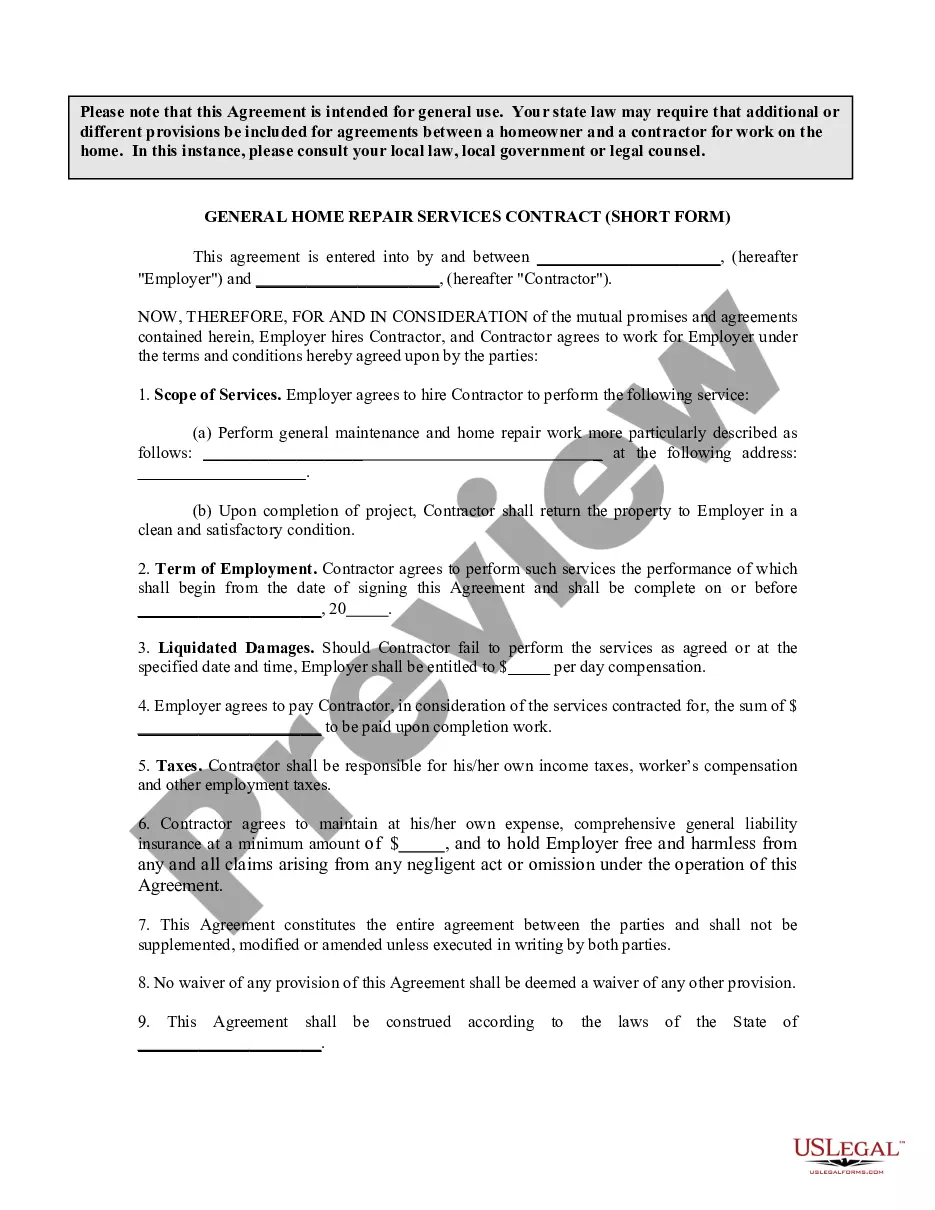
- Description of the scope of work to be completed and associated materials.
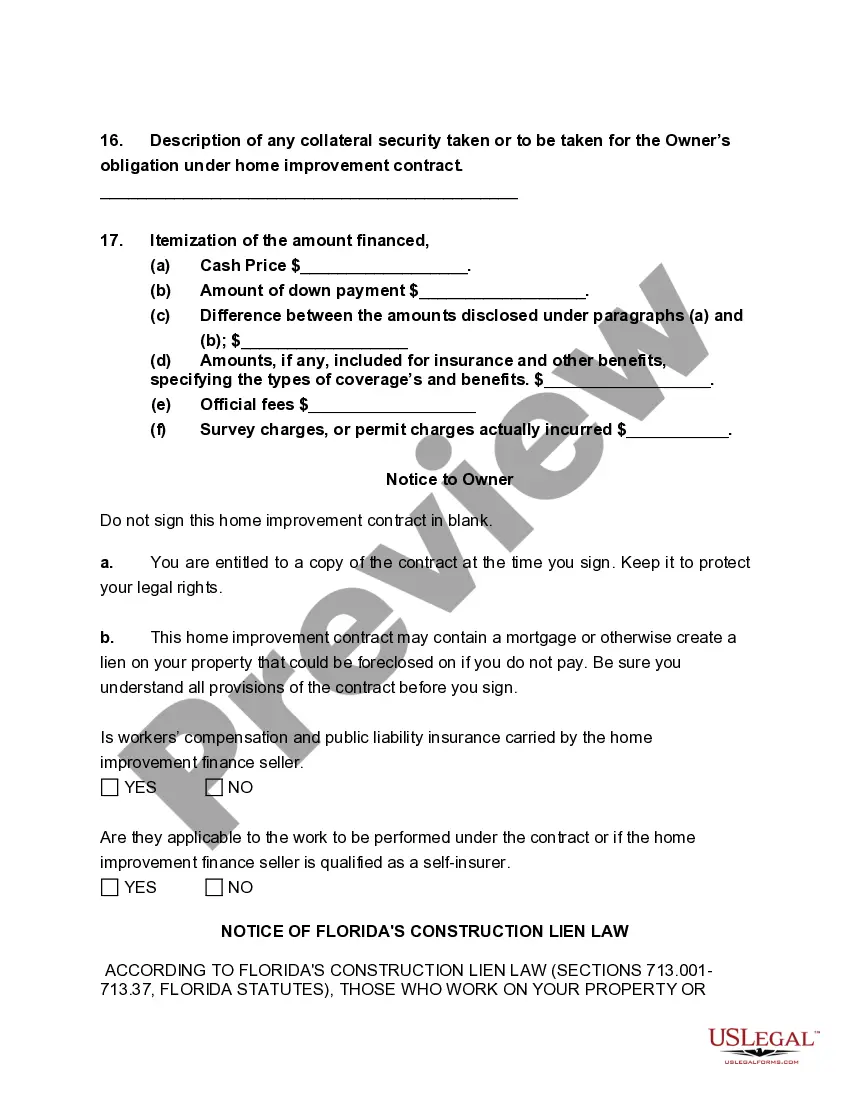
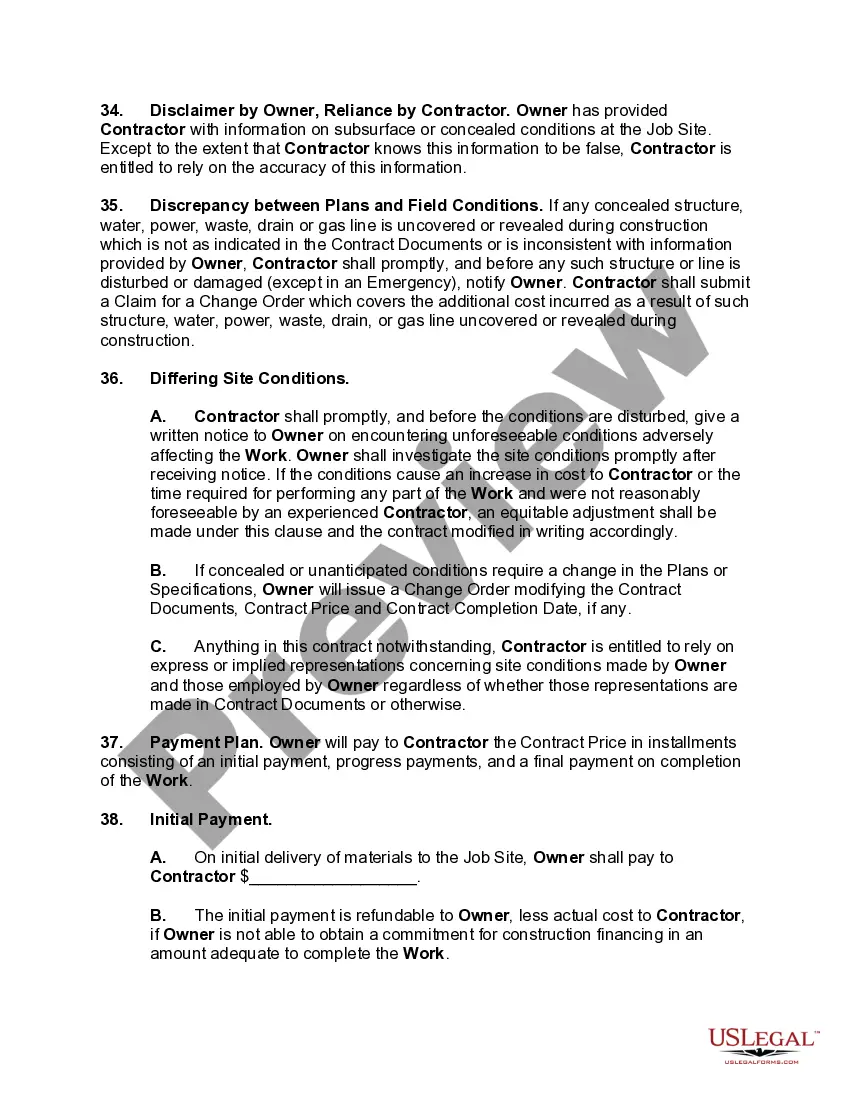
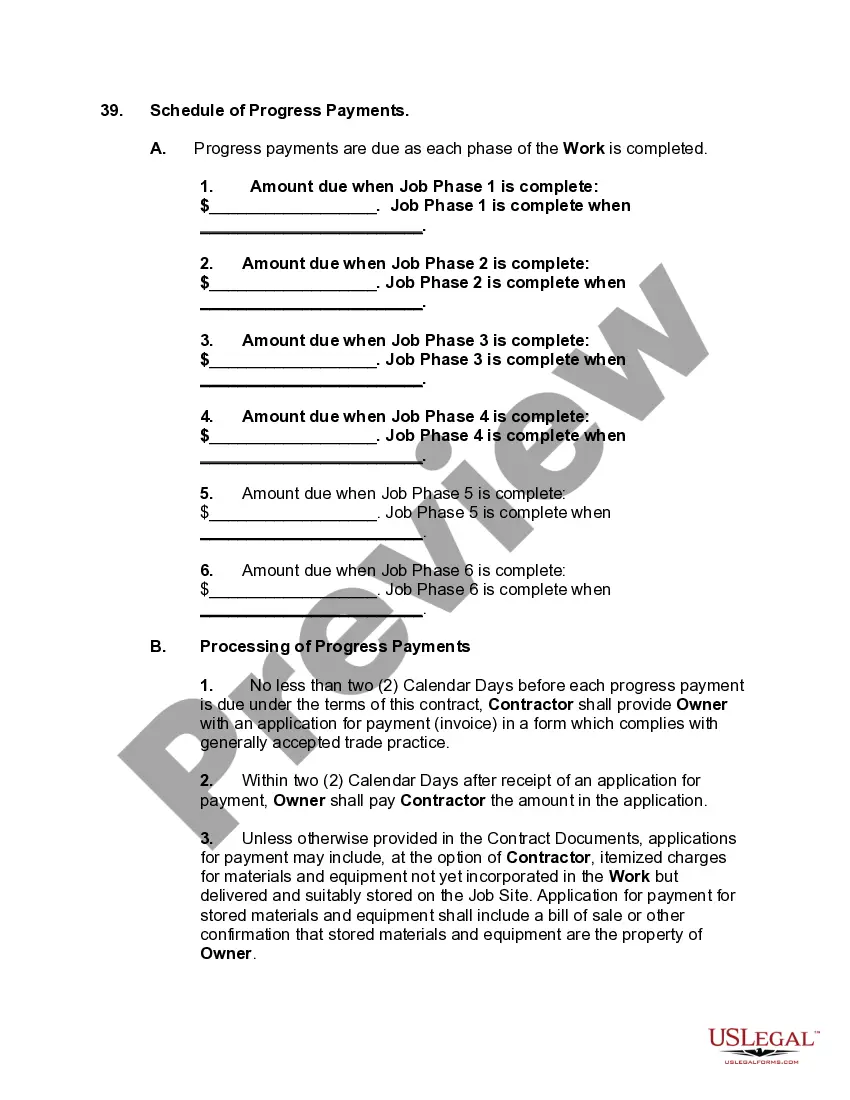
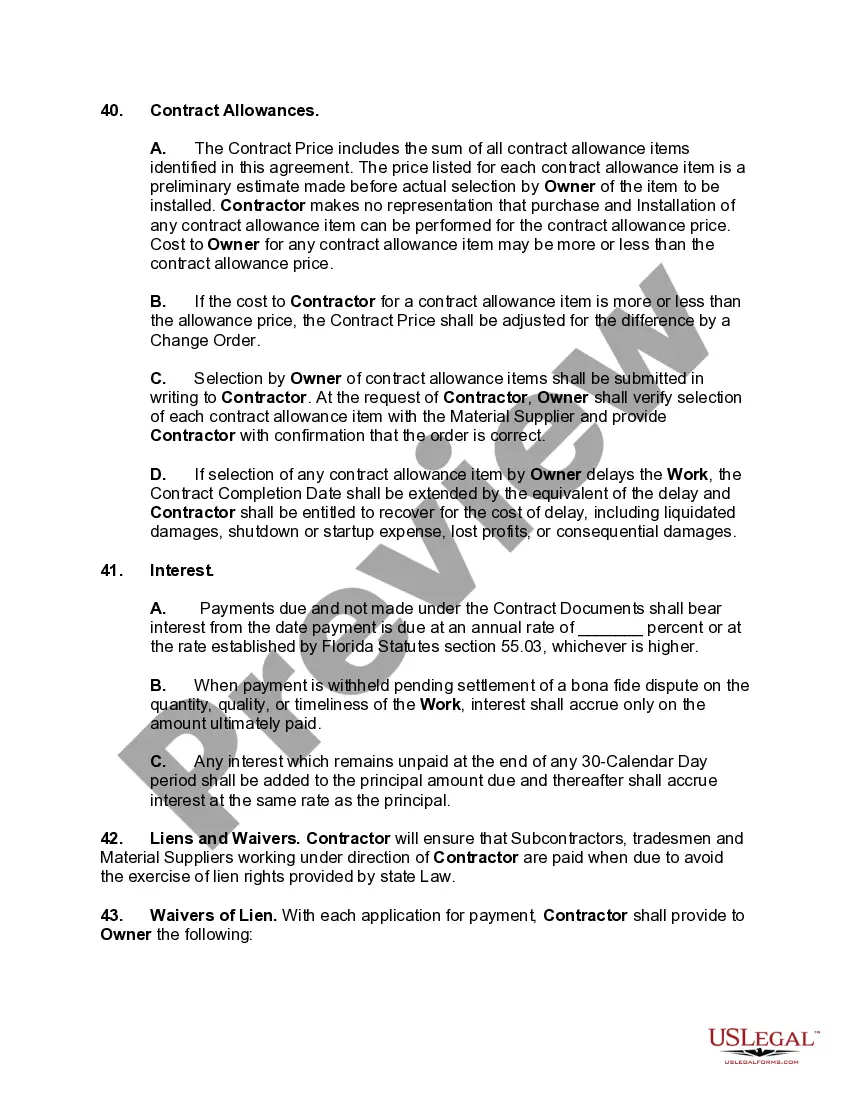
- Contract price, payment schedule, and allowances for materials.
- Important disclosures related to Florida's Construction Lien Law and the homeowner's rights.
- Terms regarding compliance with local laws, permits, and insurance requirements.
- Clauses addressing defective work, changes to the project, and lien releases.

Situations where this form applies
This form should be used when a homeowner wishes to engage a self-employed contractor for home improvement or renovation projects. It applies to various scenarios, such as remodeling a kitchen, adding a new room, or performing exterior upgrades. Using this form helps clarify expectations and protect both parties throughout the project.
Who should use this form
- Homeowners planning a renovation or improvement project on their property.
- Self-employed contractors seeking to formalize agreements with clients.
- Individuals or families who want to ensure legal compliance and clarity in home improvement contracts.
How to complete this form
- Identify the parties by entering the names and addresses of both the homeowner and the contractor.
- Provide a detailed description of the work to be done, including any specific materials to be used.
- Specify the contract price and outline the payment schedule, including any allowances for materials.
- Include required disclosures regarding construction liens and homeowner rights.
- Sign and date the contract after reviewing all terms and conditions.
Notarization guidance
Notarization is generally not required for this form. However, certain states or situations might demand it. You can complete notarization online through US Legal Forms, powered by Notarize, using a verified video call available anytime.
Get your form ready online
Our built-in tools help you complete, sign, share, and store your documents in one place.
Make edits, fill in missing information, and update formatting in US Legal Forms—just like you would in MS Word.
Download a copy, print it, send it by email, or mail it via USPS—whatever works best for your next step.
Sign and collect signatures with our SignNow integration. Send to multiple recipients, set reminders, and more. Go Premium to unlock E-Sign.
If this form requires notarization, complete it online through a secure video call—no need to meet a notary in person or wait for an appointment.
We protect your documents and personal data by following strict security and privacy standards.

Make edits, fill in missing information, and update formatting in US Legal Forms—just like you would in MS Word.

Download a copy, print it, send it by email, or mail it via USPS—whatever works best for your next step.

Sign and collect signatures with our SignNow integration. Send to multiple recipients, set reminders, and more. Go Premium to unlock E-Sign.

If this form requires notarization, complete it online through a secure video call—no need to meet a notary in person or wait for an appointment.

We protect your documents and personal data by following strict security and privacy standards.
Common mistakes
- Failing to provide complete information for the homeowner and contractor.
- Not specifying the start and completion dates for the project.
- Neglecting to detail the scope of work clearly, leading to misunderstandings.
- Omitting important legal disclosures related to construction liens.
- Not obtaining necessary permits before starting work.
Why use this form online
- Convenient access allows for quick download and immediate use.
- Editable fields enable customization to suit specific projects and parties.
- Peace of mind from using a document created under the guidance of licensed attorneys.
- Ensures compliance with state laws, reducing legal risks for both parties.
- Secure storage options help maintain records of agreements and updates.
Legal use & context
- This contract is legally binding and enforceable in the state of Florida.
- It incorporates disclosures required under federal and state laws to protect consumers.
- Parties should be aware of their obligations under the Florida Construction Lien Law as outlined in the contract.
Main things to remember
- The Home Improvement Contract - Self-Employed protects both homeowners and contractors.
- Clear terms and responsibilities help mitigate potential disputes.
- Following the guidelines ensures compliance with Florida laws and regulations.
Glossary of terms used in this form
- Home improvement contract: A formal agreement detailing the responsibilities of the homeowner and contractor for remodeling or repair projects.
- Construction lien: A legal claim against a property due to unpaid work or supplies.
- Retainage: A percentage of payment withheld until a project is completed to satisfaction.
Looking for another form?
Form popularity
FAQ
Indeed, independent contractors are categorized as self-employed individuals. When you enter into a Florida Home Improvement Contract - Self-Employed, you function independently, managing your own tax responsibilities. This classification allows you the freedom and flexibility to set your own hours, but it also requires careful management of finances and taxes.
Yes, receiving a 1099 form typically indicates that you are considered self-employed. If you are working under a Florida Home Improvement Contract - Self-Employed and receiving a 1099, you should plan to file taxes accordingly. It is essential to understand your obligations for self-employment tax and income tax in this scenario.
The IRS considers anyone who carries on a trade or business as a sole proprietor, independent contractor, or part of a partnership as self-employed. This includes those working under a Florida Home Improvement Contract - Self-Employed. If you receive a 1099-MISC form for your work, you are likely categorized as self-employed, and understanding this can help clarify your tax responsibilities.
Yes, independent contractors are generally considered self-employed. When you work under a Florida Home Improvement Contract - Self-Employed, your income is reported as self-employment income. This means you are responsible for paying both income tax and self-employment tax on your earnings.
As an independent contractor, you typically file IRS Form 1040 along with Schedule C to report your income and expenses. This is particularly relevant for those in the Florida Home Improvement Contract - Self-Employed space. Additionally, you'll need to complete Form 1099-MISC if you earn more than $600 from a client during the tax year, so be sure to keep track of all your earnings.
Yes, self-employed individuals in Florida must file state taxes, even if Florida does not have an income tax. As a self-employed person working under a Florida Home Improvement Contract - Self-Employed, you will file federal and other applicable taxes, ensuring that you meet all IRS and state obligations. Keeping accurate records will help you manage your tax responsibilities efficiently.
In Florida, most 1099 contractors, including those working under a Florida Home Improvement Contract - Self-Employed, do not need a specific business license to operate. However, local municipalities may have their own requirements, so it's essential to check with your city or county. Obtaining a local business license can add credibility and potentially help you in securing future projects.
In Florida, a handyman typically requires a local business license, but specific requirements may vary by county or city. For more extensive repair or improvement work, you may need a home improvement license or contractor's license. Familiarizing yourself with the Florida Home Improvement Contract - Self-Employed regulations will help you navigate the necessary licenses and ensure your business operates within legal boundaries.
The time it takes to obtain a home care license in Florida varies based on several factors, including the completeness of your application and the agency's processing time. Generally, you can expect the licensing process to take anywhere from a few weeks to several months. By preparing your documents and understanding the Florida Home Improvement Contract - Self-Employed requirements, you can expedite the approval process.
To become a self-employed contractor in Florida, you'll need to secure the appropriate licenses, which may include a general contractor's license or a home improvement license. You must also gather essential documents such as your business registration, liability insurance, and tax identification number. Understanding the Florida Home Improvement Contract - Self-Employed process will help ensure that your projects are legally compliant.