Iowa Warning of Default on Commercial Lease
What this document covers
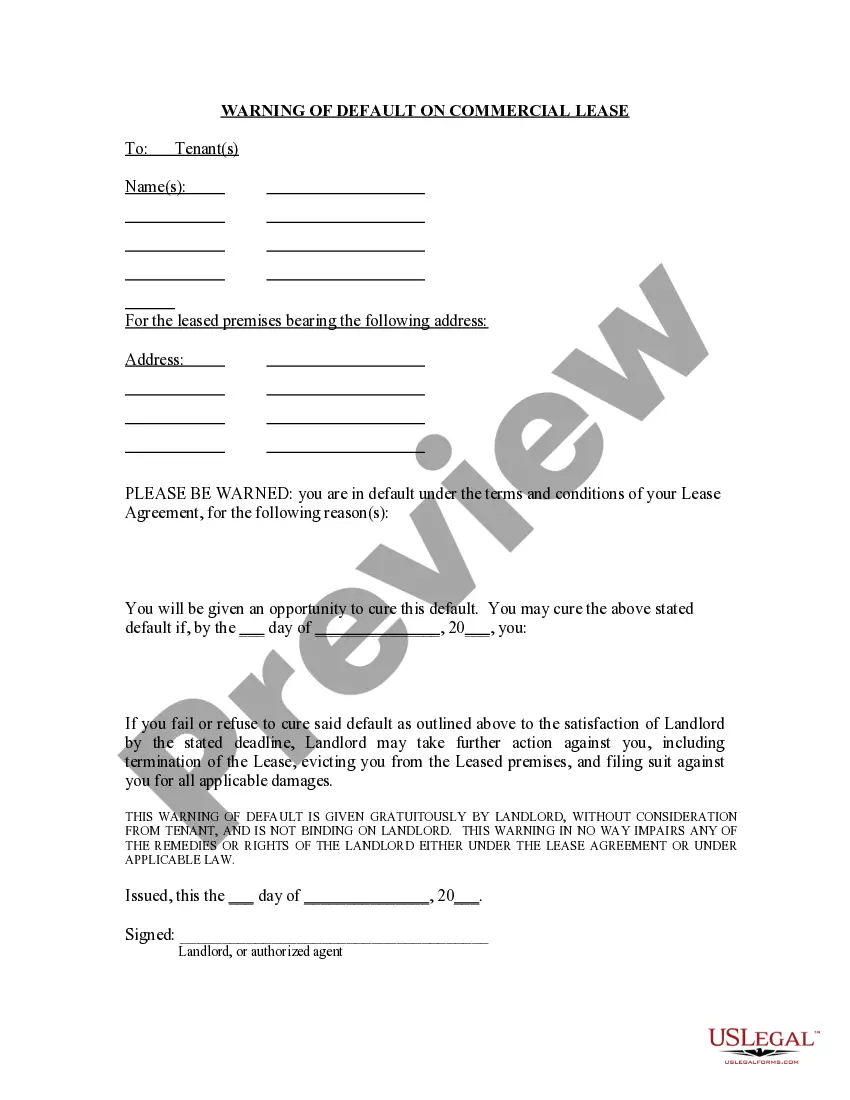
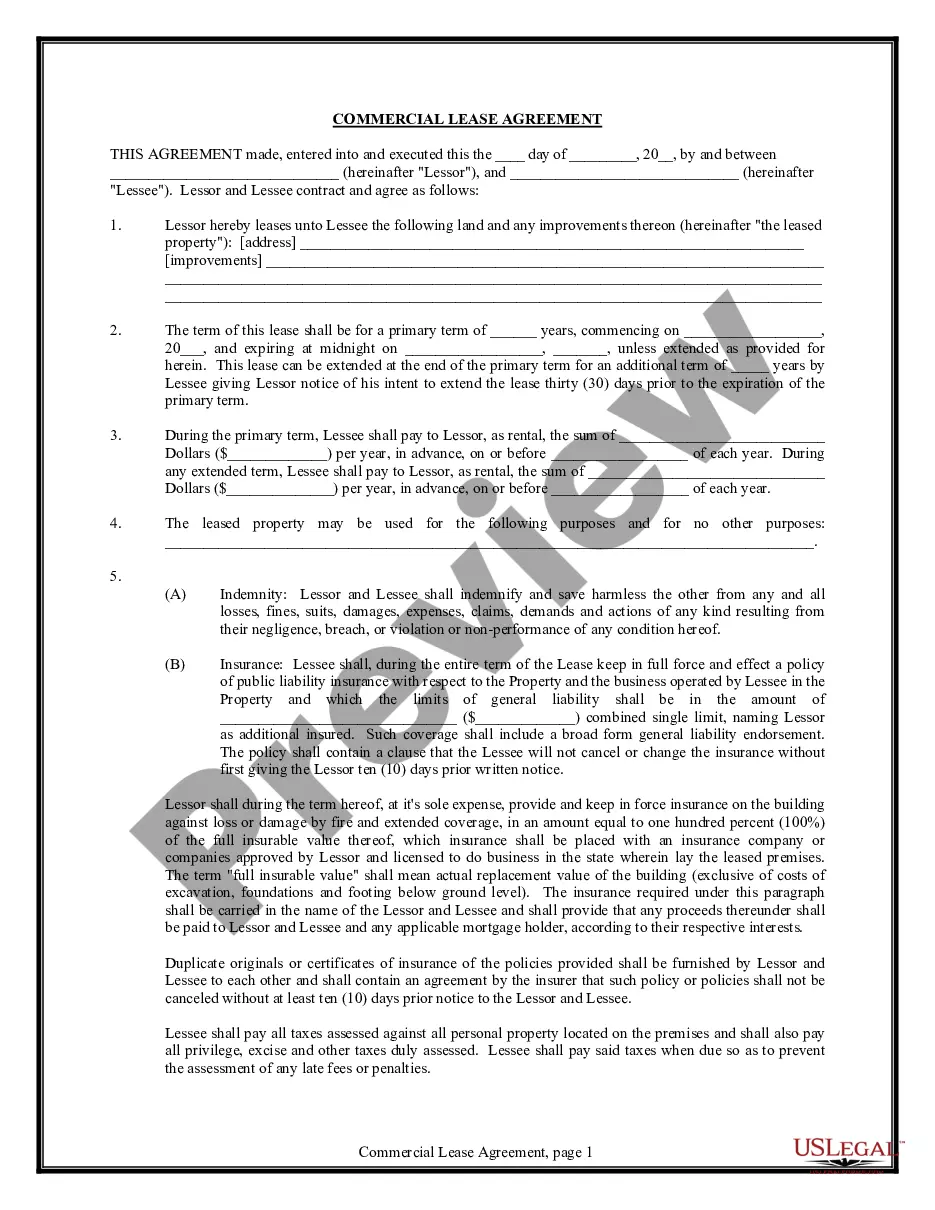
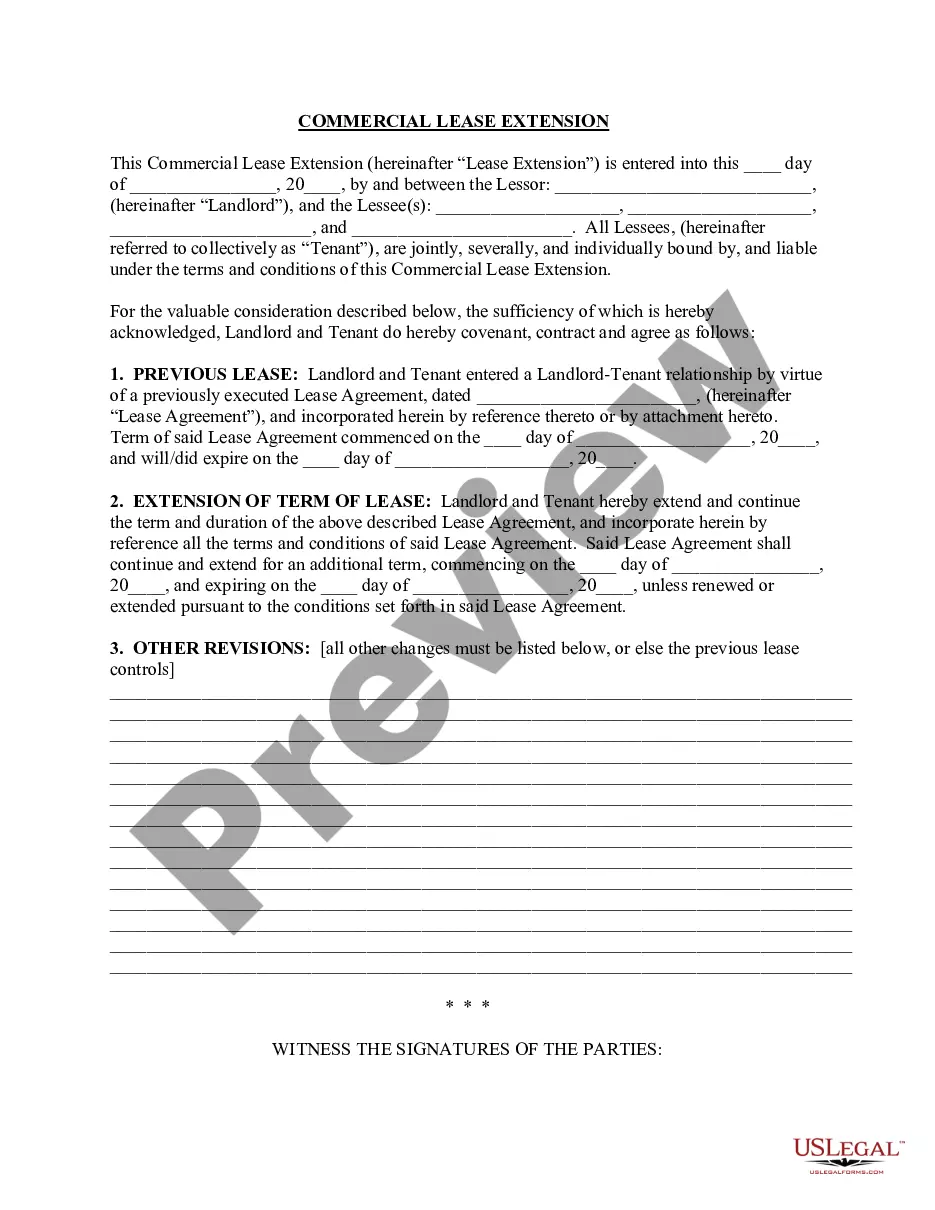
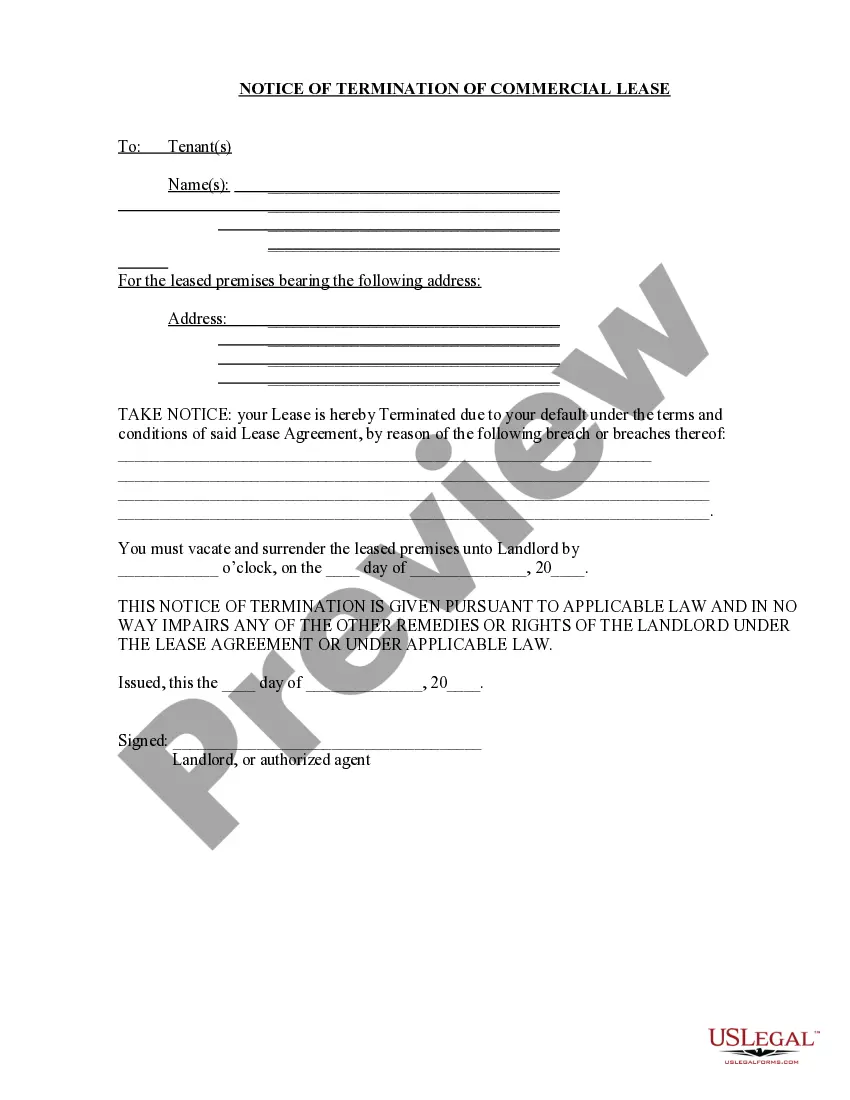
The Warning of Default on Commercial Lease is a formal notice issued by a landlord to a tenant. This document alerts the tenant to specific issues that must be corrected to avoid being considered in default of the lease agreement. Unlike general lease agreements, this warning focuses specifically on the tenant's obligations and serves as a precursor to potential legal action, such as eviction or the use of a security deposit for unpaid rent.
What’s included in this form
- Warning clause specifying it is a non-binding notice from the landlord.
- Date of issuance, indicating the warning's timeline.
- Signature line for the landlord or authorized agent to confirm the notice.
When to use this document
This form should be used when a landlord believes a tenant has failed to meet specific conditions of their commercial lease agreement. It serves as an opportunity for the tenant to rectify the issue before the landlord takes further legal steps, such as beginning eviction proceedings or claiming funds from a security deposit.
Who needs this form
- Landlords managing commercial properties.
- Property managers acting on behalf of landlords.
- Legal professionals advising landlords on lease matters.
Instructions for completing this form
- Identify and enter the date of the warning issue.
- Ensure accurate identification of the tenant and property involved.
- Clearly specify the conditions leading to the warning of default.
- Provide the signature of the landlord or authorized representative.
Does this form need to be notarized?
This form usually doesn’t need to be notarized. However, local laws or specific transactions may require it. Our online notarization service, powered by Notarize, lets you complete it remotely through a secure video session, available 24/7.
Get your form ready online
Our built-in tools help you complete, sign, share, and store your documents in one place.
Make edits, fill in missing information, and update formatting in US Legal Forms—just like you would in MS Word.
Download a copy, print it, send it by email, or mail it via USPS—whatever works best for your next step.
Sign and collect signatures with our SignNow integration. Send to multiple recipients, set reminders, and more. Go Premium to unlock E-Sign.
If this form requires notarization, complete it online through a secure video call—no need to meet a notary in person or wait for an appointment.
We protect your documents and personal data by following strict security and privacy standards.

Make edits, fill in missing information, and update formatting in US Legal Forms—just like you would in MS Word.

Download a copy, print it, send it by email, or mail it via USPS—whatever works best for your next step.

Sign and collect signatures with our SignNow integration. Send to multiple recipients, set reminders, and more. Go Premium to unlock E-Sign.

If this form requires notarization, complete it online through a secure video call—no need to meet a notary in person or wait for an appointment.

We protect your documents and personal data by following strict security and privacy standards.
Avoid these common issues
- Failing to include specific details about the default conditions.
- Not signing the warning notice, rendering it invalid.
- Using the wrong date, which may complicate legal proceedings.
Benefits of using this form online
- Convenient access to legal forms that can be downloaded at any time.
- Editable templates that allow for customization to meet specific needs.
- Reliable and accurate documents drafted by licensed attorneys.
Legal use & context
- This form serves as an important legal document that protects landlords by formally notifying tenants of lease violations.
- Proper use of this warning can help landlords mitigate potential legal disputes before they escalate.
- Fulfilling notice requirements is crucial for enforceable eviction proceedings if necessary.
Looking for another form?

Form popularity
FAQ
When you default on an agreement, the other party may seek legal remedies to enforce the terms of the contract. This often includes potential financial penalties or initiating eviction. Specifically, the Iowa Warning of Default on Commercial Lease provides a structured warning process for landlords and tenants. Taking quick action can often lead to solutions that keep you in good standing.
In a lease agreement, default refers to a tenant’s failure to meet the legal or contractual obligations outlined in the lease. This can include not paying rent on time or not following property rules. Understanding the implications of default is crucial, especially when looking at the Iowa Warning of Default on Commercial Lease. Documenting your lease terms can help you avoid misunderstandings.
Red flags in a lease agreement can include unclear terms regarding rent increases and strict maintenance responsibilities. It's important to scrutinize any clauses that allow the landlord to make arbitrary changes. Additionally, vague language around default consequences can lead to unexpected issues. Always consult resources like the Iowa Warning of Default on Commercial Lease for clarity.
If you default on your lease, the landlord may start eviction proceedings to reclaim the property. The Iowa Warning of Default on Commercial Lease allows landlords to inform tenants of their lease violations. It’s essential to understand that defaulting can impact your credit score and future leasing opportunities. Seeking legal advice may help you navigate this challenging situation.
When a business defaults on a lease, it may face serious consequences, including eviction, financial penalties, and damage to its credit rating. The landlord can issue an Iowa Warning of Default on Commercial Lease to formally inform the business of the default status. It is critical for businesses to seek legal guidance as soon as default occurs to explore options for resolution. Engaging with professionals can help you navigate these challenging situations effectively.
Defaulting on a lease often occurs when a tenant fails to comply with the lease's terms, such as not paying rent or breaching other contractual obligations. It is essential to be aware of what constitutes default, as outlined in the Iowa Warning of Default on Commercial Lease. Being proactive can help you avoid defaults and their repercussions, ensuring a smooth leasing experience. Always communicate with your landlord to resolve issues before they escalate.
If you default on a commercial lease, the landlord can take several actions to rectify the situation. This may involve sending you an Iowa Warning of Default on Commercial Lease, which formally notifies you of your lease violation. Failing to respond or resolve the issue can lead to eviction and additional costs. It's crucial to understand your lease terms and address any issues as quickly as possible.
When a tenant defaults on a commercial lease, landlords have various remedies available under Iowa law. They may initiate eviction proceedings, seek damages for unpaid rent, or terminate the lease entirely. The Iowa Warning of Default on Commercial Lease serves as a critical notice informing tenants of their default status and potential legal actions. By addressing these issues promptly, landlords can mitigate their losses.
If you receive an Iowa Warning of Default on Commercial Lease, it indicates potential issues with your lease agreement. An illness or financial hardship can sometimes serve as a basis to negotiate an early exit from a commercial lease. However, remember that the best practice is to communicate openly with your landlord about your situation. Using legal resources, such as uslegalforms, can aid you in crafting a solid plan to address your lease concerns.
The landlord default clause on a commercial lease outlines the specific conditions under which a landlord can be considered in default of the lease agreement. This clause typically stipulates the landlord's responsibilities and the time frame in which they must correct any violations. When an issue arises, this clause is essential for both landlords and tenants in Iowa. US Legal Forms offers templates that include such clauses, making it easier for landlords to create agreements that protect both parties.