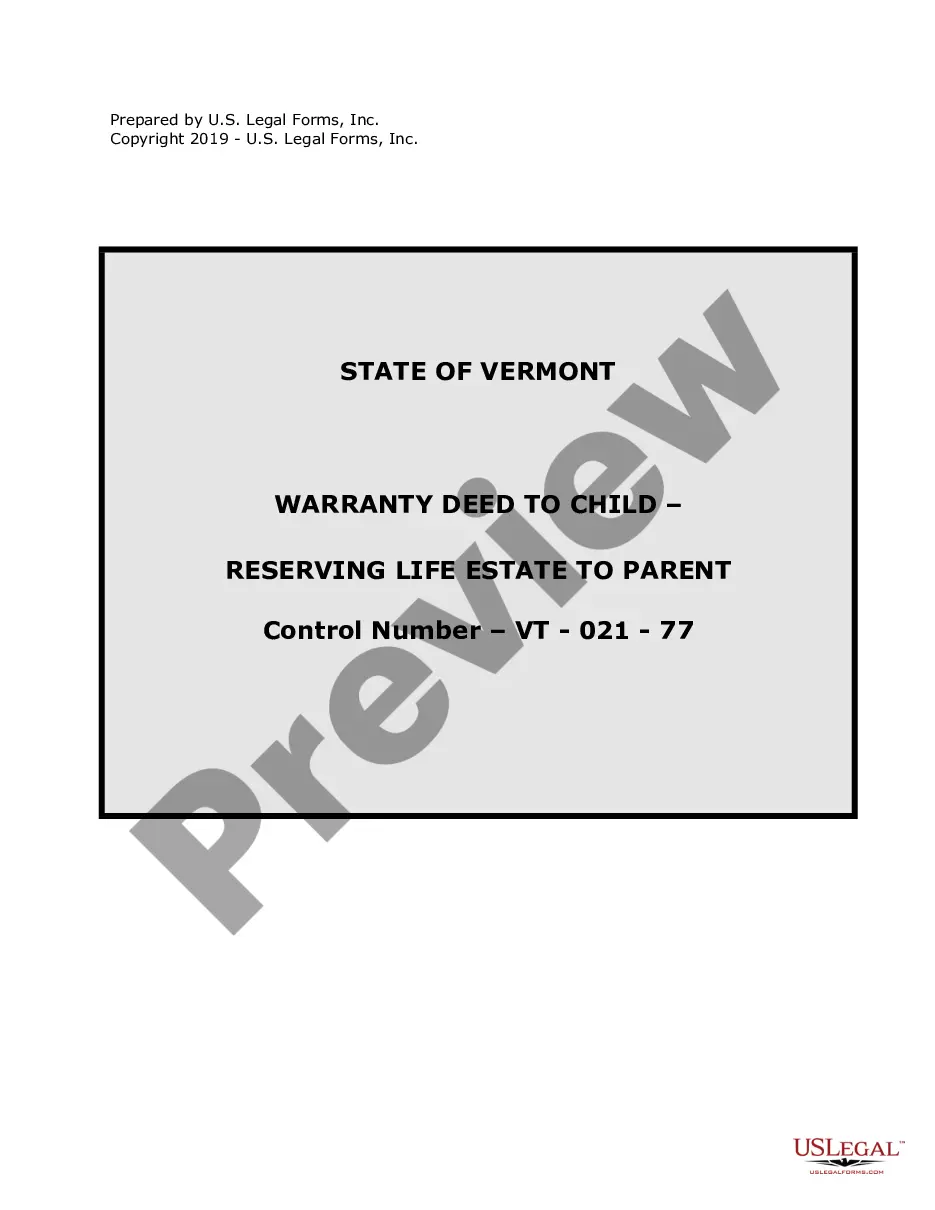
Iowa Letter from Landlord to Tenant for Failure to keep premises as clean and safe as condition of premises permits - Remedy or lease terminates
Overview of this form
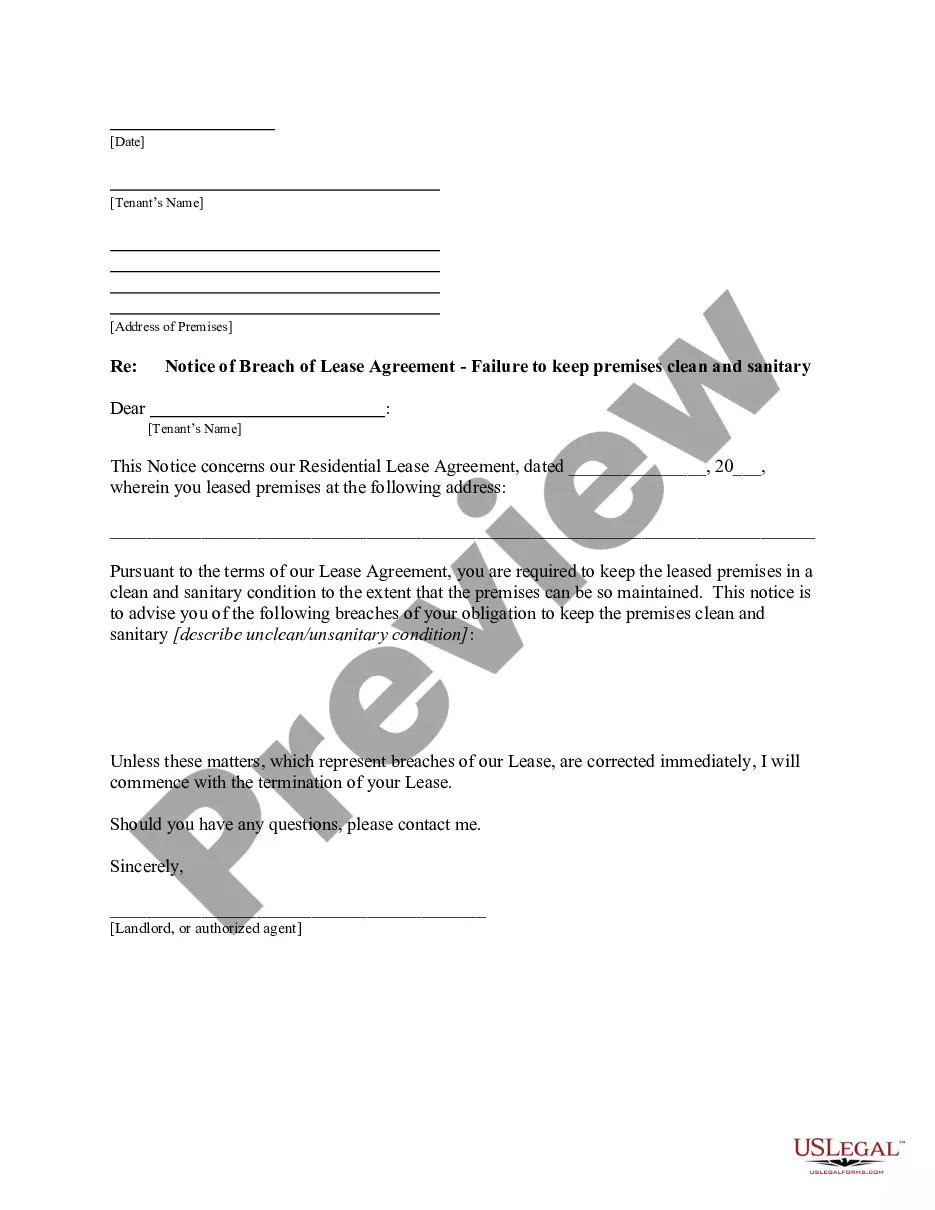
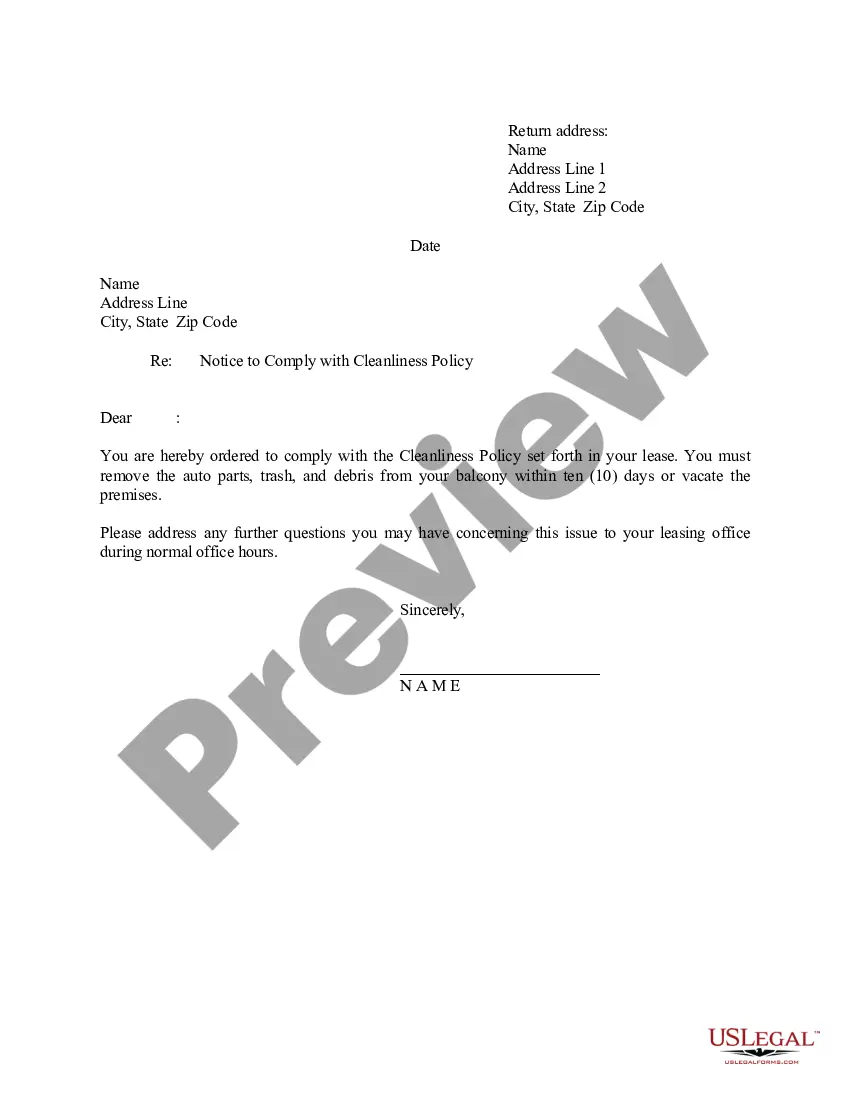
This form is a formal notice from a landlord to a tenant, addressing the failure to maintain the premises in a clean and safe condition. It advises the tenant of specific breaches of their obligations under the lease agreement regarding cleanliness and sanitation. This document facilitates communication regarding these issues and outlines potential remedies or consequences, including the possibility of lease termination. Its purpose differs from standard eviction notices by focusing on cleanliness rather than non-payment of rent or lease violations unrelated to sanitation.
Key parts of this document
- Identification of the parties involved (landlord and tenant).
- Description of the specific unclean or unsanitary conditions present.
- Reference to obligations stated in the lease agreement regarding cleanliness.
- Notice of potential remedies or lease termination based on tenant's failure to comply.
- Date of the notice and required response timeframe from the tenant.



When to use this document
This form should be used in situations where a tenant has failed to maintain the rental property in a clean and sanitary condition, which could create health hazards or violate local safety codes. It is appropriate when the landlord wishes to formally notify the tenant of these breaches and is considering remedies, such as allowing time for compliance or initiating lease termination if issues are not resolved.
Who can use this document
- Landlords seeking to enforce lease obligations regarding cleanliness.
- Property managers representing landlords in communicating issues to tenants.
- Tenants who need to understand their responsibilities regarding property upkeep.
Instructions for completing this form
- Identify the landlord and tenant by entering their names and addresses at the top of the notice.
- Clearly describe the specific unclean or unsanitary conditions observed in the premises.
- Reference the relevant sections of the lease agreement that outline the tenant's responsibilities for cleanliness.
- State the potential remedies available, including a deadline for the tenant to remedy the situation.
- Sign and date the notice before delivering it to the tenant.
Does this document require notarization?
This form does not typically require notarization unless specified by local law. However, having a notarized document can provide added legal weight in disputes. Ensure you check your stateâs regulations for any specific notarization requirements.
Get your form ready online
Our built-in tools help you complete, sign, share, and store your documents in one place.
Make edits, fill in missing information, and update formatting in US Legal Forms—just like you would in MS Word.
Download a copy, print it, send it by email, or mail it via USPS—whatever works best for your next step.
Sign and collect signatures with our SignNow integration. Send to multiple recipients, set reminders, and more. Go Premium to unlock E-Sign.
If this form requires notarization, complete it online through a secure video call—no need to meet a notary in person or wait for an appointment.
We protect your documents and personal data by following strict security and privacy standards.

Make edits, fill in missing information, and update formatting in US Legal Forms—just like you would in MS Word.

Download a copy, print it, send it by email, or mail it via USPS—whatever works best for your next step.

Sign and collect signatures with our SignNow integration. Send to multiple recipients, set reminders, and more. Go Premium to unlock E-Sign.

If this form requires notarization, complete it online through a secure video call—no need to meet a notary in person or wait for an appointment.

We protect your documents and personal data by following strict security and privacy standards.
Typical mistakes to avoid
- Failing to specify the exact nature of the cleanliness issues.
- Not including a clear deadline for the tenant to respond or rectify the issues.
- Omitting references to the lease agreement, which can weaken the notice.
- Neglecting to sign and date the notice, potentially invalidating it.
Why complete this form online
- Convenient access to a legally sound form tailored to your state's laws.
- Editable format allowing for customization based on specific circumstances.
- Instant download for quick delivery to the tenant.
- Peace of mind knowing the form has been created by licensed attorneys.
Legal use & context
- This notice serves as an important step in maintaining rental property standards and legal responsibilities.
- Failure to use this form may limit a landlord's ability to successfully terminate a lease for cleanliness issues.
- Proper documentation protects landlords from potential legal disputes with tenants.
Summary of main points
- A landlord-tenant notice is essential for addressing cleanliness issues within rental properties.
- Clearly document breaches to protect your legal rights and responsibilities.
- Utilize this form to facilitate communication and potentially remedy issues before lease termination.
Looking for another form?
Form popularity
FAQ
In Iowa, landlords generally have a reasonable timeframe to address repairs, often considered to be 14 days depending on the issue's severity. If the landlord does not make the necessary repairs within this period, the tenant can send an Iowa Letter from Landlord to Tenant for Failure to keep premises as clean and safe as condition of premises permits - Remedy or lease terminates. This communication clarifies the tenant's rights and the landlord's obligations regarding property maintenance.
The warranty of habitability is a legal concept ensuring that rental properties meet basic living standards. This means that landlords must provide a safe and livable environment for tenants. If a landlord fails to uphold this duty, the tenant may issue an Iowa Letter from Landlord to Tenant for Failure to keep premises as clean and safe as condition of premises permits - Remedy or lease terminates, highlighting any deficiencies or required repairs.
Yes, a landlord can require a tenant to keep the property clean and safe. If the tenant fails to maintain cleanliness as specified in the lease agreement, the landlord can issue an Iowa Letter from Landlord to Tenant for Failure to keep premises as clean and safe as condition of premises permits - Remedy or lease terminates. This letter serves as a formal notice and outlines the necessary steps the tenant must take to remedy the situation.
In Massachusetts, the law requires landlords to fulfill the implied warranty of habitability, which mandates providing safe and sanitary living conditions. If landlords fail to meet these obligations, tenants have the right to seek remedies through legal channels. Understanding these laws empowers tenants to advocate for their living conditions effectively.
To report unsafe living conditions in Massachusetts, you can contact your local board of health or housing authority. Provide details about the issues you face, including photographs and correspondence with your landlord. This action can initiate an investigation that may lead to enforcement of state housing codes.
To sue your landlord for unsafe living conditions, begin by documenting all issues and attempts to communicate with the landlord regarding the problems. Gather evidence, including photos and any correspondence. From there, you may consult an attorney to help initiate the legal process tailored to your specific situation.
To write a letter to a tenant about cleanliness, start by clearly stating the issue and referring to any relevant lease agreements. Be specific about the cleanliness expectations and provide a reasonable timeline for addressing these concerns. You may use the Iowa Letter from Landlord to Tenant for Failure to keep premises as clean and safe as condition of premises permits - Remedy or lease terminates as a template.
Iowa Code 562.17 details the obligations of landlords concerning the maintenance of rental properties. It outlines the standards that must be upheld to ensure a safe living environment for tenants. When conditions fall short, tenants have the right to pursue remedies under this code.
In Massachusetts, landlords are typically expected to clean and prepare the property for new tenants. This includes addressing any repairs and ensuring that the premises meet habitability standards. Although state law provides guidance, tenants are advised to express any concerns directly to their landlords.
An example of the implied warranty of habitability includes a landlord's obligation to fix dangerous electrical issues. If these problems exist and the landlord fails to address them, the tenant could take action based on this warranty. Tenants can utilize an Iowa Letter from Landlord to Tenant for Failure to keep premises as clean and safe as condition of premises permits - Remedy or lease terminates if such hazards persist.