• US Legal Forms

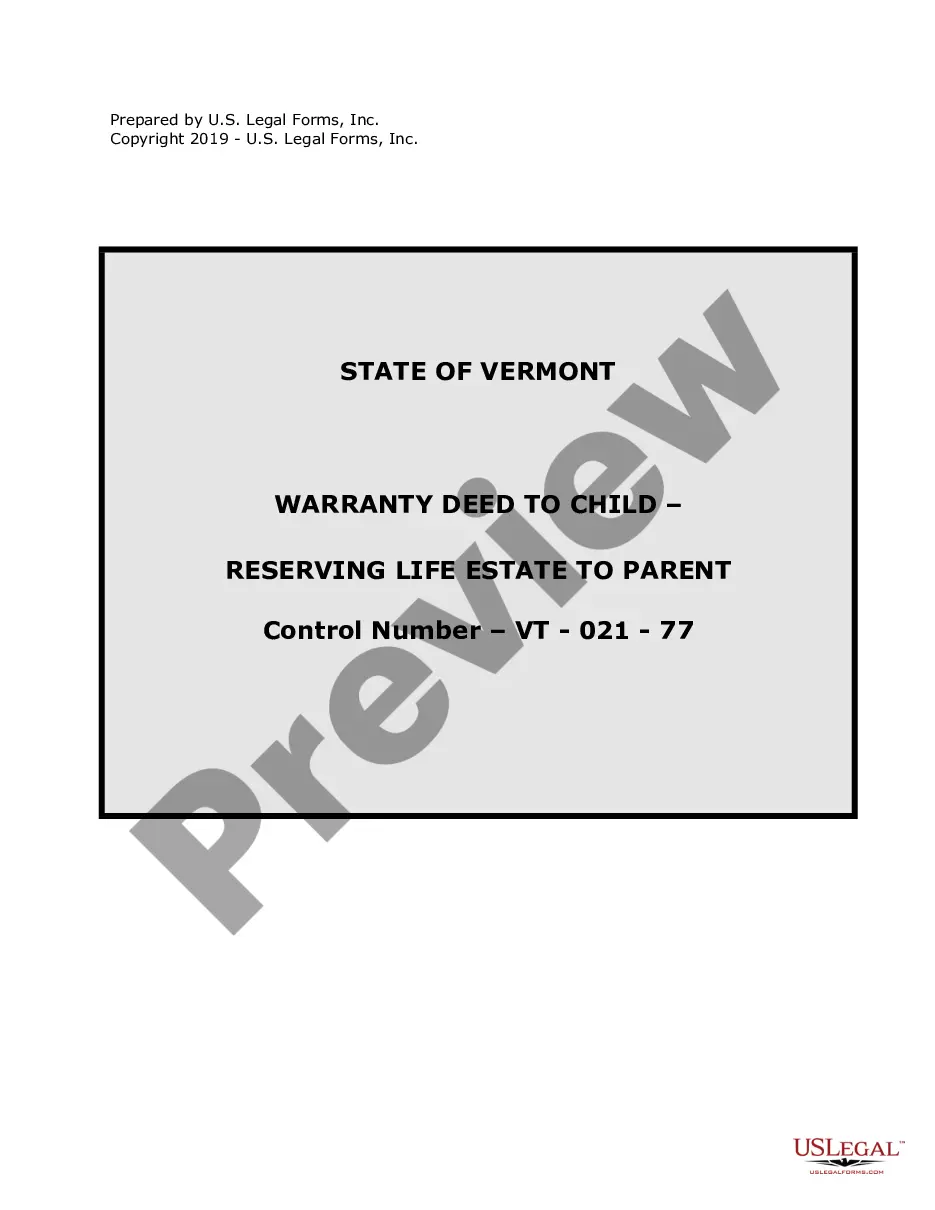
Vermont Warranty Deed to Child Reserving a Life Estate in the Parents

State:
Vermont
Control #:
VT-021-77
Format:
Word; 
Rich Text
Instant download

About this form

The Warranty Deed to Child Reserving a Life Estate in the Parents is a legal document that allows parents to transfer property ownership to their child while retaining the right to live in or use the property for the rest of their lives. This form is essential for estate planning, as it provides a way to pass on property to heirs while maintaining control and use of the property during the grantors' lifetime. Unlike other deed types, this warranty deed ensures that parents can live in their home without losing their rights to the property immediately upon transfer.

What’s included in this form

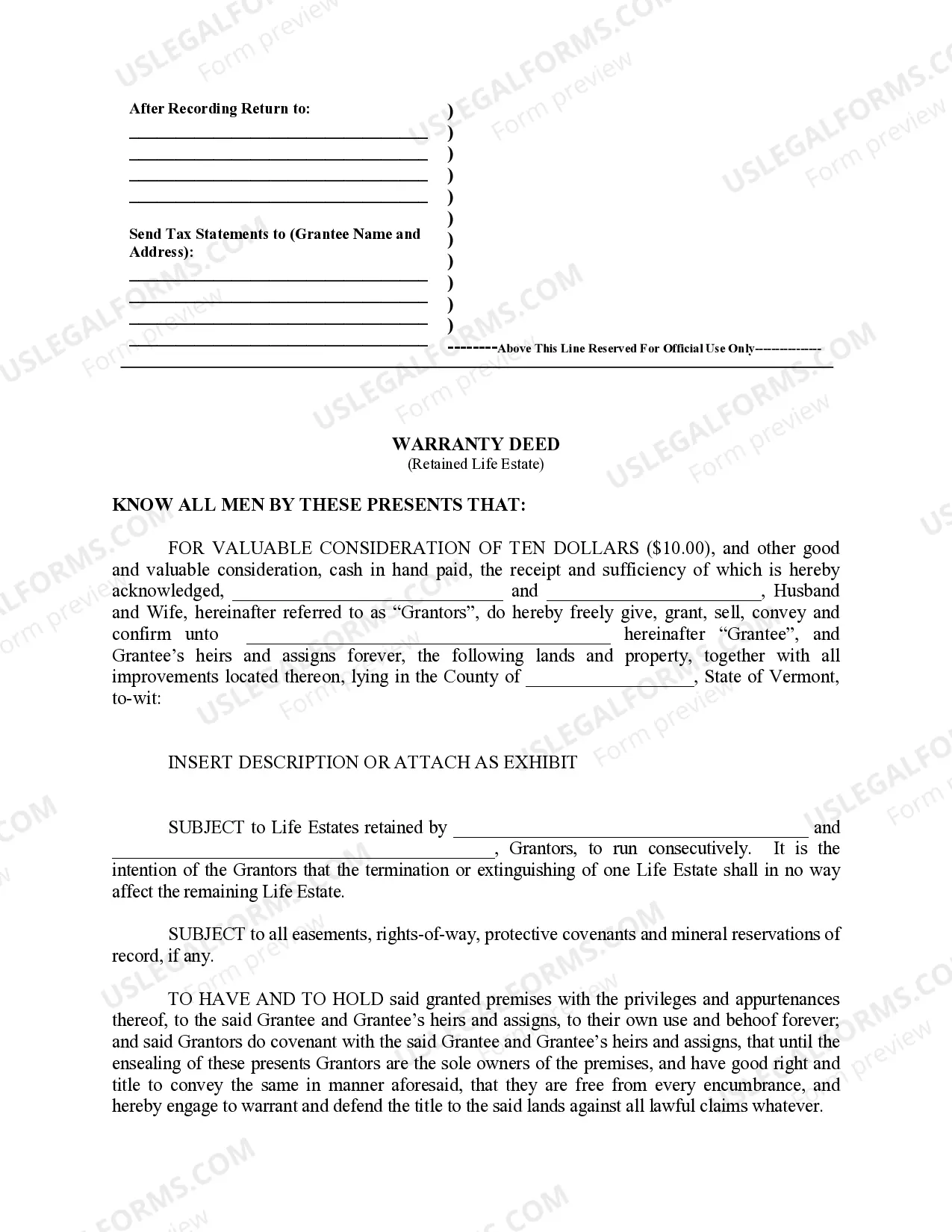
  • Grantors and Grantee Information: Names and addresses of the parents (grantors) and child (grantee).
  • Property Description: Detailed description of the property being transferred including any improvements.
  • Life Estate Terms: Explicit reservation of life estates for the parents, specifying their rights during their lifetime.
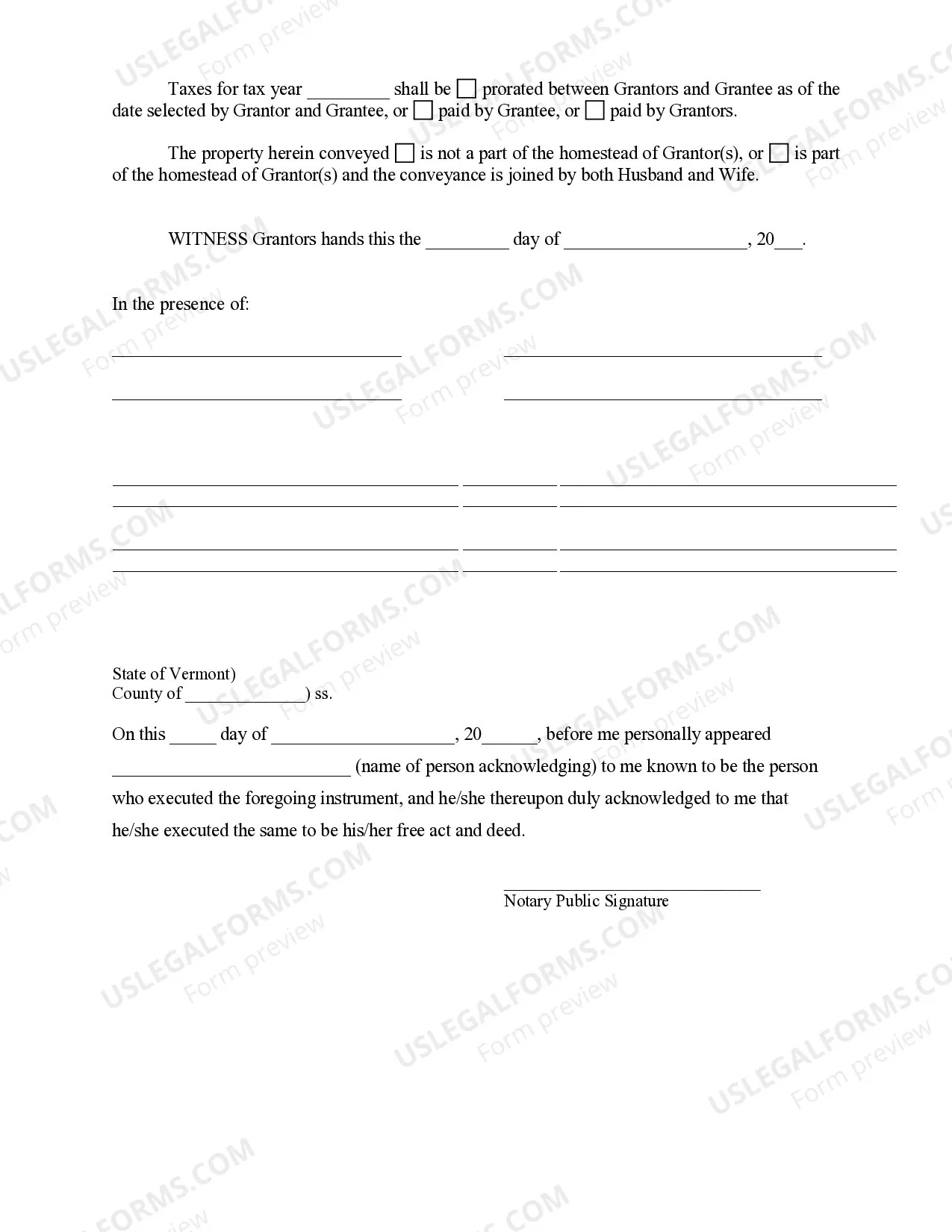
  • Tax Responsibilities: Clarification of tax obligations between grantors and grantee for the property.
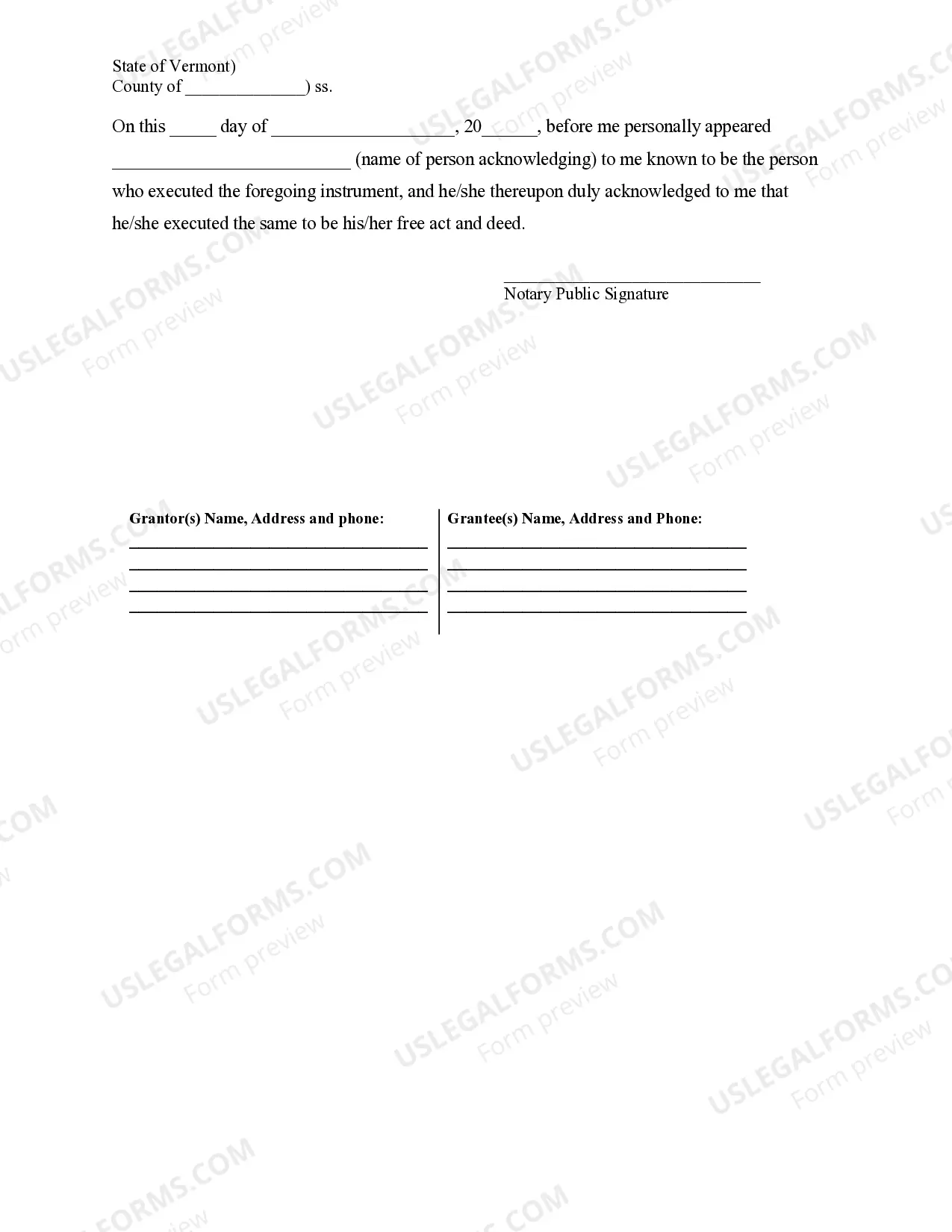
  • Notary Acknowledgment: Section for notarization to validate the deed.
Free preview
  • Preview Warranty Deed to Child Reserving a Life Estate in the Parents
  • Preview Warranty Deed to Child Reserving a Life Estate in the Parents
  • Preview Warranty Deed to Child Reserving a Life Estate in the Parents
  • Preview Warranty Deed to Child Reserving a Life Estate in the Parents
  • Preview Warranty Deed to Child Reserving a Life Estate in the Parents
  • Preview Warranty Deed to Child Reserving a Life Estate in the Parents

When this form is needed

This form should be used when parents wish to transfer ownership of their property to their child while ensuring they can continue living there for the rest of their lives. It is especially useful during estate planning to avoid complications in property transfer after death and to minimize estate taxes. Families contemplating intergenerational property transfers often find this document beneficial.

Who should use this form

This form is suitable for:

  • Parents transferring property to their adult children.
  • Individuals looking to manage their estate without losing their home.
  • Families aiming to simplify inheritance processes.

Steps to complete this form

  • Identify the parties involved: Fill in the names and addresses of the grantors (parents) and grantee (child).
  • Specify the property: Provide a detailed description of the property being transferred, including any relevant boundaries or improvements.
  • Outline life estate terms: Clearly state the rights of the grantors to retain a life estate in the property.
  • Enter tax details: Decide how taxes will be managed between the grantors and grantee, and document this on the form.
  • Sign and notarize: Ensure all parties sign the document in the presence of a notary public to validate the transfer.

Does this form need to be notarized?

This form needs to be notarized to ensure legal validity. US Legal Forms provides secure online notarization powered by Notarize, allowing you to complete the process through a verified video call, available anytime.

Typical mistakes to avoid

  • Failing to provide a complete property description, which can lead to future disputes.
  • Not specifying tax responsibilities clearly, potentially causing confusion later.
  • Omitting notarization, which is required for legal validity of the deed.

Benefits of completing this form online

  • Convenient access to the document from anywhere at any time.
  • Editable form fields for easy completion and customization to meet specific needs.
  • Security of downloading an official form created by licensed attorneys, ensuring legal validity.

Form popularity

FAQ

A warranty deed guarantees that: The grantor is the rightful owner of the property and has the legal right to transfer the title.The title would withstand third-party claims to ownership of the property. The grantor will do anything to ensure the grantee's title to the property.

The two types of life estates are the conventional and the legal life estate. the grantee, the life tenant. Following the termination of the estate, rights pass to a remainderman or revert to the previous owner.

When a person dies, beneficiaries might learn that the decedent made a deed that conflicts with the specific wording in his will. Generally, a deed will override the will. However, which legal document prevails also depends on state property laws and whether the state has adopted the Uniform Probate Code.

A life estate deed permits the property owner to have full use of their property until their death, at which point the ownership of the property is automatically transferred to the beneficiary.

A life estate gives a person the right to live on or use property during the life estate owner's lifetime or until his or her death.After the life estate is created, generally the grantor cannot sell the property without the consent of the other person. This kind of deed should only be prepared by an attorney.

A person owns property in a life estate only throughout their lifetime. Beneficiaries cannot sell property in a life estate before the beneficiary's death. One benefit of a life estate is that property can pass when the life tenant dies without being part of the tenant's estate.

A life estate is where a natural person owns all the benefits of ownership in the property during their life, or the life of another, with the property going to a remainder person after the death of the life tenant.One common type of deed used to reserve a life estate is a warranty deed.

Reservation of the present interest allows the owner to retain ownership for a period of time measured by the life of one or more individuals, by a term of years, or by a combination of the two.

A life estate deed allows you to transfer property while reserving an interest during your lifetime or during the lifetime of someone else. Once the person who holds the life estate passes away, the Grantee fully owns the property.

Trusted and secure by over 3 million people of the world’s leading companies

Vermont Warranty Deed to Child Reserving a Life Estate in the Parents