West Virginia Transfer on Death Deed or TOD - Beneficiary Deed for Husband and Wife to Individual
Overview of this form
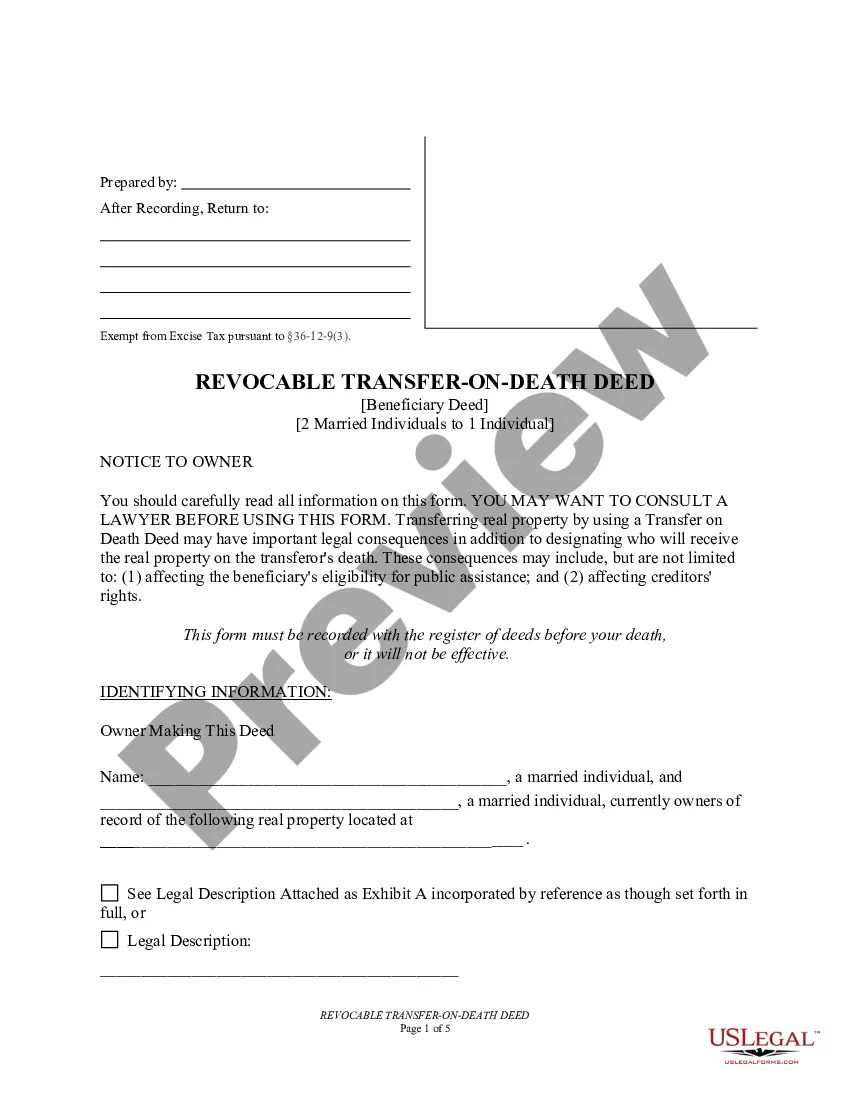
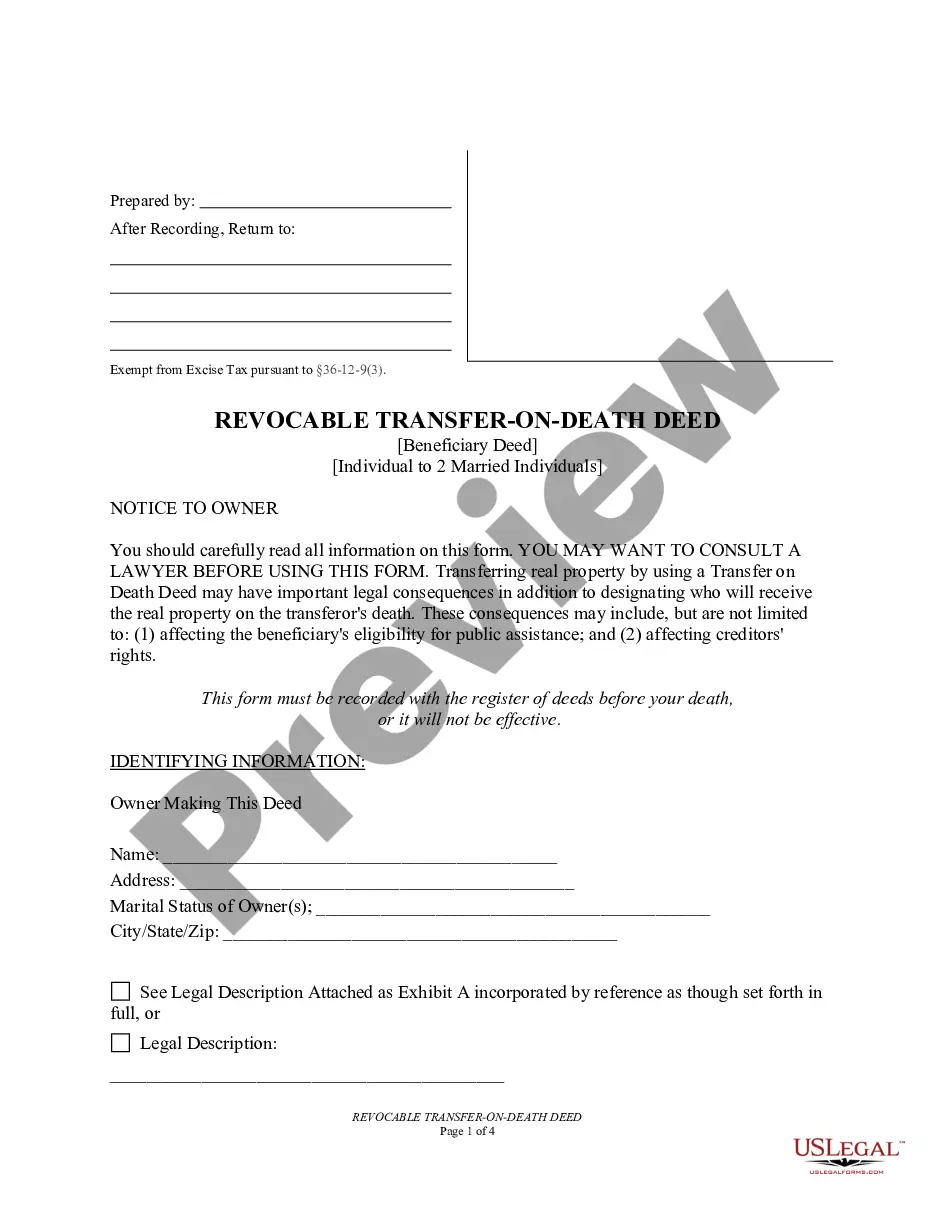
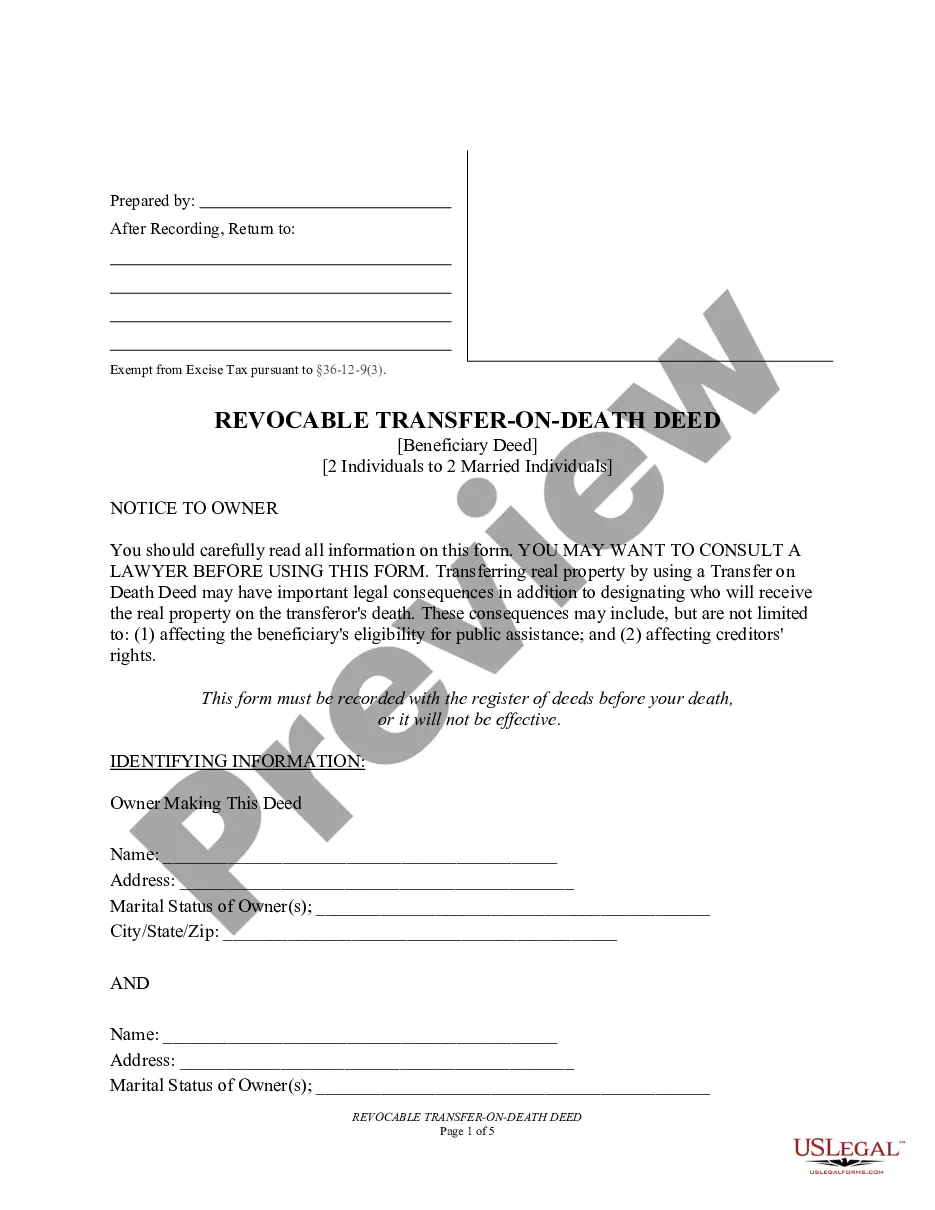
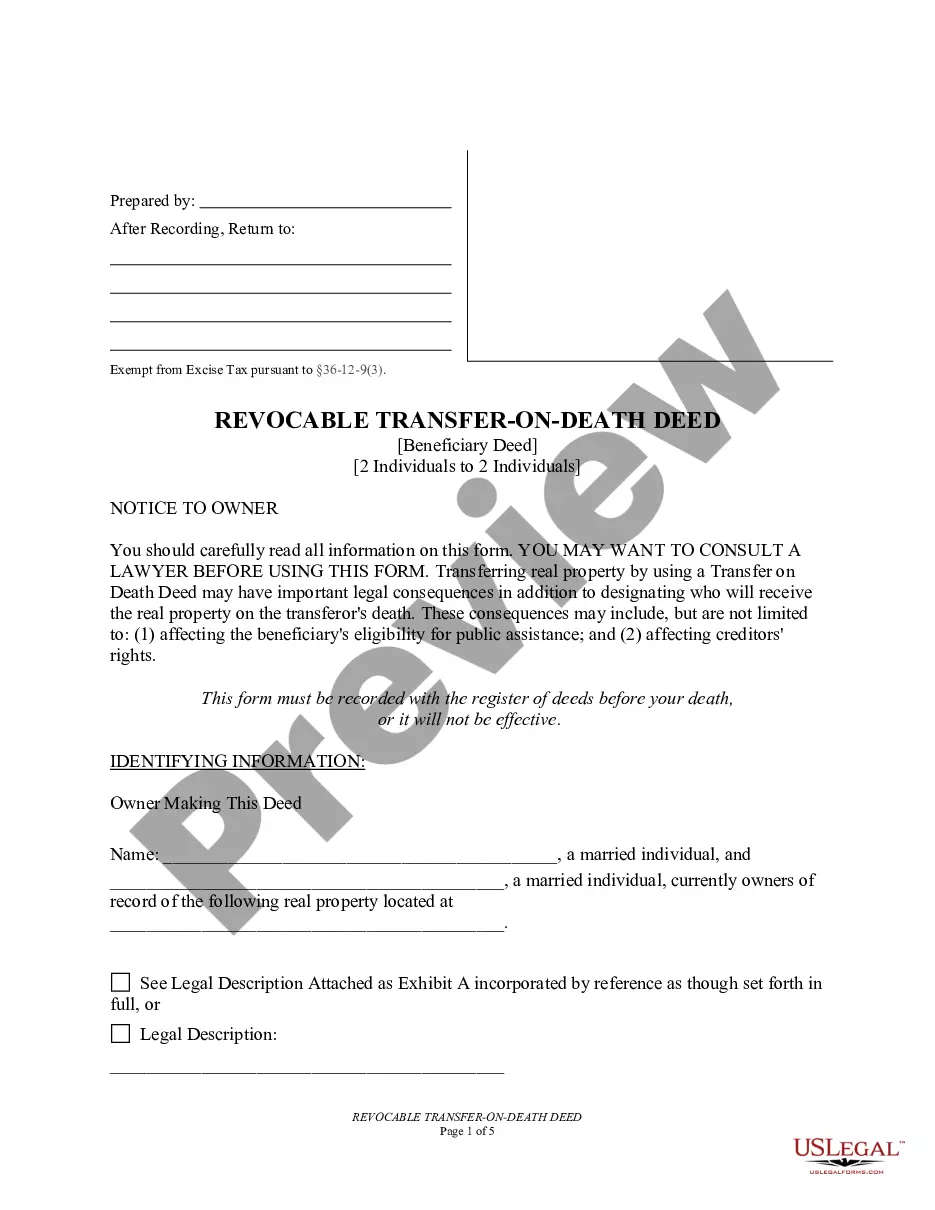
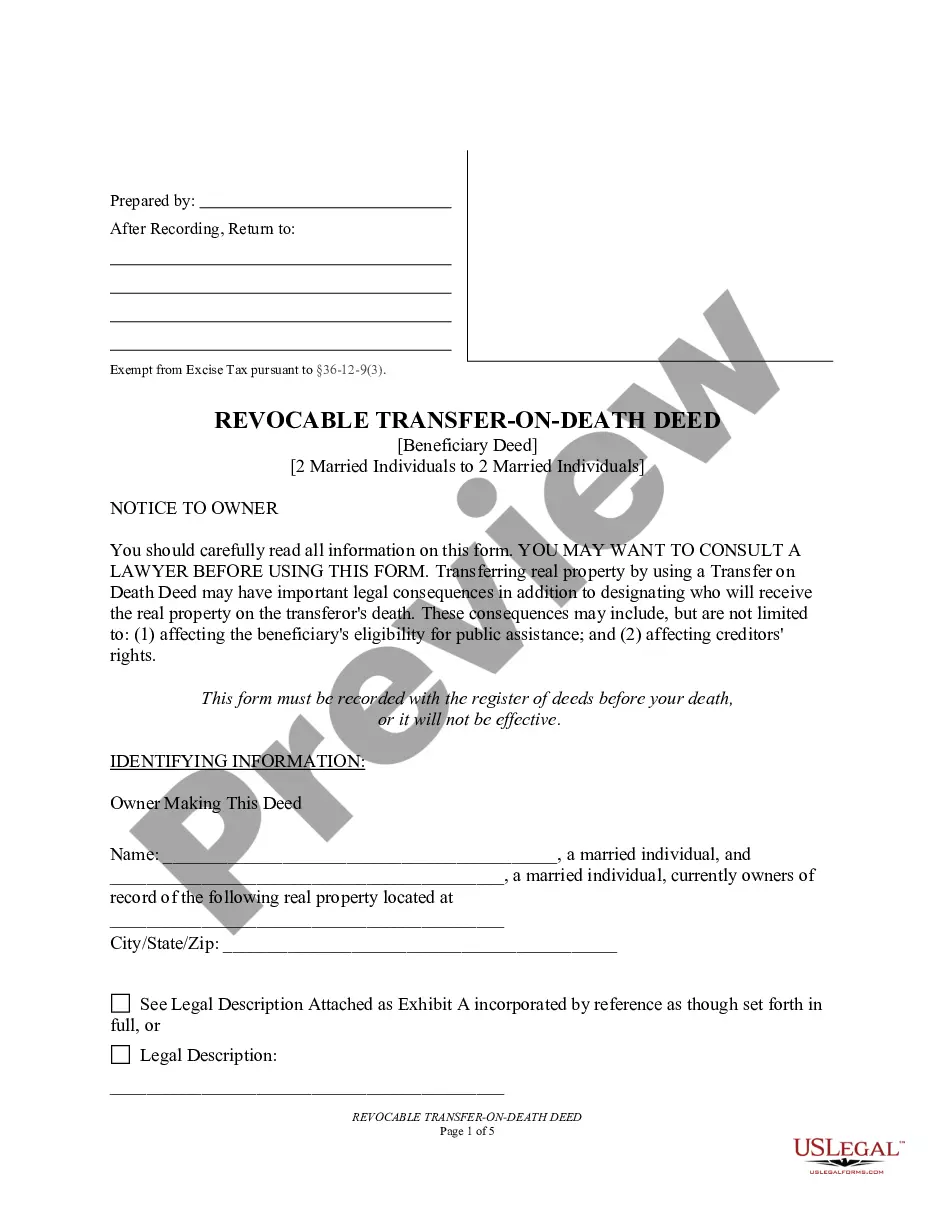
The Transfer on Death Deed (TOD) - Beneficiary Deed for Husband and Wife to Individual allows property owners to transfer ownership of real estate upon their death without going through probate. This form specifically caters to a married couple designating an individual as the beneficiary of their property. Unlike a traditional deed, it does not transfer ownership during the owners' lifetime, ensuring full control until death.
Main sections of this form
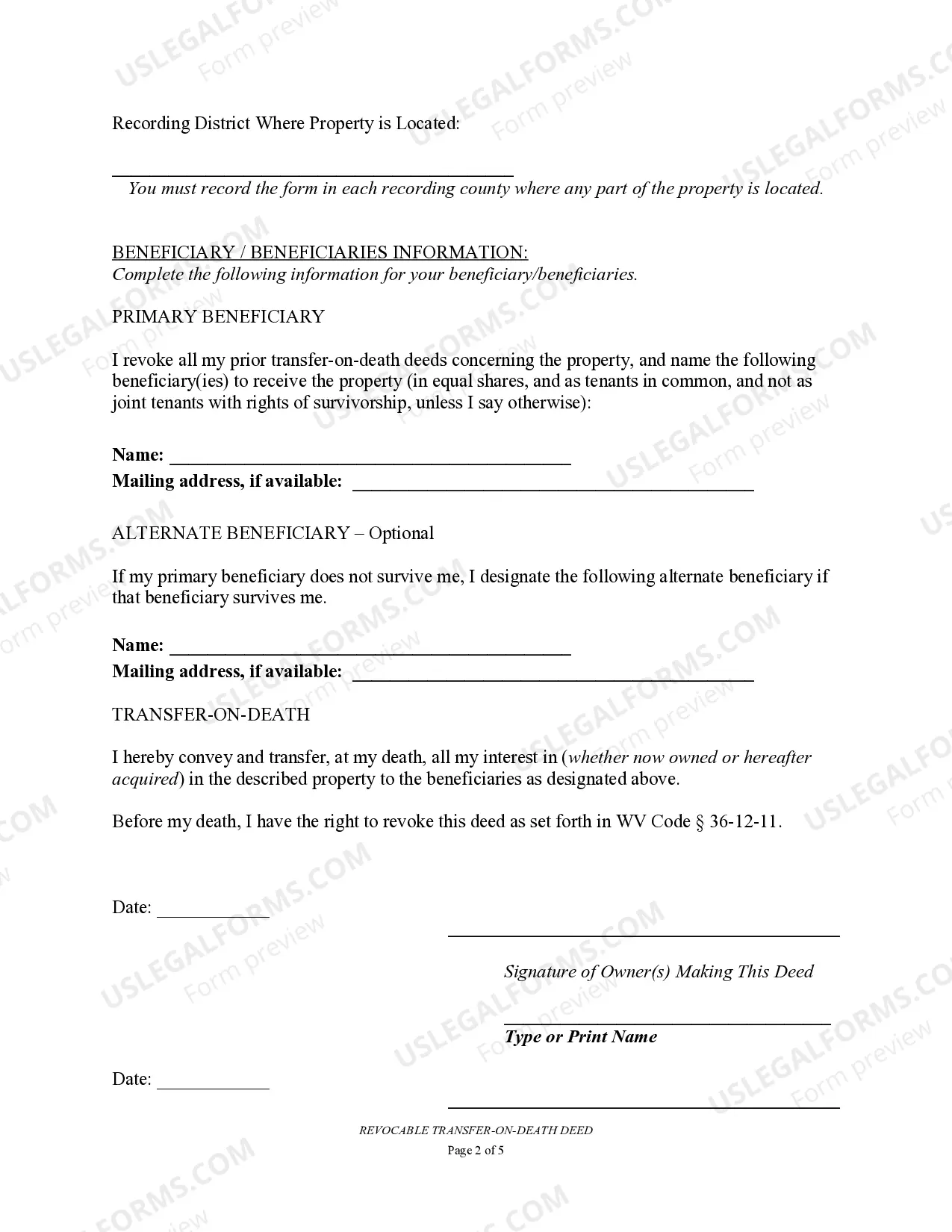
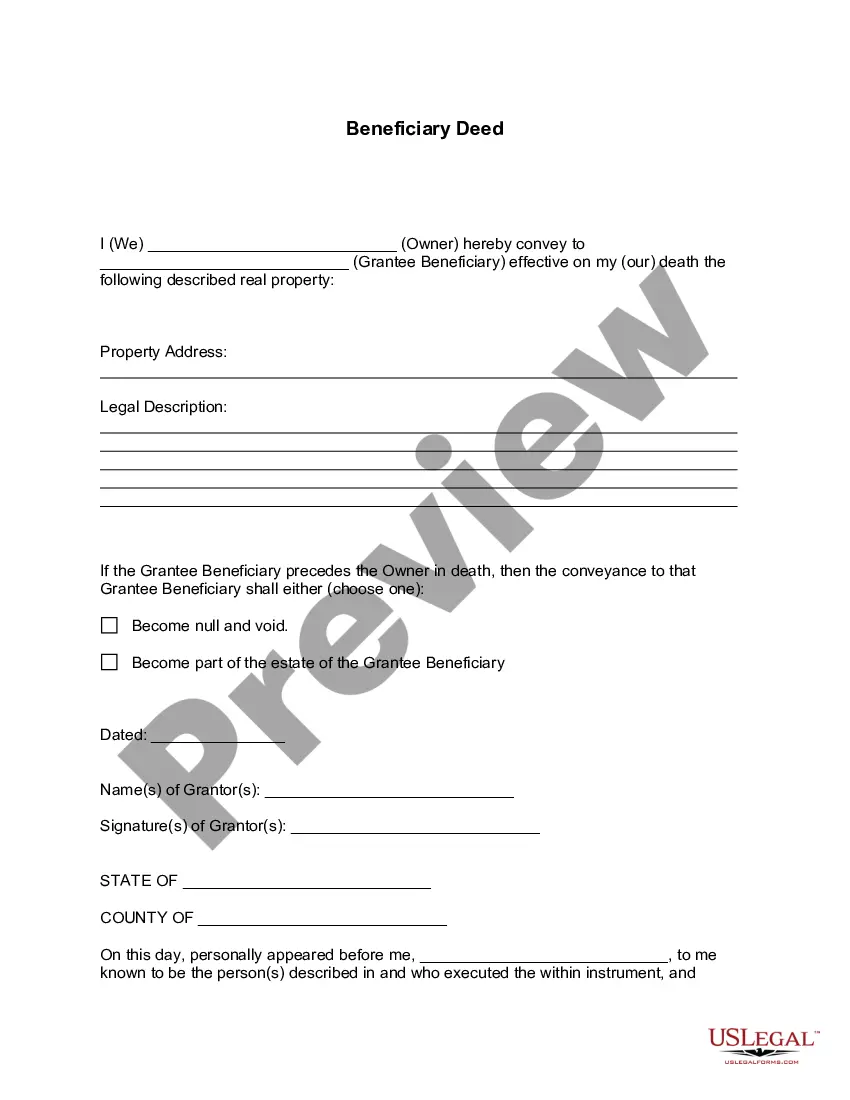
- Owner identification: Names of the married individuals currently owning the property.
- Property description: Detailed legal description of the property being transferred.
- Primary beneficiary designation: The individual who will inherit the property upon the owners' passing.
- Alternate beneficiary option: A secondary beneficiary if the primary beneficiary does not survive the owners.
- Revocability clause: Allows the owners to revoke the deed before death.
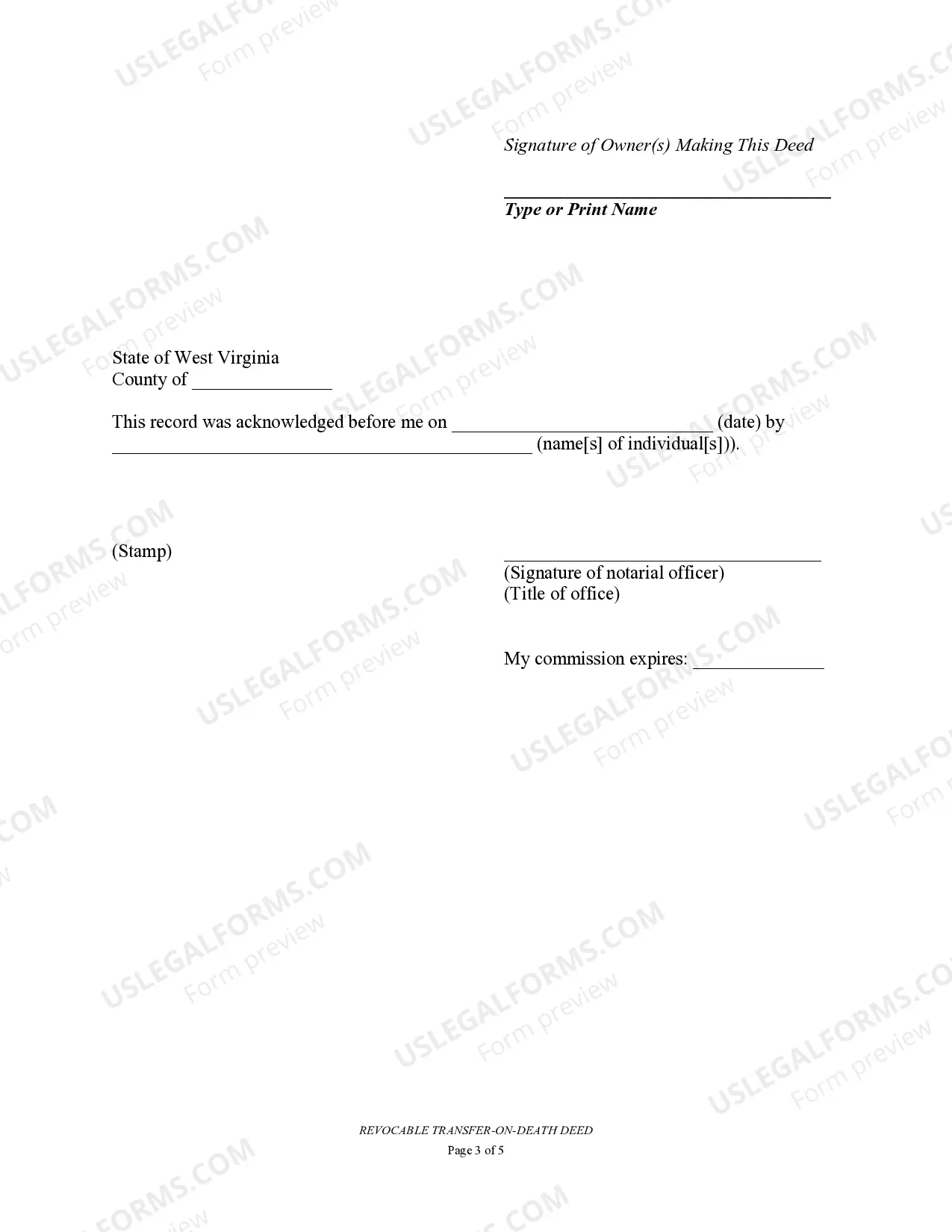
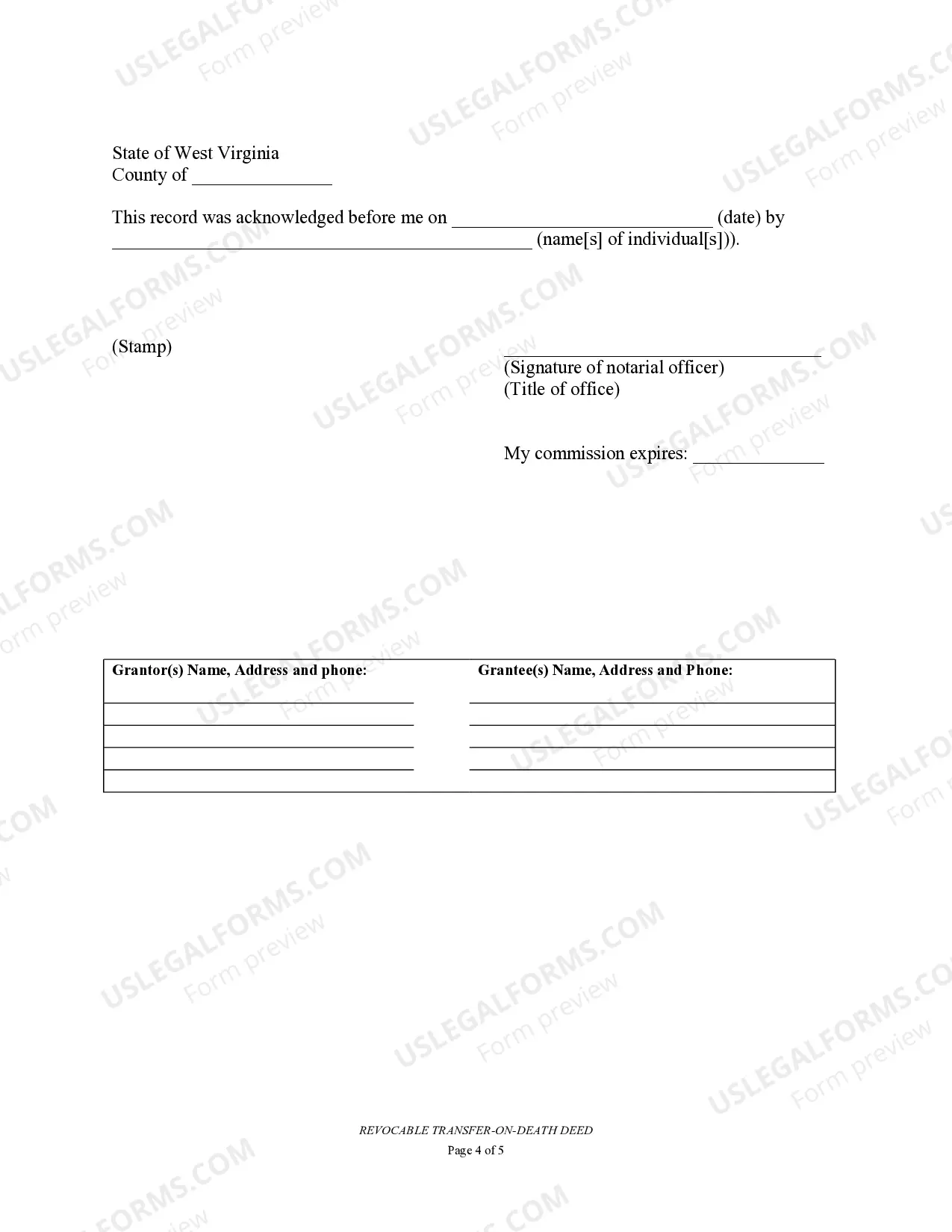
- Notarization section: Acknowledgment of the deed's validity by a notary public.

Situations where this form applies
This form is suitable when married individuals want to ensure that their property automatically transfers to a specified beneficiary upon their deaths. It is particularly useful for couples planning their estate to avoid complex probate procedures and to ensure that their property goes directly to their chosen heirs without delay.
Intended users of this form
- Married couples looking to facilitate the transfer of their jointly owned property upon death.
- Individuals wanting to avoid probate and simplify estate management for their heirs.
- Homeowners who wish to designate one specific beneficiary for their property.
Completing this form step by step
- Identify the owners: Enter the full names of the married individuals making the deed.
- Specify the property: Provide the legal description of the property that will be transferred.
- Fill in beneficiary details: List the primary and, if desired, alternate beneficiariesâ names and addresses.
- Sign the deed: Both owners must sign and date the document in the presence of a notary.
- Record the deed: Submit the completed form to the local register of deeds where the property is located.
Is notarization required?
Yes, this form must be notarized to be legally valid. This ensures that the signatures are verified and the document is recognized by state authorities. US Legal Forms provides integrated online notarization services, allowing secure video calls with a notary public at any time, making the process convenient and efficient.
Get your form ready online
Our built-in tools help you complete, sign, share, and store your documents in one place.
Make edits, fill in missing information, and update formatting in US Legal Forms—just like you would in MS Word.
Download a copy, print it, send it by email, or mail it via USPS—whatever works best for your next step.
Sign and collect signatures with our SignNow integration. Send to multiple recipients, set reminders, and more. Go Premium to unlock E-Sign.
If this form requires notarization, complete it online through a secure video call—no need to meet a notary in person or wait for an appointment.
We protect your documents and personal data by following strict security and privacy standards.

Make edits, fill in missing information, and update formatting in US Legal Forms—just like you would in MS Word.

Download a copy, print it, send it by email, or mail it via USPS—whatever works best for your next step.

Sign and collect signatures with our SignNow integration. Send to multiple recipients, set reminders, and more. Go Premium to unlock E-Sign.

If this form requires notarization, complete it online through a secure video call—no need to meet a notary in person or wait for an appointment.

We protect your documents and personal data by following strict security and privacy standards.
Typical mistakes to avoid
- Failing to record the deed before death, making it ineffective.
- Not providing a complete legal description of the property.
- Neglecting to list an alternate beneficiary, which can complicate matters if the primary beneficiary is deceased.
- Not obtaining notarization, which is essential for the legality of the document.
Benefits of using this form online
- Convenience of filling out and downloading the form anytime, anywhere.
- Editability ensures that all necessary changes can be made before finalizing the document.
- Reliability in using templates drafted by licensed attorneys, increasing your legal confidence.
Legal use & context
- This deed is designed under the laws of West Virginia, enabling property owners to transfer property outside of probate.
- It is important to understand that the deed only takes effect upon the owners' death.
- Beneficiaries should be aware that this transfer could impact their eligibility for certain public assistance programs.
Quick recap
- The Transfer on Death Deed allows property owners to designate a beneficiary for their property after death.
- This form is revocable, meaning owners can change their minds at any time before passing.
- Proper execution and recording of the deed are crucial to ensure its validity and effectiveness.