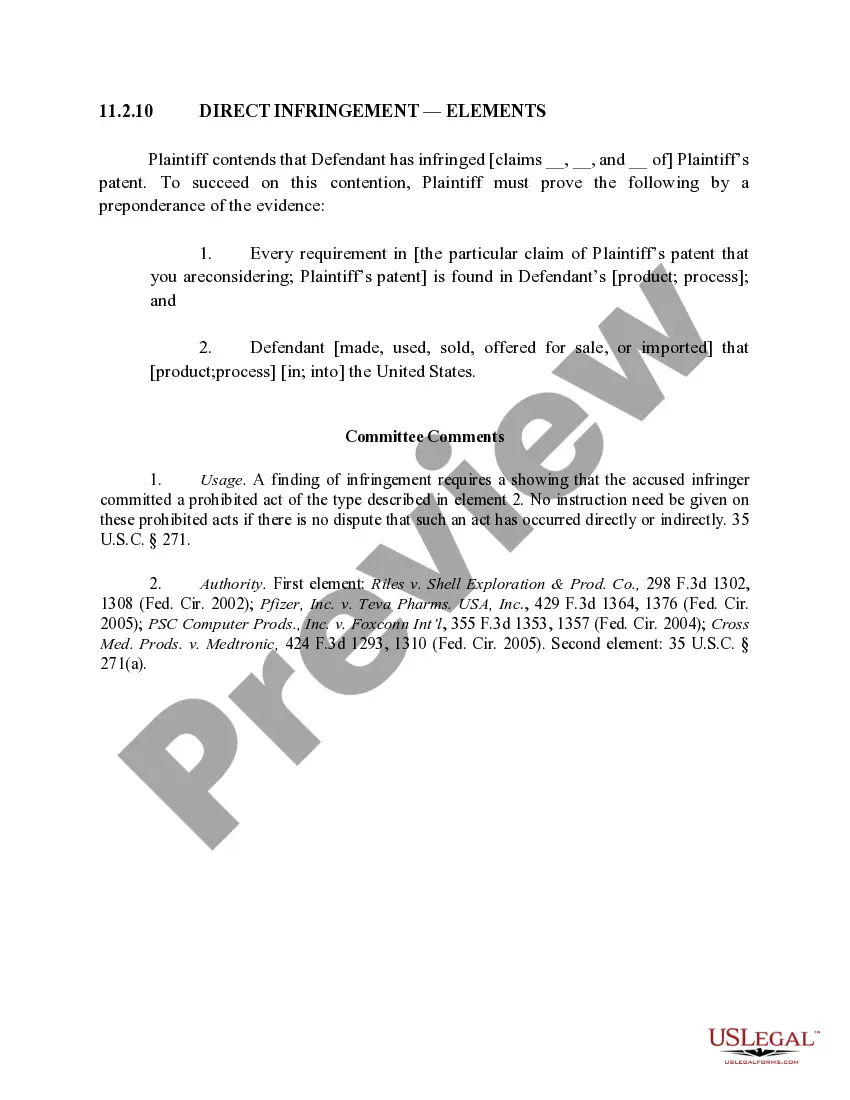
Vermont Financial Account Transfer to Living Trust
Understanding this form
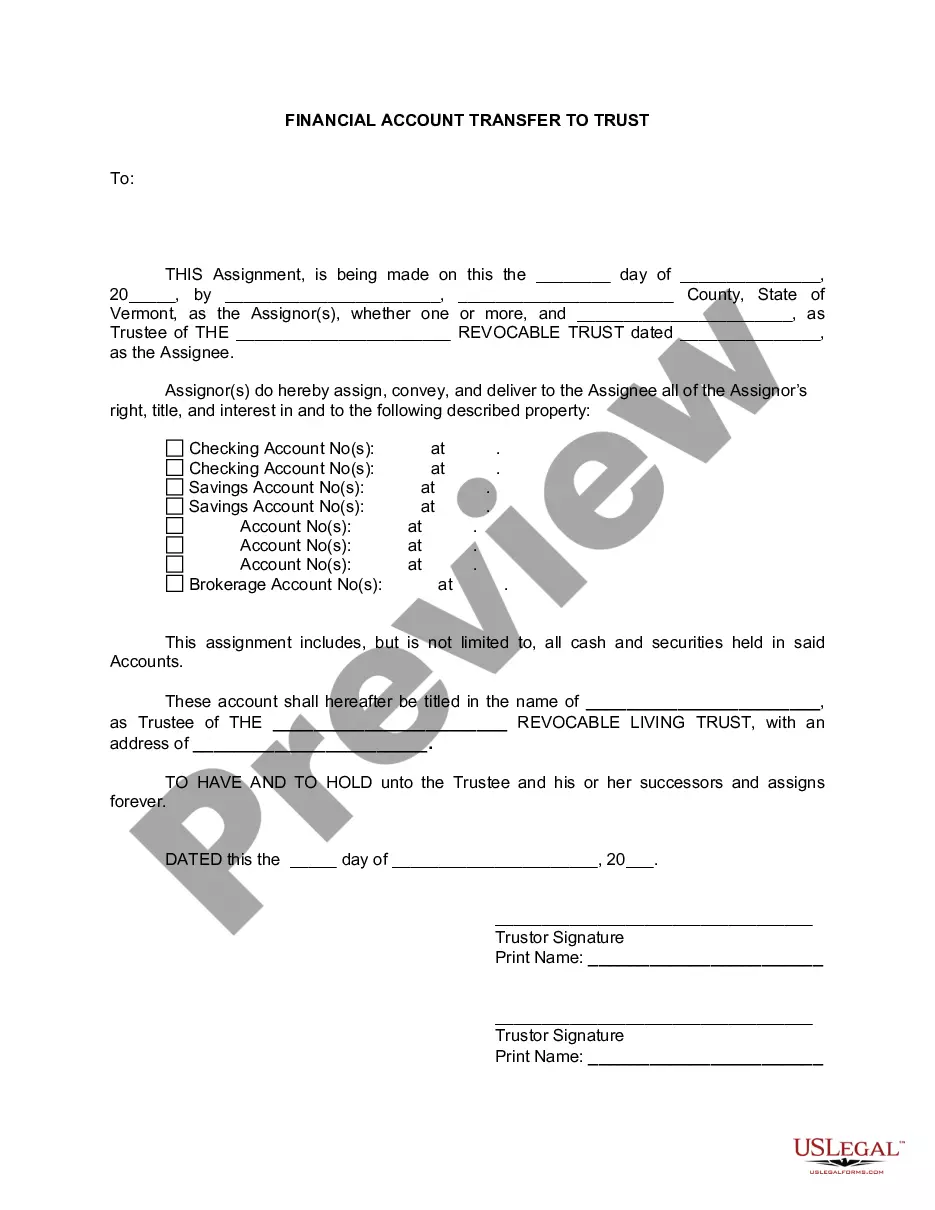
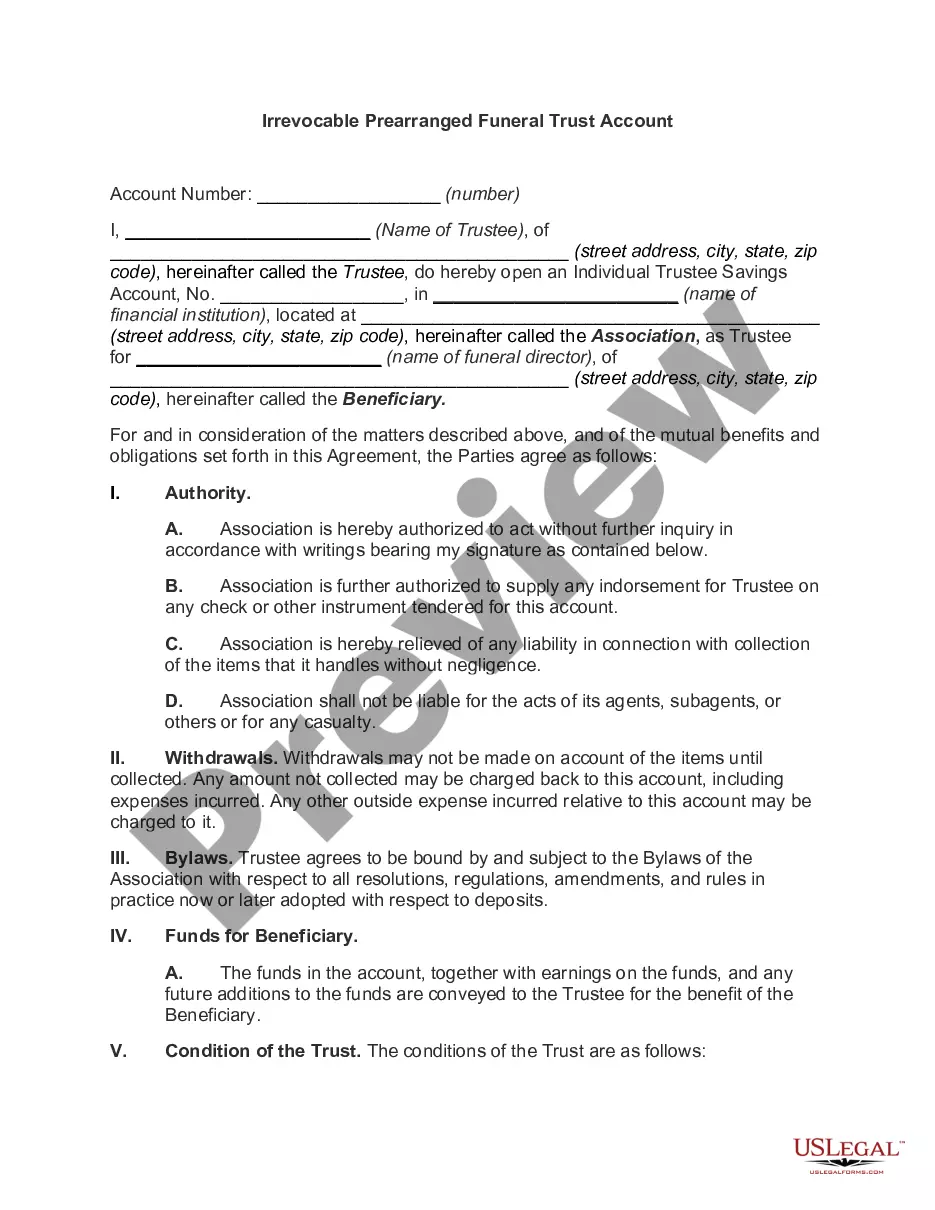
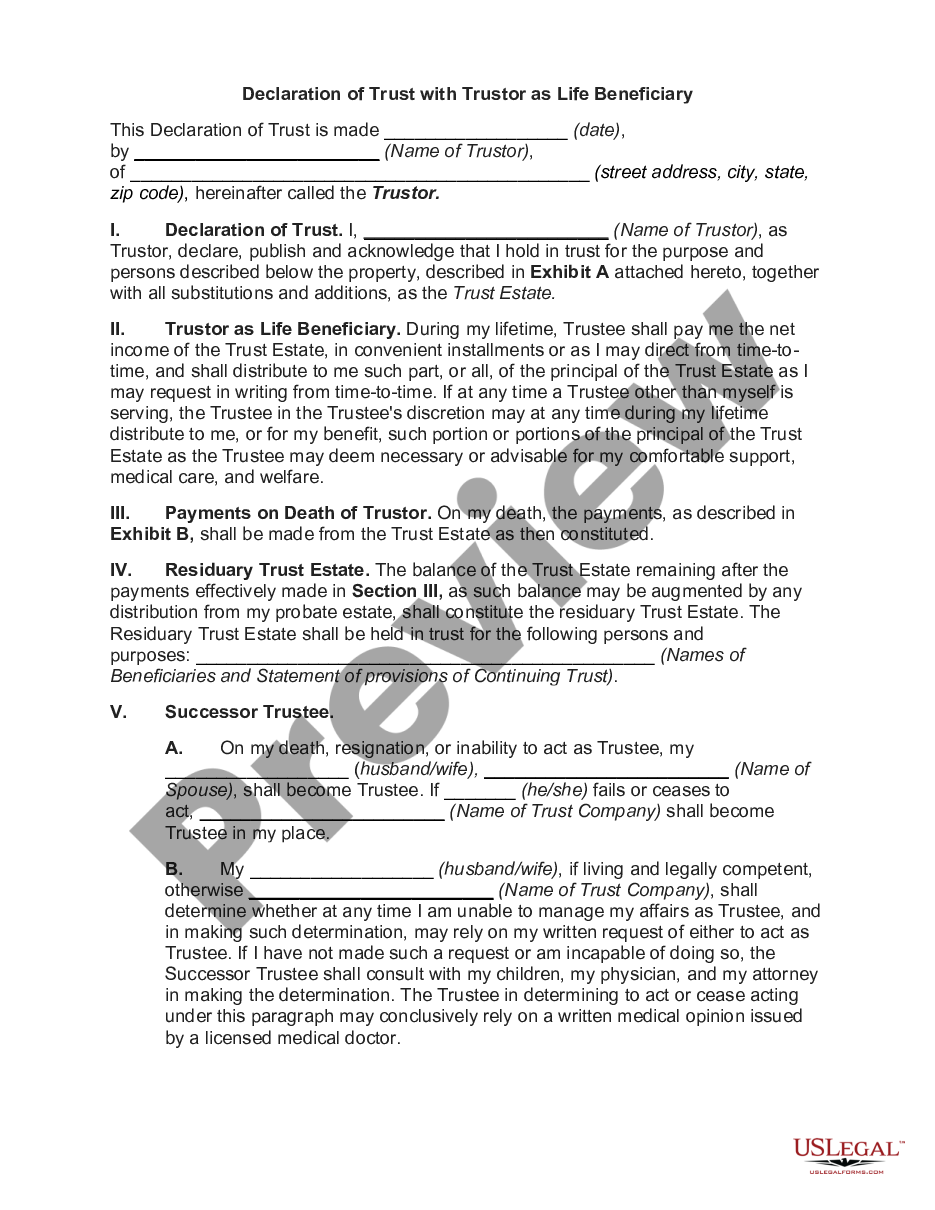
The Financial Account Transfer to Living Trust form facilitates the transfer of bank and financial accounts into a living trust. This form is essential for individuals looking to manage their assets effectively as part of their estate planning strategy. By placing financial accounts within a living trust, you can ensure that your assets are handled according to your wishes during your lifetime and after your death. This form differentiates itself from other estate planning documents by specifically addressing the transfer of financial account ownership.
Form components explained
- Assignorâs declaration: The section where the individual transferring the accounts identifies themselves and their intent.
- Assignee details: Information about the living trust and the trustee who will manage the accounts.
- Property description: A detailed list of the financial accounts being transferred.
- Date of transfer: The date on which the transfer of accounts is finalized.
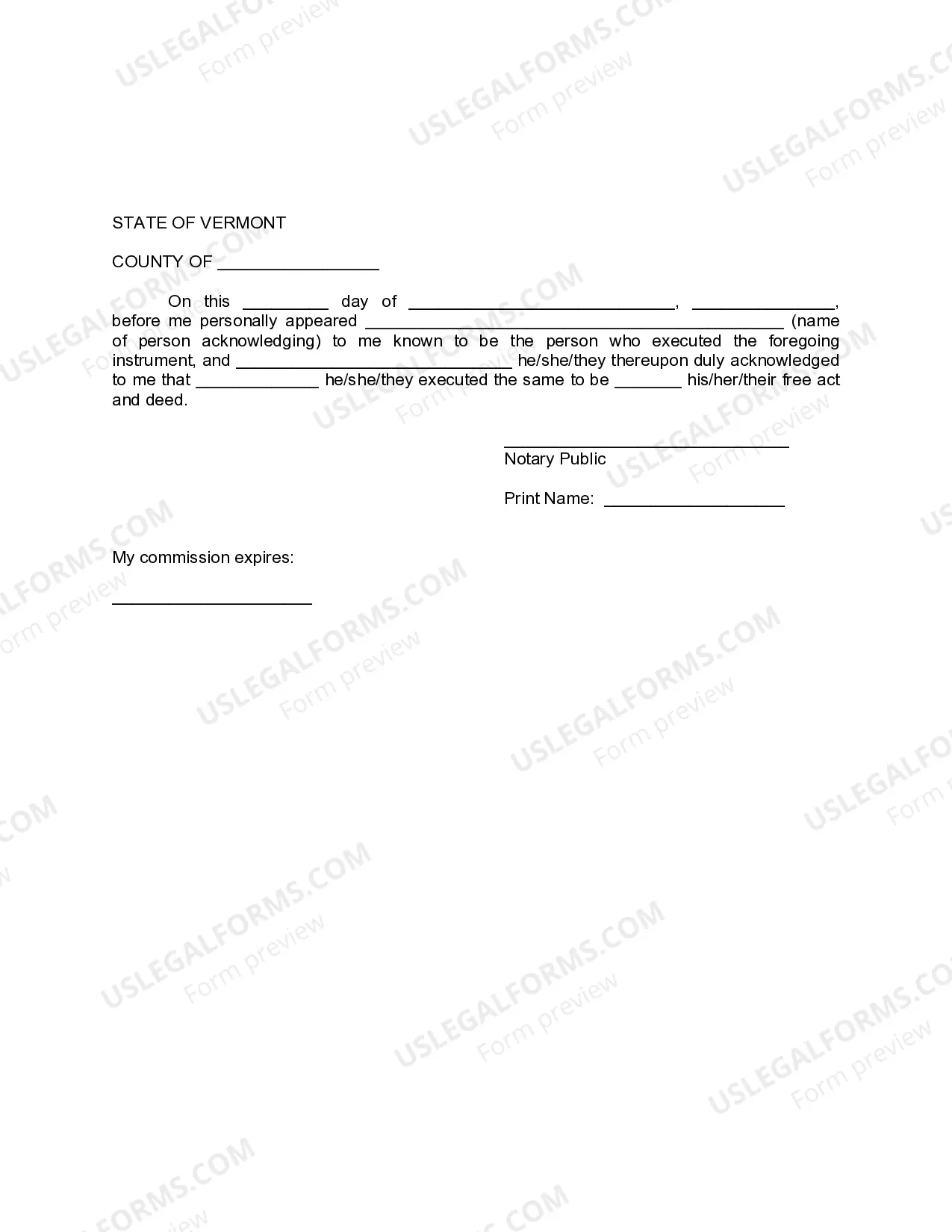
- Signatures: Required signatures of the trustor and a notary public to validate the form.


When to use this document
This form should be used when you wish to transfer ownership of bank or financial accounts into a living trust. Common scenarios include setting up a living trust as part of estate planning, ensuring that your assets are seamlessly managed for your beneficiaries, and avoiding probate. If you are reorganizing your financial assets in preparation for future healthcare decisions or your estate's distribution, this form is a crucial tool.
Who can use this document
- Individuals establishing a living trust as part of their estate planning.
- Trustors who want to ensure their financial accounts are managed according to their wishes.
- People who have recently set up a revocable living trust.
How to complete this form
- Identify the parties: Enter the name of the assignor (the person transferring the accounts) and the details of the living trust.
- Specify the property: List all financial accounts being transferred, including bank accounts and any related securities.
- Enter dates and signatures: Fill in the date of the transfer and include the signatures of all trustors.
- Notarization: Ensure the form is signed in the presence of a notary public to authenticate the transfer.
Does this form need to be notarized?
Yes, this form must be notarized to be legally valid. This requirement ensures that all signatures are authenticated, protecting against fraudulent actions. US Legal Forms offers integrated online notarization, providing a secure video call option available 24/7, making the notarization process convenient and efficient.
Get your form ready online
Our built-in tools help you complete, sign, share, and store your documents in one place.
Make edits, fill in missing information, and update formatting in US Legal Forms—just like you would in MS Word.
Download a copy, print it, send it by email, or mail it via USPS—whatever works best for your next step.
Sign and collect signatures with our SignNow integration. Send to multiple recipients, set reminders, and more. Go Premium to unlock E-Sign.
If this form requires notarization, complete it online through a secure video call—no need to meet a notary in person or wait for an appointment.
We protect your documents and personal data by following strict security and privacy standards.

Make edits, fill in missing information, and update formatting in US Legal Forms—just like you would in MS Word.

Download a copy, print it, send it by email, or mail it via USPS—whatever works best for your next step.

Sign and collect signatures with our SignNow integration. Send to multiple recipients, set reminders, and more. Go Premium to unlock E-Sign.

If this form requires notarization, complete it online through a secure video call—no need to meet a notary in person or wait for an appointment.

We protect your documents and personal data by following strict security and privacy standards.
Typical mistakes to avoid
- Failing to include all financial accounts in the property description.
- Omitting signatures or dates, which can render the form incomplete.
- Not having the form notarized, which is essential for its validity.
Why complete this form online
- Immediate access: Download the form instantly and avoid delays associated with traditional paperwork.
- Editability: Customize the form fields to fit your specific needs before printing.
- Reliability: Ensure that the form complies with the latest legal standards and requirements.
What to keep in mind
- The form facilitates the transfer of financial accounts into a living trust.
- Accurate completion and notarization are crucial for legal validity.
- Using a living trust can simplify asset management and estate planning.
- Always check local regulations to ensure compliance with state-specific requirements.
Looking for another form?



Form popularity
FAQ
When Should You Put a Bank Account into a Trust?More specifically, you can hold up to $166,250 of real or personal property outside a trust and avoid full probate in California. However, if you have more than $166,250 in a bank account, you should consider transferring it into your trust.
Visit your local bank branch and let the branch manager or representative know you want to transfer your bank account into the trust. Give the bank representative a signed and notarized copy of your trust document. The bank will need to confirm that you're the owner and verify the name of the trust.
Visit your local bank branch and let the branch manager or representative know you want to transfer your bank account into the trust. Give the bank representative a signed and notarized copy of your trust document. The bank will need to confirm that you're the owner and verify the name of the trust.
To put checking or savings accounts into the trust, go down to your bank and fill out the institutional paperwork. You don't have to change the name on the checks. When you die, your successor trustee will assume control of the account and distribute the money to your heirs.
To transfer assets into a trust, the grantor must transfer titles from their name to the legal name of the trust. A grantor can create a living trust using an online legal document provider or by hiring an attorney. They can transfer almost any asset, including bank accounts, into a trust.
When Should You Put a Bank Account into a Trust?More specifically, you can hold up to $166,250 of real or personal property outside a trust and avoid full probate in California. However, if you have more than $166,250 in a bank account, you should consider transferring it into your trust.
To transfer assets such as investments, bank accounts, or stock to your real living trust, you will need to contact the institution and complete a form. You will likely need to provide a certificate of trust as well. You may want to keep your personal checking and savings account out of the trust for ease of use.