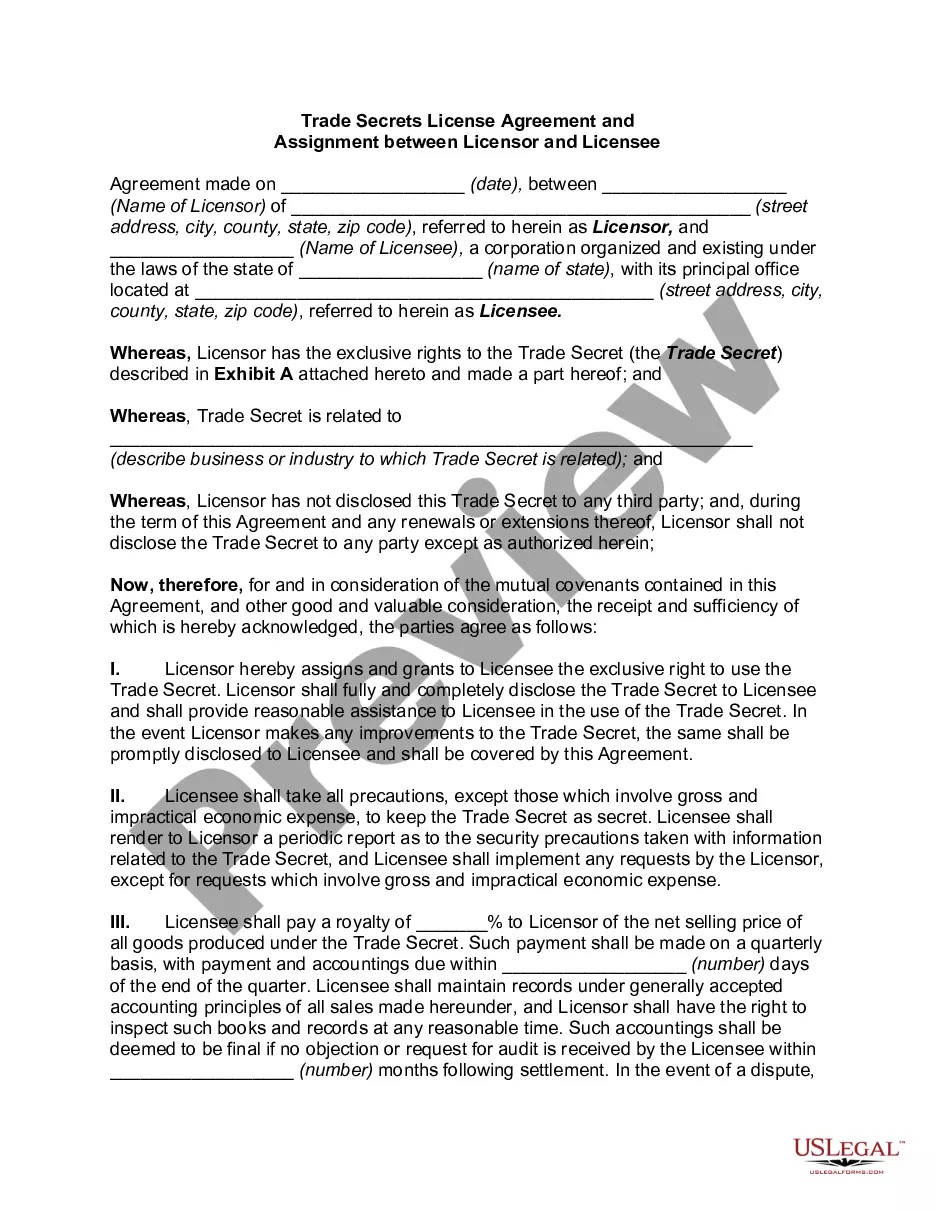
Trade Secrets License Agreement and Assignment between Licensor and Licensee
What this document covers
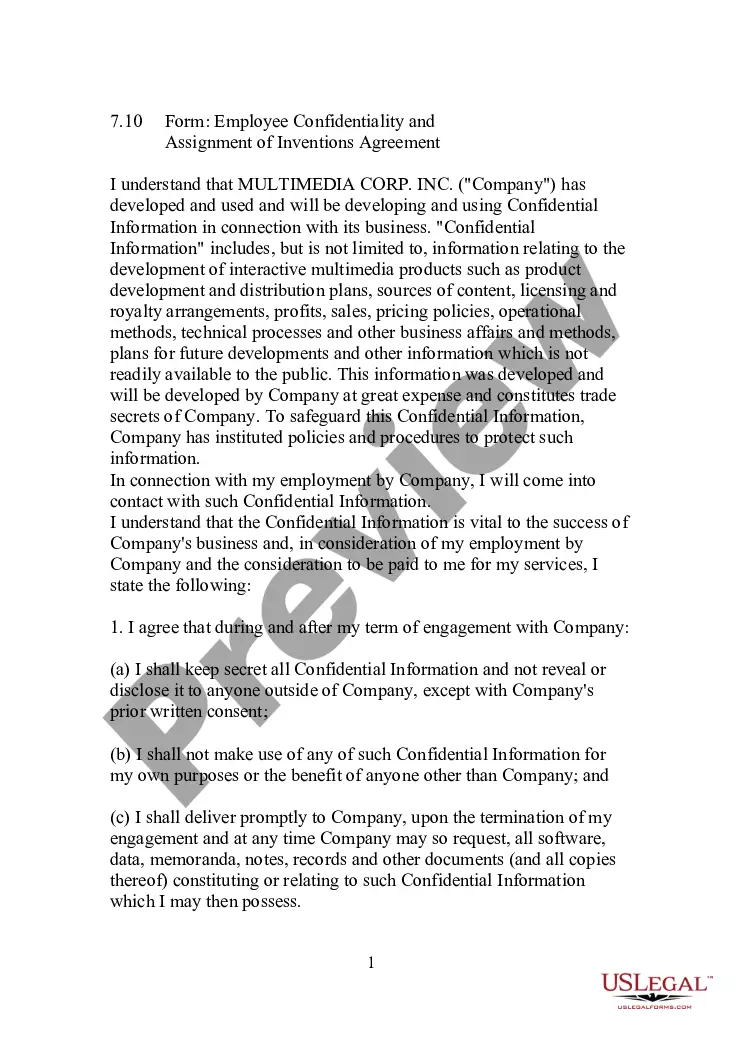
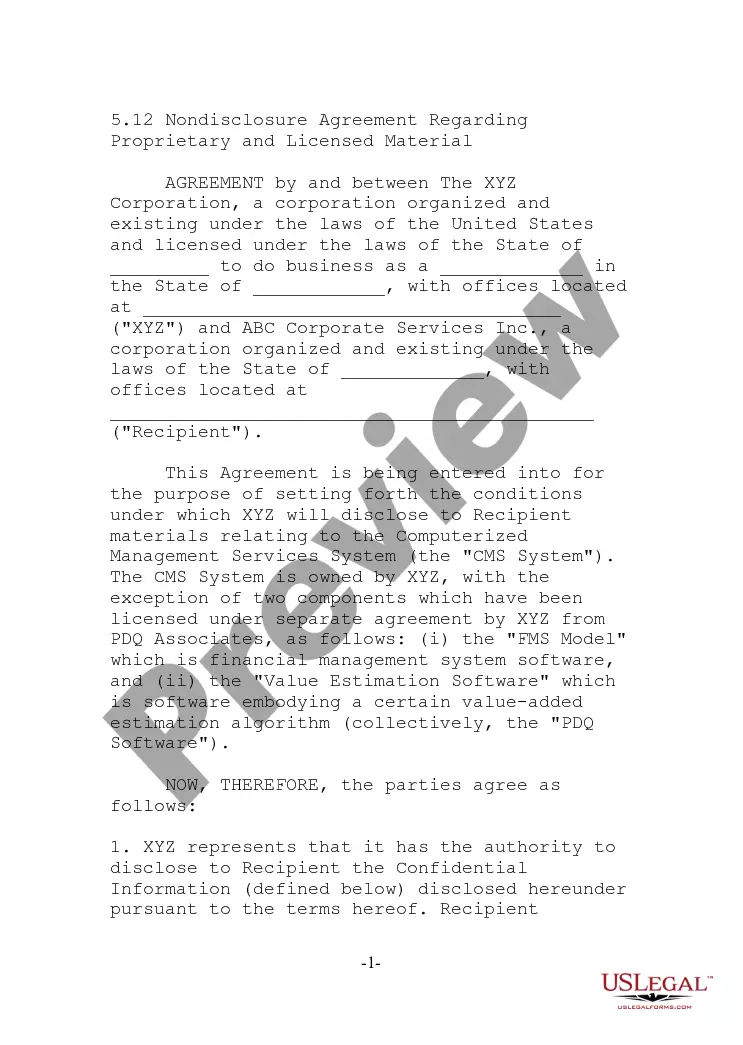
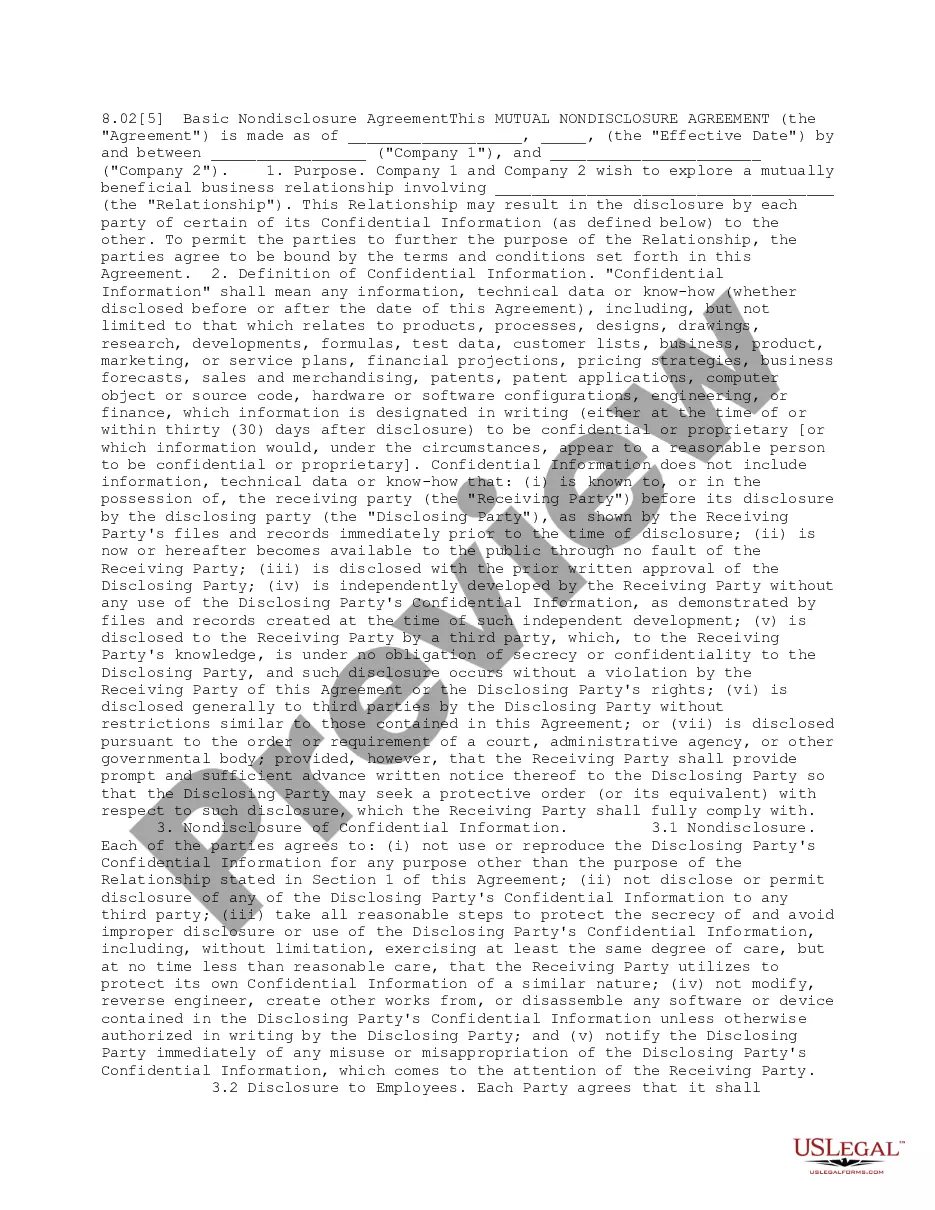
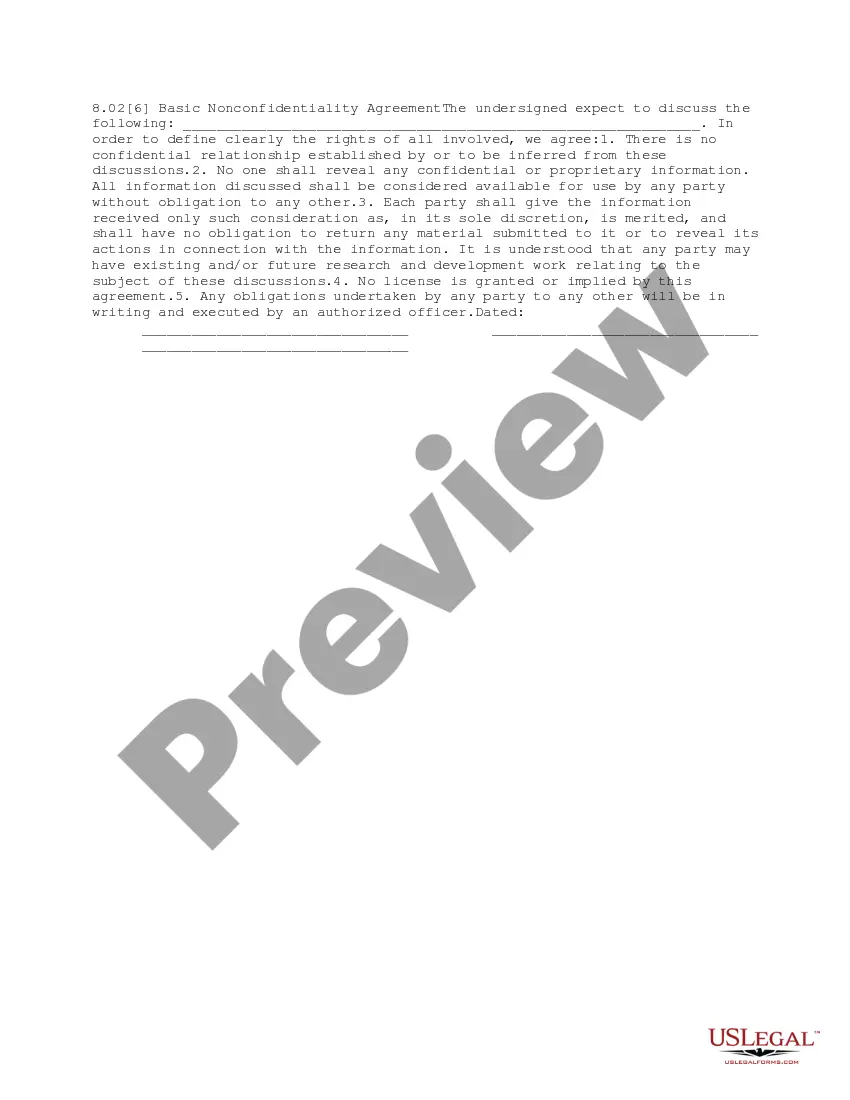
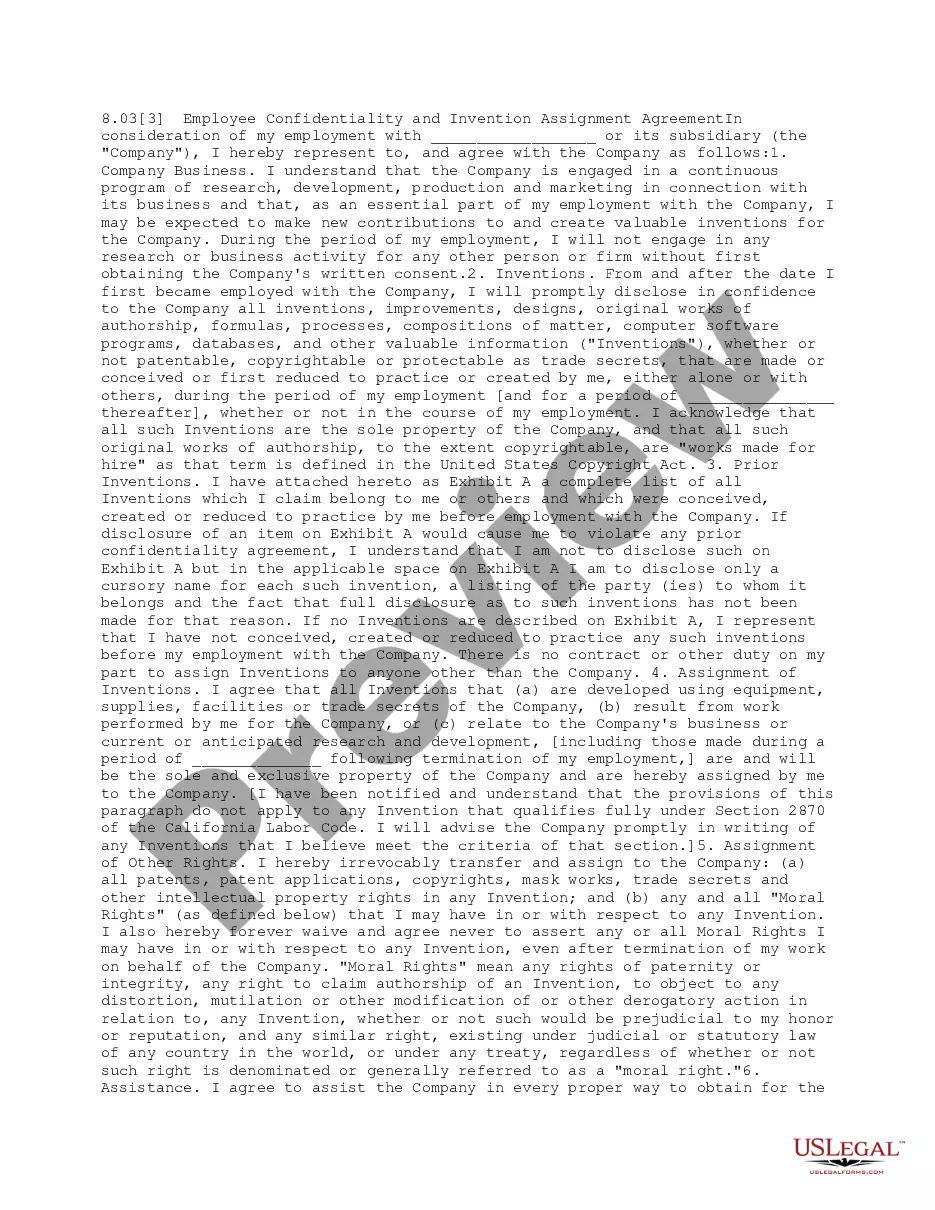
The Trade Secrets License Agreement and Assignment between Licensor and Licensee is a legal contract that facilitates the sharing and protection of proprietary information. This document allows a Licensor, the owner of a trade secret, to grant a Licensee the exclusive rights to use that secret, while maintaining its confidentiality. Unlike other agreements, this form specifically addresses the terms of use, the handling of trade secrets, and the royalty payment structure, making it essential for businesses looking to leverage proprietary processes or formulas while protecting their competitive edge.
Key parts of this document
- Parties involved: Identification of the Licensor and Licensee, including their names and addresses.
- Description of the trade secret: Detailed information about the trade secret and its business relevance.
- Confidentiality obligations: Requirements for the Licensee to keep the trade secret confidential.
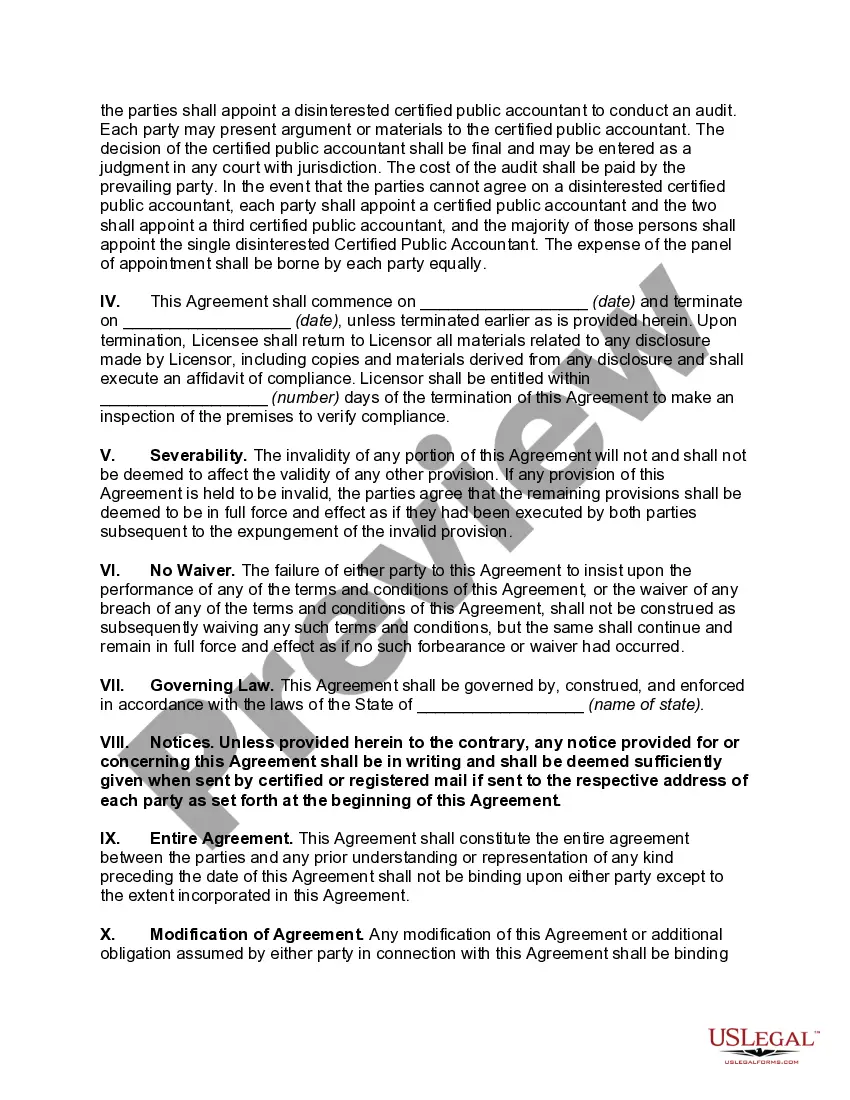
- Royalty payment terms: Specification of the percentage of sales to be paid as royalties to the Licensor.
- Termination conditions: Terms regarding the duration of the agreement and processes upon termination.
- Governing law: Identification of the state law under which the agreement is governed.
When to use this form
This form should be used when a business owner (Licensor) wishes to share a valuable trade secret with another party (Licensee) in exchange for compensation. It is particularly relevant in situations where proprietary methods, formulas, or processes provide a competitive advantage and must be legally documented to ensure protection from unauthorized disclosure or use.
Intended users of this form
This agreement is suitable for:
- Businesses that own valuable trade secrets they wish to license.
- Companies seeking to utilize proprietary information from another business.
- Legal professionals drafting agreements for clients involved in intellectual property transactions.
Instructions for completing this form
- Identify the parties by entering the names and addresses of both the Licensor and Licensee.
- Clearly describe the trade secret and its relevance to the business.
- Specify the terms surrounding confidentiality obligations and reporting.
- Define the royalty percentage to be paid and the schedule for payments.
- Indicate the commencement and termination dates of the agreement.
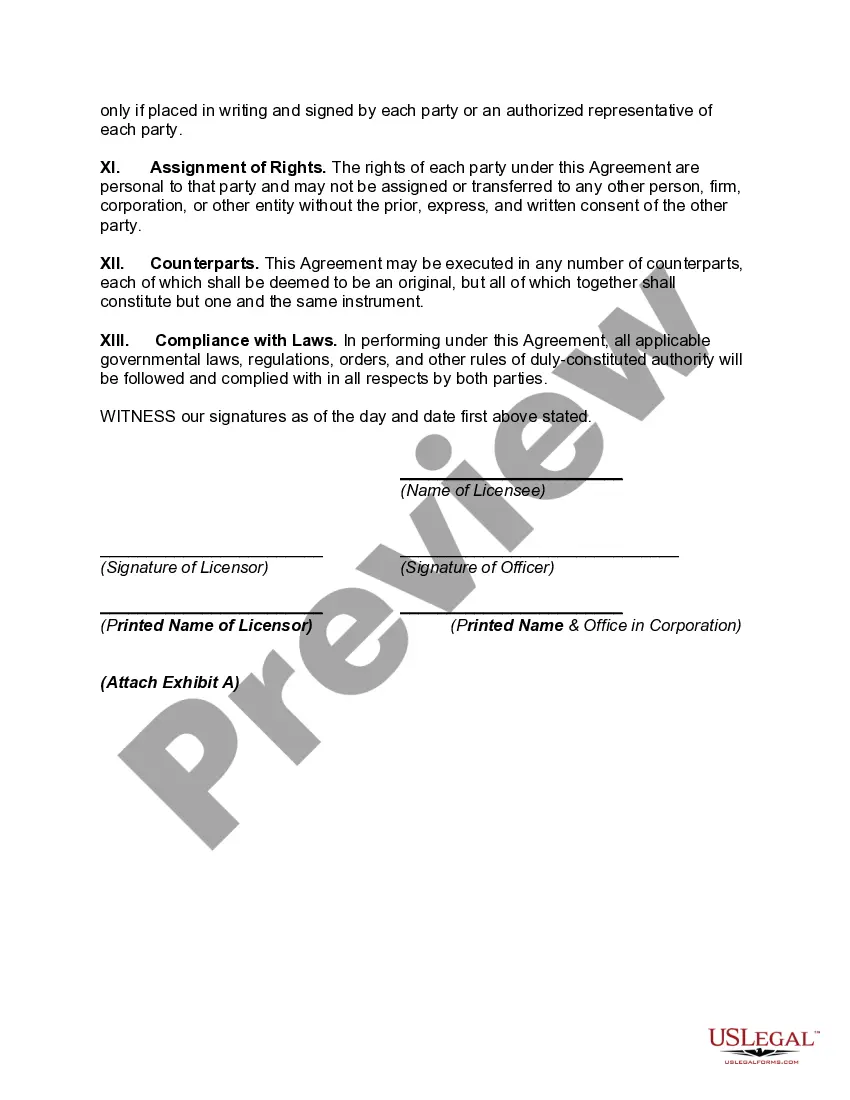
- Ensure all parties sign and date the agreement, and attach any necessary exhibits.
Does this document require notarization?
This form does not typically require notarization unless specified by local law. Parties should verify whether notarization is necessary based on their jurisdiction's specific regulations.
Get your form ready online
Our built-in tools help you complete, sign, share, and store your documents in one place.
Make edits, fill in missing information, and update formatting in US Legal Forms—just like you would in MS Word.
Download a copy, print it, send it by email, or mail it via USPS—whatever works best for your next step.
Sign and collect signatures with our SignNow integration. Send to multiple recipients, set reminders, and more. Go Premium to unlock E-Sign.
If this form requires notarization, complete it online through a secure video call—no need to meet a notary in person or wait for an appointment.
We protect your documents and personal data by following strict security and privacy standards.

Make edits, fill in missing information, and update formatting in US Legal Forms—just like you would in MS Word.

Download a copy, print it, send it by email, or mail it via USPS—whatever works best for your next step.

Sign and collect signatures with our SignNow integration. Send to multiple recipients, set reminders, and more. Go Premium to unlock E-Sign.

If this form requires notarization, complete it online through a secure video call—no need to meet a notary in person or wait for an appointment.

We protect your documents and personal data by following strict security and privacy standards.
Common mistakes
- Failing to clearly define the trade secret, leading to disputes over what is protected.
- Not specifying the payment terms accurately, which can cause misunderstandings later.
- Omitting confidentiality clauses, which can lead to unauthorized disclosures.
- Forgetting to include signature lines for all parties involved in the agreement.
Advantages of online completion
- Convenient access allows for immediate downloading and editing without delays.
- Comprehensively drafted by licensed attorneys to ensure legal soundness.
- User-friendly format helps those with little legal experience understand and complete the document.
- The ability to easily customize the agreement to meet specific needs and circumstances.
Looking for another form?
Form popularity
FAQ
A trade secret is any practice or process of a company that is generally not known outside of the company.Trade secrets are a part of a company's intellectual property. Unlike a patent, a trade secret is not publicly known.
A trade secret license can help extract value from a trade secret, a valuable form of intellectual property asset.The nature of the trade secret license is the right for the licensee to receive the trade secret rather than the ongoing use of the asset which is the right granted in other intellectual property licenses.
An example of a licensing agreement is a contract between the copyright holders of software and another company, allowing the latter to use the computer software for their daily business operations.
There are essentially four elements to the existence of a trade secret: (1) It must be original. (2) It must be commercially valuable information. (3) Not in the public area. (4) The subject of reasonable efforts to maintain it confidential.
Download a template for a licensing agreement. Choose your role as the licensor or licensee. Define the license(s) in the agreement. Decide whether the license is exclusive or not. Settle the matter of fees and payment schedule. Add a renewal date and rules.
Trade secrets are only safe until they are not public. Like your question if someone else invents the same method and files patent application then based on novelty and inventive step they might get a grant from patent office.
The most significant federal law dealing with trade secret theft is the Economic Espionage Act of 1996 (EEA).For example, in California it is a crime to acquire, disclose or use trade secrets without authorization. Violators may be fined up to $5,000, sentenced to up to one year in jail, or both.
What is a Licensing Agreement? A licensing agreement is a contract between two parties (the licensor and licensee) in which the licensor grants the licensee the right to use the brand name, trademark, patented technology, or ability to produce and sell goods owned by the licensor.
A licensing agreement is a legal contract between two parties, known as the licensor and the licensee. In a typical licensing agreement, the licensor grants the licensee the right to produce and sell goods, apply a brand name or trademark, or use patented technology owned by the licensor.