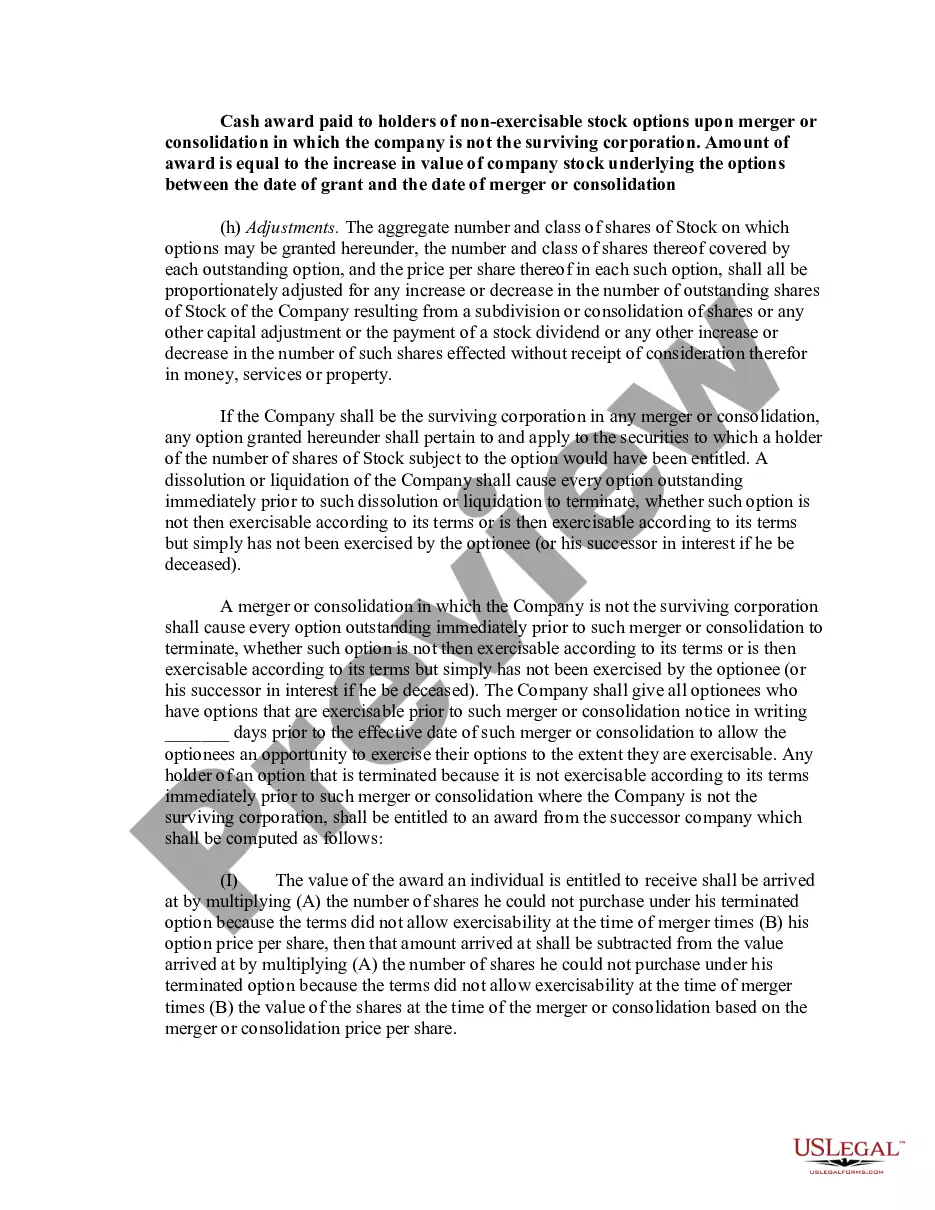
Vermont Insulation Contract for Contractor
What this document covers
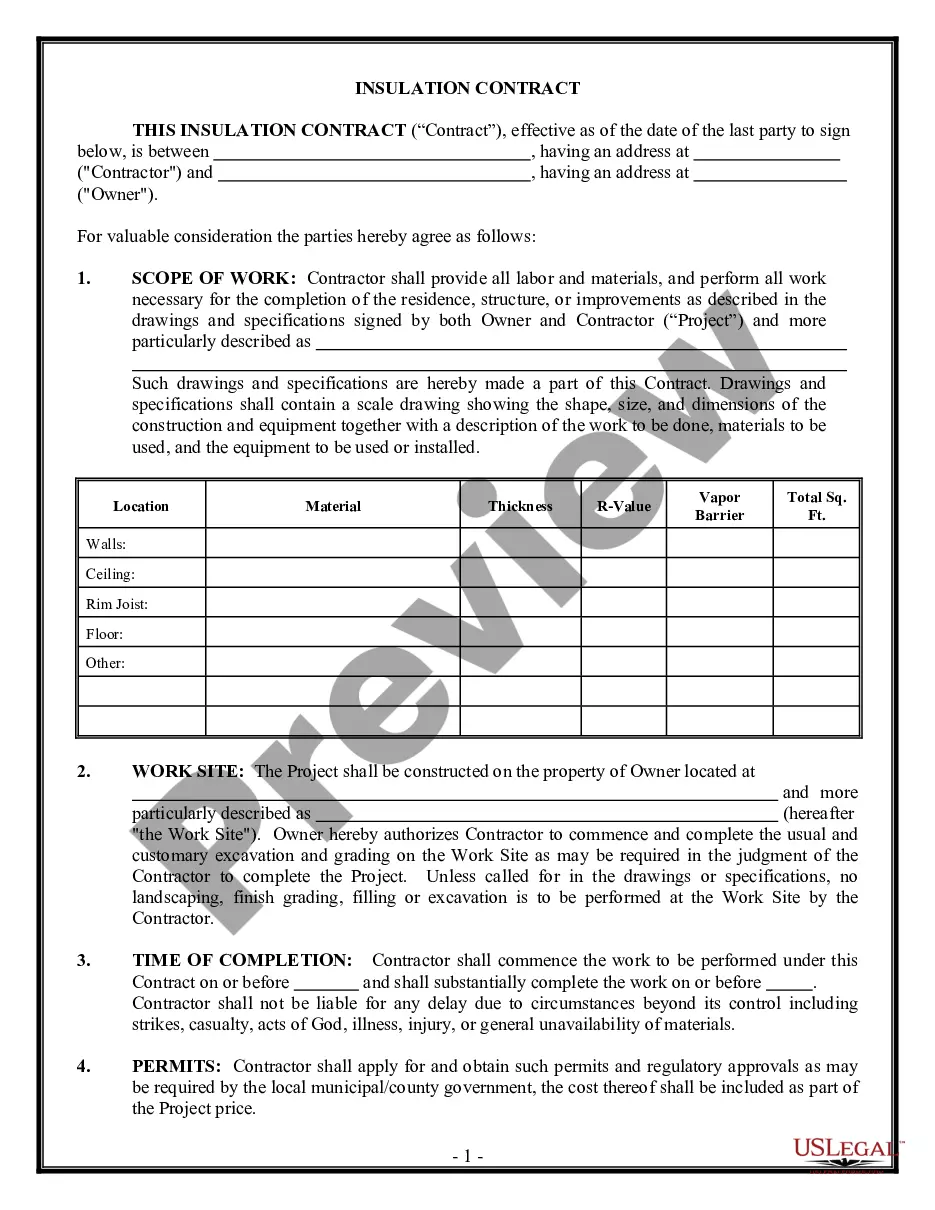
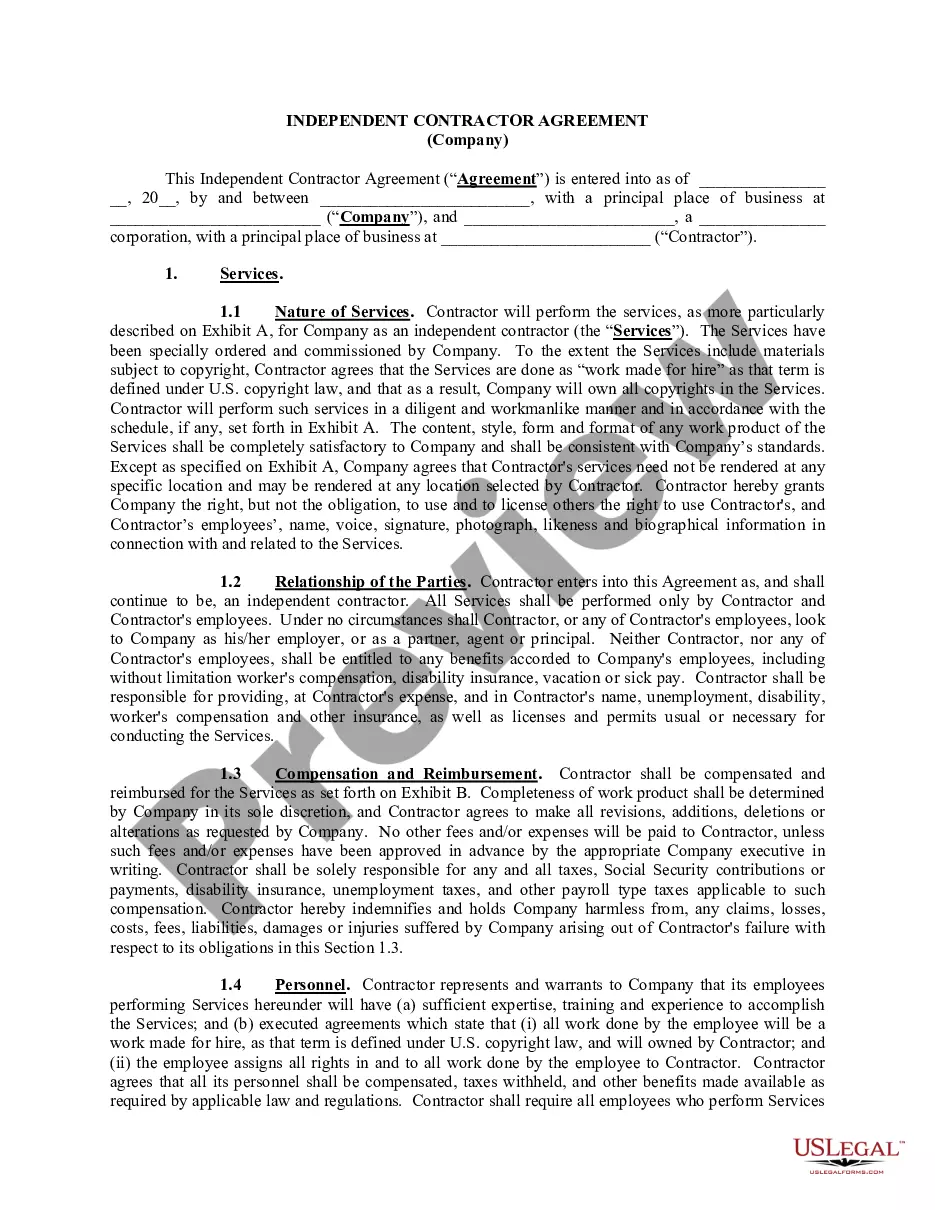
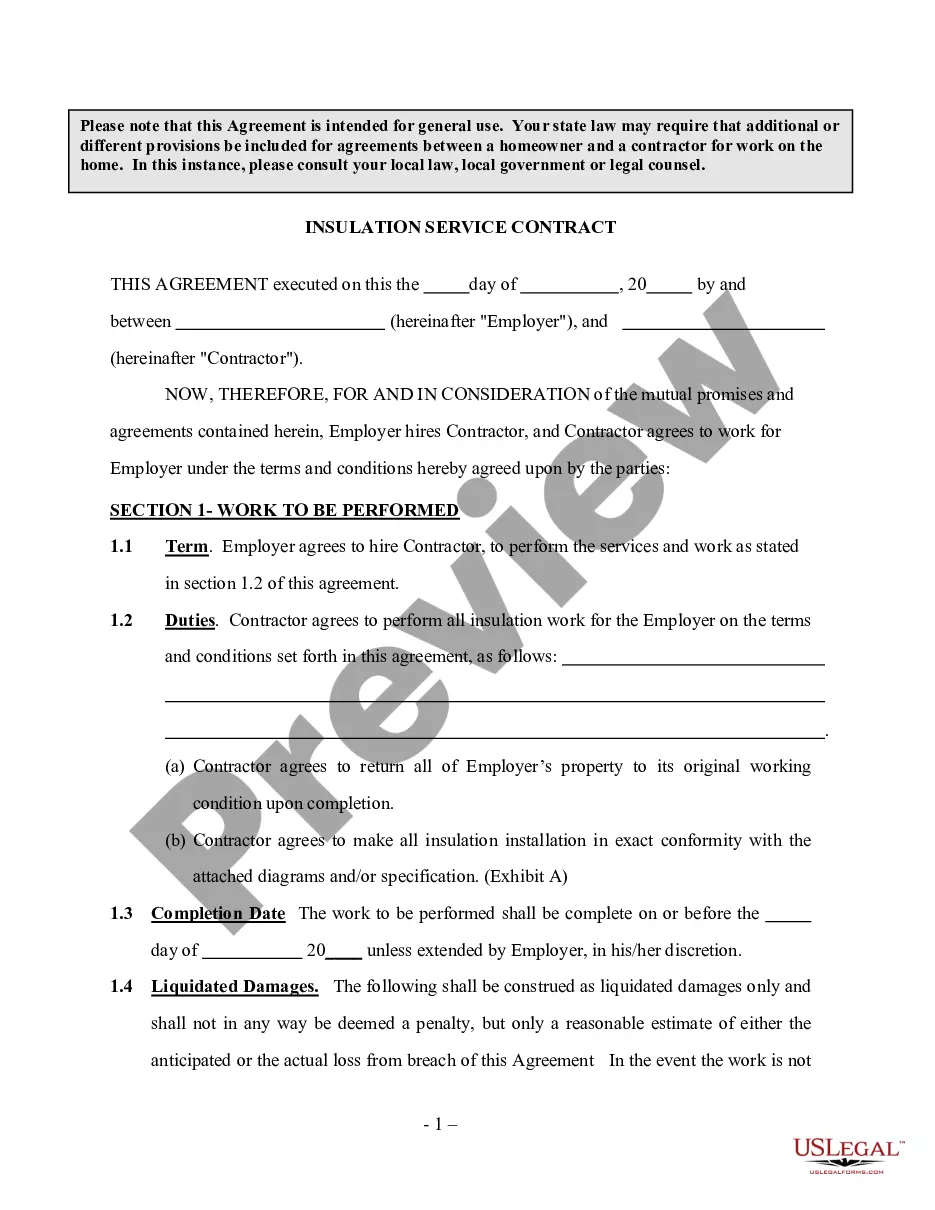
The Insulation Contract for Contractor is a legal document that outlines the terms and conditions between insulation contractors and property owners. This contract can be executed with either a cost-plus or fixed fee payment arrangement. Unlike other general contracts, this form specifically addresses insulation-related work, including details about change orders, warranties, and insurance requirements, while ensuring compliance with Vermont laws.
Form components explained
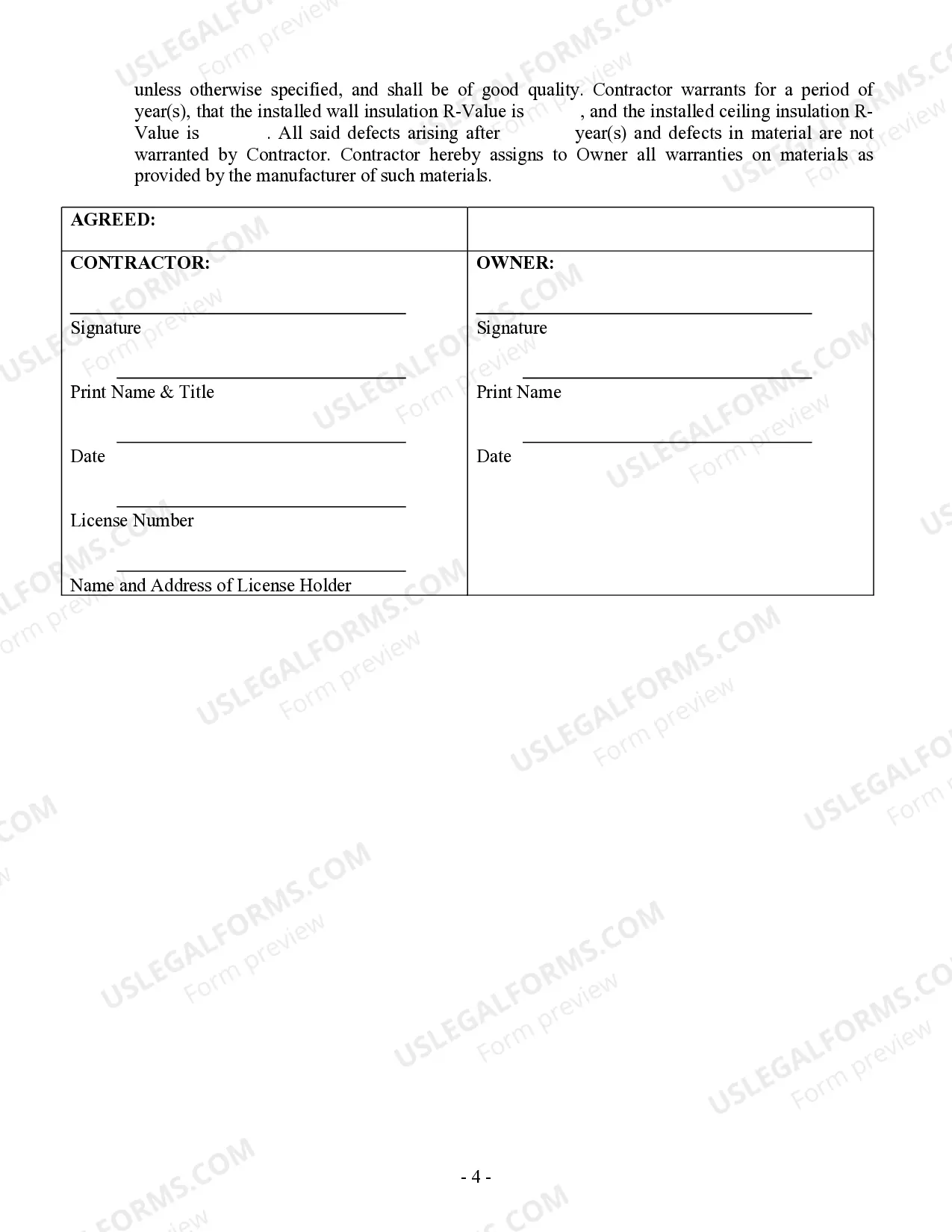
- Location and Material Specifications: Details about the insulation types, thickness, and R-value required for the project.
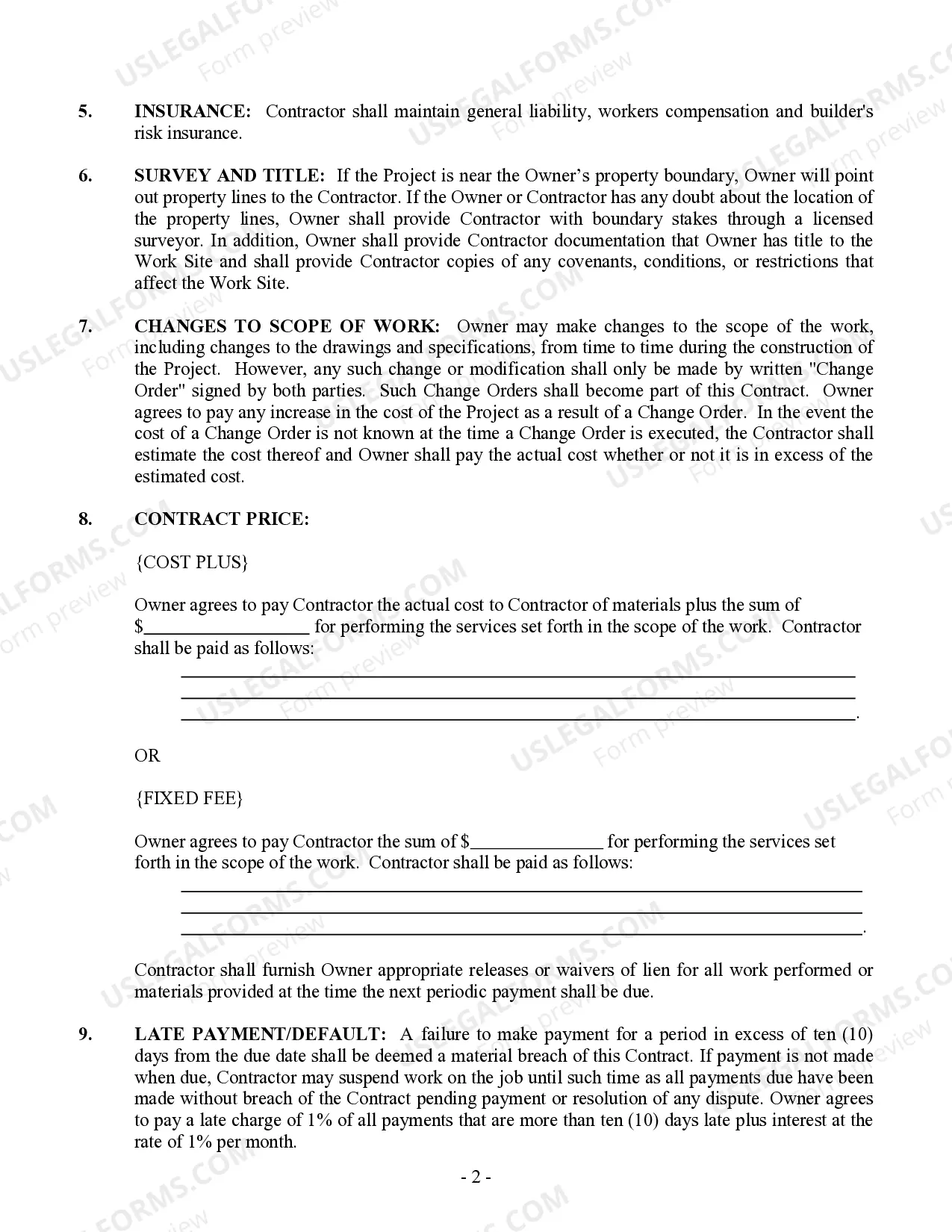
- Permits: Contractor's responsibility to apply for necessary permits and approvals.
- Insurance: Requirements for the contractor to maintain general liability, workers compensation, and builders risk insurance.
- Changes to Scope of Work: Procedures for modifying the work through written change orders.
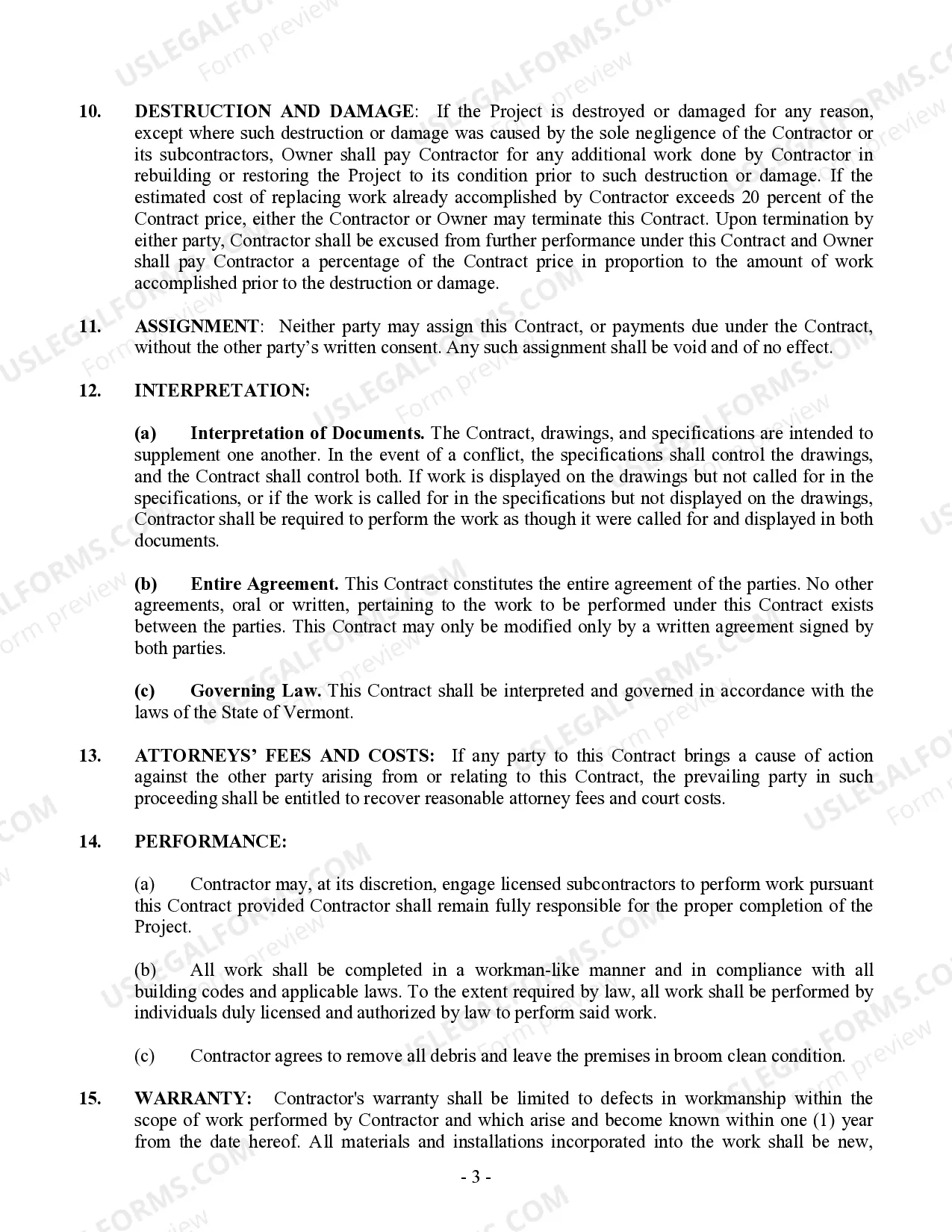
- Destruction and Damage: Terms for compensation if the project is damaged or destroyed.
- Termination: Conditions under which either party can terminate the contract due to significant damage or destruction.

When to use this form
This form is essential when a property owner hires an insulation contractor to complete insulation work on their property. It is particularly useful in situations where costs may vary due to unforeseen changes in project scope or where obtaining necessary permits and insurance is required before commencing work. Utilizing this contract helps both parties clarify their responsibilities and expectations regarding the insulation project.
Who can use this document
- Property owners looking to insulate their residential or commercial properties.
- Insulation contractors seeking to formalize their agreements with clients.
- Contractors who want to ensure compliance with local regulations in Vermont.
- Individuals or businesses engaged in construction or building renovations involving insulation work.
Completing this form step by step
- Identify the parties: Clearly indicate the contractor's name and the property owner's name.
- Specify the property: Provide the address and details of the worksite where insulation will be installed.
- Detail the insulation requirements: Fill out the specifics of the insulation materials and R-value needed for the project.
- Outline the payment structure: Choose whether payments will be made on a cost-plus or fixed fee basis and include relevant details.
- Sign the contract: Ensure both parties sign and date the contract to make it legally binding.
Does this document require notarization?
Notarization is not commonly needed for this form. However, certain documents or local rules may make it necessary. Our notarization service, powered by Notarize, allows you to finalize it securely online anytime, day or night.
Get your form ready online
Our built-in tools help you complete, sign, share, and store your documents in one place.
Make edits, fill in missing information, and update formatting in US Legal Forms—just like you would in MS Word.
Download a copy, print it, send it by email, or mail it via USPS—whatever works best for your next step.
Sign and collect signatures with our SignNow integration. Send to multiple recipients, set reminders, and more. Go Premium to unlock E-Sign.
If this form requires notarization, complete it online through a secure video call—no need to meet a notary in person or wait for an appointment.
We protect your documents and personal data by following strict security and privacy standards.

Make edits, fill in missing information, and update formatting in US Legal Forms—just like you would in MS Word.

Download a copy, print it, send it by email, or mail it via USPS—whatever works best for your next step.

Sign and collect signatures with our SignNow integration. Send to multiple recipients, set reminders, and more. Go Premium to unlock E-Sign.

If this form requires notarization, complete it online through a secure video call—no need to meet a notary in person or wait for an appointment.

We protect your documents and personal data by following strict security and privacy standards.
Common mistakes to avoid
- Not including full details of the materials and thickness required for insulation.
- Failing to specify the payment arrangement clearly, leading to disputes later on.
- Neglecting to obtain necessary permits before work begins.
- Overlooking the need for signatures from both parties, which can invalidate the contract.
Benefits of using this form online
- Convenience: Easily download and fill out the form from anywhere, at any time.
- Editability: Modify the contract details to meet specific project requirements quickly.
- Reliability: Ensure that the form complies with legal standards and is drafted by licensed attorneys.
Legal use & context
- This contract is a legally binding document in Vermont once signed by both parties.
- It protects the rights and responsibilities of both the contractor and the property owner.
- The form must comply with Vermont's construction laws and regulations to be enforceable.
Summary of main points
- The Insulation Contract for Contractor ensures clear terms for insulation projects.
- It protects both party's interests and outlines critical obligations.
- Use this contract to facilitate smooth communication and project execution.
Looking for another form?
Form popularity
FAQ
Open-cell spray foam has an R-value of about R-3.7 per inch, while closed-cell spray foam has an R-value that may be as high as R-6.5 per inch.
The most common types of materials used for loose-fill insulation include cellulose, fiberglass, and mineral (rock or slag) wool. All of these materials are produced using recycled waste materials. Cellulose is primarily made from recycled newsprint. Most fiberglass products contain 40% to 60% recycled glass.
Polyurethane Foam. Polyurethane, a durable polymer with numerous uses, is made into a foam for home insulation. Icynene. Imagine a material that expands to almost 10 times its initial volume and stops air in its tracks. Cellulose. Sheep's Wool.
Fiberglass, cotton, and mineral wool can all work as loose-fill material, but the far and away top choice for blown-in insulation is fiberglass. Contrary to batts, blown-in fiberglass insulation is perfect for filling in tight voids around wiring, pipes, or any area with awkward framing.
Safe and Sustainable Materials Natural, formaldehyde-free materials make eco-friendly insulation products the best choice for a green and healthy home. Unlike fiberglass, insulation materials like wool and cotton are safe to handle and cause no irritation to the skin or respiratory tract.
Mineral wool is my top choice for batt insulation. It is in widespread use by builders who build green or high-quality homes and is the most obvious alternative to fiberglass. It is also easy to source. The batts can be used between wood studs anywhere in the house.
Cellulose is the oldest insulation material used for not only the attic but other areas of the home as well. Fiberglass is another traditional insulation material that consists of extremely fine glass fibers.
Spray foam insulation fills all spaces, preventing air from escaping. It acts as an air barrier. Like cellulose insulation, spray foam insulation is significantly more efficient than fiberglass and has a higher R-value.