Virginia Amendment of Lease Package
About this form package
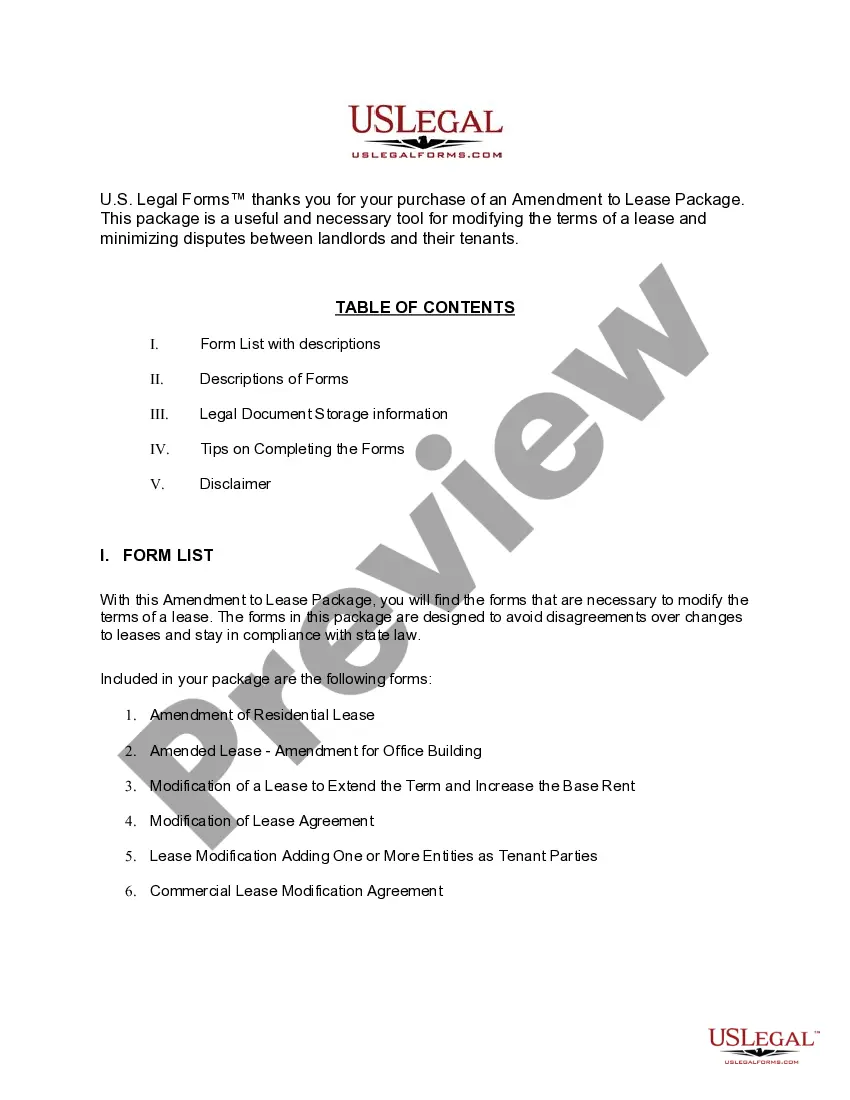
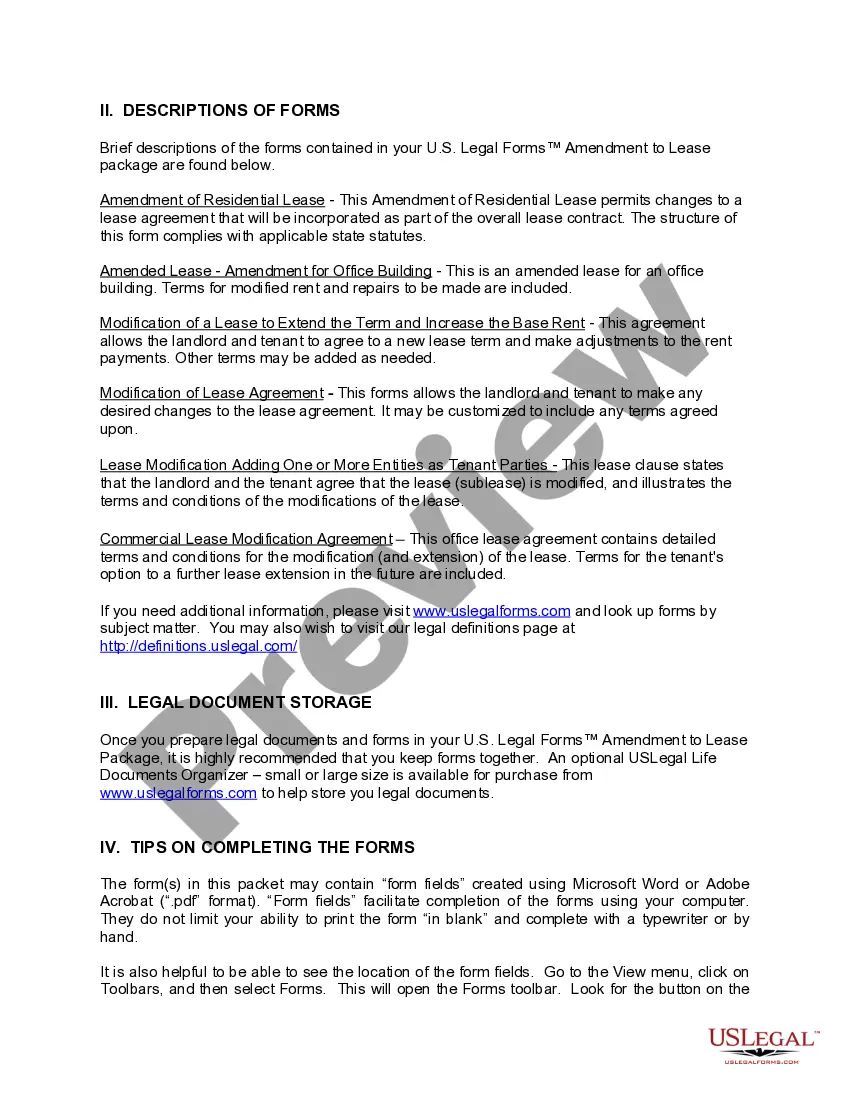
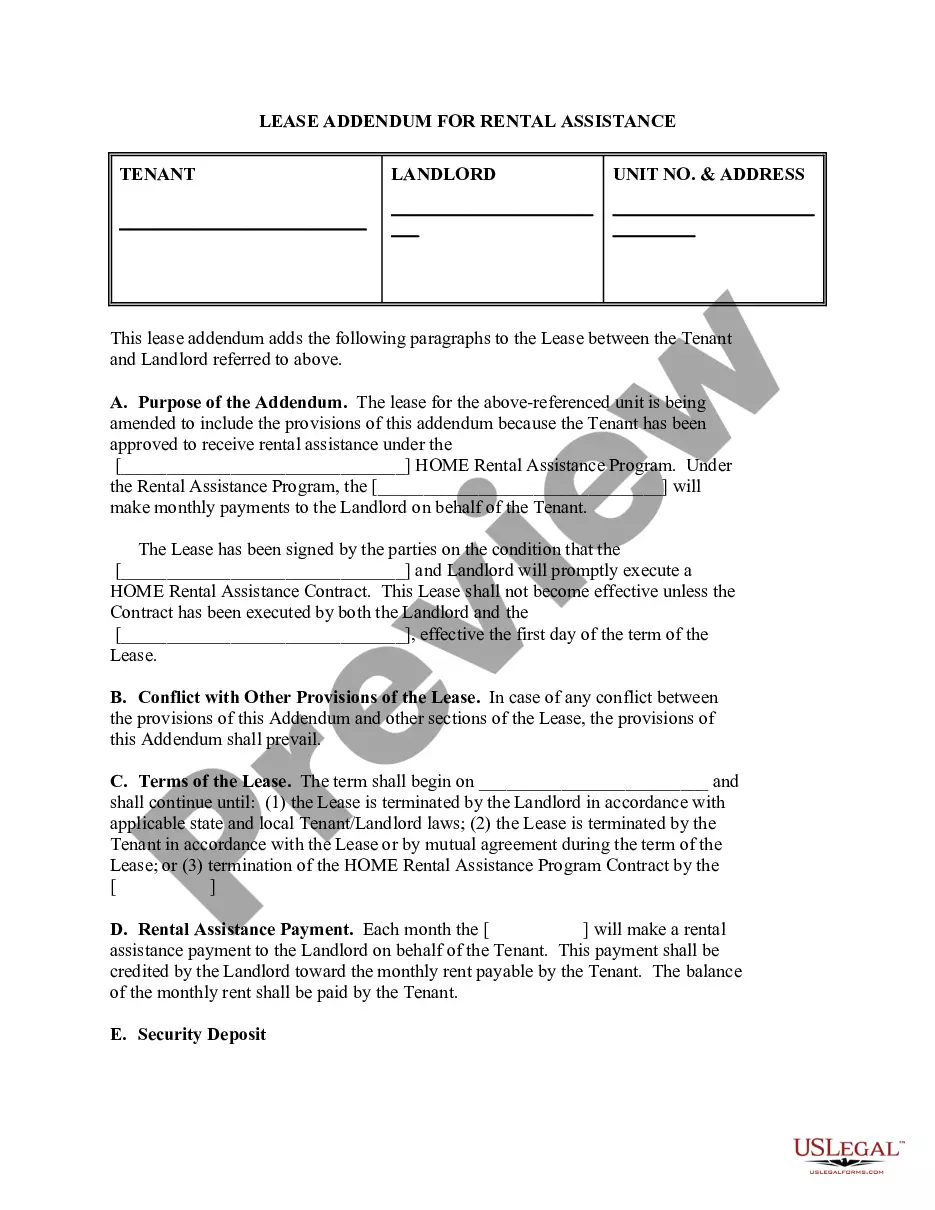
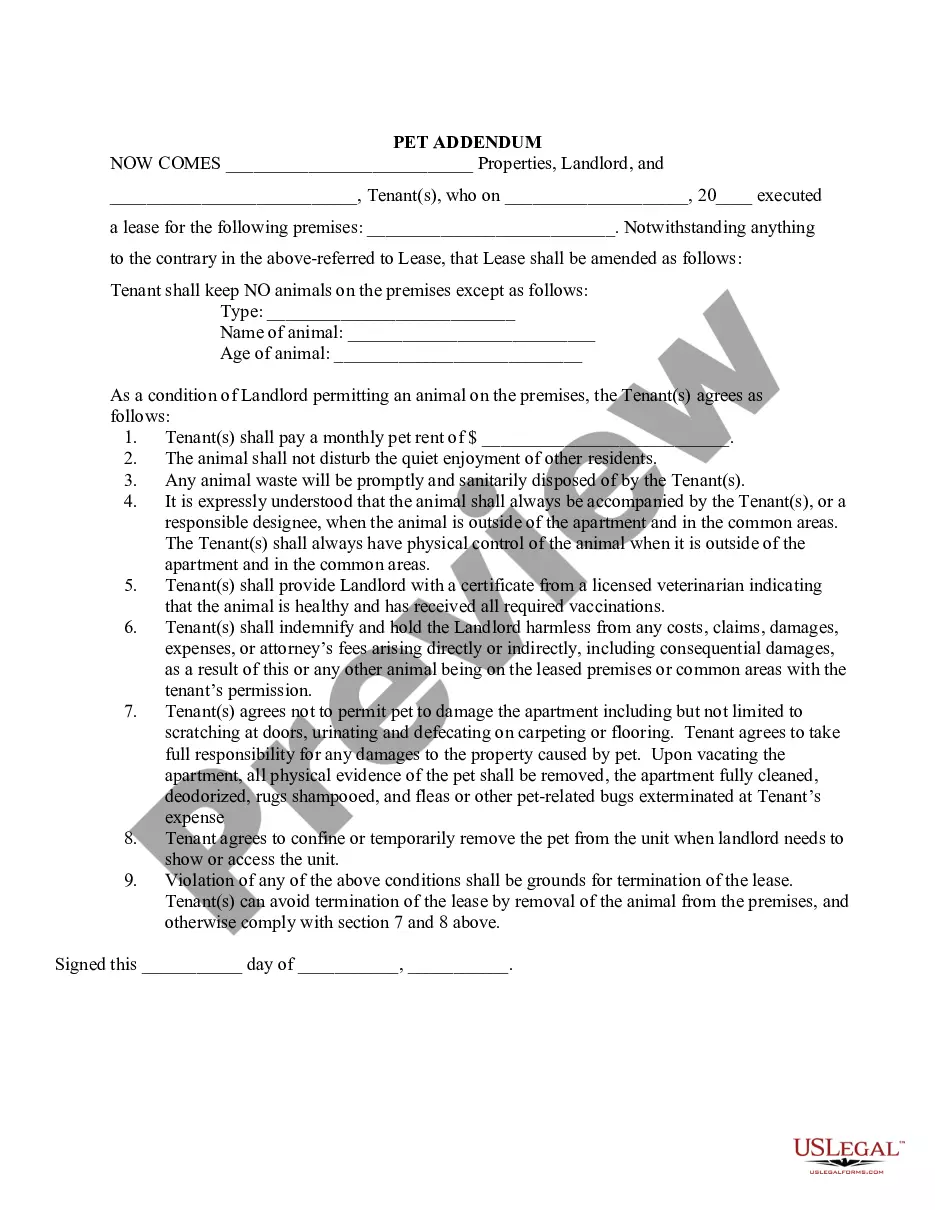
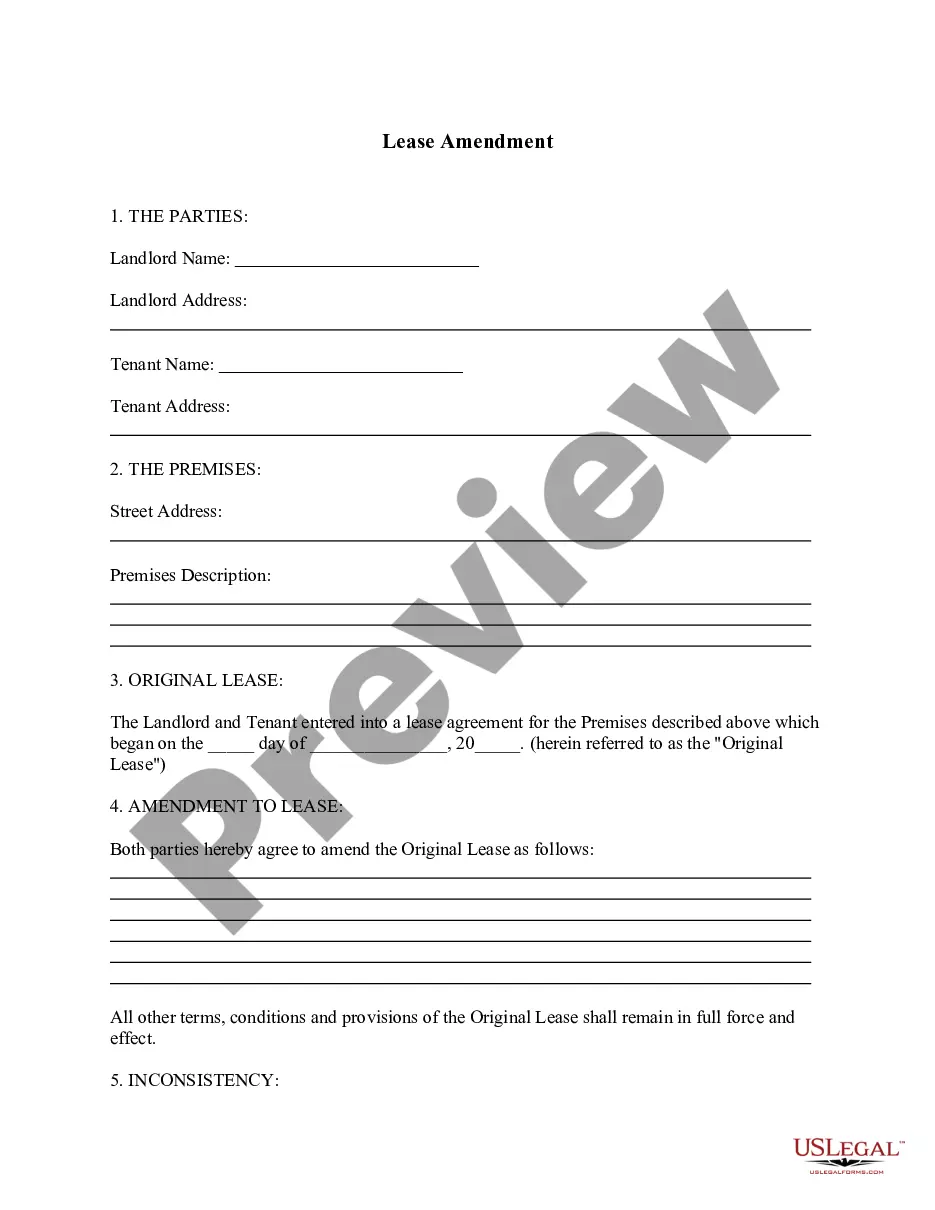
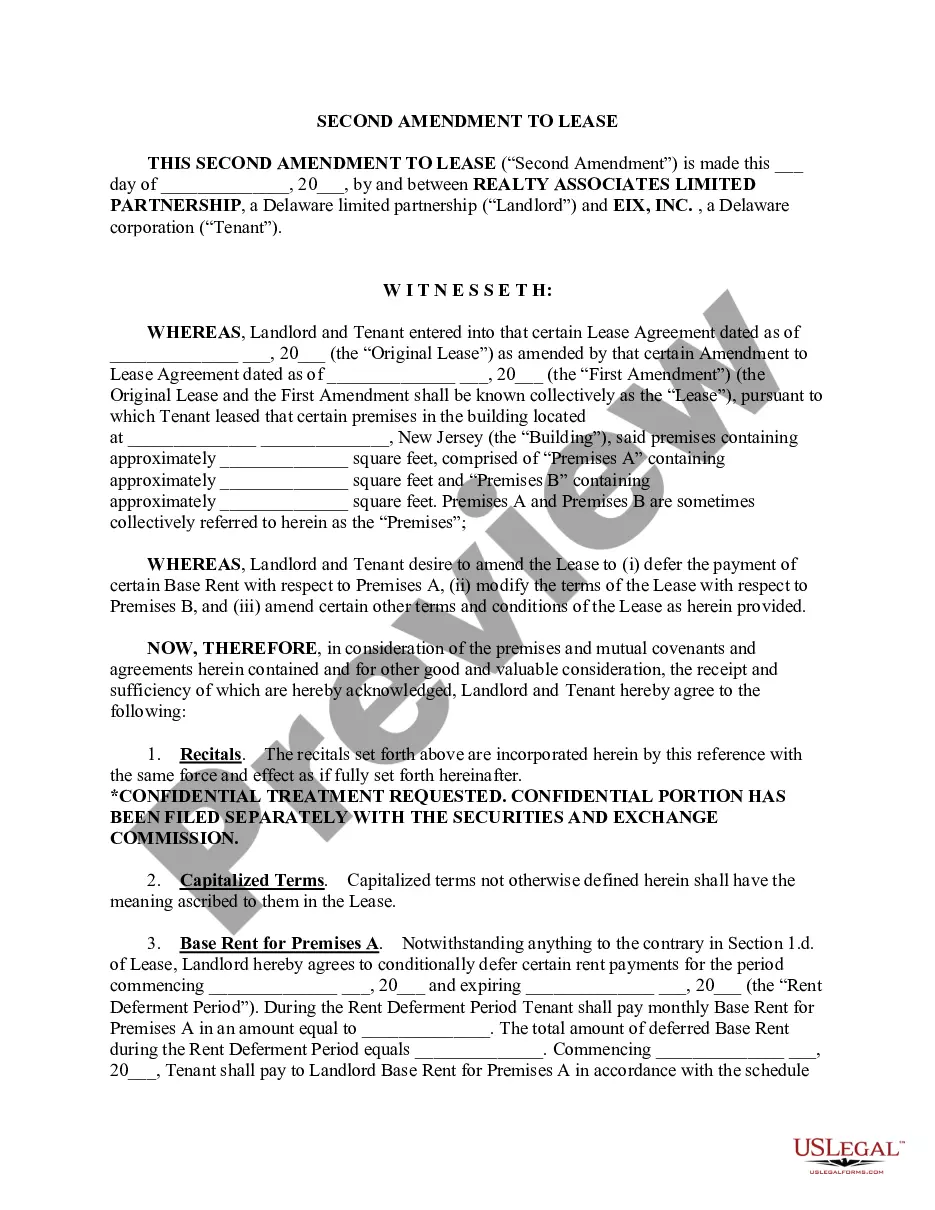
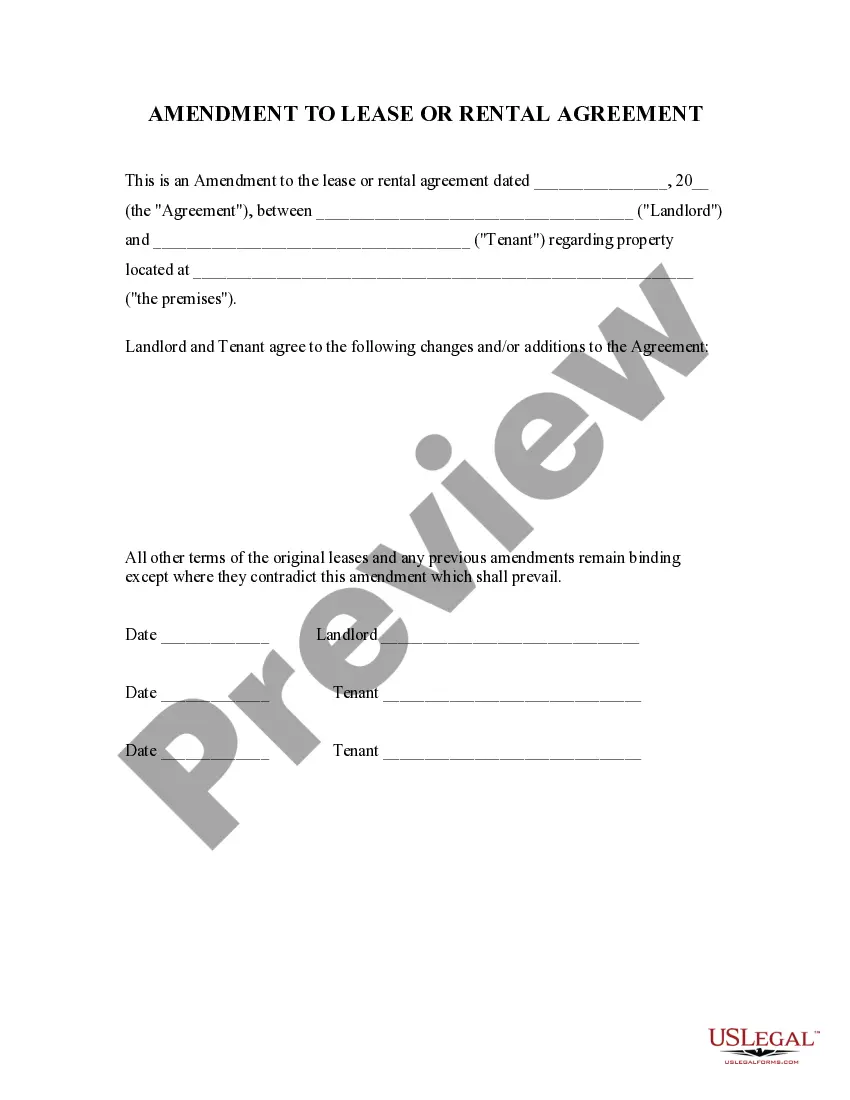
The Virginia Amendment of Lease Package provides essential forms to modify the terms of a lease. Designed by licensed attorneys, this package ensures that any changes made comply with state law and help prevent disputes between landlords and tenants. Each form is crafted to meet specific legal requirements, making this package a reliable choice for individuals needing to amend their lease agreements in Virginia.
Forms included in this package
When this form package is needed
This form package is useful in various scenarios, including:
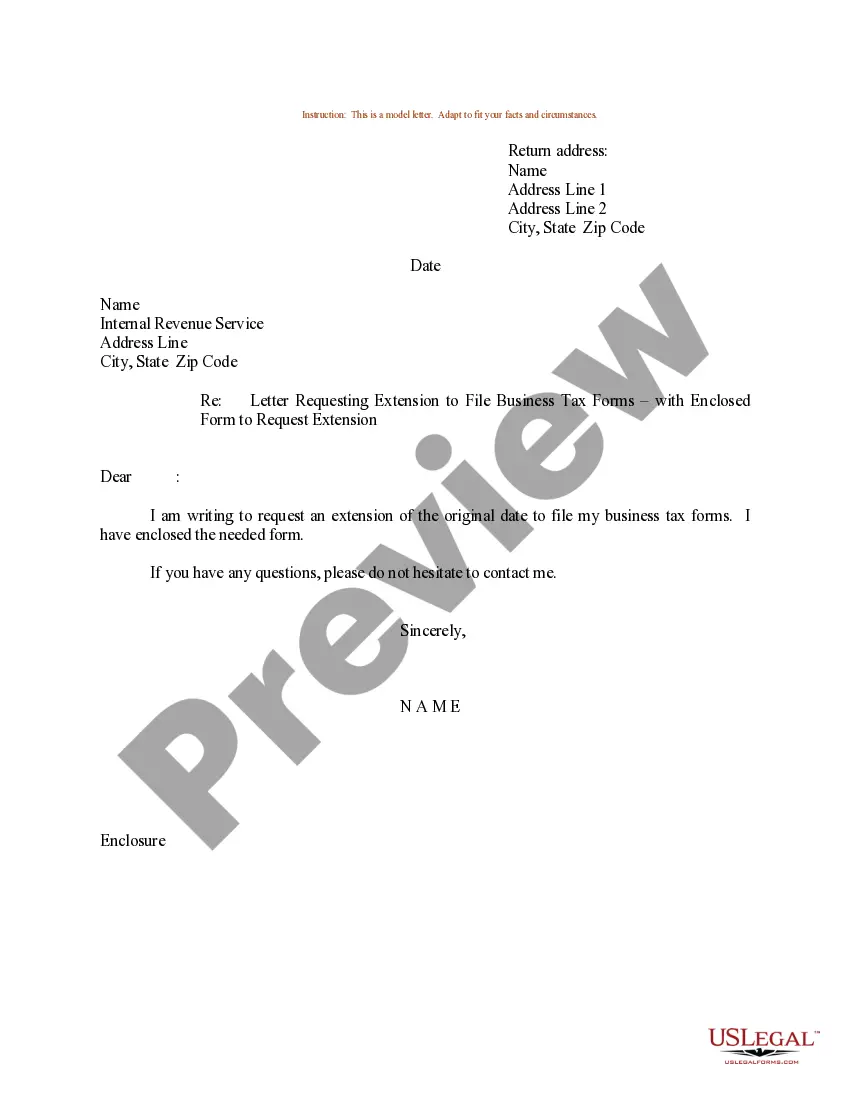
- When a tenant needs to request a rent deferral due to financial hardship.
- When landlords and tenants agree to modify lease terms, such as extending the lease or adjusting payment amounts.
- When communication about lease amendments is necessary before the lease expiration date.
Who this form package is for
- Landlords looking to modify existing lease agreements.
- Tenants seeking to negotiate changes to their rental agreements.
- Property managers handling lease modifications for their clients.
Steps to complete these forms
- Review each form included in the package to identify necessary changes.
- Gather relevant information, including names of parties involved, lease details, and new terms to be included.
- Complete the forms by entering the required information into the designated fields.
- Sign the forms where indicated and ensure all parties have copies for their records.
- Delivery of the amended lease forms to all parties, along with any communication letters, if applicable.
Notarization details for included forms
Notarization is not commonly needed for forms in this package. However, if your state’s laws require it, our notarization service, powered by Notarize, allows you to finalize documents online 24/7 without in-person visits.
Get your form ready online
Our built-in tools help you complete, sign, share, and store your documents in one place.
Make edits, fill in missing information, and update formatting in US Legal Forms—just like you would in MS Word.
Download a copy, print it, send it by email, or mail it via USPS—whatever works best for your next step.
Sign and collect signatures with our SignNow integration. Send to multiple recipients, set reminders, and more. Go Premium to unlock E-Sign.
If this form requires notarization, complete it online through a secure video call—no need to meet a notary in person or wait for an appointment.
We protect your documents and personal data by following strict security and privacy standards.

Make edits, fill in missing information, and update formatting in US Legal Forms—just like you would in MS Word.

Download a copy, print it, send it by email, or mail it via USPS—whatever works best for your next step.

Sign and collect signatures with our SignNow integration. Send to multiple recipients, set reminders, and more. Go Premium to unlock E-Sign.

If this form requires notarization, complete it online through a secure video call—no need to meet a notary in person or wait for an appointment.

We protect your documents and personal data by following strict security and privacy standards.
Mistakes to watch out for
- Failing to clearly specify which terms of the lease are being amended.
- Not having all parties sign the amended agreement.
- Neglecting to provide proper notice to tenants regarding lease amendments.
Benefits of using this package online
- Convenience of downloading forms anytime, anywhere.
- Editability allows you to tailor forms to specific needs.
- Reliability of forms drafted by licensed attorneys ensures legal compliance.
Legal use & context
- Amendments to lease agreements must be documented accurately to avoid disputes.
- Understanding Virginia's laws on tenant rights and landlord responsibilities is crucial when modifying lease terms.
- Using properly drafted amendments ensures enforceability in case of future disagreements.
Key takeaways
- This package provides essential forms for modifying lease agreements in Virginia.
- Using these forms can help prevent future conflicts between landlords and tenants.
- It is important to complete the forms accurately and to keep records of all communications and amendments.
Looking for another form?
Form popularity
FAQ
Adding an Addendum An addendum must include the basic elements of any landlord/tenant agreement. You should include the date, the address of the rental property and the names of each party just as you would in the original lease.
Notice to terminate a lease with no end date. 3 months prior to the end of the lease (§ 55-222(A)) Notice to terminate a month-to-month lease. 30 days or less if both parties agreed to a shorter notice period in the lease. (A§ 55-222(B))
When a landlord and tenant sign a lease agreement it forms a legally binding contract. The lease cannot be altered except through another written agreement signed by both parties unless the original lease specifically gives a party the power to change something on their own.
Ideally, you should never try to renegotiate the rental amount after your lease is signed.Your tenant might want you to decrease the rent amount, but they are also proposing to increase the length of their lease by one additional year.
Changing the lease You can negotiate certain changes to the lease, sometimes known as 'varying the lease'. Speak to your landlord first. If you can't agree, you may be able to apply to a tribunal - contact Leasehold Advisory Service for advice.
A lease addendum allows a landlord or tenant to make changes to a current residential or commercial lease agreement.Once both parties agree and sign, the addendum should be added to the original lease.
Except for an emergency or scheduled maintenance, your landlord must give you at least 24 hours of notice before entering the rental unit. If your landlord repeatedly violates your privacy by entering your unit, you may be able to break your lease without penalty.
2. Lease may have rules about what a tenant must do to end early, e.g., 60 day advance written notice, pay rent for 60 day period and pay early termination penalty of two months' rent. However, this is not required.
When creating your Lease Amendment, you'll want to include information such as: the names of the landlord(s) and the tenant(s); the effective date of the original lease; the date of the lease amendment; the address and nature of the leased property; whether the original lease was recorded with the county; which