Pet Addendum
Understanding this form
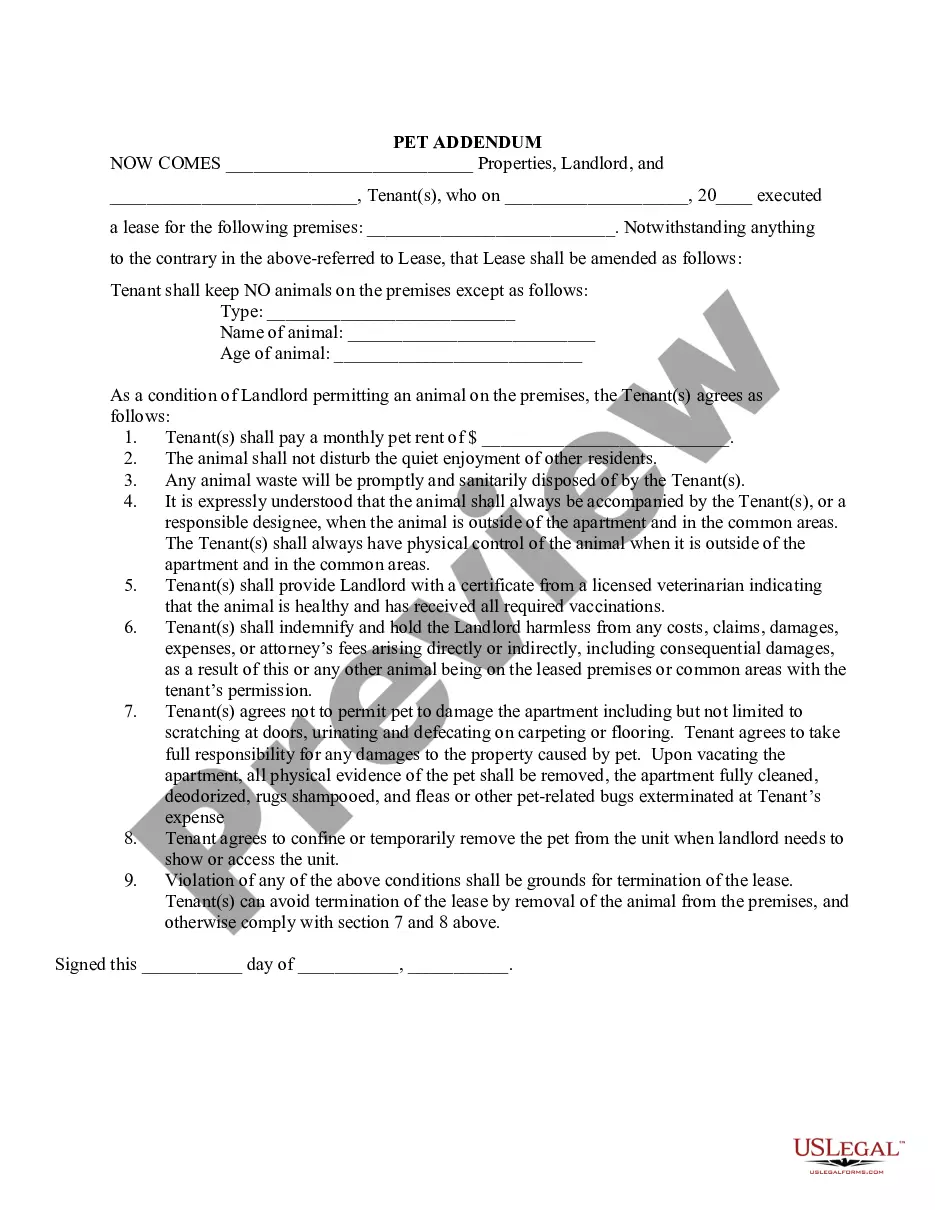
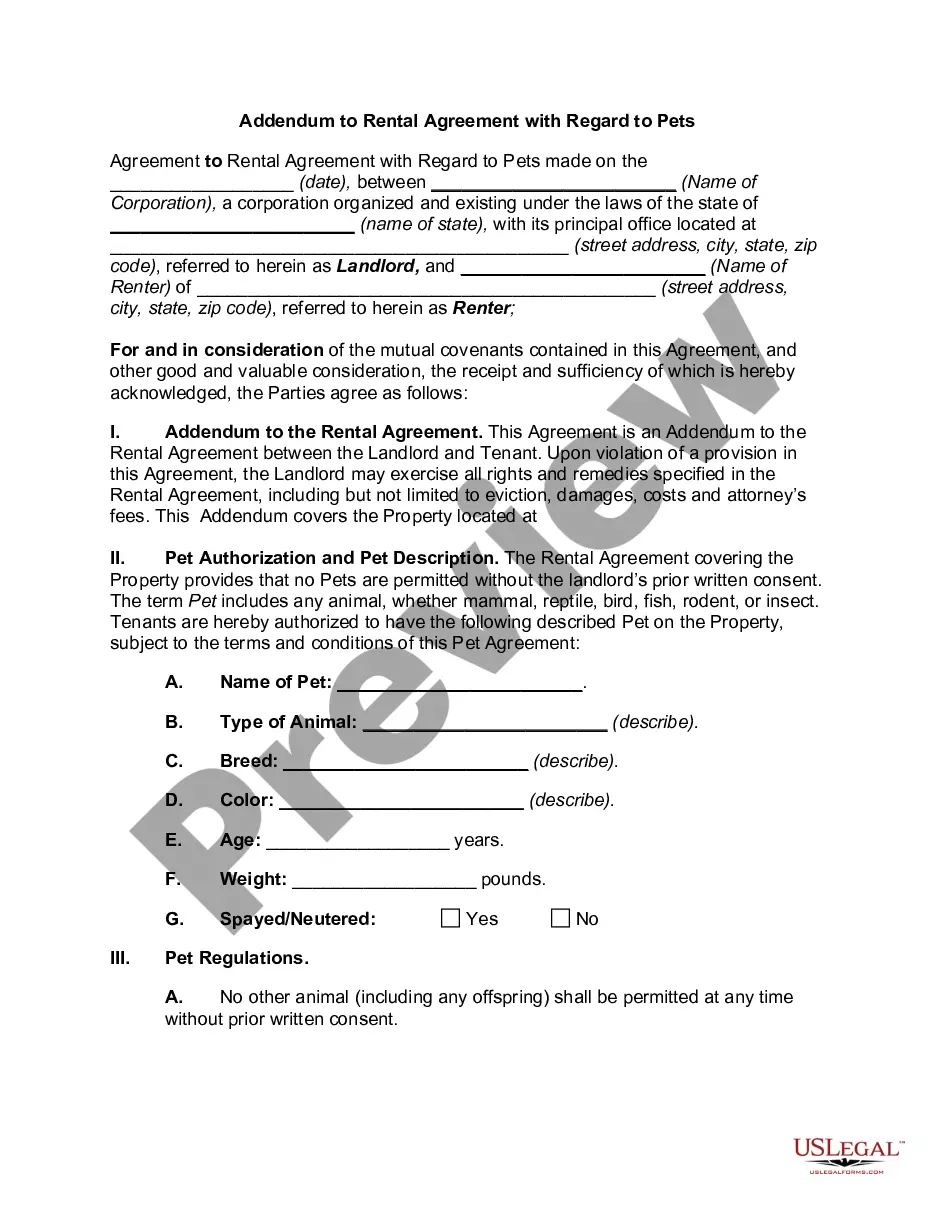
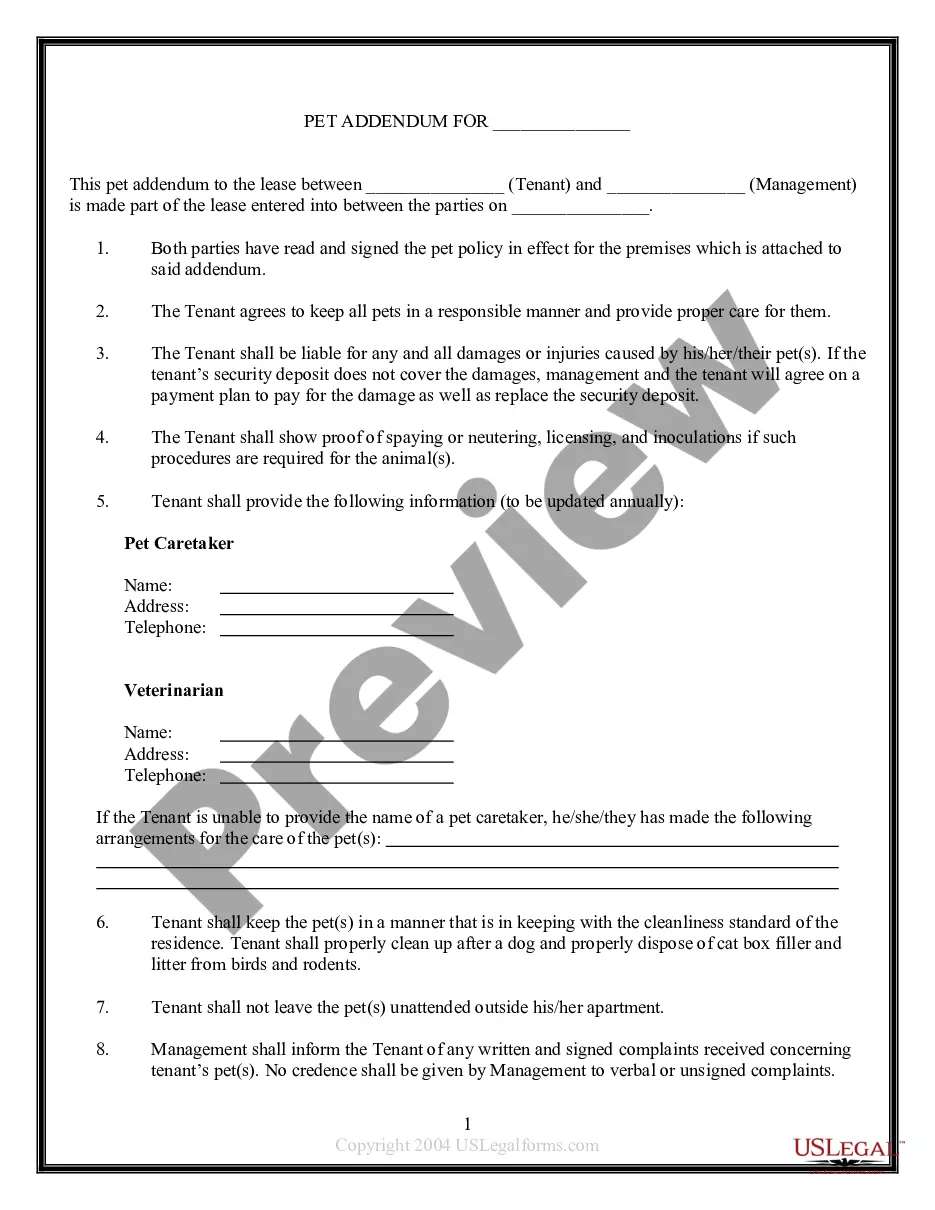
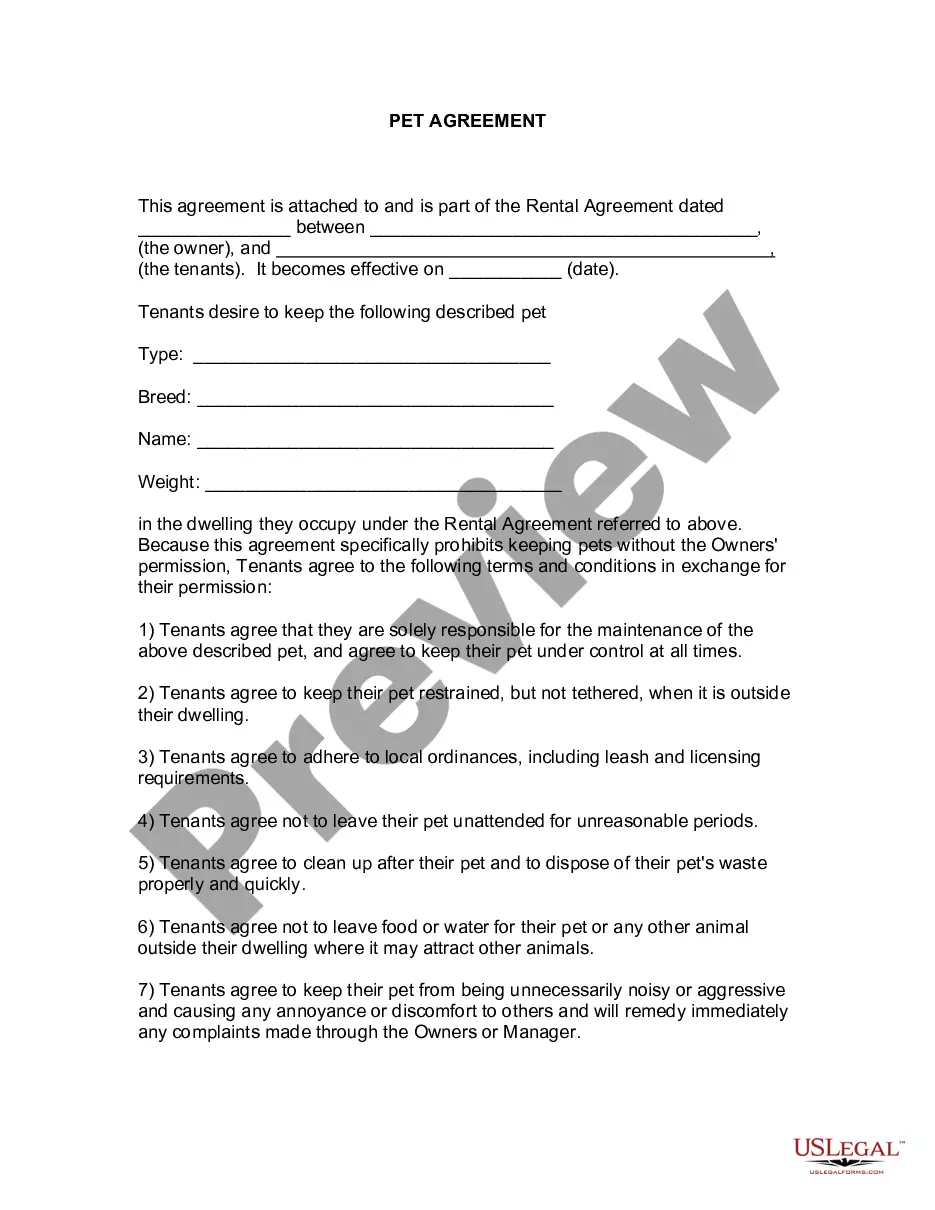
A pet addendum is a legal document used by landlords to grant tenants written permission to have one or more pets on their rental property. This addendum ensures that tenants are aware of their responsibilities related to pet ownership, including maintaining quiet enjoyment for other residents and assuming liability for any damages caused by their pets. Unlike a standard lease, this specialized addendum specifically addresses the rules and conditions surrounding pet ownership in a rental property.
Form components explained
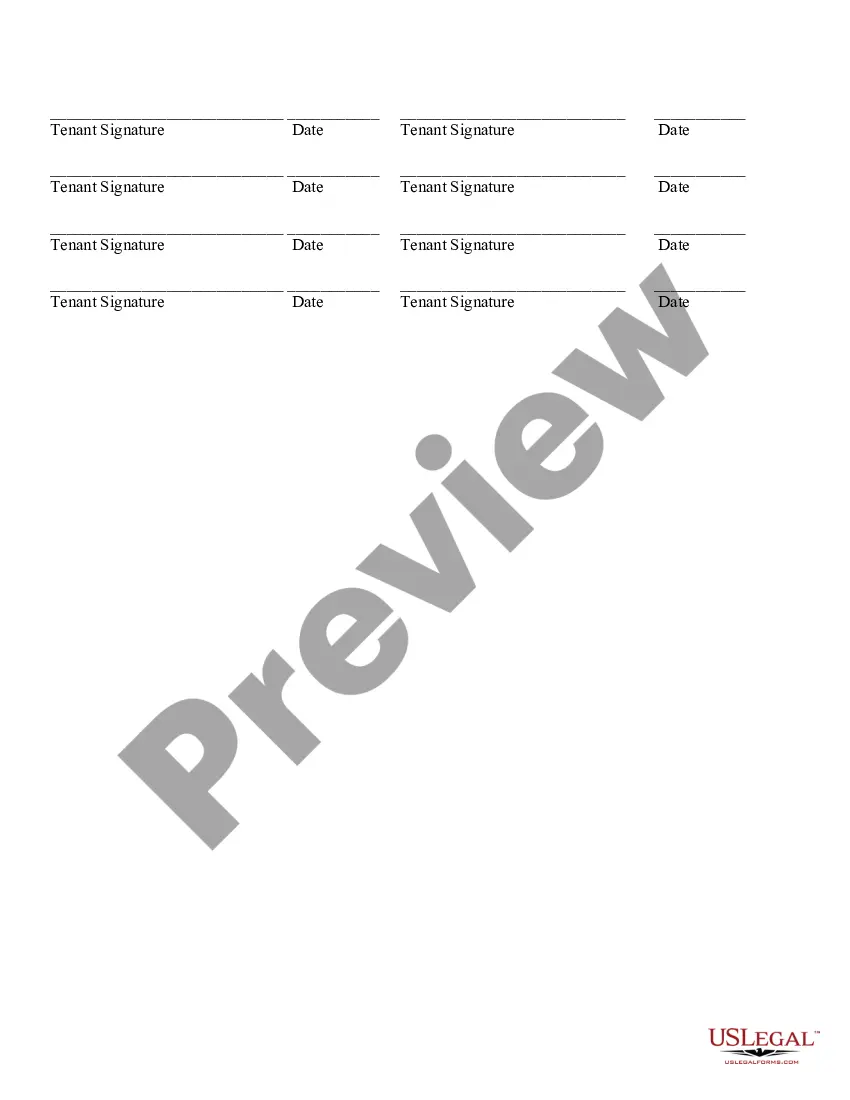
- Identification of parties: Includes signatures of landlords and tenants.
- Property details: States the premises where the lease applies.
- Pet specifications: Requires information on pet type, name, and age.
- Responsibilities of the tenant: Outlines tenant obligations regarding pet care and behavior.
- Pet rent: Details any additional monthly rent required for pet ownership.
- Indemnification clause: Protects the landlord against claims related to the pet.
When to use this form
This form is necessary when a tenant wishes to keep a pet in a rental property, but the original lease agreement prohibits pets. It formalizes the pet's inclusion under specific conditions, helping to prevent misunderstandings between parties and ensuring compliance with the property's rules.
Who can use this document
- Landlords who want to permit tenants to have pets in a rental property.
- Tenants who have pets or wish to acquire them while living in a rental unit.
- Property managers overseeing multiple rental agreements involving pets.
How to complete this form
- Identify the parties involved by signing in the respective sections.
- Specify the property details in the designated area of the form.
- Provide the specifics of the pet, including type, name, and age.
- Fill in the agreed-upon monthly pet rent amount, if applicable.
- Ensure both landlord and tenant understand and initial their obligations regarding pet ownership and care.
- Sign and date the form to finalize the agreement.
Does this form need to be notarized?
Notarization is not commonly needed for this form. However, certain documents or local rules may make it necessary. Our notarization service, powered by Notarize, allows you to finalize it securely online anytime, day or night.
Get your form ready online
Our built-in tools help you complete, sign, share, and store your documents in one place.
Make edits, fill in missing information, and update formatting in US Legal Forms—just like you would in MS Word.
Download a copy, print it, send it by email, or mail it via USPS—whatever works best for your next step.
Sign and collect signatures with our SignNow integration. Send to multiple recipients, set reminders, and more. Go Premium to unlock E-Sign.
If this form requires notarization, complete it online through a secure video call—no need to meet a notary in person or wait for an appointment.
We protect your documents and personal data by following strict security and privacy standards.

Make edits, fill in missing information, and update formatting in US Legal Forms—just like you would in MS Word.

Download a copy, print it, send it by email, or mail it via USPS—whatever works best for your next step.

Sign and collect signatures with our SignNow integration. Send to multiple recipients, set reminders, and more. Go Premium to unlock E-Sign.

If this form requires notarization, complete it online through a secure video call—no need to meet a notary in person or wait for an appointment.

We protect your documents and personal data by following strict security and privacy standards.
Typical mistakes to avoid
- Failing to specify all pet details, which can lead to misunderstandings.
- Not providing signatures from all tenants, which invalidates the agreement.
- Overlooking the monthly pet rent, leading to unexpected costs for tenants.
Benefits of completing this form online
- Immediate access to a professionally drafted legal document.
- Easy customization options to fit specific needs.
- Time-saving as it can be downloaded and printed instantly.
- Minimized errors with clear instructions provided throughout the form.
Legal use & context
- This pet addendum is a legally binding agreement once signed by both parties.
- It helps clarify each party's rights and responsibilities concerning pet ownership.
- Both tenants and landlords should retain copies for their records.
Main things to remember
- A pet addendum is essential for formalizing pet approval in rental agreements.
- It outlines responsibilities for both landlords and tenants.
- Using the form helps prevent disputes related to pet ownership in rental properties.
Looking for another form?
Form popularity
FAQ
How to work around breed restrictions when renting Don't hide your dog.Create a pet resume.Offer to pay an extra pet deposit or pet fee.Show training certifications.Pet DNA Testing.Provide references.Look into service animal certifications or emotional support licenses.Buy pet liability insurance.
When you see the term Let. Then it is just that. The property has been let out to a tenant and all contracts etc have been completed. Let Agreed is used when a prospective tenant has indicated they would like to rent a property and has verbally committed to renting it.
In terms of pet deposit, California law stipulates that refundable pet deposits can be charged. However, the total deposit amount, including the pet deposit, can't exceed two months of rent in total. This limit increases to three months' rent for furnished properties.
A pet agreement is a contract specifying that a tenant has permission from the landlord to have a pet living on the property.
Pet rent is when you charge a monthly fee for pets in addition to regular rent. It's an increasingly popular option with pet-friendly apartments. Pet rent is usually the least expensive option; you can charge pet rent as long your tenant has pets in their unit.
The Pet Addendum (Form CA-080) is one of CAA's most popular forms. It allows the landlord to grant permission for a tenant to have a pet, when pets are prohibited by the rental agreement. The addendum requires the specific pet to be identified.
Yes, Oklahoma's law allows landlords to charge an additional pet deposit. While these often vary, they usually range between $200 and $500. You must, however, not require tenants who use service animals to pay a pet deposit.
When a rental property is marked 'let agreed' it means the landlord has agreed in principle to allow a tenant to rent it, subject to credit and Right to Rent checks, and referencing. Both the landlord and the tenant have committed to proceeding with an agreement, but no legally binding documents have been signed.