Virginia Fencing Contractor Package
About this form package
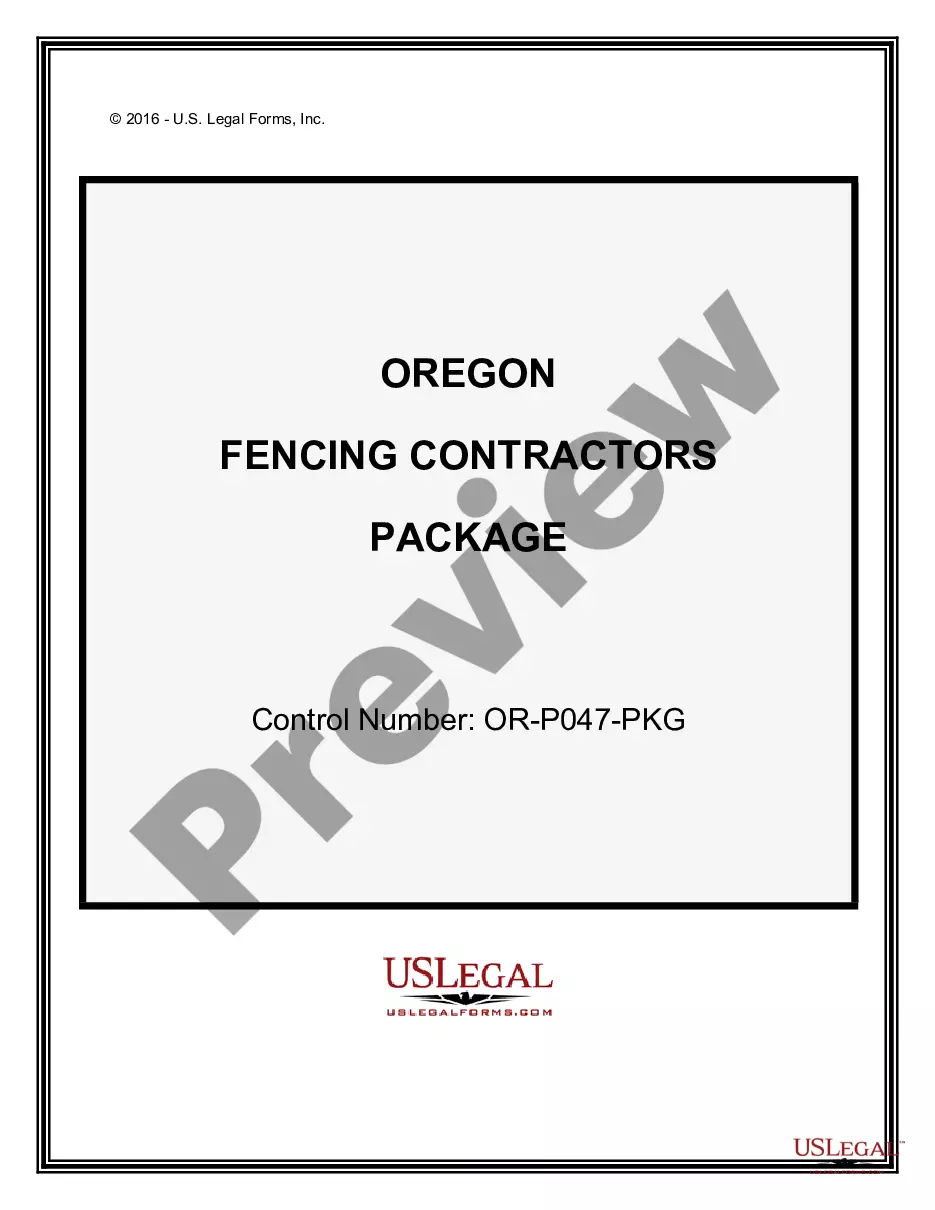
The Virginia Fencing Contractor Package is a comprehensive set of legal documents specifically designed for fencing contractors operating in Virginia. This package stands out as it includes a legally compliant fencing contract tailored to state regulations, enabling contractors to effectively safeguard their rights and manage legal obligations during residential fencing projects.
What’s included in this form package
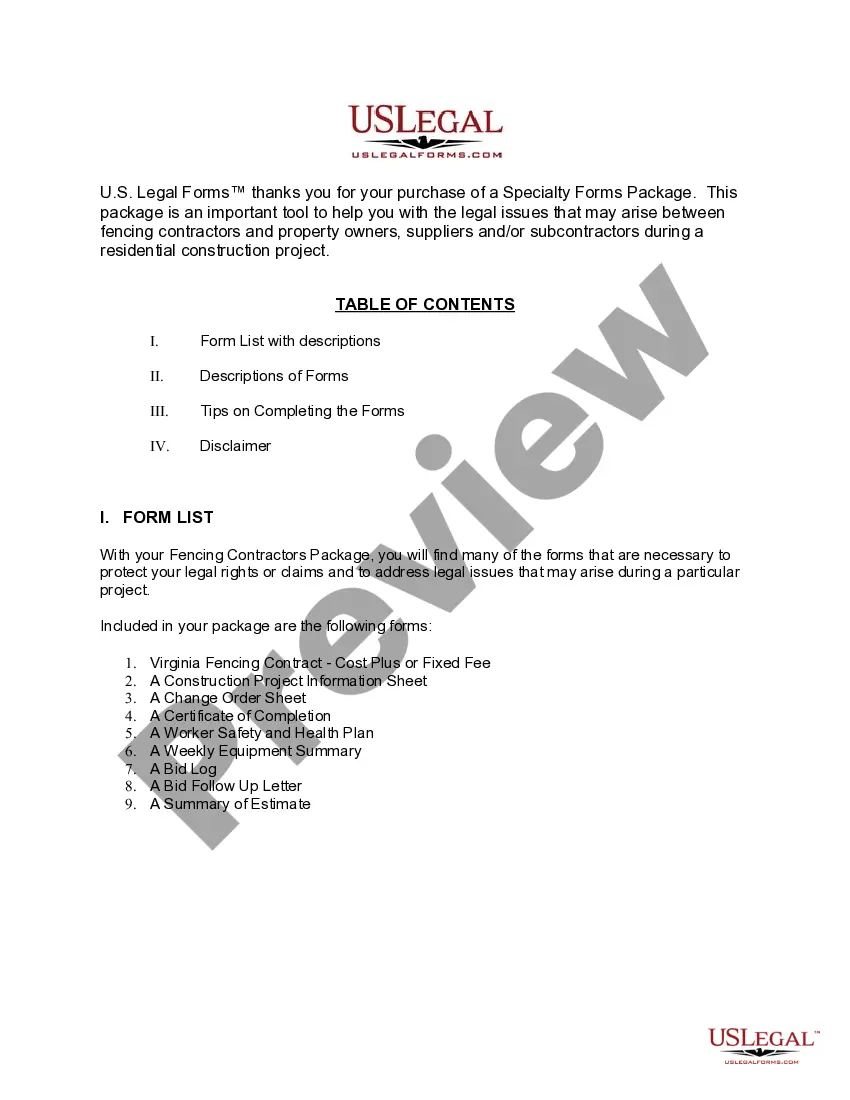
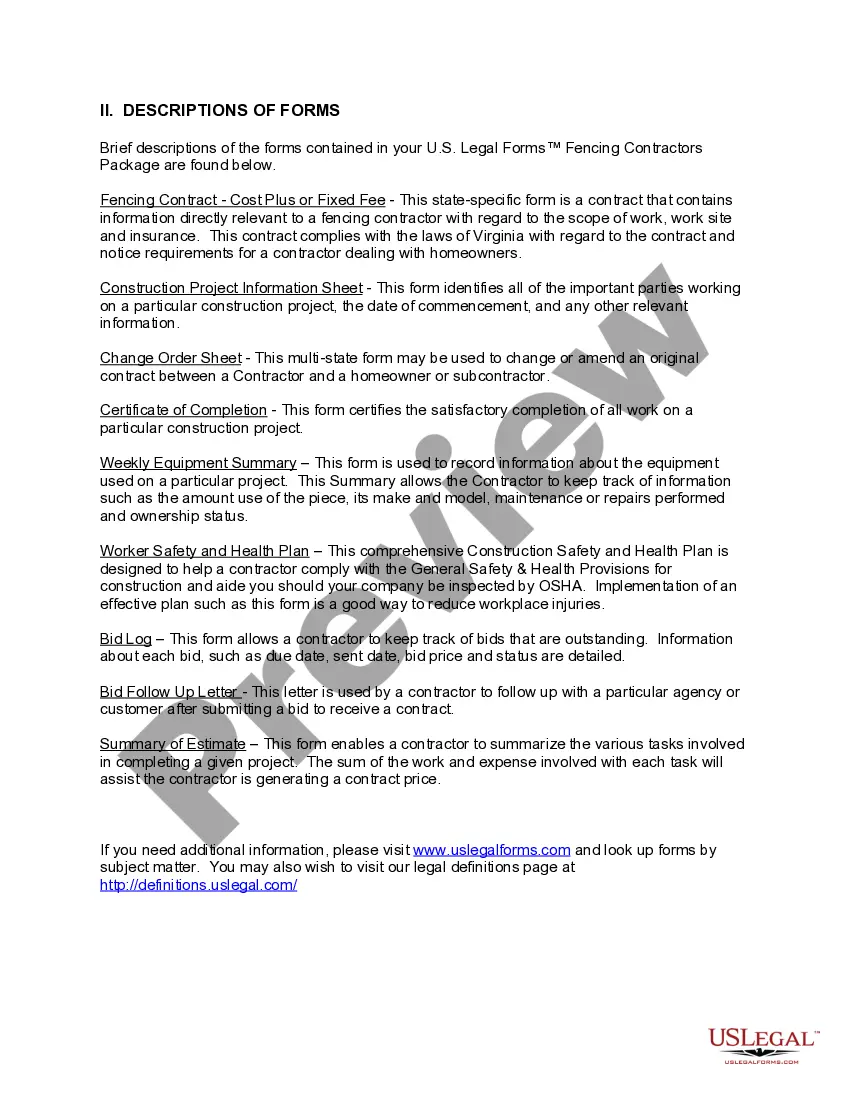
- Fencing Contract for Contractor
- Contractor's Weekly Equipment Summary
- Contractor's Bid Log
- Contractor's Bid Follow Up Letter
- Contractor's Summary of an Estimate
- Construction Safety and Health Plan
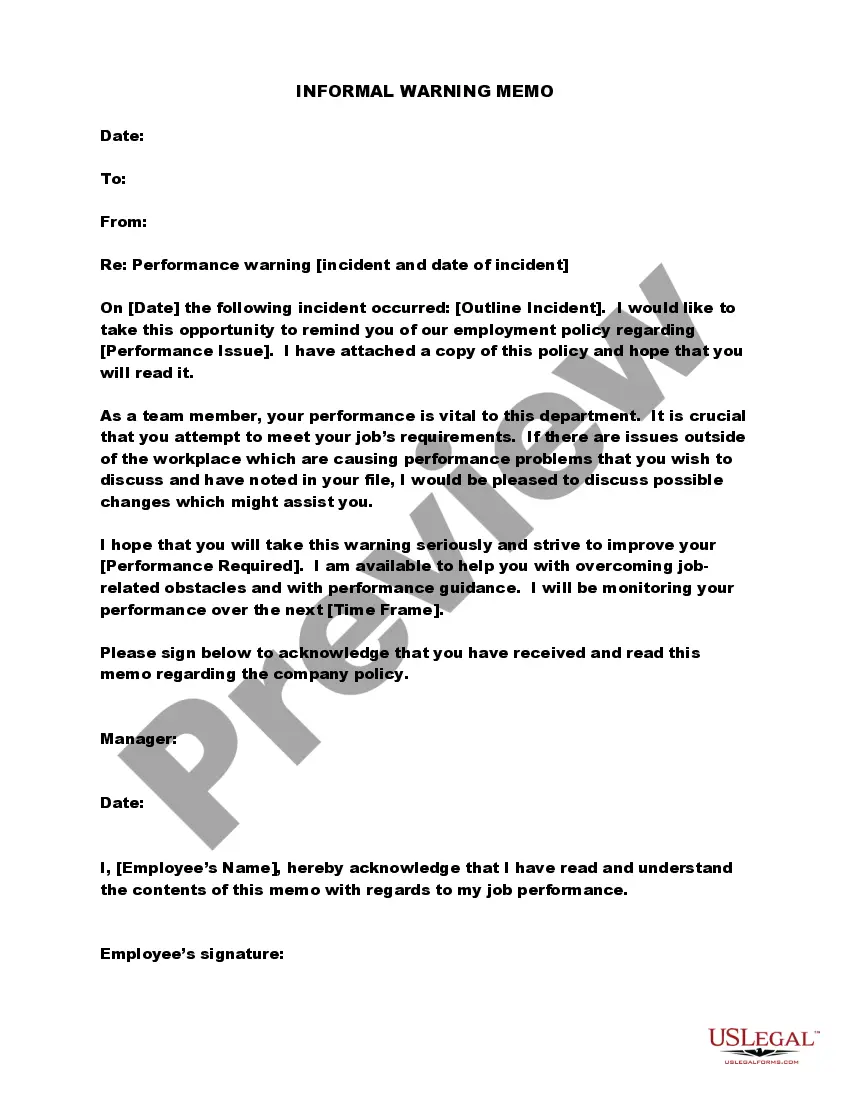
- Change Order for Construction or Repairs by Contractor
- Certification of Completion by Contractor
- Construction Project Information Sheet

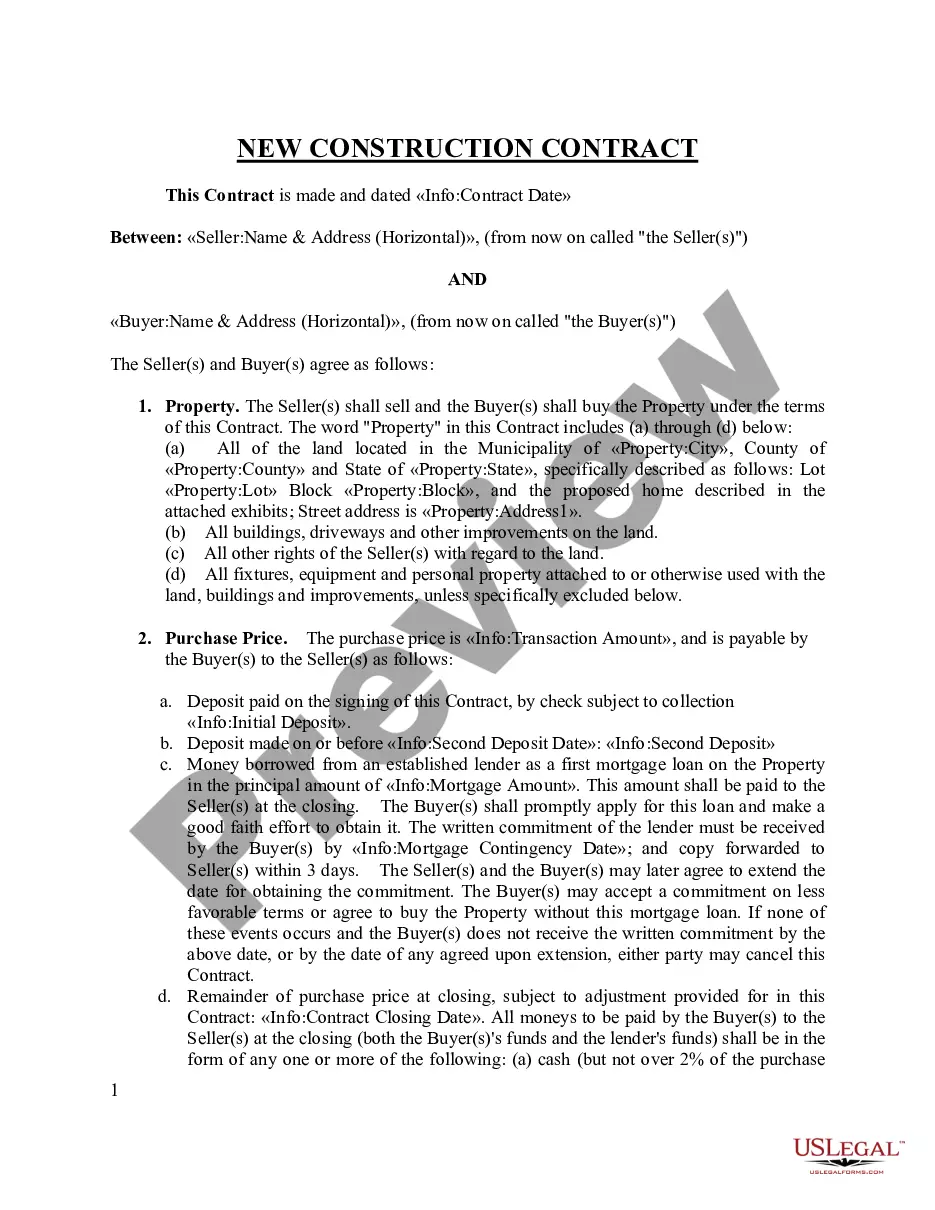
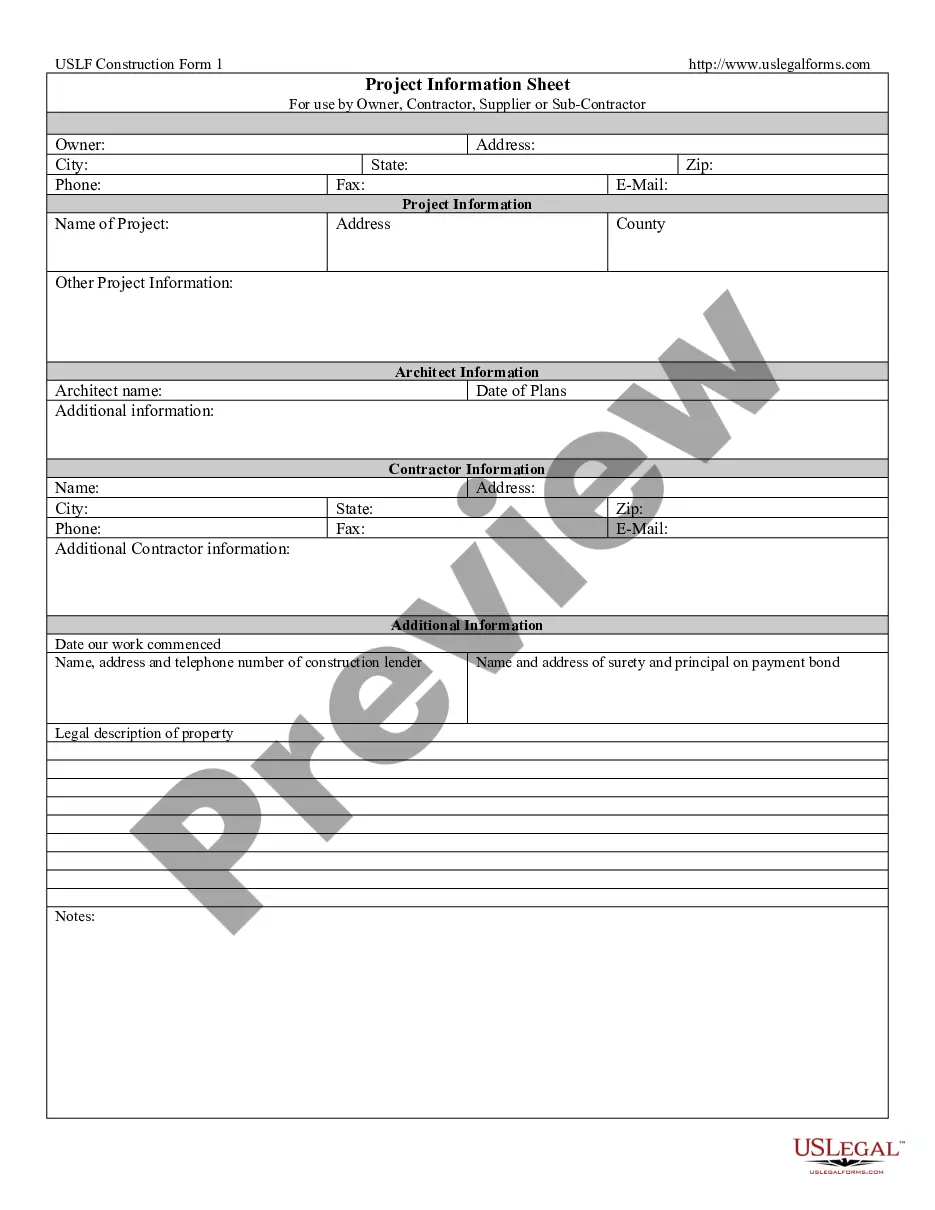


When this form package is needed
This form package should be utilized in various scenarios, including:
- When entering into a fencing contract with homeowners or clients.
- To document important information regarding construction projects, such as start dates and parties involved.
- When needing to manage changes to contracts or summarize weekly equipment usage.
- To ensure compliance with safety regulations and properly document project completion.
Who can use this document
- Fencing contractors working on residential projects in Virginia.
- Subcontractors involved in fencing work.
- Homeowners looking to formalize agreements with fencing contractors.
- Project managers overseeing fencing installations.
Completing these forms step by step
- Review the included forms to understand their purpose and requirements.
- Identify all relevant parties involved in the fencing project.
- Fill out the Fencing Contract with accurate project details, including costs.
- Document any changes during the project using the Change Order Sheet.
- Complete the Certificate of Completion and Worker Safety and Health Plan once the project is finalized.
Notarization requirements for forms in this package
Notarization is not commonly needed for forms in this package. However, if your state’s laws require it, our notarization service, powered by Notarize, allows you to finalize documents online 24/7 without in-person visits.
Get your form ready online
Our built-in tools help you complete, sign, share, and store your documents in one place.
Make edits, fill in missing information, and update formatting in US Legal Forms—just like you would in MS Word.
Download a copy, print it, send it by email, or mail it via USPS—whatever works best for your next step.
Sign and collect signatures with our SignNow integration. Send to multiple recipients, set reminders, and more. Go Premium to unlock E-Sign.
If this form requires notarization, complete it online through a secure video call—no need to meet a notary in person or wait for an appointment.
We protect your documents and personal data by following strict security and privacy standards.

Make edits, fill in missing information, and update formatting in US Legal Forms—just like you would in MS Word.

Download a copy, print it, send it by email, or mail it via USPS—whatever works best for your next step.

Sign and collect signatures with our SignNow integration. Send to multiple recipients, set reminders, and more. Go Premium to unlock E-Sign.

If this form requires notarization, complete it online through a secure video call—no need to meet a notary in person or wait for an appointment.

We protect your documents and personal data by following strict security and privacy standards.
Common mistakes to avoid
- Failing to fully complete all fields of the Fencing Contract.
- Neglecting to communicate changes between parties leading to disputes.
- Not keeping accurate records of equipment used on the project.
- Forgetting to include safety measures in the Worker Safety and Health Plan.
Advantages of online completion
- Instant access to legal forms tailored for fencing contractors.
- Ability to edit and personalize documents to fit specific project needs.
- Cost-effective solution, saving over 50% compared to purchasing forms individually.
- User-friendly formats that simplify the completion process.
Legal use & context
- The included Fencing Contract is legally binding when signed by all parties.
- Proper use of the forms can help prevent disputes and misunderstandings.
- Compliance with safety regulations is crucial to avoid potential legal issues during the project.
Summary of main points
- The Virginia Fencing Contractor Package is essential for legally compliant fencing projects.
- Utilizing these forms helps secure your legal rights and manage project logistics effectively.
- Careful completion of the included documents can mitigate common contractor pitfalls.
Looking for another form?


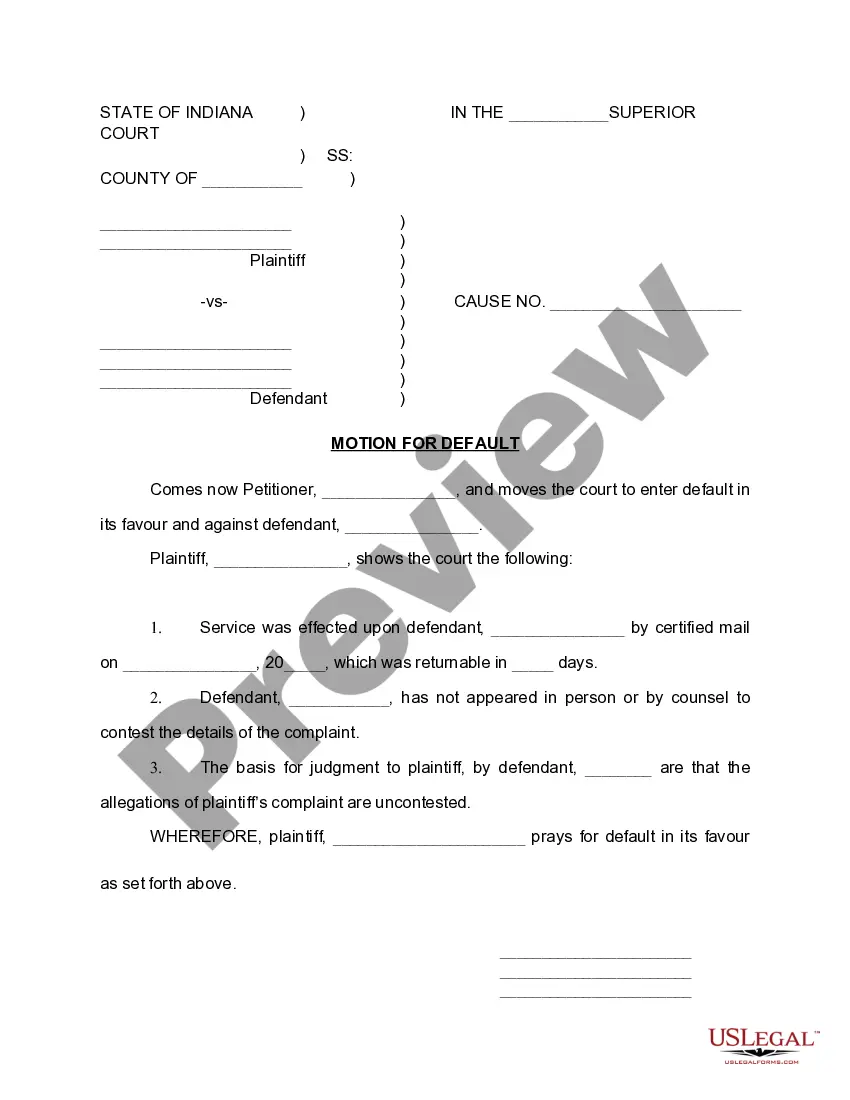
Form popularity
FAQ
How much profit can a fence company make? Depending on the level of training and experience, the annual salary for a fence installation worker ranges from between $21,160 and $51,800 with an average of $32,450. A large, well- established fence installation business can create as much as 1.4 million in annual revenue.
Materials alone usually cost around $5 to $15 per foot, while labor costs $7 to $15 per foot to install. For an average 6-foot tall (200 linear feet) privacy fence, you can expect a total installed cost of $3,400 using an average of $17 per linear foot.
To start a fencing company will cost you anything from $2,500 to $9,800 and there are a few things you would want to take into account when choosing to start this business. The first things of course are the usual registrations and licenses you would need to apply for.
Fence installation costs $1,500 to $3,000 for an average yard with most homeowners spending about $1,800. New fencing costs $5 to $16 per linear foot, or about $2,016 to $9,011 for 1 acre. Prices depend on the type of fence materials used and the length and height of the fence.
One of the benefits of installing a fence by yourself is that you don't have to pay a company for the labor costs. This typically ends up being cheaper in the end, and one of the major reasons most people consider a DIY in the first place.
Average Cost To Install Fencing The average order value for The Home Depot's fence installation in 2020 was $4,600. That's a monthly payment as low as $195 over 24 months with 0% interest using The Home Depot Credit Card, or $62 per month using our 120 Month Financing Plan.
Don't forget about commercial customers. Refresh your website. Set up accounts on social media. Put up yard signs. Ask customers how they heard about your fence business. Place ads in the local paper. Buy fencing leads. Use analytical tools to better understand how much traffic is coming website.
To start a fencing company will cost you anything from $2,500 to $9,800 and there are a few things you would want to take into account when choosing to start this business. The first things of course are the usual registrations and licenses you would need to apply for.