Cease and Desist for Slander
What is this form?
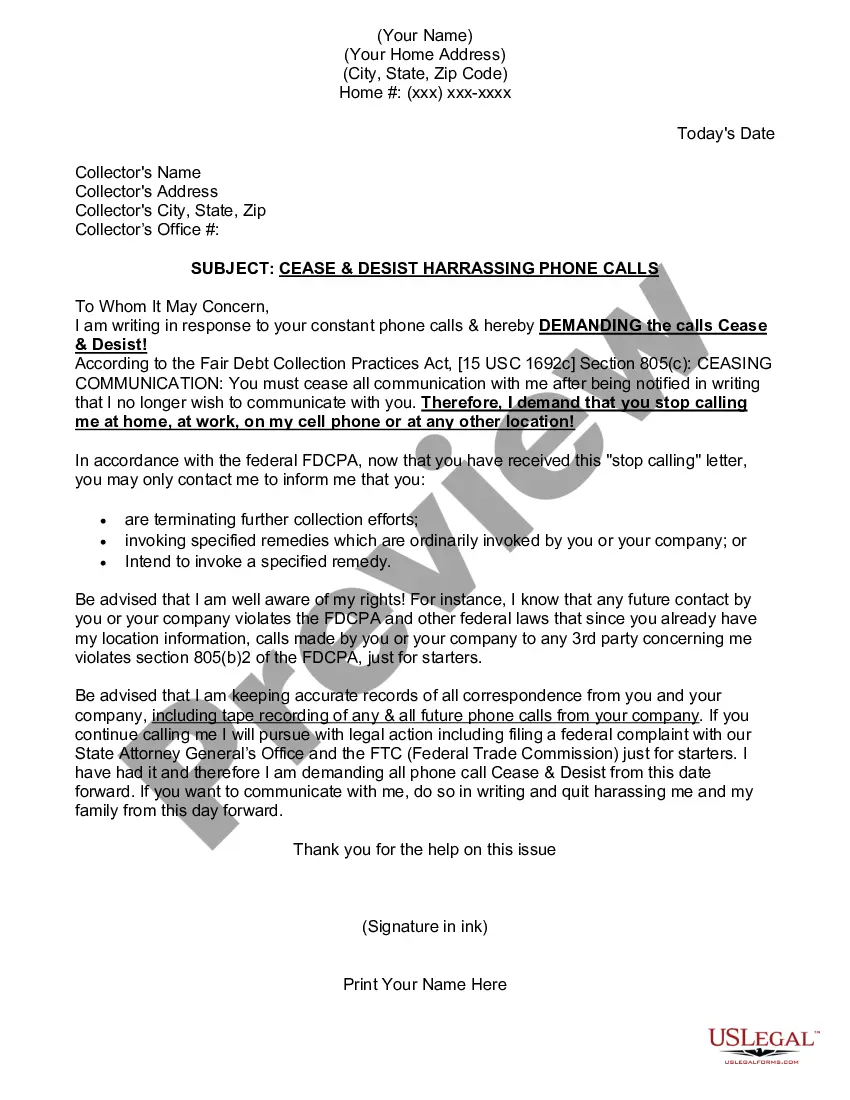
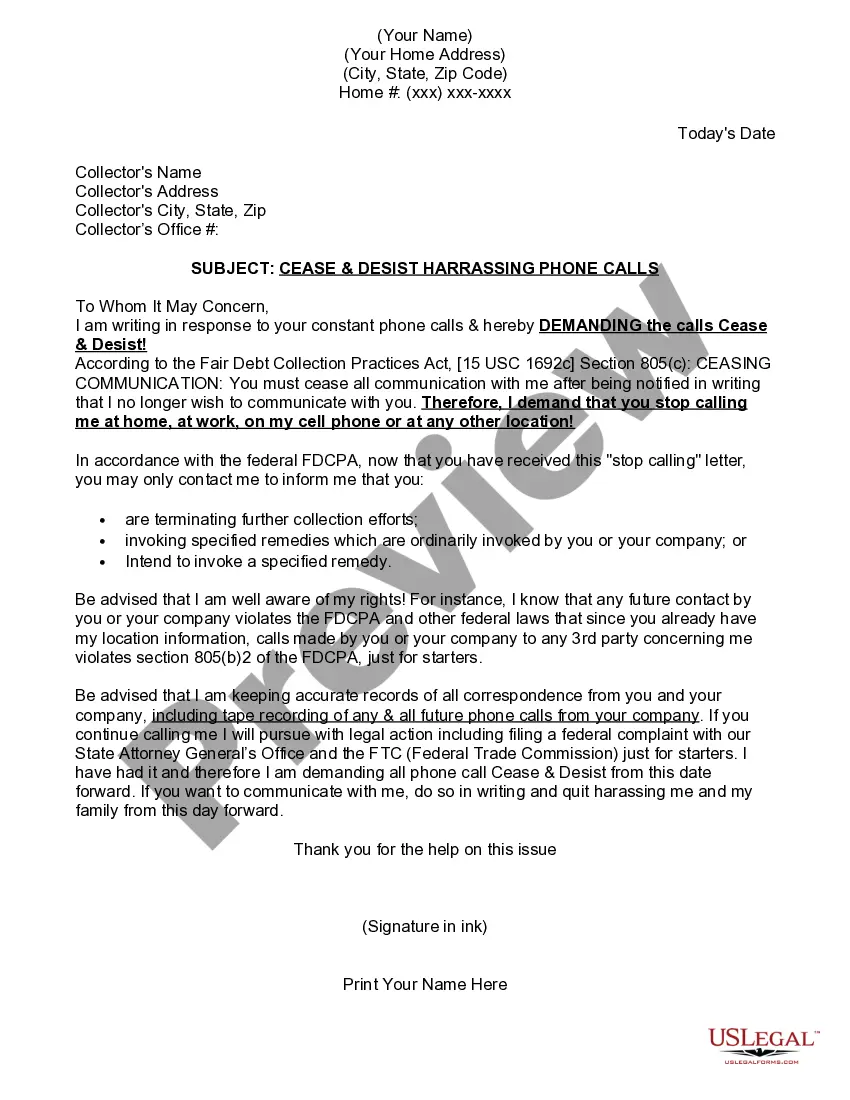
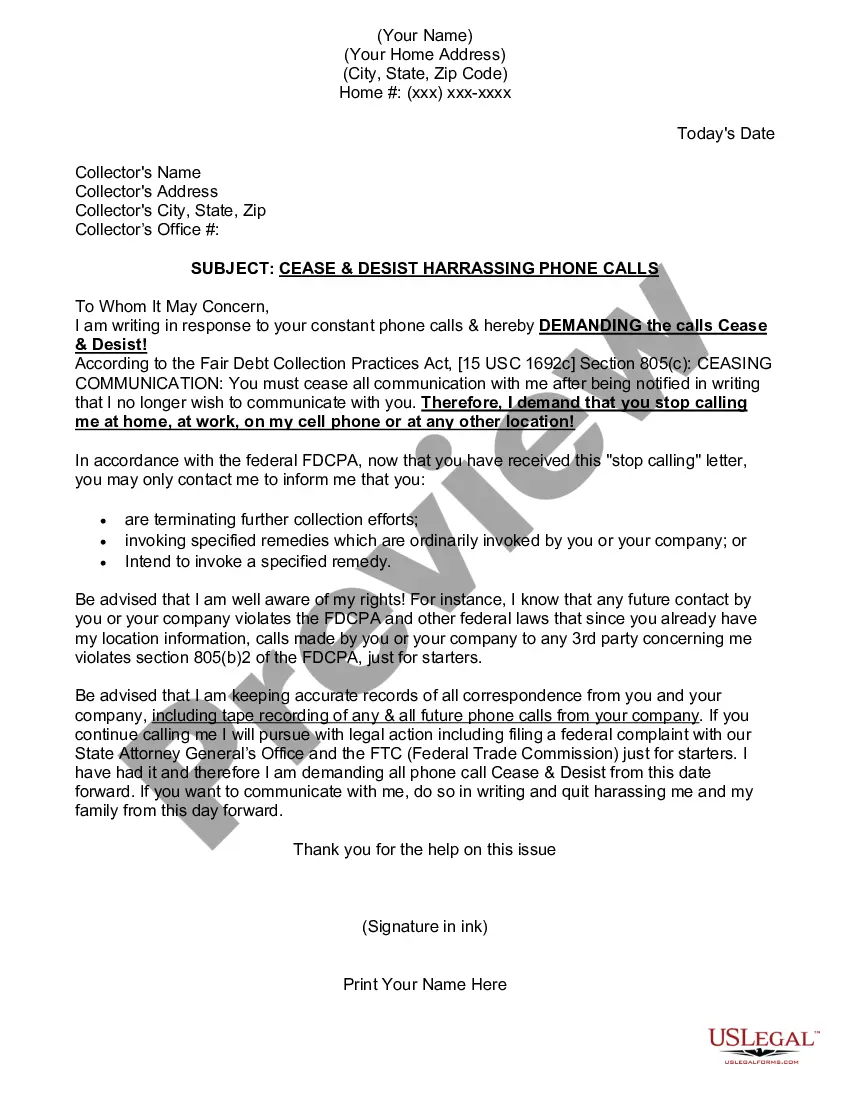
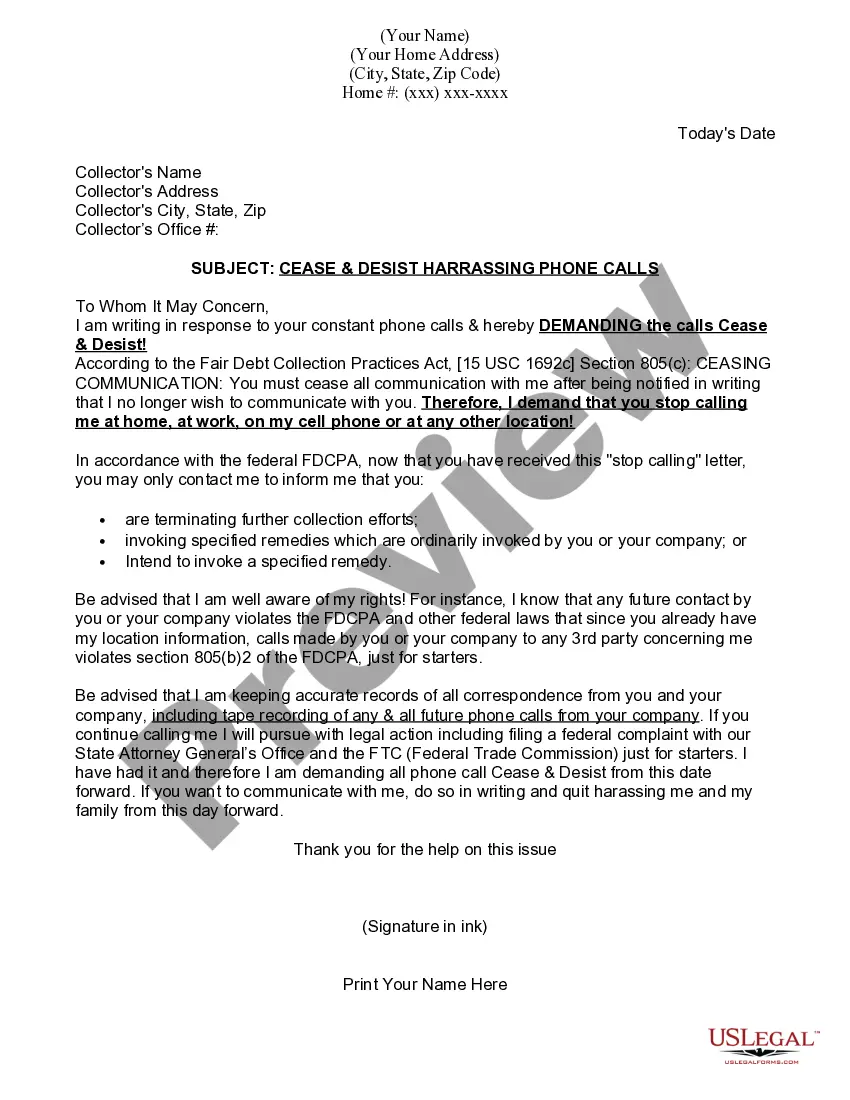
The Cease and Desist for Slander is a legal document used to formally request that an individual or organization stop making false statements that harm your reputation. This letter is particularly effective for those facing persistent harassment from creditors or collection agencies, differentiating it from other forms of communication by directly addressing slanderous remarks instead of general harassment.
Form components explained
- Collector's name and contact information, including address and phone number
- Clear statement demanding the cessation of harassing communications
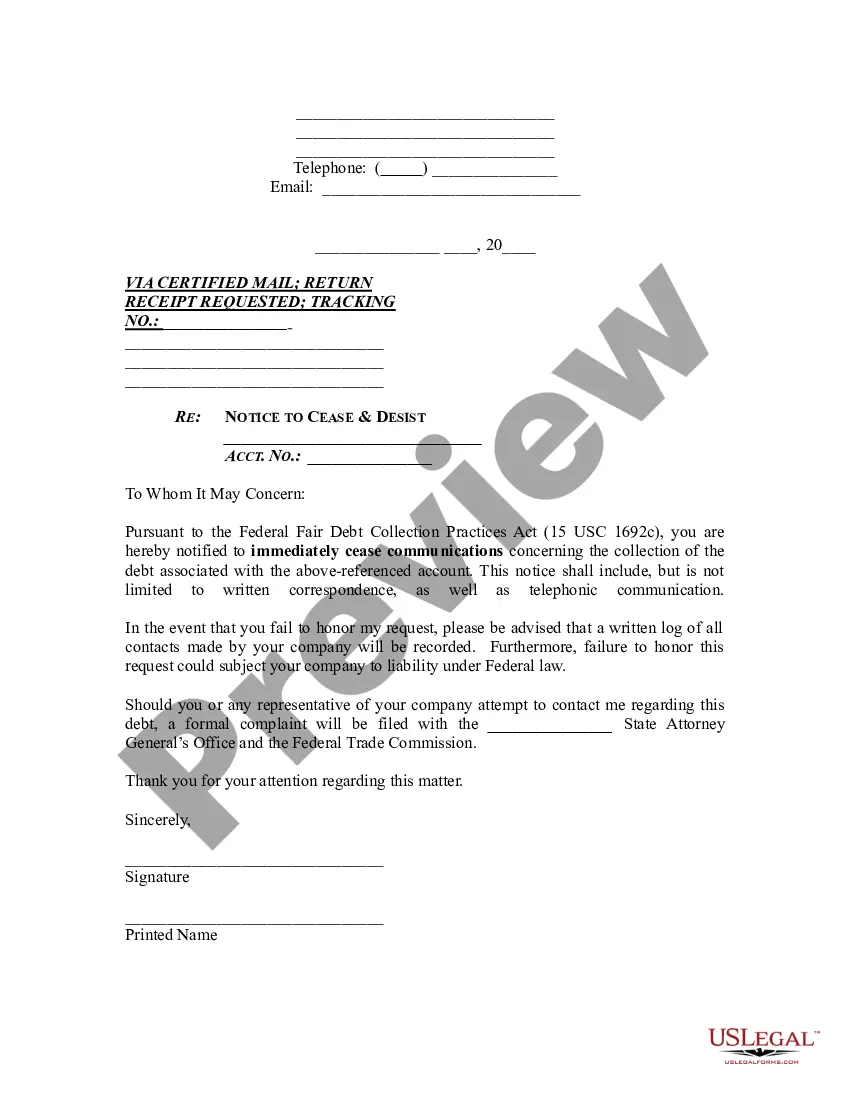
- Citation of relevant laws, including the Fair Debt Collection Practices Act (FDCPA)
- Record keeping notice, warning the collector of documentation and potential legal action
- Signature and personal contact details of the sender

When to use this form
This form should be used when you receive repeated phone calls from a creditor or collection agency that involve wrongful or slanderous remarks. It is suitable for individuals looking to formally acknowledge that their rights are being violated and to put an end to any harassment. It is especially pertinent when such communication causes distress or financial difficulty due to slanderous claims.
Who this form is for
- Individuals experiencing slander or defamation from creditors or debt collectors
- Anyone seeking to legally limit unwanted contact from collection agencies
- Consumers who wish to assert their rights under the FDCPA
Steps to complete this form
- Fill in the name of the collector and their contact details at the top of the letter.
- Clearly state your demand for a cessation of all phone calls.
- Cite the relevant laws that protect your right to stop the harassment.
- Include a note indicating that you are documenting all communication and may pursue legal action.
- Sign the letter and print your name and address for clarity.
Notarization guidance
This form does not typically require notarization unless specified by local law. However, ensure that you keep a signed copy for your records.
Get your form ready online
Our built-in tools help you complete, sign, share, and store your documents in one place.
Make edits, fill in missing information, and update formatting in US Legal Forms—just like you would in MS Word.
Download a copy, print it, send it by email, or mail it via USPS—whatever works best for your next step.
Sign and collect signatures with our SignNow integration. Send to multiple recipients, set reminders, and more. Go Premium to unlock E-Sign.
If this form requires notarization, complete it online through a secure video call—no need to meet a notary in person or wait for an appointment.
We protect your documents and personal data by following strict security and privacy standards.

Make edits, fill in missing information, and update formatting in US Legal Forms—just like you would in MS Word.

Download a copy, print it, send it by email, or mail it via USPS—whatever works best for your next step.

Sign and collect signatures with our SignNow integration. Send to multiple recipients, set reminders, and more. Go Premium to unlock E-Sign.

If this form requires notarization, complete it online through a secure video call—no need to meet a notary in person or wait for an appointment.

We protect your documents and personal data by following strict security and privacy standards.
Typical mistakes to avoid
- Failing to include the collector's full name and accurate contact information.
- Not properly citing the laws that apply to your situation.
- Omitting personal details such as your name and address.
- Sending the letter without keeping a copy for your records.
Benefits of completing this form online
- Convenient access to professionally drafted templates.
- Editable fields to personalize the letter according to your situation.
- Reliable legal language that adheres to current laws.
- Quick downloading options for immediate use.
Legal use & context
- The cease and desist letter serves as official notice to the collector.
- Documenting harassment is crucial for potential future legal actions.
- Understanding the FDCPA rights enhances your ability to enforce compliance.
Main things to remember
- The Cease and Desist for Slander is a vital tool for individuals facing defamation from creditors.
- It formally requests the halting of all harassing communications.
- Using this form correctly can support your legal rights and help protect your reputation.
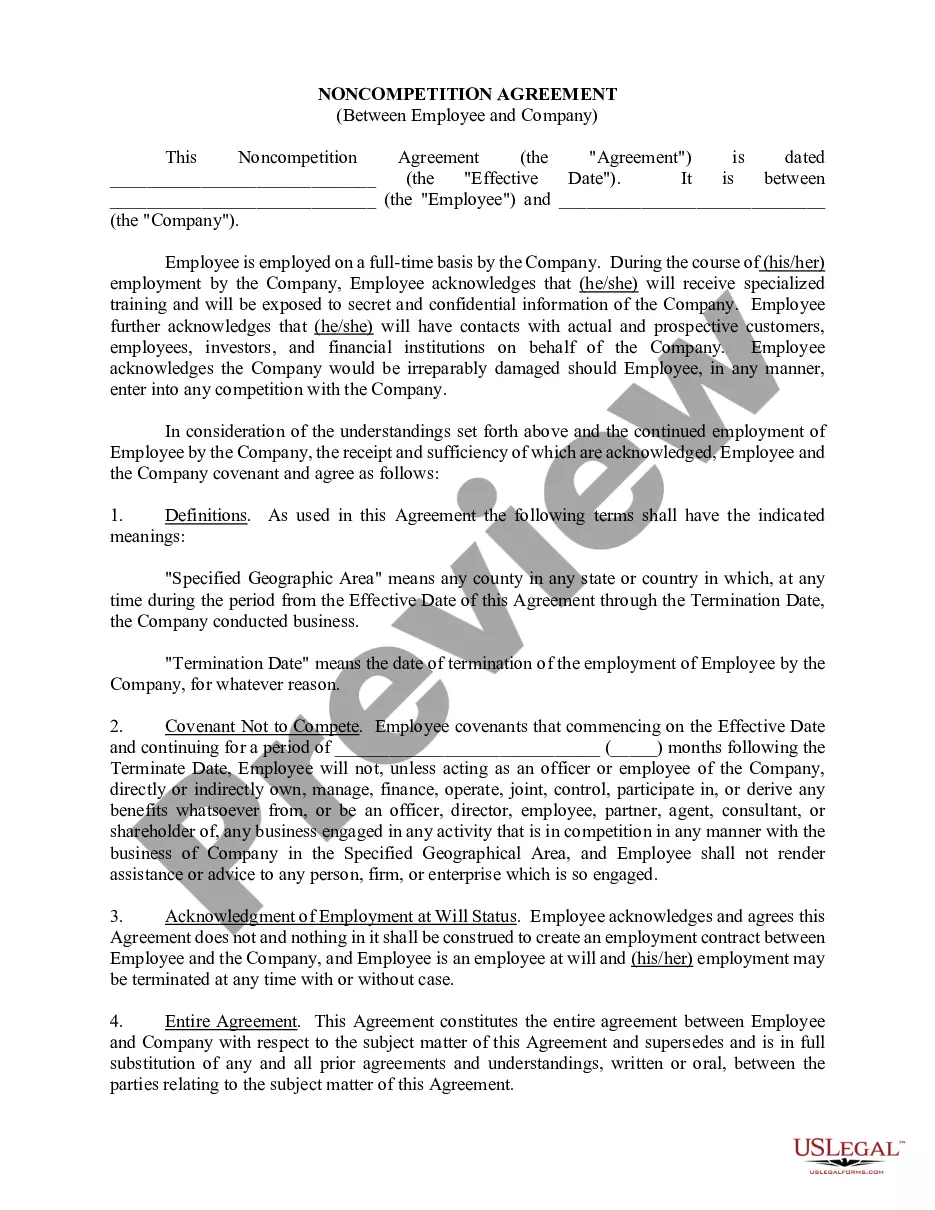
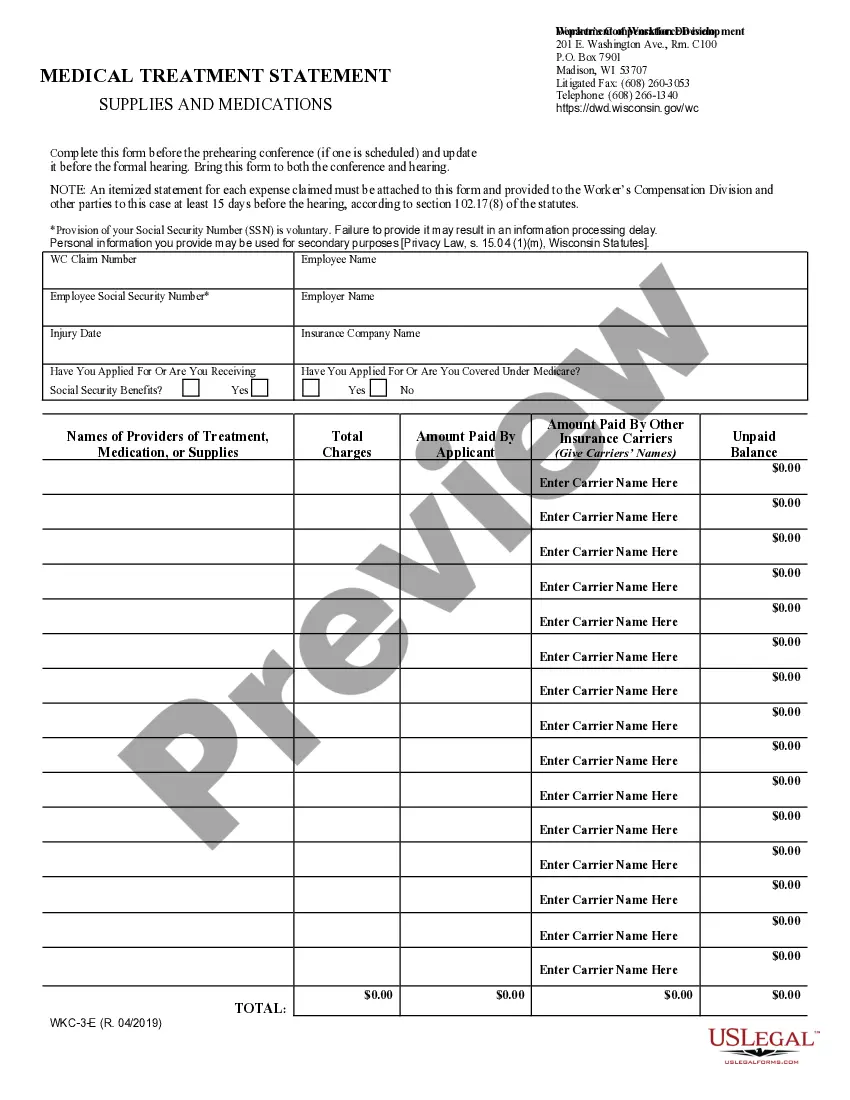
Looking for another form?
Form popularity
FAQ
Yes, so long as the person or business is identifiable by the defamatory words or material, it is possible to bring a claim for defamation.
Call a Lawyer. If you believe you have been a victim of slander, then you can file a defamation suit and get special damages. But slander claims can be complicated and very detailed. An attorney experienced in defamation can help you with your legal issue and determine whether you can bring a defamation suit.
Also known as oral or spoken defamation, slander is the legal term for the act of harming a person's reputation by telling one or more other people something that is untrue and damaging about that person. Slander can be the basis for a lawsuit and is considered a civil wrong (i.e., a tort).
To prove prima facie defamation, a plaintiff must show four things: 1) a false statement purporting to be fact; 2) publication or communication of that statement to a third person; 3) fault amounting to at least negligence; and 4) damages, or some harm caused to the person or entity who is the subject of the statement.
Step 1 Gather the False Statements. Collect any and all evidence of the false statements made. Step 2 Show the Statement is Inaccurate. Step 3 Write the Cease and Desist Letter. Step 4 Claiming Damages. Step 5 Prepare and File the Lawsuit.
To prove prima facie defamation, a plaintiff must show four things: 1) a false statement purporting to be fact; 2) publication or communication of that statement to a third person; 3) fault amounting to at least negligence; and 4) damages, or some harm caused to the person or entity who is the subject of the statement.
Written defamation is called "libel," while spoken defamation is called "slander." Defamation is not a crime, but it is a "tort" (a civil wrong, rather than a criminal wrong). A person who has been defamed can sue the person who did the defaming for damages.