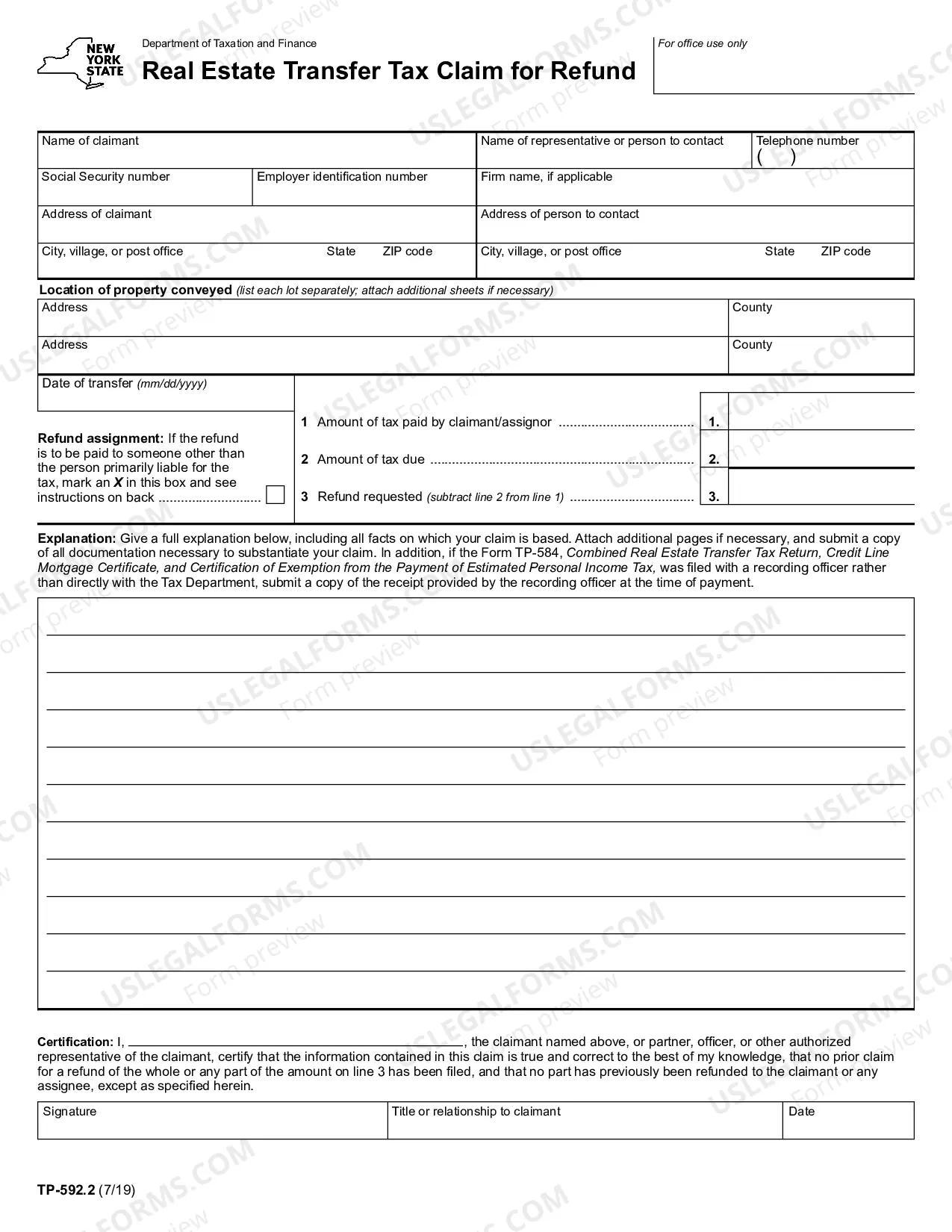
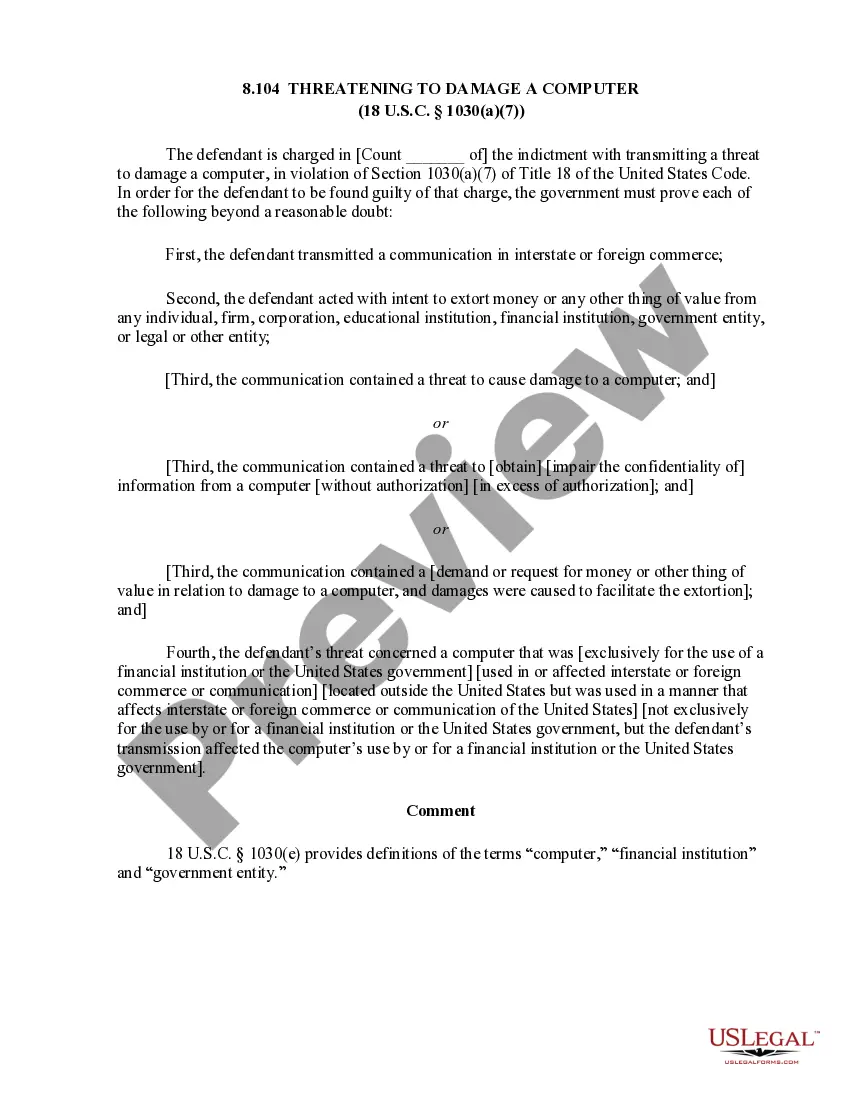
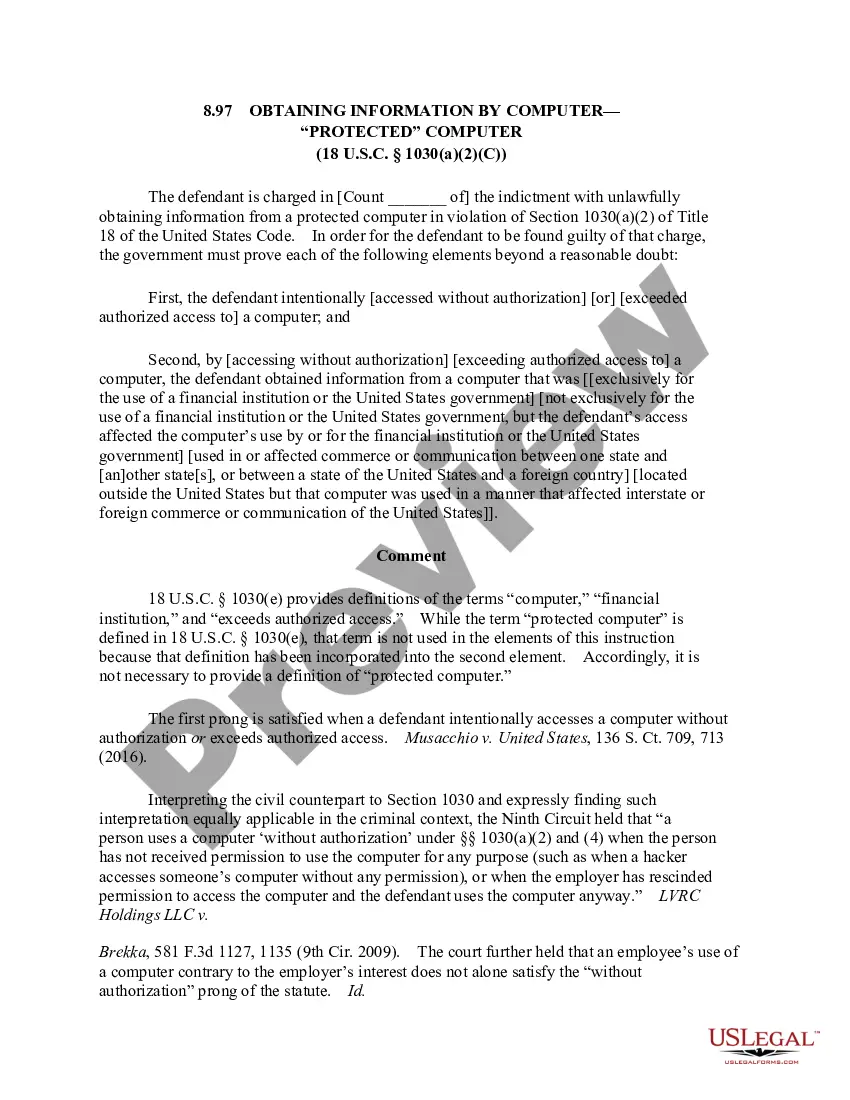
8.99 Computer Fraud-Use of Protected Computer (18 U.S.C. Sec. 1030(a)(4))


Does this form need to be notarized?
In most cases, this form does not require notarization. However, some jurisdictions or signing circumstances might. US Legal Forms offers online notarization powered by Notarize, accessible 24/7 for a quick, remote process.
Get your form ready online
Our built-in tools help you complete, sign, share, and store your documents in one place.
Make edits, fill in missing information, and update formatting in US Legal Forms—just like you would in MS Word.
Download a copy, print it, send it by email, or mail it via USPS—whatever works best for your next step.
Sign and collect signatures with our SignNow integration. Send to multiple recipients, set reminders, and more. Go Premium to unlock E-Sign.
If this form requires notarization, complete it online through a secure video call—no need to meet a notary in person or wait for an appointment.
We protect your documents and personal data by following strict security and privacy standards.

Make edits, fill in missing information, and update formatting in US Legal Forms—just like you would in MS Word.

Download a copy, print it, send it by email, or mail it via USPS—whatever works best for your next step.

Sign and collect signatures with our SignNow integration. Send to multiple recipients, set reminders, and more. Go Premium to unlock E-Sign.

If this form requires notarization, complete it online through a secure video call—no need to meet a notary in person or wait for an appointment.

We protect your documents and personal data by following strict security and privacy standards.
Looking for another form?

Form popularity
FAQ
Definition(s): A person gains logical or physical access without permission to a network, system, application, data, or other resource. Source(s): NIST SP 800-82 Rev. 2 under Unauthorized Access.
The Computer Fraud and Abuse Act (18 U.S.C. § 1030) (CFAA) imposes criminal and civil liability for unauthorized access or damage to a protected computer. The law reaches every computer connected to the internet and non-networked computers used by the US government or financial institutions.
Asking to ?borrow? or taking another employee's badge. Trying to ?piggyback? by following another individual through access doors. Logging on to a computer using a co-worker's password or credentials.
Obtaining, using, or attempting to use someone else's password. Viewing, copying, transferring, modifying or making public the files, printouts or computer processes of another user unless you have their oral or written permission.
What is Unauthorized Access? Unauthorized access refers to individuals gaining access to an organization's data, networks, endpoints, applications or devices, without permission. It is closely related to authentication ? a process that verifies a user's identity when they access a system.
Computer Fraud and Abuse Act. In 1986, Congress passed the Computer Fraud and Abuse Act (CFAA), now codified under Title 18 U.S. Code § 1030. This law makes it a federal crime to gain unauthorized access to ?protected? computers (otherwise known as ?hacking?) with the intent to defraud or do damage.