Liquidated Damages Clauses: Contract for Real Property
Understanding this form
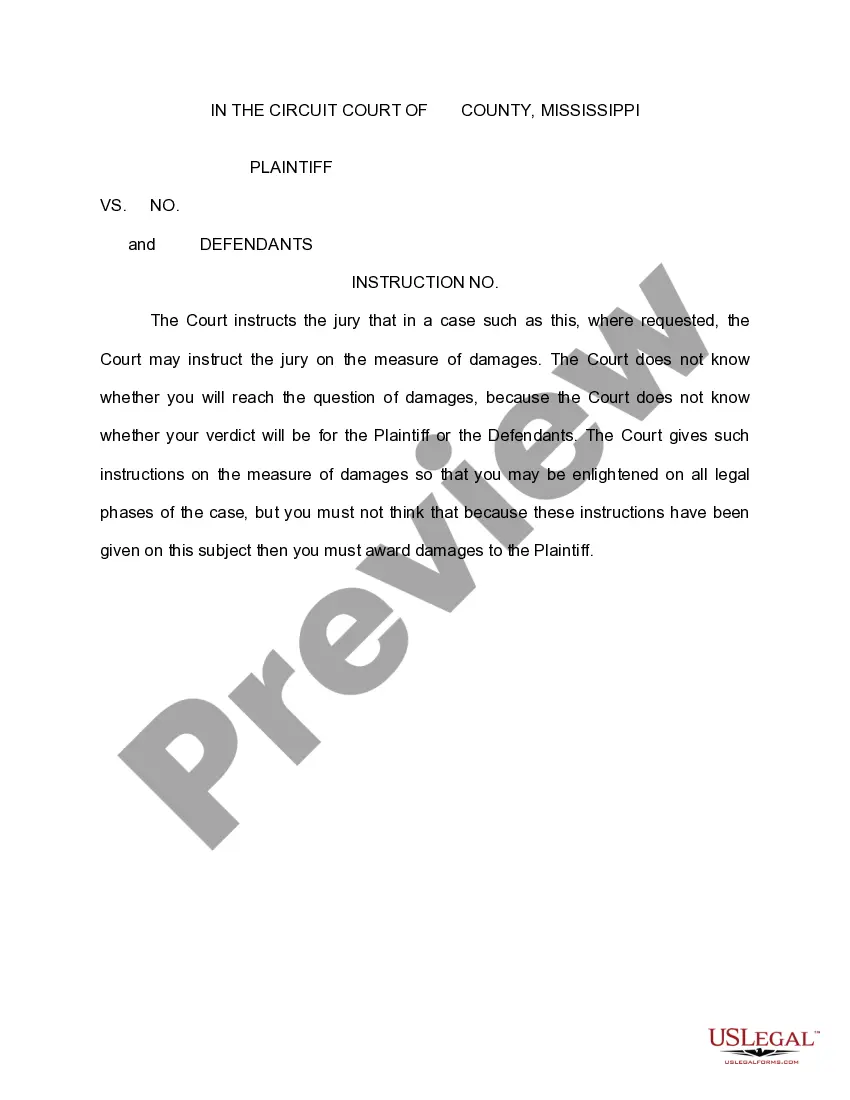
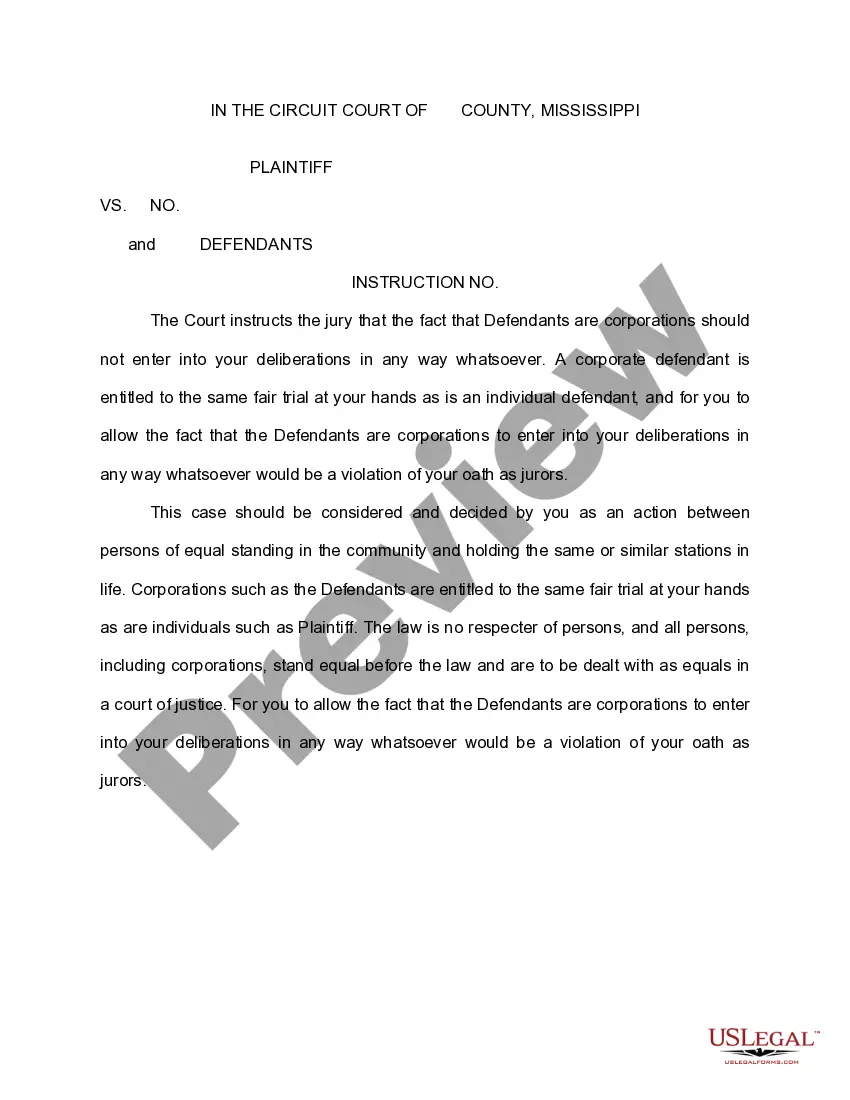
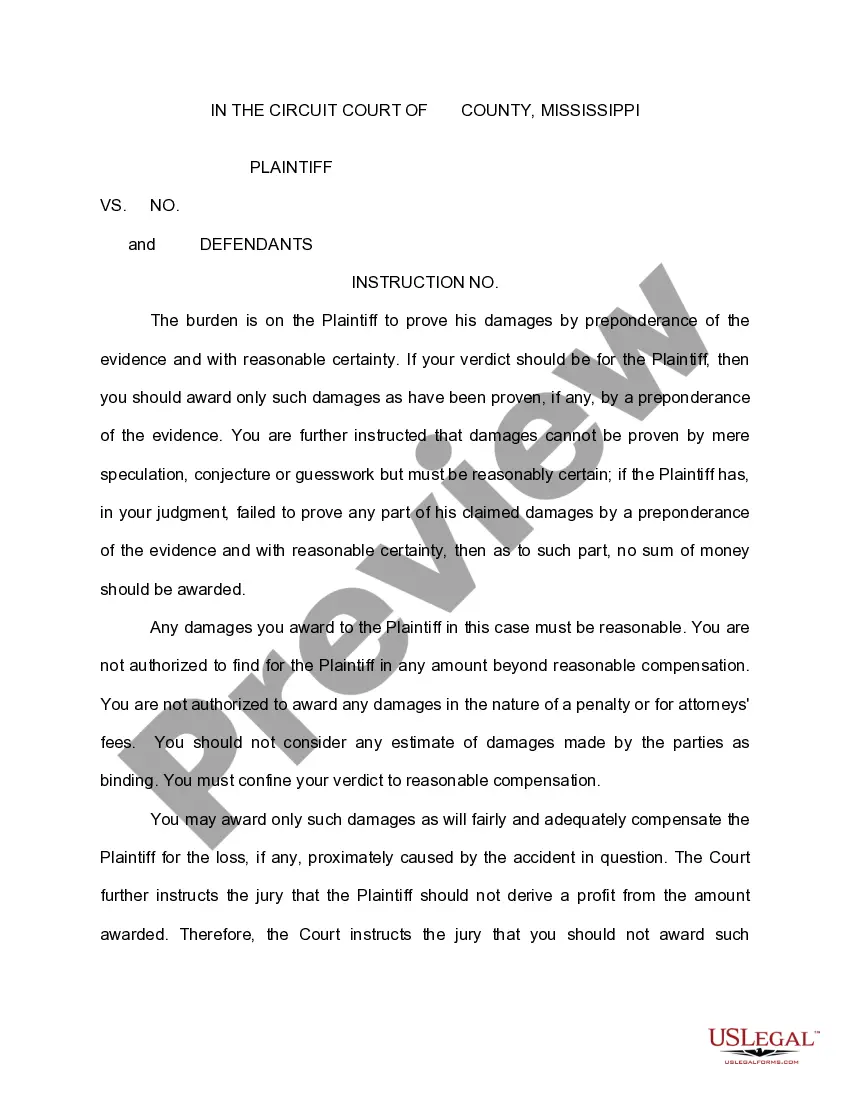
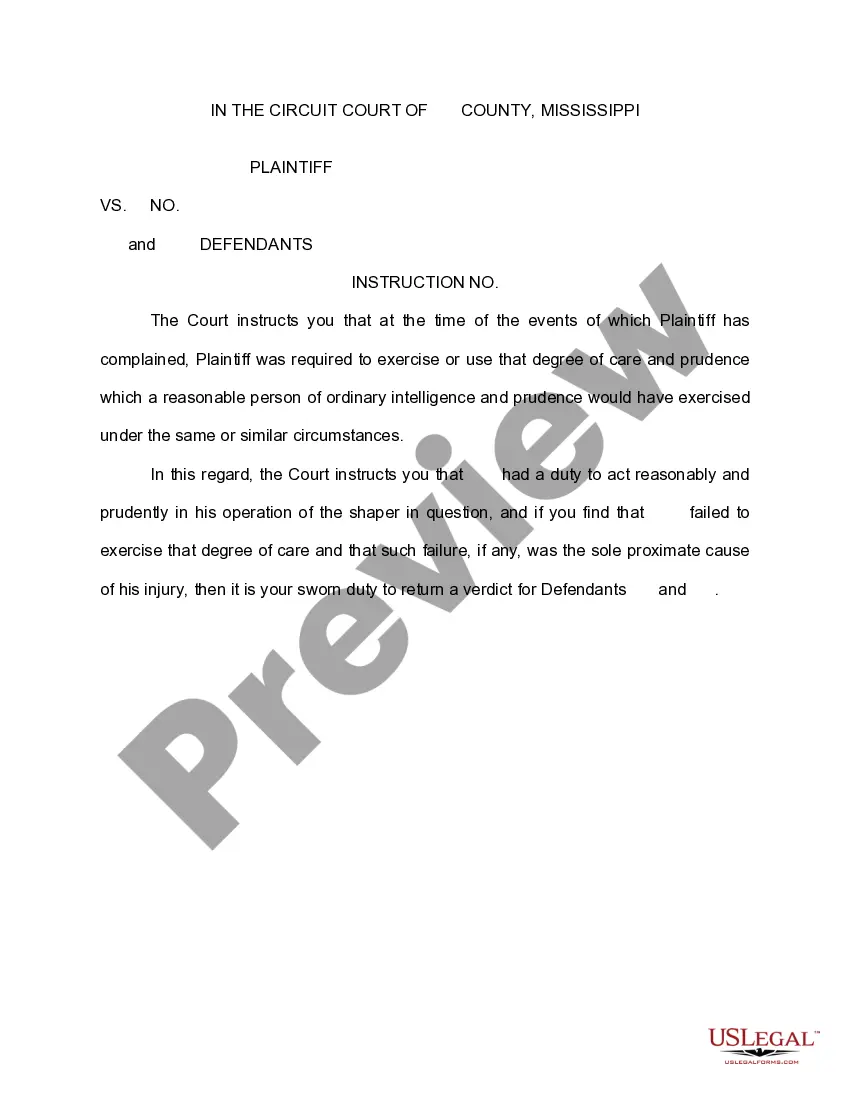
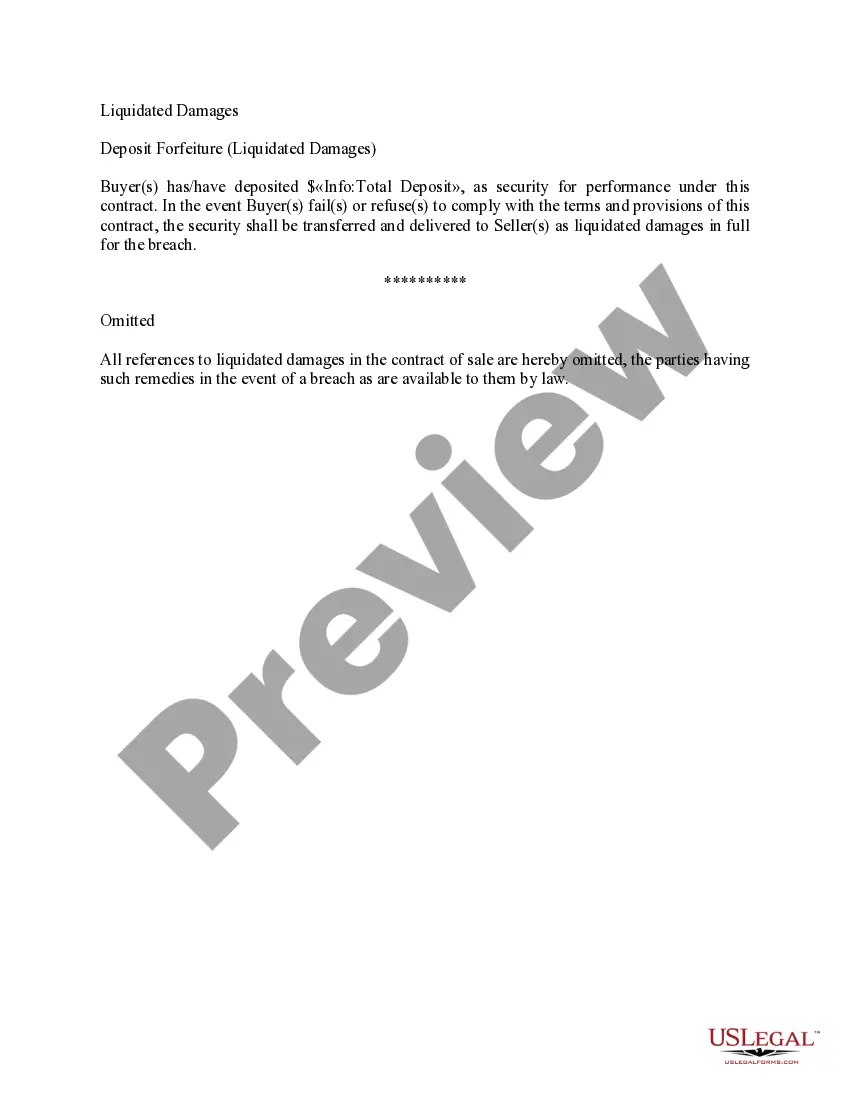
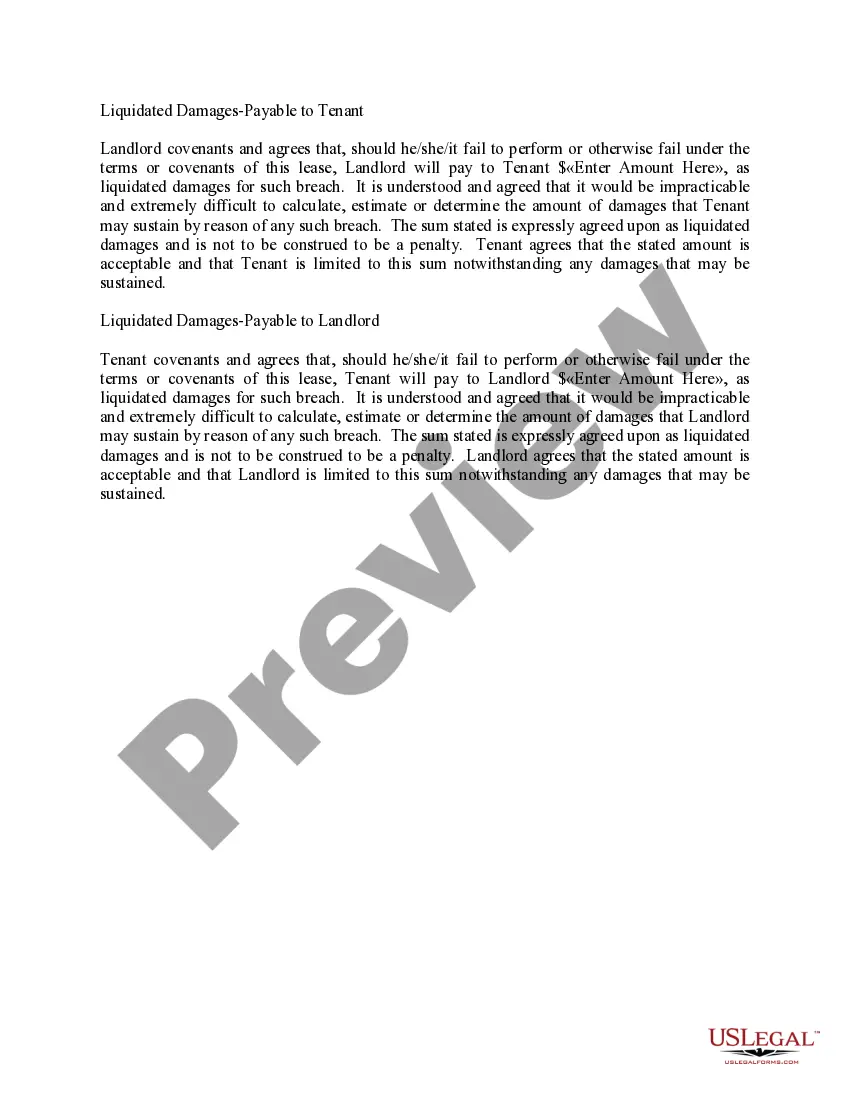
The Liquidated Damages Clause for a Contract for Real Property is a legal provision that outlines the specific amount of damages that a seller may receive in the event of a breach of contract by the buyer. This form is crucial in real estate transactions, as it helps both parties understand the consequences of non-compliance with the contract terms. Unlike typical contracts, this clause provides a predetermined amount, avoiding the need for lengthy negotiations in case of a breach, thus streamlining the process for those involved.
Key parts of this document
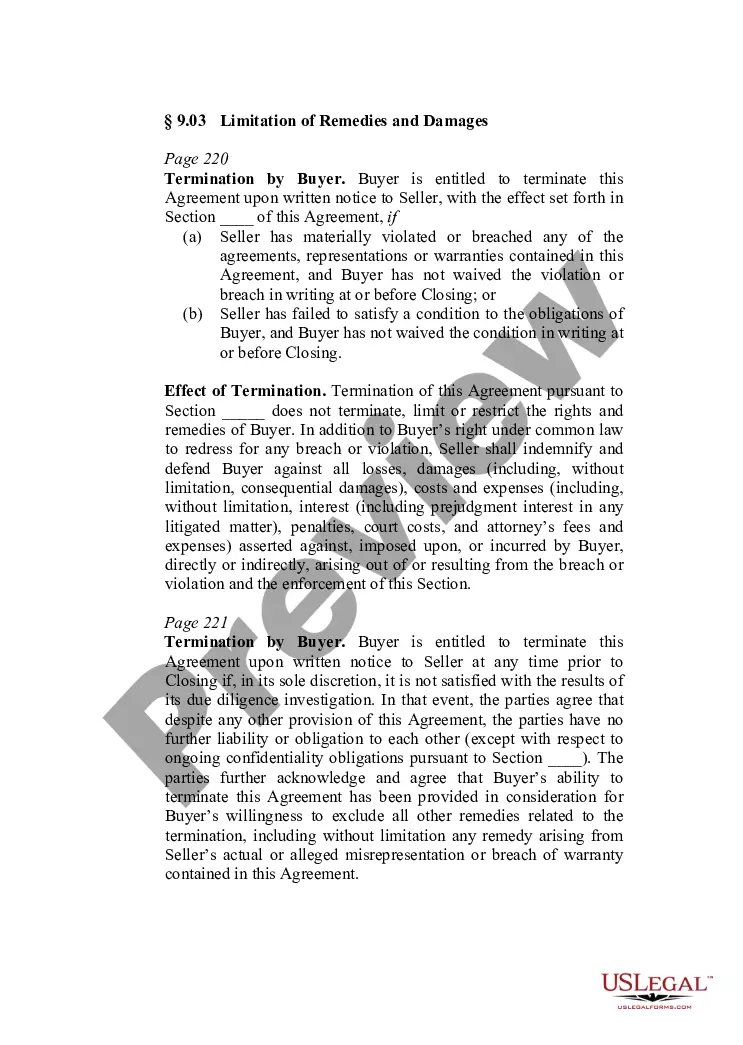
- Deposit Forfeiture Clause: Specifies that the buyerâs deposit will be forfeited if they fail to comply with the contract terms.
- Liquidated Damages Amount: Clearly states the amount that will be deemed appropriate for damages in case of a breach.
- Omission of Liquidated Damages: Provides an option to remove references to liquidated damages, allowing parties to rely on legal remedies available.
When to use this form
This form is used during the negotiation and execution of a purchase and sale agreement for real estate. It is particularly useful when buyers and sellers want to establish clear expectations regarding the consequences of a breach, such as failing to complete the sale or making a late payment. Utilizing this clause helps prevent disputes and offers clear guidance on financial repercussions if contractual obligations are not met.
Who should use this form
- Real estate buyers and sellers who wish to outline the consequences of contract breaches.
- Real estate agents and brokers who need to create clear agreements for their clients.
- Legal professionals drafting purchase agreements for real estate transactions.
How to prepare this document
- Identify the parties involved: Clearly state the names of the buyer(s) and seller(s).
- Specify the deposit amount: Enter the total deposit that the buyer is making as security for performance.
- Outline conditions for forfeiture: Detail the circumstances under which the deposit may be forfeited.
- Include optional provisions: Decide whether to omit references to liquidated damages and provide any necessary explanations.
- Sign and date the agreement: Ensure all parties sign the document and include the date for validity.
Notarization requirements for this form
This form does not typically require notarization unless specified by local law. It is advisable to check local regulations to ensure compliance.
Get your form ready online
Our built-in tools help you complete, sign, share, and store your documents in one place.
Make edits, fill in missing information, and update formatting in US Legal Forms—just like you would in MS Word.
Download a copy, print it, send it by email, or mail it via USPS—whatever works best for your next step.
Sign and collect signatures with our SignNow integration. Send to multiple recipients, set reminders, and more. Go Premium to unlock E-Sign.
If this form requires notarization, complete it online through a secure video call—no need to meet a notary in person or wait for an appointment.
We protect your documents and personal data by following strict security and privacy standards.

Make edits, fill in missing information, and update formatting in US Legal Forms—just like you would in MS Word.

Download a copy, print it, send it by email, or mail it via USPS—whatever works best for your next step.

Sign and collect signatures with our SignNow integration. Send to multiple recipients, set reminders, and more. Go Premium to unlock E-Sign.

If this form requires notarization, complete it online through a secure video call—no need to meet a notary in person or wait for an appointment.

We protect your documents and personal data by following strict security and privacy standards.
Common mistakes to avoid
- Failing to specify a clear amount for liquidated damages, leading to potential disputes.
- Not including all partiesâ names, which can invalidate the agreement.
- Neglecting to review state-specific rules, which can result in unenforceable clauses.
Benefits of using this form online
- Convenience: Easily download and fill out the form at your convenience.
- Editability: Make adjustments to the clauses as needed for your specific transaction.
- Reliability: Access professionally drafted legal forms that comply with current laws.
Main things to remember
- The Liquidated Damages Clause provides clarity on the consequences of breach in real estate contracts.
- Completing this form helps avoid lengthy negotiations and disputes over damages.
- Review state-specific laws to ensure proper enforceability of liquidated damages clauses.
Looking for another form?
Form popularity
FAQ
Liquidated damages provisions are included in many modern private and public construction contracts as a convenient way for owners and contractors to allocate and define their risk in the event of a breach.
A valid liquidated damages clause goes into effect when one party in a contract breaches the terms, resulting in a loss or injury to a person, a person's rights, or a person's property. Damages are a monetary sum, awarded by either a contract stipulation or a court judgment.
Sample liquidated damages clause: In the event of delay in type of project completion, the performing party shall pay liquidated damages to the owner in the amount of dollar amount per day/week, etc. or "X" percent of the total contract price per day/week, etc..
Liquidated damages is a legal clause that protects the real estate agent's client from additional exorbitant fees. In the event of a contract breach, the injured party is compensated with the funds that are set aside in an escrow account that are equal to the amount of damage caused by the offending party.
While liquidated damages provisions can have advantages, they are not always enforceable. If the predetermined amount of damages ends up grossly disproportionate to the actual harm suffered, courts will refuse to enforce the provision on the grounds that it is a penalty instead of an estimate of actual damages.
What is a Liquidated Damages Clause? A liquidated damages clause is a means of ensuring that you are compensated if the party you hired fails to do the job. It should include a clause that sets out the specific amount of damages you are to receive if a specific type of breach occurs.
Liquidated damages are presented in certain legal contracts as an estimate of otherwise intangible or hard-to-define losses to one of the parties. These damages are paid out in the case of a breach of contract, and are pre-estimated and spelled out in advance when the contract is signed.
A penalty clause is a contractual clause that imposes liquidated damages that are unreasonably high and represent a punishment for breach, rather than a reasonable forecast of damages for the harm that is caused by the breach, are referred to as penalty clauses.