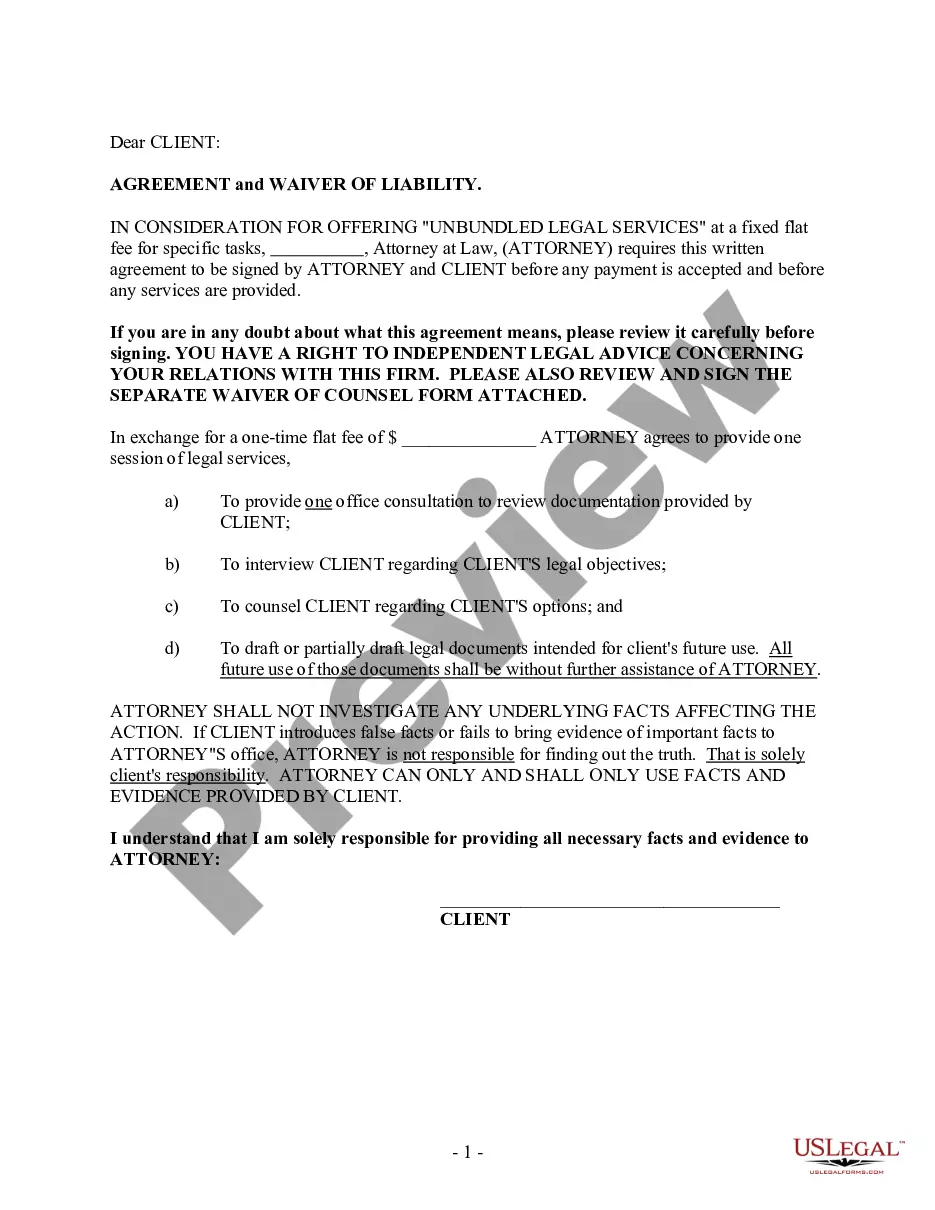
Critical Incidents Log
What is this form?
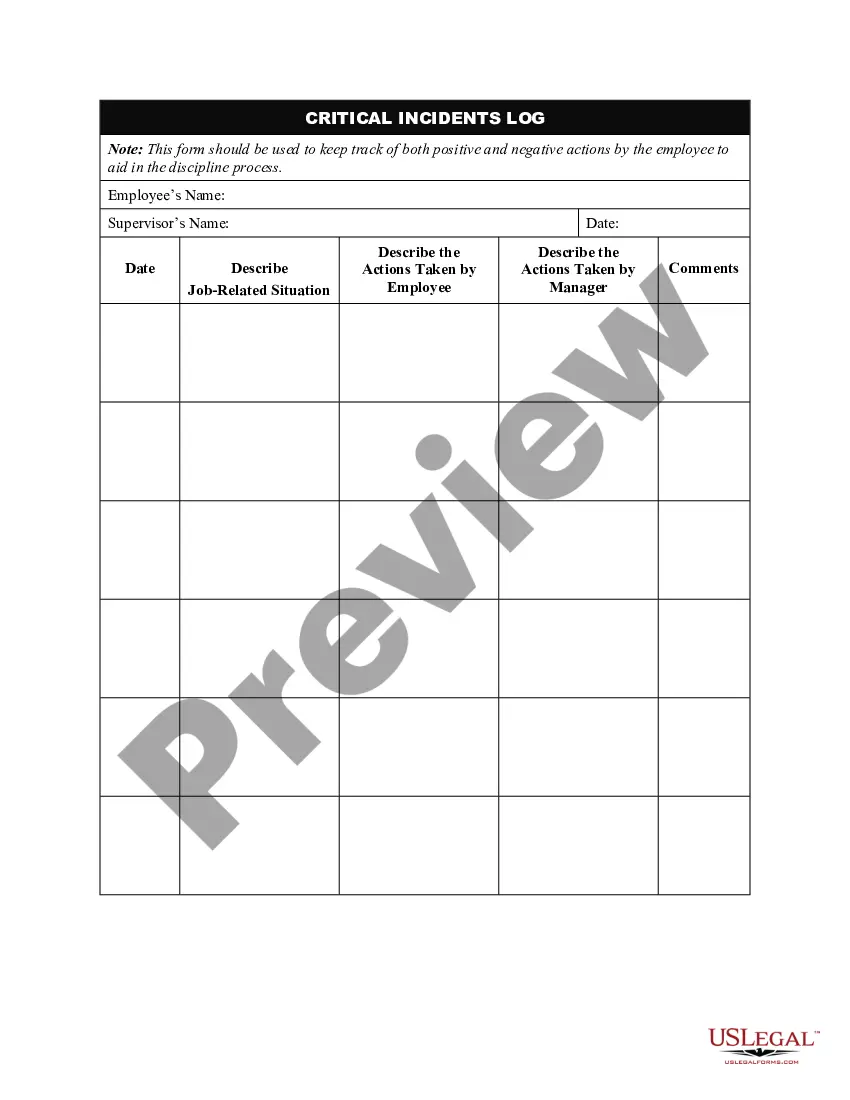
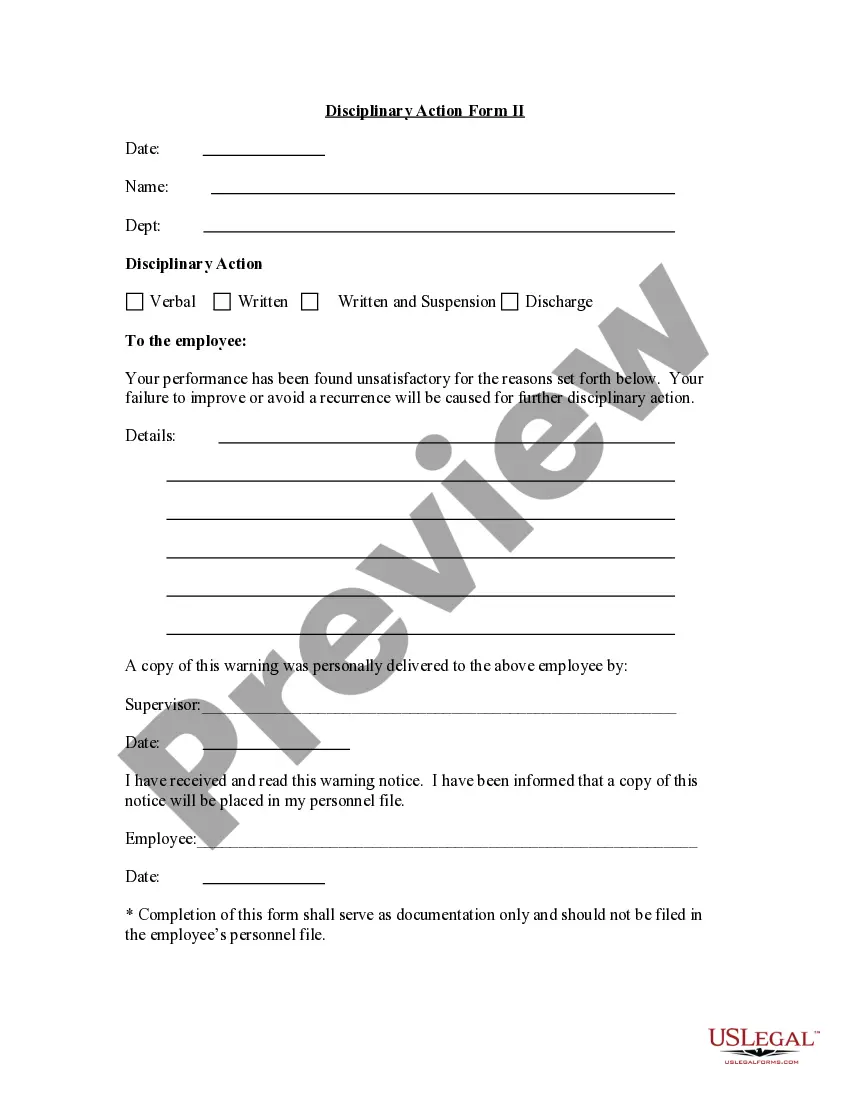
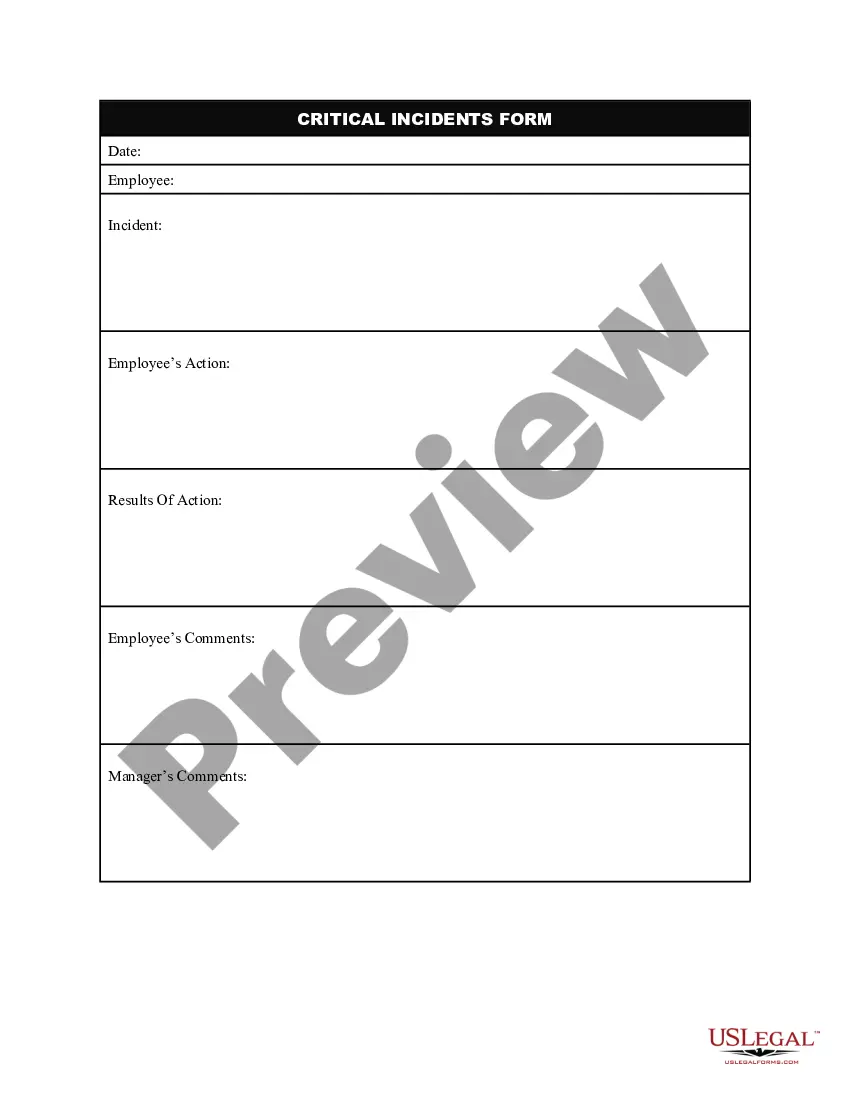
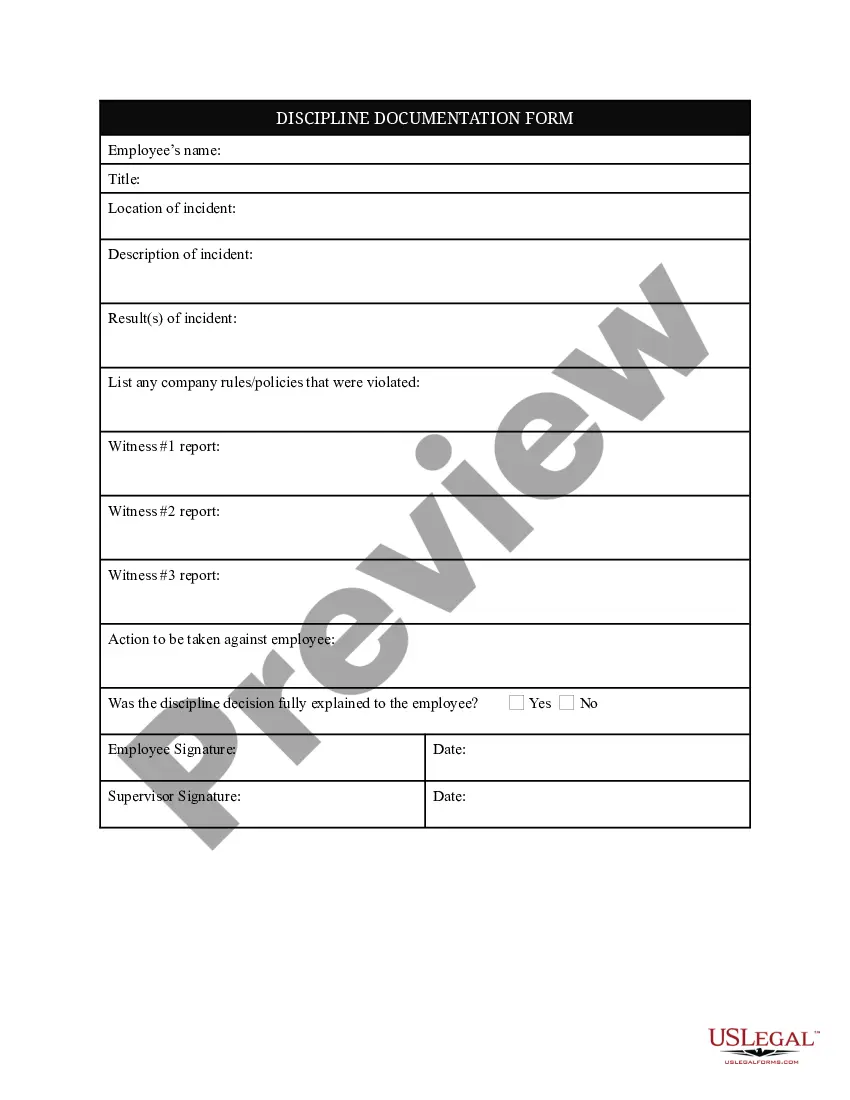
The Critical Incidents Log is a vital tool used by employers to document both positive and negative actions taken by employees. This log is essential for effective employee management and contributes to the discipline process. Unlike generic performance evaluations, this form allows for detailed record-keeping of specific incidents that can influence disciplinary actions and recognition efforts.
Main sections of this form
- Employee Name: The name of the employee involved in the incident.
- Date of Incident: The date when the incident occurred.
- Description: A detailed account of the incident, including any relevant circumstances.
- Actions Taken by Employee: Notes on how the employee responded or behaved during the incident.
- Actions Taken by Manager: Information regarding the managerial response to the incident.
- Comments: Any additional notes that provide context or clarification about the incident.
When to use this document
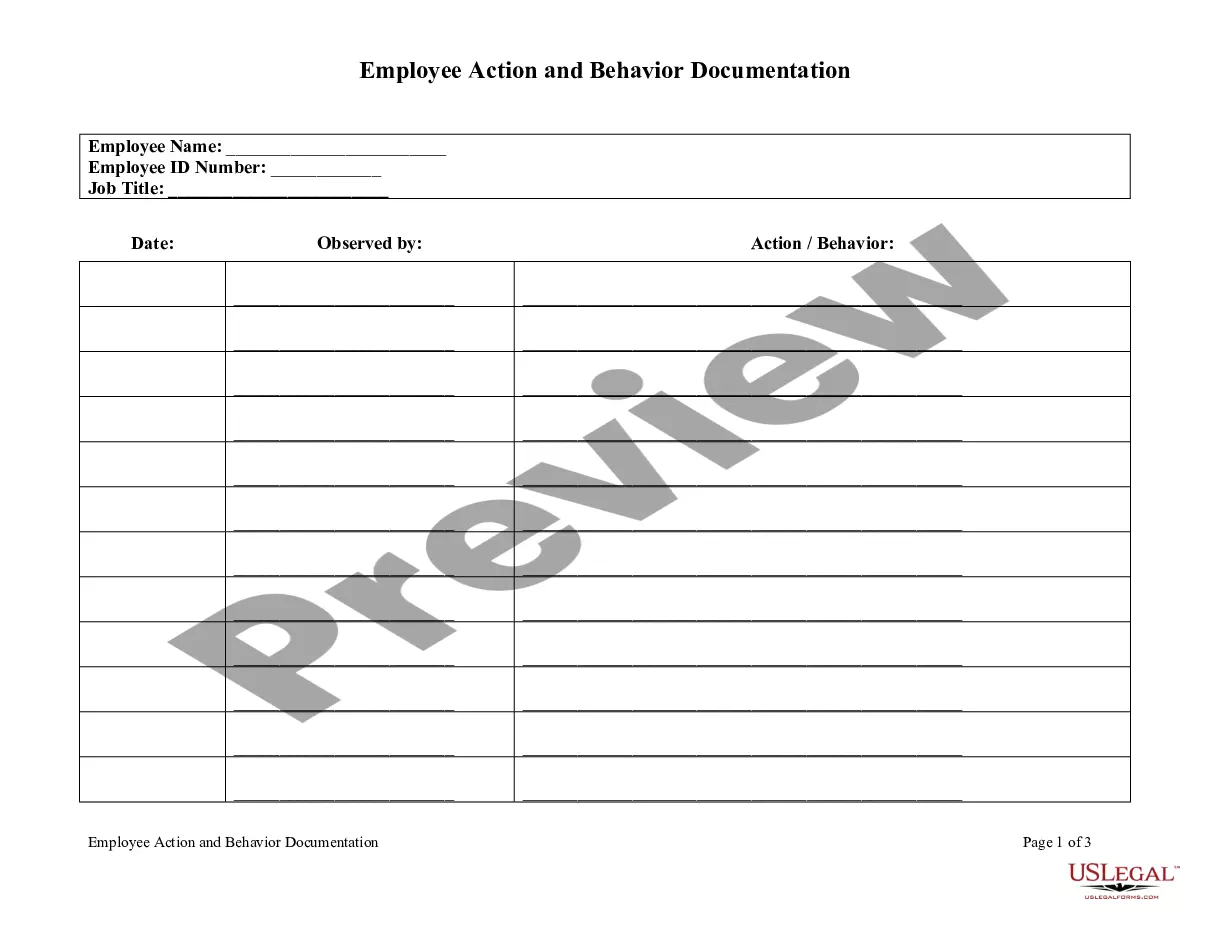
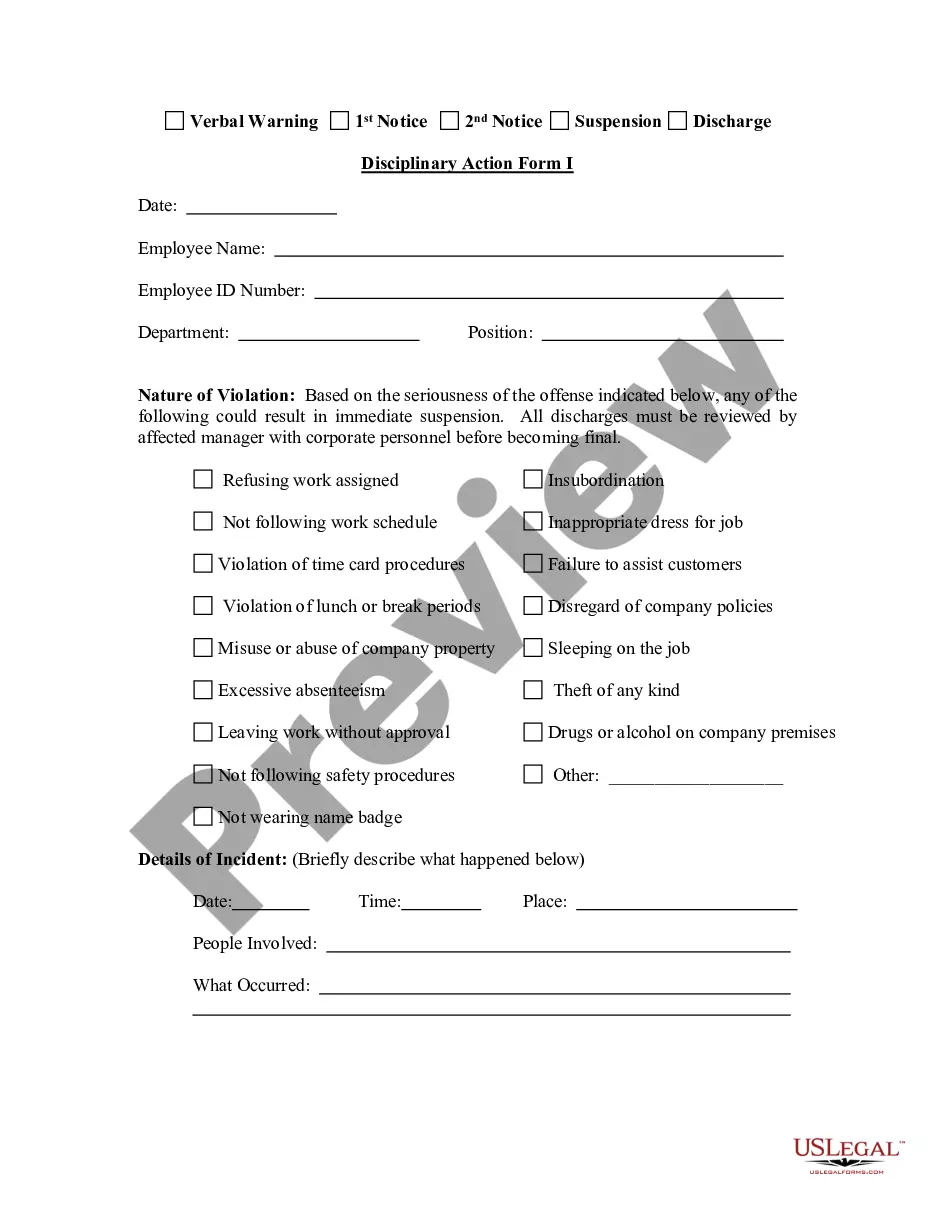
This form should be utilized any time there is a notable incident involving an employee, whether it be exemplary behavior justifying praise or negative behavior that may necessitate disciplinary action. Real-world scenarios include recording instances of exceptional teamwork or performance, as well as documenting instances of misconduct or failure to meet job standards.
Who needs this form
Individuals who should use this form include:
- Managers and supervisors who oversee employee performance and behavior.
- Human resources professionals responsible for maintaining accurate employee records.
- Team leaders and project managers who want to document specific incidents that impact team dynamics or project outcomes.
How to complete this form
To effectively complete the Critical Incidents Log, follow these steps:
- Identify the employee involved in the incident by filling in their name.
- Record the date of the incident for accurate referencing.
- Provide a thorough description of the incident, outlining all relevant details.
- Document the actions taken by the employee during the incident.
- Note the managerial actions or responses to the incident.
- Add any comments that may enrich the context of the incident.
Notarization requirements for this form
This form does not typically require notarization unless specified by local law.
Get your form ready online
Our built-in tools help you complete, sign, share, and store your documents in one place.
Make edits, fill in missing information, and update formatting in US Legal Forms—just like you would in MS Word.
Download a copy, print it, send it by email, or mail it via USPS—whatever works best for your next step.
Sign and collect signatures with our SignNow integration. Send to multiple recipients, set reminders, and more. Go Premium to unlock E-Sign.
If this form requires notarization, complete it online through a secure video call—no need to meet a notary in person or wait for an appointment.
We protect your documents and personal data by following strict security and privacy standards.

Make edits, fill in missing information, and update formatting in US Legal Forms—just like you would in MS Word.

Download a copy, print it, send it by email, or mail it via USPS—whatever works best for your next step.

Sign and collect signatures with our SignNow integration. Send to multiple recipients, set reminders, and more. Go Premium to unlock E-Sign.

If this form requires notarization, complete it online through a secure video call—no need to meet a notary in person or wait for an appointment.

We protect your documents and personal data by following strict security and privacy standards.
Common mistakes to avoid
- Failing to include all relevant details in the incident description.
- Not recording the date or names accurately, leading to confusion.
- Neglecting to document follow-up actions taken by management.
Why use this form online
- Provides a structured method for documenting employee behavior.
- Helps ensure consistency and fairness in disciplinary actions.
- Easily downloadable and editable for record-keeping purposes.
- Documents which incidents can influence employee performance evaluations.
- Supports legal compliance in documenting employee behavior.
- Provides a historical record that can be used in potential disputes.
Key takeaways
- The Critical Incidents Log is crucial for tracking employee behavior and performance.
- Accurate documentation can aid in fair disciplinary measures and recognition.
- Employers should ensure all relevant details are captured in the log.
- Discipline Process: The steps taken by management to address employee behavior and enforce company policies.
- Incident: An event or occurrence that is noteworthy in the context of employee behavior.
Looking for another form?
Form popularity
FAQ
The definition of an incident is something that happens, possibly as a result of something else. An example of incident is seeing a butterfly while taking a walk. An example of incident is someone going to jail after being arrested for shoplifting. An event or occurrence.
The Critical Incident Journal Technique Second in a 'critical incident' journal the writer chooses incidents from his or her field experience according to the change they produce in his/her perspective in terms of the learning objectives.
Describe the context of the incident. Describe the actual incident in detail. Explain why the incident was critical or significant for you. Explain your concerns at the time. Describe what you were thinking and feeling as it was taking place, and afterwards.
Describe the context of the incident. Describe the actual incident in detail. Explain why the incident was critical or significant for you. Explain your concerns at the time. Describe what you were thinking and feeling as it was taking place, and afterwards.
A critical incident is any event or series of events that is sudden, overwhelming, threatening or protracted. This may be an assault, threats, severe injury, death, fire or a bomb threat.
What Is a Critical Incident? Some examples of critical incidents include assaults on employees, hostage-takings, the suicide or murder of a co- worker, accidents causing bodily harm or death, as well as airplane crashes or natural disasters including floods, fires and tornadoes.
A Critical Incident is any actual or alleged event or situation that creates a significant risk of substantial or serious harm to the physical or mental health, safety or well being of a waiver participant. Reportable Critical Incidents Defined.