Minnesota Letter to Lienholder to Notify of Trust
Understanding this form
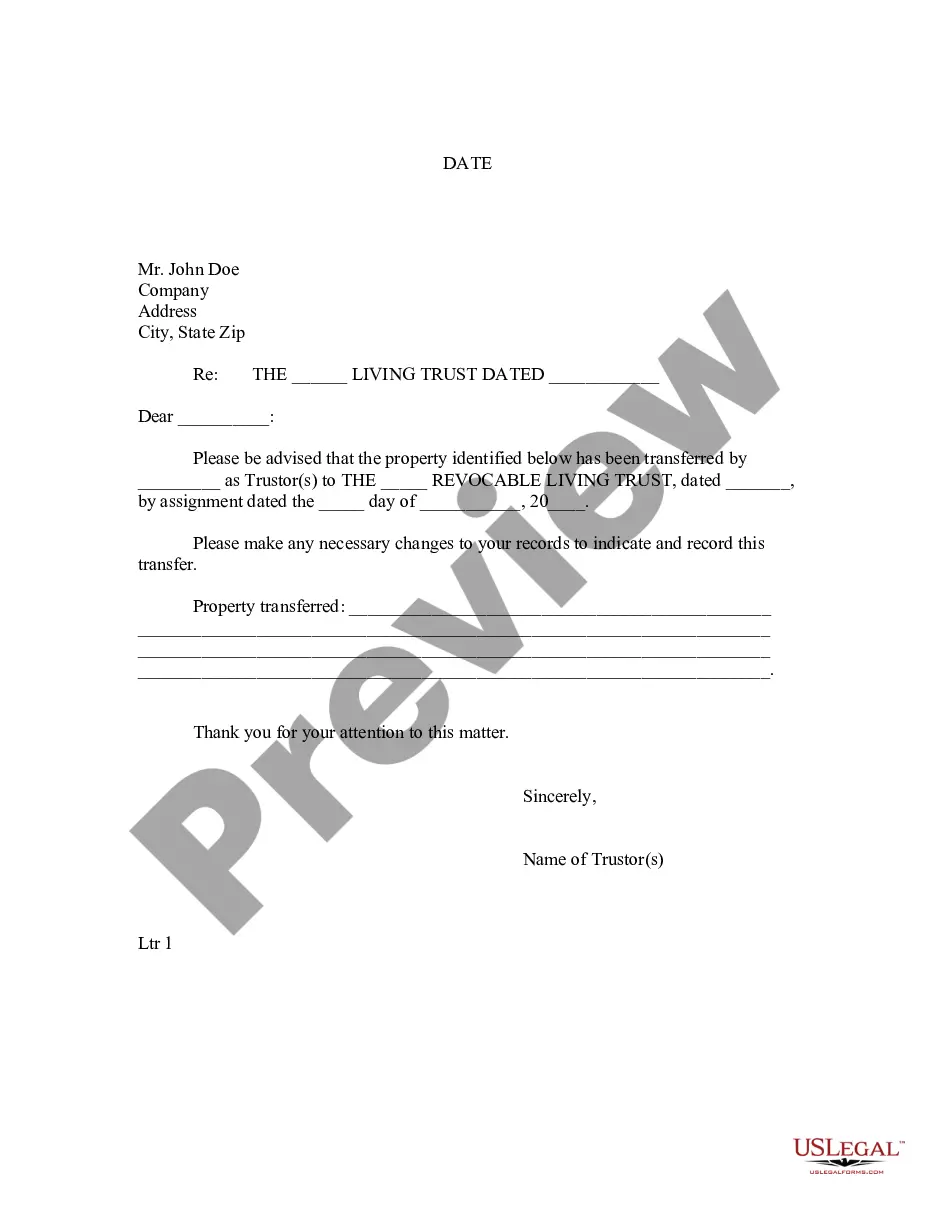
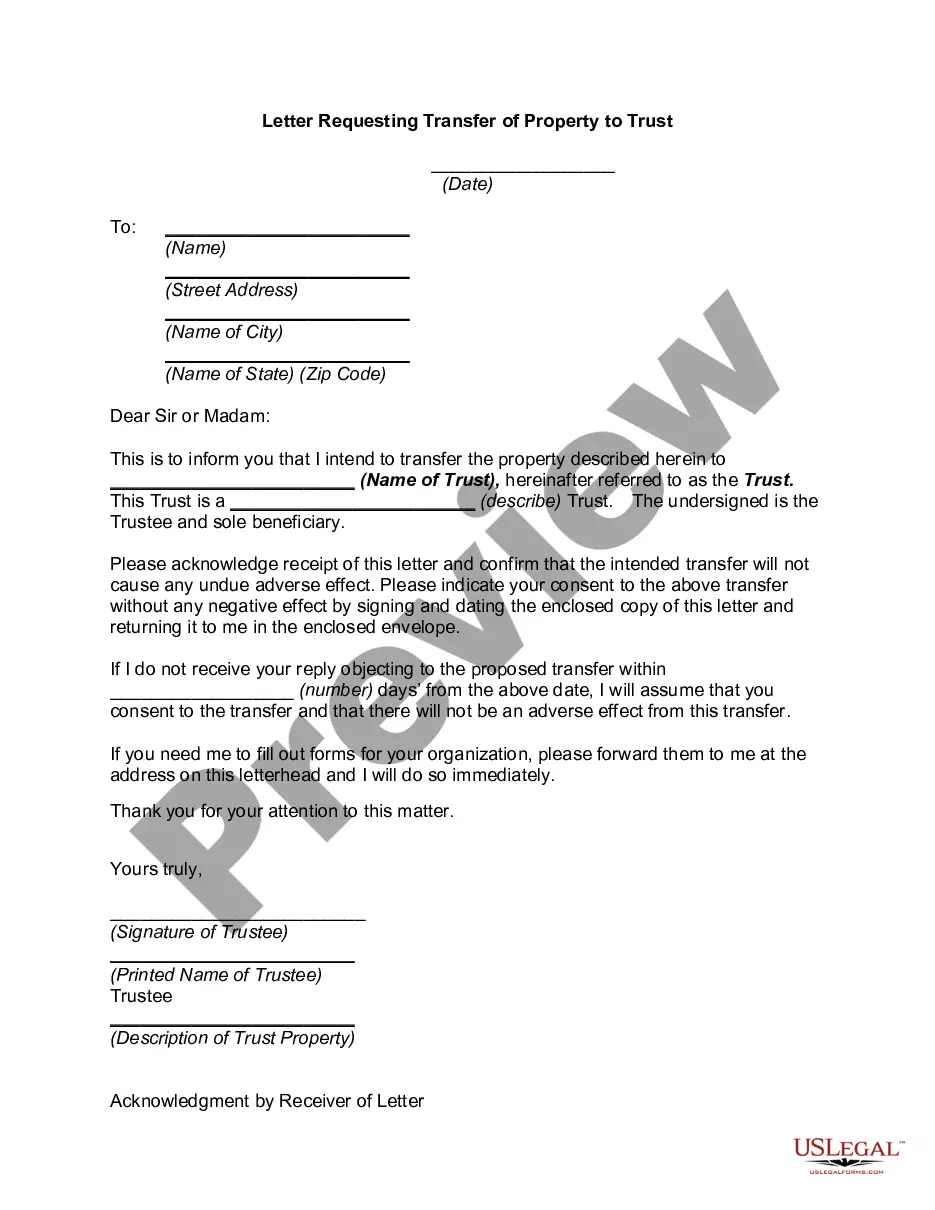
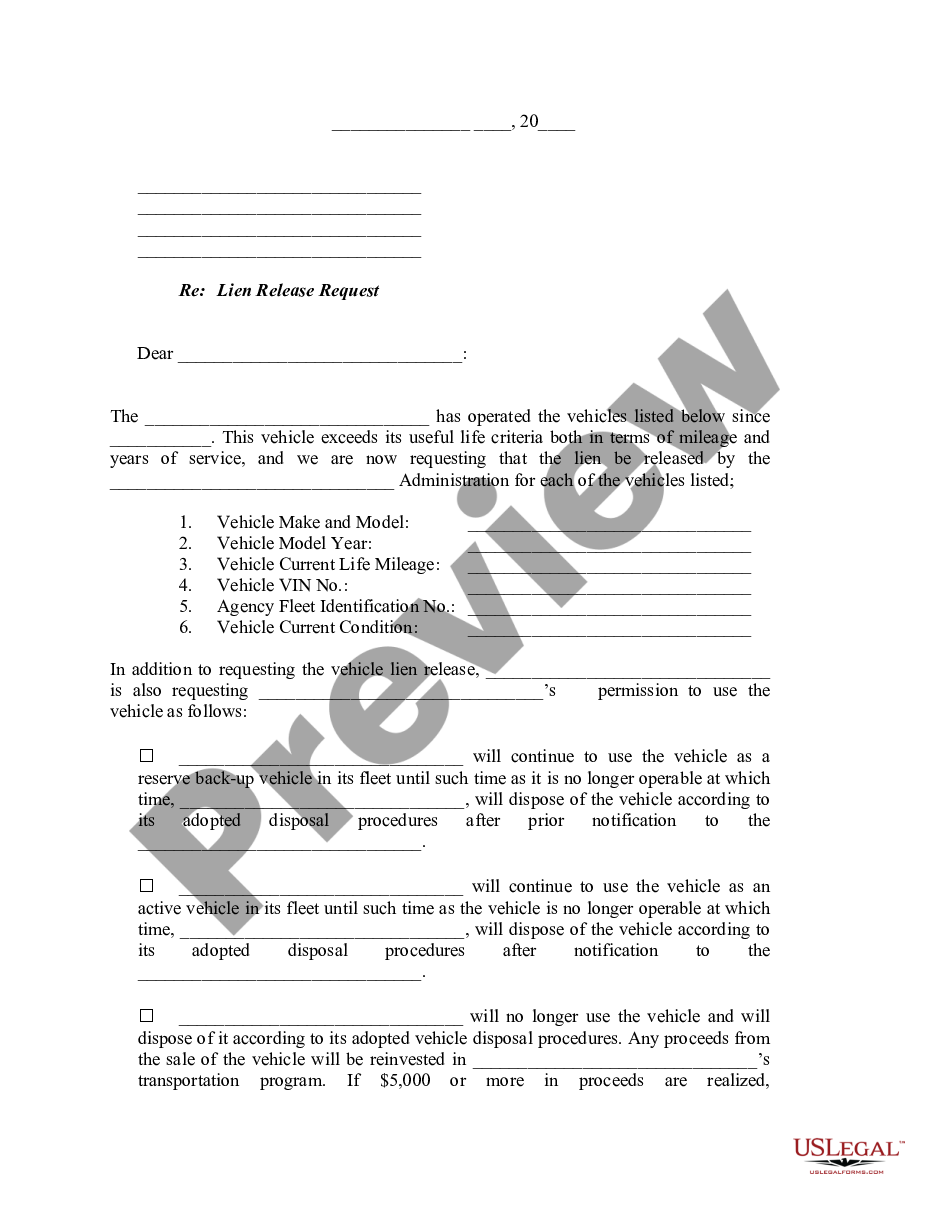
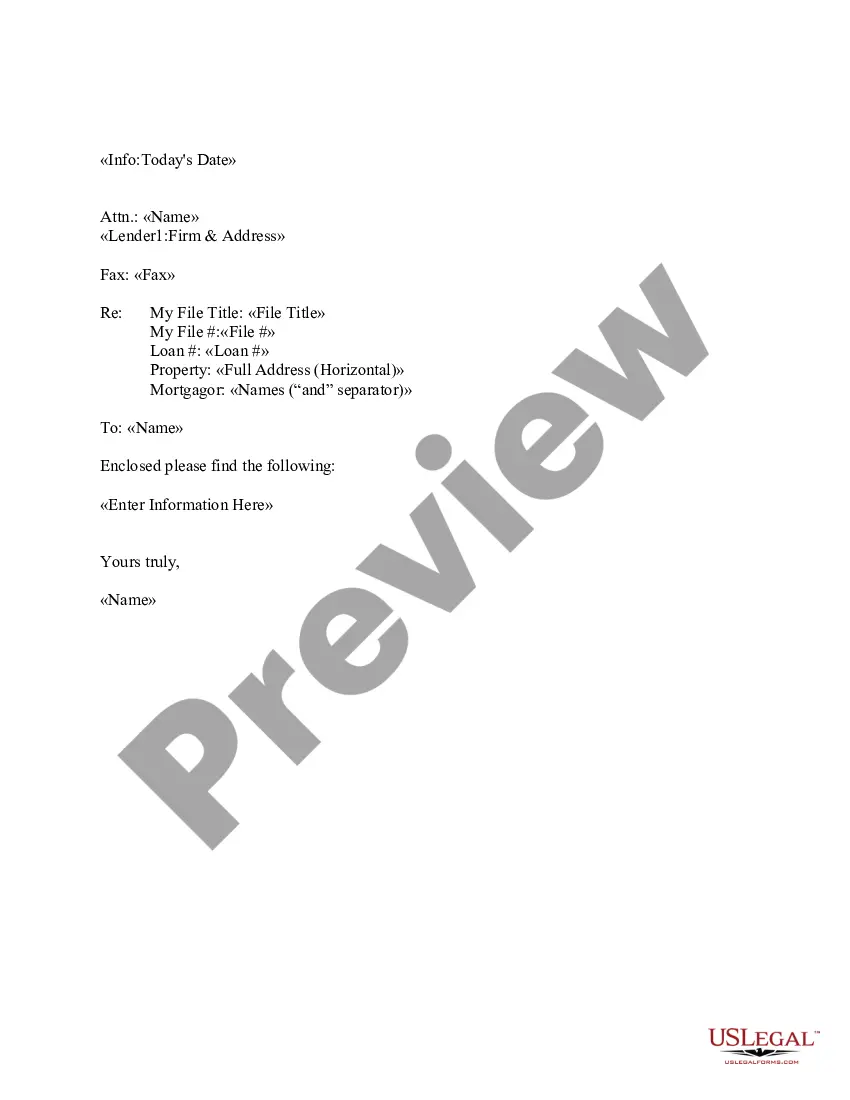
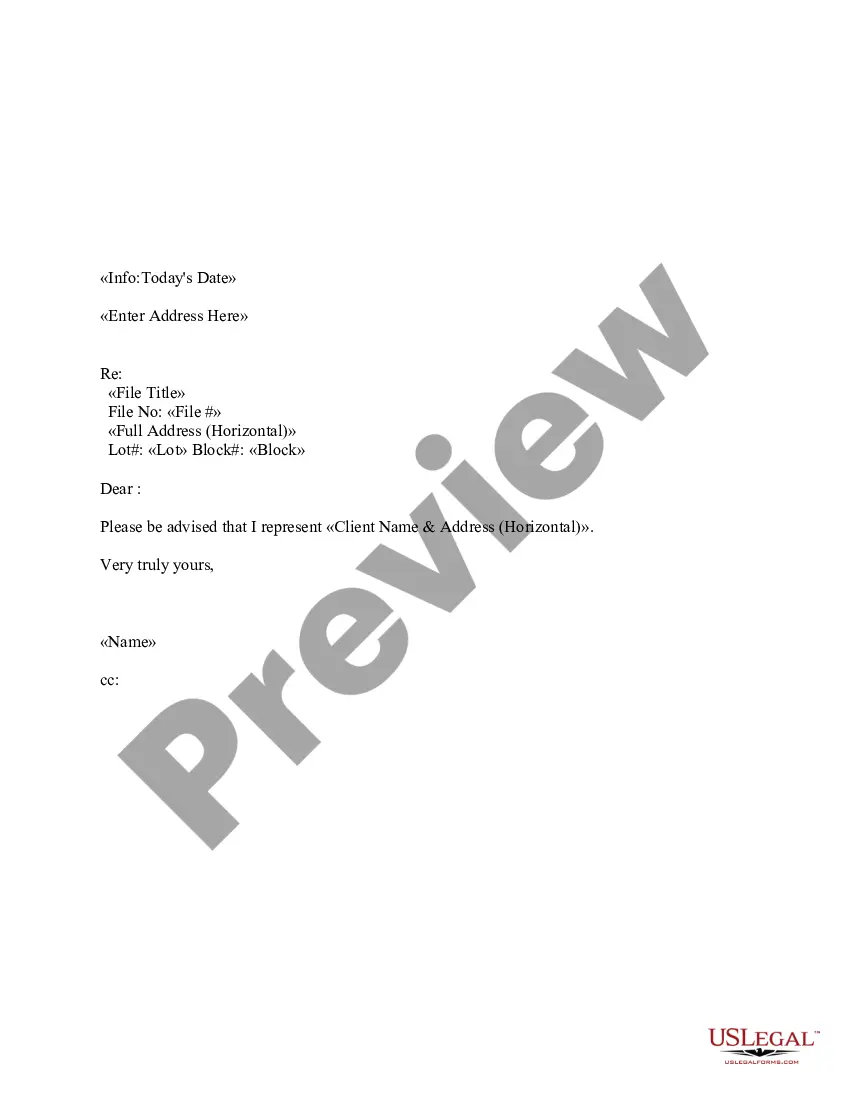
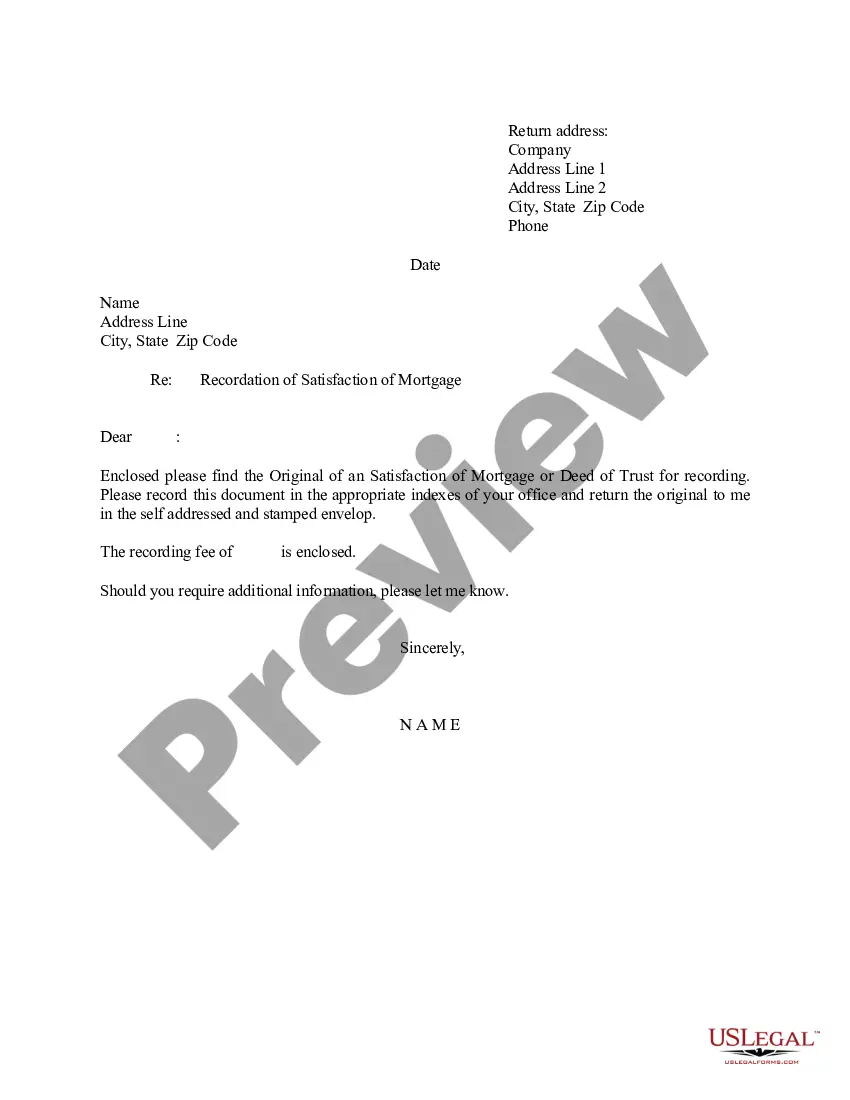
The Letter to Lienholder to Notify of Trust is a formal notice that informs a lienholder that property has been transferred into a living trust. This document serves an important purpose in estate planning, clarifying the ownership and management of assets held in a trust, distinguishing it from similar documents which may not pertain to trusts specifically.
Key components of this form
- Date of the letter
- Name of the lienholder and their address
- Identification of the living trust by name and date
- Statement of property transfer, including specific property details
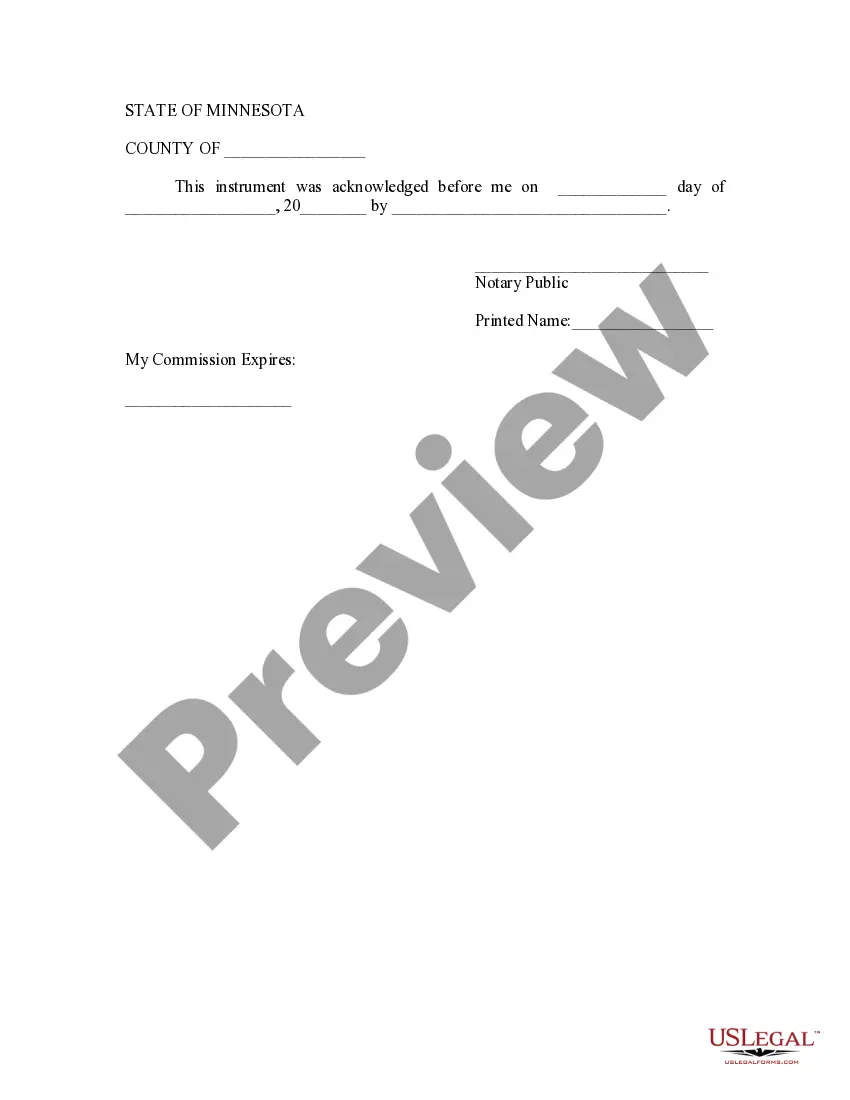
- Signature of the trustor(s) and notary acknowledgment section
Common use cases
This form is used when a property owner, as the trustor, transfers assets into a living trust. It is crucial to notify lienholders to ensure they update their records regarding the ownership and management of the property. This can occur during the setup of a living trust or when modifying the assets included in it.
Intended users of this form
- Property owners who have created a living trust
- Trustors who have assets held by a lienholder
- Individuals involved in estate planning who need to inform lienholders regarding trust transfers
Steps to complete this form
- Enter the date at the top of the letter.
- Provide the lienholder's name and mailing address.
- Clearly state the name and date of the living trust.
- Detail the property being transferred into the trust.
- Sign the letter as the trustor and have it notarized if required.
Does this form need to be notarized?
Yes, this form must be notarized to be legally valid. US Legal Forms provides a streamlined online notarization process, making it easy for you to complete your document securely through video calls without the need to travel.
Get your form ready online
Our built-in tools help you complete, sign, share, and store your documents in one place.
Make edits, fill in missing information, and update formatting in US Legal Forms—just like you would in MS Word.
Download a copy, print it, send it by email, or mail it via USPS—whatever works best for your next step.
Sign and collect signatures with our SignNow integration. Send to multiple recipients, set reminders, and more. Go Premium to unlock E-Sign.
If this form requires notarization, complete it online through a secure video call—no need to meet a notary in person or wait for an appointment.
We protect your documents and personal data by following strict security and privacy standards.

Make edits, fill in missing information, and update formatting in US Legal Forms—just like you would in MS Word.

Download a copy, print it, send it by email, or mail it via USPS—whatever works best for your next step.

Sign and collect signatures with our SignNow integration. Send to multiple recipients, set reminders, and more. Go Premium to unlock E-Sign.

If this form requires notarization, complete it online through a secure video call—no need to meet a notary in person or wait for an appointment.

We protect your documents and personal data by following strict security and privacy standards.
Typical mistakes to avoid
- Failing to accurately identify the property being transferred.
- Not providing complete information about the lienholder.
- Neglecting to obtain notarization when required.
- Using an incorrect or outdated date for the living trust.
Benefits of completing this form online
- Convenience of downloading and filling out the form at any time.
- Editability allows for quick adjustments before finalizing.
- Reliability of professionally drafted legal content.
Summary of main points
- The Letter to Lienholder to Notify of Trust is essential for notifying lienholders about property transfers to living trusts.
- It helps streamline estate planning and ensures proper documentation for legal purposes.
- Complete the form accurately and ensure it is notarized where necessary for it to be effective.
Looking for another form?
Form popularity
FAQ
A notice of intent to lien in Minnesota is a formal notification that a creditor plans to place a lien on a property or vehicle due to unpaid debts. This notice serves as a warning to the debtor, providing them an opportunity to settle the outstanding amount before the lien is filed. Understanding this process is vital for both creditors and debtors. For creating documents like a Minnesota Letter to Lienholder to Notify of Trust, you can find helpful resources on the US Legal Forms platform.
All sellers must handprint their name and sign in the assignment area of the title. The seller must list the sales price of the vehicle in the sales tax declaration area on the back of the certificate of title. The seller must enter the date of sale and complete any disclosure statements that apply.
There are only nine title-holding states: Kentucky, Maryland, Michigan, Minnesota, Missouri, Montana, New York, Oklahoma, Wisconsin. In the other 41 states, titles are issued to the lien holder of your vehicle until the loan is fully paid off.
Gifts. The transfer of a motor vehicle between specifically identified individuals is not charged sales tax if the transfer is a gift for no monetary or other consideration, or other expectation of consideration. The specific individuals are: spouses, parents and children, and grandparents and grandchildren.
Typical fees to transfer and title a vehicle: Title Fee: $8.25 (plus $2 for each lien recorded) Transfer Tax: $10. Public Safety Vehicle Fee: $3.50. Technology Surcharge: $2.25.
The notice must inform the homeowner of the contractor's right to lien the property, and the right to pay off any subcontractors that haven't been paid by the general contractor.
You will write in the following information on the front of the title. On the title, the seller should fill in the name and address of the purchaser, the odometer information, selling price, and the date sold in the "Transfer of Title by Seller" section.
When a contractor files a mechanics' (construction) lien on your home, the lien makes your home into what's called security for an outstanding debt, which the contractor claims is due and unpaid for services or materials.
If a lien is filed against your property (in the form of a lien statement), it must be filed with the county recorder and a copy delivered to you, the property owner, either personally or by certified mail, within 120 days after the last material or labor is furnished for the job.