General Letter to be sent to Lender
Understanding this form
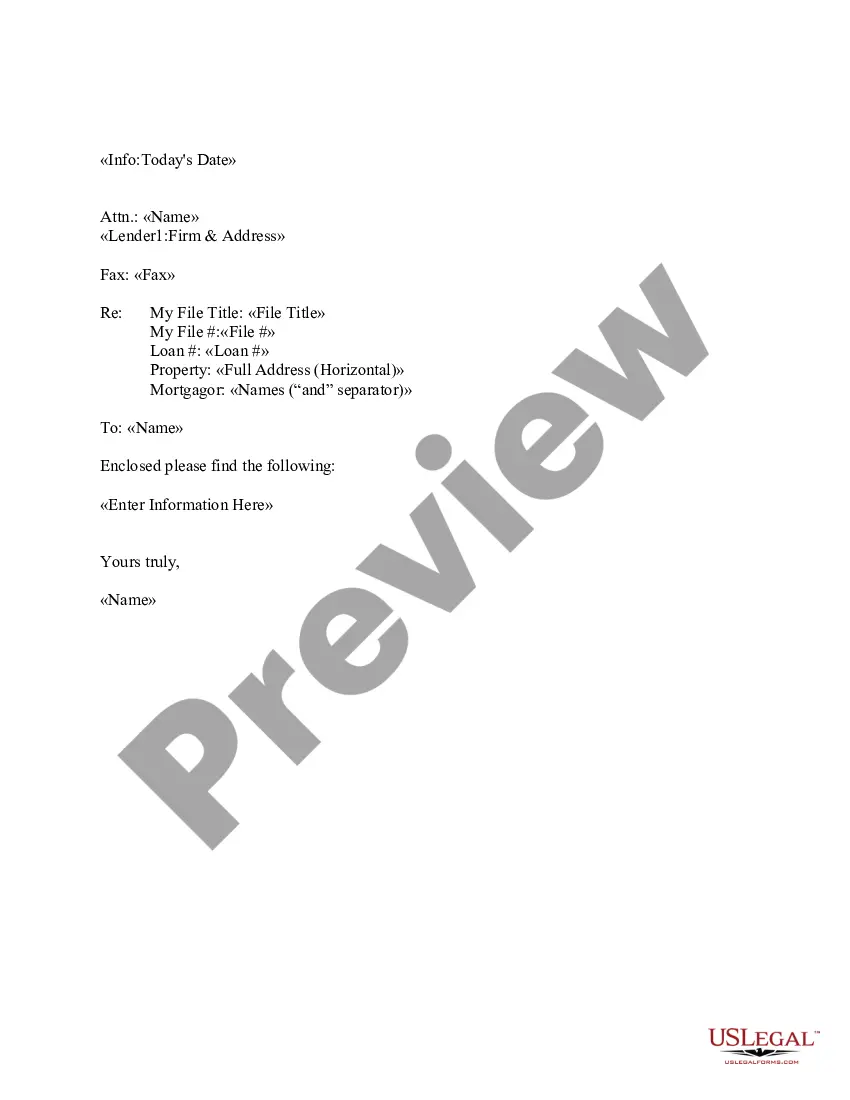
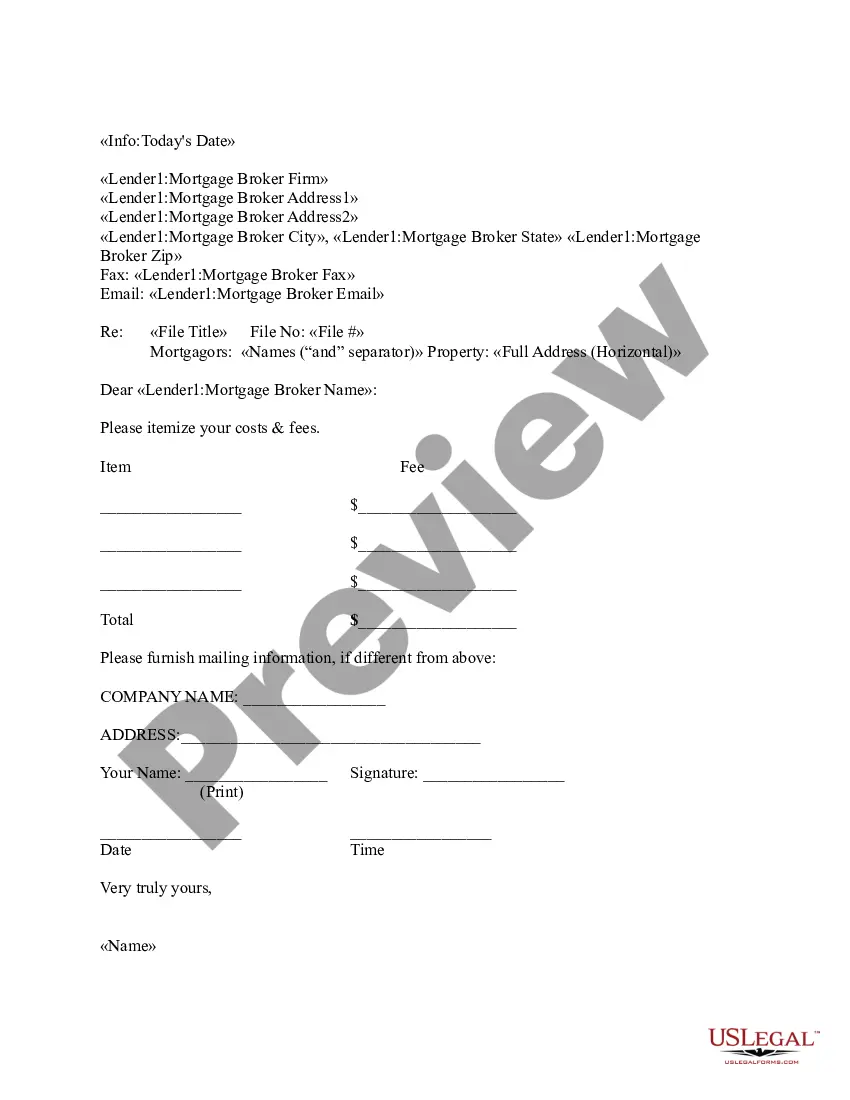
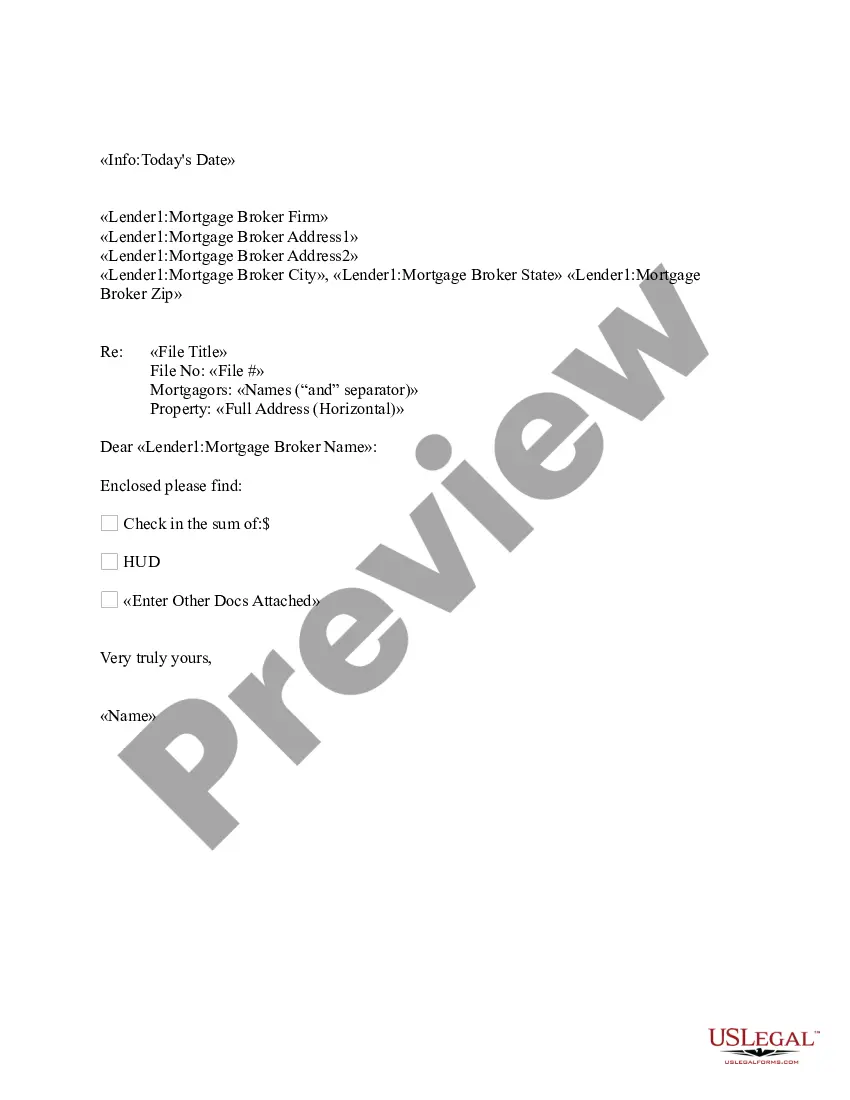
The General Letter to be sent to Lender is a customizable document that serves as a formal communication to a lender regarding various matters related to a loan or mortgage. This form is versatile and can be tailored for specific needs, making it different from more specialized forms such as loan agreements or payment reminders. It provides a clear template for communicating important information effectively.
Main sections of this form
- Date: The date of correspondence.
- Attention line: Specify the name of the lender or recipient.
- Contact information: Lenderâs firm name, address, and fax number.
- Loan details: Information about the loan, property, and mortgage.
- Personalization section: Area to enter specific information relevant to the correspondence.
- Closing: Space for the sender's name and signature.

Common use cases
This letter can be used in various scenarios where communication with a lender is necessary. For example, you might send this letter if you need to request a loan modification, inquire about payment options, or provide updates regarding the status of a property. It is an essential tool for ensuring clear communication about financial agreements and obligations.
Who needs this form
- Homeowners or mortgagors reaching out to their lender.
- Borrowers seeking clarification or additional information regarding their loans.
- Individuals or businesses involved in real estate transactions requiring lender communication.
Instructions for completing this form
- Identify the parties involved: Fill in the lender's name and relevant contact information.
- Specify the loan and property details: Clearly state the property address and loan information.
- Customize the message: Enter any specific requests or information you need to convey to the lender.
- Review for accuracy: Ensure all details are correct and that the letter is clear.
- Sign and date the letter: Provide your name and signature before sending.
Is notarization required?
This form does not typically require notarization unless specified by local law. Ensure to check state regulations that may mandate notarization for certain types of correspondence.
Get your form ready online
Our built-in tools help you complete, sign, share, and store your documents in one place.
Make edits, fill in missing information, and update formatting in US Legal Forms—just like you would in MS Word.
Download a copy, print it, send it by email, or mail it via USPS—whatever works best for your next step.
Sign and collect signatures with our SignNow integration. Send to multiple recipients, set reminders, and more. Go Premium to unlock E-Sign.
If this form requires notarization, complete it online through a secure video call—no need to meet a notary in person or wait for an appointment.
We protect your documents and personal data by following strict security and privacy standards.

Make edits, fill in missing information, and update formatting in US Legal Forms—just like you would in MS Word.

Download a copy, print it, send it by email, or mail it via USPS—whatever works best for your next step.

Sign and collect signatures with our SignNow integration. Send to multiple recipients, set reminders, and more. Go Premium to unlock E-Sign.

If this form requires notarization, complete it online through a secure video call—no need to meet a notary in person or wait for an appointment.

We protect your documents and personal data by following strict security and privacy standards.
Avoid these common issues
- Forgetting to include the date or contact information.
- Omitting key loan details or personal information.
- Failing to review the letter before sending, which may lead to errors.
- Not personalizing the content to fit the specific situation.
Why use this form online
- Convenience: Easily accessible and can be filled out at any time.
- Editability: Customizable fields allow for tailored communication based on individual situations.
- Reliability: Form templates are drafted by licensed attorneys and reflect legal standards.
Looking for another form?
Form popularity
FAQ
Commonly referred to as an 'LOE' or 'LOX,' letters of explanation are often requested by lenders to gain more specific information on a mortgage borrower and their situation. An LOX can necessary when there is inconsistent, incomplete, or unclear information on a loan application.
Letter of Intent (LOI) The LOI outlines the general terms and conditions including the loan amount, rate, term/amortization, collateral, guarantors, and any other information, terms or conditions.
A letter of explanation (sometimes called an LOE or LOW) is a document requested by mortgage lenders when they want more details about your financial situation. An underwriter may request a letter of explanation if they run into questions about your finances during the mortgage approval process.
Here's what you'll need to include: a subject line with your name and application number; your current mailing address and phone number; outline all of the facts that the lender asked you for; attach supporting documents such as bank statements, financial documents, and tax returns. Keep the letter formal and succinct.
One of the most essential documents to show your lender is a letter of employment. A letter of employment, also sometimes called a job letter or income verification letter, proves your employment status, shows what kind of work you do, and helps the lender confirm that you have reliable income to pay off your mortgage.
What is a letter of explanation for a mortgage? A letter of explanation is your opportunity to explain inconsistencies in your mortgage application and any aspects of your financial history that your lender needs to understand better before it can approve you for a loan.
How to Explain a Cash Deposit for a Mortgage Copies of checks, receipts or contracts related to the transaction, especially if you earned the money via a side gig or freelancing. A gift letter stating that the money is a gift and you do not have to pay it back.
What is letter of explanation for address variance? A letter of explanation (sometimes called an LOE or LOW) is a document requested by mortgage lenders when they want more details about your financial situation.