Ohio Fencing Contract for Contractor
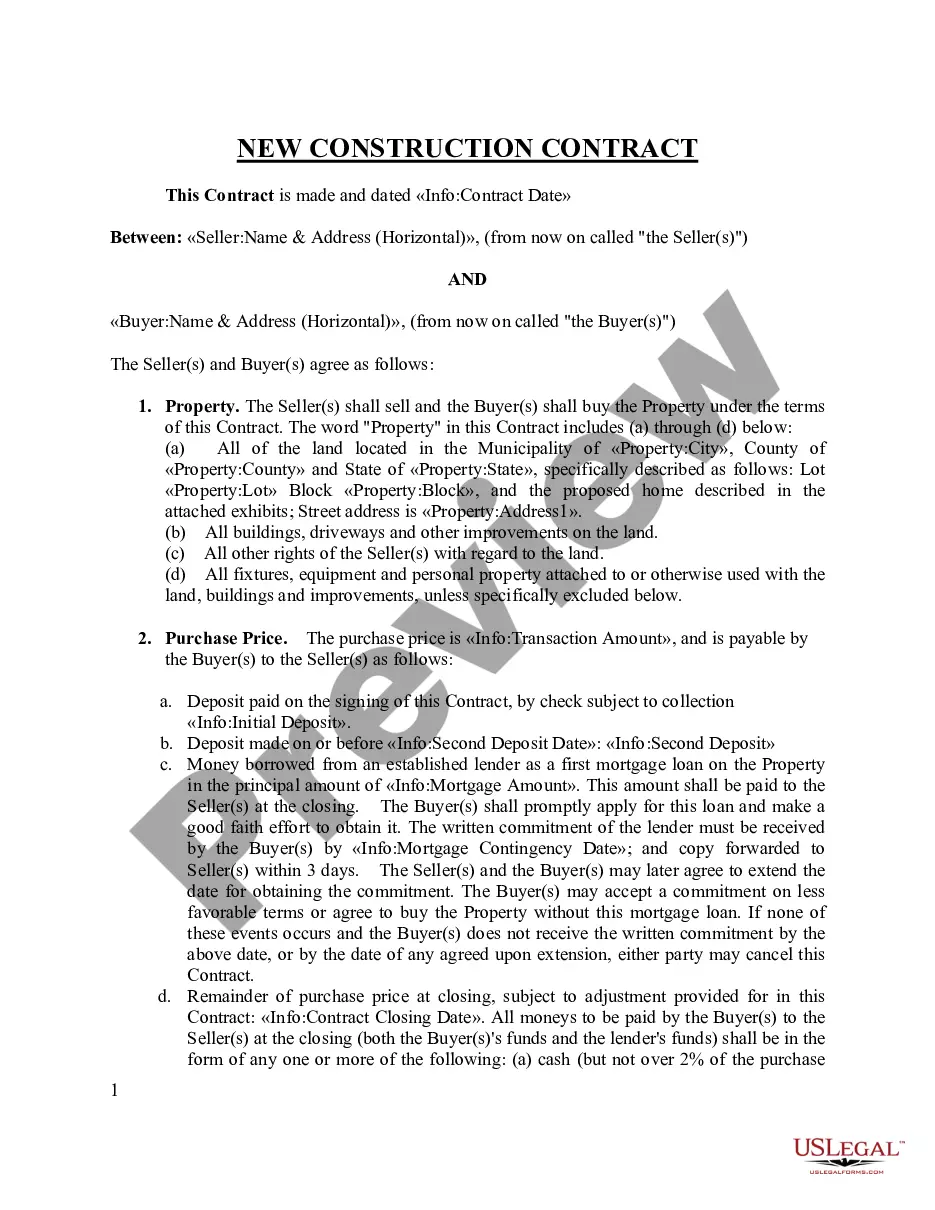
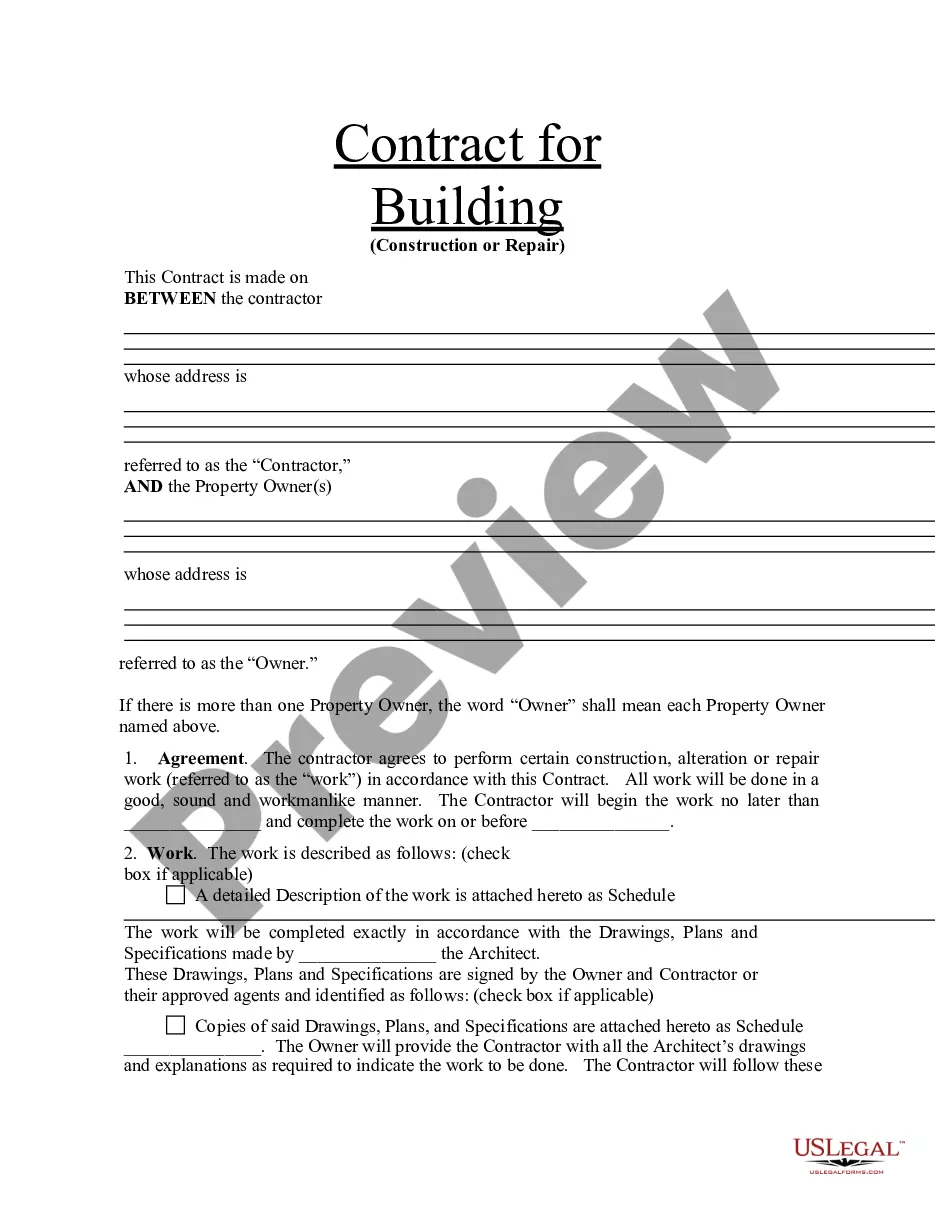
What is this form?
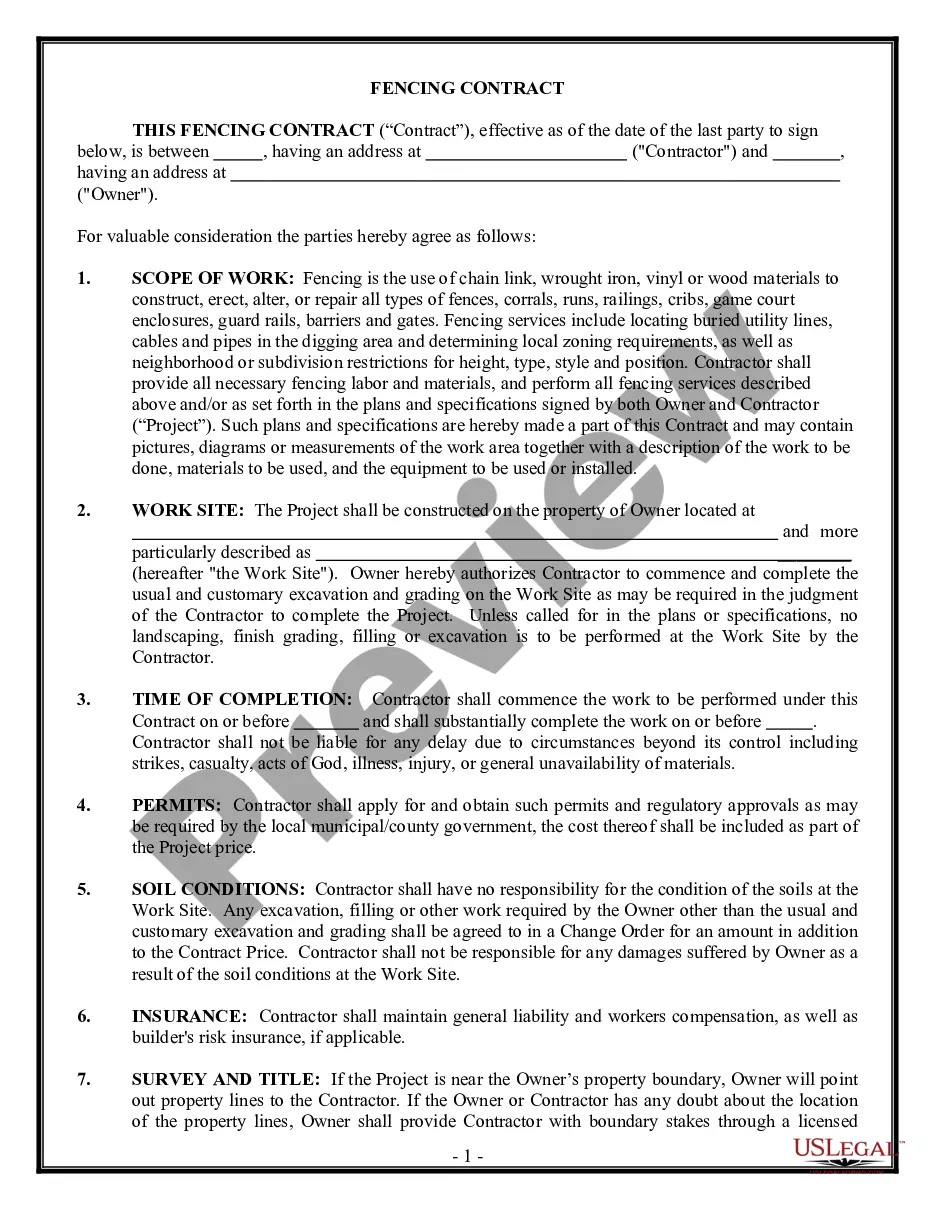
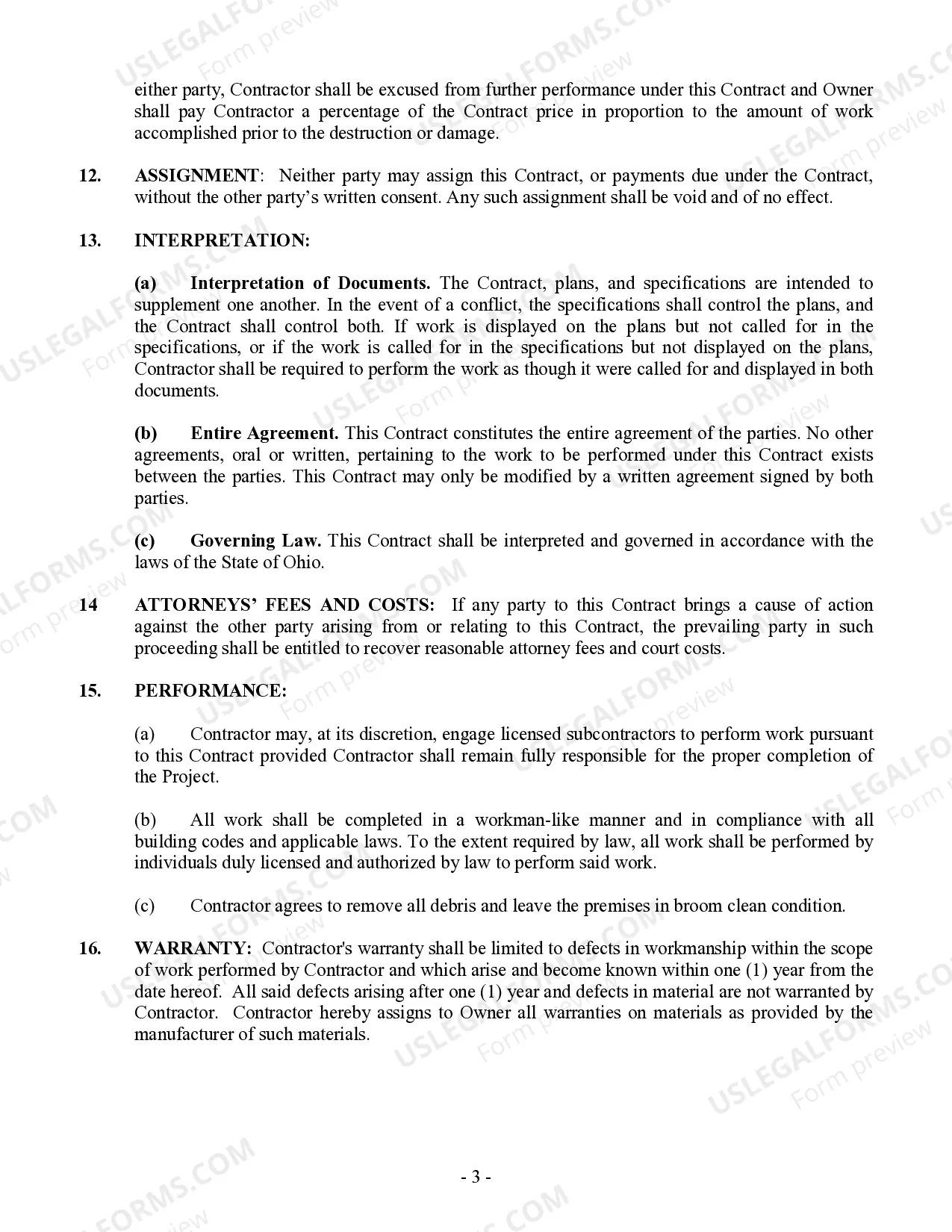
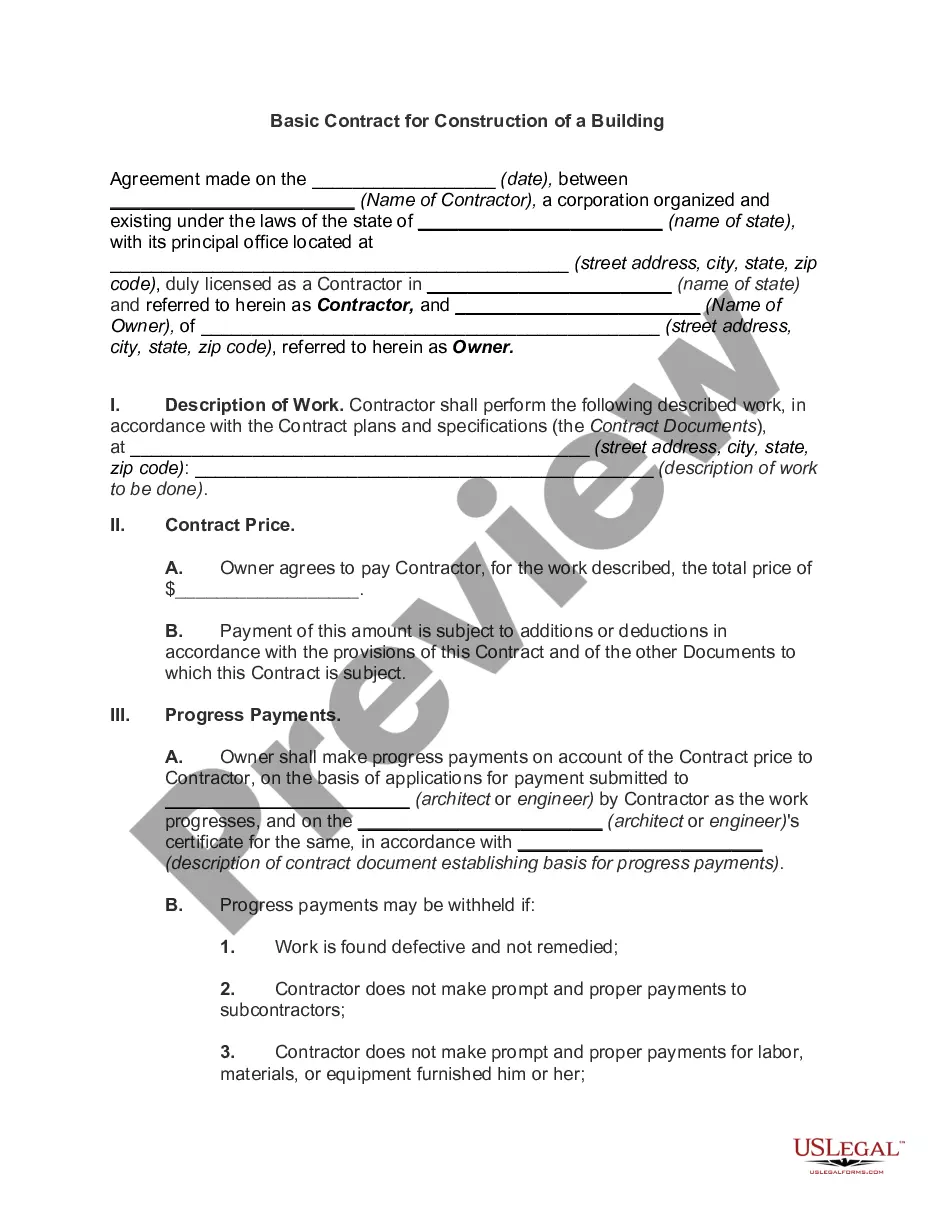
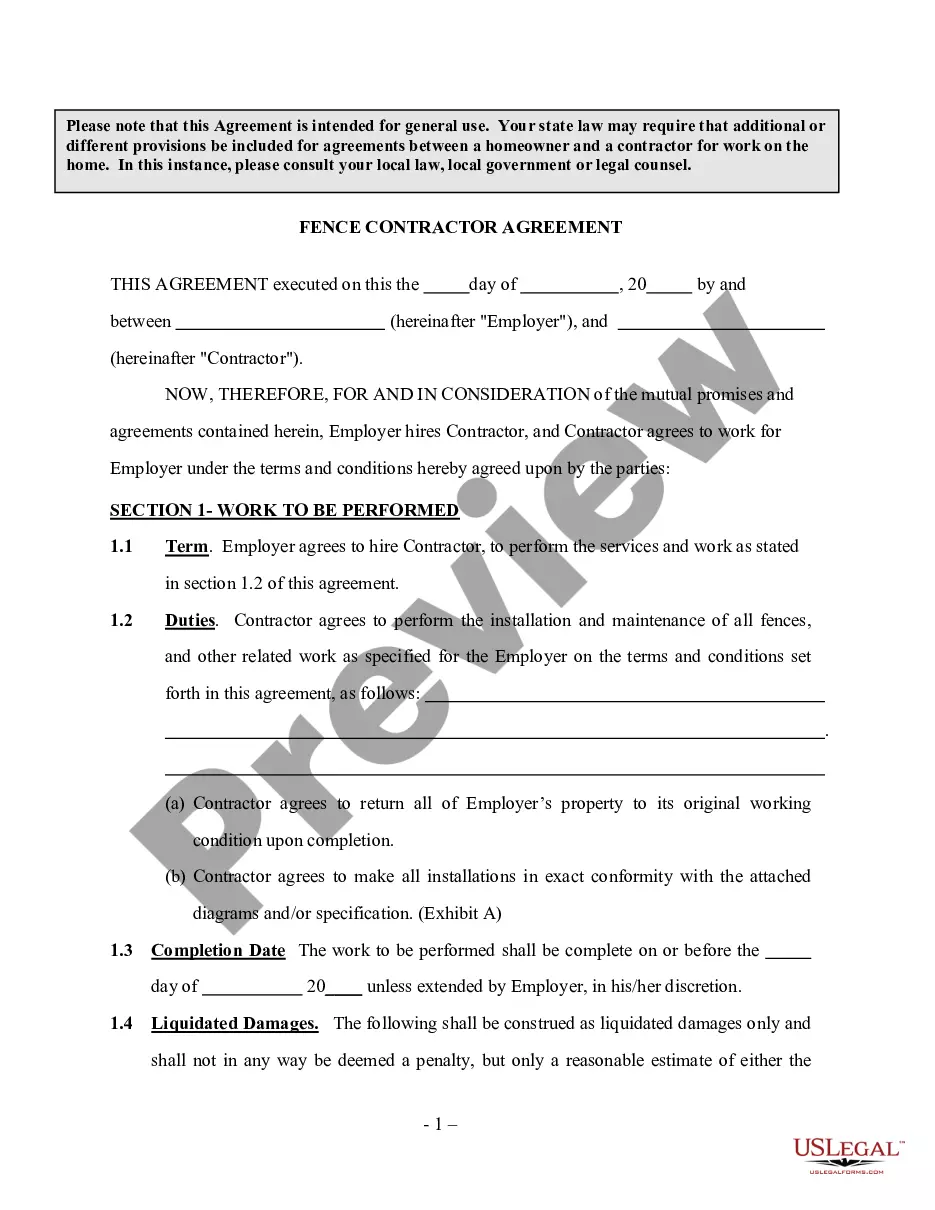
The Fencing Contract for Contractor is a legal document used between fencing contractors and property owners. It outlines the responsibilities, costs, and terms of service for fencing projects, distinguishing itself from general contracts by focusing specifically on fencing work. This form is crafted to adhere to Ohio law, ensuring compliance and protection for both parties involved in the fencing project.
Key components of this form
- Work site information, detailing the location of the fencing project.
- Permits and regulatory approvals required for the project.
- Soil condition disclaimers and responsibilities.
- Insurance requirements for contractors, including liability and workers' compensation.
- Change order processes for any modifications in work scope.
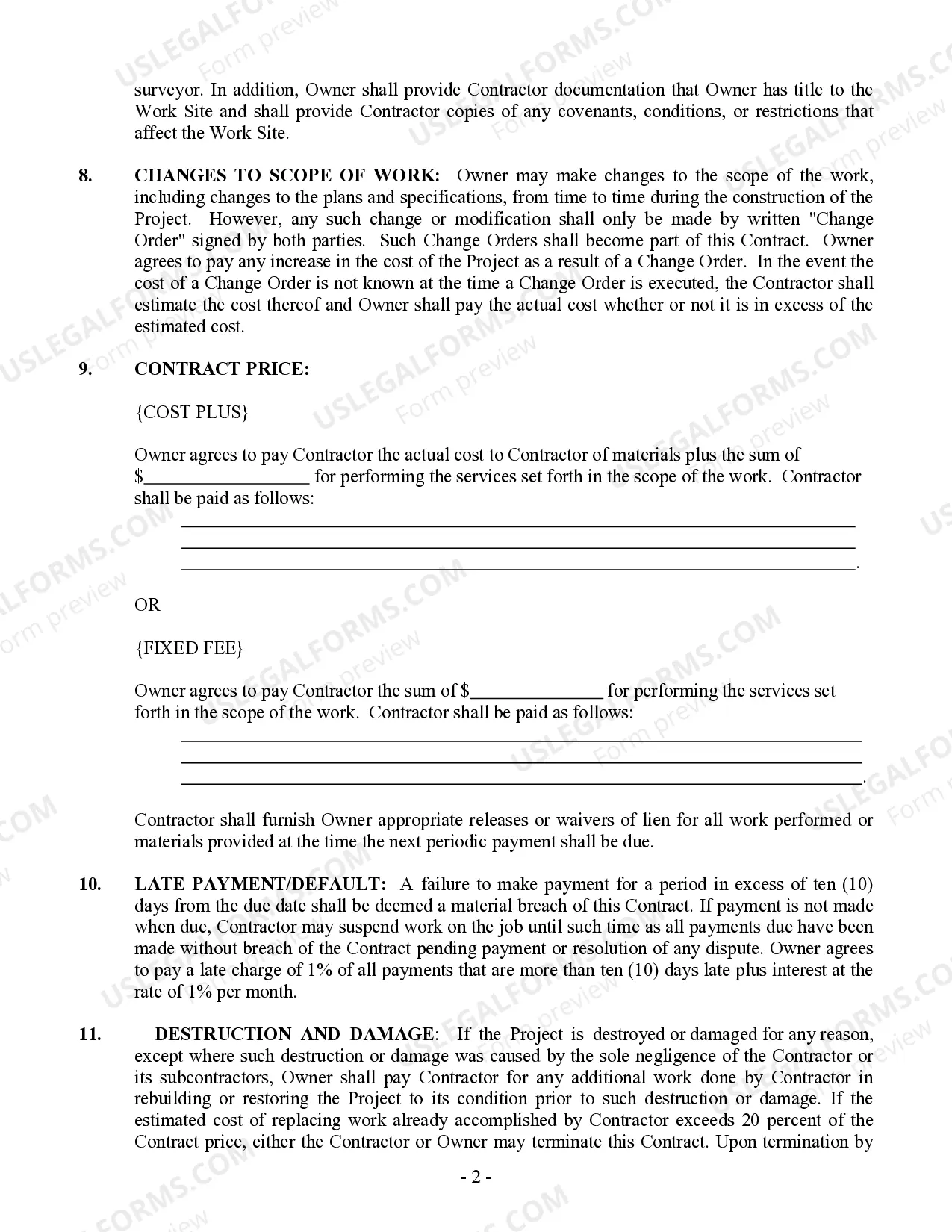
- Contract pricing structure, including options for cost plus and fixed fees.
- Late payment penalties and conditions for breach of contract.
Situations where this form applies
This form should be used when a property owner wishes to hire a fencing contractor to perform installation, repair, or maintenance of fences. It is applicable in various scenarios, such as residential properties needing a new fence, commercial properties requiring security fencing, or existing fences that need repairs or upgrades.
Intended users of this form
- Property owners who want to ensure clear terms when hiring a fencing contractor.
- Fencing contractors seeking legal protection and defined expectations with clients.
- Individuals or businesses involved in property enhancements requiring fencing work.
How to complete this form
- Identify the parties involved: property owner and fencing contractor.
- Specify the work site by providing the address where the project will take place.
- Discuss and document any necessary permits required for the project.
- Outline any specific soil conditions or site preparations that may impact the contract.
- Detail the payment structure, indicating whether it is a fixed fee or cost plus arrangement.
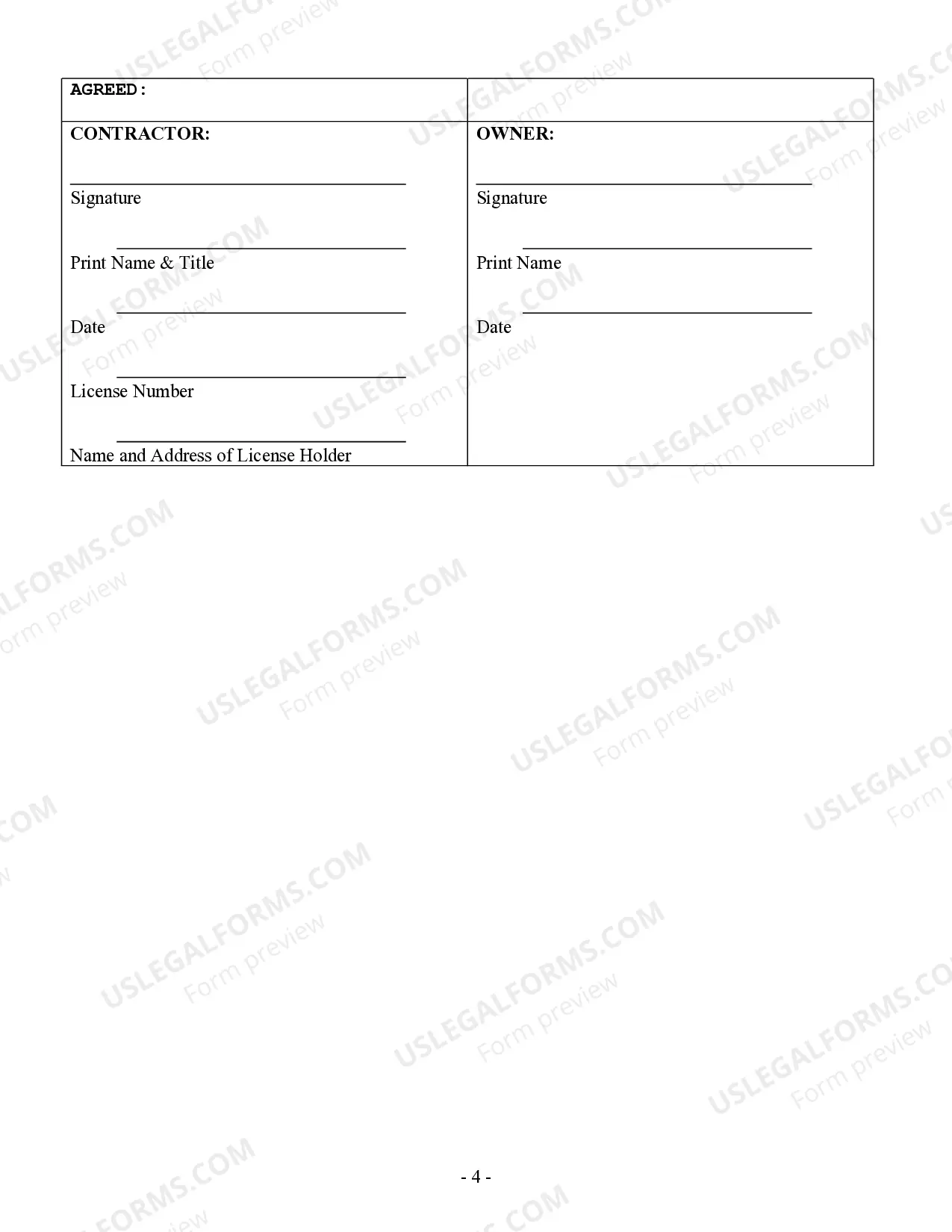
- Both parties should sign the form to finalize the agreement.
Notarization requirements for this form
In most cases, this form does not require notarization. However, some jurisdictions or signing circumstances might. US Legal Forms offers online notarization powered by Notarize, accessible 24/7 for a quick, remote process.
Get your form ready online
Our built-in tools help you complete, sign, share, and store your documents in one place.
Make edits, fill in missing information, and update formatting in US Legal Forms—just like you would in MS Word.
Download a copy, print it, send it by email, or mail it via USPS—whatever works best for your next step.
Sign and collect signatures with our SignNow integration. Send to multiple recipients, set reminders, and more. Go Premium to unlock E-Sign.
If this form requires notarization, complete it online through a secure video call—no need to meet a notary in person or wait for an appointment.
We protect your documents and personal data by following strict security and privacy standards.

Make edits, fill in missing information, and update formatting in US Legal Forms—just like you would in MS Word.

Download a copy, print it, send it by email, or mail it via USPS—whatever works best for your next step.

Sign and collect signatures with our SignNow integration. Send to multiple recipients, set reminders, and more. Go Premium to unlock E-Sign.

If this form requires notarization, complete it online through a secure video call—no need to meet a notary in person or wait for an appointment.

We protect your documents and personal data by following strict security and privacy standards.
Common mistakes to avoid
- Failing to clearly define the scope of work leading to misunderstandings.
- Not specifying the work site accurately can result in legal issues.
- Neglecting to include change order terms may cause disputes during the project.
- Overlooking insurance requirements which could leave both parties vulnerable.
Why use this form online
- Convenient access to a professionally drafted contract that saves time.
- Edit and customize the form easily to fit specific project needs.
- Ensures the use of language and clauses that comply with Ohio law.
Legal use & context
- This contract is legally binding once signed by both parties.
- It is enforceable in accordance with Ohio contract law.
- The form addresses critical aspects to minimize disputes related to claims or changes during the project.
Main things to remember
- The Fencing Contract for Contractor ensures clarity and protection for both property owners and contractors.
- Be mindful of outlining the work specifics, payment terms, and change order processes.
- Always refer to state-specific laws to ensure compliance during contract completion.
Looking for another form?
Form popularity
FAQ
Most general contractors are looking at about a 35% margin and so they need to a mark-up of 54%, or 1.54. Subs can often get a profit margin of 50%, so they need a mark-up of 100% or 2x, as the table on the right makes clear.
A: It's not uncommon for contractors to ask for a down payment up front to secure your spot on their schedule or purchase some of the job materials in advance. Asking for more than half of the project cost up front, though, is a big red flag.I recommend tying payments to progress made during the job.
Payment Schedule In Your Contract Before any work begins, a contractor will ask a homeowner to secure the job with a down payment. It shouldn't be more than 10-20 percent of the total cost of the job. Homeowners should never pay a contractor more than 10-20% before they've even stepped foot in their home.
Unless there are custom or specialty orders for materials, the contractor cannot ask for more than 10% upfront before work starts.
Identifying/Contact Information. Title and Description of the Project. Projected Timeline and Completion Date. Cost Estimate and Payment Schedule. Stop Work Clause and Stop Payment Clause. Act of God Clause. Change Order Agreement. Warranty.
Standard construction contracts should have the following information and clauses: Name of contractor and contact information. Include the contractor's license number along with phone number, email address, and company address. Name of homeowner and contact information.
You shouldn't pay more than 10 percent of the estimated contract price upfront, according to the Contractors State License Board.
Ohio's written contract Statute of Limitations used to be fifteen (15) years, but has now been shortened to eight (8) years. Ohio's Statute of Repose requires certain claims be asserted within ten (10) years after substantial completion of the work.
Get it in writing. Keep it simple. Deal with the right person. Identify each party correctly. Spell out all of the details. Specify payment obligations. Agree on circumstances that terminate the contract. Agree on a way to resolve disputes.