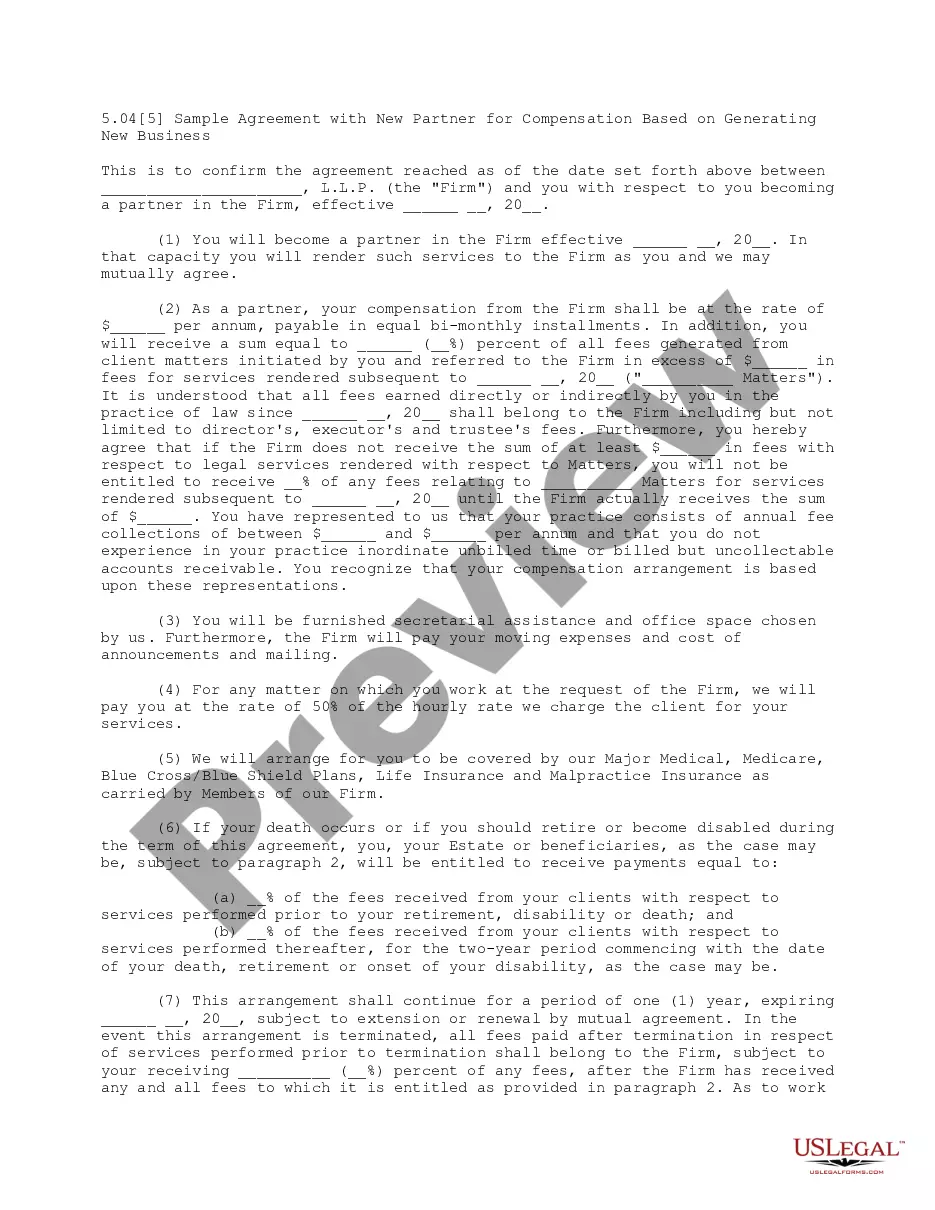
Minnesota Grant of Temporary and Permanent Easement
Understanding this form
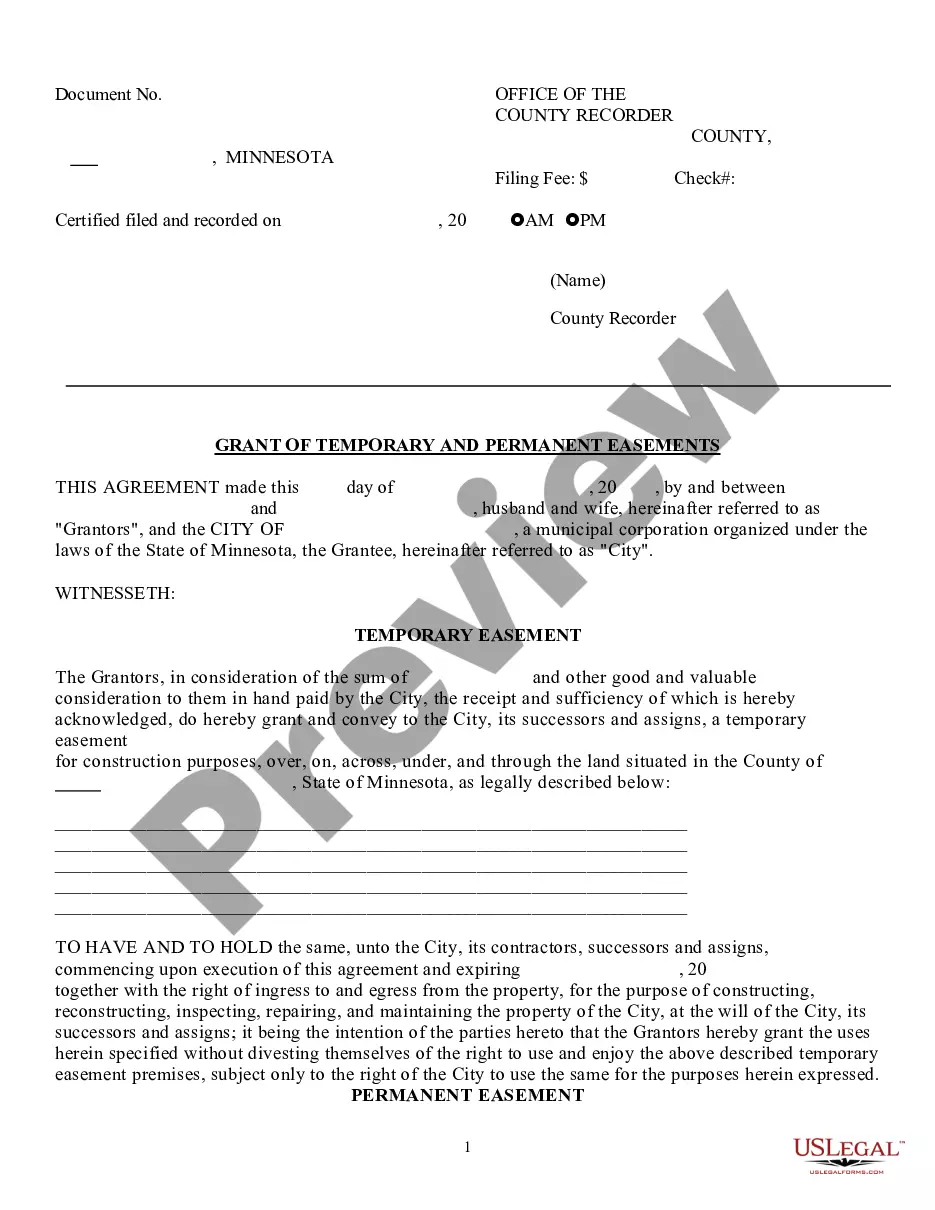
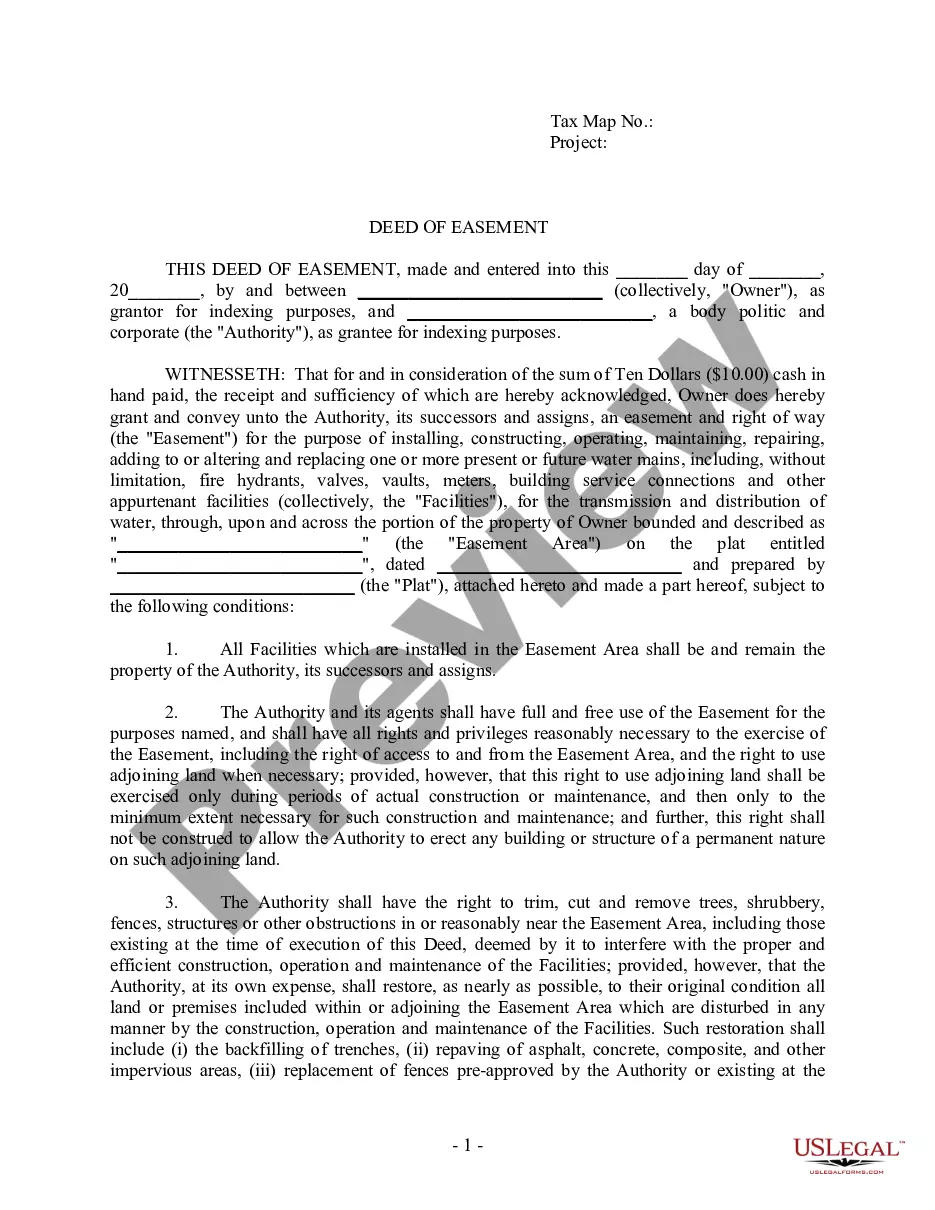
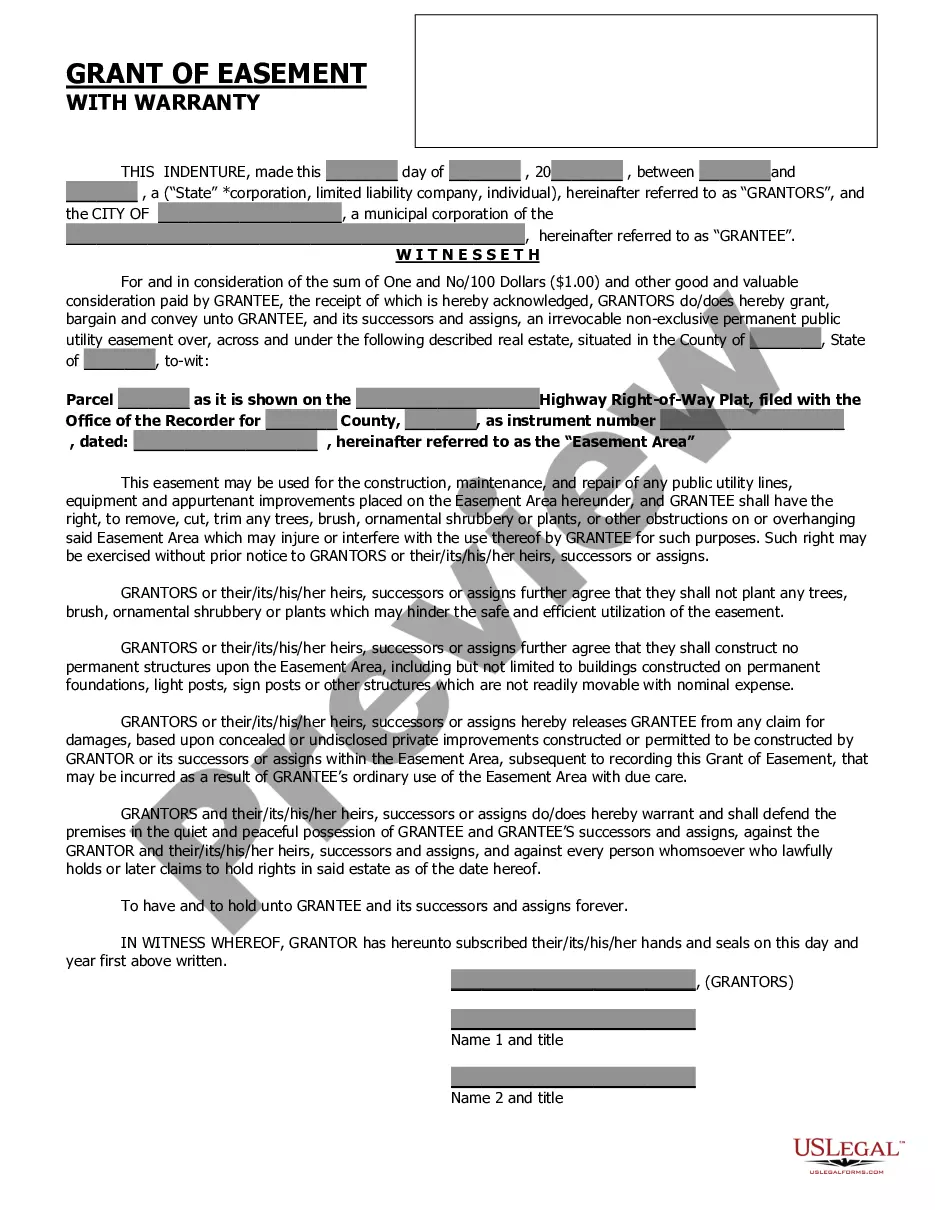
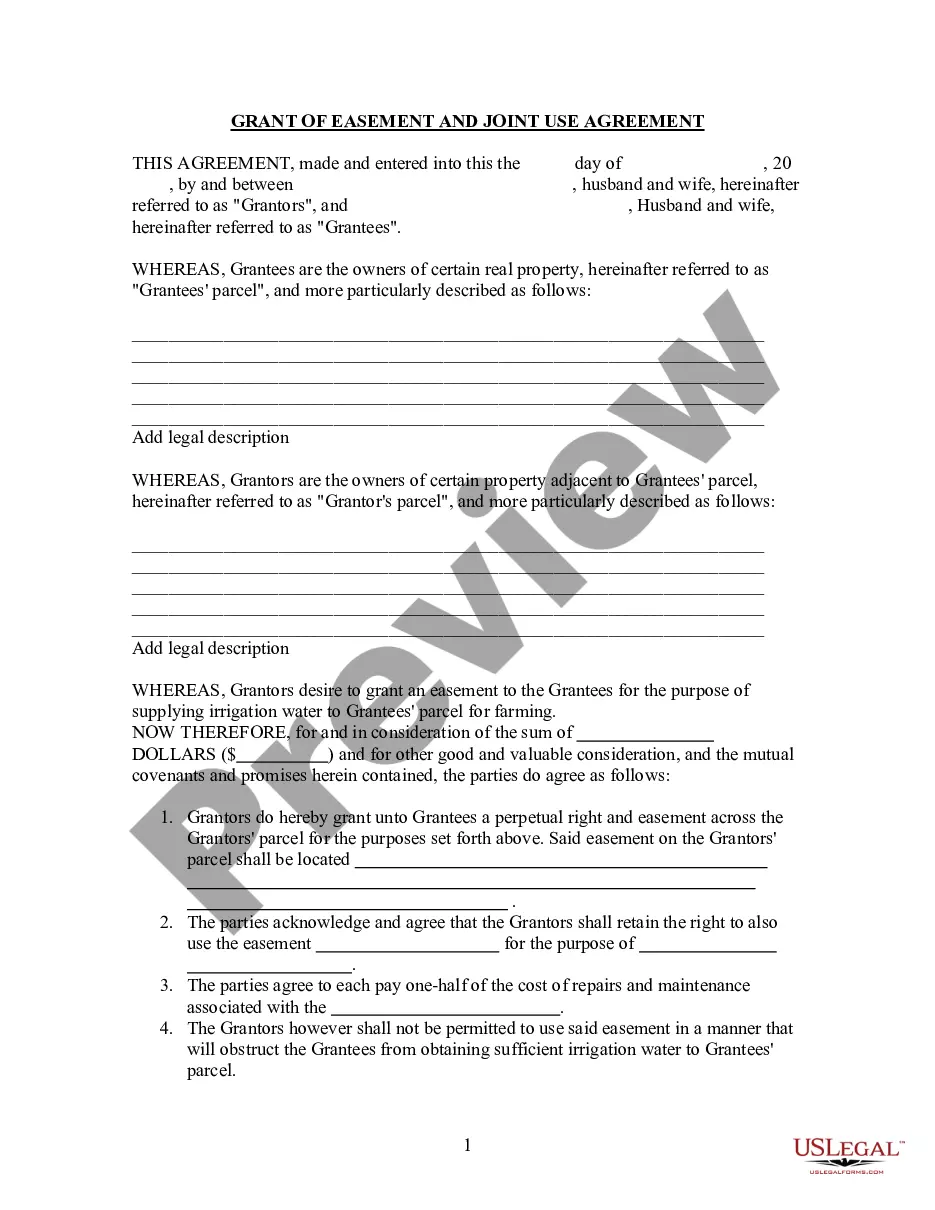
The Grant of Temporary and Permanent Easement is a legal document that allows a city to construct and maintain a public trialway across private property. This form defines the rights of the city to access and utilize the land for specific purposes, making it essential for property owners who need to grant such rights without transferring ownership of the property itself.
Main sections of this form
- Identification of the grantors and the city receiving the easement.
- Legal description of the property subject to the easement.
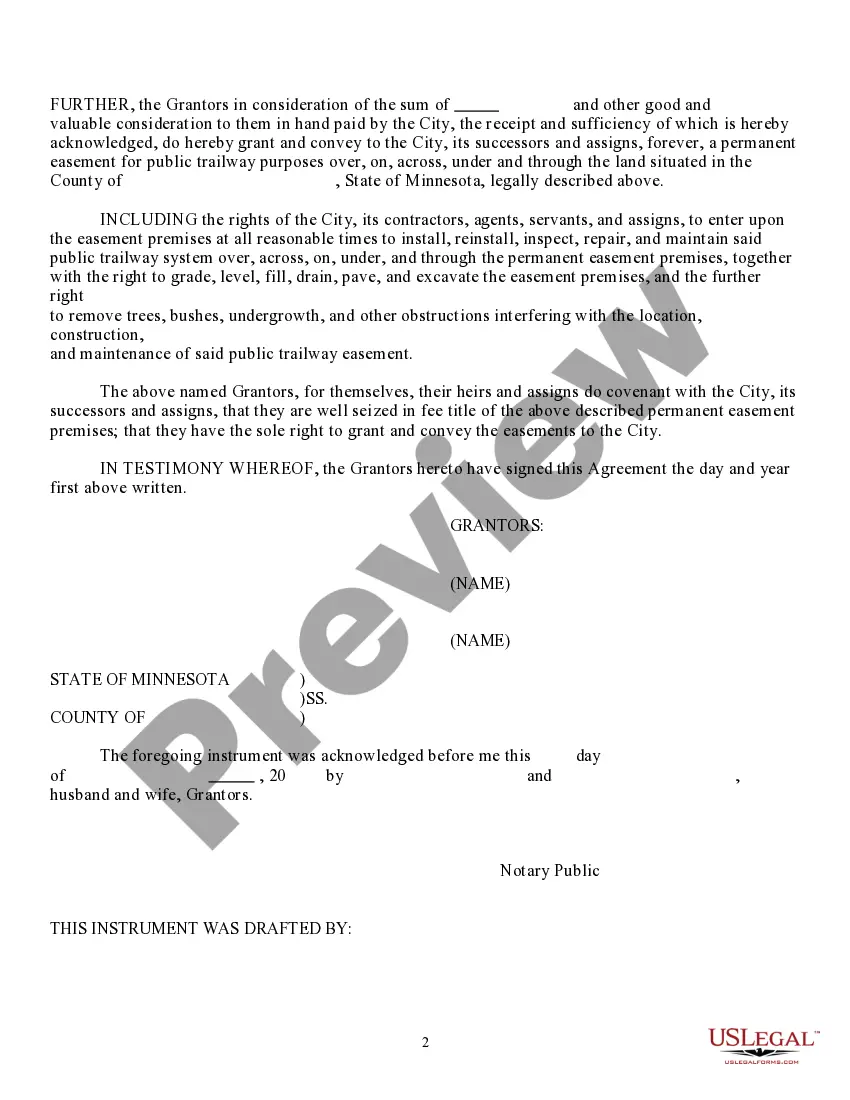
- Specific rights granted to the city, including construction, maintenance, and access to the easement.
- Terms relating to the removal of obstructions that may interfere with the easement.
- Signature lines for all parties involved, confirming the agreement.
When to use this form
This form is needed when a city or municipality requests an easement to build or maintain a public trailway that crosses private property. It is particularly useful for property owners who wish to allow public access for construction and maintenance of trail systems without relinquishing ownership of their land.
Who this form is for
- Property owners who are approached by their local city to grant access for trailway construction.
- Cities or municipalities requiring legal documentation to establish rights to access private property for public use.
- Developers or contractors involved in the construction of trailways who need easement rights for the project.
How to complete this form
- Identify the parties involved, including the grantors and the city.
- Provide a detailed legal description of the property where the easement will be granted.
- Clearly outline the rights being granted to the city regarding construction and maintenance.
- Specify any conditions regarding the removal of obstructions on the easement premises.
- Have all parties sign and date the document to formalize the agreement.
Does this document require notarization?
To make this form legally binding, it must be notarized. Our online notarization service, powered by Notarize, lets you verify and sign documents remotely through an encrypted video session.
Get your form ready online
Our built-in tools help you complete, sign, share, and store your documents in one place.
Make edits, fill in missing information, and update formatting in US Legal Forms—just like you would in MS Word.
Download a copy, print it, send it by email, or mail it via USPS—whatever works best for your next step.
Sign and collect signatures with our SignNow integration. Send to multiple recipients, set reminders, and more. Go Premium to unlock E-Sign.
If this form requires notarization, complete it online through a secure video call—no need to meet a notary in person or wait for an appointment.
We protect your documents and personal data by following strict security and privacy standards.

Make edits, fill in missing information, and update formatting in US Legal Forms—just like you would in MS Word.

Download a copy, print it, send it by email, or mail it via USPS—whatever works best for your next step.

Sign and collect signatures with our SignNow integration. Send to multiple recipients, set reminders, and more. Go Premium to unlock E-Sign.

If this form requires notarization, complete it online through a secure video call—no need to meet a notary in person or wait for an appointment.

We protect your documents and personal data by following strict security and privacy standards.
Common mistakes
- Failing to accurately describe the property involved in the easement.
- Not including all necessary signatures from the grantors.
- Omitting specific rights granted, leading to confusion about the easement's use.
- Not consulting local laws that may impose additional requirements on easements.
Why complete this form online
- Convenience of downloading and completing the form at your own pace.
- Editability allows customization to fit your specific property details and easement terms.
- Access to professionally drafted templates ensures compliance with legal standards.
Looking for another form?

Form popularity
FAQ
Yes, easements should be recorded to ensure their legal validity. In Minnesota, a Grant of Temporary and Permanent Easement becomes enforceable once it is documented in the county recorder's office. Recording easements provides public notice and protects the rights of the easement holder. If you're unsure about the recording process, USLegalForms offers resources and templates to help you navigate through the Minnesota Grant of Temporary and Permanent Easement.
A permanent easement provides ongoing access to a specific area of another person's land, allowing the easement holder to use that land indefinitely. This arrangement is often used for utilities or access roads. When navigating the complexities of property rights, acquiring a Minnesota Grant of Temporary and Permanent Easement can solidify your legal interests and ensure clarity in property usage.
A temporary easement gives someone the right to use a portion of another person's property for a limited time. This type of easement is often utilized for construction projects or utility work. When seeking a Minnesota Grant of Temporary and Permanent Easement, understanding temporary easements can facilitate smoother project execution and minimize disputes.
Easement laws in Minnesota govern how property owners can create and enforce easements. These laws outline the requirements for obtaining a Minnesota Grant of Temporary and Permanent Easement, including the necessity of clear documentation. Being aware of these laws ensures that you protect your property rights and comply with state regulations.
A permanent easement grants the holder the right to use another person's property indefinitely, while a temporary easement allows for use for a specific period. In the context of Minnesota Grant of Temporary and Permanent Easement, the distinction is crucial for property owners and developers. Understanding these differences helps in making informed decisions about property rights and obligations.
The three primary types of easement are affirmative easements, negative easements, and easements in gross. Affirmative easements allow the holder to use the property for a specific purpose, while negative easements prevent the property owner from doing something that would otherwise be permissible. Easements in gross are personal rights that benefit an individual rather than a piece of land. Understanding these types can guide you in drafting a Minnesota Grant of Temporary and Permanent Easement that suits your needs.
The difficulty of obtaining an easement can vary depending on the property and the willingness of the owner to negotiate. In many cases, open communication and a well-drafted agreement can facilitate the process. Utilizing a Minnesota Grant of Temporary and Permanent Easement can clarify terms and responsibilities, making it easier for both parties. For additional support, consider resources like uslegalforms to help navigate any legal challenges.
To obtain an easement in Minnesota, you typically need to negotiate with the property owner for the rights you seek. Documenting the agreement with a formal Minnesota Grant of Temporary and Permanent Easement is crucial, as it protects both parties. You may also need to file the easement with the local government to ensure it is legally recognized. Engaging with a platform like uslegalforms can simplify this process by providing the necessary templates and guidance.
Yes, an easement can be granted in perpetuity, meaning it remains in effect indefinitely. This type of easement is often referred to as a permanent easement and can be beneficial for both parties involved. However, it is essential to clearly outline the terms in a Minnesota Grant of Temporary and Permanent Easement to avoid future disputes. Always consult with a legal expert to navigate the complexity of these agreements.
To get an easement in Minnesota, start by identifying the property where you need access or usage rights. You should then consult with the property owner to discuss your intentions. It is often beneficial to draft a formal agreement, which may include a Minnesota Grant of Temporary and Permanent Easement to clearly define the terms. Additionally, consider involving legal professionals to ensure compliance with state laws.