Confidentiality Agreement for Power Company providing Distributed Generation System
Understanding this form
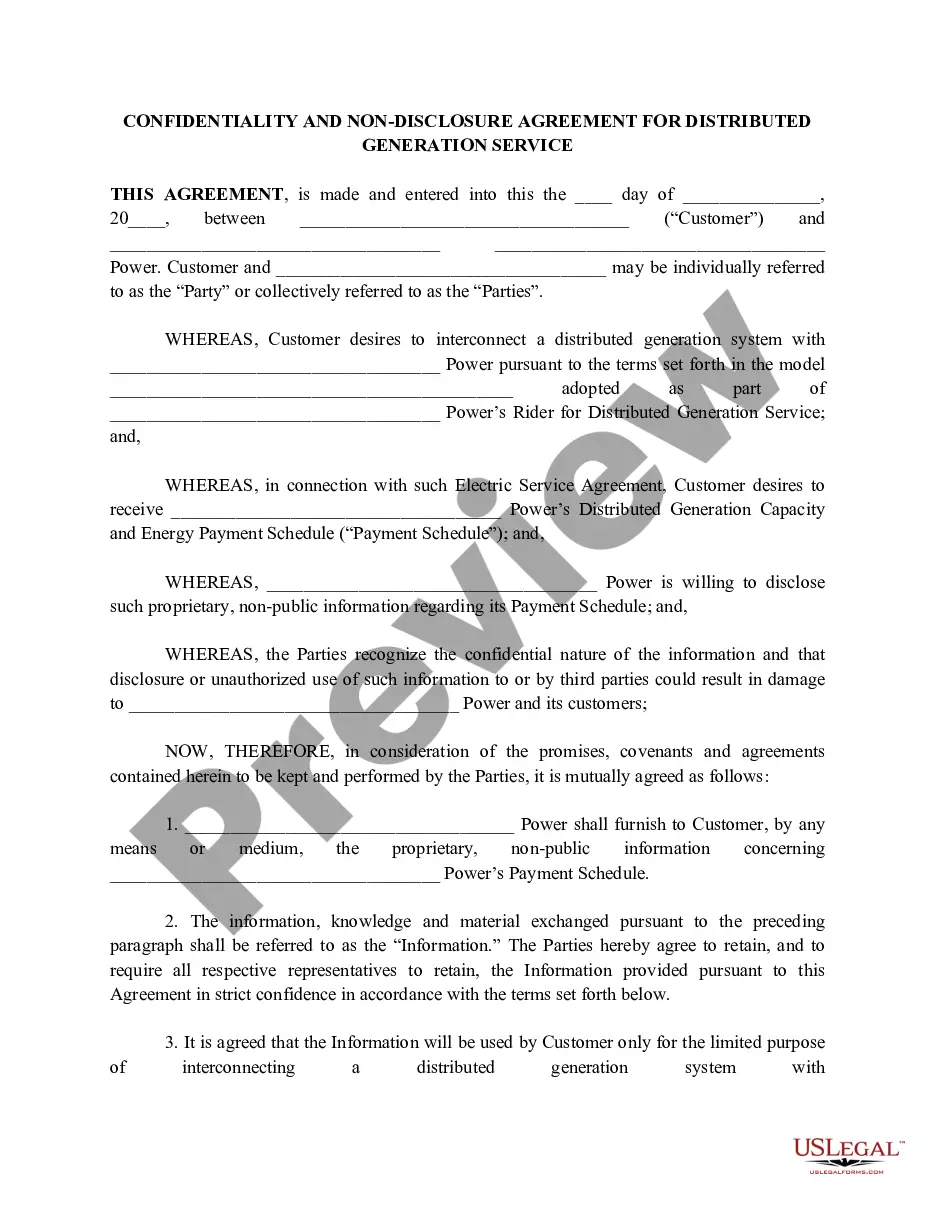
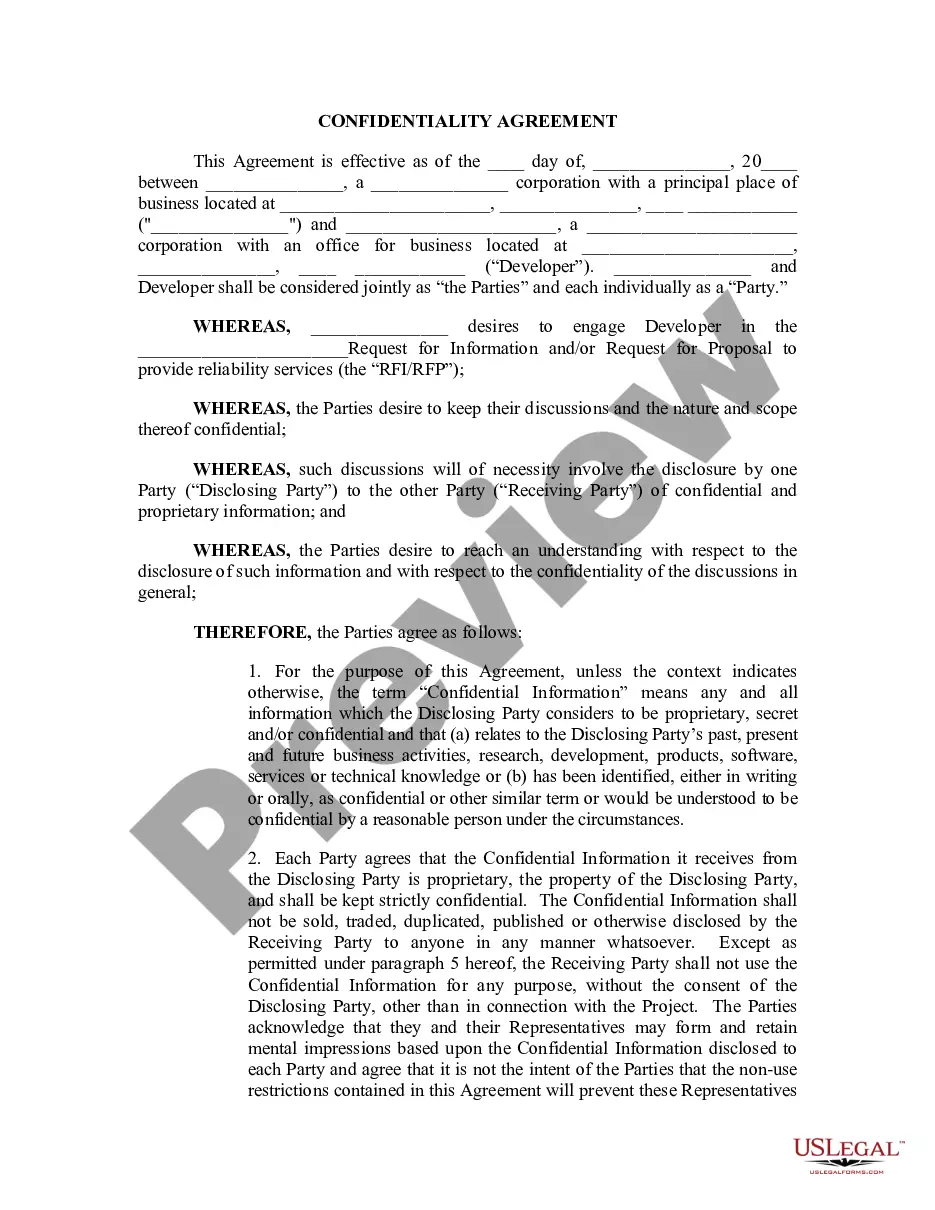
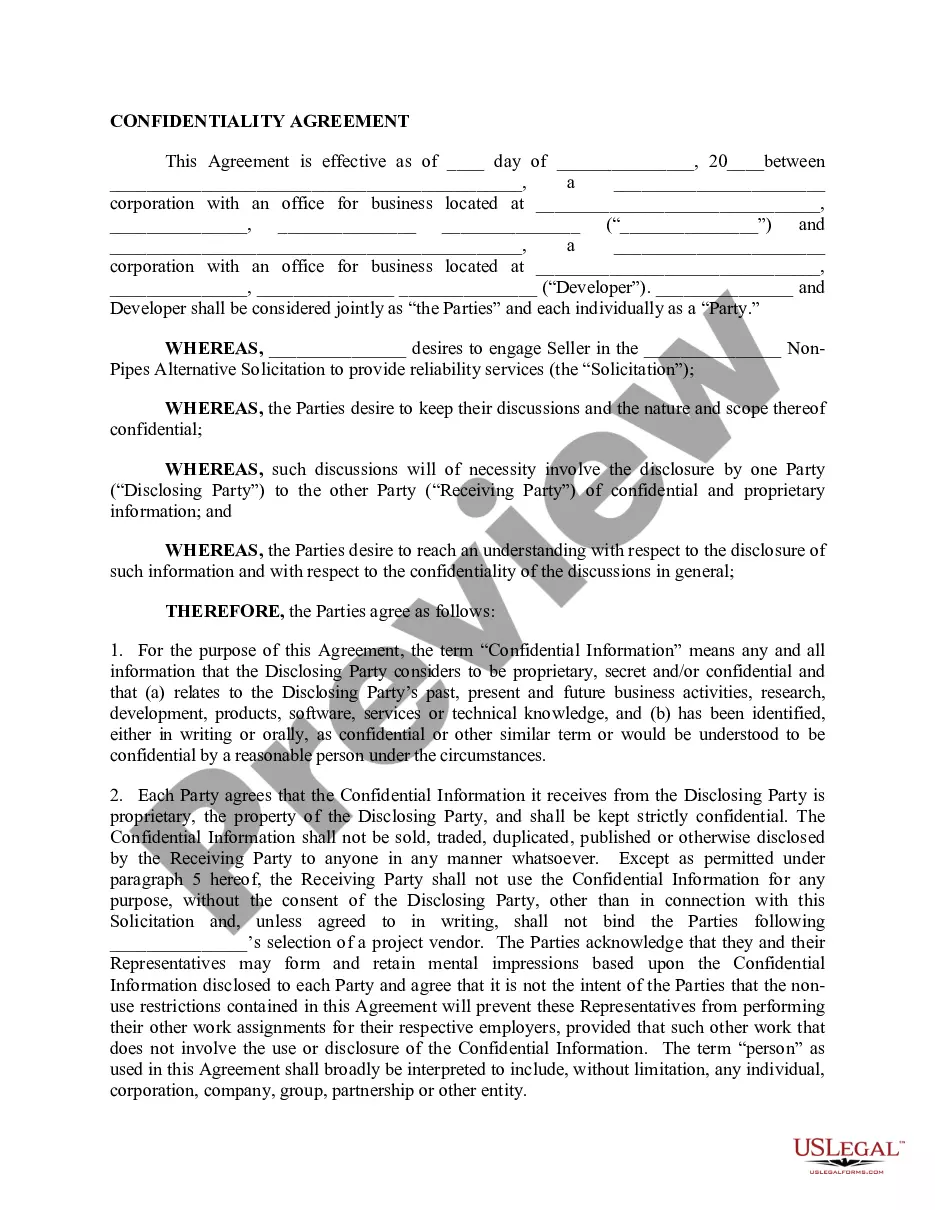
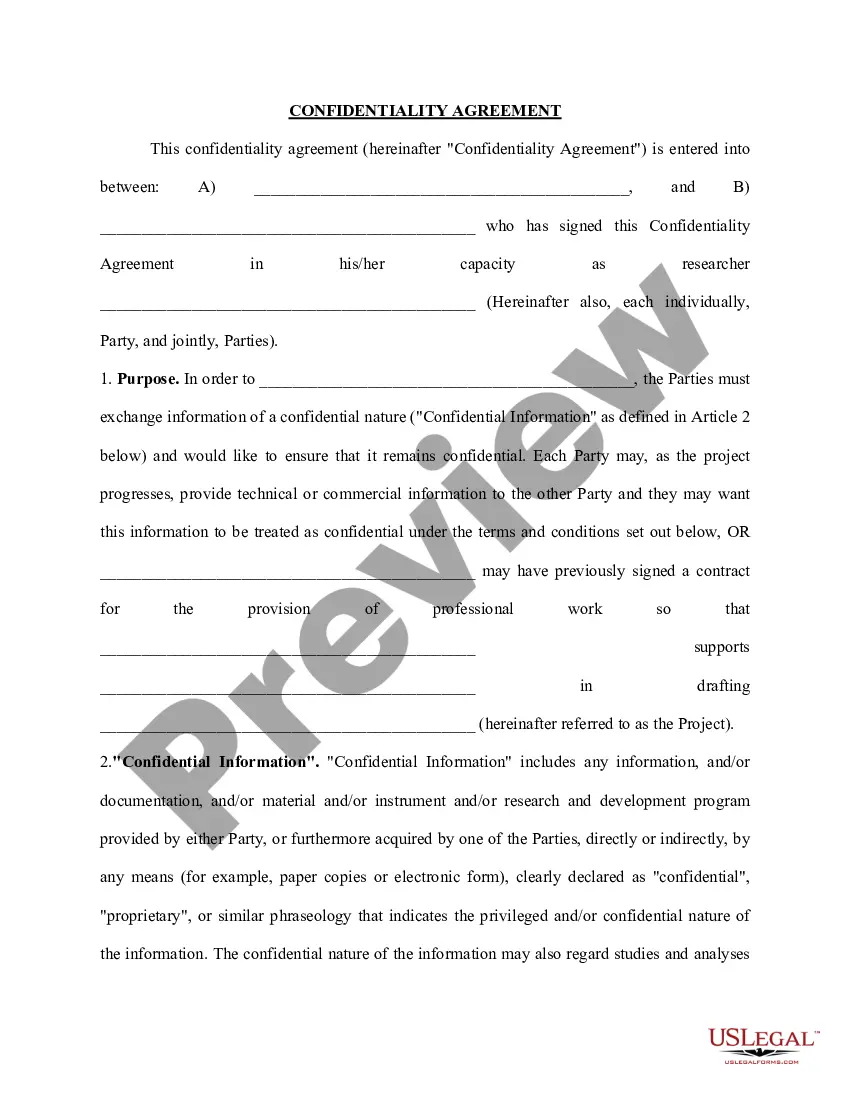
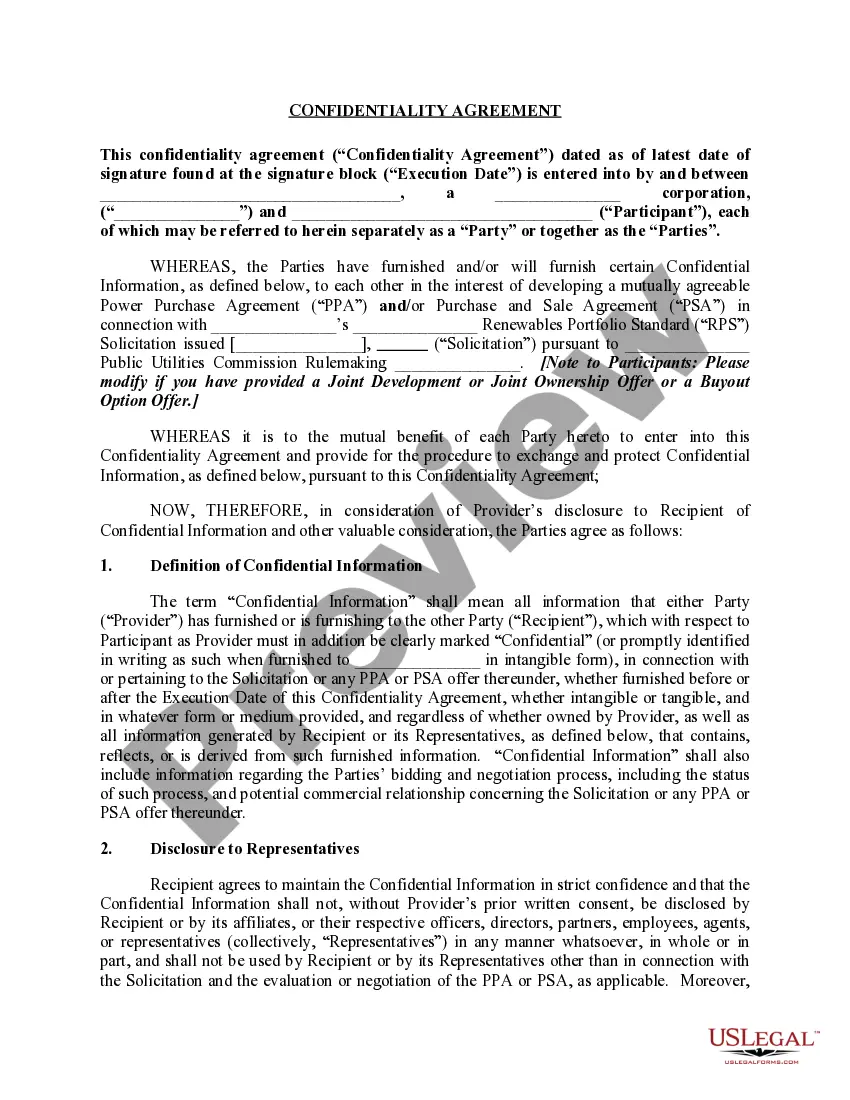
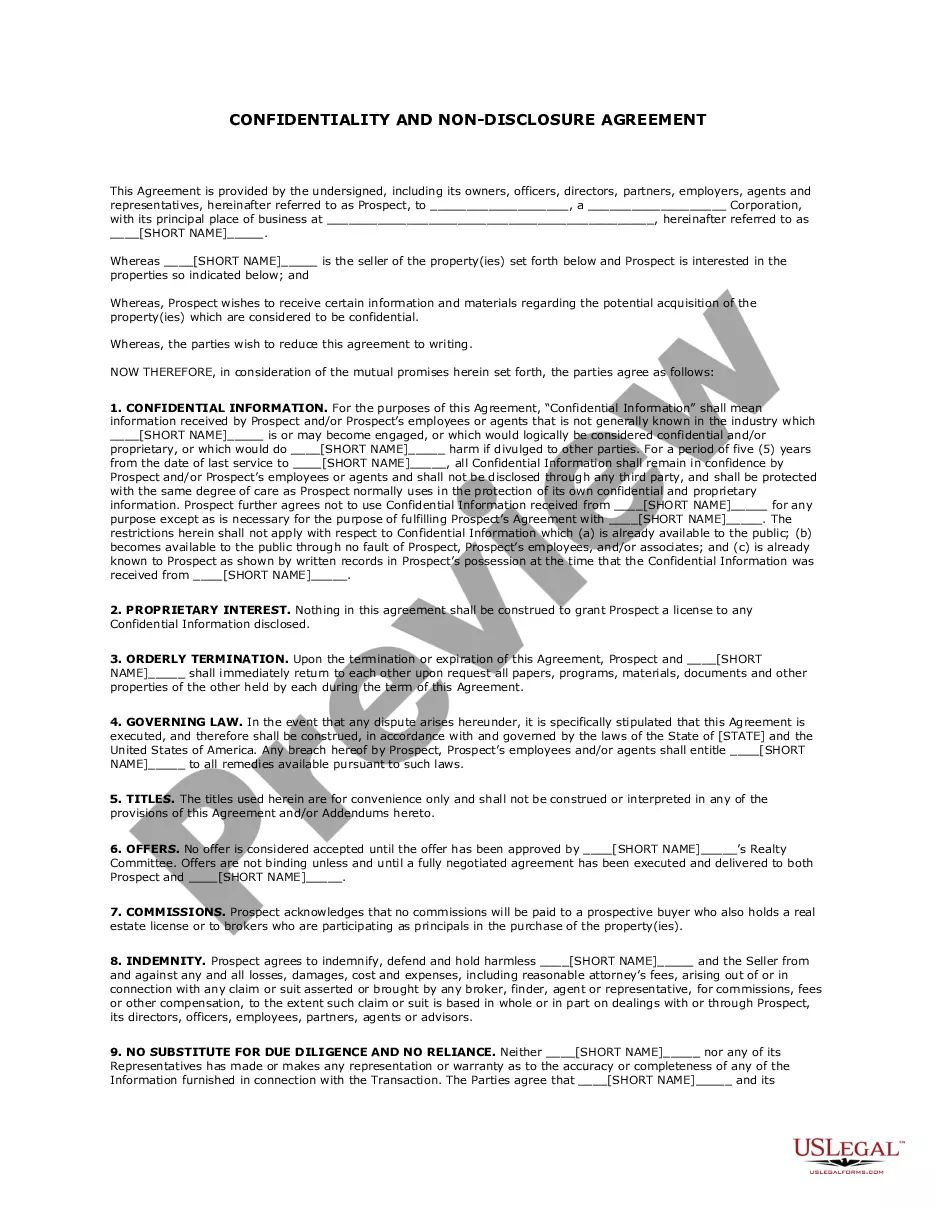
The Confidentiality Agreement for Power Companies providing Distributed Generation System is a legal document that establishes a confidential relationship between a customer and the power company. It specifically protects the proprietary information shared in the context of installing and connecting a distributed generation system, such as solar panels. This form is essential for safeguarding sensitive details about the payment schedules and services related to distributed generation, differentiating it from general confidentiality agreements by focusing on the energy sector and specific project requirements.
What’s included in this form
- Identification of the parties involved in the agreement.
- Definitions of the confidential information referred to as "Information."
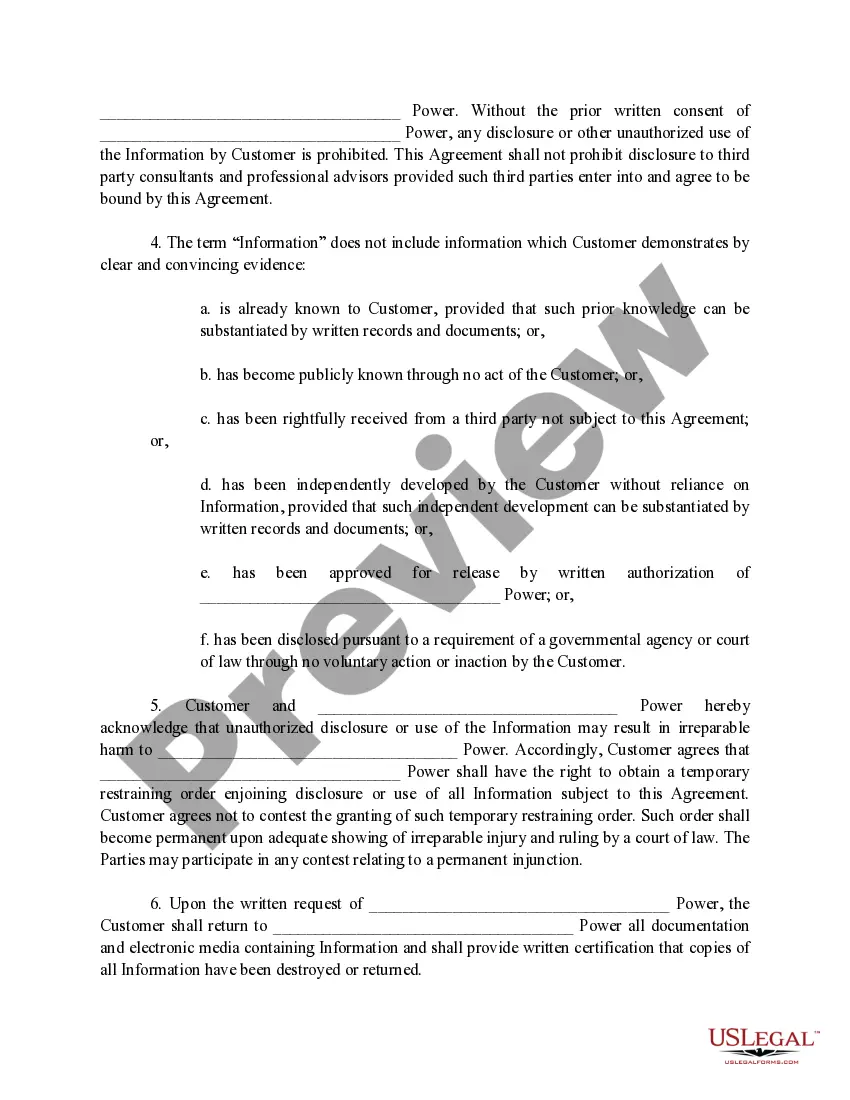
- Restrictions on the use and disclosure of the Information.
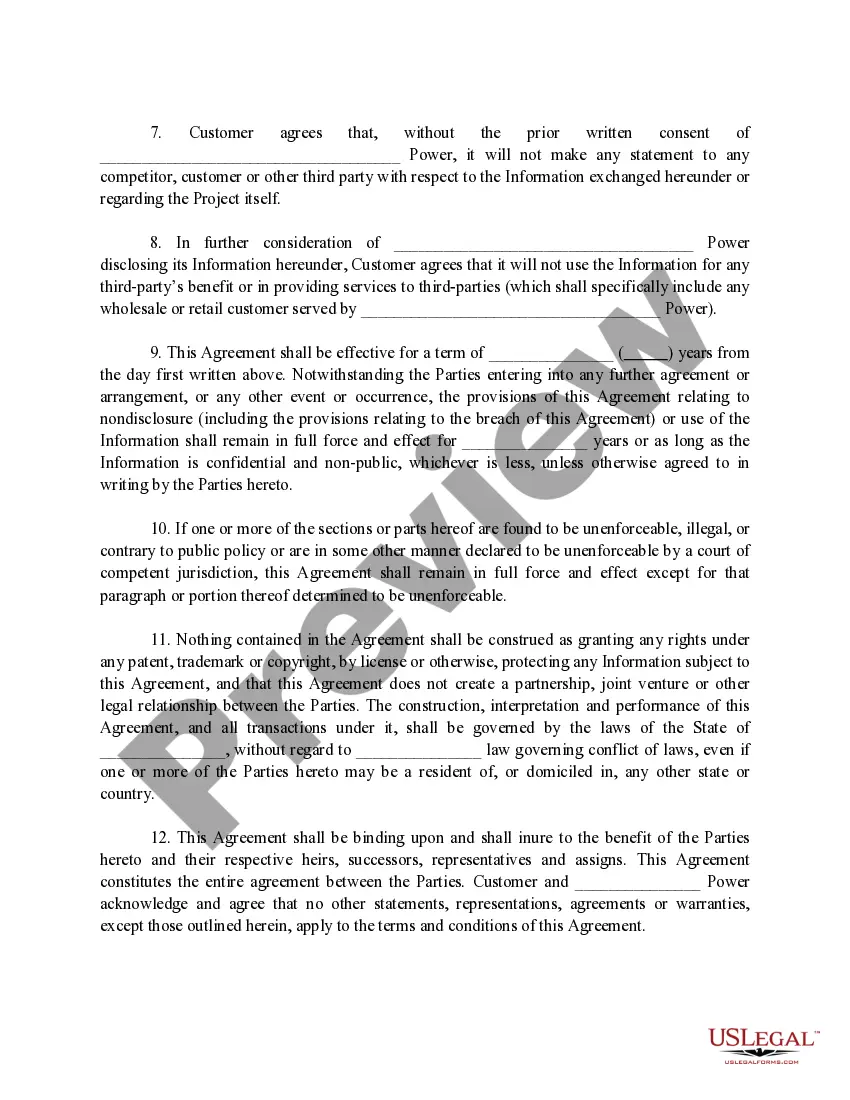
- Conditions for returning or destroying the Information upon request.
- Legal remedies available for unauthorized disclosure.
- Governing law and jurisdiction details relevant to the agreement.
When to use this form
This form should be used when a customer intends to interconnect their distributed generation system with a power company and requires access to sensitive information regarding payment schedules and service agreements. It is crucial in scenarios where proprietary information will be shared, ensuring that both parties are legally protected against unauthorized use or disclosure.
Who should use this form
- Customers looking to install solar panels or other distributed generation systems.
- Power companies that provide distributed generation services.
- Consultants or advisors involved in the project who may need access to confidential information.
Steps to complete this form
- Identify and enter the names of the customer and power company as parties in the agreement.
- Specify the date of the agreement clearly in the provided spaces.
- Detail the confidential information being shared and how it will be protected.
- Include terms regarding the return or destruction of the Information when requested.
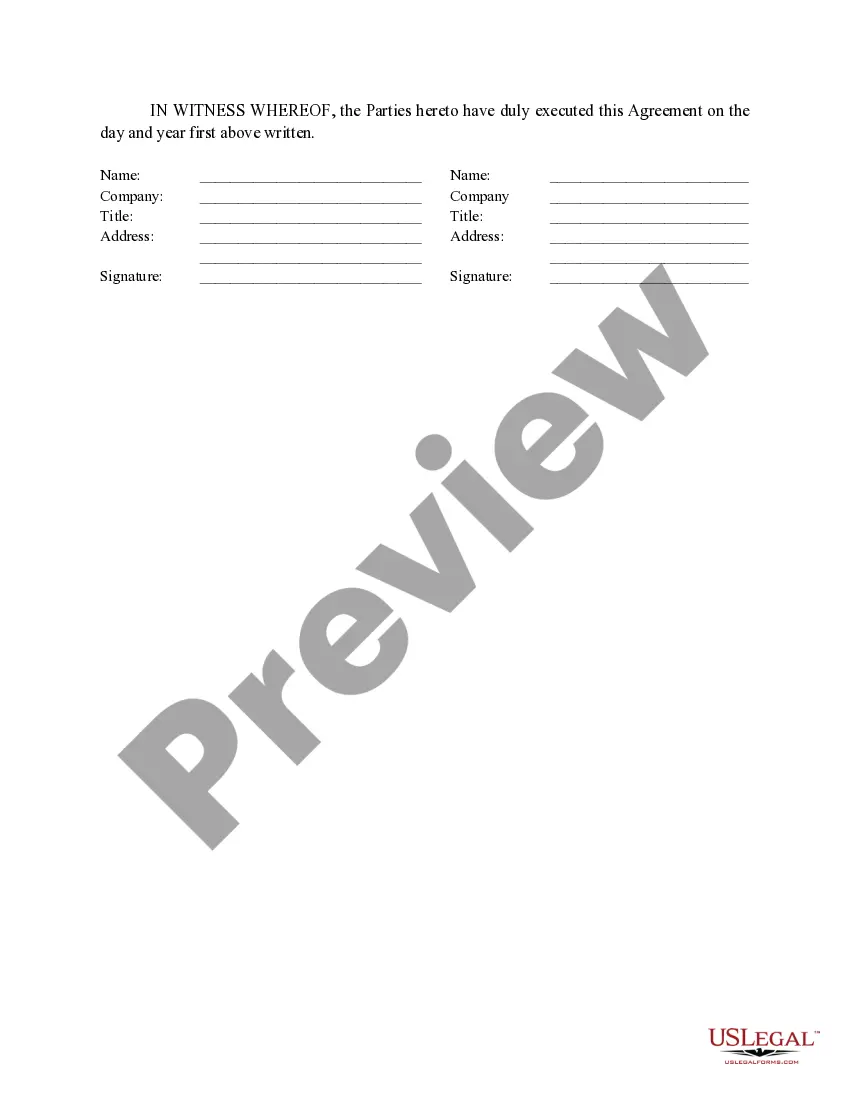
- Ensure that both parties sign the agreement in the designated areas.
Does this form need to be notarized?
This form does not typically require notarization unless specified by local law. However, having the signatures notarized can provide an extra level of verification and legal validation.
Get your form ready online
Our built-in tools help you complete, sign, share, and store your documents in one place.
Make edits, fill in missing information, and update formatting in US Legal Forms—just like you would in MS Word.
Download a copy, print it, send it by email, or mail it via USPS—whatever works best for your next step.
Sign and collect signatures with our SignNow integration. Send to multiple recipients, set reminders, and more. Go Premium to unlock E-Sign.
If this form requires notarization, complete it online through a secure video call—no need to meet a notary in person or wait for an appointment.
We protect your documents and personal data by following strict security and privacy standards.

Make edits, fill in missing information, and update formatting in US Legal Forms—just like you would in MS Word.

Download a copy, print it, send it by email, or mail it via USPS—whatever works best for your next step.

Sign and collect signatures with our SignNow integration. Send to multiple recipients, set reminders, and more. Go Premium to unlock E-Sign.

If this form requires notarization, complete it online through a secure video call—no need to meet a notary in person or wait for an appointment.

We protect your documents and personal data by following strict security and privacy standards.
Typical mistakes to avoid
- Failing to clearly define what constitutes confidential information.
- Not signing the document, which renders it unenforceable.
- Overlooking the need to return or destroy Information upon request.
Advantages of online completion
- Convenient access to a professionally drafted form.
- Ability to easily edit the template to suit specific needs.
- Reliable legal coverage through standardized language crafted by licensed attorneys.
Looking for another form?
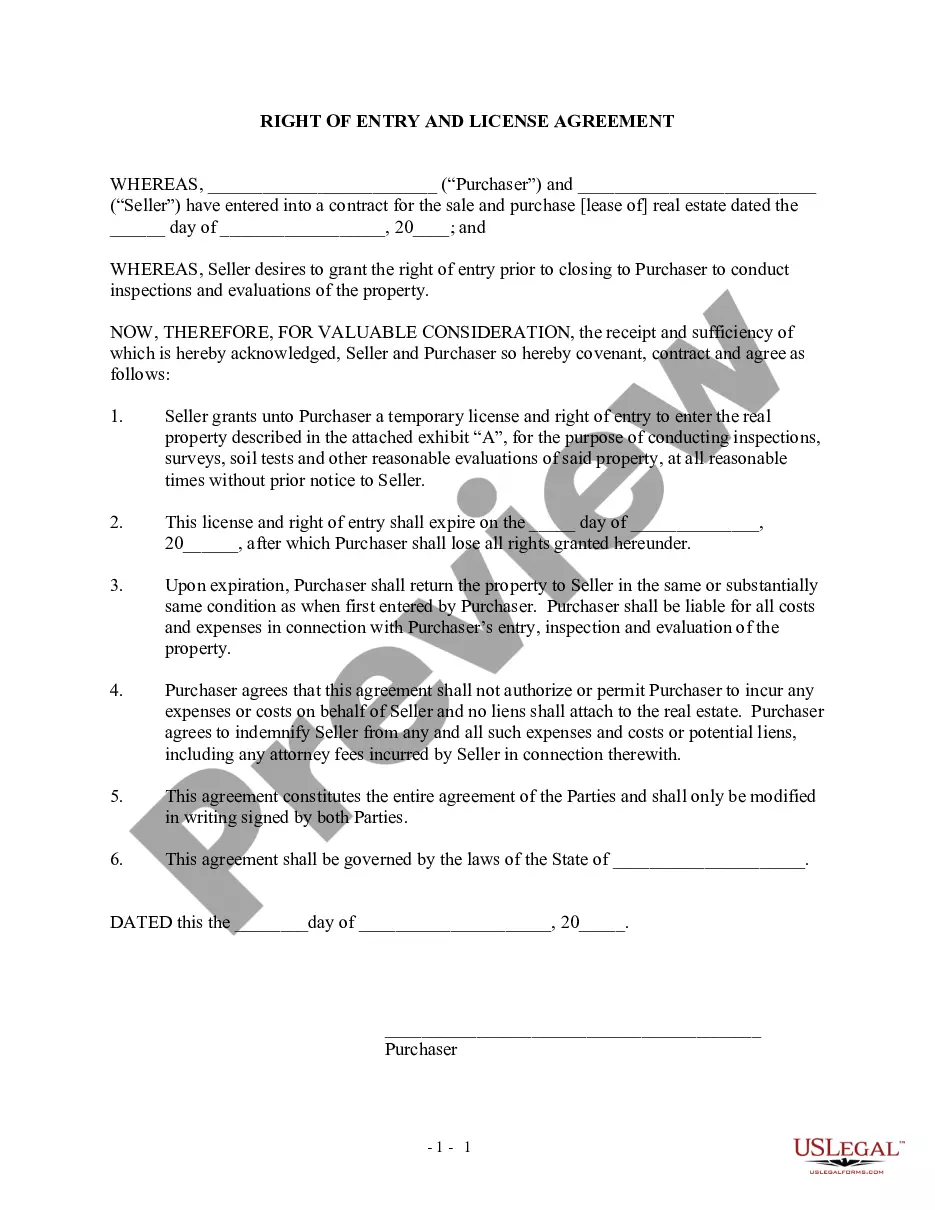

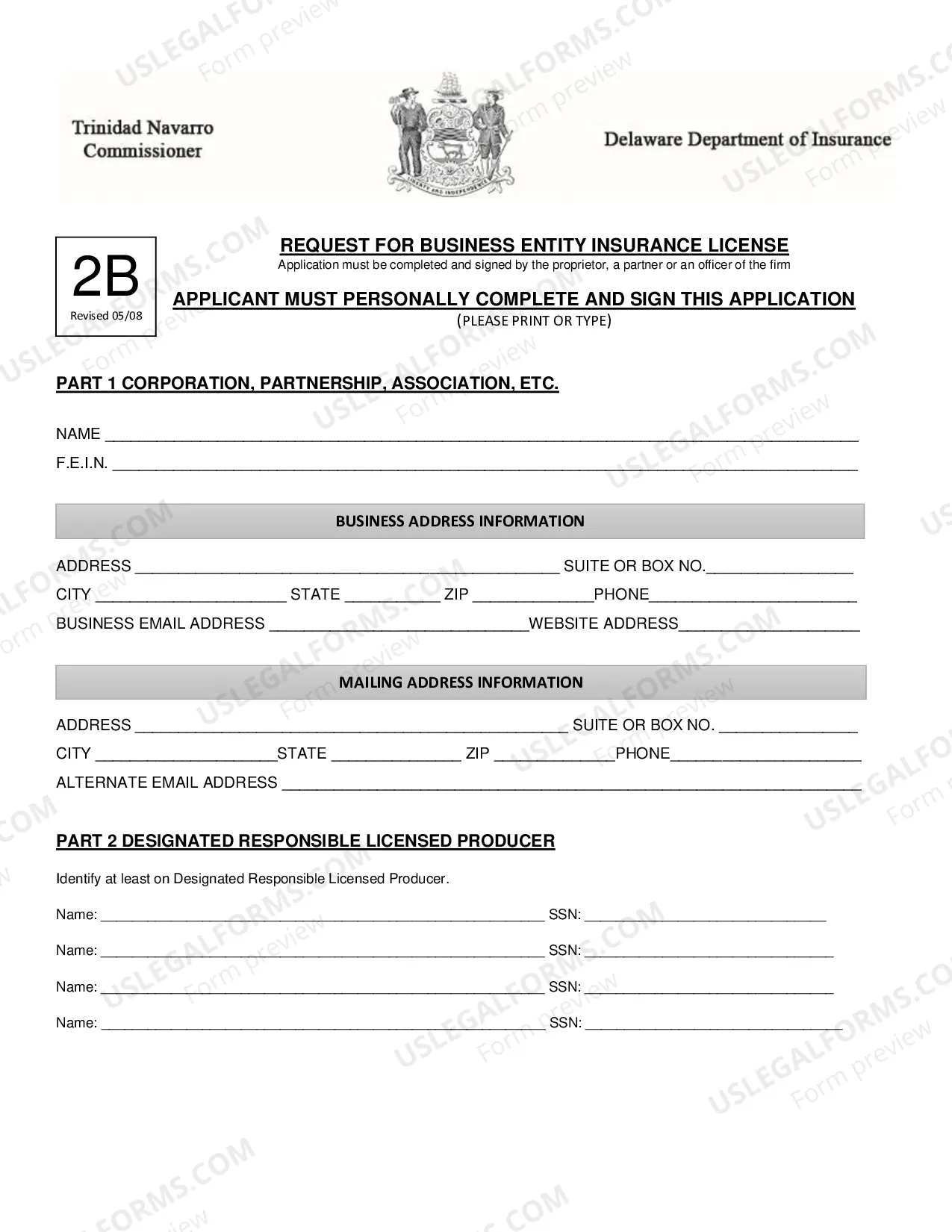
Form popularity
FAQ
The key elements of confidentiality agreements are: Identification of the parties. Definition of what is defined to be confidential. The scope of the confidentiality obligation by the receiving party. The exclusions from confidential treatment. The term of the agreement.
A typical confidentiality clause might say, "The phrases and circumstances of this Agreement are completely confidential between the parties and shall not be disclosed to anybody else. Any disclosure in violation shall be deemed a breach of this Agreement."
The agreement should identify the purpose to which the recipient can put the confidential information. All other uses of the confidential information should be prohibited. Sometimes a confidentiality agreement states that no rights are licensed by the confidentiality agreement. This is stating the obvious.
Identification of the parties. Definition of what is deemed to be confidential. The scope of the confidentiality obligation by the receiving party. The exclusions from confidential treatment.
When is a confidentiality agreement needed? A range of commercial transactions and relationships involve either the disclosure of confidential information by one party to the other or a reciprocal exchange of information. In both cases, the parties should have a confidentiality agreement in place.
Describe what the other party is agreeing to. Exercising reasonable precautions against disclosure of the information. Not disclosing Confidential Information without the written consent of the Disclosing Party. Using the information only for business purposes, and only on a ?need to know? basis.
Here is a common example: CONFIDENTIALITY NOTICE: This message and any accompanying documents contain information belonging to the sender which may be confidential and legally privileged. This information is only for the use of the individual or entity to which it was intended.