Agent or Independent Contractor
What is this form?
The Agent or Independent Contractor form serves as a legal agreement between a principal and an independent contractor or agent. This document outlines the terms of the working relationship, responsibilities, and expectations for both parties. Utilizing this form helps clarify the nature of the relationship, ensuring that both the principal and the independent contractor understand their rights and obligations, mitigating potential conflicts in the future.
Key parts of this document
- Identification of the principal and the agent or contractor.
- Clear definitions of roles and duties for both parties.
- Duration of the agreement and terms for termination.
- Compensation details and payment schedule.
- Confidentiality requirements and non-disclosure agreements.
- Indemnification and liability clauses.


Common use cases
This form should be used when a business or individual hires an independent contractor or agent to perform specific tasks or services. It is particularly useful when there is a need to define the working relationship formally, such as in cases involving freelance work, consulting agreements, or sales representation. Using this form helps protect both parties by outlining expectations and preventing miscommunication.
Intended users of this form
This form is intended for:
- Business owners hiring independent contractors for specific projects.
- Individuals seeking to work as independent contractors or agents.
- Freelancers looking to formalize their work agreements with clients.
- Companies requiring clarity in roles and responsibilities within contractual relationships.
Instructions for completing this form
- Identify the parties involved by entering the names and contact details of the principal and the agent or independent contractor.
- Clearly define the scope of work, including detailed descriptions of tasks and expectations.
- Specify the duration of the agreement, including start and end dates, as well as conditions for termination.
- Outline compensation terms, detailing how and when payments will be made for services rendered.
- Include confidentiality clauses to protect sensitive information shared during the engagement.
Is notarization required?
Notarization is not commonly needed for this form. However, certain documents or local rules may make it necessary. Our notarization service, powered by Notarize, allows you to finalize it securely online anytime, day or night.
Get your form ready online
Our built-in tools help you complete, sign, share, and store your documents in one place.
Make edits, fill in missing information, and update formatting in US Legal Forms—just like you would in MS Word.
Download a copy, print it, send it by email, or mail it via USPS—whatever works best for your next step.
Sign and collect signatures with our SignNow integration. Send to multiple recipients, set reminders, and more. Go Premium to unlock E-Sign.
If this form requires notarization, complete it online through a secure video call—no need to meet a notary in person or wait for an appointment.
We protect your documents and personal data by following strict security and privacy standards.

Make edits, fill in missing information, and update formatting in US Legal Forms—just like you would in MS Word.

Download a copy, print it, send it by email, or mail it via USPS—whatever works best for your next step.

Sign and collect signatures with our SignNow integration. Send to multiple recipients, set reminders, and more. Go Premium to unlock E-Sign.

If this form requires notarization, complete it online through a secure video call—no need to meet a notary in person or wait for an appointment.

We protect your documents and personal data by following strict security and privacy standards.
Common mistakes
- Failing to clearly define the scope of work, which can lead to misunderstandings.
- Neglecting to specify payment terms, causing disputes over compensation.
- Omitting important clauses related to confidentiality or liability.
Benefits of using this form online
- Convenience of completing the form at any time, reducing the need for in-person meetings.
- Editability allows you to customize the agreement to fit your specific needs.
- Accessibility to legal templates drafted by licensed attorneys ensures accuracy and compliance.
Looking for another form?


Form popularity
FAQ
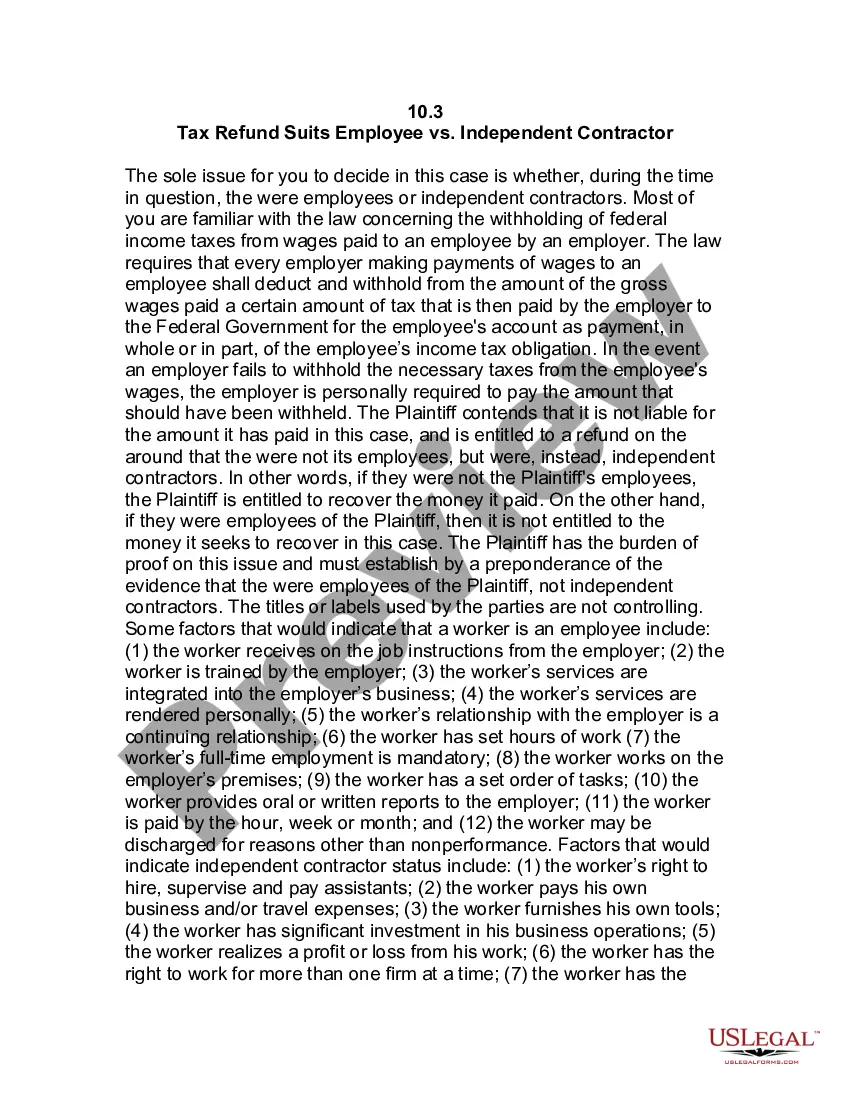
For the employee, the company withholds income tax, Social Security, and Medicare from wages paid. For the independent contractor, the company does not withhold taxes. Employment and labor laws also do not apply to independent contractors.
A person who is hired for a wage, salary, fee or payment to perform work for an employer. In agency law the employee is called an agent and the employer is called the principal.
Advantages of being an independent contractor over being an employee include more control since you're your own boss. You might earn more as an independent contractor, and the tax benefits can include deducting your business expenses. The drawbacks to being an independent contractor include more responsibility.
In the real estate industry in the United States, real estate agents, while under the supervision of real estate brokers, are not generally considered employees unless this employer/employee has been expressly stated. Instead, in most cases, real estate agents are considered independent contractors.
Non-Employee means a consultant, adviser, service provider, Controlling Shareholder or any other person who is not an Employee.
An "agent" is an entity that acts on behalf of an employer (the agent's client) to handle the employer's Unemployment Insurance (UI) obligations.
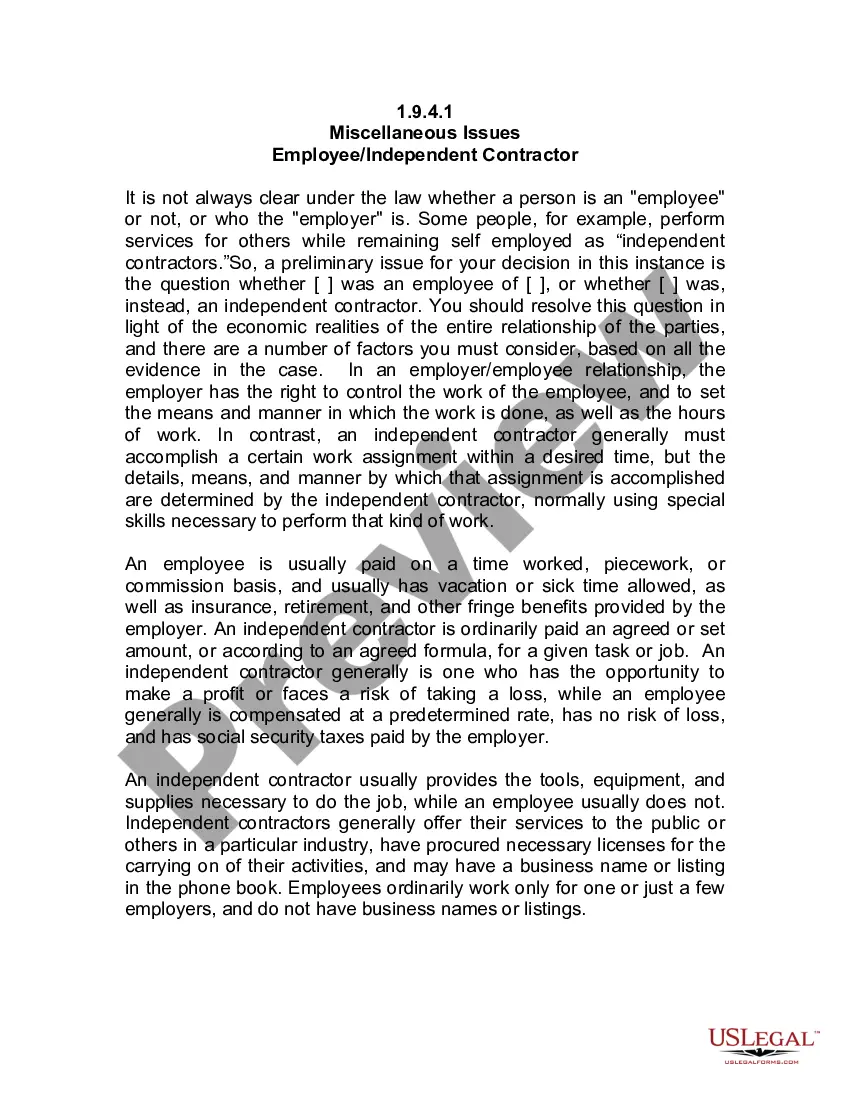
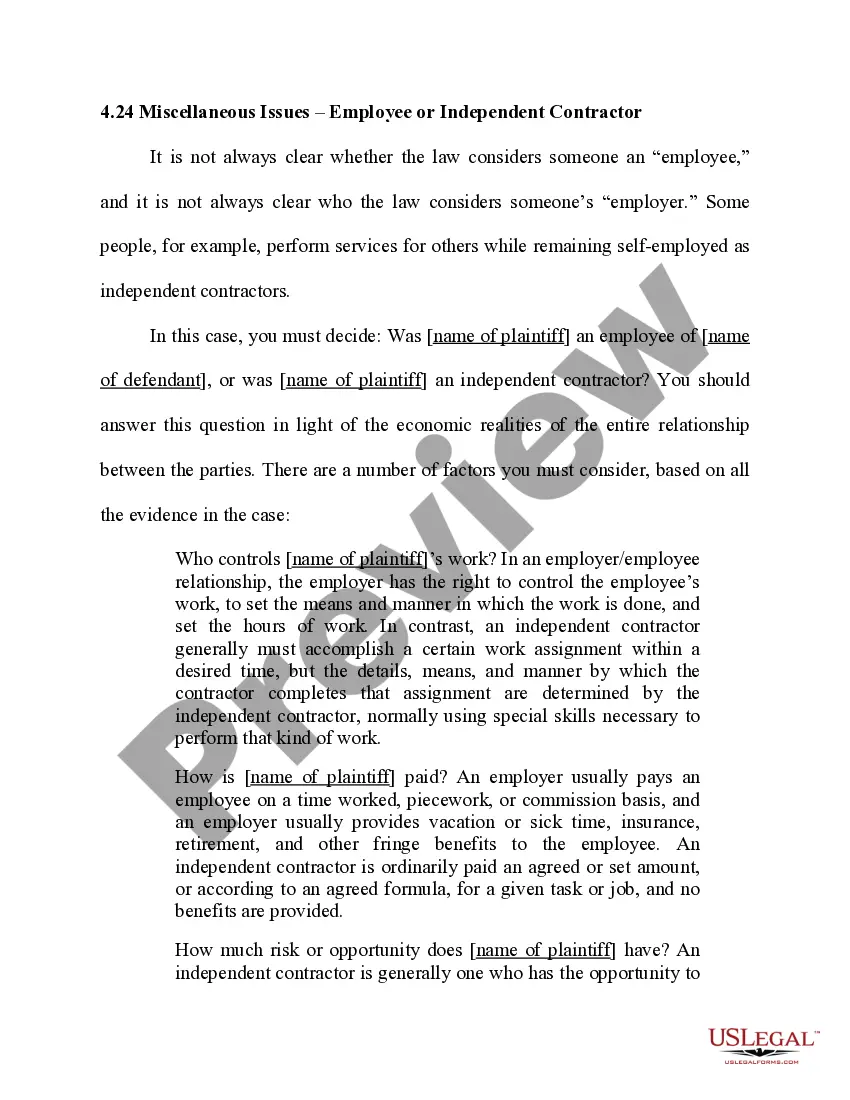
It is not clear-cut when determining whether someone is an independent contractor or agent. An independent contractor has almost absolute discretion whereas an agent is controlled by the principal.
All employees are agents, but not all agents are employees. There are two essential characteristics that distinguish employees from agents. First, an employee must be a human being as compared to artificial or electronic agent. Second, an employer has more control over an employee than over an agent.