Sample Letter for Delinquent Account
What is this form?
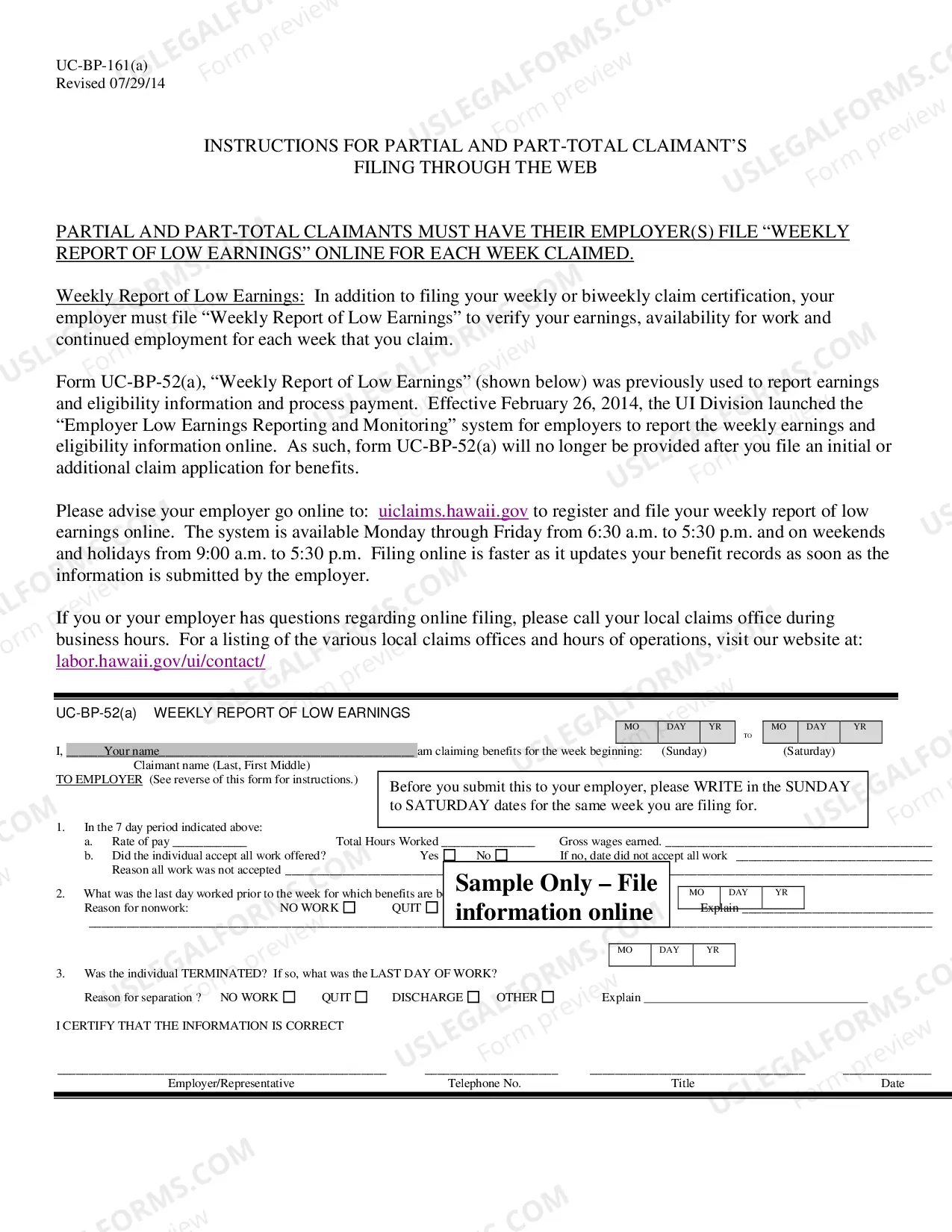
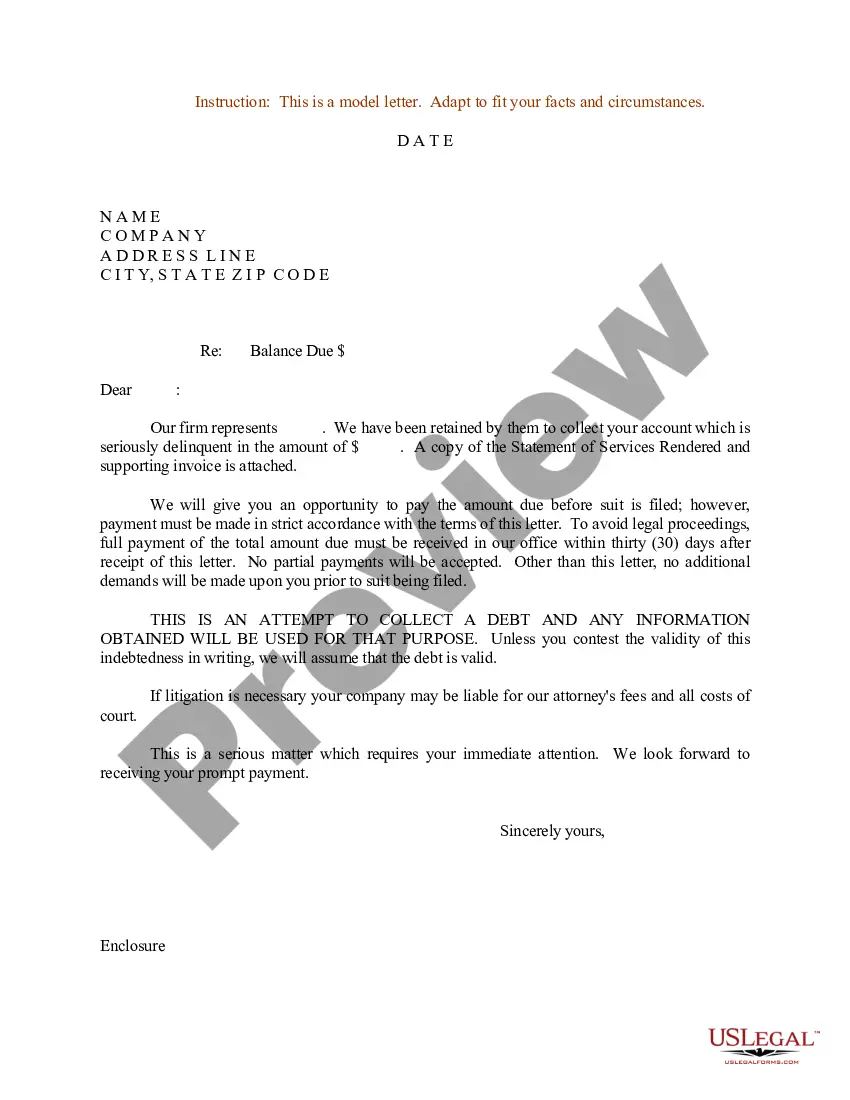
The Sample Letter for Delinquent Account is a formal document used to notify a debtor about an outstanding balance. This letter serves as an official communication attempt to collect a debt, outlining the amount due and the potential consequences of non-payment. Unlike other letter templates, this specific letter is designed to meet the requirements of standard debt collection practices, making it a valuable resource for businesses managing overdue accounts.
Main sections of this form
- Date of the letter
- Debtor's name and address
- Statement acknowledging the attempt to collect a debt
- Notice regarding the assumption of validity of the debt
- Deadline for payment and consequences of inaction
- Sender's name and signature line
When to use this document
This form should be used when a business or an individual wishes to formally request payment for an overdue account. It is suitable in scenarios such as following up on unpaid invoices, addressing outstanding debts after previous reminders, or initiating formal collection processes before considering legal action. Using this letter helps establish a record of communication regarding the debt.
Who can use this document
Individuals or entities involved in debt collection can utilize this form, including:
- Businesses with customers who have unpaid invoices
- Freelancers or independent contractors seeking payment
- Collection agencies handling third-party debts
- Individuals who wish to collect personal debts
How to prepare this document
- Fill in the date at the top of the letter.
- Insert the debtor's name and complete address.
- Clearly state the amount owed and specify it as a debt collection attempt.
- Request payment within thirty days of receipt of the letter.
- Sign the letter, including your name and any relevant title or position.
Is notarization required?
This form does not typically require notarization unless specified by local law. It is important to check your stateâs requirements regarding formal collection letters.
Get your form ready online
Our built-in tools help you complete, sign, share, and store your documents in one place.
Make edits, fill in missing information, and update formatting in US Legal Forms—just like you would in MS Word.
Download a copy, print it, send it by email, or mail it via USPS—whatever works best for your next step.
Sign and collect signatures with our SignNow integration. Send to multiple recipients, set reminders, and more. Go Premium to unlock E-Sign.
If this form requires notarization, complete it online through a secure video call—no need to meet a notary in person or wait for an appointment.
We protect your documents and personal data by following strict security and privacy standards.

Make edits, fill in missing information, and update formatting in US Legal Forms—just like you would in MS Word.

Download a copy, print it, send it by email, or mail it via USPS—whatever works best for your next step.

Sign and collect signatures with our SignNow integration. Send to multiple recipients, set reminders, and more. Go Premium to unlock E-Sign.

If this form requires notarization, complete it online through a secure video call—no need to meet a notary in person or wait for an appointment.

We protect your documents and personal data by following strict security and privacy standards.
Typical mistakes to avoid
- Failing to include all necessary contact information for the sender.
- Not specifying a clear deadline for payment.
- Using vague language that may confuse the debtor.
- Overlooking compliance with state-specific collection laws.
- Not keeping a copy of the letter for your records.
Why complete this form online
- Easy to download and customize for your specific situation.
- Accessible at any time, allowing you to address overdue accounts quickly.
- Ensures you follow a standardized format, increasing the effectiveness of your communication.
- Saves time compared to creating a letter from scratch.
Legal use & context
- This letter serves as formal communication that may be used as evidence of debt notification.
- Proper use of this form can enhance the possibility of collecting debts while maintaining professionalism.
- Failure to follow correct debt collection laws may result in legal repercussions for the sender.
What to keep in mind
- The Sample Letter for Delinquent Account is useful for formally notifying debtors.
- Key components include the debt amount, consequences of non-payment, and a proper signature.
- Using a professionally drafted letter can enhance the likelihood of payment.
Looking for another form?

Form popularity
FAQ
Most companies use a series of letters in three stages: gentle reminders, advanced reminders, and urgent reminders.
Mention of previous attempts to collect including any statements, emails, and letters you have sent. Invoice number and amount. Original invoice due date. Current days past due. Instructions- what they need to do next.
Reference the products or services that were purchased. Make it very clear what you did for your client and how much it costs. Maintain a friendly but firm tone. Remind the payee of their contract or agreement with you. Offer multiple ways the payee can take action. Add a personal touch. Give them a new deadline.
The debt dispute letter should include your personal identifying information; verification of the amount of debt owed; the name of the creditor for the debt; and a request that the debt not be reported to credit reporting agencies until the matter is resolved or have it removed from the report, if it already has been
Your company name and address. recipient's name and address. today's date. a clear reference and/or any account reference numbers. the amount outstanding. original payment due date. a brief explanation that no payment has been received.
Always use a formal and firm tone for the letter. Never use harsh language in your letter. Also, never harass your customers no matter how frustrated you get. Include the amount that the debtor owes as well as the payment due date.
Your company name and address. recipient's name and address. today's date. a clear reference and/or any account reference numbers. the amount outstanding. original payment due date. a brief explanation that no payment has been received.
The amount the debtor owes you. The initial due date of the payment. A new due date for the payment, whether ASAP or longer. Instructions on how to pay the debt.