Sample Letter for Delinquent Taxes
What is this form?
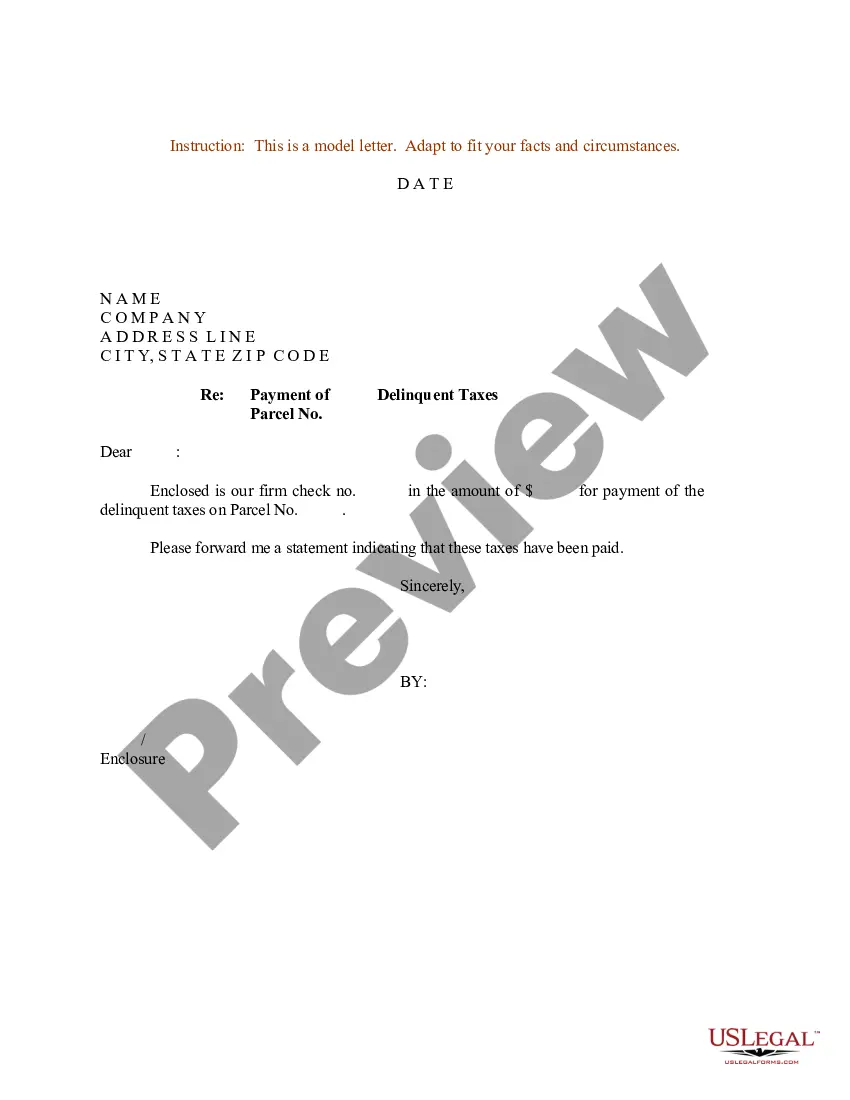
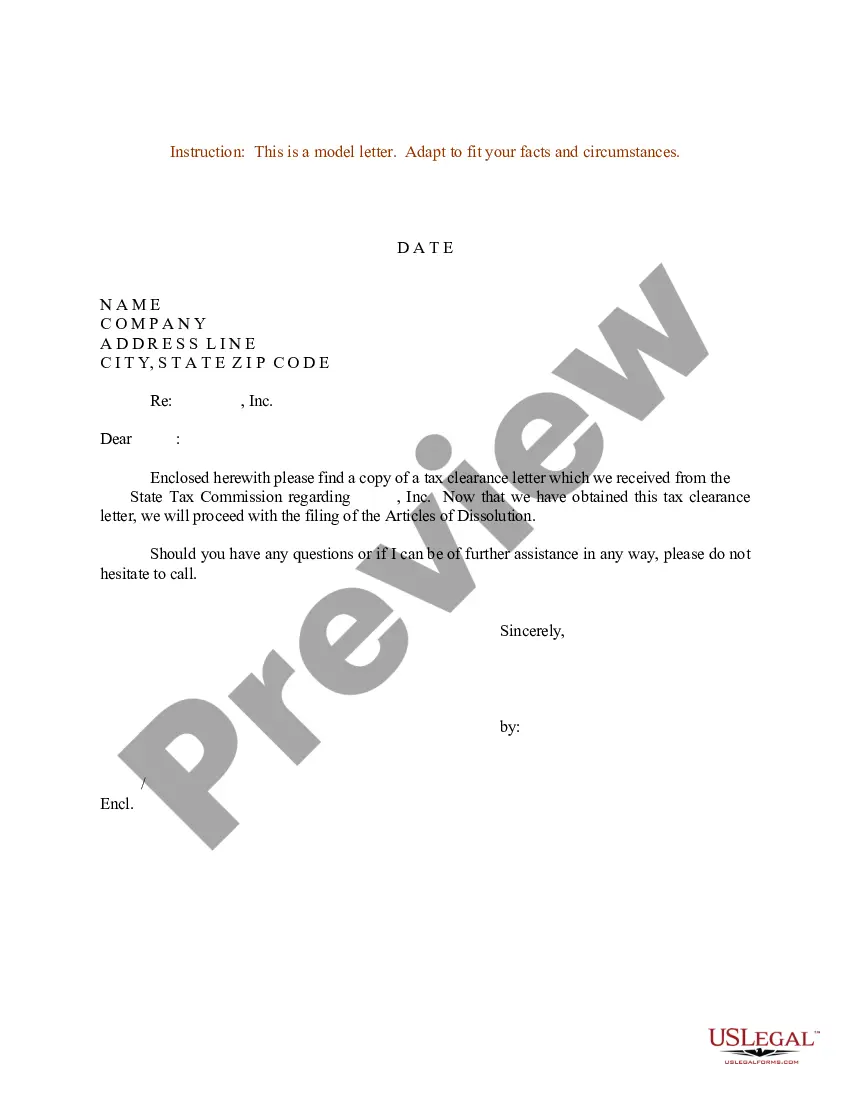
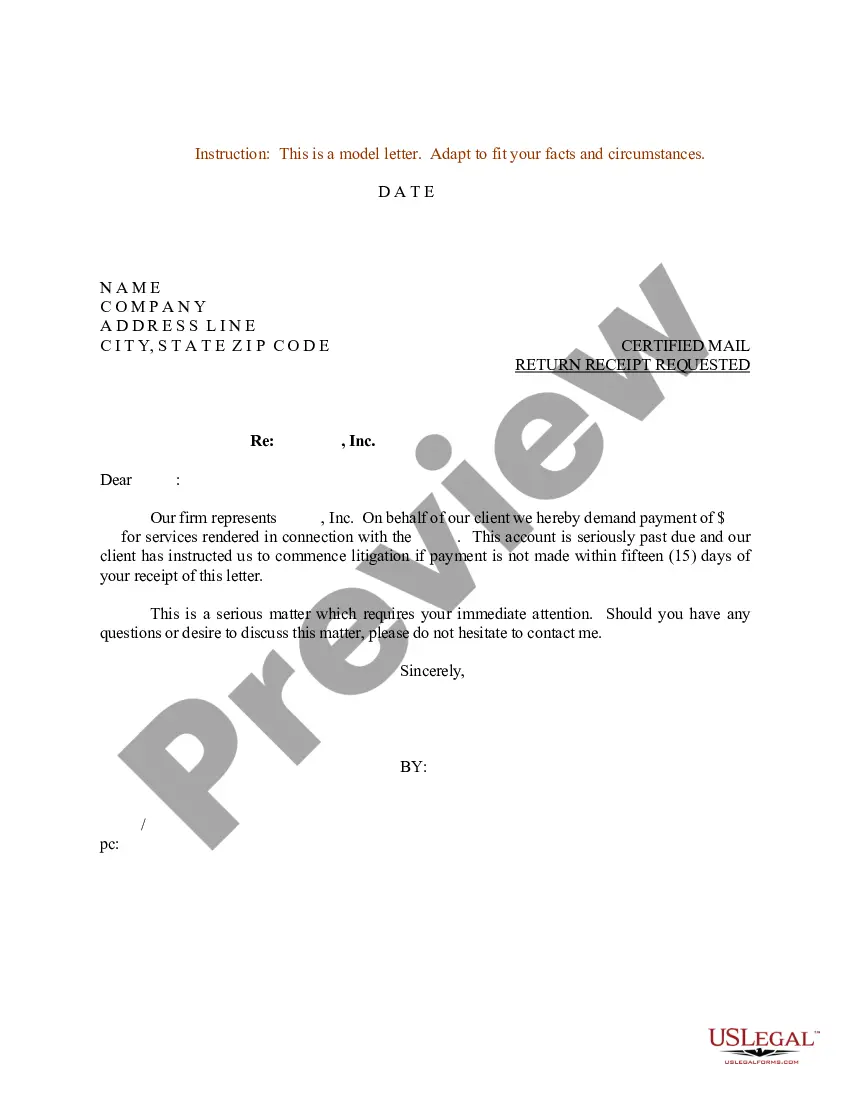
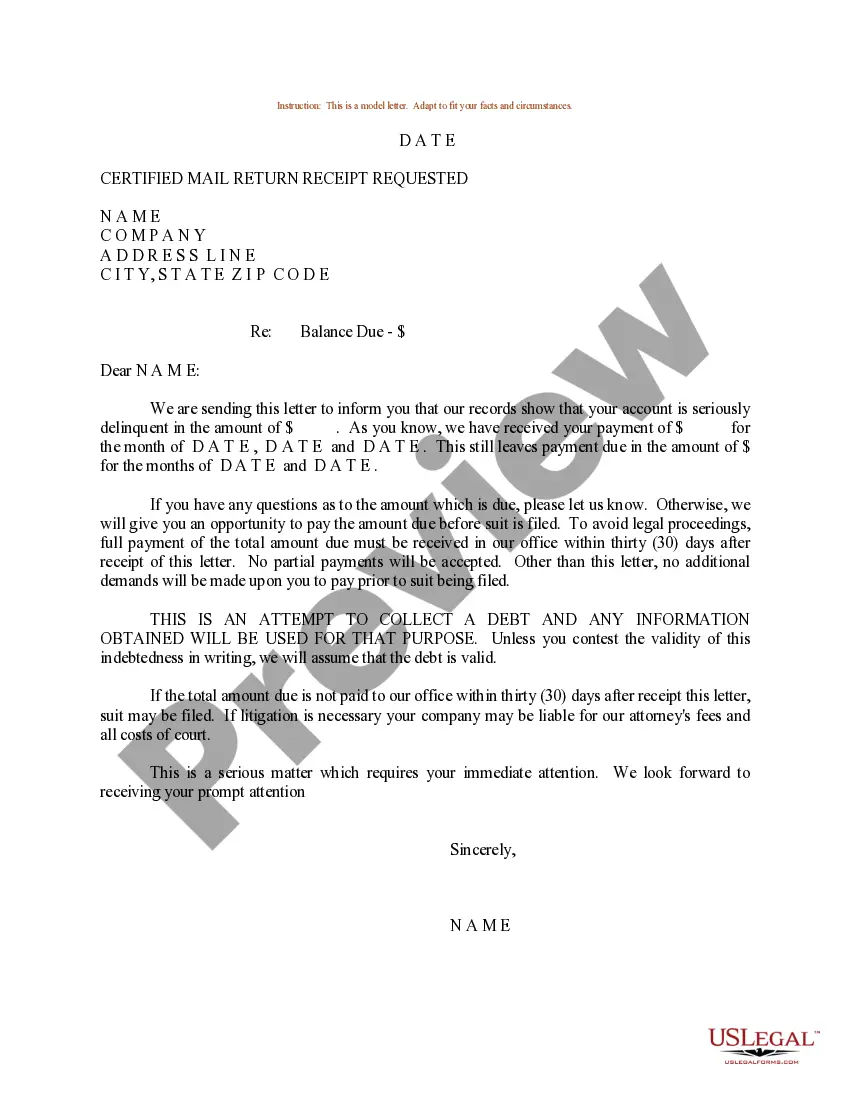
The Sample Letter for Delinquent Taxes is a template designed to assist individuals or businesses in formally notifying a debtor about their overdue tax payments. This letter serves as a reminder to address their tax obligations and encourages timely resolution. Unlike other tax-related forms, this template focuses specifically on communication, making it an essential tool for managing financial responsibilities effectively.
What’s included in this form
- Date of the letter.
- Recipient's name and contact information.
- Details of the delinquent taxes owed.
- A clear call to action for payment.
- Signatory information for the sender.
When to use this form
This form should be used when an individual or organization needs to formally address a tax debtor who has not paid their taxes. It is suitable for situations where prior reminders have been unsuccessful, or when a record of communication is necessary for further legal actions. Utilizing this letter helps establish a clear timeline of communication regarding overdue payments.
Who needs this form
The following individuals or entities should consider using this letter:
- Tax collectors seeking to communicate with delinquent taxpayers.
- Businesses wanting to remind clients of overdue tax payments.
- Individuals handling their own tax obligations who need a formal communication tool.
- Attorneys representing clients in tax-related matters.
Instructions for completing this form
Follow these steps to effectively complete the Sample Letter for Delinquent Taxes:
- Enter the date at the top of the letter.
- Fill in the recipientâs full name and address in the designated fields.
- Clearly state the amount of delinquent taxes owed.
- Include a brief message encouraging payment and outlining any consequences for continued non-payment.
- Sign the letter, indicating your position or relation to the case.
Does this form need to be notarized?
This form does not typically require notarization unless specified by local law. However, having a notarized document can add an extra layer of credibility if needed.
Get your form ready online
Our built-in tools help you complete, sign, share, and store your documents in one place.
Make edits, fill in missing information, and update formatting in US Legal Forms—just like you would in MS Word.
Download a copy, print it, send it by email, or mail it via USPS—whatever works best for your next step.
Sign and collect signatures with our SignNow integration. Send to multiple recipients, set reminders, and more. Go Premium to unlock E-Sign.
If this form requires notarization, complete it online through a secure video call—no need to meet a notary in person or wait for an appointment.
We protect your documents and personal data by following strict security and privacy standards.

Make edits, fill in missing information, and update formatting in US Legal Forms—just like you would in MS Word.

Download a copy, print it, send it by email, or mail it via USPS—whatever works best for your next step.

Sign and collect signatures with our SignNow integration. Send to multiple recipients, set reminders, and more. Go Premium to unlock E-Sign.

If this form requires notarization, complete it online through a secure video call—no need to meet a notary in person or wait for an appointment.

We protect your documents and personal data by following strict security and privacy standards.
Common mistakes to avoid
- Failing to include the correct date.
- Not addressing the recipient's name accurately.
- Omitting specific details about the taxes owed.
- Using unclear language that may confuse the recipient.
Advantages of online completion
- Convenience of accessing the template from home or office.
- Easy editing to tailor the letter to specific circumstances.
- Reliable format drafted by licensed attorneys to ensure legal soundness.
Legal use & context
- This letter serves as a formal notification, which may be necessary for further legal actions if the debt remains unpaid.
- Adhering to proper communication practices can help establish a record required for any potential legal proceedings.
Summary of main points
Key takeaways:
- The Sample Letter for Delinquent Taxes is essential for communicating unpaid tax matters.
- Ensure all details are accurate and clear to avoid misunderstandings.
- Use this online form to save time and gain access to professional assistance.
Looking for another form?

Form popularity
FAQ
The Sample Letter for Delinquent Taxes is a template for writing formal communications about overdue taxes. It prompts the recipient to address outstanding tax obligations and is tailored for individualized correspondence. Use it when previous reminders have gone unheeded or as a first formal notice to start a dialogue about the debt.
Include the date, the recipient's name, the sender's company name and address, and a concise content body that clearly states the delinquent taxes owed and what action is requested. These components help identify who is sending the notice, who is being addressed, and the specifics of the debt.
Tax professionals needing to communicate with clients about unpaid taxes; individuals who want to remind someone about tax obligations; and business owners notifying other businesses or clients about delinquent payments.
Use this form when an individual or business wishes to formally remind another party about overdue taxes. It is appropriate after previous reminders have not resolved the issue or as a first formal notice to start a dialogue about the outstanding debt.
Yes. The form is designed for individualized correspondence and is typically customizable to fit specific situations. You can tailor the content body and adjust the recipient details while keeping the core components (date, recipient name, sender details) intact.
It is specifically tailored for individualized correspondence and customizable to fit specific situations, whereas many other tax letters are more general. This template focuses on prompting a one-on-one response and can be adapted to fit the debtor’s unique circumstances.