Notice of Unsatisfactory Performance
What this document covers
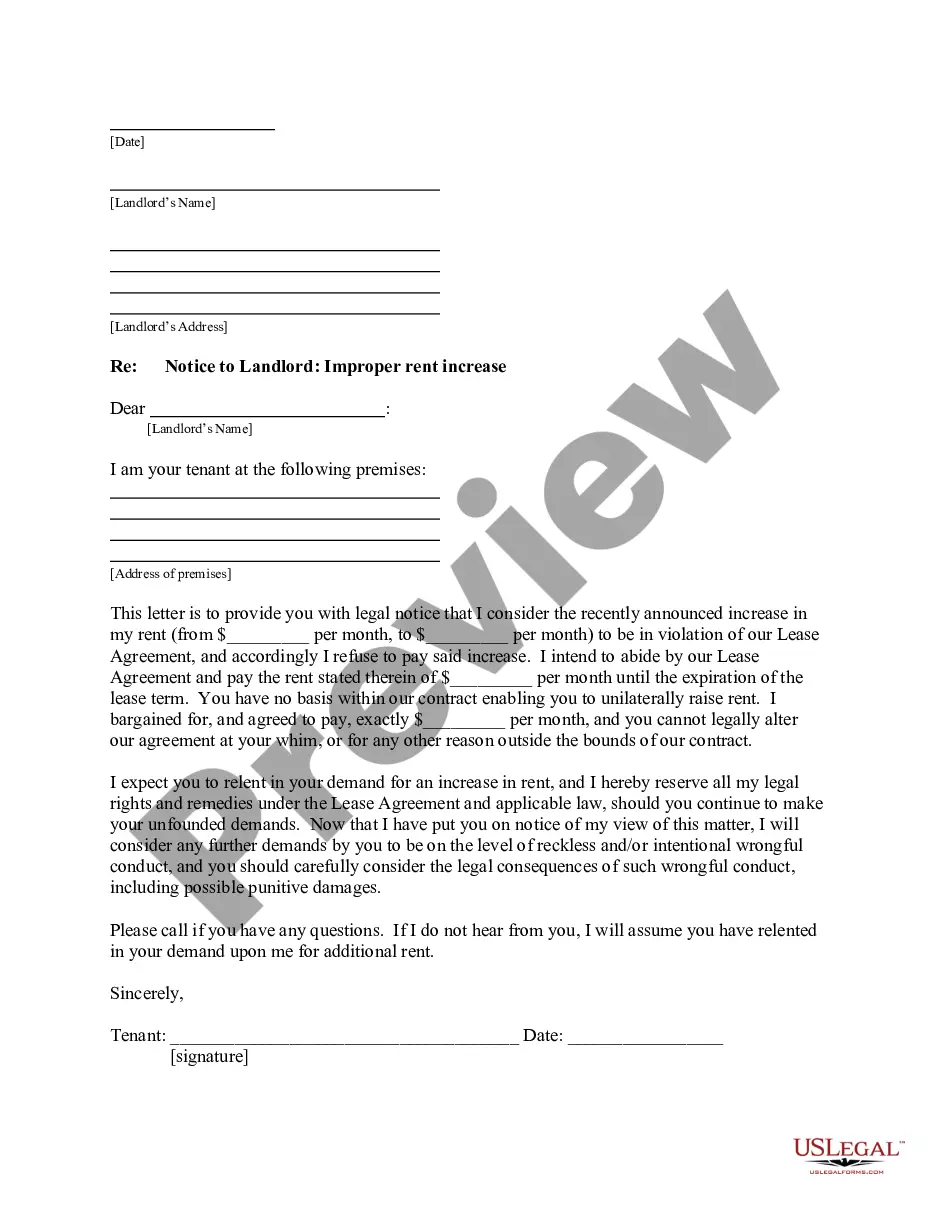
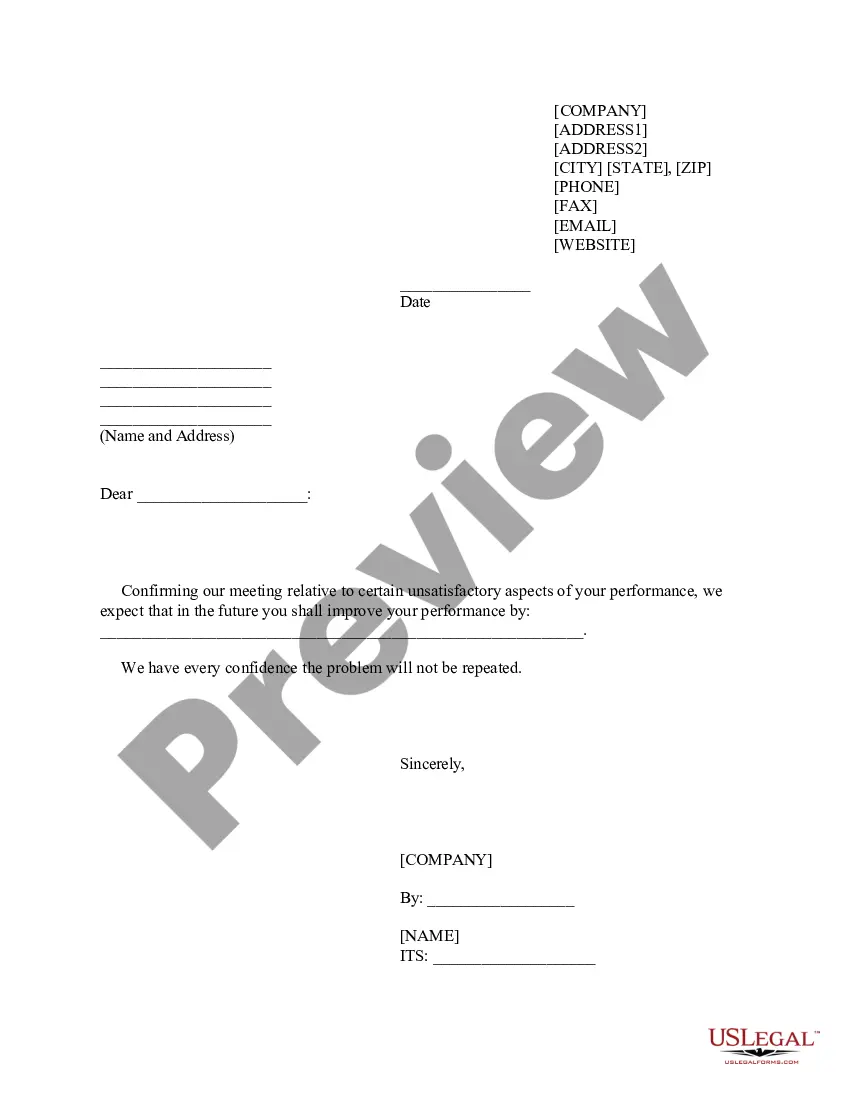
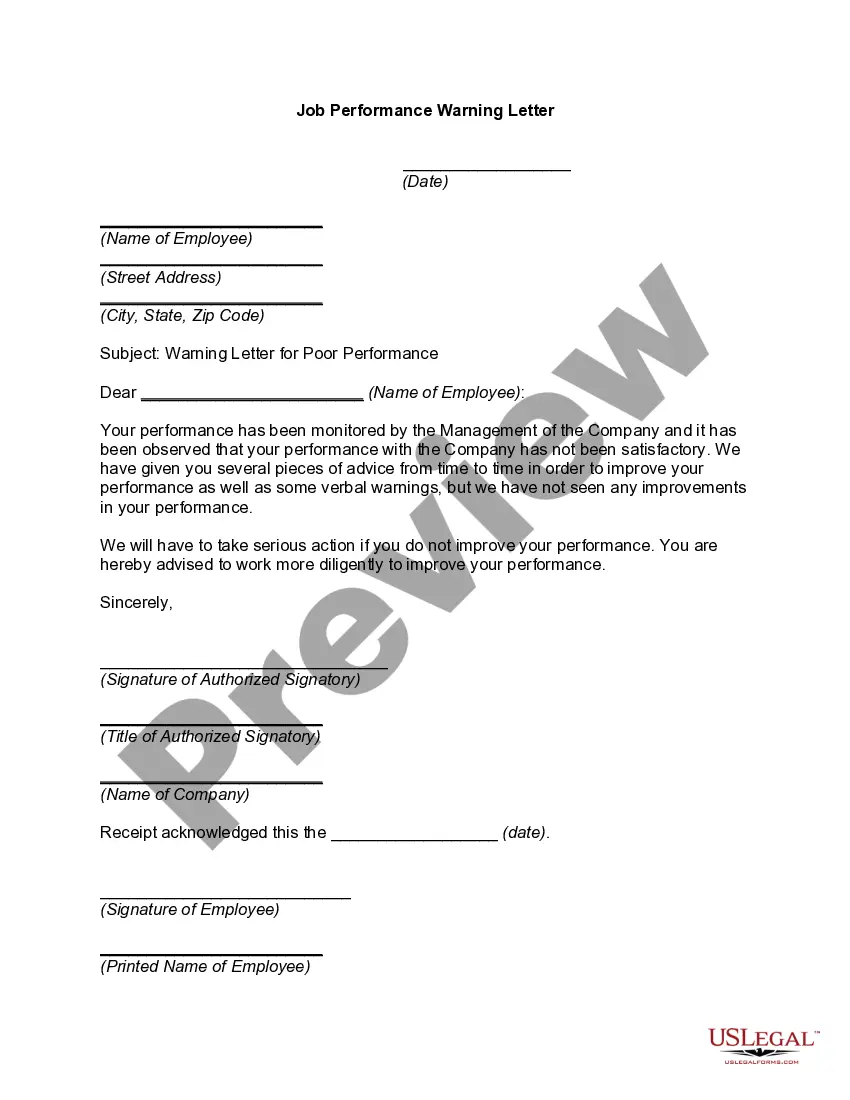
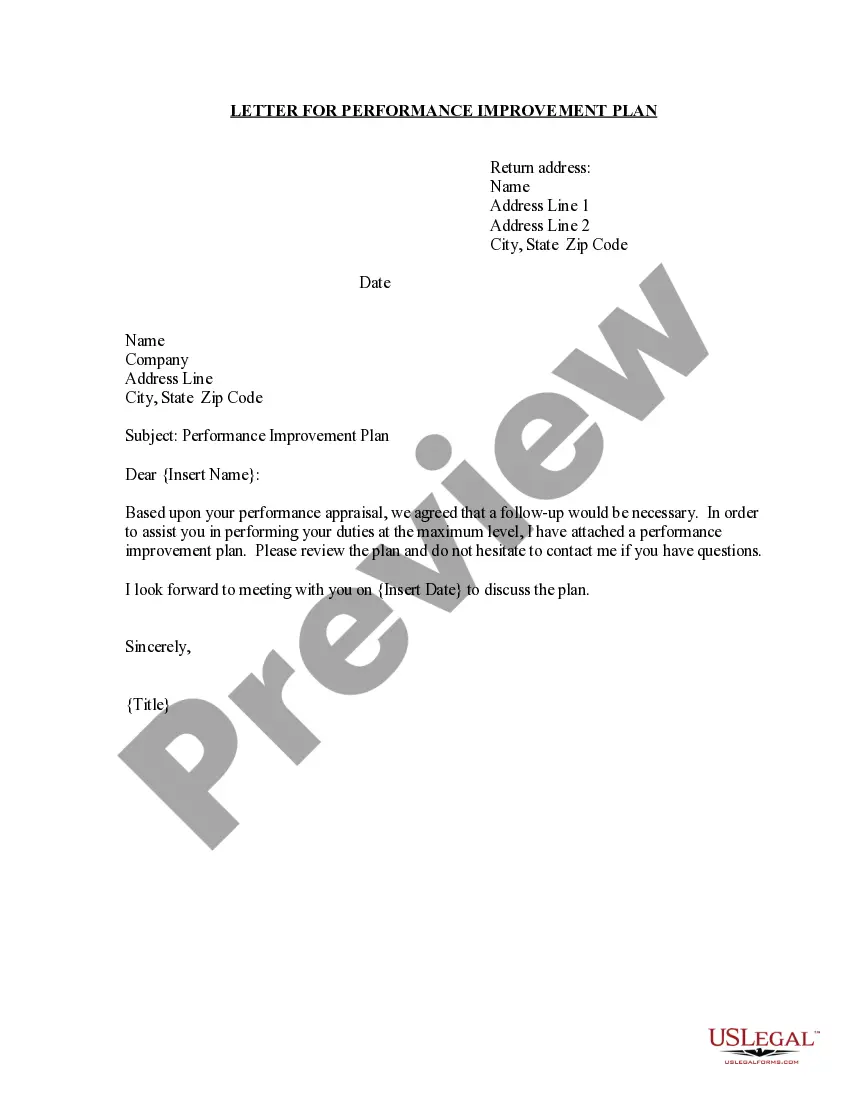
The Notice of Unsatisfactory Performance is a formal document used by employers to communicate issues regarding an employee's performance. This form outlines specific areas where the employee has not met expectations and provides a clear expectation for improvement. Unlike other performance review documents, this notice addresses unsatisfactory performance directly and aims to rectify it through clear communication and documented accountability.
What’s included in this form
- Contact information: Includes fields for your companyâs address, phone, email, and website.
- Date: Specifies when the notice is being issued.
- Recipient details: Contains a section for the name and address of the employee being addressed.
- Performance issues: A designated area where specific unsatisfactory performance aspects are outlined.
- Improvement expectations: A space to clearly state the expectations for improving performance moving forward.
- Signature: A section for the company representative to sign, confirming the notice is official.
Situations where this form applies
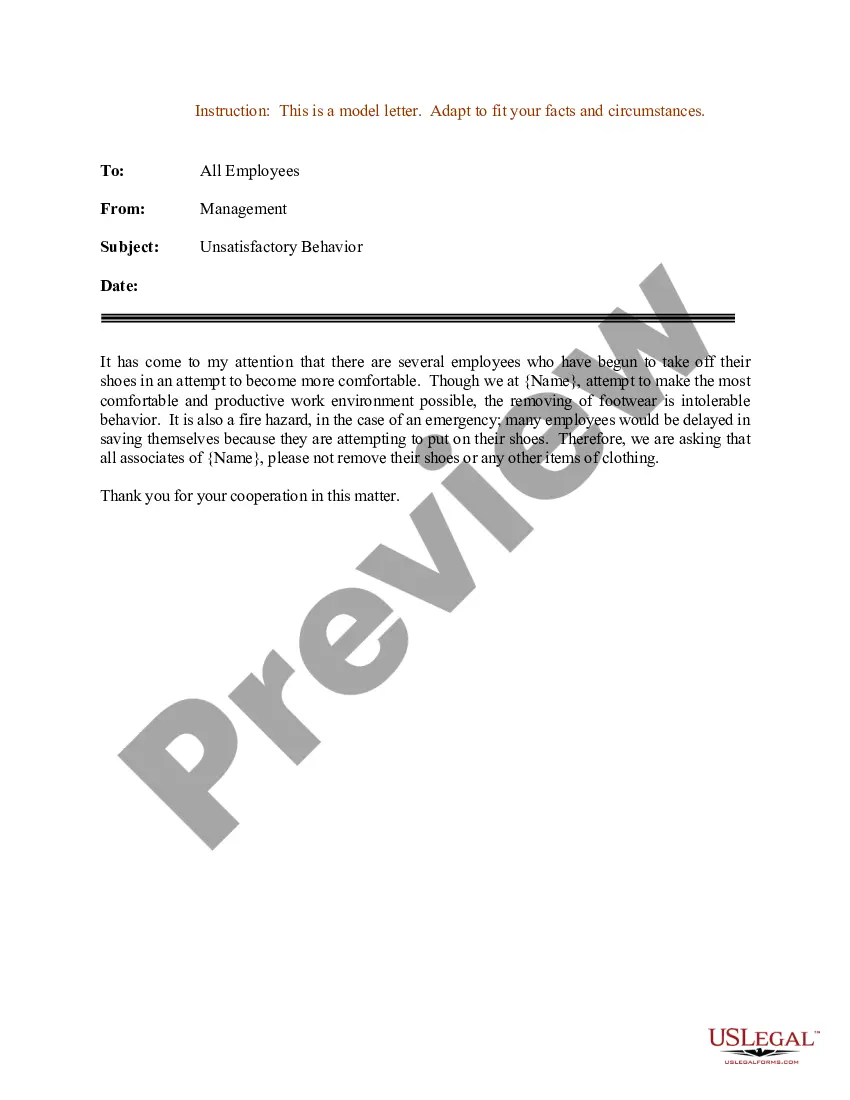
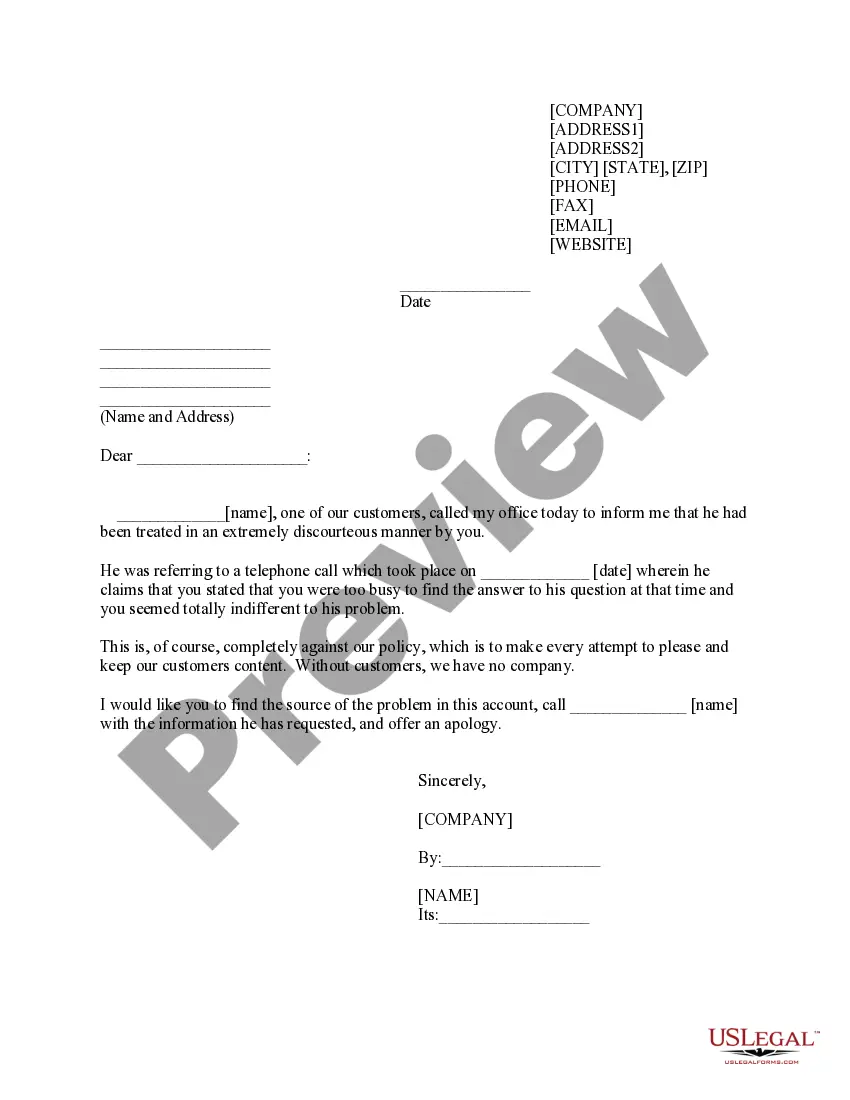
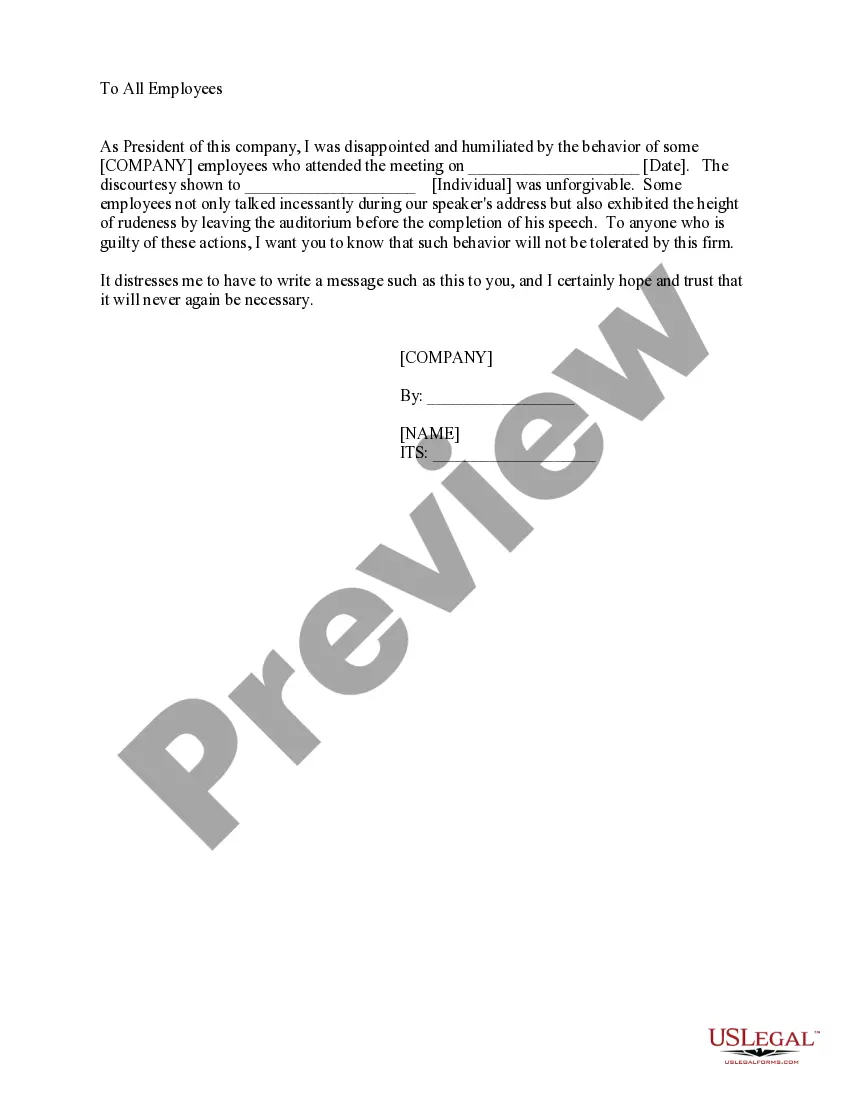
This form should be used when an employer needs to formally notify an employee about ongoing performance issues. Scenarios include situations where an employee consistently fails to meet job standards, misses deadlines, or does not adhere to company policies. By issuing this notice, the employer aims to encourage the employee to improve and provide them with a clear understanding of what is expected moving forward.
Who needs this form
- Employers who want to formally address employee performance issues.
- Human resources personnel responsible for managing employee performance evaluations.
- Managers who supervise employees and need to communicate performance concerns clearly.
Instructions for completing this form
- Fill in your company's contact information in the designated fields.
- Enter the date you are issuing the notice.
- Provide the name and address of the employee receiving the notice.
- Clearly outline the specific areas of unsatisfactory performance.
- State the expected improvements and any timelines for achieving these goals.
- Sign the notice and include your name and title to formalize the communication.
Notarization requirements for this form
This form does not typically require notarization unless specified by local law. It is important to consult state regulations to ensure compliance.
Get your form ready online
Our built-in tools help you complete, sign, share, and store your documents in one place.
Make edits, fill in missing information, and update formatting in US Legal Forms—just like you would in MS Word.
Download a copy, print it, send it by email, or mail it via USPS—whatever works best for your next step.
Sign and collect signatures with our SignNow integration. Send to multiple recipients, set reminders, and more. Go Premium to unlock E-Sign.
If this form requires notarization, complete it online through a secure video call—no need to meet a notary in person or wait for an appointment.
We protect your documents and personal data by following strict security and privacy standards.

Make edits, fill in missing information, and update formatting in US Legal Forms—just like you would in MS Word.

Download a copy, print it, send it by email, or mail it via USPS—whatever works best for your next step.

Sign and collect signatures with our SignNow integration. Send to multiple recipients, set reminders, and more. Go Premium to unlock E-Sign.

If this form requires notarization, complete it online through a secure video call—no need to meet a notary in person or wait for an appointment.

We protect your documents and personal data by following strict security and privacy standards.
Mistakes to watch out for
- Failing to specify the exact performance issues, which can lead to confusion.
- Not outlining clear expectations for improvement, making it difficult for the employee to succeed.
- Missing the employeeâs correct name or address, which can invalidate the notice.
- Not documenting the date of the notice, which is important for record-keeping.
Benefits of using this form online
- Convenience: Easily download and print the form when needed.
- Editability: Personalize the template to fit your specific workplace situation.
- Reliability: Access forms prepared by licensed attorneys, ensuring legal validity.
Looking for another form?


Form popularity
FAQ
An employee letter of performance is a letter that is written by an employee's supervisor that assesses their job performance after the previous performance review. Giving performance letters to employees allows employers to recognize their contributions to the success of the company.
This may include: Poor standards of work, e.g. frequent mistakes, not following a job through, unable to cope with instructions given. Inability to cope with a reasonable volume of work to a satisfactory standard. Attitude to work, e.g. poor interpersonal skills, lack of commitment and drive.
In my letter of date inviting you to a meeting and at our meeting on date of most recent meeting, I explained to you that your performance had not improved to a satisfactory level. details of how the performance didn't meet the standards required.
Voice your concerns, then give your employee the time to respond and explain their side. Perhaps they're feeling burnt out or overworked, or maybe they have a personal issue going on at home. Be empathetic and willing to listen, and work together to reach a mutual plan for a solution going forward.
Best Practices For Employee Reprimands Address the situation before you need a letter.Document the problem.Include other perspectives and statements if possible.Focus on improvement instead of highlighting what's wrong.Deliver reprimands in person.
A letter of concern for poor performance is a formal document that outlines an employee's inadequate performance and emphasizes the need for improvement. It's a crucial tool for employers and supervisors to provide feedback and help employees improve their work.
Best Practices For Employee Reprimands Address the situation before you need a letter.Document the problem.Include other perspectives and statements if possible.Focus on improvement instead of highlighting what's wrong.Deliver reprimands in person.
Poor performance or underperformance often shows up as: Failure to do the duties of the role or meet the standard required. Non-compliance with workplace policies, rules or procedures. Unacceptable behaviour at work. Disruptive or negative behaviour that affects co-workers.