Sample Letter for Unsatisfactory Behavior
Overview of this form
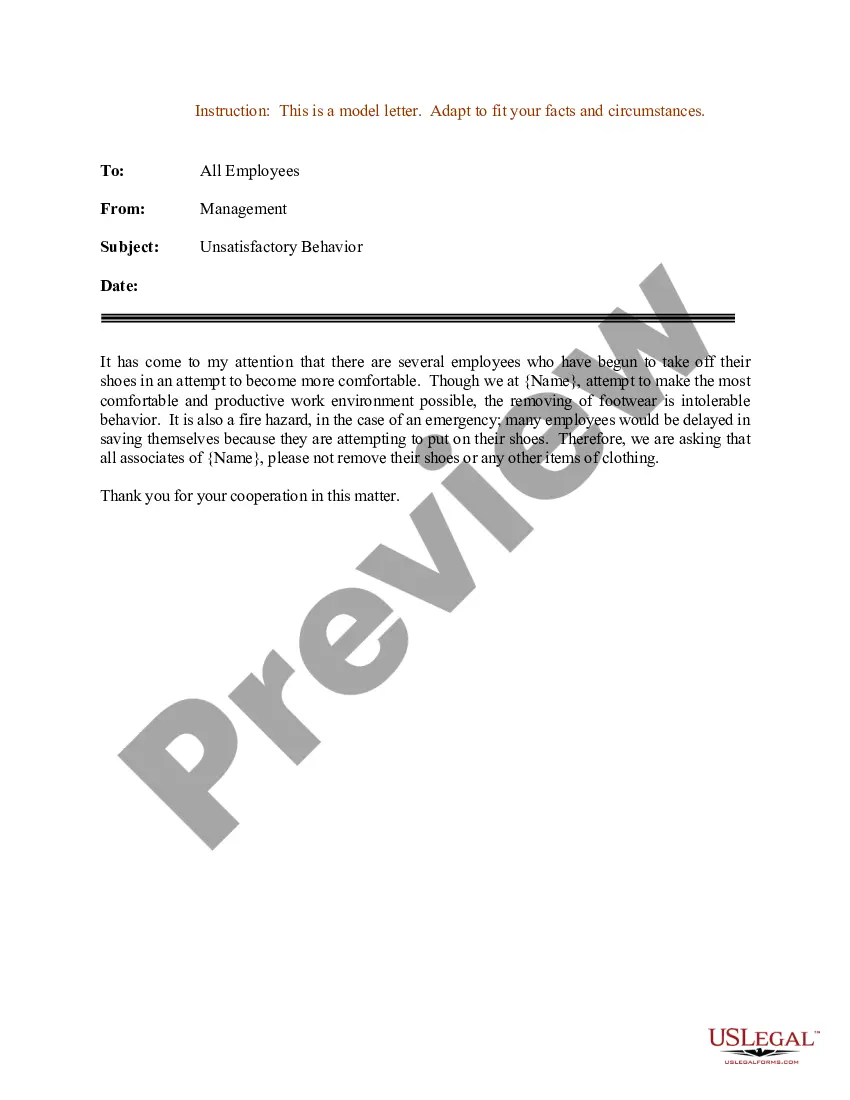
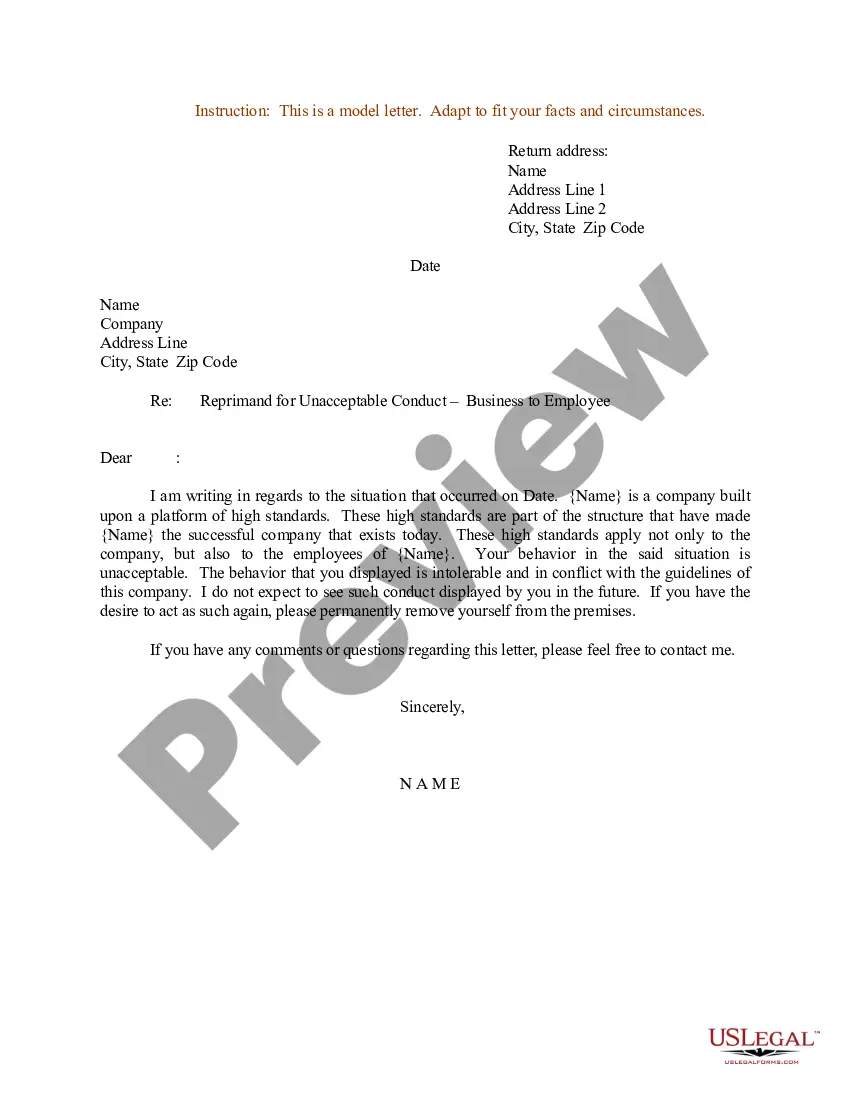
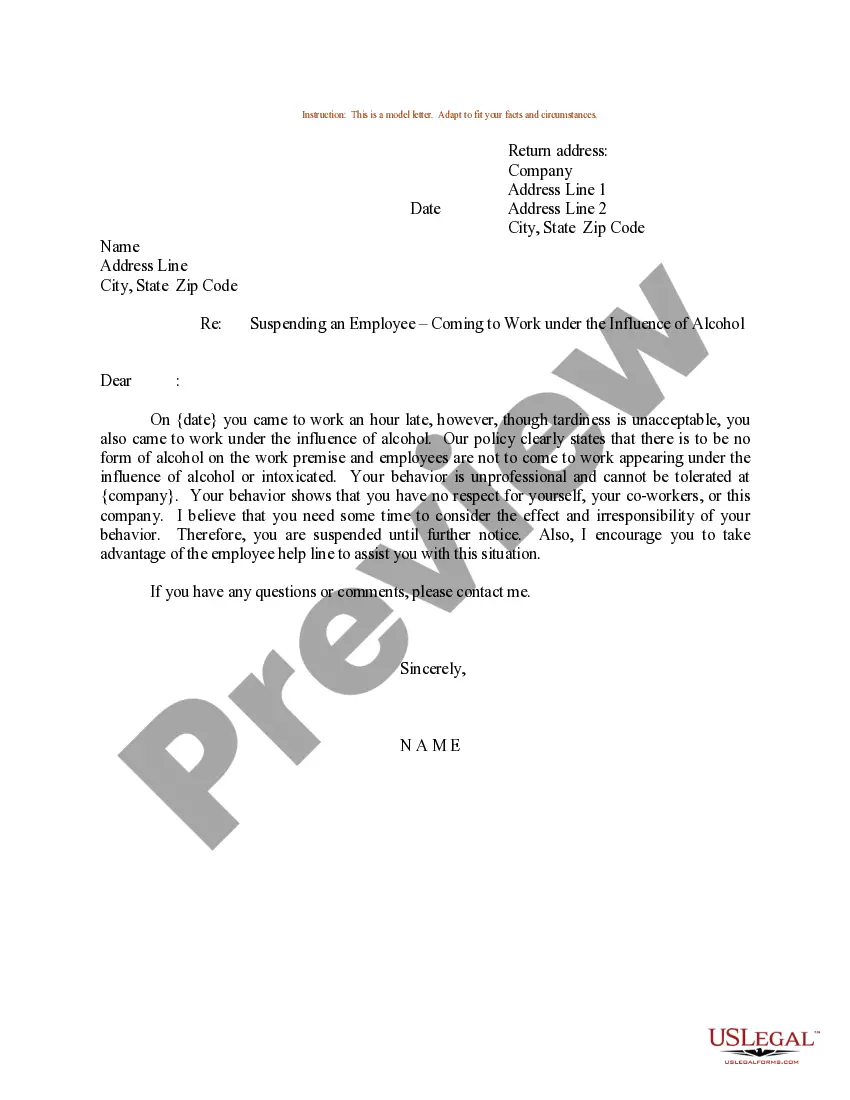
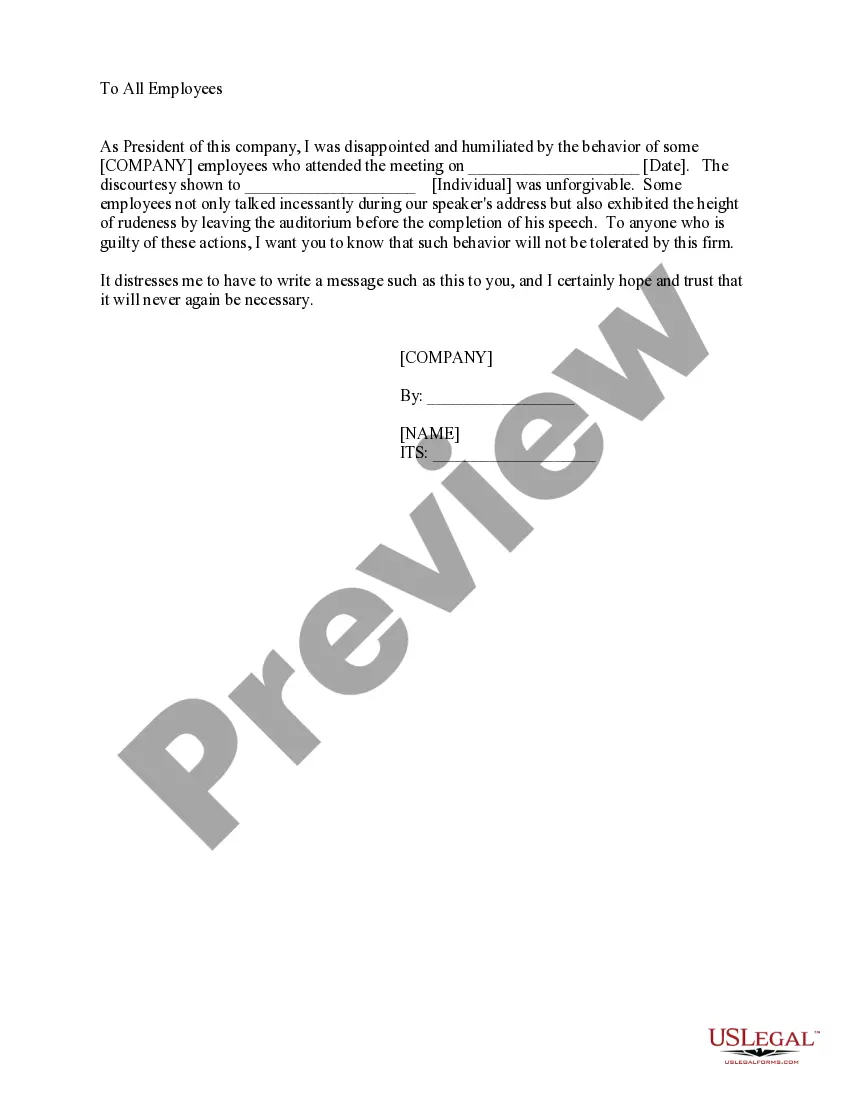
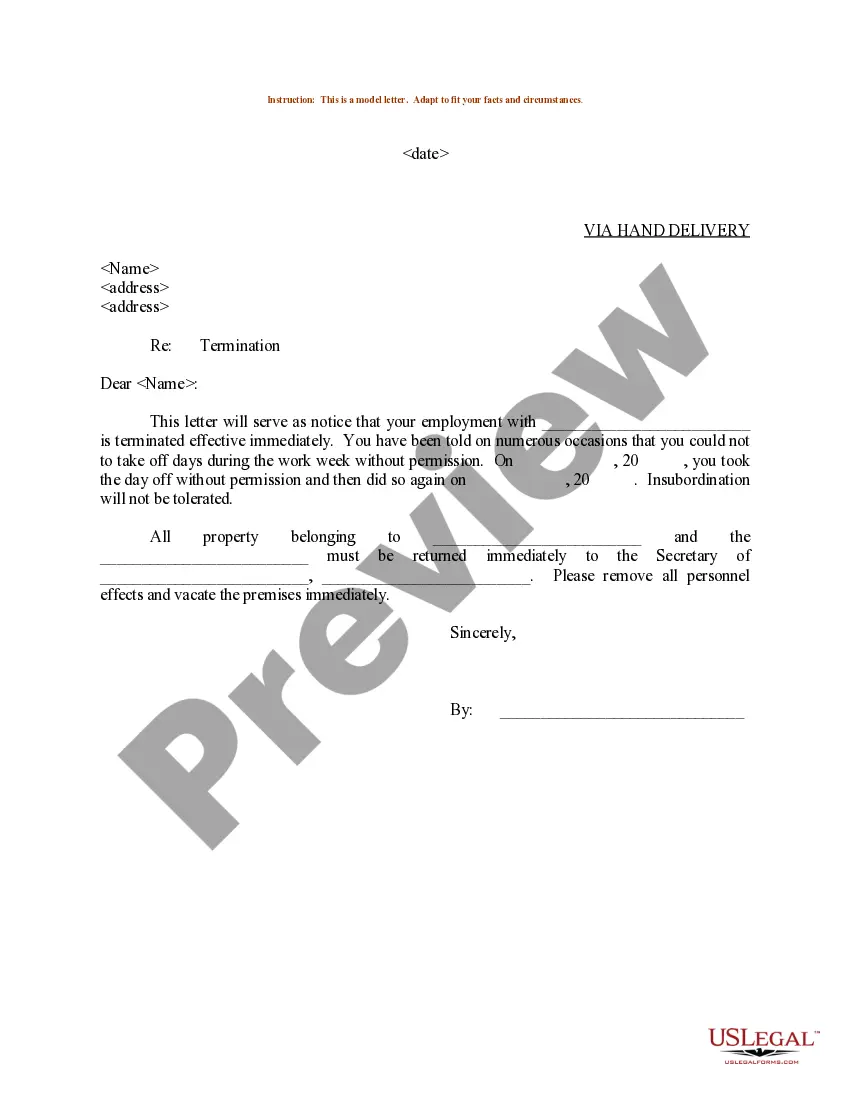
The Sample Letter for Unsatisfactory Behavior is a legal template designed to address concerns about someone's behavior in a formal manner. This letter serves as a communication tool to document specific behaviors that are considered unsatisfactory. It differs from other forms of letters as it focuses specifically on addressing behavior issues, making it clear and direct for the recipient.
Key components of this form
- Introduction: Briefly states the purpose of the letter.
- Description of behavior: Details the specific unsatisfactory behavior that needs to be addressed.
- Request for action: Asks for a change in behavior or outlines consequences if the behavior continues.
- Closing statement: Thanks the recipient for their cooperation in addressing the matter.
Common use cases
This form is useful in various situations where unsatisfactory behavior needs to be formally addressed. Common scenarios include workplace situations, tenant-landlord disputes, or school-related issues where a formal notice is necessary to document the concerns raised and seek a resolution.
Who needs this form
- Employers addressing employee conduct issues.
- Landlords informing tenants about behavioral concerns.
- Teachers or school administrators communicating with students or parents regarding unacceptable behavior.
Completing this form step by step
- Identify the parties involved, including the sender and recipient.
- Clearly detail the unsatisfactory behavior that is being addressed.
- Specify the changes expected from the recipient moving forward.
- Include any consequences that may occur if the behavior persists.
- Finish with a closing statement and provide a signature if necessary.
Notarization requirements for this form
This form does not typically require notarization to be legally valid. However, some jurisdictions or document types may still require it. US Legal Forms provides secure online notarization powered by Notarize, available 24/7 for added convenience.
Get your form ready online
Our built-in tools help you complete, sign, share, and store your documents in one place.
Make edits, fill in missing information, and update formatting in US Legal Forms—just like you would in MS Word.
Download a copy, print it, send it by email, or mail it via USPS—whatever works best for your next step.
Sign and collect signatures with our SignNow integration. Send to multiple recipients, set reminders, and more. Go Premium to unlock E-Sign.
If this form requires notarization, complete it online through a secure video call—no need to meet a notary in person or wait for an appointment.
We protect your documents and personal data by following strict security and privacy standards.

Make edits, fill in missing information, and update formatting in US Legal Forms—just like you would in MS Word.

Download a copy, print it, send it by email, or mail it via USPS—whatever works best for your next step.

Sign and collect signatures with our SignNow integration. Send to multiple recipients, set reminders, and more. Go Premium to unlock E-Sign.

If this form requires notarization, complete it online through a secure video call—no need to meet a notary in person or wait for an appointment.

We protect your documents and personal data by following strict security and privacy standards.
Mistakes to watch out for
- Not being specific enough about the behavior in question.
- Failing to outline possible consequences for continued behavior.
- Using informal language that may diminish the seriousness of the letter.
Why use this form online
- Convenience: Easily access and download the form from anywhere.
- Editability: Modify the document to suit your specific needs without hassle.
- Reliability: Ensure the form is legally crafted by licensed attorneys, increasing its effectiveness.
Legal use & context
- This form is useful in documenting behavioral issues, which may be critical for legal compliance.
- Proper documentation can protect employers in case of disputes or legal challenges.
- Ensuring clarity in communication can help mitigate misunderstandings or claims of unfair treatment.
Quick recap
- The Sample Letter for Unsatisfactory Behavior is essential for formal documentation of behavioral issues in a workplace.
- Using this form can help improve communication and potentially resolve issues before they escalate.
- Be specific and clear about the behaviors to ensure the recipient understands the issues.
Looking for another form?

Form popularity
FAQ
Don't do it when you're angry. Document the problem. Use company policies to back you up. Include any relevant witness statements. Set expectations for improvement. Deliver the news in person (and proof of receipt) Keep a copy for your records. Follow up.
Be upfront about why you are writing the letter and emphasize the problem. Outline why the person is being reprimanded and give specific examples. Refer to previous incidences if this issue has been addressed previously. The letter should be expansive enough to cover any future challenges or confrontations.
Dear (name), We have received a number of complaints regarding your behavior with other employees. We have already warned you for this issue previously and we advised you to bring changes in your attitude. (Describe in your own words). We have a very strict policy regarding the behavior of an employee.
The employee's name, job title, and employee number. The supervisor's name, the name of the company, and the name of the human resource manager. Details of the violation. Involved or affected parties. The behavior guidelines that the person was not able to follow. A plan of corrective measures.
Don't do it when you're angry. Document the problem. Use company policies to back you up. Include any relevant witness statements. Set expectations for improvement. Deliver the news in person (and proof of receipt) Keep a copy for your records. Follow up.
Write an apology letter Be direct in admitting your mistake and the reason that led to your bad behavior. Do not justify the cause of your behavior but rather own it up by simply saying sorry. Let the person know that you regret and will act towards improving on how you behave next time when you get stressed up.
Dear (Name/employee), I am writing to you because I would like to discuss your very unprofessional behavior. As a very successful business company, we cannot afford to have any bad reputation. (Describe in your own words).
Instead of just citing someone as being grumpy or a cynic, be specific. Take the time to constructively describe both the physical and verbal behaviors. Tie the whining to its impact on performance, work environment, and/or relationships with co-workers or clients.
The employee's name, job title, and employee number. The supervisor's name, the name of the company, and the name of the human resource manager. Details of the violation. Involved or affected parties. The behavior guidelines that the person was not able to follow.